
994 Results for "

KB cells

" in MedChemExpress (MCE) Product Catalog:
Products (994)

994 Results for "KB cells" in MCE Product Catalog:

917
917 Publications Verification
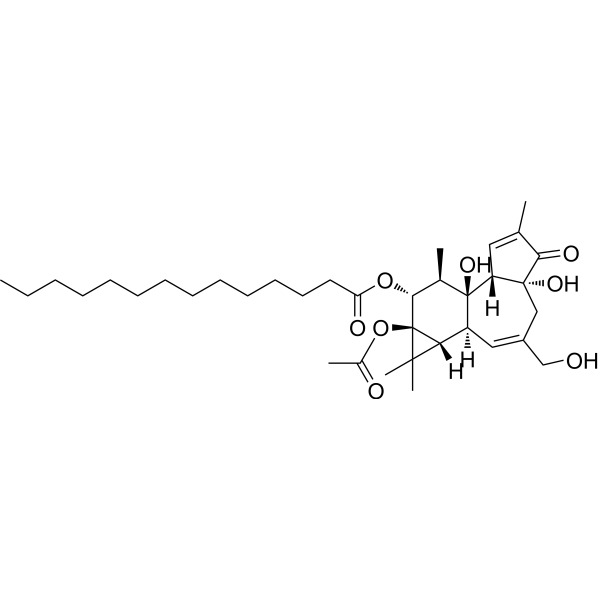
Cat. No.: HY-18739
CAS No.: 16561-29-8
Synonyms: PMA; TPA; Phorbol myristate acetate
Phorbol 12-myristate 13-acetate (PMA; TPA; Phorbol myristate acetate), a phorbol ester, is a dual SphK and protein kinase C (PKC) activator . Phorbol 12-myristate 13-acetate is a NF-κB activator. Phorbol 12-myristate 13-acetate induces differentiation in THP-1 cells (Validated by MedChemExpress) .
loading...
    loading...
642
642 Cited Publications
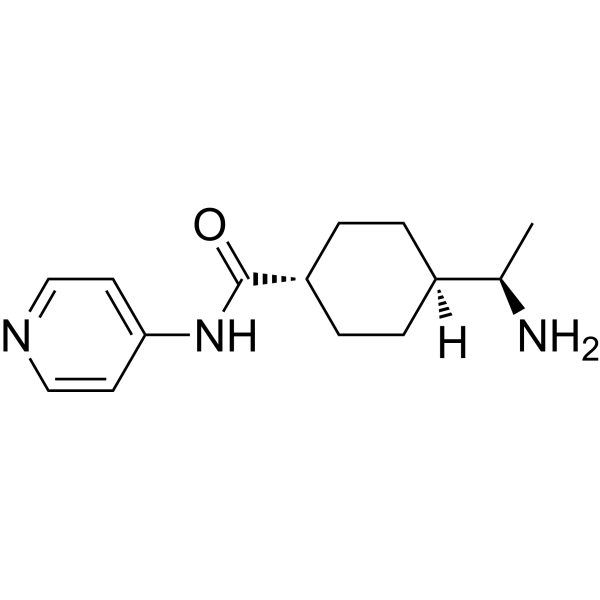
Cat. No.: HY-10071
CAS No.: 146986-50-7
Purity:  99.46%
Y-27632 is a ROCK inhibitor with Ki values of 220 nM and 300 nM for ROCK1 and ROCK2, respectively. Y-27632 exerts anti-inflammatory and immunomodulatory effects in systemic lupus erythematosus models by inhibiting the ROCK/NF-κB pathway. Y-27632 enhances autophagy by inhibiting the AKT/mTOR pathway, thereby inducing apoptosis apoptosis in oral squamous cell carcinoma. Y-27632 induces the formation of tunneling nanotubes in ARPE-19 cells and significantly enhances mitochondrial transfer through these channels. Y-27632 promotes neurite outgrowth in PC12 cells by activating the Rac1/NOX1/ROS/AKT/PAK1 signaling cascade .
loading...
    loading...
642
642 Cited Publications
Cat. No.: HY-10071A
CAS No.: 331752-47-7
Y-27632 hydrochloride hydrate is a ROCK inhibitor with Ki values of 220 nM and 300 nM for ROCK1 and ROCK2, respectively. Y-27632 hydrochloride hydrate exerts anti-inflammatory and immunomodulatory effects in systemic lupus erythematosus models by inhibiting the ROCK/NF-κB pathway. Y-27632 hydrochloride hydrate enhances autophagy by inhibiting the AKT/mTOR pathway, thereby inducing apoptosis apoptosis in oral squamous cell carcinoma. Y-27632 hydrochloride hydrate induces the formation of tunneling nanotubes in ARPE-19 cells and significantly enhances mitochondrial transfer through these channels. Y-27632 hydrochloride hydrate promotes neurite outgrowth in PC12 cells by activating the Rac1/NOX1/ROS/AKT/PAK1 signaling cascade .
loading...
    loading...
540
540 Cited Publications
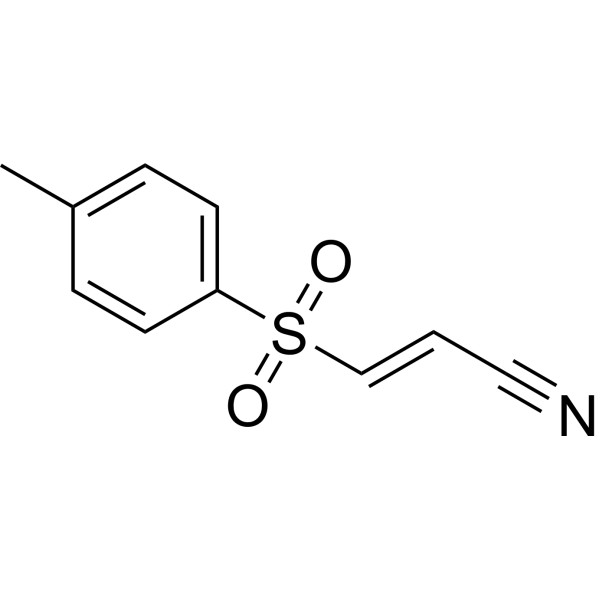
Cat. No.: HY-13453
CAS No.: 19542-67-7
Purity:  99.98%
Synonyms: BAY 11-7821
BAY 11-7082 is an IκBα phosphorylation and NF-κB inhibitor. BAY 11-7082 selectively and irreversibly inhibits the TNF-α-induced phosphorylation of IκB-α, and decreases NF-κB and expression of adhesion molecules. BAY 11-7082 inhibits ubiquitin-specific protease USP7 and USP21 (IC50=0.19, 0.96 μM, respectively). BAY 11-7082 inhibits gasdermin D (GSDMD) pore formation in liposomes and inflammasome-mediated pyroptosis and IL-1β secretion in human and mouse cells .
loading...
    loading...
295
295 Cited Publications
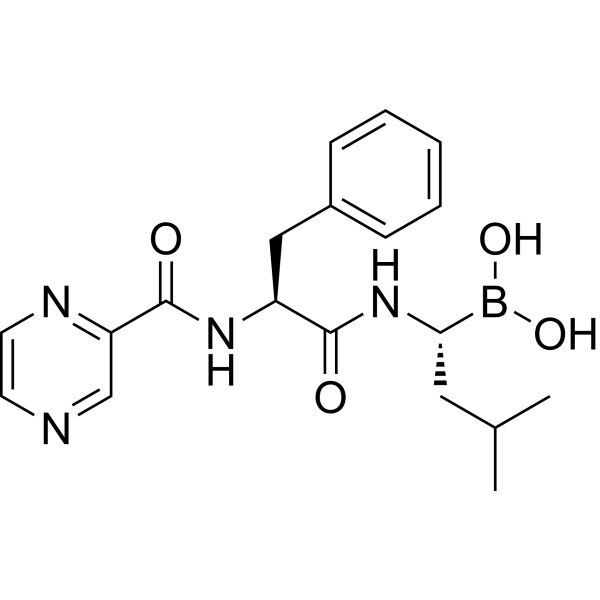
Cat. No.: HY-10227
CAS No.: 179324-69-7
Purity:  99.91%
Synonyms: PS-341; LDP-341; NSC 681239
Bortezomib (PS-341) is a reversible and selective proteasome inhibitor, and potently inhibits 20S proteasome (Ki=0.6 nM) by targeting a threonine residue. Bortezomib disrupts the cell cycle, induces apoptosis, and inhibits NF-κB. Bortezomib is the first proteasome inhibitor anticancer agent. Bortezomib can be used for the study of multiple myeloma (MM) . Bortezomib effectively inhibits TREM2 expression in tumor-associated macrophages (TAMs) .
loading...
    loading...
71
71 Cited Publications
Cat. No.: HY-15186
CAS No.: 1001264-89-6
Purity:  99.79%
Synonyms: GDC-0068; RG7440
Target:  

Organoid Akt Apoptosis

Research Areas:  

Cancer

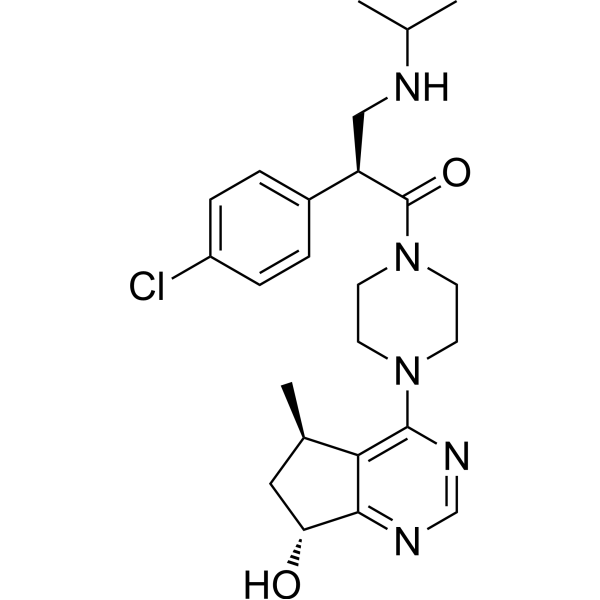
Ipatasertib (GDC-0068) is an orally active, highly selective and ATP-competitive pan-Akt inhibitor with IC50 values of 5, 18, 8 nM for Akt1/2/3, respectively. Ipatasertib synchronously activates FoxO3a and NF-κB through inhibition of Akt leading to p53-independent activation of PUMA. Ipatasertib also induces apoptosis in cancer cells and inhibits tumor growth in xenograft mouse models .
loading...
    loading...
48
48 Cited Publications
Cat. No.: HY-N0176
CAS No.: 71939-50-9
Synonyms: Dihydroqinghaosu; β-Dihydroartemisinin; Artenimol
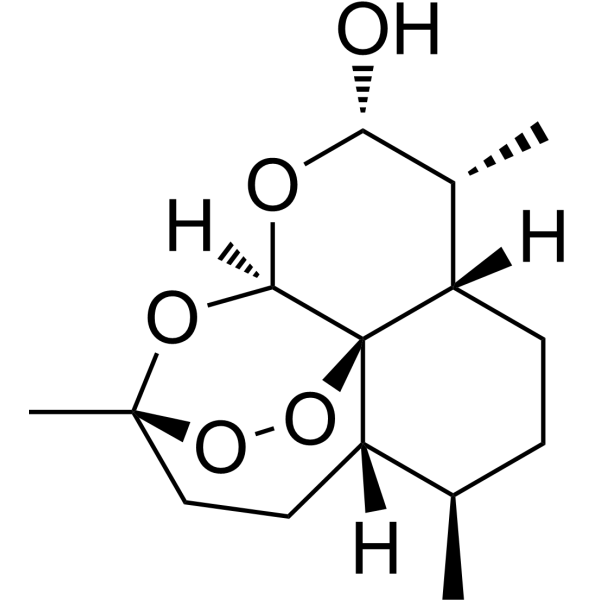
Dihydroartemisinin (Dihydroqinghaosu; β-Dihydroartemisinin; Artenimol) is an orally active metabolite of Artemisinin (HY-B0094) and an antimalarial agent. Dihydroartemisinin induces Autophagy by inhibiting NF-κB activation. Dihydroartemisinin inhibits CYP1A2 and CYP2C19. Dihydroartemisinin promotes ROS accumulation. Dihydroartemisinin exhibits anticancer activity in esophageal cancer cells. Dihydroartemisinin has schistosomicidal activity against schistosomula and adult worms of Schistosoma japonicum, reduces worm burden, and exhibits Antiparasitic activity. Dihydroartemisinin can be used in research related to multiple myeloma, promyelocytic leukemia, esophageal cancer, and Schistosoma japonicum infection .
loading...
    loading...
47
47 Cited Publications
Cat. No.: HY-16591
CAS No.: 1260251-31-7
Synonyms: TL32711
Target:  

IAP Apoptosis HIV

Research Areas:  

Cancer

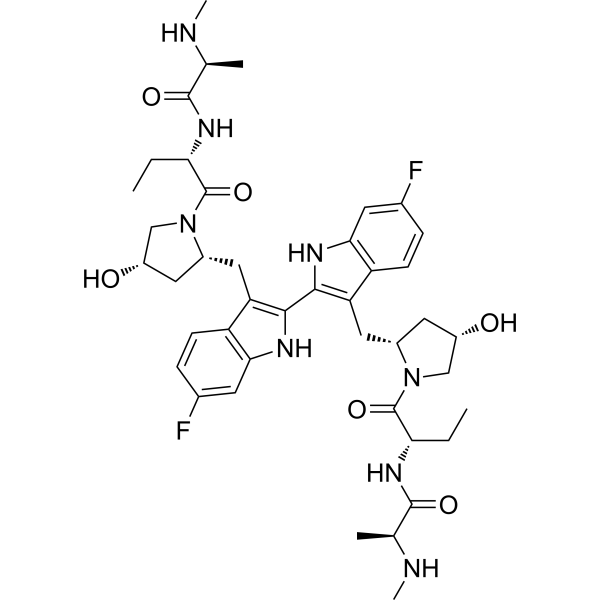
Birinapant (TL32711), a bivalent Smac mimetic, is a potent antagonist for XIAP and cIAP1 with Kds of 45 nM and less than 1 nM, respectively. Birinapant (TL32711) induces the autoubiquitylation and proteasomal degradation of cIAP1 and cIAP2 in intact cells, which results in formation of a RIPK1: caspase-8 complex, caspase-8 activation, and induction of tumor cell death. Birinapant (TL32711) targets TRAF2-associated cIAPs and abrogates TNF-induced NF-κB activation.
loading...
    loading...
47
47 Cited Publications
Cat. No.: HY-13324
CAS No.: 218600-53-4
Purity:  98.92%
Synonyms: RTA 402; NSC 713200; CDDO Methyl ester
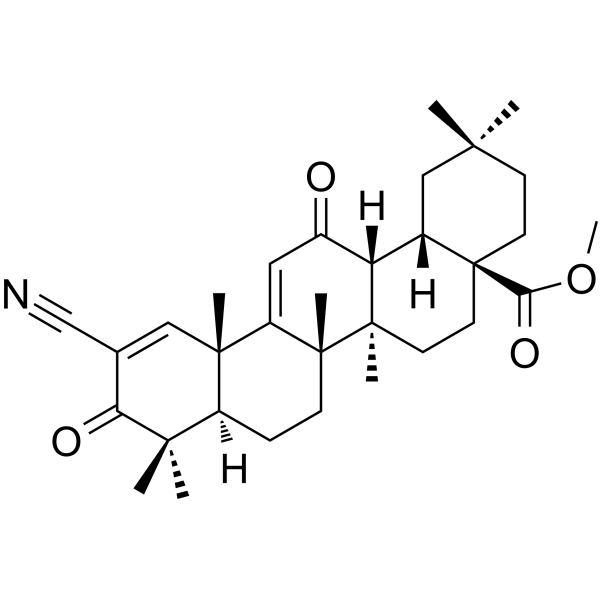
Bardoxolone methyl (RTA 402) is an orally active and blood-brain-barrier-penetrant activator of Nrf2 and an inhibitor of SARS-CoV-2 3CL protease. Bardoxolone methyl inhibits SARS-CoV-2 replication in Vero cells with an EC50 value of 0.29 μM. Bardoxolone methyl increases levels of pNrf2 and HO-1, inhibits inflammatory mediators like pNFκB and MCP-1. Bardoxolone methyl activates the Nrf2 pathway to enhance antioxidant and anti-inflammatory responses, inhibits viral replication, and improves mitochondrial function. Bardoxolone methyl can be used in research on chemotherapy-induced neuropathic pain (CINP), COVID-19, and chronic kidney disease (CKD) .
loading...
    loading...
47
47 Cited Publications
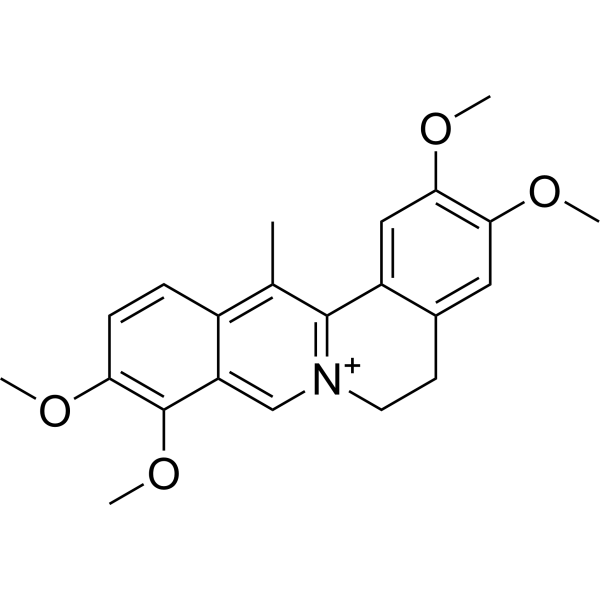
Cat. No.: HY-N0674
CAS No.: 30045-16-0
Synonyms: 13-Methylpalmatine
Dehydrocorydaline (13-Methylpalmatine) is an orally active alkaloid that inhibits acetylcholinesterase (AChE) (IC50 = 0.62 μM). Dehydrocorydaline inhibits synaptosomal reuptake of serotonin/dopamine/norepinephrine, the NLRP3 inflammasome, microglial activation, biofilm formation, and Plasmodium/Trypanosoma growth, and has pain-relieving effects. Dehydrocorydaline activates p38 MAPK/MyoD-driven myoblast differentiation, binds SPTA1 (Kd = 2.18 µM), inhibits aldose reductase, hOCT2/3, hPMAT, MEK/ERK, NF-κB/TRAF6, IRE1/PERK, SMAD2/3, and NR2B phosphorylation, and modulates Bcl-2/Bax, caspase-8/7, and PARP signaling. Dehydrocorydaline can be used in research on pain, breast cancer, melanoma, non-small cell lung cancer, bacterial infections, parasitic infections, pulmonary fibrosis, and atherosclerosis .
loading...
    loading...
47
47 Cited Publications
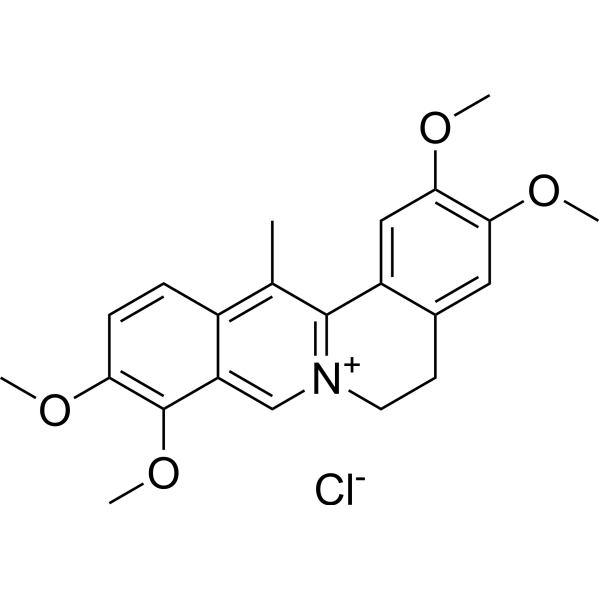
Cat. No.: HY-N0674A
CAS No.: 10605-03-5
Synonyms: 13-Methylpalmatine chloride
Dehydrocorydaline (13-Methylpalmatine) chloride is an orally active alkaloid that inhibits acetylcholinesterase (AChE) (IC50 = 0.62 μM). Dehydrocorydaline chloride inhibits synaptosomal reuptake of serotonin/dopamine/norepinephrine, the NLRP3 inflammasome, microglial activation, biofilm formation, and Plasmodium/Trypanosoma growth, and has pain-relieving effects. Dehydrocorydaline chloride activates p38 MAPK/MyoD-driven myoblast differentiation, binds SPTA1 (Kd = 2.18 µM), inhibits aldose reductase, hOCT2/3, hPMAT, MEK/ERK, NF-κB/TRAF6, IRE1/PERK, SMAD2/3, and NR2B phosphorylation, and modulates Bcl-2/Bax, caspase-8/7, and PARP signaling. Dehydrocorydaline chloride can be used in research on pain, breast cancer, melanoma, non-small cell lung cancer, bacterial infections, parasitic infections, pulmonary fibrosis, and atherosclerosis .
loading...
    loading...
46
46 Cited Publications
Cat. No.: HY-P0151
CAS No.: 213546-53-3
Target:  

NF-κB

Research Areas:  

Inflammation/Immunology

SN50 is a cell permeable inhibitor of NF-κB translocation.
loading...
    loading...
46
46 Cited Publications
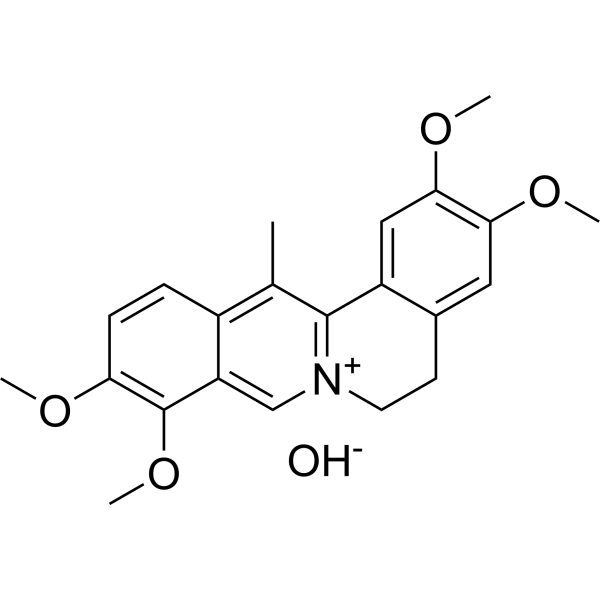
Cat. No.: HY-N0674B
Synonyms: 13-Methylpalmatine (hydroxyl)
Dehydrocorydaline (13-Methylpalmatine) (hydroxyl) is an orally active alkaloid that inhibits acetylcholinesterase (AChE) (IC50 = 0.62 μM). Dehydrocorydaline (hydroxyl) inhibits synaptosomal reuptake of serotonin/dopamine/norepinephrine, the NLRP3 inflammasome, microglial activation, biofilm formation, and Plasmodium/Trypanosoma growth, and has pain-relieving effects. Dehydrocorydaline (hydroxyl) activates p38 MAPK/MyoD-driven myoblast differentiation, binds SPTA1 (Kd = 2.18 µM), inhibits aldose reductase, hOCT2/3, hPMAT, MEK/ERK, NF-κB/TRAF6, IRE1/PERK, SMAD2/3, and NR2B phosphorylation, and modulates Bcl-2/Bax, caspase-8/7, and PARP signaling. Dehydrocorydaline (hydroxyl) can be used in research on pain, breast cancer, melanoma, non-small cell lung cancer, bacterial infections, parasitic infections, pulmonary fibrosis, and atherosclerosis .
loading...
    loading...
45
45 Cited Publications
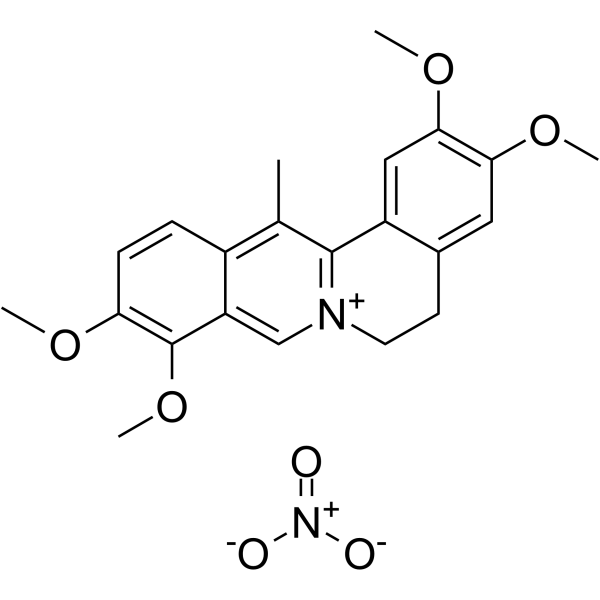
Cat. No.: HY-N4238
CAS No.: 13005-09-9
Synonyms: 13-Methylpalmatine nitrate
Dehydrocorydaline (13-Methylpalmatine) nitrate is an orally active alkaloid that inhibits acetylcholinesterase (AChE) (IC50 = 0.62 μM). Dehydrocorydaline nitrate inhibits synaptosomal reuptake of serotonin/dopamine/norepinephrine, the NLRP3 inflammasome, microglial activation, biofilm formation, and Plasmodium/Trypanosoma growth, and has pain-relieving effects. Dehydrocorydaline nitrate activates p38 MAPK/MyoD-driven myoblast differentiation, binds SPTA1 (Kd = 2.18 µM), inhibits aldose reductase, hOCT2/3, hPMAT, MEK/ERK, NF-κB/TRAF6, IRE1/PERK, SMAD2/3, and NR2B phosphorylation, and modulates Bcl-2/Bax, caspase-8/7, and PARP signaling. Dehydrocorydaline nitrate can be used in research on pain, breast cancer, melanoma, non-small cell lung cancer, bacterial infections, parasitic infections, pulmonary fibrosis, and atherosclerosis .
loading...
    loading...
36
36 Cited Publications
Cat. No.: HY-N0191
CAS No.: 5508-58-7
Synonyms: Andrographis
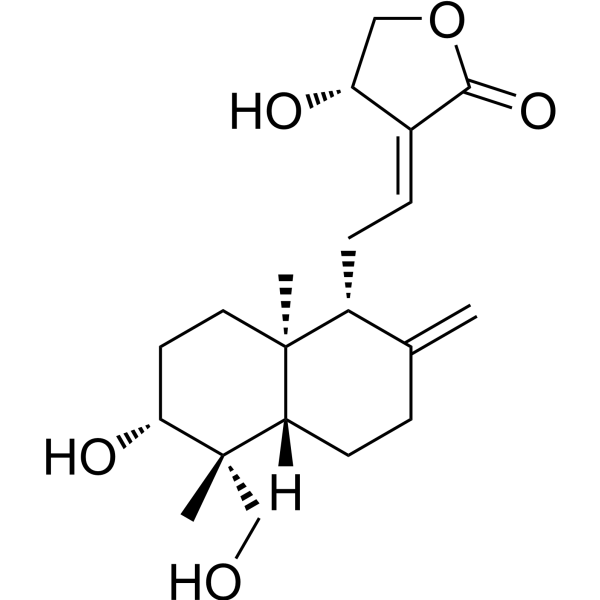
Andrographolide is a NF-κB inhibitor, which inhibits NF-κB activation through covalent modification of a cysteine residue on p50 in endothelial cells without affecting IκBα degradation or p50/p65 nuclear translocation. Andrographolide has antiviral effects.
loading...
    loading...
34
34 Cited Publications
Cat. No.: HY-19356
CAS No.: 84573-16-0
Synonyms: Roc-A
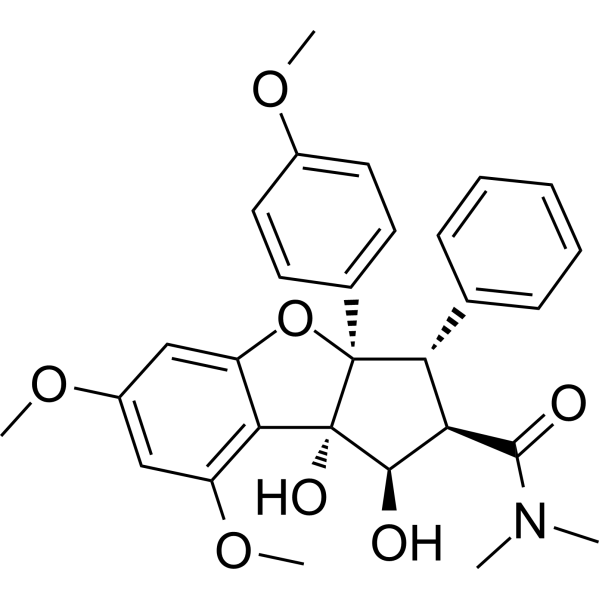
Rocaglamide (Roc-A) is isolated from the genus Aglaia and can be used for coughs, injuries, asthma and inflammatory skin diseases. Rocaglamide is a potent inhibitor of NF-κB activation in T-cells. Rocaglamide is a potent and selective heat shock factor 1 (HSF1) activation inhibitor with an IC50 of ~50 nM. Rocaglamide inhibits the function of the translation initiation factor eIF4A. Rocaglamide also has anticancer properties in leukemia .
loading...
    loading...
31
31 Cited Publications
Cat. No.: HY-N0168
CAS No.: 520-33-2
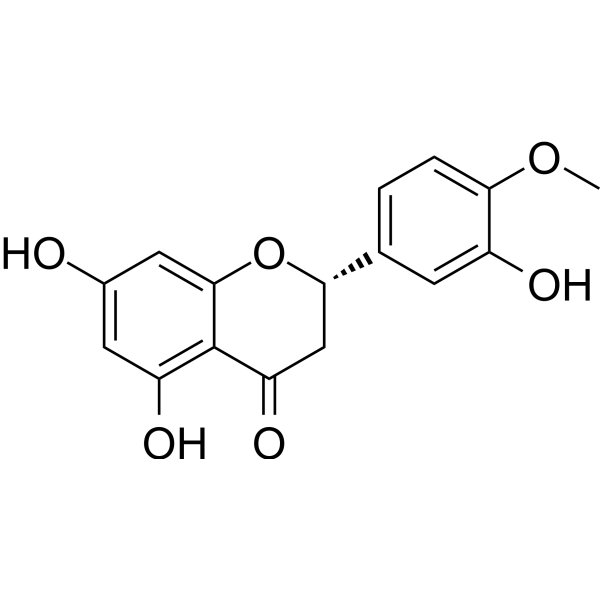
Hesperetin is a natural flavanone that can be found in citrus, and acts as a potent and orally active broad-spectrum inhibitor against human UGT activity. Hesperetin induces apoptosis via p38 MAPK activation. Hesperetin displays a range of bioactivities including antioxidant, anti-inflammatory, and anti-cancer. Hesperetin is found to induce cell-cycle arrest at G2/M phase. Hesperetin can reduce Bcl-2 and enhance BaxM. Hesperetin induces apoptosis through inhibiting NF-κB receptor .
loading...
    loading...
27
27 Cited Publications
Cat. No.: HY-N0171
CAS No.: 83-46-5
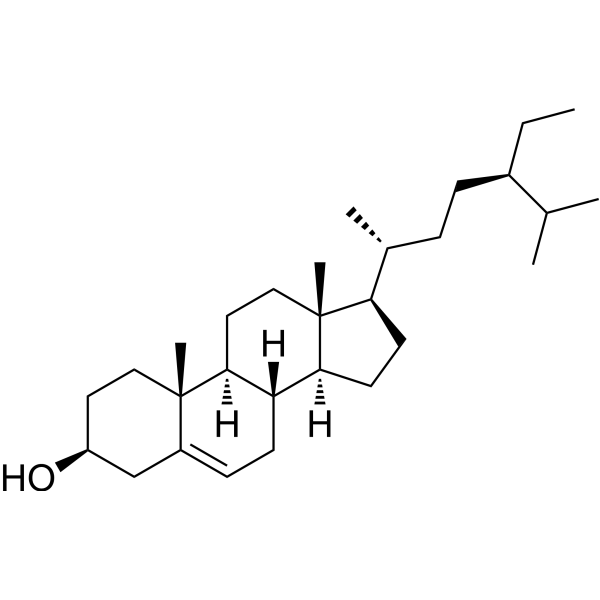
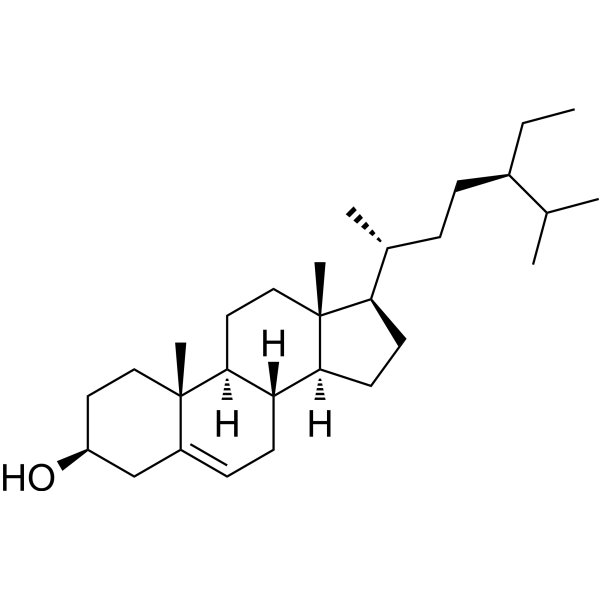
Beta-Sitosterol (purity≥80%) is orally active. Beta-Sitosterol exhibits multiple activities, including anti-inflammatory, anticancer, antioxidant, antimicrobial, antidiabetic, antioxidant enzyme, and analgesic. Beta-Sitosterol inhibits inflammation and impaired adipogenesis in bovine mammary epithelial cells by reducing levels of ROS, TNF-α, IL-1β, and NF-κB p65 and restoring the activity of the HIF-1α/mTOR signaling pathway. Beta-Sitosterol induces apoptosis in cancer cells through ROS-mediated mitochondrial dysregulation and p53 activation. Beta-Sitosterol exerts its anticancer effects in cancer cells by activating caspase-3, caspase-8, and caspase-9, mediating PARP inactivation, MMP loss, altered Bcl-2-Bax ratio, and cytochrome c release. Beta-Sitosterol modulates macrophage polarization and reduces rheumatoid inflammation in mice. Beta-Sitosterol inhibits tumor growth in multiple mouse cancer models. Beta-Sitosterol can be used in the research of arthritis, lung cancer, breast cancer and other cancers, diabetes, etc .
loading...
    loading...
27
27 Cited Publications
Cat. No.: HY-N0171A
CAS No.: 83-46-5
Synonyms: β-Sitosterol (purity>98%); 22,23-Dihydrostigmasterol (purity>98%)
Beta-Sitosterol (purity>98%) is orally active. Beta-Sitosterol exhibits multiple activities, including anti-inflammatory, anticancer, antioxidant, antimicrobial, antidiabetic, antioxidant enzyme, and analgesic. Beta-Sitosterol inhibits inflammation and impaired adipogenesis in bovine mammary epithelial cells by reducing levels of ROS, TNF-α, IL-1β, and NF-κB p65 and restoring the activity of the HIF-1α/mTOR signaling pathway. Beta-Sitosterol induces apoptosis in cancer cells through ROS-mediated mitochondrial dysregulation and p53 activation. Beta-Sitosterol exerts its anticancer effects in cancer cells by activating caspase-3, caspase-8, and caspase-9, mediating PARP inactivation, MMP loss, altered Bcl-2-Bax ratio, and cytochrome c release. Beta-Sitosterol modulates macrophage polarization and reduces rheumatoid inflammation in mice. Beta-Sitosterol inhibits tumor growth in multiple mouse cancer models. Beta-Sitosterol can be used in the research of arthritis, lung cancer, breast cancer and other cancers, diabetes, etc .
loading...
    loading...
24
24 Cited Publications
Cat. No.: HY-N0751
CAS No.: 27740-01-8
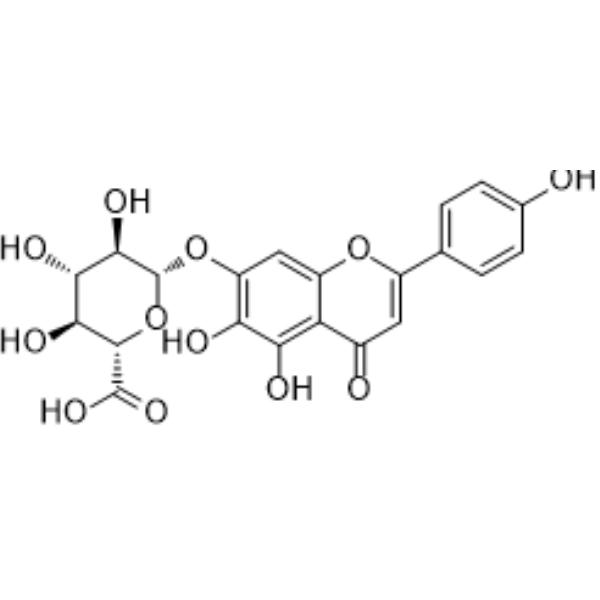
Scutellarin, an active flavone isolated from Scutellaria baicalensis, can down-regulates the STAT3/Girdin/Akt signaling in HCC cells, and inhibits RANKL-mediated MAPK and NF-κB signaling pathway in osteoclasts. Scutellarin is active against HIV-1IIIB, HIV-1(74V) and HIV-1KM018 with EC50s of 26 μM, 253 μM and 136 μM, respectively.
loading...
    loading...

