Search Result
Results for "
Metal complex
" in MedChemExpress (MCE) Product Catalog:
41
Biochemical Assay Reagents
8
Isotope-Labeled Compounds
| Cat. No. |
Product Name |
Target |
Research Areas |
Chemical Structure |
-
- HY-B1335
-
|
Diethylenetriaminepentaacetic acid; DTPA
|
Environmental Pollutants
Biochemical Assay Reagents
|
Others
|
|
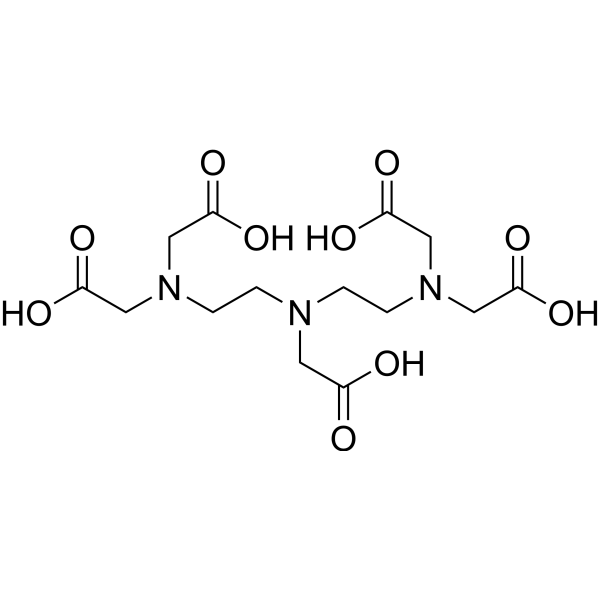
Pentetic acid (Diethylenetriaminepentaacetic acid) is an orally active compound with biodegradability used to construct magnetic adsorbent, which can simultaneously remove heavy metal and dye from complex wastewater. Pentetic acid can form strong metal complexes, which prevents metal ions from catalysing the decomposition of peroxygen chemicals, especially hydrogen peroxide .
|
-
-
- HY-108309
-
|
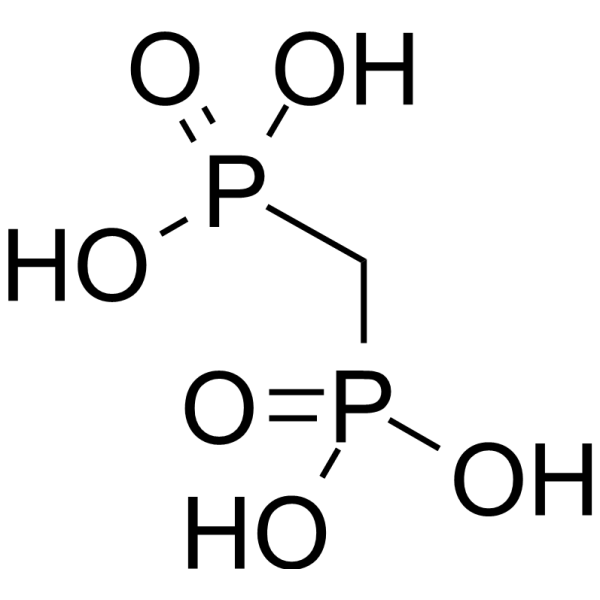
Methylenediphosphonic acid
|
Biochemical Assay Reagents
|
Others
|
|
Medronic acid (Methylenediphosphonic acid) is a methylene-substituted bisphosphonate. Medronic acid has an affinity for the surface of hydroxyapatite crystals in the bone matrix and adheres to them. Medronic acid can be used in complex with radioisotopes in bone imaging. Due to its strong metal chelating ability, medronic acid is also used as a water treatment chemical. In addition, medronic acid is used as a solvent additive to improve peak shape and signal of metal-sensitive metabolites in LC/MS analysis .
|
-
-
- HY-W053583
-
|
DOTA
|
Biochemical Assay Reagents
Radionuclide-Drug Conjugates (RDCs)
|
Cancer
|
|
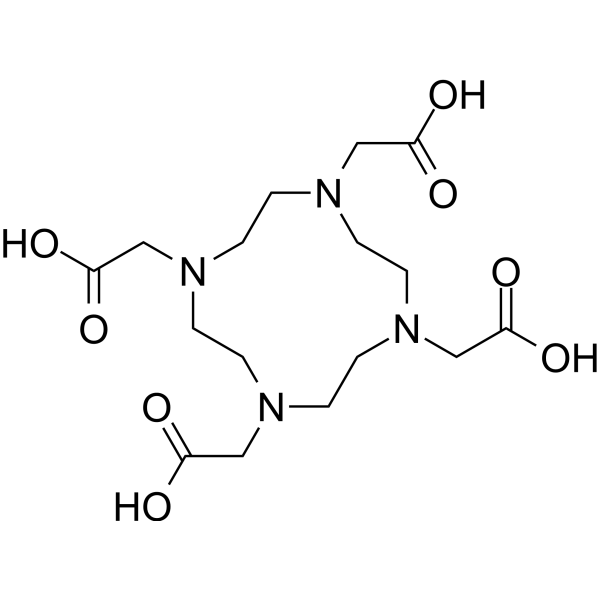
Tetraxetan (DOTA) is a macrocyclic chelating agent. Tetraxetan can form stable coordination complexes with a variety of metal ions (e.g., 68Ga, 111In, 177Lu). Tetraxetan can be conjugated with targeting molecules (e.g., RGD peptide, folic acid) to enable the complex to target specific biomolecules or cells. Tetraxetan can be used for imaging studies of tumors, including melanoma and folate receptor-positive tumors (e.g., cervical cancer) .
|
-
-
- HY-131326
-
|
|
Biochemical Assay Reagents
|
Cancer
|
|
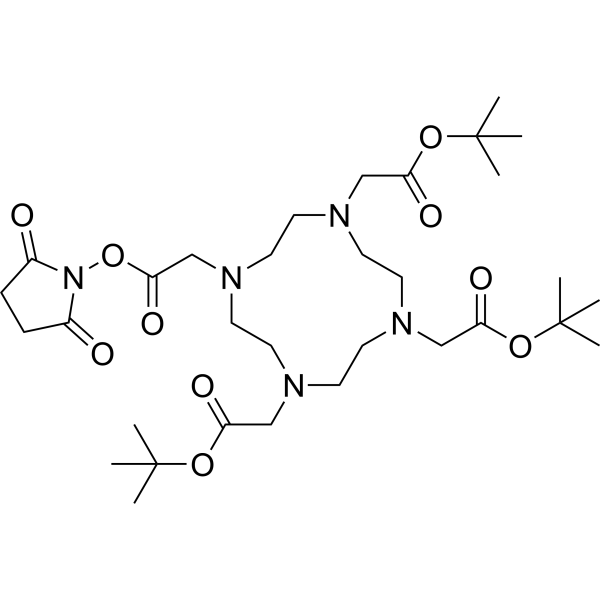
DOTA-tris(tBu)ester NHS ester is a bifunctional precursor to a DOTA-based chelating agent. DOTA-tris(tBu)ester NHS ester can be used to label primary amines (R-NH2) of proteins, amine-modified oligonucleotides, and other amine-containing molecules, and upon deprotection forms stable complexes with metal ions for applications in molecular imaging .
|
-
-
- HY-B1306
-
|
p-Aminohippuric acid
|
Others
|
Neurological Disease
Metabolic Disease
|
|
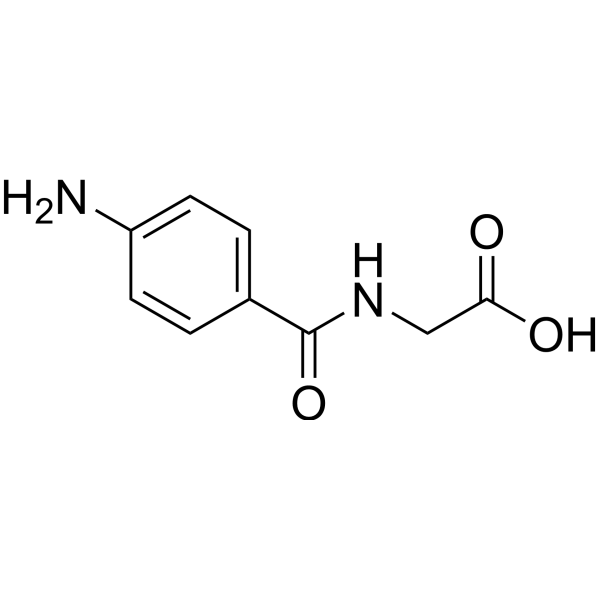
4-Aminohippuric acid (p-Aminohippuric acid) is a coordination ligand for metal ions (such as Cu 2+, Fe 3+, Hg 2+) and a functionalization reagent for nanomaterials. 4-Aminohippuric acid can coordinate with metal ions or modify the surface of materials such as carbon nanotubes and gold nanoparticles through amino and carboxyl groups. 4-Aminohippuric acid can form stable complexes with metal ions or participate in the synthesis of nanomaterials as a reducing agent/stabilizer, enriching metal ions or giving nanoparticles peroxidase-mimicking activity. 4-Aminohippuric acid can be used to construct highly sensitive electrochemical sensors or colorimetric sensors to detect and quantitatively analyze heavy metal ions such as copper, iron, and mercury in environmental water samples and biological samples. 4-Aminohippuric acid may also be a biomarker for attention-deficit/hyperactivity disorder (ADHD) .
|
-
-
- HY-D1247
-
|
|
Biochemical Assay Reagents
|
Others
|
|
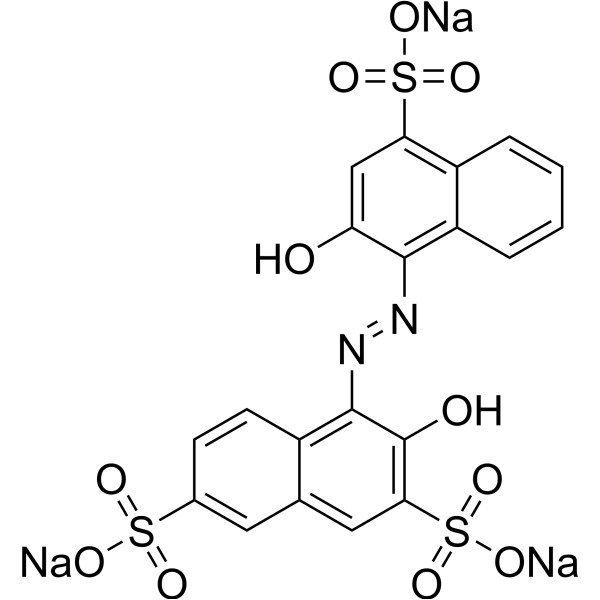
Hydroxynaphthol Blue is an azo dye and serves as a metal indicator. Hydroxynaphthol Blue binds to specific metal ions to form stable complexes with distinct color and fluorescence properties. Hydroxynaphthol Blue is used for the visual monitoring of isothermal nucleic acid amplification results. A visible color difference appears between positive and negative nucleic acid amplification reactions, allowing result discrimination by the naked eye without opening the reaction tube .
|
-
-
- HY-164569
-
|
|
Radionuclide-Drug Conjugates (RDCs)
|
Cancer
|
|
NH2 DOTA-GA is a DOTA-based metal chelator that can be used to prepare radionuclide drug conjugates (RDCs) whose carboxylic acid groups can complex metal ions, for example, NH2 DOTA-GA complexes Gd(III) ions.
|
-
-
- HY-W047709
-
|
THEED; THEEN
|
Biochemical Assay Reagents
Bacterial
Fungal
|
Infection
Cancer
|
|
N,N,N',N'-Tetrakis(2-hydroxyethyl)ethylenediamine (THEED; THEEN) is a tetrapodal pentadentate chelating ligand that functions as a chelator to form stable complexes with metal ions. N,N,N',N'-Tetrakis(2-hydroxyethyl)ethylenediamine serves as a versatile building block for organic synthesis, a reagent for metal extraction, and an auxiliary for catalytic reactions. N,N,N',N'-Tetrakis(2-hydroxyethyl)ethylenediamine-derived metal complexes exhibit antibacterial, antifungal, and anticancer activities. N,N,N',N'-Tetrakis(2-hydroxyethyl)ethylenediamine and its metal complexes can be used for research related to breast cancer, leukemia, various bacterial and fungal infections .
|
-
-
- HY-W013178
-
|
|
Biochemical Assay Reagents
|
Others
|
|
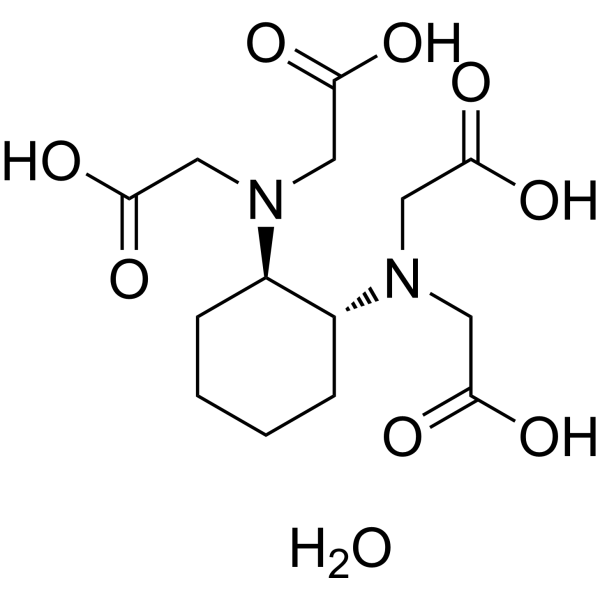
DCTA monohydrate is an organic acid. DCTA refers to N,N,N',N' -tetraacetic acid, which has a strong chelating ability. DCTA monohydrate can be used as a chelating agent and coordination reagent for metal ions. DCTA monohydrate, for example, forms stable complexes with many metal ions, including calcium, magnesium and zinc. DCTA modified with ethylene glycol is selective to calcium ions in the presence of magnesium ions .
|
-
-
- HY-W015788
-
|
Styrene Glycol
|
Environmental Pollutants
Drug Metabolite
Biochemical Assay Reagents
|
Neurological Disease
|
|
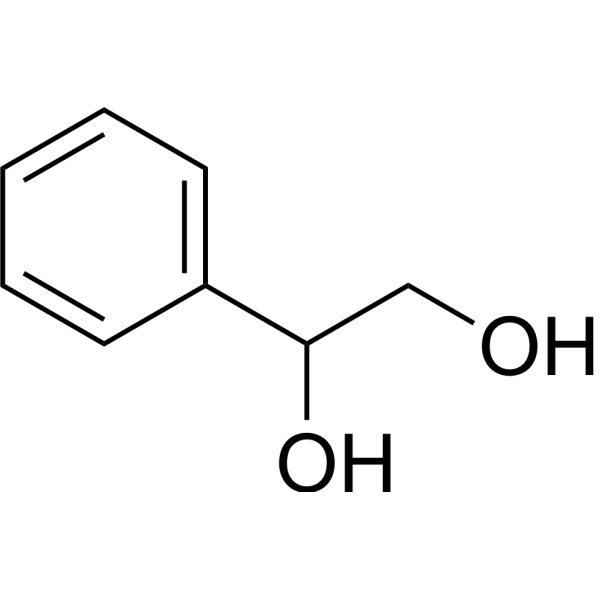
1-Phenylethane-1,2-diol (Styrene Glycol) is a benzyl diol compound, which is the major metabolite of Styrene. 1-Phenylethane-1,2-diol can be oxidized to hydroxyl ketone (2-hydroxy-1-phenylethan-1-one) selectively with variety of catalysts, including organocatalysts, metal complexes, non-noble metal oxides, bimetallics .
|
-
-
- HY-W110927
-
|
|
Biochemical Assay Reagents
Fluorescent Dye
|
Others
|
|
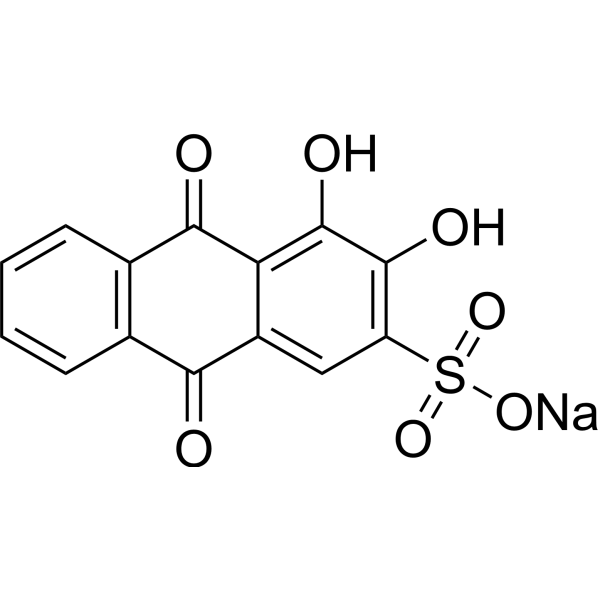
Alizarin red S indicator (C.I. 58005) is a reductively active (quinone-based) anthraquinone dye that forms complexes with metal ions (such as zirconium, calcium) or boric acid to label calcium deposition and perform electrochemical sensing functions. Alizarin Red S undergoes reversible redox reactions (for electrochemical detection) and irreversible chelation (for bone staining). Alizarin Red S is mainly used in bone metabolism research (labeling mineralized tissue), sugar detection (boric acid-sugar competition system) and metal ion sensing (such as zirconium ion detection), and can be used in osteoporosis and metabolic disease research .
|
-
-
- HY-W115738
-
|
|
Biochemical Assay Reagents
|
Others
|
|
PAR is an azo dye widely used as a colorimetric reagent for metal ions. PAR forms stable chelates with different metal ions. PAR can also complex with heavy metal ions in polar organic solvents, such as ethanol .
|
-
-
- HY-D0202
-
|
|
Fluorescent Dye
|
Others
|
|
Arsenazo III is an azo derivative of chromotropic acid, a metal chrome dye, a chelating agent, and a cation complexing agent. Arsenazo III forms stable 1:1 complexes with Ca 2+, Mg 2+, Sr 2+, Ba 2+, K +, and Na +, and its binding affinity for Ca 2+ depends on pH, alkali metal cation concentration, and buffer parameters. Arsenazo III serves as a colorimetric indicator for micromolar ionized Ca 2+ in cells .
|
-
-
- HY-W011060
-
|
4,7,13,16,21,24-Hexaoxa-1,10-diazabicyclo[8.8.8]hexacosane
|
Biochemical Assay Reagents
|
Others
|
|
Cryptand 2.2.2 (4,7,13,16,21,24-Hexaoxa-1,10-diazabicyclo[8.8.8]hexacosane) is a metal ion chelator. Cryptand 2.2.2 forms stable mononuclear, protonated and dinuclear complexes with copper (II) ions; forms protonated complexes with hydrogen ions; and also forms stable complexes with Zn 2+, Co 2+, Ni 2+, Cd 2+, Hg 2+ and Pb 2+ ions. Cryptand 2.2.2 can be used for the preparation of nanoparticles, transition metal compounds, etc.
|
-
-
- HY-Y0032
-
|
|
Orthopoxvirus
|
Infection
Others
Cancer
|
|
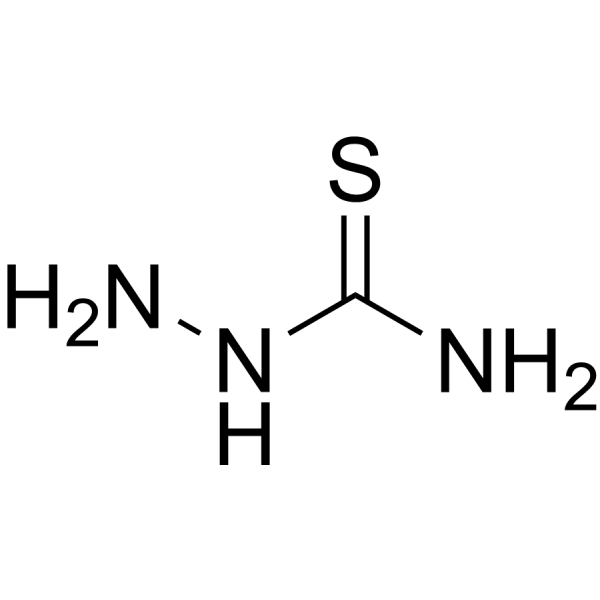
Thiosemicarbazide is a vitamin B6 antagonist with anti-acne activity. Thiosemicarbazide is also a well-known source in the synthesis of heterocycles, and its derivatives have potential anticancer activity. Thiosemicarbazide (TSC: HL1) reacts with metal salts, urea (U), to prepare Co(II) and Cu(I) metal complexes. Thiosemicarbazide is also used in the fields of media communications and optical storage, and in the spectrophotometric detection of metals .
|
-
-
- HY-W034566
-
|
Hexaaza-18-crown-6; 1,4,7,10,13,16-Hexaazacyclooctadecane
|
Biochemical Assay Reagents
|
Others
|
|
Hexacyclen is an organic compound with a unique macrocyclic structure composed of six nitrogen-containing rings. It is commonly used as a chelating agent in chemistry and biochemistry due to its ability to bind metal ions. Inhibitors of certain diseases such as cancer. In biochemistry, Hexacyclen is often used to selectively bind metal ions in proteins or enzymes to study their structure and function. Due to its large size and complex structure, Hexacyclen is not widely used in daily products or applications .
|
-
-
- HY-W110910
-
|
|
Biochemical Assay Reagents
|
Infection
|
|
Eriochrome black T, Indicator is a complexing agent for metal ions (e.g., Ca 2+, Mg 2+) and is used as an indicator in complexometric titrations. Eriochrome black T, Indicator forms colored complexes with metal ions through covalent coordination bonds, and indicates the endpoint of the titration by color change. Eriochrome black T, Indicator can be used as an anionic azo dye in photocatalytic degradation studies to evaluate the performance of photocatalysts. The reaction solution of Eriochrome black T, Indicator combined with Mg 2+ is initially purple. During loop-mediated isothermal amplification (LAMP), the color changes from purple to sky blue due to the consumption of Mg 2+ by the formation of magnesium pyrophosphate, indicating a positive reaction. The optimal concentration of Eriochrome black T, Indicator in LAMP is 60 μM, and the detection limit for Mycobacterium tuberculosis is 1 pg DNA/reaction .
|
-
-
- HY-59137
-
|
|
Drug Intermediate
|
Cancer
|
|
1-Methylimidazole acts as a membrane performance regulator that promotes the formation of reverse osmosis membranes with a dense ultra-thin polyamide layer. Such membranes exhibit higher flux and salt rejection rate, while also conferring excellent pH stability to the membrane. 1-Methylimidazole can serve as a ligand for ruthenium (II) complexes to construct metal-based anticancer agents .
|
-
-
- HY-W034674
-
|
Silver(1+) diethyldithiocarbamate
|
Biochemical Assay Reagents
|
Others
|
|
Silver diethyldithiocarbamate (SDDC) is an organic compound consisting of silver ions complexed with the ligand diethyldithiocarbamate. SDDC is mainly used as a reagent in analytical chemistry to detect the presence of copper, iron and other heavy metals in various materials. It acts as a chelating agent, binding to metal ions and forming stable complexes that can be easily analyzed using techniques such as UV-Vis spectroscopy.
|
-
-
- HY-W012683
-
|
|
Biochemical Assay Reagents
|
Cancer
|
|
Iminodiacetic acid is a metal ion chelator targeting Cr 6+, Cd 2+, Ni 2+, and Pb 2+. Iminodiacetic acid selectively and irreversibly binds metal ions through the coordination of carboxyl and imino groups, reduces the toxicity of metal ions and promotes their adsorption and separation. Iminodiacetic acid has the functions of heavy metal ion removal and coordination complex stabilization. Iminodiacetic acid is often used in environmental pollution control (such as heavy metal adsorption in water) and coordination chemistry (such as metal ion detection and separation) research .
|
-
-
- HY-W008097
-
-
-
- HY-W030778
-
|
Triglycollamic acid
|
Biochemical Assay Reagents
|
Others
|
|
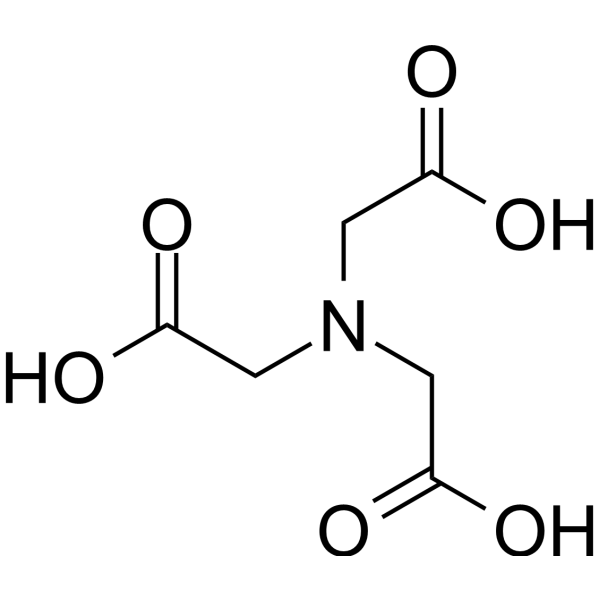
Nitrilotriacetic acid is an orally active chelating agent for metal ions. Nitrilotriacetic acid is an aminotricarboxylic acid that can sequester metal ions as water soluble complexes. Nitrilotriacetic acid reacts with strong oxidizing agents such as hypochlorite, chlorine, ozone, or oxygen in the presence of palladium/carbon catalyst. Nitrilotriacetic acid interacts with solid phases such as cell membranes and bone matrices in the mammalian system. Nitrilotriacetic acid is classified as an epigenetic rodent carcinogen .
|
-
-
- HY-W110793
-
|
Diphenylthiocarbazone
|
Biochemical Assay Reagents
|
Metabolic Disease
|
|
Dithizone can be toxic to pancreatic islet cells and cause experimental diabetes. Dithizone can be used for in vitro in vivo staining of transplanted islets and cytoplasmic granules of bone marrow cells. Dithizone can be used as a chelating agent and colorimetric indicator for the detection and extraction of various heavy metals, including lead and mercury, in analytical and biochemical applications. Dithizone forms stable colored complexes with metal ions and can be quantitatively analyzed by methods such as spectrophotometry .
|
-
-
- HY-D0179
-
|
|
Biochemical Assay Reagents
|
Infection
Cardiovascular Disease
|
|
Cyclam is a metal chelator that forms metal complexes with a variety of metal ions. Cyclam metal complexes exhibits anti-HIV (such as AMD3100), nitric oxide (NO) releasing and scavenging (such as Zn(II)-Cyclam and Ru(II)-Cyclam), and SOD mimetic (such as Mn(III)-Cyclam and Zn(II)-Cyclam) activities .
|
-
-
- HY-W587753
-
|
|
Antibiotic
Bacterial
|
Infection
|
|
Bacitracin A is an antibiotic, which exhibits antibacterial activity against gram-positive bacteria. Bacitracin A forms complex with long-chain polyisoprenyl pyrophosphates in presence of metal ions, dephosphorylates the lipid carrier intermediate Css-bactoprenyl pyrophosphate, inhibits thus the bacterial cell wall biosynthesis .
|
-
-
- HY-Y1102A
-
-
-
- HY-W039724
-
|
|
Biochemical Assay Reagents
|
Others
|
|
Thioxanthone is a powerful photocatalyst for organic reactions. Thioxanthone is a heterocyclic compound with the ability to participate successfully in merger reactions with metal complexes .
|
-
-
- HY-70026
-
|
|
Drug Intermediate
|
Others
|
|
Tri(2-methylphenyl)phosphine is an organic phosphorus ligand that can be used as a drug intermediate to form complexes with metal salts .
|
-
-
- HY-W004547
-
|
4,4'-Diamino-2,2'-bipyridine
|
Biochemical Assay Reagents
|
Others
|
|
(NH2)2bpy (4,4'-Diamino-2,2'-bipyridine) is an organic compound commonly used as a catalyst and complexing reagent. It can form complexes with other metal ions or organic molecules, and can play a catalytic role in some organic synthesis reactions. In addition, this compound is also widely used in some chemical analysis and detection methods, such as in biological analysis and electrochemical analysis
|
-
-
- HY-32100
-
|
Quinolin-5(1H)-one
|
Biochemical Assay Reagents
|
Others
|
|
5-Hydroxyquinoline is an organic compound commonly used in certain chemical reactions and biological research. It can be used in the manufacture of dyes, cellulase, oxidants and passivators, etc., and is widely used in the pigment, paint and rubber industries. In addition, the compound is also used as the precursor, intermediate and metal ion complexing agent of certain drugs.
|
-
-
- HY-103703
-
|
|
Anion Exchangers
|
Metabolic Disease
Inflammation/Immunology
|
|
DEAE Cross-linked dextran A 25 is a weak anion exchange chromatography packing material. DEAE Cross-linked dextran A 25 can be used for the analysis of trace metal humic acid complexes in river water and the purification of biomacromolecules. DEAE Cross-linked dextran A 25 can also be used for research on diseases related to abnormal AVP levels .
|
-
-
- HY-W020952
-
|
Palladium(Ⅱ) 2,4-pentanedionate; Pd(acac)2
|
Biochemical Assay Reagents
HSP
Eukaryotic Initiation Factor (eIF)
IRE1
JNK
Apoptosis
|
Cancer
|
|
Palladium(II) acetylacetonate is a metal-organic complex. Palladium(II) acetylacetonate upregulates the expression of GRP78, ATF-4, XBP-1, CHOP, and phosphorylated c-Jun. Palladium(II) acetylacetonate induces Apoptosis. Palladium(II) acetylacetonate has anticancer effects against non-small cell lung cancer, gastric cancer, leukemia, and cervical cancer .
|
-
-
- HY-W582504
-
|
CuCl(TPP)3
|
DNA Stain
Bacterial
Fungal
|
Infection
Cancer
|
|
Chlorotris(triphenylphosphine)copper (CuCl(TPP)₃) is a DNA-targeted metal complex. Chlorotris(triphenylphosphine)copper involves non-covalent interactions (such as groove binding mode) through the copper(I) center to affect DNA function, showing inhibitory activity against bacteria, fungi, and tumor cells. Chlorotris(triphenylphosphine)copper is promising for research of antibacterial, antitumor, and antioxidant agents .
|
-
-
- HY-W031536
-
|
2-Oxoimidazolidine, 96%
|
Biochemical Assay Reagents
|
Others
|
|
2-Imidazolidone, 96% is a chelating agent that forms complexes with metal ions, enabling its use in catalytic processes.
|
-
-
- HY-W030266
-
|
|
Endogenous Metabolite
|
Others
|
|
3-Aminocoumarin, also known as 3-aminochromen-2-one, serves as a crucial intermediate for the synthesis of metal complexes.
|
-
-
- HY-W582564
-
|
Ethylenediaminetetraacetic acid copper disodium tetrahydrate
|
Biochemical Assay Reagents
|
Others
|
|
Cu(Ⅱ)-EDTA disodium tetrahydrate, a typical contaminant in industrial wastewater, is an EDTA-complexed heavy metal. Cu(Ⅱ)-EDTA disodium tetrahydrate can be used in research on the recovery of heavy metal resources from mixed wastewater .
|
-
-
- HY-W016825
-
|
|
Drug Intermediate
|
Others
|
|
2-(Pyridin-2-yl)acetic acid hydrochloride is a heterocyclic aromatic carboxylic acid compound. 2-(Pyridin-2-yl)acetic acid hydrochloride can be used as an organic synthesis intermediate or a metal complex .
|
-
-
- HY-W009311
-
|
4,4'-Bis(dimethylamino)thiobenzophenone
|
Biochemical Assay Reagents
|
Others
|
|
Thiomichler's ketone (4,4'-Bis (dimethylamino) thiobenzophenone) is a heavy metal complexing agent and a colorimetric/spectrophotometric reagent. Thiomichler's ketone shows selectivity for Hg 2+ at pH 3, and exhibits activity towards Pd 2+ and Ag + at pH 3.5. Thiomichler's ketone enables accurate detection of trace Pd 2+ by forming an extractable Hg 2+ complex via micelle-mediated cloud point extraction, or generating a red coordination complex including Pd (TMK)4. Thiomichler's ketone is applicable for the determination of trace Pd 2+ in antibiotics and catalysts of automobile exhaust purifiers .
|
-
-
- HY-W053583R
-
|
DOTA (Standard)
|
Biochemical Assay Reagents
Reference Standards
Radionuclide-Drug Conjugates (RDCs)
|
Cancer
|
|
Tetraxetan (Standard) is the analytical standard of Tetraxetan (HY-W053583). This product is intended for research and analytical applications. Tetraxetan (DOTA) is a macrocyclic chelating agent. Tetraxetan can form stable coordination complexes with a variety of metal ions (e.g., 68Ga, 111In, 177Lu). Tetraxetan can be conjugated with targeting molecules (e.g., RGD peptide, folic acid) to enable the complex to target specific biomolecules or cells. Tetraxetan can be used for imaging studies of tumors, including melanoma and folate receptor-positive tumors (e.g., cervical cancer) .
|
-
-
- HY-B1306R
-
|
p-Aminohippuric acid (Standard)
|
Reference Standards
Biochemical Assay Reagents
|
Neurological Disease
Metabolic Disease
|
|
4-Aminohippuric acid (p-Aminohippuric acid) (Standard) is the analytical standard of 4-Aminohippuric acid (HY-B1306). This product is intended for research and analytical applications. 4-Aminohippuric acid (p-Aminohippuric acid) is a coordination ligand for metal ions (such as Cu 2+, Fe 3+, Hg 2+) and a functionalization reagent for nanomaterials. 4-Aminohippuric acid can coordinate with metal ions or modify the surface of materials such as carbon nanotubes and gold nanoparticles through amino and carboxyl groups. 4-Aminohippuric acid can form stable complexes with metal ions or participate in the synthesis of nanomaterials as a reducing agent/stabilizer, enriching metal ions or giving nanoparticles peroxidase-mimicking activity. 4-Aminohippuric acid can be used to construct highly sensitive electrochemical sensors or colorimetric sensors to detect and quantitatively analyze heavy metal ions such as copper, iron, and mercury in environmental water samples and biological samples. 4-Aminohippuric acid may also be a biomarker for attention-deficit/hyperactivity disorder (ADHD) .
|
-
-
- HY-108309R
-
|
Methylenediphosphonic acid (Standard)
|
Biochemical Assay Reagents
Reference Standards
|
Others
|
|
Medronic acid (Standard) is the analytical standard of Medronic acid. This product is intended for research and analytical applications. Medronic acid (Methylenediphosphonic acid) is a methylene-substituted bisphosphonate. Medronic acid has affinity for and adheres to the surface of hydroxyapatite crystals in the bone matrix. Medronic acid can be used in bone imaging, while being complexed with radioisotopes. Due to its strong metal-chelating ability, Medronic acid can also be used as a water treatment chemical .
|
-
-
- HY-P3566
-
|
|
Biochemical Assay Reagents
|
Others
|
|
(D-Lys16)-ACTH (1-24) (human, bovine, mouse, ovine, porcine, rabbit, rat) is the reaction product with gadolinium tetraazacyclododecanetriacetate derivative. (D-Lys16)-ACTH (1-24) (human, bovine, mouse, ovine, porcine, rabbit, rat) involves in preparation of tetraazacyclododecane macrocycle metal complexes for production of conjugates with biomolecules and for use as NMR contrast agents, radiodiagnostic agents and for radioresearch .
|
-
-
- HY-120420
-
|
|
Antibiotic
|
Cancer
|
|
N4Py is a pentadentate ligand, that forms a stable complex with metal ions, such as iron, platinum, and copper. N4py mimics the metal binding domains of iron-dependent antibiotics like Bleomycin(HY-17565), forms the DNA-cleaving FeII-N4Py complexes, generates reactive oxygen species (ROS), and causes oxidative damage in cells. N4py can be used in cancer research .
|
-
-
- HY-W104012
-
|
2,2'-Ethylenedianiline
|
Biochemical Assay Reagents
|
Others
|
|
2,2'-(Ethane-1,2-diyl)dianiline (2,2'-Ethylenedianiline) can be utilized as precursor of metal complex .
|
-
-
- HY-W110776
-
|
Bis(8-quinolinolato)zinc(II) hydrate; Zinc 8-hydroxyquinolinate
|
Biochemical Assay Reagents
|
Others
|
|
Zinc oxinate (Zinc 8-hydroxyquinolinate) is a metal chelator that stabilizes zinc complexes by forming pentacoordinate or hexacoordinate adducts. Zinc oxinate is promising for research of zinc quantification .
|
-
-
- HY-W011816
-
|
|
Biochemical Assay Reagents
|
Others
|
|
1,2-Hexadecanediol is a reducing agent. 1,2-Hexadecanediol facilitates the decomposition of the metal-organic precursor, forms an intermediate Co 2+Fe 3+-oleate complex .
|
-
-
- HY-W034801
-
|
Cupric Acetylacetonate
|
Biochemical Assay Reagents
|
Others
|
|
Copper(II) acetylacetonate (Cupric Acetylacetonate) is the homoleptic acetylacetonate complex of copper(II). Copper(II) acetylacetonate is used as a catalyst in various organic reactions, including oxidation, cross-coupling, and polymerization reactions. Copper(II) acetylacetonate is also a precursor for making metal-organic frameworks (MOF) and nanomaterials .
|
-
-
- HY-D0312
-
|
Sunchromine Fast Blue MB
|
Biochemical Assay Reagents
|
Others
|
|
Mordant Blue 13 is a synthetic dye used in the textile industry. It belongs to a class of metal complex dyes that are able to form strong bonds with fabrics and other materials. Mordant Blue 13 is commonly used for dyeing cotton, wool and silk fibres, it produces a fast blue color. It can be applied to textiles by a variety of methods including impregnation, padding and printing.
|
-
-
- HY-B1306S
-
|
p-Aminohippuric acid-d4
|
Biochemical Assay Reagents
|
Neurological Disease
Metabolic Disease
|
|
4-Aminohippuric acid-d4 (p-Aminohippuric acid-d4) is the deuterium labeled 4-Aminohippuric acid (HY-B1306). 4-Aminohippuric acid (p-Aminohippuric acid) is a coordination ligand for metal ions (such as Cu 2+, Fe 3+, Hg 2+) and a functionalization reagent for nanomaterials. 4-Aminohippuric acid can coordinate with metal ions or modify the surface of materials such as carbon nanotubes and gold nanoparticles through amino and carboxyl groups. 4-Aminohippuric acid can form stable complexes with metal ions or participate in the synthesis of nanomaterials as a reducing agent/stabilizer, enriching metal ions or giving nanoparticles peroxidase-mimicking activity. 4-Aminohippuric acid can be used to construct highly sensitive electrochemical sensors or colorimetric sensors to detect and quantitatively analyze heavy metal ions such as copper, iron, and mercury in environmental water samples and biological samples. 4-Aminohippuric acid may also be a biomarker for attention-deficit/hyperactivity disorder (ADHD) .
|
-
-
- HY-59137S
-
|
|
Isotope-Labeled Compounds
Drug Intermediate
|
Cancer
|
|
1-Methylimidazole-d6 is the deuterium labeled 1-Methylimidazole. 1-Methylimidazole acts as a membrane performance regulator that promotes the formation of reverse osmosis membranes with a dense ultra-thin polyamide layer. Such membranes exhibit higher flux and salt rejection rate, while also conferring excellent pH stability to the membrane. 1-Methylimidazole can serve as a ligand for ruthenium (II) complexes to construct metal-based anticancer agents.
|
-
- HY-W087043
-
|
N-phenylallylamine; N-Allyl-N-phenylamine
|
Biochemical Assay Reagents
|
Others
|
|
N-Allylaniline (N-phenylallylamine) is an aromatic amine that acts as a metal complex .
|
-
- HY-W131302
-
|
N,N-Ethylenediglycine
|
Endogenous Metabolite
|
Cancer
|
|
Ethylenediaminediacetic acid (N,N-Ethylenediglycine) is an important ligand that enhances the antiproliferative activity of metal complexes. The complexes formed by ethylenediacetic acid and metal ions exhibited significant antiproliferative properties in MCF-7 cancer cell line. The metal complexes of ethylenediacetic acid were able to interact with DNA and were studied by CD and EPR spectroscopy techniques. Ethylenediaminediacetic acid and its metal complexes were able to induce cell cycle arrest at the G(0)/G(1) phase. The crystal structure analysis of ethylenediacetic acid provided important structural information for understanding its biological activity .
|
-
- HY-W555991
-
|
|
Biochemical Assay Reagents
|
|
|
2',3'-O-Isopropylidene-6-mercaptopurine riboside is a compound with excellent metal complexing activity. 2',3'-O-Isopropylidene-6-mercaptopurine riboside can be used to study the mechanism of metal complexing.
|
-
- HY-W110896
-
|
Phthalein Purple
|
Biochemical Assay Reagents
|
Others
|
|
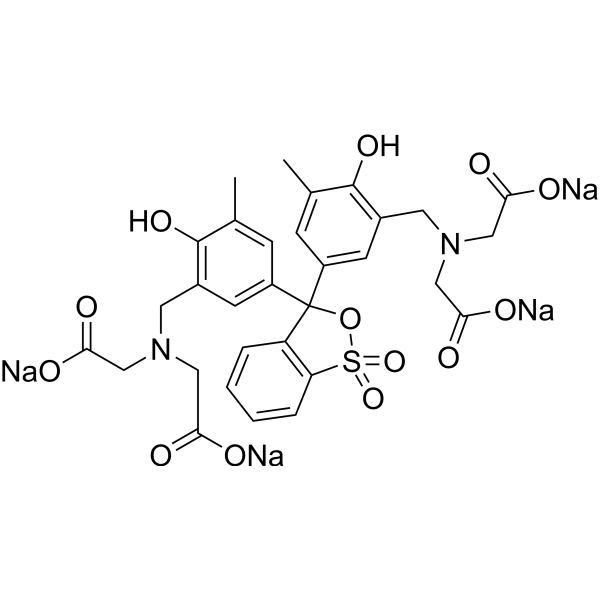
Phthalate complexing agent [Chelation indicator] is a class of organic compounds belonging to the category of chelation indicators. It is commonly used in analytical chemistry to detect and quantify metal ions in aqueous solutions, especially in complexometric titration. Phthalate complexing agent [Chelation indicator] works by forming stable complexes with metal ions, which can then be measured using various spectroscopic or electrochemical techniques. In addition, it also has potential applications in wastewater treatment and environmental monitoring.
|
-
- HY-Y0449C
-
|
Ammonium rhodanide, 99.99% trace Metals basis
|
Biochemical Assay Reagents
|
Others
|
|
Ammonium thiocyanate, 99.99% trace metals basis is widely used in titration methods to determine the concentrations of various metal ions (especially iron and silver) by forming distinctly different complexes.
|
-
- HY-W015575
-
|
|
Drug Intermediate
|
Others
|
|
2-Chlorobenzimidazole is a pharmaceutical intermediate used in the synthesis of a series of derivatives with anti-human cytomegalovirus (HCMV) activity. 2-Chlorobenzimidazole can be used to form metal complexes (cobalt, copper, and zinc), with zinc complexes exhibiting significant anticancer activity .
|
-
- HY-W673626
-
|
Etidronate monohydrate; HEDPA monohydrate; HEDP monohydrate
|
Biochemical Assay Reagents
|
Others
|
|
Etidronic acid,60% in water (Etidronate) monohydrate is a strong complexing agent that can be used as a chelating agent to remove heavy metals from water .
|
-
- HY-W012683R
-
|
|
Biochemical Assay Reagents
Reference Standards
|
Cancer
|
|
Iminodiacetic acid is a metal ion chelator targeting Cr6+, Cd2+, Ni2+, and Pb2+. Iminodiacetic acid selectively and irreversibly binds metal ions through the coordination of carboxyl and imino groups, reduces the toxicity of metal ions and promotes their adsorption and separation. Iminodiacetic acid has the functions of heavy metal ion removal and coordination complex stabilization. Iminodiacetic acid is often used in environmental pollution control (such as heavy metal adsorption in water) and coordination chemistry (such as metal ion detection and separation) research .
|
-
- HY-Y0032R
-
|
|
Orthopoxvirus
Reference Standards
|
Infection
Others
Cancer
|
|
Thiosemicarbazide is a vitamin B6 antagonist with anti-acne activity. Thiosemicarbazide is also a well-known source in the synthesis of heterocycles, and its derivatives have potential anticancer activity. Thiosemicarbazide (TSC: HL1) reacts with metal salts, urea (U), to prepare Co(II) and Cu(I) metal complexes. Thiosemicarbazide is also used in the fields of media communications and optical storage, and in the spectrophotometric detection of metals .
|
-
- HY-W009906
-
|
|
Aminopeptidase
|
Inflammation/Immunology
|
|
2-(2’-Pyridyl)benzimidazole is a potentially tridentate ligand that can form stable complexes with various transition metal ions. 2-(2’-Pyridyl)benzimidazole can be used as an anti-inflammatory agent and an inhibitor of Escherichia coli methionine aminopeptidase .
|
-
- HY-W002328
-
|
|
Biochemical Assay Reagents
|
Others
|
|
Pyrazole-3-carboxylic acid is an alternative anchoring group to carboxylic acid in phthalocyanine dyes. Pyrazole-3-carboxylic acid shows flexible coordination modes when coordinates with metal ions. Pyrazole-3-carboxylic acid can chelate to metal ions and form very stable complexes through its N and O atoms. Pyrazole-3-carboxylic acid can be used to synthesize derivatives that possess antibacterial, anti-inflammatory, ulcerogenic liability and antiproliferative activities .
|
-
- HY-W009022
-
|
|
Biochemical Assay Reagents
|
Others
|
|
Diantipyrylmethane is a chromogenic reagent commonly used for the determination of the contents of metals such as Au (III), Ti (IV), Ir, Fe (III), molybdenum, neodymium, U (IV), iridium, platinum and rhenium via spectrophotometry and extraction photometry. Diantipyrylmethane can also form a fluorescent complex with Er (III) ions, which is applied to the determination of erbium .
|
-
- HY-Y0030R
-
|
|
Reference Standards
Biochemical Assay Reagents
Drug Intermediate
|
Infection
|
|
3-Hydroxypicolinic acid is a matrix. 3-Hydroxypicolinic acid coordinates with metal ions such as copper to form complexes with cytotoxic and antimycobacterial activity. 3-Hydroxypicolinic acid is used for the analysis of oligodeoxynucleotides in matrix-assisted laser desorption ionization time-of-flight mass spectrometry (MALDI-TOF MS). 3-Hydroxypicolinic acid is useful for nucleic acid analysis and anti-tuberculosis compound development .
|
-
- HY-W134020
-
|
Semixylenol orange
|
Biochemical Assay Reagents
|
Others
|
|
Semixylenol orange is a metallochromic indicator that can complex with various metal ions and is used for the testing and analysis of metal ions such as zinc and zirconium .
|
-
- HY-W691498
-
-
- HY-W749825
-
|
Diethylenetriaminepentaacetic acid-13C5; DTPA-13C5
|
Isotope-Labeled Compounds
Fluorescent Dye
|
Others
|
|
Pentetic acid- 13C5 (Diethylenetriaminepentaacetic acid- 13C5) is the 13C-labeled Pentetic acid (HY-B1335). Pentetic acid (Diethylenetriaminepentaacetic acid) is an orally active compound with biodegradability used to construct magnetic adsorbent, which can simultaneously remove heavy metal and dye from complex wastewater. Pentetic acid can form strong metal complexes, which prevents metal ions from catalysing the decomposition of peroxygen chemicals, especially hydrogen peroxide .
|
-
- HY-117314
-
-
- HY-150966
-
|
|
Mitochondrial Metabolism
|
Cancer
|
|
Antiproliferative agent-10 (compound 8) is an anti-tumour ruthenium(II)-tris-pyrazolylmethane complex that inhibits the growth of cancer cells by inhibiting mitochondrial calcium uptake .
|
-
- HY-150969
-
|
|
Mitochondrial Metabolism
|
Cancer
|
|
Antiproliferative agent-10 (compound 1) is an anti-tumour ruthenium(II)-tris-pyrazolylmethane complex that inhibits the growth of cancer cells by inhibiting mitochondrial calcium uptake .
|
-
- HY-W052750
-
|
|
Biochemical Assay Reagents
|
|
|
5-Carboxy-2-thiouracil is a compound with antitumor activity that can form complexes with metal ions, thereby exhibiting significant biological effects.
|
-
- HY-W030105
-
|
|
Drug Intermediate
|
Others
|
|
2-Amino-2-thiazoline is a nitrogen-sulfur heterocyclic compound. 2-Amino-2-thiazoline acts as a bidentate ligand involved in the synthesis of nickel (II) complexes, thereby constructing metal complexes with potential DNA-binding capabilities .
|
-
- HY-W140537
-
|
|
Biochemical Assay Reagents
|
Others
|
|
EDTA diammonium salt hydrate, 97% is a derivative of ethylenediaminetetraacetic acid (EDTA), commonly used as a chelating agent in various applications due to its ability to bind with various metal ions and form stable complexes.
|
-
- HY-112111A
-
|
|
Biochemical Assay Reagents
|
|
|
Poly-L-Glutamic acid (MW 100000) is a biopolymer composed of L-glutamic acid units. It has the activity of forming stable water-soluble complexes with metal ions and is widely used in the manufacture of biodegradable materials.
|
-
- HY-B1335R
-
|
Diethylenetriaminepentaacetic acid (Standard); DTPA (Standard)
|
Biochemical Assay Reagents
Reference Standards
|
Others
|
|
Pentetic acid (Standard) is the analytical standard of Pentetic acid. This product is intended for research and analytical applications. Pentetic acid is a compound used to construct magnetic adsorbent, which can simultaneously remove heavy metal and dye from complex wastewater .
|
-
- HY-164055
-
|
|
Fluorescent Dye
|
Cancer
|
|
HL1 is a Schiff base ligand. HL1 exhibits chelation-enhanced fluorescence effect when forming complexes and can be used as a fluorescent probe for metal ions. HL1 can be used for the research of cancer .
|
-
- HY-128222
-
|
Hydrazinecarboselenoamide
|
Bacterial
|
Infection
Cancer
|
|
Selenosemicarbazide (Hydrazinecarboselenoamide) exhibits antimicrobial activity, that inhibits B. subtilis, S. aureus, Klebsiella pneumoniae, Sarcina lutea and Mycobacterium tuberculosis. Selenosemicarbazide forms complex with metal ions, and exhibits antitumor efficacy against cancer cells
|
-
- HY-W015302R
-
|
Orthanilic acid (Standard); 2-Aminobenzenesulphonic acid (Standard)
|
Reference Standards
Drug Intermediate
|
Others
|
|
2-Aminobenzenesulfonic acid (Orthanilic acid) is an amine derivative. 2-Aminobenzenesulfonic can be used for the synthesis of other active compounds. 2-Aminobenzenesulfonic acid can be converted into Schiff base, and further used for the preparation of metal complexes .
|
-
- HY-121374
-
|
|
Tyrosinase
|
Infection
|
|
Cardanol diene is a phenol found in cashew nut shell liquid that inhibits tyrosinase with an IC50 value of 52.5 μM in vitro.1 Cardanol diene is also used to synthesize cardanol-metal complexes that inhibit uropathogenic E. coli biofilm formation.
|
-
- HY-127140
-
|
|
Others
|
Infection
|
|
Cardanol triene is a phenol found in cashew nut shell liquid that reversibly inhibits tyrosinase with an IC50 value of 40.5 μM in vitro. A mixture of cardanol mono-, di-, and triene is used to synthesize cardanol-metal complexes that inhibit uropathogenic E. coli biofilm formation.
|
-
- HY-W034566A
-
|
Hexaaza-18-crown-6 trisulfate; 1,4,7,10,13,16-Hexaazacyclooctadecane trisulfate
|
Biochemical Assay Reagents
|
Others
|
|
Hexacyclen, also known as cycloalkene, is an organic compound with a unique macrocyclic structure composed of six nitrogen-containing rings. It is commonly used as a chelating agent in chemistry and biochemistry due to its ability to bind metal ions. Inhibitors of certain diseases such as cancer. In biochemistry, Hexacyclen is often used to selectively bind metal ions in proteins or enzymes to study their structure and function. Due to its large size and complex structure, Hexacyclen is not widely used in daily products or applications.
|
-
- HY-W030778R
-
|
Triglycollamic acid (Standard)
|
Biochemical Assay Reagents
Reference Standards
|
Others
|
|
Nitrilotriacetic acid (Standard) is the analytical standard of Nitrilotriacetic acid. This product is intended for research and analytical applications. Nitrilotriacetic acid is an orally active chelating agent for metal ions. Nitrilotriacetic acid is an aminotricarboxylic acid that can sequester metal ions as water soluble complexes. Nitrilotriacetic acid reacts with strong oxidizing agents such as hypochlorite, chlorine, ozone, or oxygen in the presence of palladium/carbon catalyst. Nitrilotriacetic acid interacts with solid phases such as cell membranes and bone matrices in the mammalian system. Nitrilotriacetic acid is classified as an epigenetic rodent carcinogen .
|
-
- HY-W011060R
-
|
4,7,13,16,21,24-Hexaoxa-1,10-diazabicyclo[8.8.8]hexacosane (Standard)
|
Biochemical Assay Reagents
Reference Standards
|
Others
|
|
Cryptand 2.2.2 (Standard) is the analytical standard of Cryptand 2.2.2 (HY-W011060). This product is intended for research and analytical applications. Cryptand 2.2.2 is a metal ion chelating agent that can selectively form complexes with metal ions. At room temperature, Cryptand 2.2.2 can serve as a host molecule, using the chelation effect to selectively bind desired ions (such as Zn 2+, Co 2+, Ni 2+, Cu 2+). Cryptand 2.2.2 can be used in the preparation of nanoparticles, transition metal compounds, and so on .
|
-
- HY-W008097R
-
|
|
Reference Standards
Endogenous Metabolite
Drug Intermediate
|
Metabolic Disease
|
|
3,3-Dimethylglutaric acid (Standard) is the analytical standard of 3,3-Dimethylglutaric acid (HY-W008097). This product is intended for research and analytical applications. 3,3-Dimethylglutaric acid is a type of methyl-branching fatty acid and is an occasional endogenous metabolite found in human urine. 3,3-Dimethylglutaric acid can be used as a ligand to synthesize metal complexes.
|
-
- HY-W035090
-
|
(Trimethylphosphine)gold(I) chloride
|
Biochemical Assay Reagents
Endogenous Metabolite
|
|
|
Chloro(trimethylphosphine)gold(I) ((Trimethylphosphine)gold(I) chloride) is a metal complex with antitumor activity. Chloro(trimethylphosphine)gold(I) has been studied as a potential chemotherapeutic compound in cancer inhibition. Chloro(trimethylphosphine)gold(I) can also be used in organic synthesis reactions as a catalyst to improve reaction efficiency. The biocompatibility of Chloro(trimethylphosphine)gold(I) makes it promising for application in medicine and materials science.
|
-
- HY-W016825S1
-
|
|
Isotope-Labeled Compounds
Drug Intermediate
|
Others
|
|
2-(Pyridin-2-yl)acetic acid-d4 hydrochloride is the deuterated derivative of 2-(Pyridin-2-yl)acetic acid hydrochloride (HY-W016825). 2-(Pyridin-2-yl)acetic acid hydrochloride is a heterocyclic aromatic carboxylic acid compound. 2-(Pyridin-2-yl)acetic acid hydrochloride can be used as an organic synthesis intermediate or a metal complex.
|
-
- HY-W015788R
-
|
Styrene Glycol (Standard)
|
Biochemical Assay Reagents
Reference Standards
Drug Metabolite
|
Neurological Disease
|
|
1-Phenylethane-1,2-diol (Standard) is the analytical standard of 1-Phenylethane-1,2-diol. This product is intended for research and analytical applications. 1-Phenylethane-1,2-diol (Styrene Glycol) is a benzyl diol compound, which is the major metabolite of Styrene. 1-Phenylethane-1,2-diol can be oxidized to hydroxyl ketone (2-hydroxy-1-phenylethan-1-one) selectively with variety of catalysts, including organocatalysts, metal complexes, non-noble metal oxides, bimetallics[1][2][3].
|
-
- HY-N14351
-
|
|
SARS-CoV
Bacterial
Antibiotic
|
Infection
|
|
Ferrocin A is a lipopeptide compound that targets the SARS-CoV-2 RNA-dependent RNA polymerase (nsp12). Ferrocin A can stably bind to nsp12, and as an iron-chelating peptide, it reduces the concentration of free iron in the environment via complexation, thereby inhibiting bacterial growth by repressing the acquisition of essential metal cations. As an iron-chelating antiviral molecule, Ferrocin A may be used in studies related to COVID-19 and bacterial infections .
|
-
- HY-59137S1
-
|
|
Isotope-Labeled Compounds
Drug Intermediate
|
Cancer
|
|
1-Methylimidazole-d3 is the deuterium labeled 1-Methylimidazole. 1-Methylimidazole acts as a membrane performance regulator that promotes the formation of reverse osmosis membranes with a dense ultra-thin polyamide layer. Such membranes exhibit higher flux and salt rejection rate, while also conferring excellent pH stability to the membrane. 1-Methylimidazole can serve as a ligand for ruthenium (II) complexes to construct metal-based anticancer agents.
|
-
- HY-59137S2
-
|
|
Isotope-Labeled Compounds
Drug Intermediate
|
Cancer
|
|
1-Methylimidazole-d3-1 is the deuterium labeled 1-Methylimidazole. 1-Methylimidazole acts as a membrane performance regulator that promotes the formation of reverse osmosis membranes with a dense ultra-thin polyamide layer. Such membranes exhibit higher flux and salt rejection rate, while also conferring excellent pH stability to the membrane. 1-Methylimidazole can serve as a ligand for ruthenium (II) complexes to construct metal-based anticancer agents.
|
-
- HY-N16122
-
|
|
Drug Intermediate
|
Cancer
|
|
Isopentylglycine is an amino acid ligand that can be used to prepare metal complexes, such as palladium(II) complexes and platinum(II) complexes. Isopentylglycine can be used in cancer research .
|
-
- HY-W112959
-
|
Cot4MPyP
|
MOFs
|
Others
|
|
Tetrakis(N-?methyl-?4-?pyridinium)?porphine cobalt(Iii) complex (Cot4MPyP) is a metal-organic framework (MOF).
|
-
- HY-156939
-
|
|
Biochemical Assay Reagents
|
Cancer
|
|
ZnDTPA is an orally effective chelating agent, which belongs to the class of amino carboxylic acid chelating agents and is mainly used to form stable complexes with metal ions. DTPA (diethylenetriaminepentaacetic acid) itself is a polydentate ligand that can form stable cyclic or chain-like complexes with a variety of metal ions. ZnDTPA can be used to reduce the long-term toxicity of 239Pu to rats and reduce the incidence of osteosarcoma, breast cancer, etc. in rats .
|
-
- HY-W075699
-
Mn-TCPP
1 Publications Verification
Benzoic acid, 4,4',4'',4'''-(21H,23H-porphine-5,10,15,20-tetrayl)tetrakis-, manganese complex
|
MOFs
|
Others
|
|
Mn-TCPP(Benzoic acid, 4,4',4'',4'''-(21H,23H-porphine-5,10,15,20-tetrayl)tetrakis-, manganese complex) is a metal-organic framework (MOF).
|
-
- HY-W031536R
-
|
2-Oxoimidazolidine, 96% (Standard)
|
Biochemical Assay Reagents
Reference Standards
|
Others
|
|
2-Imidazolidone, 96% (Standard) is the analytical standard of 2-Imidazolidone, 96%. This product is intended for research and analytical applications. 2-Imidazolidone, 96% is a chelating agent that forms complexes with metal ions, enabling its use in catalytic processes.
|
-
- HY-W112288
-
|
Tetrakis(N-methyl-4-pyridinium)yl-porphine iron(III) complex
|
MOFs
|
Others
|
|
5,10,15,20-Tetra (1-methyl-4-pyridyl) porphyrin iron (Tetrakis(N-methyl-4-pyridinium)yl-porphine iron(III) complex) is a metal-organic framework (MOF).
|
-
- HY-W249336
-
|
Iron(III)meso-tetrakis(4-chlorophenyl)porphine-μ-oxodimer
|
MOFs
|
Others
|
|
21H,23H-Porphine, 5,10,15,20-tetrakis(4-chlorophenyl)-, iron complex (Iron(III)meso-tetrakis(4-chlorophenyl)porphine-μ-oxodimer) is a metal-organic framework (MOF).
|
-
- HY-W075796
-
|
|
Environmental Pollutants
Drug Intermediate
|
Others
|
|
Copper (I) thiocyanate is a monovalent copper pseudohalide that exists in two crystalline forms, α and β, both containing bridging thiocyanate groups. Copper (I) thiocyanate can form coordination complexes with ligands such as triphenylphosphine and pyridine .
|
-
- HY-W104012R
-
|
2,2'-Ethylenedianiline (Standard)
|
Reference Standards
Biochemical Assay Reagents
|
Others
|
|
2,2'-(Ethane-1,2-diyl)dianiline (Standard) is the analytical standard of 2,2'-(Ethane-1,2-diyl)dianiline. This product is intended for research and analytical applications. 2,2'-(Ethane-1,2-diyl)dianiline (2,2'-Ethylenedianiline) can be utilized as precursor of metal complex .
|
-
- HY-W016825S
-
|
|
Isotope-Labeled Compounds
Drug Intermediate
|
Others
|
|
2-(Pyridin-2-yl)acetic acid-d6 hydrochloride is the deuterated derivative of 2-(Pyridin-2-yl)acetic acid hydrochloride (HY-W016825). 2-(Pyridin-2-yl)acetic acid hydrochloride is a heterocyclic aromatic carboxylic acid compound. 2-(Pyridin-2-yl)acetic acid hydrochloride can be used as an organic synthesis intermediate or a metal complex.
|
-
- HY-W016825S2
-
|
|
Isotope-Labeled Compounds
Drug Intermediate
|
Others
|
|
2-(Pyridin-2-yl)acetic acid-d2 hydrochloride is the deuterated derivative of 2-(Pyridin-2-yl)acetic acid hydrochloride (HY-W016825). 2-(Pyridin-2-yl)acetic acid hydrochloride is a heterocyclic aromatic carboxylic acid compound. 2-(Pyridin-2-yl)acetic acid hydrochloride can be used as an organic synthesis intermediate or a metal complex.
|
-
- HY-W006064
-
|
(S)-2-Aminopent-4-ynoic acid
|
Amino Acid Derivatives
|
Others
|
|
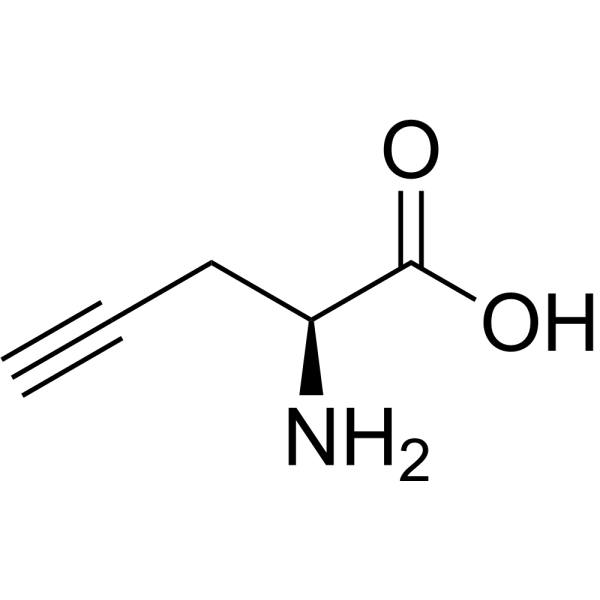
(S)-2-Aminopent-4-ynoic acid is a synthetic amino acid. (S)-2-Aminopent-4-ynoic acid can be used in synthesis of folate-conjugates and corresponding metal-chelate complexes . (S)-2-Aminopent-4-ynoic acid is a click chemistry reagent, it contains an Alkyne group and can undergo copper-catalyzed azide-alkyne cycloaddition (CuAAc) with molecules containing Azide groups.
|
-
- HY-Y0030A
-
|
3-HPA
|
Biochemical Assay Reagents
Drug Intermediate
|
Infection
|
|
3-Hydroxypicolinic acid, matrix substance for MALDI-MS is a matrix. 3-Hydroxypicolinic acid, matrix substance for MALDI-MS coordinates with metal ions such as copper to form complexes with cytotoxic and antimycobacterial activity. 3-Hydroxypicolinic acid, matrix substance for MALDI-MS is used for the analysis of oligodeoxynucleotides in matrix-assisted laser desorption ionization time-of-flight mass spectrometry (MALDI-TOF MS). 3-Hydroxypicolinic acid, matrix substance for MALDI-MS is useful for nucleic acid analysis and anti-tuberculosis compound development .
|
-
- HY-B1005
-
|
8-Quinolinol
|
Environmental Pollutants
Antibiotic
Bacterial
|
Cancer
|
|
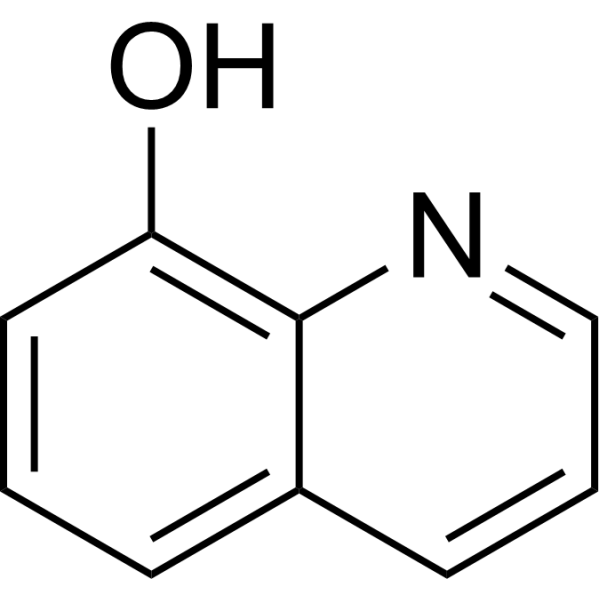
8-Hydroxyquinoline (8-Quinolinol) is a lipophilic metal chelator that can be used as a fungicide .8-Hydroxyquinoline shows the MIC range of 27.56-55.11 μM (4-8 μg/mL) against the clinical isolates of Neisseria gonorrhoeae. 8-Hydroxyquinoline can bind to copper form complexes and transport copper into cells. 8-Hydroxyquinoline increases in the number of micronucleated polychromatic erythrocytes and can also make hair depigmented in mice .
|
-
- HY-Y1101B
-
|
N-Methylmorpholine N-Oxide; MMNO; 4-Methylmorpholine 4-oxide
|
Biochemical Assay Reagents
|
Others
|
|
4-Methylmorpholine N-oxide (N-Methylmorpholine N-Oxide; MMNO; 4-Methylmorpholine 4-oxide) is an amine oxide ligand and ozonation reagent. 4-Methylmorpholine N-oxide forms coordination complexes with lanthanum (III) nitrate and yttrium (III) nitrate via its nitroso oxygen atom. The metal-ligand bonds are dominated by electrostatic interactions with a small covalent component. 4-Methylmorpholine N-oxide is applicable in ozonation reactions for the synthesis of methyl 9-oxononanoate .
|
-
- HY-W010795
-
|
|
Biochemical Assay Reagents
|
Others
|
|
Tetraheptylammonium bromide (>98%,BC) (THAB) is a quaternary ammonium compound commonly used as a phase transfer catalyst in organic synthesis reactions, especially those involving charged species or polar reagents. It can facilitate the transfer of reactants between two immiscible phases, such as water and organic solvents, by forming stable ion pairs. In addition, THAB is used as a surfactant, and as an additive in various products such as cosmetics, pharmaceuticals, and detergents. Due to THAB's ability to form complexes with these ions, its potential use in the removal of heavy metal ions from wastewater was also investigated.
|
-
- HY-132989
-
|
|
Biochemical Assay Reagents
Bacterial
|
Cardiovascular Disease
Infection
Inflammation/Immunology
|
|
Mal-Deferoxamine is a maleimide-functionalized trihydroxamate siderophore derivative that can be isolated from Streptomyces pilosus. Mal-Deferoxamine possesses highly specific Fe (III) chelating ability, and the stability of complexes formed between it and non-Fe (III) metal ions is significantly lower. Mal-Deferoxamine exhibits growth inhibitory effects against Gram-positive bacteria, but shows no obvious inhibitory activity against Gram-negative bacteria (MIC>50 μM). Mal-Deferoxamine is mainly suitable for scientific research in hematology and related fields .
|
-
- HY-W075744
-
|
|
Biochemical Assay Reagents
Endogenous Metabolite
|
|
|
SK-J002-1n is a highly efficient catalyst with excellent cross-coupling reaction activity. SK-J002-1n is widely used in organic synthesis to construct complex molecular structures. The chiral properties of SK-J002-1n make it play an important role in the pharmaceutical industry and provide support for the synthesis of chiral compounds. SK-J002-1n can significantly improve the conversion efficiency and is an important component of transition metal catalysts.
|
-
- HY-W150770
-
|
Isophthalic acid diamide
|
Drug Intermediate
|
Others
|
|
Isophthalamide (Isophthalic acid diamide) is a widely used chemical scaffold for the design of high-performance fluorescent chemosensors.Isophthalamide, with its inherent hydrogen-bond-donating properties and tunable chelating cavity, enables highly selective recognition and detection of various analytes ranging from inorganic ions to complex organic molecules.Isophthalamide can be incorporated with various fluorophores to develop sensors displaying “turn-on” or “turn-off” signal responses.Isophthalamide-based sensors are thus capable of detecting diverse analytes including metal ions, anions, neutral molecules, pharmaceuticals, and explosives .
|
-
- HY-D0006
-
|
|
Fluorescent Dye
|
Others
|
|
Bathophenanthroline is a nitrogen-containing organic ligand that can form stable complexes with transition metal ions such as Ru 2+. In proteomics, Bathophenanthroline is often used for in-gel protein staining. The negatively charged sulfonic acid groups of Bathophenanthroline interact electrostatically with the positively charged amino acid residues of proteins, thereby achieving specific binding to proteins and enhancing the fluorescent signal of detection. Bathophenanthroline can be used for protein separation and detection in SDS-PAGE gels in the field of proteomics, as well as other fluorescence studies[1]. Ex/Em=532 nm/610 nm[1].
|
-
- HY-D0155
-
|
|
Fluorescent Dye
|
Others
|
|
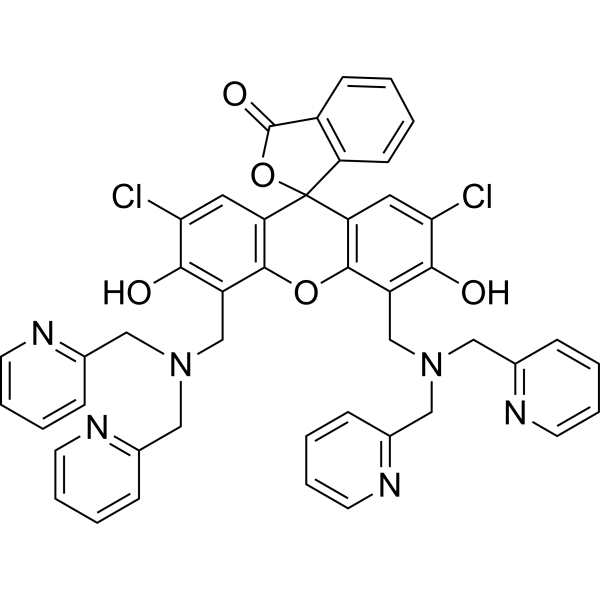
Zinpyr-1 is a zinc-responsive fluorescent indicator and a membrane-permeable metal-binding probe. Zinpyr-1 forms a complex with Mn 2+ ions and generates a fluorescence turn-on signal. Zinpyr-1 binds to free zinc ions in serum, enabling quantitative detection of free zinc concentration. Zinpyr-1 produces fluorescence signals reflecting the relative zinc concentration in plant root cells, localizes to specific layers of plant root cells, and can be used to support analyses related to plant zinc transporter mutations and homeostasis .
|
-
- HY-100138
-
|
|
Radionuclide-Drug Conjugates (RDCs)
ADC Linker
|
Cancer
|
|
2-Aminoethyl-mono-amide-DOTA-tris(tBu ester) is a metal chelator precursor containing a DOTA macrocyclic structure. DOTA can form highly stable complexes with metal ions (such as 68Ga, 177Lu) through four nitrogen atoms and four carboxylic acid groups to mediate targeted delivery of radionuclides. The tert-butyl ester group (tBu ester) of 2-Aminoethyl-mono-amide-DOTA-tris(tBu ester) also protects the carboxylic acid group during synthesis, and forms a free carboxyl group after deprotection reaction for coupling with targeting molecules (such as antibodies, peptides). 2-Aminoethyl-mono-amide-DOTA-tris(tBu ester) may be combined with tumor pre-targeting systems through bioorthogonal reactions (such as reverse electron demand Diels-Alder reaction) to study radioactive imaging or therapy of tumor tissues, and is mainly used in tumor pre-targeting research in the field of nuclear medicine .
|
-
- HY-B1005R
-
|
8-Quinolinol (Standard)
|
Reference Standards
Bacterial
Antibiotic
|
Cancer
|
|
8-Hydroxyquinoline (Standard) is the analytical standard of 8-Hydroxyquinoline. This product is intended for research and analytical applications. 8-Hydroxyquinoline (8-Quinolinol) is a lipophilic metal chelator that can be used as a fungicide .8-Hydroxyquinoline shows the MIC range of 27.56-55.11 μM (4-8 μg/mL) against the clinical isolates of Neisseria gonorrhoeae. 8-Hydroxyquinoline can bind to copper form complexes and transport copper into cells. 8-Hydroxyquinoline increases in the number of micronucleated polychromatic erythrocytes and can also make hair depigmented in mice .
|
-
- HY-W243460
-
|
|
Biochemical Assay Reagents
|
Others
|
|
EDTA copper (II) disodium salt, 97% is a negatively charged copper (II)-ethylenediaminetetraacetic acid chelate and also an adsorption substrate. EDTA copper (II) disodium salt, 97% forms amide bonds with chitosan amino groups in weakly acidic (pH 3-5) solutions, while it forms the CuEDTA (OH) 3− hydroxyl complex in strongly alkaline (pH > 12) solutions. EDTA copper (II) disodium salt, 97% can be adsorbed onto granular activated carbon, with electrostatic interactions dominating its pH-dependent adsorption behavior. EDTA copper (II) disodium salt, 97% can be used to eliminate the inhibition of enzyme-catalyzed reactions caused by trace heavy metals .
|
-
- HY-100138R
-
|
|
Radionuclide-Drug Conjugates (RDCs)
ADC Linker
Reference Standards
|
Cancer
|
|
2-Aminoethyl-mono-amide-DOTA-tris(tBu ester) (Standard) is the analytical standard of 2-Aminoethyl-mono-amide-DOTA-tris(tBu ester) (HY-100138). This product is intended for research and analytical applications. 2-Aminoethyl-mono-amide-DOTA-tris(tBu ester) is a metal chelator precursor containing a DOTA macrocyclic structure. DOTA can form highly stable complexes with metal ions (such as 68Ga, 177Lu) through four nitrogen atoms and four carboxylic acid groups to mediate targeted delivery of radionuclides. The tert-butyl ester group (tBu ester) of 2-Aminoethyl-mono-amide-DOTA-tris(tBu ester) also protects the carboxylic acid group during synthesis, and forms a free carboxyl group after deprotection reaction for coupling with targeting molecules (such as antibodies, peptides). 2-Aminoethyl-mono-amide-DOTA-tris(tBu ester) may be combined with tumor pre-targeting systems through bioorthogonal reactions (such as reverse electron demand Diels-Alder reaction) to study radioactive imaging or therapy of tumor tissues, and is mainly used in tumor pre-targeting research in the field of nuclear medicine .
|
-
- HY-B1610K
-
|
|
Biochemical Assay Reagents
|
Others
|
|
Sodium Citrate Buffer, 0.5M, pH 5.5 is a metal chelator and buffering agent. Sodium Citrate Buffer, 0.5M, pH 5.5 requires oxygen to participate in the oxidation process to reduce pink defects in cooked ground turkey, and it does not function via heme iron chelation or iron complex interaction. When mixed with 50% (by vol.) 1,3-dimethylimidazolium methyl sulfate, Sodium Citrate Buffer, 0.5M, pH 5.5 can serve as an aqueous buffering medium to maintain the catalytic efficiency of the hyperthermophilic β-glycosidase CelB for lactose hydrolysis at 80°C, while also acting as a reaction medium for CelB-catalyzed lactose hydrolysis and galactosyltransferase assays .
|
-
- HY-W004617
-
|
4,4',4''-(1,3,5-Triazine-2,4,6-triyl)tribenzoic acid
|
MOFs
|
Others
|
|
2,4,6-Tris(4-carboxyphenyl)-1,3,5-triazine (4,4',4''-(1,3,5-Triazine-2,4,6-triyl) tribenzoic acid) is a metal-organic framework. 2,4,6-Tris(4-carboxyphenyl)-1,3,5-triazine is a C3-symmetric organic ligand with temperature-sensitive ratioluminescent properties. Complexes derived from 2,4,6-Tris(4-carboxyphenyl)-1,3,5-triazine exhibit strong emissivity and can be used for highly sensitive ratiometric fluorescent temperature sensing .
|
-
- HY-W127832
-
|
|
Fluorescent Dye
|
Others
|
|
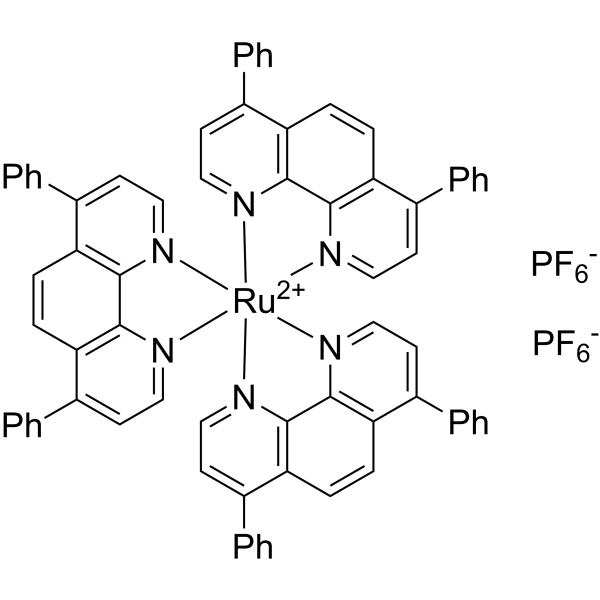
Ru(dpp)3(PF6)2 is a complex containing metallic ruthenium (Ru) and is a chemiluminescent oxygen probe. [Ru(dpp)3] 2+ is a luminescent substance that can undergo metal-to-ligand charge transfer (MLCT), and fluorescence will appear during the transfer of Ru to the ligand. At the same time, the fluorescence of Ru(dpp)3(PF6)2 is effectively quenched by molecular oxygen, so it is widely used in biosensors, environmental monitoring, and materials science. The property of Ru(dpp)3(PF6)2, which oxidizes Ru 2+ to Ru 3+, has also been used to design and construct solid-state light-emitting electrochemical cells .
|
-
- HY-W583350
-
|
|
Apoptosis
|
Cancer
|
|
Chloro(triphenylphosphine)[2-(2'-amino-1,1'-biphenyl)]palladium(II) (Compound 4C) is a metal palladium (II) complex. Chloro(triphenylphosphine)[2-(2'-amino-1,1'-biphenyl)]palladium(II) exhibits potent anti-proliferative activity against cells such as MDA-MB-231 and HCT116, significantly inducing apoptosis. Chloro(triphenylphosphine)[2-(2'-amino-1,1'-biphenyl)]palladium(II) does not directly damage DNA or cause significant cell cycle arrest. Chloro(triphenylphosphine)[2-(2'-amino-1,1'-biphenyl)]palladium(II) can be used in studies on Cisplatin (HY-17394) resistance .
|
-
- HY-W1113135
-
|
|
Biochemical Assay Reagents
|
Others
|
|
Carboxymethyl-β-cyclodextrin sodium salt is a negatively charged β-cyclodextrin derivative, as well as a metal ion chelator and solubilizing reagent. Carboxymethyl-β-cyclodextrin sodium salt forms stable aqueous complexes with Ba 2+, Ca 2+, Cd 2+, Ni 2+, Pb 2+, Sr 2+, and Zn 2+ ions. Carboxymethyl-β-cyclodextrin sodium salt derived hydrogel carriers support oral insulin delivery via paracellular permeation across Caco-2 monolayers and produce sustained hypoglycemic effects in diabetic mice. Carboxymethyl-β-cyclodextrin sodium salt can be conjugated onto folate-modified BSA nanoparticles to boost folate receptor-mediated endocytosis, elevate intracellular anticancer drug uptake and trigger cell apoptosis. Carboxymethyl-β-cyclodextrin sodium salt can be utilized for chiral separation in capillary electrophoresis, development of nanoscale drug carriers and nucleic acid transfection research .
|
-
| Cat. No. |
Product Name |
Type |
-
- HY-D0155
-
|
|
Fluorescent Dye
|
|
Zinpyr-1 is a zinc-responsive fluorescent indicator and a membrane-permeable metal-binding probe. Zinpyr-1 forms a complex with Mn 2+ ions and generates a fluorescence turn-on signal. Zinpyr-1 binds to free zinc ions in serum, enabling quantitative detection of free zinc concentration. Zinpyr-1 produces fluorescence signals reflecting the relative zinc concentration in plant root cells, localizes to specific layers of plant root cells, and can be used to support analyses related to plant zinc transporter mutations and homeostasis .
|
-
- HY-D0202
-
|
|
Fluorescent Dye
|
|
Arsenazo III is an azo derivative of chromotropic acid, a metal chrome dye, a chelating agent, and a cation complexing agent. Arsenazo III forms stable 1:1 complexes with Ca 2+, Mg 2+, Sr 2+, Ba 2+, K +, and Na +, and its binding affinity for Ca 2+ depends on pH, alkali metal cation concentration, and buffer parameters. Arsenazo III serves as a colorimetric indicator for micromolar ionized Ca 2+ in cells .
|
-
- HY-D0006
-
|
|
Fluorescent Dye
|
|
Bathophenanthroline is a nitrogen-containing organic ligand that can form stable complexes with transition metal ions such as Ru 2+. In proteomics, Bathophenanthroline is often used for in-gel protein staining. The negatively charged sulfonic acid groups of Bathophenanthroline interact electrostatically with the positively charged amino acid residues of proteins, thereby achieving specific binding to proteins and enhancing the fluorescent signal of detection. Bathophenanthroline can be used for protein separation and detection in SDS-PAGE gels in the field of proteomics, as well as other fluorescence studies[1]. Ex/Em=532 nm/610 nm[1].
|
-
- HY-D0312
-
|
Sunchromine Fast Blue MB
|
Fluorescent Dye
|
|
Mordant Blue 13 is a synthetic dye used in the textile industry. It belongs to a class of metal complex dyes that are able to form strong bonds with fabrics and other materials. Mordant Blue 13 is commonly used for dyeing cotton, wool and silk fibres, it produces a fast blue color. It can be applied to textiles by a variety of methods including impregnation, padding and printing.
|
-
- HY-W134020
-
|
Semixylenol orange
|
Fluorescent Dye
|
|
Semixylenol orange is a metallochromic indicator that can complex with various metal ions and is used for the testing and analysis of metal ions such as zinc and zirconium .
|
| Cat. No. |
Product Name |
Type |
-
- HY-W053583
-
|
DOTA
|
Biochemical Assay Reagents
|
|
Tetraxetan (DOTA) is a macrocyclic chelating agent. Tetraxetan can form stable coordination complexes with a variety of metal ions (e.g., 68Ga, 111In, 177Lu). Tetraxetan can be conjugated with targeting molecules (e.g., RGD peptide, folic acid) to enable the complex to target specific biomolecules or cells. Tetraxetan can be used for imaging studies of tumors, including melanoma and folate receptor-positive tumors (e.g., cervical cancer) .
|
-
- HY-D0155
-
|
|
Biochemical Assay Reagents
|
|
Zinpyr-1 is a zinc-responsive fluorescent indicator and a membrane-permeable metal-binding probe. Zinpyr-1 forms a complex with Mn 2+ ions and generates a fluorescence turn-on signal. Zinpyr-1 binds to free zinc ions in serum, enabling quantitative detection of free zinc concentration. Zinpyr-1 produces fluorescence signals reflecting the relative zinc concentration in plant root cells, localizes to specific layers of plant root cells, and can be used to support analyses related to plant zinc transporter mutations and homeostasis .
|
-
- HY-D1247
-
|
|
Biochemical Assay Reagents
|
|
Hydroxynaphthol Blue is an azo dye and serves as a metal indicator. Hydroxynaphthol Blue binds to specific metal ions to form stable complexes with distinct color and fluorescence properties. Hydroxynaphthol Blue is used for the visual monitoring of isothermal nucleic acid amplification results. A visible color difference appears between positive and negative nucleic acid amplification reactions, allowing result discrimination by the naked eye without opening the reaction tube .
|
-
- HY-W013178
-
|
|
Biochemical Assay Reagents
|
|
DCTA monohydrate is an organic acid. DCTA refers to N,N,N',N' -tetraacetic acid, which has a strong chelating ability. DCTA monohydrate can be used as a chelating agent and coordination reagent for metal ions. DCTA monohydrate, for example, forms stable complexes with many metal ions, including calcium, magnesium and zinc. DCTA modified with ethylene glycol is selective to calcium ions in the presence of magnesium ions .
|
-
- HY-W110927
-
|
|
Biochemical Assay Reagents
|
|
Alizarin red S indicator (C.I. 58005) is a reductively active (quinone-based) anthraquinone dye that forms complexes with metal ions (such as zirconium, calcium) or boric acid to label calcium deposition and perform electrochemical sensing functions. Alizarin Red S undergoes reversible redox reactions (for electrochemical detection) and irreversible chelation (for bone staining). Alizarin Red S is mainly used in bone metabolism research (labeling mineralized tissue), sugar detection (boric acid-sugar competition system) and metal ion sensing (such as zirconium ion detection), and can be used in osteoporosis and metabolic disease research .
|
-
- HY-W011060
-
|
4,7,13,16,21,24-Hexaoxa-1,10-diazabicyclo[8.8.8]hexacosane
|
Biochemical Assay Reagents
|
|
Cryptand 2.2.2 (4,7,13,16,21,24-Hexaoxa-1,10-diazabicyclo[8.8.8]hexacosane) is a metal ion chelator. Cryptand 2.2.2 forms stable mononuclear, protonated and dinuclear complexes with copper (II) ions; forms protonated complexes with hydrogen ions; and also forms stable complexes with Zn 2+, Co 2+, Ni 2+, Cd 2+, Hg 2+ and Pb 2+ ions. Cryptand 2.2.2 can be used for the preparation of nanoparticles, transition metal compounds, etc.
|
-
- HY-W034566
-
|
Hexaaza-18-crown-6; 1,4,7,10,13,16-Hexaazacyclooctadecane
|
Biochemical Assay Reagents
|
|
Hexacyclen is an organic compound with a unique macrocyclic structure composed of six nitrogen-containing rings. It is commonly used as a chelating agent in chemistry and biochemistry due to its ability to bind metal ions. Inhibitors of certain diseases such as cancer. In biochemistry, Hexacyclen is often used to selectively bind metal ions in proteins or enzymes to study their structure and function. Due to its large size and complex structure, Hexacyclen is not widely used in daily products or applications .
|
-
- HY-W110910
-
|
|
Biochemical Assay Reagents
|
|
Eriochrome black T, Indicator is a complexing agent for metal ions (e.g., Ca 2+, Mg 2+) and is used as an indicator in complexometric titrations. Eriochrome black T, Indicator forms colored complexes with metal ions through covalent coordination bonds, and indicates the endpoint of the titration by color change. Eriochrome black T, Indicator can be used as an anionic azo dye in photocatalytic degradation studies to evaluate the performance of photocatalysts. The reaction solution of Eriochrome black T, Indicator combined with Mg 2+ is initially purple. During loop-mediated isothermal amplification (LAMP), the color changes from purple to sky blue due to the consumption of Mg 2+ by the formation of magnesium pyrophosphate, indicating a positive reaction. The optimal concentration of Eriochrome black T, Indicator in LAMP is 60 μM, and the detection limit for Mycobacterium tuberculosis is 1 pg DNA/reaction .
|
-
- HY-Y0030A
-
|
3-HPA
|
Biochemical Assay Reagents
|
|
3-Hydroxypicolinic acid, matrix substance for MALDI-MS is a matrix. 3-Hydroxypicolinic acid, matrix substance for MALDI-MS coordinates with metal ions such as copper to form complexes with cytotoxic and antimycobacterial activity. 3-Hydroxypicolinic acid, matrix substance for MALDI-MS is used for the analysis of oligodeoxynucleotides in matrix-assisted laser desorption ionization time-of-flight mass spectrometry (MALDI-TOF MS). 3-Hydroxypicolinic acid, matrix substance for MALDI-MS is useful for nucleic acid analysis and anti-tuberculosis compound development .
|
-
- HY-W034674
-
|
Silver(1+) diethyldithiocarbamate
|
Biochemical Assay Reagents
|
|
Silver diethyldithiocarbamate (SDDC) is an organic compound consisting of silver ions complexed with the ligand diethyldithiocarbamate. SDDC is mainly used as a reagent in analytical chemistry to detect the presence of copper, iron and other heavy metals in various materials. It acts as a chelating agent, binding to metal ions and forming stable complexes that can be easily analyzed using techniques such as UV-Vis spectroscopy.
|
-
- HY-W110793
-
|
Diphenylthiocarbazone
|
Biochemical Assay Reagents
|
|
Dithizone can be toxic to pancreatic islet cells and cause experimental diabetes. Dithizone can be used for in vitro in vivo staining of transplanted islets and cytoplasmic granules of bone marrow cells. Dithizone can be used as a chelating agent and colorimetric indicator for the detection and extraction of various heavy metals, including lead and mercury, in analytical and biochemical applications. Dithizone forms stable colored complexes with metal ions and can be quantitatively analyzed by methods such as spectrophotometry .
|
-
- HY-W010795
-
|
|
Biochemical Assay Reagents
|
|
Tetraheptylammonium bromide (>98%,BC) (THAB) is a quaternary ammonium compound commonly used as a phase transfer catalyst in organic synthesis reactions, especially those involving charged species or polar reagents. It can facilitate the transfer of reactants between two immiscible phases, such as water and organic solvents, by forming stable ion pairs. In addition, THAB is used as a surfactant, and as an additive in various products such as cosmetics, pharmaceuticals, and detergents. Due to THAB's ability to form complexes with these ions, its potential use in the removal of heavy metal ions from wastewater was also investigated.
|
-
- HY-Y1102A
-
|
|
Biochemical Assay Reagents
|
|
Copper(II) acetate, 99.99% trace metals basis is a dinuclear metal complex that can be used a source of copper and oxidizing agent in inorganic synthesis, and as a catalyst in organic synthesis .
|
-
- HY-70026
-
|
|
Biochemical Assay Reagents
|
|
Tri(2-methylphenyl)phosphine is an organic phosphorus ligand that can be used as a drug intermediate to form complexes with metal salts .
|
-
- HY-W004547
-
|
4,4'-Diamino-2,2'-bipyridine
|
Biochemical Assay Reagents
|
|
(NH2)2bpy (4,4'-Diamino-2,2'-bipyridine) is an organic compound commonly used as a catalyst and complexing reagent. It can form complexes with other metal ions or organic molecules, and can play a catalytic role in some organic synthesis reactions. In addition, this compound is also widely used in some chemical analysis and detection methods, such as in biological analysis and electrochemical analysis
|
-
- HY-32100
-
|
Quinolin-5(1H)-one
|
Biochemical Assay Reagents
|
|
5-Hydroxyquinoline is an organic compound commonly used in certain chemical reactions and biological research. It can be used in the manufacture of dyes, cellulase, oxidants and passivators, etc., and is widely used in the pigment, paint and rubber industries. In addition, the compound is also used as the precursor, intermediate and metal ion complexing agent of certain drugs.
|
-
- HY-W020952
-
|
Palladium(Ⅱ) 2,4-pentanedionate; Pd(acac)2
|
Biochemical Assay Reagents
|
|
Palladium(II) acetylacetonate is a metal-organic complex. Palladium(II) acetylacetonate upregulates the expression of GRP78, ATF-4, XBP-1, CHOP, and phosphorylated c-Jun. Palladium(II) acetylacetonate induces Apoptosis. Palladium(II) acetylacetonate has anticancer effects against non-small cell lung cancer, gastric cancer, leukemia, and cervical cancer .
|
-
- HY-W031536
-
|
2-Oxoimidazolidine, 96%
|
Biochemical Assay Reagents
|
|
2-Imidazolidone, 96% is a chelating agent that forms complexes with metal ions, enabling its use in catalytic processes.
|
-
- HY-W582564
-
|
Ethylenediaminetetraacetic acid copper disodium tetrahydrate
|
Biochemical Assay Reagents
|
|
Cu(Ⅱ)-EDTA disodium tetrahydrate, a typical contaminant in industrial wastewater, is an EDTA-complexed heavy metal. Cu(Ⅱ)-EDTA disodium tetrahydrate can be used in research on the recovery of heavy metal resources from mixed wastewater .
|
-
- HY-W016825
-
|
|
Biochemical Assay Reagents
|
|
2-(Pyridin-2-yl)acetic acid hydrochloride is a heterocyclic aromatic carboxylic acid compound. 2-(Pyridin-2-yl)acetic acid hydrochloride can be used as an organic synthesis intermediate or a metal complex .
|
-
- HY-W009311
-
|
4,4'-Bis(dimethylamino)thiobenzophenone
|
Biochemical Assay Reagents
|
|
Thiomichler's ketone (4,4'-Bis (dimethylamino) thiobenzophenone) is a heavy metal complexing agent and a colorimetric/spectrophotometric reagent. Thiomichler's ketone shows selectivity for Hg 2+ at pH 3, and exhibits activity towards Pd 2+ and Ag + at pH 3.5. Thiomichler's ketone enables accurate detection of trace Pd 2+ by forming an extractable Hg 2+ complex via micelle-mediated cloud point extraction, or generating a red coordination complex including Pd (TMK)4. Thiomichler's ketone is applicable for the determination of trace Pd 2+ in antibiotics and catalysts of automobile exhaust purifiers .
|
-
- HY-W053583R
-
|
DOTA (Standard)
|
Biochemical Assay Reagents
|
|
Tetraxetan (Standard) is the analytical standard of Tetraxetan (HY-W053583). This product is intended for research and analytical applications. Tetraxetan (DOTA) is a macrocyclic chelating agent. Tetraxetan can form stable coordination complexes with a variety of metal ions (e.g., 68Ga, 111In, 177Lu). Tetraxetan can be conjugated with targeting molecules (e.g., RGD peptide, folic acid) to enable the complex to target specific biomolecules or cells. Tetraxetan can be used for imaging studies of tumors, including melanoma and folate receptor-positive tumors (e.g., cervical cancer) .
|
-
- HY-W127832
-
|
|
Biochemical Assay Reagents
|
|
Ru(dpp)3(PF6)2 is a complex containing metallic ruthenium (Ru) and is a chemiluminescent oxygen probe. [Ru(dpp)3] 2+ is a luminescent substance that can undergo metal-to-ligand charge transfer (MLCT), and fluorescence will appear during the transfer of Ru to the ligand. At the same time, the fluorescence of Ru(dpp)3(PF6)2 is effectively quenched by molecular oxygen, so it is widely used in biosensors, environmental monitoring, and materials science. The property of Ru(dpp)3(PF6)2, which oxidizes Ru 2+ to Ru 3+, has also been used to design and construct solid-state light-emitting electrochemical cells .
|
-
- HY-B1610K
-
|
|
Biochemical Assay Reagents
|
|
Sodium Citrate Buffer, 0.5M, pH 5.5 is a metal chelator and buffering agent. Sodium Citrate Buffer, 0.5M, pH 5.5 requires oxygen to participate in the oxidation process to reduce pink defects in cooked ground turkey, and it does not function via heme iron chelation or iron complex interaction. When mixed with 50% (by vol.) 1,3-dimethylimidazolium methyl sulfate, Sodium Citrate Buffer, 0.5M, pH 5.5 can serve as an aqueous buffering medium to maintain the catalytic efficiency of the hyperthermophilic β-glycosidase CelB for lactose hydrolysis at 80°C, while also acting as a reaction medium for CelB-catalyzed lactose hydrolysis and galactosyltransferase assays .
|
-
- HY-W104012
-
|
2,2'-Ethylenedianiline
|
Biochemical Assay Reagents
|
|
2,2'-(Ethane-1,2-diyl)dianiline (2,2'-Ethylenedianiline) can be utilized as precursor of metal complex .
|
-
- HY-W555991
-
|
|
Biochemical Assay Reagents
|
|
2',3'-O-Isopropylidene-6-mercaptopurine riboside is a compound with excellent metal complexing activity. 2',3'-O-Isopropylidene-6-mercaptopurine riboside can be used to study the mechanism of metal complexing.
|
-
- HY-W110896
-
|
Phthalein Purple
|
Biochemical Assay Reagents
|
|
Phthalate complexing agent [Chelation indicator] is a class of organic compounds belonging to the category of chelation indicators. It is commonly used in analytical chemistry to detect and quantify metal ions in aqueous solutions, especially in complexometric titration. Phthalate complexing agent [Chelation indicator] works by forming stable complexes with metal ions, which can then be measured using various spectroscopic or electrochemical techniques. In addition, it also has potential applications in wastewater treatment and environmental monitoring.
|
-
- HY-Y0449C
-
|
Ammonium rhodanide, 99.99% trace Metals basis
|
Biochemical Assay Reagents
|
|
Ammonium thiocyanate, 99.99% trace metals basis is widely used in titration methods to determine the concentrations of various metal ions (especially iron and silver) by forming distinctly different complexes.
|
-
- HY-W015575
-
|
|
Biochemical Assay Reagents
|
|
2-Chlorobenzimidazole is a pharmaceutical intermediate used in the synthesis of a series of derivatives with anti-human cytomegalovirus (HCMV) activity. 2-Chlorobenzimidazole can be used to form metal complexes (cobalt, copper, and zinc), with zinc complexes exhibiting significant anticancer activity .
|
-
- HY-W673626
-
|
Etidronate monohydrate; HEDPA monohydrate; HEDP monohydrate
|
Biochemical Assay Reagents
|
|
Etidronic acid,60% in water (Etidronate) monohydrate is a strong complexing agent that can be used as a chelating agent to remove heavy metals from water .
|
-
- HY-W002328
-
|
|
Biochemical Assay Reagents
|
|
Pyrazole-3-carboxylic acid is an alternative anchoring group to carboxylic acid in phthalocyanine dyes. Pyrazole-3-carboxylic acid shows flexible coordination modes when coordinates with metal ions. Pyrazole-3-carboxylic acid can chelate to metal ions and form very stable complexes through its N and O atoms. Pyrazole-3-carboxylic acid can be used to synthesize derivatives that possess antibacterial, anti-inflammatory, ulcerogenic liability and antiproliferative activities .
|
-
- HY-W009022
-
|
|
Biochemical Assay Reagents
|
|
Diantipyrylmethane is a chromogenic reagent commonly used for the determination of the contents of metals such as Au (III), Ti (IV), Ir, Fe (III), molybdenum, neodymium, U (IV), iridium, platinum and rhenium via spectrophotometry and extraction photometry. Diantipyrylmethane can also form a fluorescent complex with Er (III) ions, which is applied to the determination of erbium .
|
-
- HY-W134020
-
|
Semixylenol orange
|
Biochemical Assay Reagents
|
|
Semixylenol orange is a metallochromic indicator that can complex with various metal ions and is used for the testing and analysis of metal ions such as zinc and zirconium .
|
-
- HY-W691498
-
|
|
Biochemical Assay Reagents
|
|
Sodiumα-glucoheptonate, 97% is a multifunctional chelating agent capable of forming stable complexes with various metal ions.
|
-
- HY-W052750
-
|
|
Biochemical Assay Reagents
|
|
5-Carboxy-2-thiouracil is a compound with antitumor activity that can form complexes with metal ions, thereby exhibiting significant biological effects.
|
-
- HY-W140537
-
|
|
Biochemical Assay Reagents
|
|
EDTA diammonium salt hydrate, 97% is a derivative of ethylenediaminetetraacetic acid (EDTA), commonly used as a chelating agent in various applications due to its ability to bind with various metal ions and form stable complexes.
|
-
- HY-112111A
-
|
|
Biochemical Assay Reagents
|
|
Poly-L-Glutamic acid (MW 100000) is a biopolymer composed of L-glutamic acid units. It has the activity of forming stable water-soluble complexes with metal ions and is widely used in the manufacture of biodegradable materials.
|
-
- HY-W034566A
-
|
Hexaaza-18-crown-6 trisulfate; 1,4,7,10,13,16-Hexaazacyclooctadecane trisulfate
|
Biochemical Assay Reagents
|
|
Hexacyclen, also known as cycloalkene, is an organic compound with a unique macrocyclic structure composed of six nitrogen-containing rings. It is commonly used as a chelating agent in chemistry and biochemistry due to its ability to bind metal ions. Inhibitors of certain diseases such as cancer. In biochemistry, Hexacyclen is often used to selectively bind metal ions in proteins or enzymes to study their structure and function. Due to its large size and complex structure, Hexacyclen is not widely used in daily products or applications.
|
-
- HY-W011060R
-
|
4,7,13,16,21,24-Hexaoxa-1,10-diazabicyclo[8.8.8]hexacosane (Standard)
|
Biochemical Assay Reagents
|
|
Cryptand 2.2.2 (Standard) is the analytical standard of Cryptand 2.2.2 (HY-W011060). This product is intended for research and analytical applications. Cryptand 2.2.2 is a metal ion chelating agent that can selectively form complexes with metal ions. At room temperature, Cryptand 2.2.2 can serve as a host molecule, using the chelation effect to selectively bind desired ions (such as Zn 2+, Co 2+, Ni 2+, Cu 2+). Cryptand 2.2.2 can be used in the preparation of nanoparticles, transition metal compounds, and so on .
|
-
- HY-W031536R
-
|
2-Oxoimidazolidine, 96% (Standard)
|
Biochemical Assay Reagents
|
|
2-Imidazolidone, 96% (Standard) is the analytical standard of 2-Imidazolidone, 96%. This product is intended for research and analytical applications. 2-Imidazolidone, 96% is a chelating agent that forms complexes with metal ions, enabling its use in catalytic processes.
|
-
- HY-W104012R
-
|
2,2'-Ethylenedianiline (Standard)
|
Biochemical Assay Reagents
|
|
2,2'-(Ethane-1,2-diyl)dianiline (Standard) is the analytical standard of 2,2'-(Ethane-1,2-diyl)dianiline. This product is intended for research and analytical applications. 2,2'-(Ethane-1,2-diyl)dianiline (2,2'-Ethylenedianiline) can be utilized as precursor of metal complex .
|
| Cat. No. |
Product Name |
Target |
Research Area |
-
- HY-W006064
-
|
(S)-2-Aminopent-4-ynoic acid
|
Amino Acid Derivatives
|
Others
|
|
(S)-2-Aminopent-4-ynoic acid is a synthetic amino acid. (S)-2-Aminopent-4-ynoic acid can be used in synthesis of folate-conjugates and corresponding metal-chelate complexes . (S)-2-Aminopent-4-ynoic acid is a click chemistry reagent, it contains an Alkyne group and can undergo copper-catalyzed azide-alkyne cycloaddition (CuAAc) with molecules containing Azide groups.
|
-
- HY-W587753
-
|
|
Antibiotic
Bacterial
|
Infection
|
|
Bacitracin A is an antibiotic, which exhibits antibacterial activity against gram-positive bacteria. Bacitracin A forms complex with long-chain polyisoprenyl pyrophosphates in presence of metal ions, dephosphorylates the lipid carrier intermediate Css-bactoprenyl pyrophosphate, inhibits thus the bacterial cell wall biosynthesis .
|
-
- HY-P3566
-
|
|
Biochemical Assay Reagents
|
Others
|
|
(D-Lys16)-ACTH (1-24) (human, bovine, mouse, ovine, porcine, rabbit, rat) is the reaction product with gadolinium tetraazacyclododecanetriacetate derivative. (D-Lys16)-ACTH (1-24) (human, bovine, mouse, ovine, porcine, rabbit, rat) involves in preparation of tetraazacyclododecane macrocycle metal complexes for production of conjugates with biomolecules and for use as NMR contrast agents, radiodiagnostic agents and for radioresearch .
|
-
- HY-P6443
-
|
|
Peptides
|
Others
|
|
NTPA TFA is a polycarboxylic acid ligand that participates in the coordination reaction with metal ions to form complexes .
|
| Cat. No. |
Product Name |
Category |
Target |
Chemical Structure |
-
- HY-B1306
-
|
p-Aminohippuric acid
|
Classification of Application Fields
Ketones, Aldehydes, Acids
Other Diseases
Endogenous metabolite
Disease Research Fields
Source Classification
|
Others
|
|
4-Aminohippuric acid (p-Aminohippuric acid) is a coordination ligand for metal ions (such as Cu 2+, Fe 3+, Hg 2+) and a functionalization reagent for nanomaterials. 4-Aminohippuric acid can coordinate with metal ions or modify the surface of materials such as carbon nanotubes and gold nanoparticles through amino and carboxyl groups. 4-Aminohippuric acid can form stable complexes with metal ions or participate in the synthesis of nanomaterials as a reducing agent/stabilizer, enriching metal ions or giving nanoparticles peroxidase-mimicking activity. 4-Aminohippuric acid can be used to construct highly sensitive electrochemical sensors or colorimetric sensors to detect and quantitatively analyze heavy metal ions such as copper, iron, and mercury in environmental water samples and biological samples. 4-Aminohippuric acid may also be a biomarker for attention-deficit/hyperactivity disorder (ADHD) .
|
-
-
- HY-W015788
-
-
-
- HY-W012683
-
-
-
- HY-W008097
-
-
-
- HY-B1306R
-
|
p-Aminohippuric acid (Standard)
|
Structural Classification
Ketones, Aldehydes, Acids
Endogenous metabolite
Source Classification
|
Reference Standards
Biochemical Assay Reagents
|
|
4-Aminohippuric acid (p-Aminohippuric acid) (Standard) is the analytical standard of 4-Aminohippuric acid (HY-B1306). This product is intended for research and analytical applications. 4-Aminohippuric acid (p-Aminohippuric acid) is a coordination ligand for metal ions (such as Cu 2+, Fe 3+, Hg 2+) and a functionalization reagent for nanomaterials. 4-Aminohippuric acid can coordinate with metal ions or modify the surface of materials such as carbon nanotubes and gold nanoparticles through amino and carboxyl groups. 4-Aminohippuric acid can form stable complexes with metal ions or participate in the synthesis of nanomaterials as a reducing agent/stabilizer, enriching metal ions or giving nanoparticles peroxidase-mimicking activity. 4-Aminohippuric acid can be used to construct highly sensitive electrochemical sensors or colorimetric sensors to detect and quantitatively analyze heavy metal ions such as copper, iron, and mercury in environmental water samples and biological samples. 4-Aminohippuric acid may also be a biomarker for attention-deficit/hyperactivity disorder (ADHD) .
|
-
-
- HY-W012683R
-
|
|
Alkaloids
Other Alkaloids
Endogenous metabolite
Source Classification
|
Biochemical Assay Reagents
Reference Standards
|
|
Iminodiacetic acid is a metal ion chelator targeting Cr6+, Cd2+, Ni2+, and Pb2+. Iminodiacetic acid selectively and irreversibly binds metal ions through the coordination of carboxyl and imino groups, reduces the toxicity of metal ions and promotes their adsorption and separation. Iminodiacetic acid has the functions of heavy metal ion removal and coordination complex stabilization. Iminodiacetic acid is often used in environmental pollution control (such as heavy metal adsorption in water) and coordination chemistry (such as metal ion detection and separation) research .
|
-
-
- HY-Y0030R
-
-
-
- HY-W015302R
-
-
-
- HY-W008097R
-
-
-
- HY-W015788R
-
|
Styrene Glycol (Standard)
|
Natural Products
Microorganisms
|
Biochemical Assay Reagents
Reference Standards
Drug Metabolite
|
|
1-Phenylethane-1,2-diol (Standard) is the analytical standard of 1-Phenylethane-1,2-diol. This product is intended for research and analytical applications. 1-Phenylethane-1,2-diol (Styrene Glycol) is a benzyl diol compound, which is the major metabolite of Styrene. 1-Phenylethane-1,2-diol can be oxidized to hydroxyl ketone (2-hydroxy-1-phenylethan-1-one) selectively with variety of catalysts, including organocatalysts, metal complexes, non-noble metal oxides, bimetallics[1][2][3].
|
-
-
- HY-N14351
-
|
|
Natural Products
Microorganisms
Source Classification
|
SARS-CoV
Bacterial
Antibiotic
|
|
Ferrocin A is a lipopeptide compound that targets the SARS-CoV-2 RNA-dependent RNA polymerase (nsp12). Ferrocin A can stably bind to nsp12, and as an iron-chelating peptide, it reduces the concentration of free iron in the environment via complexation, thereby inhibiting bacterial growth by repressing the acquisition of essential metal cations. As an iron-chelating antiviral molecule, Ferrocin A may be used in studies related to COVID-19 and bacterial infections .
|
-
| Cat. No. |
Product Name |
Chemical Structure |
-
- HY-B1306S
-
|
|
|
4-Aminohippuric acid-d4 (p-Aminohippuric acid-d4) is the deuterium labeled 4-Aminohippuric acid (HY-B1306). 4-Aminohippuric acid (p-Aminohippuric acid) is a coordination ligand for metal ions (such as Cu 2+, Fe 3+, Hg 2+) and a functionalization reagent for nanomaterials. 4-Aminohippuric acid can coordinate with metal ions or modify the surface of materials such as carbon nanotubes and gold nanoparticles through amino and carboxyl groups. 4-Aminohippuric acid can form stable complexes with metal ions or participate in the synthesis of nanomaterials as a reducing agent/stabilizer, enriching metal ions or giving nanoparticles peroxidase-mimicking activity. 4-Aminohippuric acid can be used to construct highly sensitive electrochemical sensors or colorimetric sensors to detect and quantitatively analyze heavy metal ions such as copper, iron, and mercury in environmental water samples and biological samples. 4-Aminohippuric acid may also be a biomarker for attention-deficit/hyperactivity disorder (ADHD) .
|
-
-
- HY-59137S
-
|
|
|
1-Methylimidazole-d6 is the deuterium labeled 1-Methylimidazole. 1-Methylimidazole acts as a membrane performance regulator that promotes the formation of reverse osmosis membranes with a dense ultra-thin polyamide layer. Such membranes exhibit higher flux and salt rejection rate, while also conferring excellent pH stability to the membrane. 1-Methylimidazole can serve as a ligand for ruthenium (II) complexes to construct metal-based anticancer agents.
|
-
-
- HY-W749825
-
|
|
|
Pentetic acid- 13C5 (Diethylenetriaminepentaacetic acid- 13C5) is the 13C-labeled Pentetic acid (HY-B1335). Pentetic acid (Diethylenetriaminepentaacetic acid) is an orally active compound with biodegradability used to construct magnetic adsorbent, which can simultaneously remove heavy metal and dye from complex wastewater. Pentetic acid can form strong metal complexes, which prevents metal ions from catalysing the decomposition of peroxygen chemicals, especially hydrogen peroxide .
|
-
-
- HY-W016825S1
-
|
|
|
2-(Pyridin-2-yl)acetic acid-d4 hydrochloride is the deuterated derivative of 2-(Pyridin-2-yl)acetic acid hydrochloride (HY-W016825). 2-(Pyridin-2-yl)acetic acid hydrochloride is a heterocyclic aromatic carboxylic acid compound. 2-(Pyridin-2-yl)acetic acid hydrochloride can be used as an organic synthesis intermediate or a metal complex.
|
-
-
- HY-59137S1
-
|
|
|
1-Methylimidazole-d3 is the deuterium labeled 1-Methylimidazole. 1-Methylimidazole acts as a membrane performance regulator that promotes the formation of reverse osmosis membranes with a dense ultra-thin polyamide layer. Such membranes exhibit higher flux and salt rejection rate, while also conferring excellent pH stability to the membrane. 1-Methylimidazole can serve as a ligand for ruthenium (II) complexes to construct metal-based anticancer agents.
|
-
-
- HY-59137S2
-
|
|
|
1-Methylimidazole-d3-1 is the deuterium labeled 1-Methylimidazole. 1-Methylimidazole acts as a membrane performance regulator that promotes the formation of reverse osmosis membranes with a dense ultra-thin polyamide layer. Such membranes exhibit higher flux and salt rejection rate, while also conferring excellent pH stability to the membrane. 1-Methylimidazole can serve as a ligand for ruthenium (II) complexes to construct metal-based anticancer agents.
|
-
-
- HY-W016825S
-
|
|
|
2-(Pyridin-2-yl)acetic acid-d6 hydrochloride is the deuterated derivative of 2-(Pyridin-2-yl)acetic acid hydrochloride (HY-W016825). 2-(Pyridin-2-yl)acetic acid hydrochloride is a heterocyclic aromatic carboxylic acid compound. 2-(Pyridin-2-yl)acetic acid hydrochloride can be used as an organic synthesis intermediate or a metal complex.
|
-
-
- HY-W016825S2
-
|
|
|
2-(Pyridin-2-yl)acetic acid-d2 hydrochloride is the deuterated derivative of 2-(Pyridin-2-yl)acetic acid hydrochloride (HY-W016825). 2-(Pyridin-2-yl)acetic acid hydrochloride is a heterocyclic aromatic carboxylic acid compound. 2-(Pyridin-2-yl)acetic acid hydrochloride can be used as an organic synthesis intermediate or a metal complex.
|
-
| Cat. No. |
Product Name |
|
Classification |
-
- HY-W006064
-
|
(S)-2-Aminopent-4-ynoic acid
|
|
Alkynes
|
|
(S)-2-Aminopent-4-ynoic acid is a synthetic amino acid. (S)-2-Aminopent-4-ynoic acid can be used in synthesis of folate-conjugates and corresponding metal-chelate complexes . (S)-2-Aminopent-4-ynoic acid is a click chemistry reagent, it contains an Alkyne group and can undergo copper-catalyzed azide-alkyne cycloaddition (CuAAc) with molecules containing Azide groups.
|
Your information is safe with us. * Required Fields.
Inquiry Information
- Product Name:
- Cat. No.:
- Quantity:
- MCE Japan Authorized Agent:

