1. Search Result
Search Result
Results for "

Nicotine

" in MedChemExpress (MCE) Product Catalog:

454

Inhibitors & Agonists

1

Screening Libraries

12

Biochemical Assay Reagents

20

Peptides

89

Natural
Products

46

Isotope-Labeled Compounds

1

Click Chemistry

4

Oligonucleotides

Cat. No. Product Name Target Research Areas Chemical Structure
  • HY-B1337
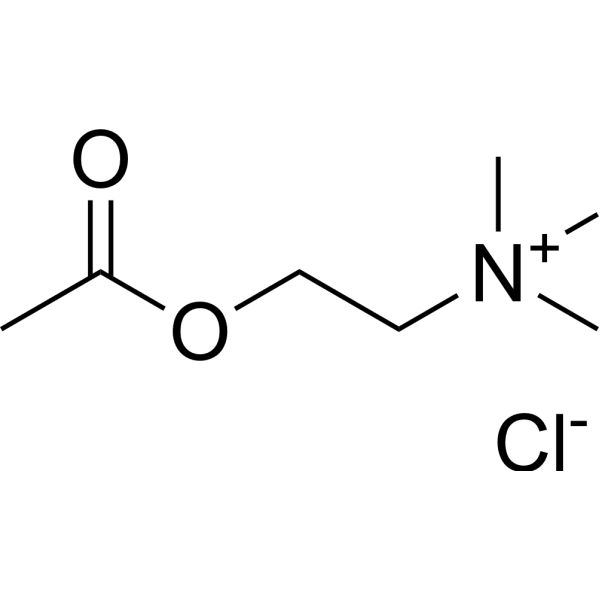
    Choline chloride
    4 Publications Verification

    Environmental Pollutants Endogenous Metabolite nAChR Neurological Disease Inflammation/Immunology Cancer
    Choline chloride is an essential nutrient that activates alpha7 nicotinic receptors and has analgesic and anti-inflammatory activity. Glycerophosphoinositol choline can affect diseases such as liver disease, atherosclerosis and neurological disorders .
    Choline chloride
  • HY-10019
    Varenicline
    1 Publications Verification

    CP 526555

    nAChR Neurological Disease Inflammation/Immunology Cancer
    Varenicline (CP 526555) is an orally active partial agonist of α4β2 nicotinic acetylcholine receptor (α4β2 nAChR, IC50 = 250 nM), which is the principal mediator of nicotine dependence. Varenicline is also a partial agonist of α6β2 nAChR and a full agonist of α7β2 nAChR. Varenicline blocks the direct agonist effects of nicotine on nAChR while stimulates nAChR in a more moderate way, being widely used as an aid of smoking cessation .
    Varenicline
  • HY-N2364
    Arecoline
    5 Publications Verification

    mAChR nAChR Infection Neurological Disease Metabolic Disease Inflammation/Immunology Cancer
    Arecoline, a naturally brain-penetrant and orally active occurring psychoactive alkaloid, is a partial agonist of nicotinic and muscarinic acetylcholine receptor. Arecoline exhibits stimulation, alertness, anxiolysis and anti-parasitic effects. Arecoline also can induce oxidative stress .
    Arecoline
  • HY-10021
    Varenicline Tartrate
    1 Publications Verification

    CP 526555-18

    nAChR ERK p38 MAPK Others Neurological Disease Cancer
    Varenicline (CP 526555) is an orally active partial agonist of α4β2 nicotinic acetylcholine receptor (α4β2 nAChR, IC50 = 250 nM), which is the principal mediator of nicotine dependence. Varenicline is also a partial agonist of α6β2 nAChR and a full agonist of α6β2 nAChR. Varenicline blocks the direct agonist effects of nicotine on nAChR while stimulates nAChR in a more moderate way, being widely used as an aid of smoking cessation .
    Varenicline Tartrate
  • HY-N1919
    Ajmalicine
    2 Publications Verification

    Raubasine

    Adrenergic Receptor Cholinesterase (ChE) Neurological Disease Endocrinology
    Ajmalicine (Raubasine) is a potent adrenolytic agent which preferentially blocks α1-adrenoceptor. Ajmalicine is an reversible but non-competitive nicotine receptor full inhibitor, with an IC50 of 72.3 μM. Ajmalicine also can be used as anti-hypertensive, and serpentine, with sedative activity .
    Ajmalicine
  • HY-12560A
    PNU-282987
    10+ Cited Publications

    nAChR 5-HT Receptor Neurological Disease
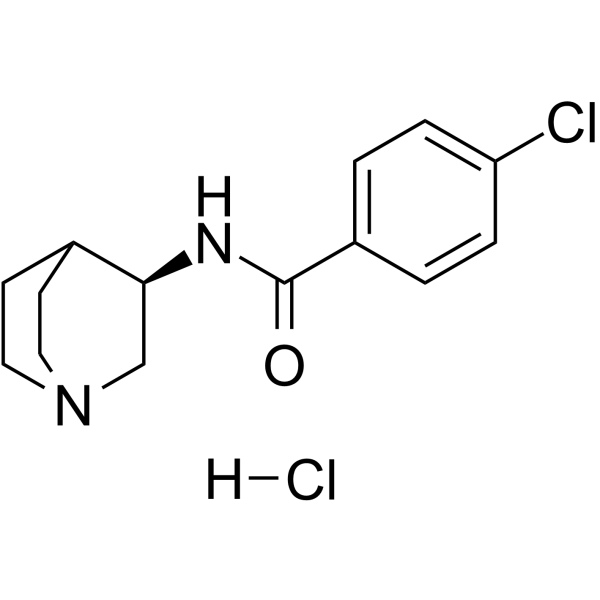
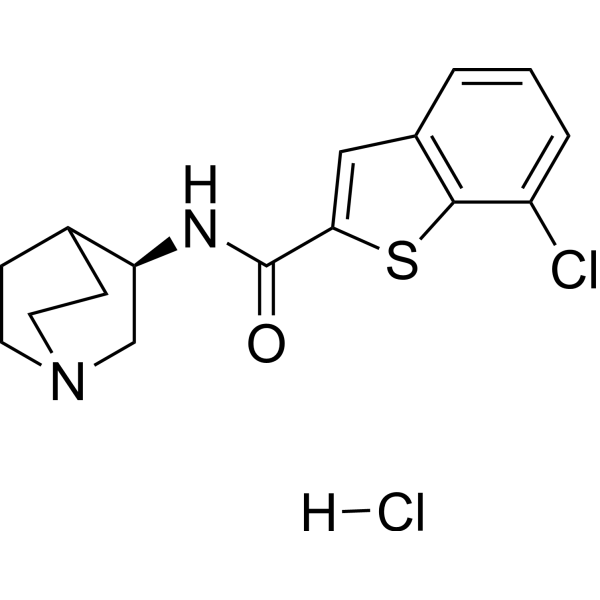
    PNU-282987 is a potent α7 nicotinic acetylcholine receptor (nAChR) agonist with an EC50 of 154 nM. PNU-282987 is also a functional antagonist of the 5-HT3 receptor with an IC50 of 4541 nM. PNU-282987 can be used for the research of central and peripheral nervous systems .
    PNU-282987
  • HY-B0489
    Arecoline hydrobromide
    5 Publications Verification

    methyl 1,2,5,6-tetrahydro-1-methyl-3-pyridinecarboxylate hydrobromide

    mAChR nAChR Infection Neurological Disease Metabolic Disease Inflammation/Immunology Cancer
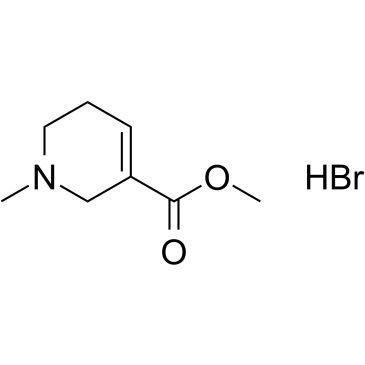
    Arecoline hydrobromide, a naturally brain-penetrant and orally active occurring psychoactive alkaloid, is a partial agonist of nicotinic and muscarinic acetylcholine receptor. Arecoline hydrobromide exhibits stimulation, alertness, anxiolysis and anti-parasitic effects. Arecoline hydrobromide also can induce oxidative stress .
    Arecoline hydrobromide
  • HY-B0423
    Neostigmine Bromide
    1 Publications Verification

    Eustigmin bromide; Neoserine bromide

    Cholinesterase (ChE) Neurological Disease
    Neostigmine (Eustigmin) Bromide is an orally active and reversible cholinesterase inhibitor that acts on myasthenia gravis to prolong and intensify the muscarinic and nicotinic effects of acetylcholine. Neostigmine Bromide can be used in anesthesia to reverse the neuromuscular blockade produced by competitive neuromuscular blockers .
    Neostigmine Bromide
  • HY-B1337B

    nAChR Endogenous Metabolite Cardiovascular Disease Inflammation/Immunology Cancer
    Glycerophosphoinositol choline is an essential nutrient that activates alpha7 nicotinic receptors and has analgesic and anti-inflammatory activity. Glycerophosphoinositol choline can affect diseases such as liver disease, atherosclerosis and neurological disorders .
    Glycerophosphoinositol choline
  • HY-B0379A
    Adiphenine hydrochloride
    3 Publications Verification

    nAChR Neurological Disease
    Adiphenine hydrochloride is a non-competitive inhibitor of nicotinic acetylcholine receptor (nAChR), with an IC50s of 1.9, 1.8, 3.7, and 6.3 μM for α1, α3β4, α4β2, and α4β4, respectively. Adiphenine hydrochloride has anticonvulsant effects .
    Adiphenine hydrochloride
  • HY-B0283
    Acipimox
    2 Publications Verification

    K-9321

    Carbonic Anhydrase Metabolic Disease
    Acipimox (K-9321), a nicotinic acid analogue, is an antilipolytic compound. Acipimox stimulates leptin releas, inhibits lipolysis and suppresses systemic levels of free fatty acids (FFAs) and improves insulin sensitivity .
    Acipimox
  • HY-101347

    nAChR Neurological Disease
    Chlorisondamine (diiodide) is a potent nicotinic acetylcholine receptor (nAChR) antagonist and a ganglion blocker. Chlorisondamine antagonizes some of nicotine's central actions in a potent, long-lasting and pharmacologically selective way .
    Chlorisondamine diiodide
  • HY-10020

    CP 526555 hydrochloride

    nAChR Neurological Disease Inflammation/Immunology Cancer
    Varenicline (CP 526555) is an orally active partial agonist of α4β2 nicotinic acetylcholine receptor (α4β2 nAChR, IC50 = 250 nM), which is the principal mediator of nicotine dependence. Varenicline is also a partial agonist of α6β2 nAChR and a full agonist of α6β2 nAChR. Varenicline blocks the direct agonist effects of nicotine on nAChR while stimulates nAChR in a more moderate way, being widely used as an aid of smoking cessation .
    Varenicline Hydrochloride
  • HY-N8723

    Others Neurological Disease
    (1′S,2′S)-Nicotine-1'-oxide is an alkaloid N-oxide from the leaves, stems and roots of Nicotiana tabacum .
    (1′S,2′S)-Nicotine-1'-oxide
  • HY-15543A
    CP-809101 hydrochloride
    1 Publications Verification

    5-HT Receptor Neurological Disease
    CP-809101 hydrochloride is a potent and highly selective 5-HT2C receptor agonist, with pEC50s of 9.96, 7.19 and 6.81 M for human 5HT2C, 5HT2B and 5HT2A receptor. CP-809101 hydrochloride inhibits conditioned avoidance responding in rats and antagonizes both PCP (phencyclidine hydrochloride)- and d-amphetamine-induced hyperactivity. CP-809101 hydrochloride also reduces food and nicotine dependence in rats, can be used in studies of antipsychotic and nicotine dependence .
    CP-809101 hydrochloride
  • HY-147428

    MM-110; (±)​-18-Methoxycoronaridine

    nAChR Parasite Infection Neurological Disease
    Zolunicant (MM-110) is a potent inhibitor against nicotinic α3β4 receptors with an IC50 of 0.90 μM to combat addiction. Zolunicant can decrease the self-administration of several addictive agents including morphine, methamphetamine, nicotine, and ethanol in rat model. Zolunicant can be studied as a potential research for multiple forms of agent abuse . Zolunicant also reveals a potent leishmanicide effect against Leishmania amazonensis .
    Zolunicant
  • HY-W001909

    nAChR Metabolic Disease
    Myosmine, a specific tobacco alkaloid in nuts and nut products, has low affinity for a4b2 nicotinic acetylcholinergic receptors (nAChR) with a Ki of 3300 nM .
    Myosmine
  • HY-100812

    GABA Receptor Neurological Disease Endocrinology
    2-Hydroxysaclofen is a potent γ-amino-butyric-acid-B (GABAB) receptor antagonist. 2-Hydroxysaclofen can abolish nicotine-induced hypolocomotor effects and increases the antinociceptive effects. 2-Hydroxysaclofen can stimulate luteinizing hormone (LH) secretion in female rats .
    2-Hydroxysaclofen
  • HY-N3359

    D-Lupanine

    nAChR Neurological Disease
    Lupanine (D-Lupanine) is a natural ketonic derivative of Sparteine (HY-W008350) with a ganglioplegic activity. Lupanine shows binding affinity for nicotinic receptor with a Ki value of 500 nM .
    Lupanine
  • HY-135783
    AT 1001
    1 Publications Verification

    nAChR Neurological Disease Metabolic Disease Inflammation/Immunology
    AT 1001 is an orally effective α3β4 nicotinic acetylcholine receptor (α3β4 nAChR) antagonist with a Ki value of 2.64 nM. AT 1001 reversibly blocks Epibatidine (HY-101078)-induced inward currents in HEK cells transfected with α3β4 nAChR. AT 1001 dose-dependently blocks nicotine self-administration behavior in rats, alleviates gluten-induced gastrointestinal symptoms, blocks tight junction toxin-induced immune responses, and reduces the incidence of type 1 diabetes in rats. AT 1001 can be used in the research of nicotine addiction and celiac disease .
    AT 1001
  • HY-N8723S

    Isotope-Labeled Compounds Others
    (1′S,2′S)-Nicotine-1'-oxide-d3 is deuterium labeled (1′S,2′S)-Nicotine-1'-oxide.
    (1′S,2′S)-Nicotine-1'-oxide-d3
  • HY-10019A

    CP 526555 dihydrochloride

    nAChR Neurological Disease Inflammation/Immunology Cancer
    Varenicline (CP 526555-18) is an orally active partial agonist of α4β2 nicotinic acetylcholine receptor (α4β2 nAChR, IC50 = 250 nM), which is the principal mediator of nicotine dependence. Varenicline is also a partial agonist of α6β2 nAChR and a full agonist of α7β2 nAChR. Varenicline blocks the direct agonist effects of nicotine on nAChR while stimulates nAChR in a more moderate way, being widely used as an aid of smoking cessation .
    Varenicline dihydrochloride
  • HY-154924

    S-NADP

    Calcium Channel Cardiovascular Disease
    Thio-NADP (S-NADP) is a nicotinic acid adenine dinucleotide phosphate (NAADP) inhibitor. Thio-NADP activates partial Ca 2+ release .
    Thio-NADP
  • HY-136146

    nAChR Neurological Disease
    SUVN-911 is a potent, selective, brain penetrated and orally bioavailable neuronal nicotinic acetylcholine α4β2 receptor antagonist, with a Ki of 1.5 nM. SUVN-911 has antidepressant activity .
    SUVN-911
  • HY-107682

    nAChR Neurological Disease Inflammation/Immunology
    TQS is a α7 nicotinic acetylcholine receptor (nAChR) positive allosteric modulator. TQS can be used for the research of neuroinflammatory pain .
    TQS
  • HY-P1271

    Catestatin (cattle)

    nAChR Cardiovascular Disease
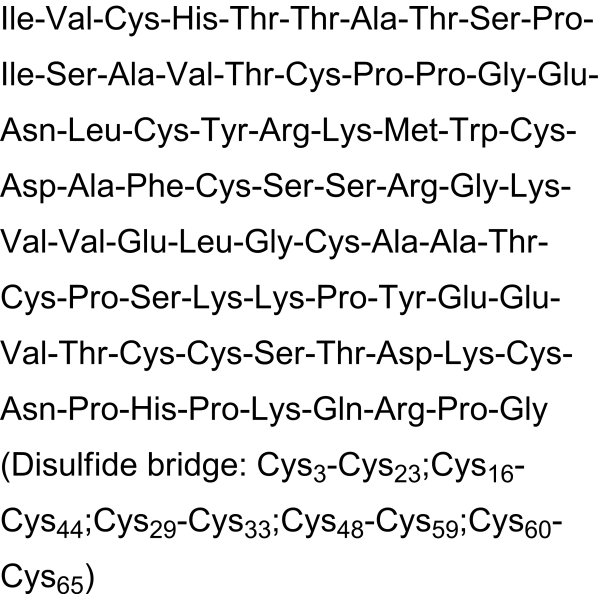
    Catestatin is a 21-amino acid residue, cationic and hydrophobic peptide. Catestatin is an endogenous peptide that regulates cardiac function and blood pressure . Catestatin is a non-competitive nicotinic antagonist acting through nicotinic acetylcholine receptors (nAChRs) to inhibit catecholamine release .
    Catestatin
  • HY-B1337R

    Reference Standards nAChR Endogenous Metabolite Cancer
    Choline (chloride) (Standard) is the analytical standard of Choline (chloride). This product is intended for research and analytical applications. Choline chloride is an essential nutrient that activates alpha7 nicotinic receptors and has analgesic and anti-inflammatory activity. Glycerophosphoinositol choline can affect diseases such as liver disease, atherosclerosis and neurological disorders .
    Choline chloride (Standard)
  • HY-103475

    GABA Receptor Neurological Disease
    GS39783 is a positive allosteric modulator (PAM) of GABABR. Positive modulation of the GABABR can be used for the research of Nicotine addiction .
    GS39783
  • HY-110160

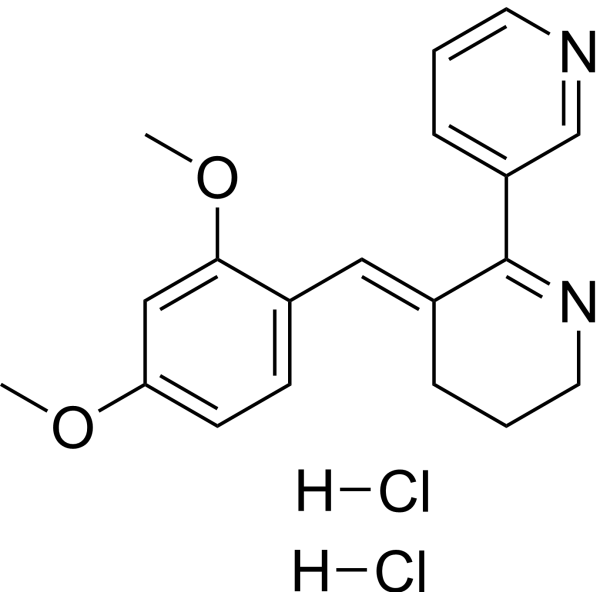
    ABT-089 dihydrochloride

    nAChR Neurological Disease
    Pozanicline dihydrochloride (ABT-089 dihydrochloride) is an orally bioavailable nicotinic acetylcholine receptor (nAChR) agonist with a Ki of 16.7 nM for binding to [ 3H]cytisine sites . Pozanicline is an α4β2-selective nAChR agonist, which binds to rat brain α4β2 nAChR with a Ki of 17 nM while binding to α7 nAChR is insignificant .
    Pozanicline dihydrochloride
  • HY-118614

    Drug Metabolite Neurological Disease
    β-Nicotyrine is a metabolite of Nicotine.β-Nicotyrine, isolated from the leaves of Nicotiana tabacum plants and from cigarette smoke condensate, is a minor tobacco alkaloid .
    β-Nicotyrine
  • HY-108057A

    RG3487 hydrochloride

    nAChR 5-HT Receptor Neurological Disease
    Facinicline hydrochloride (RG3487 hydrochloride) is an orally active nicotinic α7 receptor partial agonist, with a Ki of 6 nM for α7 human nAChR. Facinicline hydrochloride (RG3487 hydrochloride) improves cognition and sensorimotor gating in rodents. Facinicline hydrochloride (RG3487 hydrochloride) shows high affinity (antagonist) to 5-HT3Rs with a Ki value of 1.2 nM .
    Facinicline hydrochloride
  • HY-128068

    Dihydroorotate Dehydrogenase Cancer
    DHODH-IN-17, a 2-anilino nicotinic acid, is a human DHODH inhibitor (IC50=0.40 μM). DHODH-IN-17 can be used for theresearch of acute myeloid leukemia (AML) .
    DHODH-IN-17
  • HY-133027

    Tetradecyl nicotinate

    Biochemical Assay Reagents Cancer
    Myristyl nicotinate (Tetradecyl nicotinate) is an ester proagent and a lipophilic derivative of Nicotinic acid. Myristyl nicotinate is being developed for delivery of Nicotinic acid into the skin for prevention of actinic keratosis and its progression to skin cancer. Myristyl nicotinate shows to stimulate epidermal differentiation in photodamaged skin, increasing skin NAD content and strengthening the skin barrier .
    Myristyl nicotinate
  • HY-12766

    Dopamine Transporter nAChR Neurological Disease
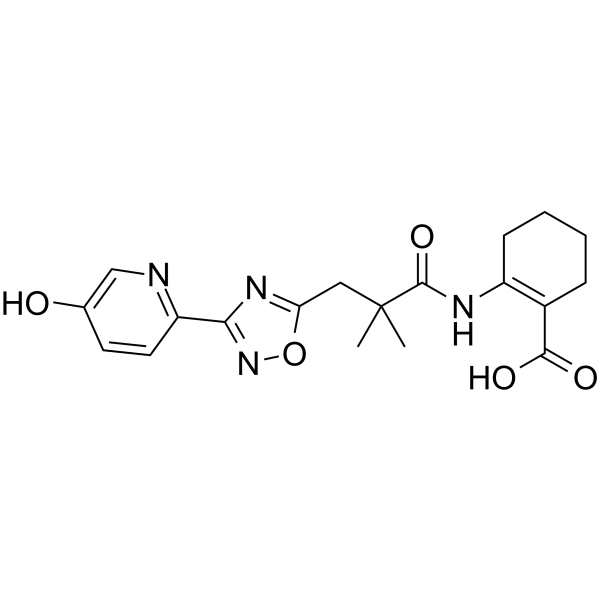
    Bupropion morpholinol (Hydroxy Bupropion) is a major metabolite of Bupropion. Bupropion morpholinol inhibits Dopamine, Norepinephrine transporters and the α4β2 nicotinic receptor in vitro. Bupropion morpholinol contributes to antidepressant and smoking cessation activities .
    Bupropion morpholinol
  • HY-G0020S1

    Nicotine N-glucuronide-d3

    Isotope-Labeled Compounds Others
    Nicotine N-β-D-glucuronide-d3 (Nicotine N-glucuronide-d3) is a deuterium labeled compound.
    Nicotine N-β-D-glucuronide-d3
  • HY-W004515

    Endogenous Metabolite Others
    3-Pyridineacetic acid hydrochloride is a high homolog of nicotinic acid and is a decomposition product of nicotine (and other tobacco alkaloids). 3-Pyridylacetic acid hydrochloride can be used to synthesize anti-inflammatory agents or as a precursor for the preparation of herbicides .
    3-Pyridylacetic acid hydrochloride
  • HY-W082430

    Cytochrome P450 Neurological Disease
    CYP2A6-IN-2 (compound 5) is a CYP2A6 inhibitor. CYP2A6-IN-2 can be used in the study of nicotine dependence .
    CYP2A6-IN-2
  • HY-P1271A

    nAChR Cardiovascular Disease
    Catestatin TFA is a 21-amino acid residue, cationic and hydrophobic peptide. Catestatin TFA is an endogenous peptide that regulates cardiac function and blood pressure . Catestatin TFA is a non-competitive nicotinic antagonist acting through nicotinic acetylcholine receptors (nAChRs) to inhibit catecholamine release .
    Catestatin TFA
  • HY-N3359B

    D-Lupanine hydrochloride

    nAChR Neurological Disease
    Lupanine (D-Lupanine) hydrochloride is a natural ketonic derivative of Sparteine (HY-W008350) with a ganglioplegic activity. Lupanine hydrochloride shows binding affinity for nicotinic receptor with a Ki value of 500 nM .
    Lupanine hydrochloride
  • HY-12560

    nAChR 5-HT Receptor Neurological Disease
    PNU-282987 (free base) is a potent α7 nicotinic acetylcholine receptor (nAChR) agonist with an EC50 of 154 nM. PNU-282987 (free base) is also a functional antagonist of the 5-HT3 receptor with an IC50 of 4541 nM. PNU-282987 (free base) can be used for the research of central and peripheral nervous systems .
    PNU-282987 free base
  • HY-W746747

    Isotope-Labeled Compounds Others
    (R)-Nicotine-d3 N-β-D-Glucuronide is the deuterium labeled (R)-Nicotine N-β-D-Glucuronide.
    (R)-Nicotine-d3 N-β-D-Glucuronide
  • HY-N10497

    nAChR Neurological Disease
    Dihydro-β-erythroidine is a a competitive nicotinic receptor antagonist. Dihydro-β-erythroidine blocks the discriminative stimulus properties of nicotine. Dihydro-β-erythroidine inhibits the anxiolytic effect of nicotine induced .
    Dihydro-β-erythroidine
  • HY-155456

    Cytochrome P450 Metabolic Disease
    CD-6 is a flavonoid CYP2A6 inhibitor (IC50: 1.566 μM). CYP2A6 inhibits the metabolism of nicotine to cotinine, resulting in an increase in the amount of nicotine available in the blood, leading to increased smoking behavior. CD-6 mediates CYP2A6 inhibition and can be used in research on smoking cessation or smoking-related diseases .
    CYP2A6-IN-1
  • HY-15543

    5-HT Receptor Neurological Disease
    CP-809101 is a potent and highly selective 5-HT2C receptor agonist, with pEC50s of 9.96, 7.19 and 6.81 M for human 5HT2C, 5HT2B and 5HT2A receptor. CP-809101 inhibits conditioned avoidance responding in rats and antagonizes both PCP (phencyclidine hydrochloride)- and d-amphetamine-induced hyperactivity. CP-809101 also reduces food and nicotine dependence in rats, can be used in studies of antipsychotic and nicotine dependence .
    CP-809101
  • HY-B1304A
    (+)-Sparteine sulfate pentahydrate
    1 Publications Verification

    (+)-Lupinidine sulfate pentahydrate

    nAChR Neurological Disease
    (+)-sparteine (sulfate pentahydrate) is a ganglionic blocking agent. (+)-Sparteine competitively blocks nicotinic ACh receptor in the neurons .
    (+)-Sparteine sulfate pentahydrate
  • HY-W015467

    Pyridine-3-sulphonic acid

    Drug Derivative Metabolic Disease
    Pyridine-3-sulfonic acid (Pyridine-3-sulphonic acid) is an orally active structural analog of Nicotine acid (HY-B0143). Pyridine-3-sulfonic acid significantly reduces hepatic cholesterol synthesis in rats but lacks cholesterol-lowering activity. Pyridine-3-sulfonic acid does not interfere with the metabolism of Nicotine acid .
    Pyridine-3-sulfonic acid
  • HY-151129

    nAChR Neurological Disease
    nAChR-IN-1 (2,2,6,6-Tetramethylpiperidin-4-yl heptanoate) is a tetramethylpiperidine heptanoate, a selective nicotinic acetylcholine receptor (nAChR) inhibitor that inhibits nAChRs lacking α5, α6, or β3 subunits. nAChR-IN-1 has the effect of preventing nerve disorder, can be used for nicotinic acetylcholine receptor dysfunction or neurological disorders research .
    nAChR-IN-1
  • HY-10021R

    CP 526555-18 (Standard)

    Reference Standards nAChR ERK p38 MAPK Others Neurological Disease
    Varenicline (Tartrate) (Standard) is the analytical standard of Varenicline (Tartrate). This product is intended for research and analytical applications. Varenicline (CP 526555) is an orally active partial agonist of α4β2 nicotinic acetylcholine receptor (α4β2 nAChR, IC50 = 250 nM), which is the principal mediator of nicotine dependence. Varenicline is also a partial agonist of α6β2 nAChR and a full agonist of α6β2 nAChR. Varenicline blocks the direct agonist effects of nicotine on nAChR while stimulates nAChR in a more moderate way, being widely used as an aid of smoking cessation .
    Varenicline Tartrate (Standard)
  • HY-P11313

    Rat chromogranin A367–387

    nAChR Akt Cardiovascular Disease
    Catestatin (rat) (Rat chromogranin A367–387) is a potent, reversible, noncompetitive, and noncooperative nicotinic cholinergic antagonist derived from chromogranin A (A367-387). Catestatin (rat) inhibits norepinephrine release in rat PC12 pheochromocytoma cells (IC50 = 1.2 μM), and blocks desensitization of norepinephrine release (IC50 = 0.62 μM). Catestatin (rat) exerts antiadrenergic effects through the endothelial PI3K-AKT-eNOS pathway in rat papillary muscles and isolated cardiomyocytes. Catestatin (rat) maintains mitochondrial membrane potential in I/R cardiomyocytes and increases phosphorylation of AKT at S473, GSK3β at S9, PLB at T17, and eNOS at S1179. Catestatin (rat) reverses desensitization of 22Na + uptake. Catestatin (rat) can be used for the study of nicotinic cholinergic receptor regulation and catecholamine release control mechanisms .
    Catestatin (rat)
  • HY-B0283A

    K-9321 sodium

    Carbonic Anhydrase Metabolic Disease
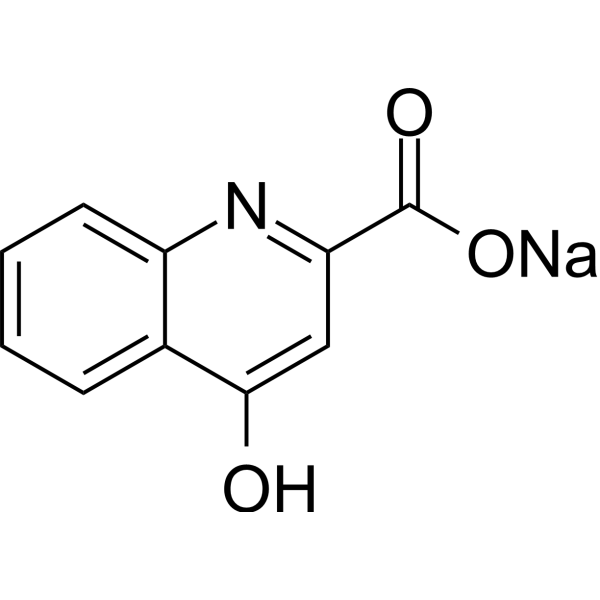
    Acipimox (K-9321) sodium, a nicotinic acid analogue, is an antilipolytic compound. Acipimox sodium stimulates leptin releas, inhibits lipolysis and suppresses systemic levels of free fatty acids (FFAs) and improves insulin sensitivity .
    Acipimox sodium

Inquiry Online

Your information is safe with us. * Required Fields.

Salutation


Country or Region *

Applicant Name *


Organization Name *

Department *


Email Address *


Product Name *

Cat. No.


Requested quantity *

Phone Number *


Remarks

Inquiry Online

Inquiry Information

Product Name:
Cat. No.:
Quantity:
MCE Japan Authorized Agent:

