1. Search Result
Search Result
Results for "

Traumatic Acid

" in MedChemExpress (MCE) Product Catalog:

136

Inhibitors & Agonists

13

Peptides

1

Inhibitory Antibodies

30

Natural
Products

11

Isotope-Labeled Compounds

Cat. No. Product Name Target Research Areas Chemical Structure
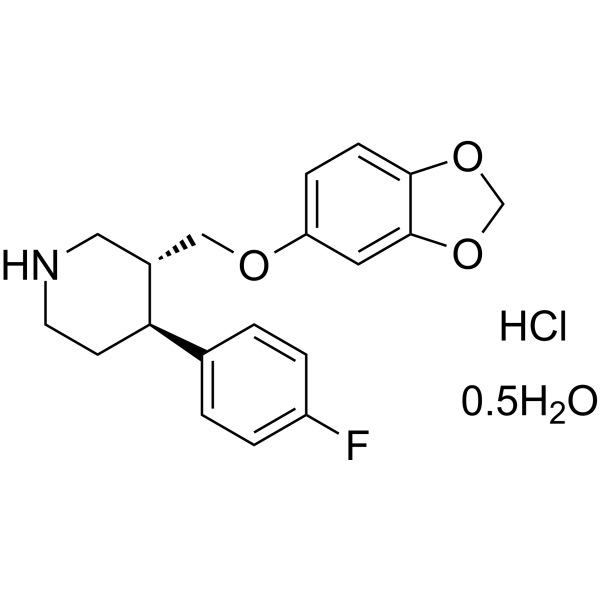
  • HY-122272
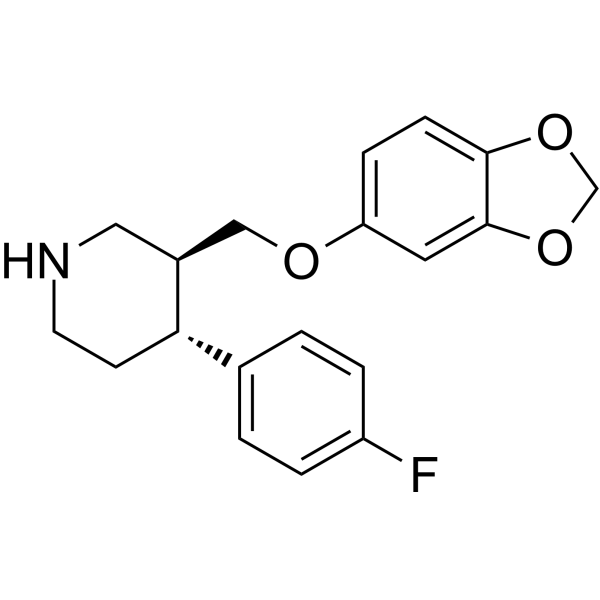
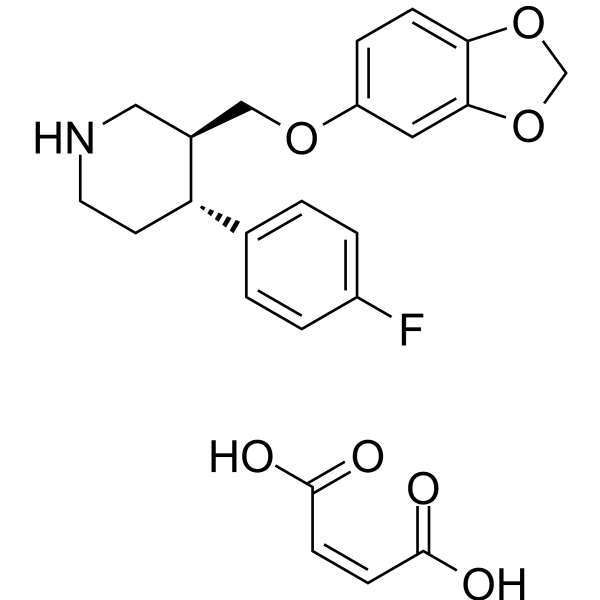
    Paroxetine
    Maximum Cited Publications
    17 Publications Verification

    BRL29060

    Serotonin Transporter Adrenergic Receptor P2X Receptor Apoptosis Neurological Disease Cancer
    Paroxetine is an oral inhibitor that falls under the category of selective serotonin reuptake inhibitors (SSRIs). Paroxetine is also a very weak norepinephrine (NE) reuptake inhibitor, capable of inducing cell apoptosis and having anti-tumor activity. Paroxetine has antidepressant, anti-anxiety, and pain-relieving effects, and it can help improve conditions like obsessive-compulsive disorder, panic disorder, post-traumatic stress disorder, premenstrual anxiety, and chronic headaches .
    Paroxetine
  • HY-119358
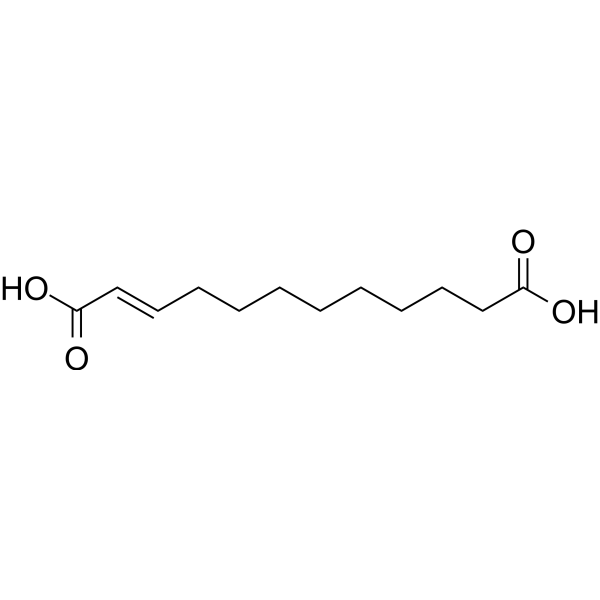
    Traumatic Acid
    3 Publications Verification

    Reactive Oxygen Species (ROS) Apoptosis Cardiovascular Disease Inflammation/Immunology
    Traumatic Acid is a wound healing agent and a cytokinin (phytohormone). Traumatic Acid enhances the biosynthesis of collagen in cultured human skin fibroblasts. Traumatic Acid inhibits MCF-7 breast cancer cells viability and enhances apoptosis and oxidative stress. Traumatic Acid can be used in studies of cancer, circulatory disorders (including arterial hypertension), and skin diseases associated with oxidative stress and impaired collagen biosynthesis .
    Traumatic Acid
  • HY-109509
    Enoxaparin
    1 Publications Verification

    PK 10169; Enoxaparin sodium

    Factor Xa Thrombin SARS-CoV Infection Cardiovascular Disease Neurological Disease Inflammation/Immunology Cancer
    Enoxaparin (PK 10169), a low-molecular-weight heparin (LMWH) derivative. Enoxaparin exerts anticoagulant activity through antithrombin III, an endogenous inhibitor of factor Xa and thrombin IIa. Enoxaparin protect the rat hippocampus against TBI (traumatic brain injury) via antioxidant and anti-inflammatory properties. Enoxaparin can be used for the research of deep vein thrombosis (DVT), pulmonary embolism, TBI and COVID-19 .
    Enoxaparin
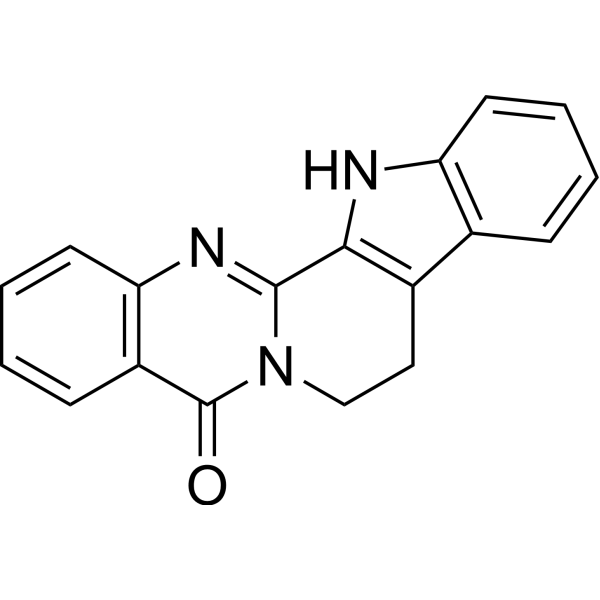
  • HY-N0147
    Rutaecarpine
    5+ Cited Publications

    Rutecarpine

    COX Keap1-Nrf2 Neurological Disease Inflammation/Immunology Cancer
    Rutaecarpine, an alkaloid of Evodia rutaecarpa, is an inhibitor of COX-2 with an IC50 value of 0.28 μM. Rutaecarpine can target and activate the NRF2/HO-1 pathway to reduce craniofacial injury. Rutaecarpine sttenuates oxidative stress-induced traumatic brain injury (TBI) and reduces secondary injury via the PGK1/KEAP1/NRF2 signaling pathway. Rutaecarpine can cross the blood-brain barrier (BBB).
    Rutaecarpine
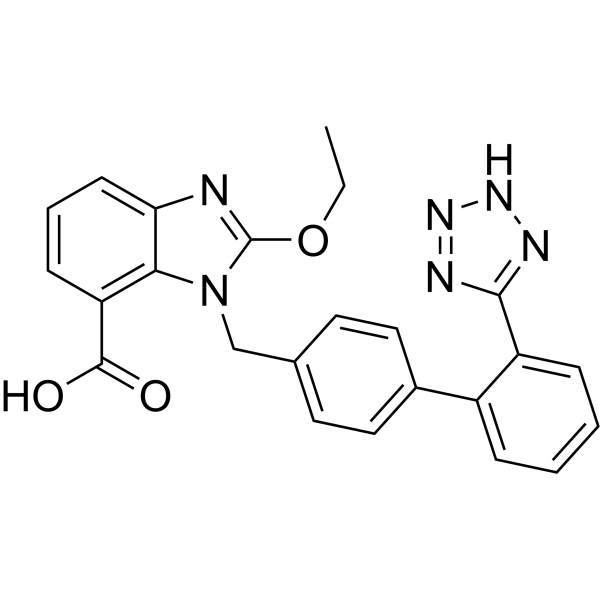
  • HY-B0205
    Candesartan
    5+ Cited Publications

    CV 11974

    Angiotensin Receptor PPAR Cardiovascular Disease Endocrinology Cancer
    Candesartan (CV 11974) is an orally active angiotensin II AT1-Receptor blocker and PPAR-γ agonist. Candesartan has potent and long-lasting antihypertensive effects. Candesartan can be used for the research of hypertension, chronic heart failure (CHF) and Traumatic brain injury (TBI) .
    Candesartan
  • HY-B0985
    Phenazopyridine hydrochloride
    2 Publications Verification

    TRP Channel Neurological Disease
    Phenazopyridine hydrochlorideis a competitive SARM1 inhibitor, with IC50 145 μM. Phenazopyridine hydrochlorideis a TRPM8 antagonist. Phenazopyridine hydrochloride has a local anesthetic/analgesic effect. Phenazopyridine hydrochlorideis used to relieve painful symptoms of conditions such as cystitis and urethritis. Phenazopyridine hydrochloridecan promote neuronal differentiation and can also be used in the study of traumatic brain injury, peripheral neuropathy and neurodegenerative diseases .
    Phenazopyridine hydrochloride
  • HY-N10546

    iGluR Trk Receptor ERK Apoptosis Autophagy Neurological Disease
    Ganglioside GM1 is a type of glycosphingolipid, mainly found on the cell membranes of the central nervous system of vertebrates. Ganglioside GM1 exerts neuroprotective effects by reducing excessive activation of NMDAR, activating TrkA and ERK1/2, and inhibiting oxidative stress and cell apoptosis and autophagy. Ganglioside GM1 can be used in the research of diseases such as traumatic brain injury, Parkinson's disease, Alzheimer's disease, and Huntington's disease .
    Ganglioside GM1
  • HY-N0454
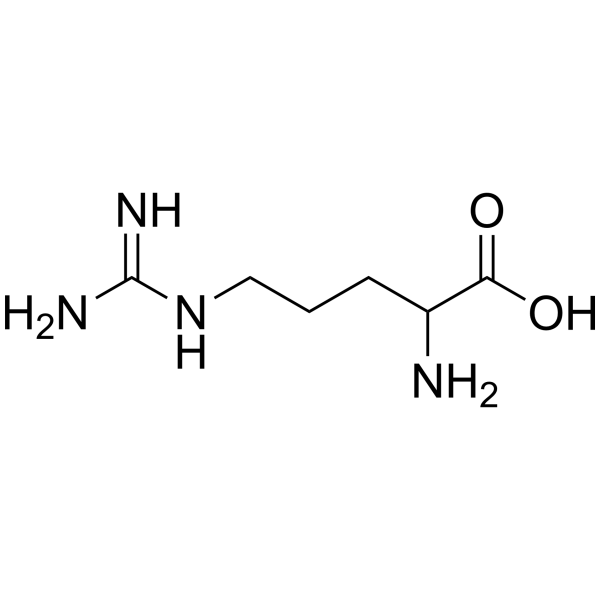
    DL-Arginine
    4 Publications Verification

    (±)-Arginine

    Endogenous Metabolite Cardiovascular Disease
    DL-Arginine is the racemic compound of L-Arginine (HY-N0455) and D-Arginine (HY-W016781). Arginine is an essential amino acid that requires additional supplementation in traumatic or diseased conditions. Arginine is involved in T cell activation, proliferation, and differentiation, and affects the function of immune cells .
    DL-Arginine
  • HY-W176557

    Aquaporin Neurological Disease
    TGN-073 is a aquaporin 4 (AQP4) modulator, as well as an orally available, blood-brain barrier-permeable agent. TGN-073 increases the uptake and distribution of brain MRI tracers in the brain parenchyma and reduces the levels of insoluble amyloid-β 40 and β 42. TGN-073 can be used in research related to Alzheimer's disease, dementia, traumatic brain injury and pain .
    TGN-073
  • HY-59291

    N-Acetyl-L-leucine

    Amino Acid Derivatives Neurological Disease Metabolic Disease Inflammation/Immunology
    Levacetylleucine (N-acetyl-L-leucine), an orally bioavailable and brain-penetrant compound, is an acetylated derivative of amino acid Leucine. Levacetylleucine is the active form of N-acetyl-leucine (NAL). Levacetylleucine attenuates neuronal death and neuroinflammation in the cortical tissue of mice. Levacetylleucine also potentially improves ameliorates lysosomal and metabolic dysfunction. Levacetylleucine improves compensation of postural symptoms after unilateral chemical labyrinthectomy (UL) in rats. Levacetylleucine is promising for research of neurological manifestations of Niemann-Pick disease type C, traumatic brain injury and neurodegeneration prevention .
    Levacetylleucine
  • HY-P2136
    COG1410
    5 Publications Verification

    Apolipoprotein Apoptosis Neurological Disease Inflammation/Immunology
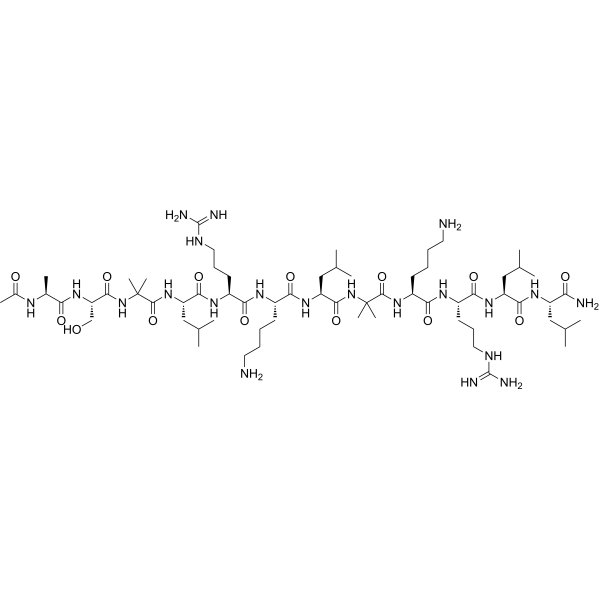
    COG1410 is an apolipoprotein E-derived peptide and an apoptosis inhibitor. COG1410 exerts neuroprotective and antiinflammatory effects in a murine model of traumatic brain injury (TBI). COG1410 can be used for the research of neurological disease .
    COG1410
  • HY-W002620A

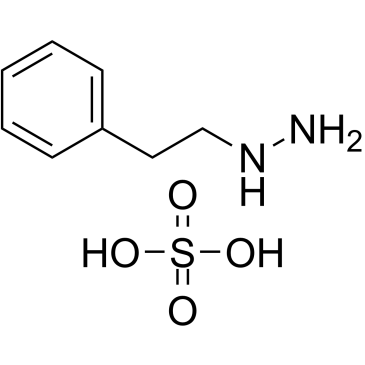
    2-Ethyl-3-hydroxy-6-methylpyridine succinate

    Reactive Oxygen Species (ROS) Infection Inflammation/Immunology
    Emoxypine succinate is an antioxidant. Emoxypine succinate can be used for the research of post-traumatic .
    Emoxypine succinate
  • HY-P3281

    FGFR Neurological Disease
    FGL peptide is a fibroblast growth factor receptor (FGFR) modulator and blood-brain barrier-penetrant. FGL peptide activates NCAM-FGFR and FGFR1 signaling pathways. FGL peptide alters expression of apoptosis, signal transduction and metabolism regulator genes in traumatic brain injury contexts. FGL peptide can be used for the research of traumatic brain injury .
    FGL peptide
  • HY-W014375
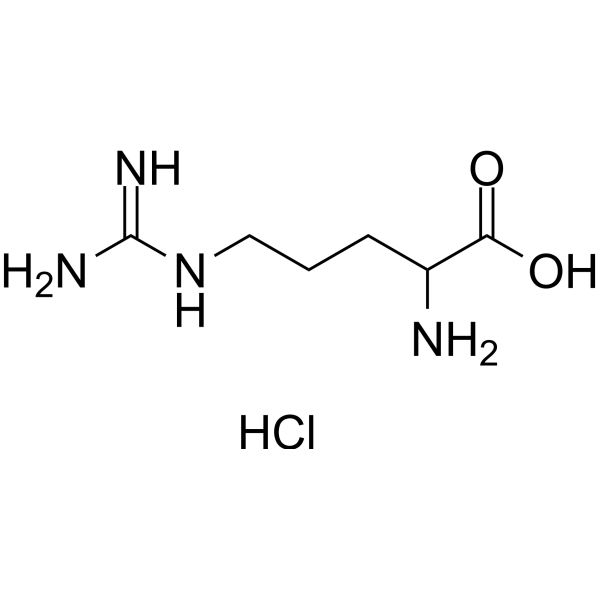
    DL-Arginine hydrochloride
    4 Publications Verification

    (±)-Arginine hydrochloride

    Endogenous Metabolite Cardiovascular Disease
    DL-Arginine ((±)-Arginine) hydrochloride is the racemic compound of L-Arginine (HY-N0455) and D-Arginine (HY-W016781). Arginine is an essential amino acid that requires additional supplementation in traumatic or diseased conditions. Arginine is involved in T cell activation, proliferation, and differentiation, and affects the function of immune cells .
    DL-Arginine hydrochloride
  • HY-155482
    NA-184
    1 Publications Verification

    Proteasome Neurological Disease
    NA-184 is a selective and brain-penetrant calpain-2 inhibitor with an IC50 of 134 nM for mouse calpain-2. NA-184 has weak inhibitory activity on calpain-1 (IC50 of 2826 nM). NA-184 does not exhibit significant inhibition on a variety of other cysteine-, serine- or metallo-proteases. NA-184 shows significant neuroprotection and can be used for the study of traumatic brain injury (TBI) .
    NA-184
  • HY-17455

    CI-879 free base

    Prolyl Endopeptidase (PREP) Neurological Disease
    Pramiracetam (CI-879 free base) is a PREP (prolyl endopeptidase) inhibitor. Pramiracetam improves cognitive impairment caused by traumatic brain injury. Pramiracetam can be used in the study of neurodegenerative diseases .
    Pramiracetam
  • HY-129724A

    ACTH-(11-13) acetate; Lys-Pro-Val acetate; H-Lys-Pro-Val-OH acetate

    Melanocortin Receptor NF-κB Bacterial Interleukin Related Apoptosis Infection Neurological Disease Metabolic Disease Inflammation/Immunology
    α-MSH (11-13) (ACTH-(11-13)) acetate is a C-terminal tripeptide of α-MSH that can cross the blood-brain barrier. α-MSH (11-13) acetate exhibits antipyretic, anti-inflammatory, and antibacterial activities. α-MSH (11-13) acetate also exerts neuroprotective effects after traumatic brain injury by inhibiting excessive activation of microglia and reducing neuronal apoptosis. α-MSH (11-13) acetate can be used in research related to traumatic brain injury, fever, and bacterial infections .
    α-MSH (11-13) acetate
  • HY-124607B
    BRD3731
    2 Publications Verification

    GSK-3 Neurological Disease Metabolic Disease
    BRD3731 is a selective GSK3β inhibitor, with IC50s of 15 nM and 215 nM for GSK3β and GSK3α, respectively. BRD3731 is potentail for the research of post-traumatic stress disorder (PTSD), psychiatric disorder, diabetes, and neurodegenerative disorders .
    BRD3731
  • HY-P5883

    tatM2NX

    TRP Channel Cardiovascular Disease Neurological Disease
    TAT-M2NX (tatM2NX) is a selective inhibitor targeting human TRPM2 channels and exerts inhibitory effects on ischemic stroke. TAT-M2NX reduces H2O2-induced calcium influx via TRPM2 channels. After traumatic brain injury in mice, TAT-M2NX preserves hippocampal long-term potentiation, improves memory function, and reduces infarct volume after middle cerebral artery occlusion, but it shows no effect on female mice. TAT-M2NX can be used in studies related to traumatic brain injury and ischemic stroke .
    TAT-M2NX
  • HY-101364
    CHPG
    4 Publications Verification

    mGluR NF-κB ERK Akt Cardiovascular Disease Inflammation/Immunology
    CHPG is a selective mGluR5 agonist, and attenuates SO2-induced oxidative stress and inflammation through TSG-6/NF-κB pathway in BV2 microglial cells . CHPG protects against traumatic brain injury (TBI) in vitro and in vivo by activation of the ERK and Akt signaling pathways .
    CHPG
  • HY-160236

    Drug Metabolite Neurological Disease
    3-(3-Sulfooxyphenyl) propanoic acid is a metabolite of Echinacoside (HY-N0020). It promotes neural, psychological and brain health, enhances the proliferation, function and activity of brain cells, and facilitates extinction learning. 3-(3-Sulfooxyphenyl) propanoic acid can be used in research related to anxiety disorders, post-traumatic stress disorder, extinction learning deficits, autism, as well as neurodegenerative diseases including Parkinson's disease and Alzheimer's disease .
    3-(3-Sulfooxyphenyl)propanoic acid
  • HY-P5558

    VEGFR Neurological Disease
    KLTWQELYQLKYKGI is a VEGF mimetic peptide designed based on the VEGF helix sequence 17-25, with the ability to activate VEGF receptors and exert pro-angiogenic biological activity. KLTWQELYQLKYKGI effectively promotes the attachment, spreading and proliferation of human umbilical vein endothelial cells. KLTWQELYQLKYKGI enhances the proliferation, migration and osteogenic differentiation of bone marrow stromal cells (BMSCs). KLTWQELYQLKYKGI synergistically accelerates angiogenesis and bone regeneration in rat cranial defect models. KLTWQELYQLKYKGI can be used for the research of brain tissue engineering and traumatic brain injury repair and biomaterials for bone tissue engineering and bone repair .
    KLTWQELYQLKYKGI
  • HY-103320A
    Calhex 231 hydrochloride
    5+ Cited Publications

    CaSR Metabolic Disease
    Calhex 231 hydrochloride is a potent negative allosteric modulator that blocks (IC50 = 0.39 μM) increases in [ 3H]inositol phosphates elicited by activating the human wild-type CaSR transiently Ca 2+-sensing receptor. Calhex 231 hydrochloride can be used in the study of traumatic hemorrhagic shock (THS) and diabetic cardiomyopathy (DCM) .
    Calhex 231 hydrochloride
  • HY-101364A
    CHPG sodium salt
    4 Publications Verification

    mGluR NF-κB ERK Akt Neurological Disease Inflammation/Immunology
    CHPG sodium salt is a selective mGluR5 agonist, and attenuates SO2-induced oxidative stress and inflammation through TSG-6/NF-κB pathway in BV2 microglial cells . CHPG sodium salt protects against traumatic brain injury (TBI) in vitro and in vivo by activation of the ERK and Akt signaling pathways. .
    CHPG sodium salt
  • HY-101795
    Larixyl acetate
    2 Publications Verification

    TRP Channel HPV Autophagy Apoptosis PERK Akt Src Infection Cardiovascular Disease Neurological Disease
    Larixyl acetate is a potent and selective TRPC6 inhibitor with IC50 values of 0.58 μM and 6.83 μM against hTRPC6-YFP and hTRPC3-YFP, respectively. Larixyl acetate prevents HPV and is effective in protecting against traumatic brain injury-induced systemic endothelial dysfunction .
    Larixyl acetate
  • HY-176222

    Caspase Inflammation/Immunology
    IRF1 antagonist 1 (8003-3282) is a potent IRF1 (interferon regulatory factor) antagonist with anti-inflammatory activity. IRF1 antagonist 1 can maintain blood-brain barrier integrity and reduce brain edema. IRF1 antagonist 1 can improve neurological outcomes in an acute traumatic brain injury (TBI) mouse model .
    IRF1 antagonist 1
  • HY-B0614A

    Bacterial Fungal Infection
    Mafenide Acetate is a potent sulfonamide antimicrobial agent. Mafenide Acetate exhibits antibacterial activity against Staphylococcus aureus and Pseudomonas aeruginosa. Mafenide Acetate also exhibits antifungal activity against filamentous fungi (e.g., Lichtheimia and Aspergillus flavus). Mafenide Acetate can be used in the research of skin grafts on burn wounds, post-traumatic invasive fungal infections, and bacterially contaminated wounds .
    Mafenide Acetate
  • HY-203894

    Defekton

    Dopamine Receptor Adrenergic Receptor 5-HT Receptor Neurological Disease
    Carpipramine (Defekton) is an antipsychotic agent that belongs to the iminodibenzyl class. Carpipramine is a potent dopamine antagonist which blocks alpha 1- and alpha 2-adrenoceptors. Carpipramine also has antagonist properties with respect to serotonin (5-ΗΤ2) receptors. Carpipramine exhibits antipsychotic and anti-depressant effects. Carpipramine can be used for the research of neurological disease, such as post-traumatic stress disorder (PTSD) and depression .
    Carpipramine
  • HY-N5027
    Oxyberberine
    2 Publications Verification

    Oxyberberin; Berlambine; 8-Oxoberberine

    Others Infection Neurological Disease Inflammation/Immunology
    Oxyberberine (Oxyberberin; Berlambine) is an orally effective heme oxygenase HO-1 agonist that can activate antioxidant mechanisms by regulating the PI3K/Akt/AMPK signaling pathway. Oxyberberine induces HO-1 expression, increases SOD and GSH-Px activity, inhibits NF-κB-mediated inflammatory responses, and improves insulin sensitivity and glucose metabolism. Oxyberberine has anti-diabetic, neuroprotective, anti-inflammatory and antioxidant effects, and can be used to study type 2 diabetes, traumatic brain injury (TBI) and inflammatory bowel disease .
    Oxyberberine
  • HY-N4098

    Apoptosis Neurological Disease
    Incensole acetate is a main constituent of Boswellia carterii resin, has neuroprotective effects against neuronal damage in traumatic and ischemic head injury. Incensole acetate reduces Aβ25–35-triggered apoptosis in hOBNSCs .
    Incensole Acetate
  • HY-108901
    Formoterol hemifumarate hydrate
    5+ Cited Publications

    Adrenergic Receptor Neurological Disease Inflammation/Immunology
    Formoterol hemifumarate hydrate is a selective, long-acting beta 2-adrenoceptor agonist. Formoterol is a bronchodilator used for the research of the asthma and chronic obstructive pulmonary disease (COPD). Formoterol hemifumarate hydrate induces mitochondrial biogenesis and promotes cognitive recovery after traumatic brain injury .
    Formoterol hemifumarate hydrate
  • HY-12143

    GR 205171A

    Neurokinin Receptor Neurological Disease
    Vofopitant dihydrochloride (GR 205171A) is a blood-brain barrier-permeable NK1 receptor inhibitor with a pKi of 9.02 in mice. Vofopitant dihydrochloride blocks vomiting-related responses and inhibits pseudoptyalism. Vofopitant dihydrochloride exerts anxiolytic effects, regulates 5-HT receptor function and increases central 5-HT release. Vofopitant dihydrochloride improves hyperarousal symptoms of post-traumatic stress disorder. Vofopitant dihydrochloride can be used in research related to depression, anxiety, vomiting and postoperative nausea and vomiting .
    Vofopitant dihydrochloride
  • HY-119358R

    Reference Standards Reactive Oxygen Species (ROS) Apoptosis Cardiovascular Disease Inflammation/Immunology
    Traumatic Acid (Standard) is the analytical standard of Traumatic Acid. This product is intended for research and analytical applications. Traumatic Acid is a wound healing agent and a cytokinin (phytohormone). Traumatic Acid enhances the biosynthesis of collagen in cultured human skin fibroblasts. Traumatic Acid inhibits MCF-7 breast cancer cells viability and enhances apoptosis and oxidative stress. Traumatic Acid can be used in studies of cancer, circulatory disorders (including arterial hypertension), and skin diseases associated with oxidative stress and impaired collagen biosynthesis[1][2].
    Traumatic Acid (Standard)
  • HY-129724

    ACTH-(11-13); Lys-Pro-Val; H-Lys-Pro-Val-OH

    Melanocortin Receptor Bacterial NF-κB Apoptosis Interleukin Related Infection Neurological Disease Metabolic Disease Inflammation/Immunology
    α-MSH (11-13) (ACTH-(11-13)) is a C-terminal tripeptide of α-MSH that can cross the blood-brain barrier. α-MSH (11-13) exhibits antipyretic, anti-inflammatory, and antibacterial activities. α-MSH (11-13) also exerts neuroprotective effects after traumatic brain injury by inhibiting excessive activation of microglia and reducing neuronal apoptosis. α-MSH (11-13) can be used in research related to traumatic brain injury, fever, and bacterial infections .
    α-MSH (11-13)
  • HY-100904
    RX 801077 hydrochloride
    1 Publications Verification

    2 BFI

    Imidazoline Receptor Neurological Disease Inflammation/Immunology
    RX 801077 hydrochloride (2 BFI) is a selective imidazoline I2 receptor (I2R) agonist with a Ki value of 70.1 nM. RX 801077 hydrochlorideshows anti-inflammation and neuroprotection. RX 801077 hydrochloride has the potential for the research of traumatic brain injury (TBI) .
    RX 801077 hydrochloride
  • HY-P2136F

    Apoptosis Neurological Disease Inflammation/Immunology Cancer
    Biotin-COG1410 TFA is a biotin labled COG1410 (HY-P2136). COG1410 is an apolipoprotein E-derived peptide and an apoptosis inhibitor. COG1410 exerts neuroprotective and antiinflammatory effects in a murine model of traumatic brain injury (TBI). COG1410 can be used for the research of neurological disease .
    Biotin-COG1410 TFA
  • HY-B0985A
    Phenazopyridine
    2 Publications Verification

    TRP Channel Neurological Disease
    Phenazopyridine is a competitive SARM1 inhibitor, with IC50 145 μM. Phenazopyridine is a TRPM8 antagonist. Phenazopyridine has a local anesthetic/analgesic effect. Phenazopyridine is used to relieve painful symptoms of conditions such as cystitis and urethritis. Phenazopyridine can promote neuronal differentiation and can also be used in the study of traumatic brain injury, peripheral neuropathy and neurodegenerative diseases .
    Phenazopyridine
  • HY-W014375S4

    (±)-Arginine-13C6,15N4 hydrochloride

    Isotope-Labeled Compounds Endogenous Metabolite Cardiovascular Disease
    DL-Arginine- 13C6, 15N4 hydrochloride is 13C and 15N-labeled DL-Arginine hydrochloride (HY-W014375). DL-Arginine ((±)-Arginine) hydrochloride is the racemic compound of L-Arginine (HY-N0455) and D-Arginine (HY-W016781). Arginine is an essential amino acid that requires additional supplementation in traumatic or diseased conditions. Arginine is involved in T cell activation, proliferation, and differentiation, and affects the function of immune cells .
    DL-Arginine-13C6,15N4 hydrochloride
  • HY-103344

    Aminopeptidase Carboxypeptidase mGluR Neurological Disease
    ZJ43 is a NAAG peptidase inhibitor and glutamate carboxypeptidase II/III (GCP II/III) inhibitor with human GCP II IC50 of 2.4 nM and Ki of 0.8 nM. ZJ43 blocks N-acetylaspartylglutamate hydrolysis, elevates extracellular N-acetylaspartylglutamate levels, and activates group II metabotropic glutamate receptors (mGluR). ZJ43 can be used for the research of schizophrenia, inflammatory pain, neuropathic pain, and traumatic brain injury .
    ZJ43
  • HY-123863

    FAAH Neurological Disease
    SSR411298 is an orally active, selective and reversible fatty acid amide hydrolase (FAAH) inhibitor. SSR411298 has the potential for post-traumatic stress disorder research .
    SSR411298
  • HY-173272

    PAI-1 Cardiovascular Disease
    BT-114143 is a plasminogen activation inhibitor, with an IC50 of 8.42 μM. BT-114143 can be used in the research of hemorrhagic diseases caused by hyperfibrinolysis, such as traumatic bleeding, severe menstrual bleeding, postpartum hemorrhage, and complications of hemophilia .
    BT-114143
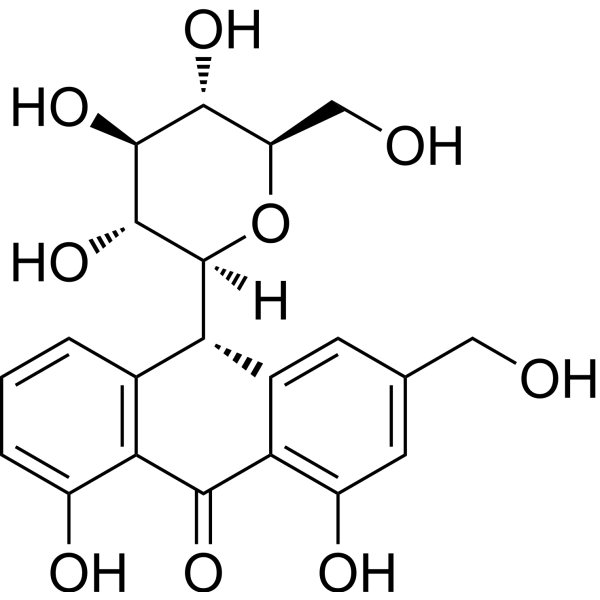
  • HY-N14827

    SM-216289

    Drug Derivative Neurological Disease
    Xanthofulvin (SM-216289) is an inhibitor of semaphorin 3A. Xanthofulvin blocks its binding to receptors, inhibits growth cone collapse, and accelerates olfactory nerve regeneration in rats in vivo. Xanthofulvin can be used in studies related to traumatic neuronal injury .
    Xanthofulvin
  • HY-P991374

    Tau Protein Neurological Disease
    PNT001 is a human IgG1 monoclonal antibody (mAb) targeting cis-pT231 Tau. PNT001 can be used in Neurodegenerative disorders and Traumatic brain injuries research. Recommended isotype control: Human IgG1 kappa, Isotype Control (HY-P99001) .
    PNT001
  • HY-136409R

    C10-HSL (Standard)

    Reference Standards Bacterial Reactive Oxygen Species (ROS) Infection
    Formoterol (hemifumarate hydrate) (Standard) is the analytical standard of Formoterol (hemifumarate hydrate). This product is intended for research and analytical applications. Formoterol hemifumarate hydrate is a selective, long-acting beta 2-adrenoceptor agonist. Formoterol is a bronchodilator used for the research of the asthma and chronic obstructive pulmonary disease (COPD). Formoterol hemifumarate hydrate induces mitochondrial biogenesis and promotes cognitive recovery after traumatic brain injury .
    N-Decanoyl-L-homoserine lactone (Standard)
  • HY-N6908

    Bacterial p38 MAPK Apoptosis PARP Bcl-2 Family Caspase Interleukin Related COX PERK JNK NF-κB NO Synthase SOD Infection Neurological Disease Inflammation/Immunology Cancer
    Continentalic acid is a diterpenoid organic acid. Continentalic acid exhibits multiple activities including anti-inflammatory, antioxidant, neuroprotective, antibacterial and antitumor effects. Continentalic acid alleviates oxidative stress, reduces pro-inflammatory cytokine production, inhibits MAPK phosphorylation and neutrophil infiltration, and induces growth inhibition and apoptosis of cancer cells. Continentalic acid can be used in research related to traumatic brain injury, cancer, inflammation and infections .
    Continentalic acid
  • HY-17649

    Progesterone Receptor Neurological Disease
    EIDD-036, is the blood-brain barrier penetrant C-20 oxime of Progesterone (HY-N0437), that binds progesterone receptor (PR) with an IC50 of 171 nM. EIDD-036 is the active metabolite of EIDD-1723 (HY-125547). EIDD-036 exhibits promising challenges for rapid administration in acute trauma. EIDD-036 can be used for the study of traumatic brain injury (TBI) .
    EIDD-036
  • HY-N10546A

    iGluR Trk Receptor ERK Apoptosis Autophagy Neurological Disease
    Ganglioside GM1 (bovine) ammonium is a type of glycosphingolipid, mainly found on the cell membranes of the central nervous system of vertebrates. Ganglioside GM1 (bovine) ammonium exerts neuroprotective effects by reducing excessive activation of NMDAR, activating TrkA and ERK1/2, and inhibiting oxidative stress and cell apoptosis and autophagy. Ganglioside GM1 (bovine) ammonium can be used in the research of diseases such as traumatic brain injury, Parkinson's disease, Alzheimer's disease, and Huntington's disease .
    Ganglioside GM1 (bovine) ammonium
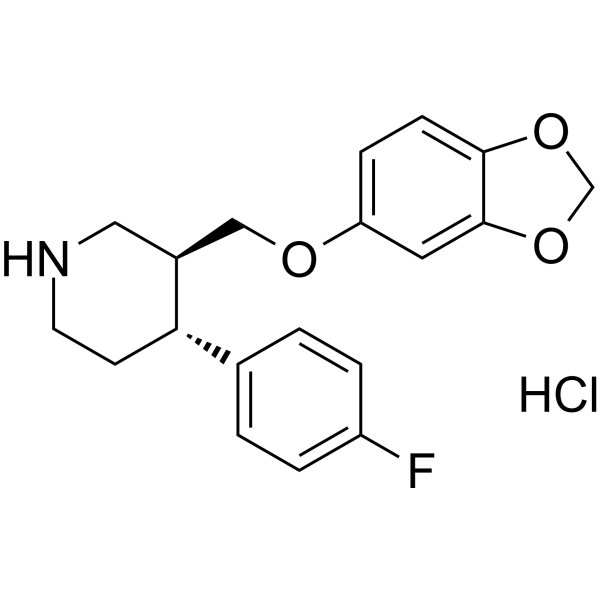
  • HY-122272R

    BRL29060 (Standard)

    Serotonin Transporter Adrenergic Receptor P2X Receptor Apoptosis Reference Standards Neurological Disease Cancer
    Paroxetine (Standard) is the analytical standard of Paroxetine. This product is intended for research and analytical applications. Paroxetine is an oral inhibitor that falls under the category of selective serotonin reuptake inhibitors (SSRIs). Paroxetine is also a very weak norepinephrine (NE) reuptake inhibitor, capable of inducing cell apoptosis and having anti-tumor activity. Paroxetine has antidepressant, anti-anxiety, and pain-relieving effects, and it can help improve conditions like obsessive-compulsive disorder, panic disorder, post-traumatic stress disorder, premenstrual anxiety, and chronic headaches .
    Paroxetine (Standard)
  • HY-W001273

    CI-879 sulfate

    Prolyl Endopeptidase (PREP) Neurological Disease
    Pramiracetam (CI-879) sulfate Pramiracetam is a PREP (prolyl endopeptidase) inhibitor. Pramiracetam sulfate improves cognitive impairment caused by traumatic brain injury. Pramiracetam sulfate can be used in the study of neurodegenerative diseases .
    Pramiracetam sulfate
  • HY-12142

    GR 205171

    Neurokinin Receptor Neurological Disease
    Vofopitant (GR 205171A) is a blood-brain barrier-permeable NK1 receptor inhibitor with a pKi of 9.02 in mice. Vofopitant blocks vomiting-related responses and inhibits pseudoptyalism. Vofopitant exerts anxiolytic effects, regulates 5-HT receptor function and increases central 5-HT release. Vofopitant improves hyperarousal symptoms of post-traumatic stress disorder. Vofopitant can be used in research related to depression, anxiety, vomiting and postoperative nausea and vomiting .
    Vofopitant

Inquiry Online

Your information is safe with us. * Required Fields.

Salutation


Country or Region *

Applicant Name *


Organization Name *

Department *


Email Address *


Product Name *

Cat. No.


Requested quantity *

Phone Number *


Remarks

Inquiry Online

Inquiry Information

Product Name:
Cat. No.:
Quantity:
MCE Japan Authorized Agent:

