
1024 Results for "

acting

" in MedChemExpress (MCE) Product Catalog:
Products (1024)

1024 Results for "acting" in MCE Product Catalog:

70
70 Publications Verification
Cat. No.: HY-13443
CAS No.: 141758-74-9
Purity:  99.95%
Synonyms: Exenatide
Target:  

GCGR

Exendin-4 (Exenatide), a 39 amino acid peptide, is a long-acting glucagon-like peptide-1 receptor agonist with an IC50 of 3.22 nM.
loading...
    loading...
70
70 Publications Verification
Cat. No.: HY-13443A
CAS No.: 914454-01-6
Purity:  99.91%
Synonyms: Exenatide acetate
Target:  

GCGR

Exendin-4 acetate (Exenatide acetate), a 39 amino acid peptide, is a long-acting glucagon-like peptide-1 receptor agonist with an IC50 of 3.22 nM.
loading...
    loading...
66
66 Cited Publications
Cat. No.: HY-N0184
CAS No.: 1405-86-3
Synonyms: Glycyrrhizin
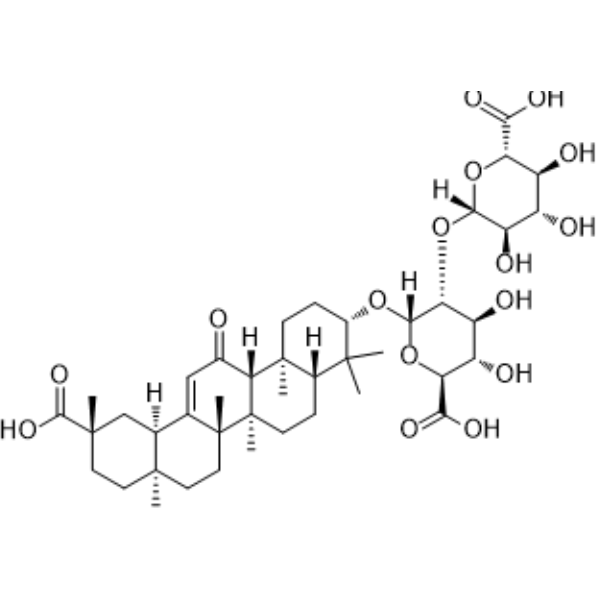
Glycyrrhizic acid is a triterpenoid saponinl, acting as a direct HMGB1 antagonist, with anti-tumor, anti-diabetic activities.
loading...
    loading...
58
58 Cited Publications
Cat. No.: HY-14650
CAS No.: 53-43-0
Purity:  99.93%
Synonyms: Prasterone; Dehydroisoandrosterone; Dehydroepiandrosterone
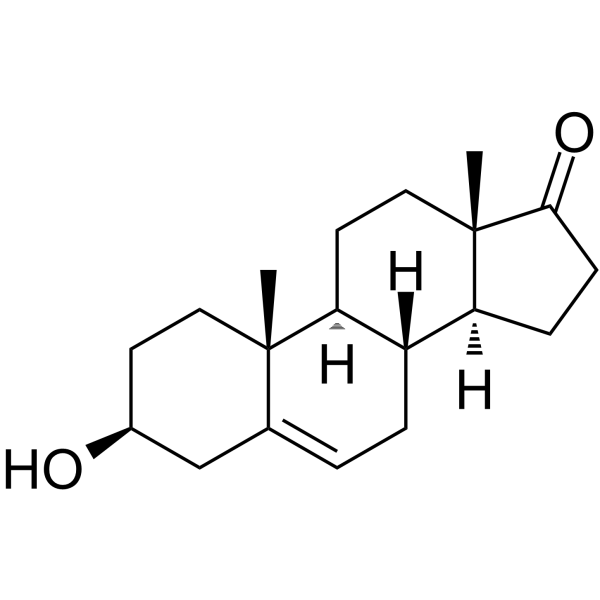
DHEA (Prasterone) is one of the most abundant steroid hormones. DHEA (Prasterone) mediates its action via multiple signaling pathways involving specific membrane receptors and via transformation into androgen and estrogen derivatives (e.g., androgens, estrogens, 7α and 7β DHEA, and 7α and 7β epiandrosterone derivatives) acting through their specific receptors.
loading...
    loading...
45
45 Cited Publications
Cat. No.: HY-114118
CAS No.: 910463-68-2
Purity:  99.84%
Semaglutide is a long-acting, selective, competitive GLP-1R agonist that can penetrate the blood-brain barrier. After activating GLP-1R, Semaglutide promotes insulin secretion, inhibits gastric emptying and appetite, and at the same time enhances autophagy, inhibits oxidative stress and apoptosis. Semaglutide also regulates mitochondrial function and lipid metabolism (such as reducing de novo lipogenesis in the liver). Semaglutide has activities such as lowering blood sugar, reducing weight, neuroprotection (such as improving motor function in Parkinson's disease models, reducing α-synuclein aggregation) and improving hepatic steatosis. Semaglutide can be used for the study of neurodegenerative diseases and liver diseases such as type 2 diabetes, obesity, Parkinson's disease, metabolic associated fatty liver disease (MASLD), and cancer .
loading...
    loading...
45
45 Cited Publications
Cat. No.: HY-114118B
CAS No.: 1997361-85-9
Purity:  99.92%
Semaglutide acetate is a long-acting, selective, competitive GLP-1R agonist that can penetrate the blood-brain barrier. After activating GLP-1R, Semaglutide acetate promotes insulin secretion, inhibits gastric emptying and appetite, and at the same time enhances autophagy, inhibits oxidative stress and apoptosis. Semaglutide acetate also regulates mitochondrial function and lipid metabolism (such as reducing de novo lipogenesis in the liver). Semaglutide acetate has activities such as lowering blood sugar, reducing weight, neuroprotection (such as improving motor function in Parkinson's disease models, reducing α-synuclein aggregation) and improving hepatic steatosis. Semaglutide acetate can be used for the study of neurodegenerative diseases and liver diseases such as type 2 diabetes, obesity, Parkinson's disease, metabolic associated fatty liver disease (MASLD), and cancer .
loading...
    loading...
45
45 Cited Publications
Cat. No.: HY-114118A
Purity:  99.92%
Semaglutide TFA is a long-acting, selective, competitive GLP-1R agonist that can penetrate the blood-brain barrier. After activating GLP-1R, Semaglutide TFA promotes insulin secretion, inhibits gastric emptying and appetite, and at the same time enhances autophagy, inhibits oxidative stress and apoptosis. Semaglutide TFA also regulates mitochondrial function and lipid metabolism (such as reducing de novo lipogenesis in the liver). Semaglutide TFA has activities such as lowering blood sugar, reducing weight, neuroprotection (such as improving motor function in Parkinson's disease models, reducing α-synuclein aggregation) and improving hepatic steatosis. Semaglutide TFA can be used for the study of neurodegenerative diseases and liver diseases such as type 2 diabetes, obesity, Parkinson's disease, metabolic associated fatty liver disease (MASLD), and cancer .
loading...
    loading...
33
33 Cited Publications
Cat. No.: HY-P0201
CAS No.: 33507-63-0
Synonyms: Neurokinin P
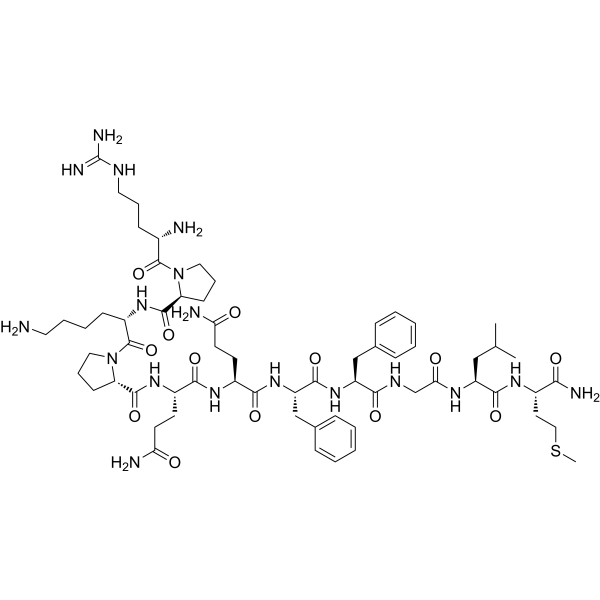
Substance P (Neurokinin P) is a CNS-penetrant neuropeptide, acting as a neurotransmitter and as a neuromodulator in the CNS. The endogenous receptor for substance P is neurokinin 1 receptor (NK1-receptor, NK1R).
loading...
    loading...
33
33 Cited Publications
Cat. No.: HY-P0201A
CAS No.: 148470-19-3
Synonyms: Neurokinin P TFA
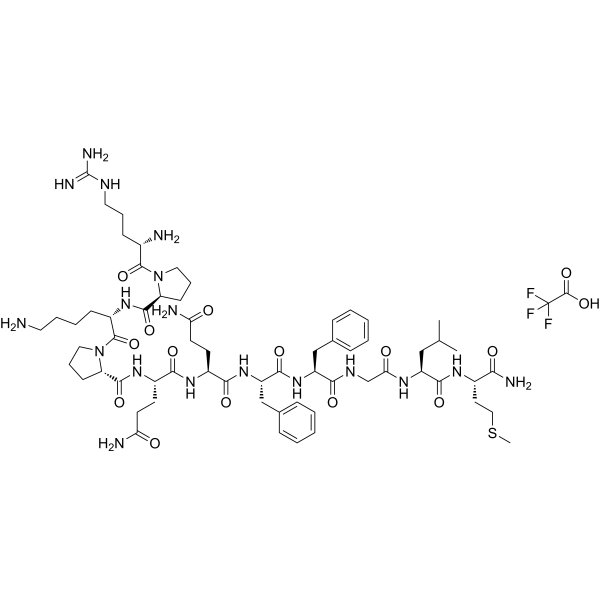
Substance P TFA (Neurokinin P TFA) is a CNS-penetrant neuropeptide, acting as a neurotransmitter and as a neuromodulator in the CNS. The endogenous receptor for substance P is neurokinin 1 receptor (NK1-receptor, NK1R) .
loading...
    loading...
32
32 Cited Publications
Cat. No.: HY-12686
CAS No.: 253863-19-3
Purity:  99.30%
Synonyms: FR148083; L783279; LL-Z 1640-2
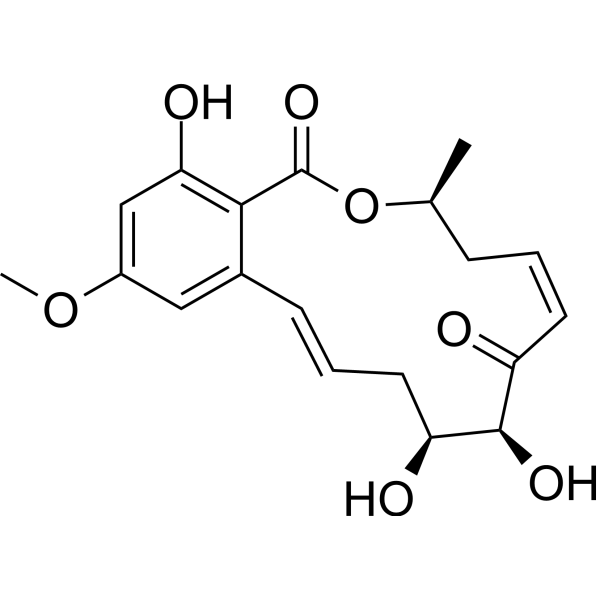
5Z-7-Oxozeaenol is a natural anti-protozoan compound from fungal origin, acting as a potent irreversible and selective inhibitor of TAK1 and VEGF-R2, with IC50s of 8 nM and 52 nM, respectively.
loading...
    loading...
30
30 Cited Publications
Cat. No.: HY-B0509
CAS No.: 1257517-67-1
Synonyms: BAY 41-6551 hydrate
Target:  

Bacterial Antibiotic

Research Areas:  

Infection Cancer

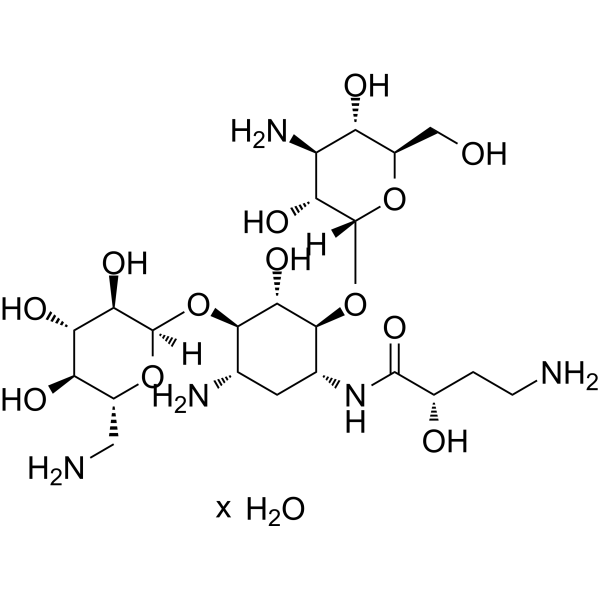
Amikacin hydrate (BAY 41-6551 hydrate) is an aminoglycoside antibiotic and a semisynthetic analog of kanamycin. Amikacin hydrate is bactericidal, acting directly on the 30S and 50S bacerial ribosomal subunits to inhibit protein synthesis. Amikacin hydrate is very active against most Gram-negative bacteria including gentamicin- and tobramycin-resistant strains. Amikacin hydrate also inhibits the infections caused by susceptible Nocardia and nontuberculous mycobacteria .
loading...
    loading...
30
30 Cited Publications
Cat. No.: HY-107813
CAS No.: 149022-22-0
Purity:  99.11%
Synonyms: BAY 41-6551 sulfate
Target:  

Bacterial Antibiotic

Research Areas:  

Infection Cancer

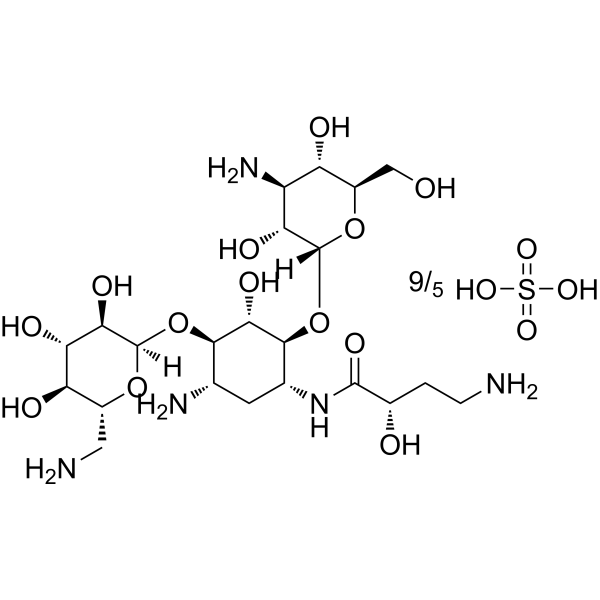
Amikacin sulfate (BAY 41-6551 sulfate) is an aminoglycoside antibiotic and a semisynthetic analog of kanamycin. Amikacin sulfate is bactericidal, acting directly on the 30S and 50S bacerial ribosomal subunits to inhibit protein synthesis. Amikacin sulfate is very active against most Gram-negative bacteria including gentamicin- and tobramycin-resistant strains. Amikacin sulfate also inhibits the infections caused by susceptible Nocardia and nontuberculous mycobacteria .
loading...
    loading...
30
30 Cited Publications
Cat. No.: HY-B0509B
CAS No.: 39831-55-5
Synonyms: BAY 41-6551 disulfate
Target:  

Bacterial Antibiotic

Research Areas:  

Infection Cancer

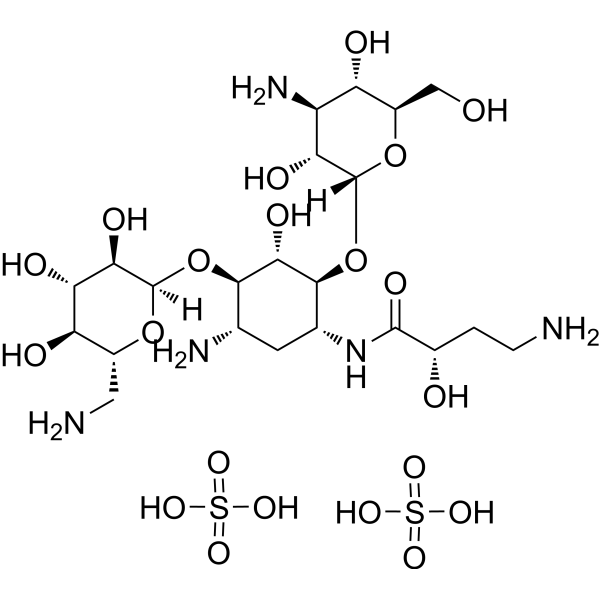
Amikacin disulfate (BAY 41-6551 dissulfate) is an aminoglycoside antibiotic and a semisynthetic analog of kanamycin. Amikacin disulfate is bactericidal, acting directly on the 30S and 50S bacerial ribosomal subunits to inhibit protein synthesis. Amikacin disulfate is very active against most Gram-negative bacteria including gentamicin- and tobramycin-resistant strains. Amikacin disulfate also inhibits the infections caused by susceptible Nocardia and nontuberculous mycobacteria .
loading...
    loading...
30
30 Cited Publications
Cat. No.: HY-13771A
CAS No.: 2898-95-5
Purity:  99.06%
Synonyms: Ursodeoxycholate sodium; Ursodiol sodium; UCDA sodium
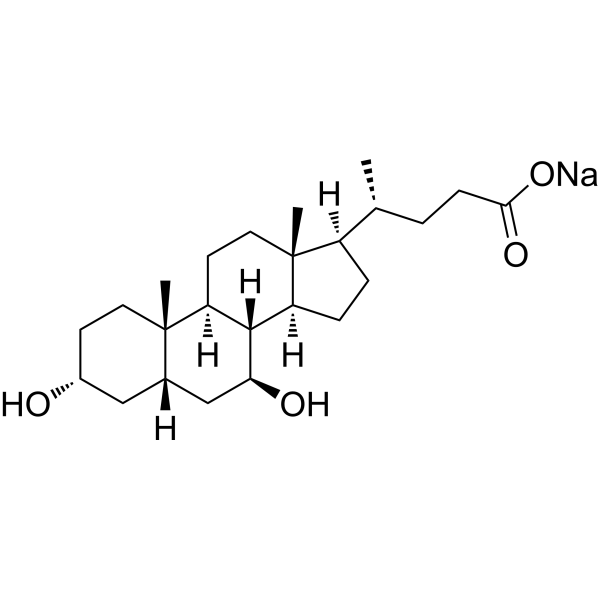
Ursodeoxycholic acid (Ursodeoxycholate) sodium is a secondary bile acid issued from the transformation of (cheno)deoxycholic acid by intestinal bacteria, acting as a key regulator of the intestinal barrier integrity and essential for lipid metabolism. Ursodeoxycholic acid sodium acts as signaling molecule, exerting its effects by interacting with bile acid activated receptors, including G-protein coupled bile acid receptor 5 (TGR5, GPCR19) and the farnesoid X receptor (FXR). Ursodeoxycholic acid sodium can be used for the research of a variety of hepatic and gastrointestinal diseases. Orally active .
loading...
    loading...
30
30 Cited Publications
Cat. No.: HY-13771
CAS No.: 128-13-2
Purity:  99.94%
Synonyms: Ursodeoxycholate; Ursodiol; UDCA
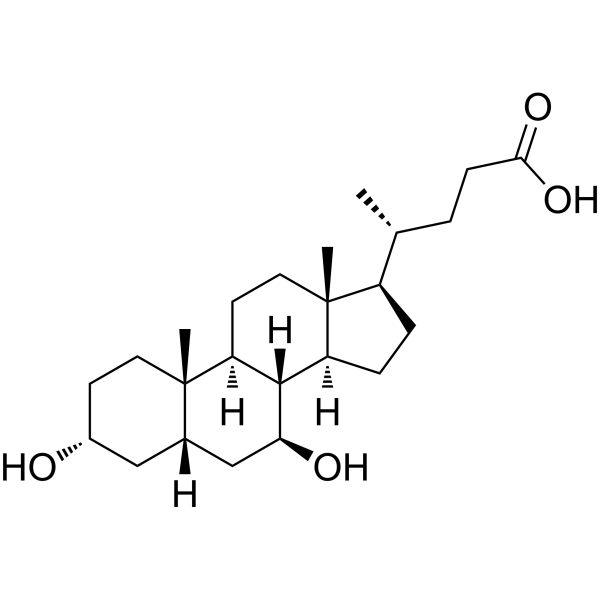
Ursodeoxycholic acid (Ursodeoxycholate) is a secondary bile acid issued from the transformation of (cheno)deoxycholic acid by intestinal bacteria, acting as a key regulator of the intestinal barrier integrity and essential for lipid metabolism. Ursodeoxycholic acid acts as signaling molecule, exerting its effects by interacting with bile acid activated receptors, including G-protein coupled bile acid receptor 5 (TGR5, GPCR19) and the farnesoid X receptor (FXR). Ursodeoxycholic acid can be used for the research of a variety of hepatic and gastrointestinal diseases. Ursodeoxycholic acid also reduces ACE2 expression and is beneficial for reducing SARS-CoV-2 infection. Orally active .
loading...
    loading...
28
28 Cited Publications
Cat. No.: HY-B0282A
CAS No.: 66-23-9
Synonyms: ACh bromide
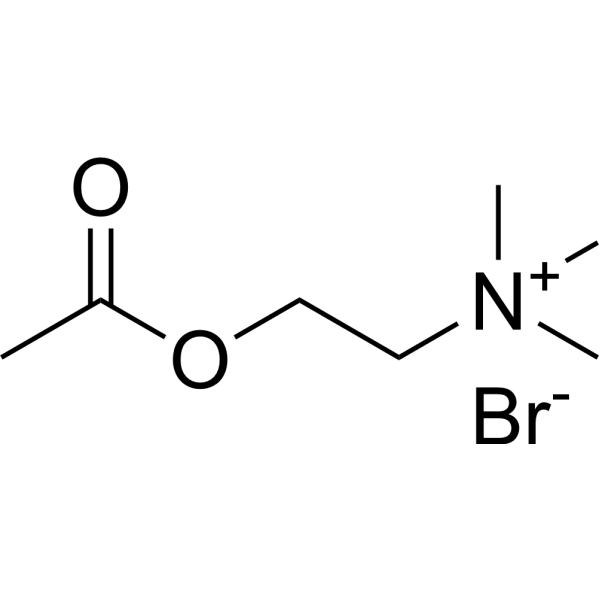
Acetylcholine bromide is an organic choline salt compound commonly used in neurophysiology and pharmacology experiments. It plays an important role in the nervous system, acting as a neurotransmitter that transmits signals and regulates many important physiological functions. Due to its special biological activity, Acetylcholine bromide is widely used in the study of neurotransmitters, nerve damage and muscle movement.
loading...
    loading...
25
25 Cited Publications
Cat. No.: HY-17591
CAS No.: 113-98-4
Synonyms: Benzylpenicillin potassium
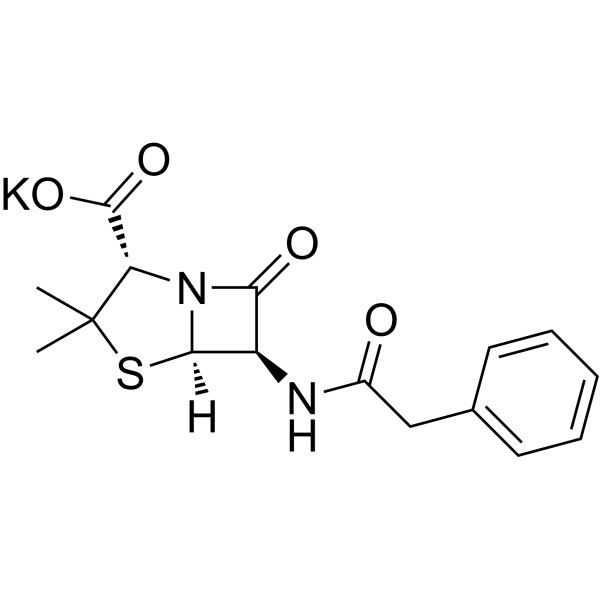
Penicillin G potassium is a fast-acting penicillin family antibiotic. Penicillin G potassium can be used for the research of bacterial infections that affect the blood, heart, lungs, joints, and genital areas .
loading...
    loading...
21
21 Cited Publications
Cat. No.: HY-34758
CAS No.: 684-93-5
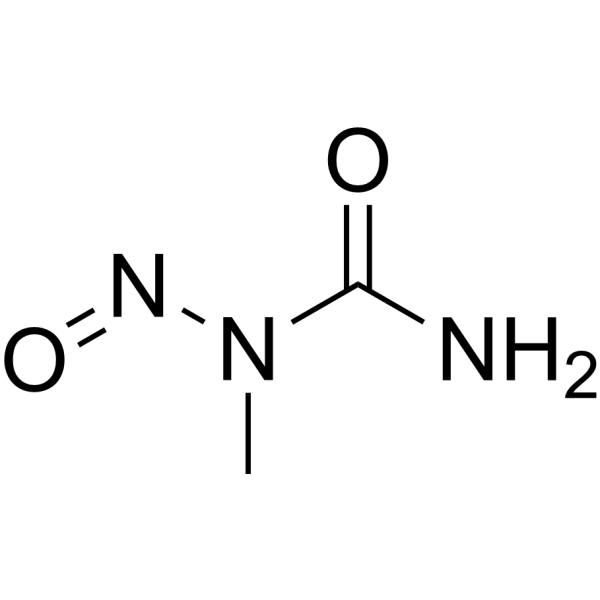
N-Nitroso-N-methylurea (NMU;MNU;NMH) is a potent carcinogen, mutagen and teratogenand. N-Nitroso-N-methylurea is a direct-acting alkylating agent that interacts with DNA. N-Nitroso-N-methylurea targets multiple animal organs to cause various cancer and/or degenerative disease. N-Nitroso-N-methylurea is also a precursor in the synthesis of diazomethane .
loading...
    loading...
20
20 Cited Publications
Cat. No.: HY-14855
CAS No.: 856866-72-3
Purity:  99.03%
Synonyms: TR 700; Torezolid; DA-7157
Target:  

Bacterial Antibiotic

Research Areas:  

Infection

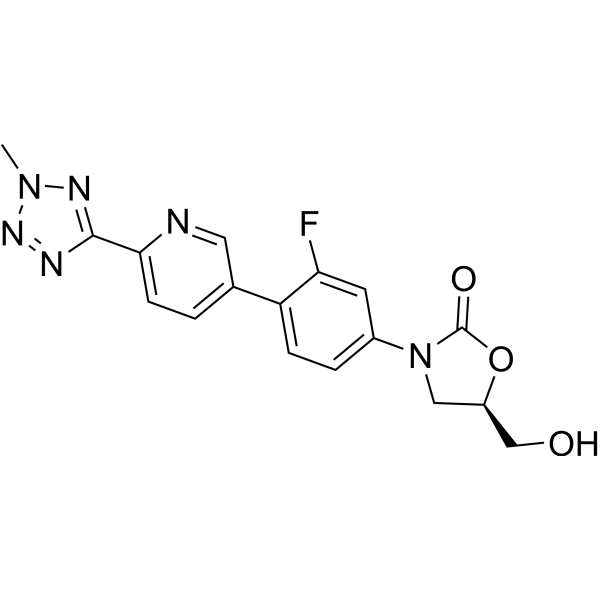
Tedizolid (TR 700; Torezolid; DA-7157) is a novel oxazolidinone, acting through inhibition of bacterial protein synthesis by binding to 23S ribosomal RNA (rRNA) of the 50S subunit of the ribosome.
loading...
    loading...
20
20 Cited Publications
Cat. No.: HY-106376A
CAS No.: 83730-53-4
Purity:  99.35%
Synonyms: L-Buthionine sulfoximine; L-BSO
Target:  

Ferroptosis

Research Areas:  

Cancer

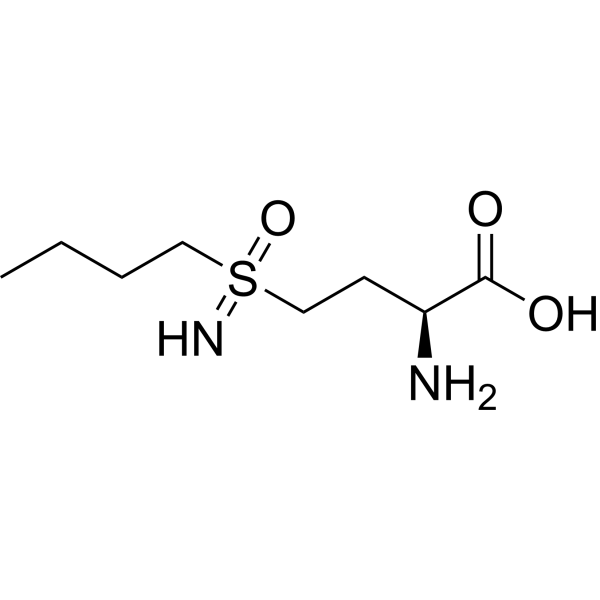
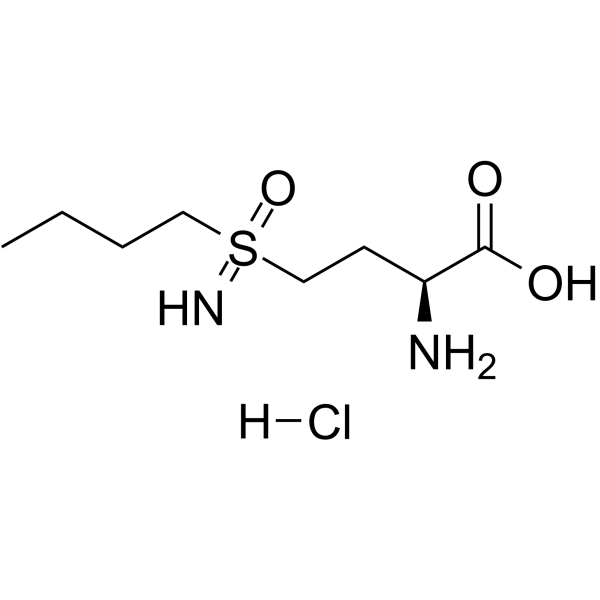
L-Buthionine-(S,R)-sulfoximine is a cell-permeable, potent, fast acting and irreversible inhibitor of g-glutamylcysteine synthetase and depletes cellular glutathione levels. The IC50 value of L-Buthionine-(S,R)-sulfoximine on melanoma, breast and ovarian tumor specimens are 1.9 μM, 8.6 μM, and 29 μM, respectively.
loading...
    loading...

