
Search Result
Results for "
albino mice
" in MedChemExpress (MCE) Product Catalog:
3
Biochemical Assay Reagents
1
Isotope-Labeled Compounds
| Cat. No. |
Product Name |
Target |
Research Areas |
Chemical Structure |
-
- HY-N0171A
-
|
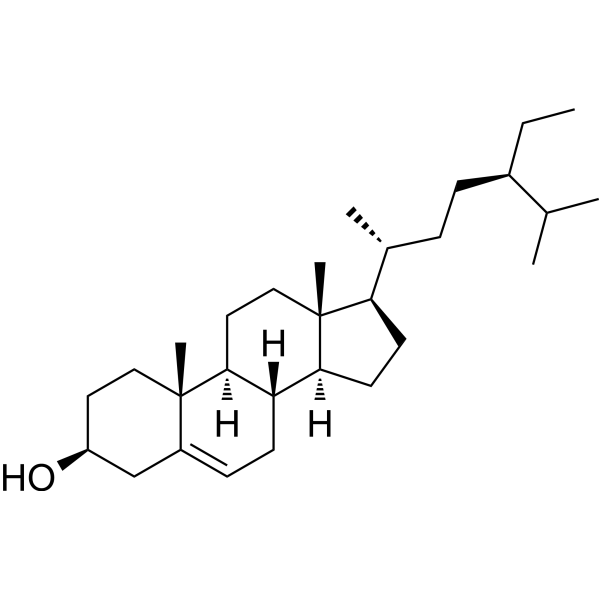
β-Sitosterol (purity>98%); 22,23-Dihydrostigmasterol (purity>98%)
|
Bacterial
Apoptosis
Reactive Oxygen Species (ROS)
MDM-2/p53
Caspase
PARP
MMP
Bcl-2 Family
HIF/HIF Prolyl-Hydroxylase
TNF Receptor
Interleukin Related
NF-κB
mTOR
Lactate Dehydrogenase
CDK
Glutathione Peroxidase
SOD
|
Infection
Cardiovascular Disease
Inflammation/Immunology
Cancer
|
|
Beta-Sitosterol (purity>98%) is orally active. Beta-Sitosterol exhibits multiple activities, including anti-inflammatory, anticancer, antioxidant, antimicrobial, antidiabetic, antioxidant enzyme, and analgesic. Beta-Sitosterol inhibits inflammation and impaired adipogenesis in bovine mammary epithelial cells by reducing levels of ROS, TNF-α, IL-1β, and NF-κB p65 and restoring the activity of the HIF-1α/mTOR signaling pathway. Beta-Sitosterol induces apoptosis in cancer cells through ROS-mediated mitochondrial dysregulation and p53 activation. Beta-Sitosterol exerts its anticancer effects in cancer cells by activating caspase-3, caspase-8, and caspase-9, mediating PARP inactivation, MMP loss, altered Bcl-2-Bax ratio, and cytochrome c release. Beta-Sitosterol modulates macrophage polarization and reduces rheumatoid inflammation in mice. Beta-Sitosterol inhibits tumor growth in multiple mouse cancer models. Beta-Sitosterol can be used in the research of arthritis, lung cancer, breast cancer and other cancers, diabetes, etc .
|
-
-
- HY-139414
-
|
|
Interleukin Related
p38 MAPK
ERK
Apoptosis
|
Inflammation/Immunology
|
|
Lysophosphatidylcholines is an orally active lysolipid and a component of oxidized low density lipoprotein (LDL). Lysophosphatidylcholines induces cell injury, the production of IL-1β and apoptosis. Lysophosphatidylcholines has a proactive effect on sepsis .
|
-
-
- HY-B1172
-
|
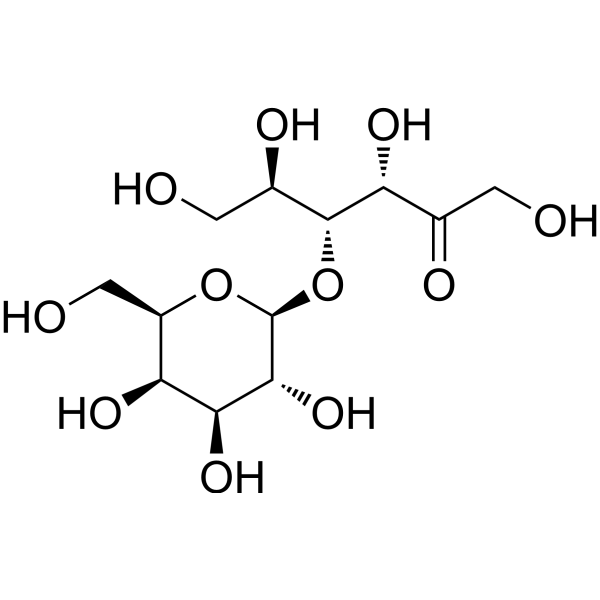
4-O-β-D-Galactopyranosyl-D-fructose
|
Bacterial
Interleukin Related
DNA/RNA Synthesis
|
Infection
Inflammation/Immunology
Endocrinology
Cancer
|
|
Lactulose is an orally active galactose-fructose disaccharide. Lactulose suppresses upregulation of TNF-α and IL-6. Lactulose decreases the degree of DNA damage. Lactulose exhibits many of the properties of other oligosaccharides, including increasing the numbers of Bifidobacteria in feces. Lactulose restores the structure and composition of the intestinal microbiota, mitigates inflammation, and suppresses inflammatory tumorigenesis in mice with colitis-associated cancer. Lactulose can be used in the research of constipation .
|
-
-
- HY-B2209B
-
|
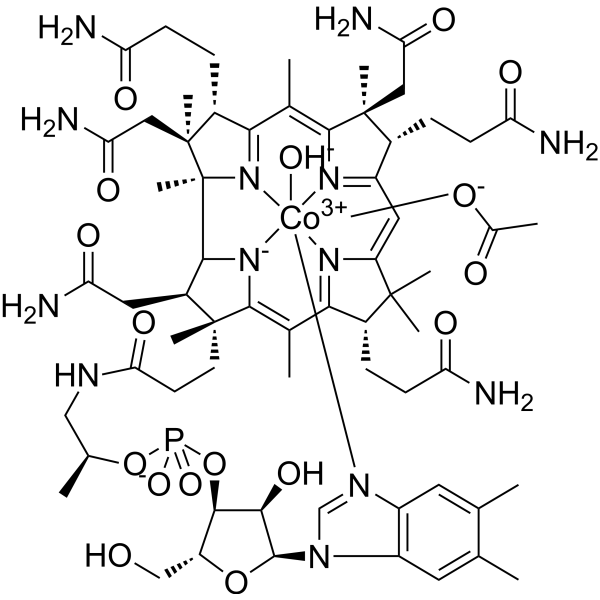
Vitamin B12a acetate
|
NO Synthase
|
Cardiovascular Disease
Metabolic Disease
|
|
Hydroxocobalamin acetate is an injectable natural vitamin B12. Hydroxocobalamin acetate binds to NO. Hydroxocobalamin acetate detoxifies Cyanide and NaSH. Hydroxocobalamin acetate reduces hypotension. Hydroxocobalamin acetate is used in research related to vitamin B12 deficiency, including pernicious anemia .
|
-
-
- HY-A0021
-
|
|
5-HT Receptor
Flavivirus
|
Infection
Cardiovascular Disease
Neurological Disease
|
|
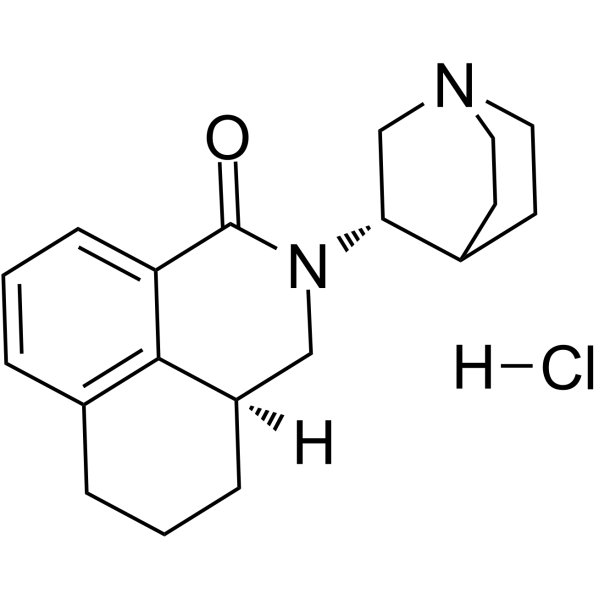
Palonosetron hydrochloride is a 5-HT3 antagonist primarily used to prevent acute, delayed, and overall chemotherapy-induced nausea and vomiting. In addition, Palonosetron hydrochloride exhibits moderate anti-flavivirus activity and potent anti-Zika virus activity in mammalian cells. Palonosetron hydrochloride also possesses antidepressant activity .
|
-
-
- HY-B1178
-
|
(-)-Cotinine; (S)-Cotinine; NIH-10498
|
Endogenous Metabolite
nAChR
|
Cardiovascular Disease
Inflammation/Immunology
|
|
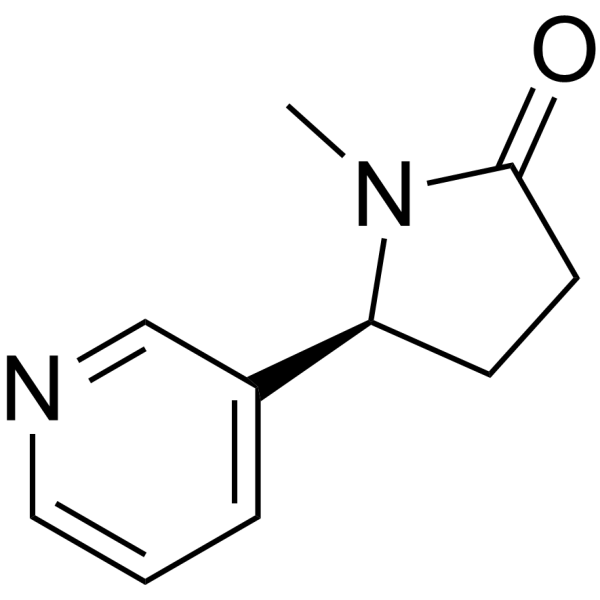
Cotinine ((-)-Cotinine) is an orally active alkaloid found in tobacco and is the primary metabolite of nicotine. Cotinine is metabolized by CYP2A13 into trans-3'-hydroxycotinine. Cotinine is used as a biomarker to measure exposure to tobacco smoke components. Cotinine has vasodepressor activity. The mixture of cotinine and nicotine (Nicotine) has antiproliferative activity against pterygium. (S)-(-)-Cotinine activates nicotinic acetylcholine receptors (nAChR) in a calcium-dependent manner, leading to the release of dopamine (Dopamine, HY-B0451). Cotinine ((-)-Cotinine) is used in research related to cardiovascular and inflammatory diseases .
|
-
-
- HY-P2232
-
-
-
- HY-B0921
-
|
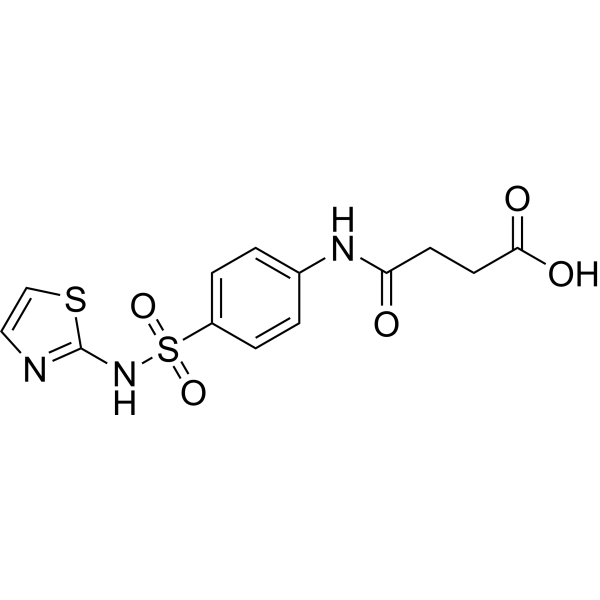
Succinylsulphathiazole
|
Antibiotic
Bacterial
Dihydrofolate reductase (DHFR)
mTOR
|
Infection
|
|
Succinylsulfathiazole (Succinylsulphathiazole) is a long-acting sulfonamide antibiotic with localized gut-specific antibacterial activity and is orally active. Succinylsulfathiazole inhibits bacterial folate synthesis, reduces coliform counts, suppresses intestinal bacterial growth and vitamin biosynthesis, and depletes gut folate-producing bacteria. Succinylsulfathiazole modulates hepatic mTOR signaling, diminishes cecal fermentation, decreases hepatic folate levels and total folate excretion, elevates nitrogen excretion and reduces the fermentability of certain dietary fibers. Succinylsulfathiazole induces folate deficiency and triggers biotin- and folate-related nutritional deficiency symptoms in rats and C57BL/6 mice .
|
-
-
- HY-34596
-
|
|
Biochemical Assay Reagents
Amyloid-β
|
Neurological Disease
Metabolic Disease
|
|
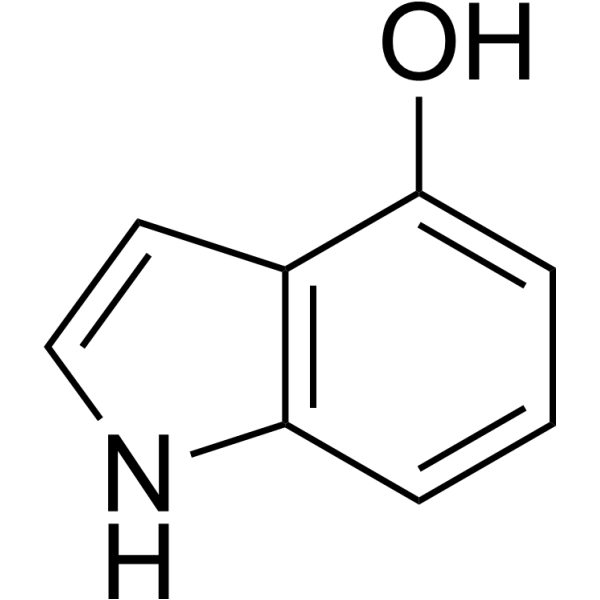
4-Hydroxyindole is a type of hydroxyindole in which the 1H-indole at position 4 is substituted by a hydroxyl group.
4-Hydroxyindole serves as an important raw material or intermediate in the synthesis of pharmaceutical products and industrial polymers.
4-Hydroxyindole inhibits amyloid fibrillization and induces liver function impairment, thyroid abnormalities, and blood glucose fluctuations in mice.
4-Hydroxyindole holds potential for research in neurodegenerative diseases and metabolic disorders .
|
-
-
- HY-118424
-
|
|
iGluR
|
Neurological Disease
Metabolic Disease
|
|
JNJ-55511118 is a selective TARP γ-8 binding AMPA receptor modulator with oral bioavailability and blood-brain barrier permeability, with a Ki of 26 nM. JNJ-55511118 reduces voluntary intake of sweetened alcohol in male mice. In rodent models, JNJ-55511118 inhibits hippocampal neurotransmission, reduces specific electroencephalogram frequency bands, induces transient hyperlocomotion, impairs learning and memory abilities, and exerts anticonvulsant effects. JNJ-55511118 is applicable to research related to alcohol use disorder and seizures .
|
-
-
- HY-105174A
-
|
|
JAK
FAK
|
Neurological Disease
Metabolic Disease
|
|
BPC 157 acetate is an orally active peptide. BPC 157 acetate exhibits multiple activities such as promoting wound healing, tendon healing, neuroprotection, and gastrointestinal protection. BPC 157 acetate can be used in the research of tendon injury, burn, gastric ulcer, and neurological diseases .
|
-
-
- HY-N11908
-
|
cis-α-Santalol
|
Akt
Survivin
Apoptosis
Caspase
PARP
|
Metabolic Disease
Cancer
|
|
α-Santalol (cis-α-Santalol), a naturally occurring sesquiterpene, is an orally active anticancer agent and apoptosis inducer. α-Santalol activates caspase-3 to drive apoptotic processes. >α-Santalol induces apoptosis, decreases cell viability, and causes PARP cleavage in human prostate cancer cells. α-santalol inhibits Akt/Survivin pathway to induce cell death. α-Santalol can be used for the research of prostate cancer and diabetes mellitus .
|
-
-
- HY-B0900
-
|
Anise camphor; p-Propenylanisole; Isoestragole
|
Environmental Pollutants
Apoptosis
NF-κB
Fungal
Bacterial
MMP
|
Infection
Neurological Disease
Inflammation/Immunology
Cancer
|
|
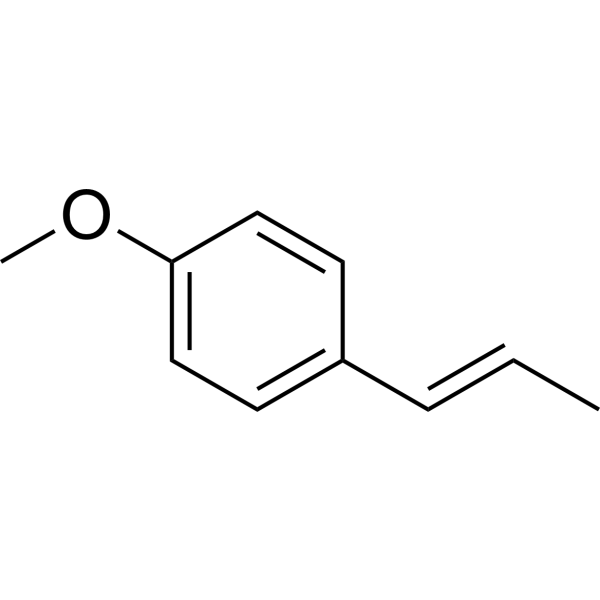
Anethole is a type of orally active aromatic compound that is widely found in nature and used as a flavoring agent. Anethole possesses anticancer, anti-inflammatory, antioxidant, antibacterial, antifungal, anesthetic, estrogenic, central nervous system depressant, hypnotic, insecticidal, and gastroprotective effects. Anethole can be used in the study of oxidative stress-related skin diseases and prostate cancer .
|
-
-
- HY-B1206
-
|
|
Cholinesterase (ChE)
|
Infection
Neurological Disease
|
|
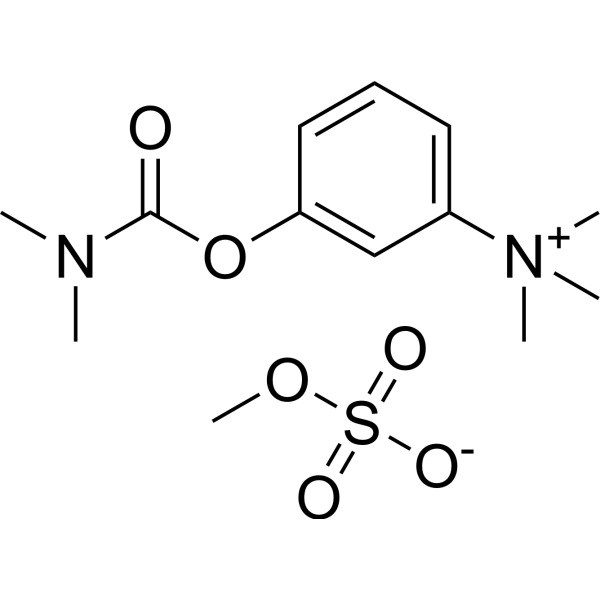
Neostigmine methyl sulfate is an AchE inhibitor. Neostigmine methyl sulfate increases endogenous acetylcholine levels, mediates antinociceptive effects, and alleviates heat-induced pain. Neostigmine methyl sulfate can be used in studies related to postoperative pain and sepsis .
|
-
-
- HY-B1847
-
-
-
- HY-157581
-
|
|
EGFR
PROTACs
|
Cancer
|
|
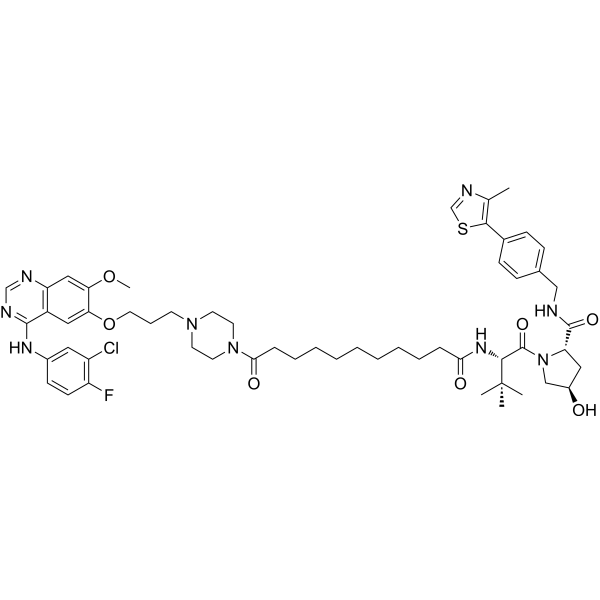
MS39 (compound 6) is a PROTAC targeting EGFR. MS39 reduces the expression of EGFR and downstream signaling in HCC-827 and H3255 cells. MS39 inhibits the proliferation of H3255 cells .
|
-
-
- HY-75625
-
|
4-Methoxysalicylic Acid
|
Monocarboxylate Transporter
Apoptosis
Mitochondrial Metabolism
|
Cardiovascular Disease
Metabolic Disease
Cancer
|
|
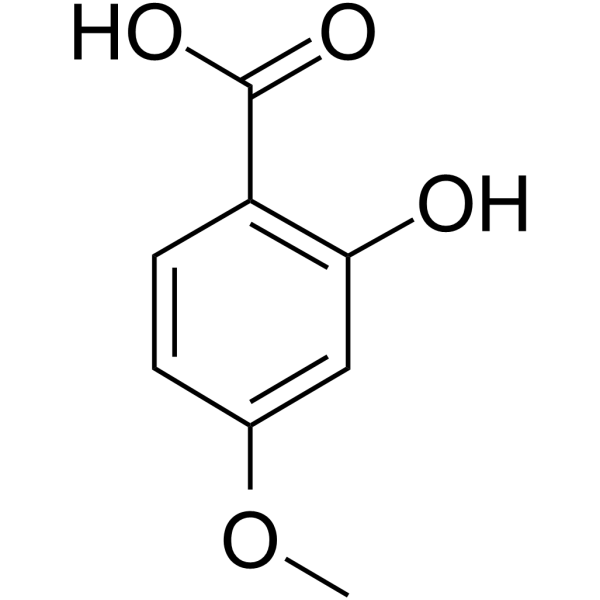
2-Hydroxy-4-methoxybenzoic acid is an orally active inhibitor of MCT-1 and MCT-4, as well as a plant biomarker. 2-Hydroxy-4-methoxybenzoic acid can be isolated from roots. 2-Hydroxy-4-methoxybenzoic acid induces Apoptosis and loss of mitochondrial membrane potential. 2-Hydroxy-4-methoxybenzoic acid exhibits anticancer activity against breast cancer. 2-Hydroxy-4-methoxybenzoic acid normalizes lactic acid levels. 2-Hydroxy-4-methoxybenzoic acid neutralizes viper venom and attenuates its lethal, hemorrhagic, coagulant and anticoagulant activities in male albino mice. 2-Hydroxy-4-methoxybenzoic acid possesses antihyperlipidemic, antidiabetic and hepatoprotective activities .
|
-
-
- HY-N8210
-
|
|
Drug Metabolite
Autophagy
Apoptosis
Reactive Oxygen Species (ROS)
Keap1-Nrf2
MMP
Caspase
PARP
MDM-2/p53
|
Neurological Disease
Inflammation/Immunology
Cancer
|
|
Homoeriodictyol is an orally active, bitter-tasting flavanone that can penetrate the blood-brain barrier. Homoeriodictyol enhances synaptic-related protein expression through NCOA4-mediated ferritin autophagy. Homoeriodictyol improves memory impairment in mice by inhibiting the NLRP3 inflammasome. Homoeriodictyol protects human endothelial cells from oxidative damage by activating Nrf2 and inhibiting mitochondrial dysfunction. Homoeriodictyol enhances ROS activity and induces apoptosis, exhibiting anticancer effects. Homoeriodictyol inhibits the survival and migration of androgen-resistant prostate cancer cells in vitro. Homoeriodictyol exerts antinociceptive activity in mice in vivo .
|
-
-
- HY-W013762
-
|
|
Environmental Pollutants
Biochemical Assay Reagents
|
Others
|
|
Tributyl citrate is a low-toxicity and orally active citrate ester with no genotoxicity or skin sensitizing activity. Tributyl citrate also acts as a plasticizer, solvent, FDA-approved indirect food additive, and topical anesthetic, among other uses. Tributyl citrate induces a needle-prick insensitivity response that lasts for more than 2 hours, and a 5% suspension of it temporarily eliminates the corneal reflex in rabbits. Tributyl citrate causes no significant systemic toxicity in rats and cats at most tested doses, and only may cause growth retardation and gastrointestinal reactions such as diarrhea and nausea at high doses or with repeated oral administration .
|
-
-
- HY-125539
-
|
|
Antibiotic
Phosphatase
Fungal
|
Infection
|
|
Roridin E is a glucose-6-phosphatase (G6Pase) inhibitor and antibiotic, and is a metabolic byproduct of Roridin A (HY-N9599). Roridin E induces significant oxidative stress, characterized by depletion of glutathione in vivo, induction of hepatic lipid peroxidation, and inhibition of renal superoxide dismutase activity. Roridin E reduces blood glucose levels in rats, but exhibits acute toxicity (which is enhanced when co-administered with linoleic acid (HY-N0729)) and causes hepatotoxicity in male albino mice. Roridin E induces a decrease in total blood protein and increases in the levels of total lipids, γ-glutamyltransferase, alkaline phosphatase, and 5'-nucleotidase. Roridin E can be isolated from molds, and possesses cytostatic and antifungal activities similar to those of Verrucarin A (HY-107426) and Roridin A. Roridin E exhibits in vivo activity in rodents and is commonly used in hepatotoxicity-related studies .
|
-
-
- HY-W276164
-
|
Sodium stearyl sulfate
|
Biochemical Assay Reagents
|
Others
|
|
Sodium octadecyl sulfate (Sodium stearyl sulfate) is a long-chain alkyl sodium sulfate that functions as an emulsifier, crosslinking agent, and regulator. Sodium octadecyl sulfate has high safety, with a LD50 greater than 3.00 Gm./Kg for both intraperitoneal injection in mice and oral administration in rats. Sodium octadecyl sulfate enhances continuous contraction of the gastrocnemius muscle in frogs and boosts intestinal smooth muscle activity in albino rats. However, Sodium octadecyl sulfate exerts no significant effect on isolated tortoise myocardium and does not alter the conduction function of frog sciatic nerves. Sodium octadecyl sulfate can also be used to coat the surface of starch aggregates, promote crosslinking and increase aggregate size through hydrophobic and electrostatic interactions, and further form a coexistent B-V type crystalline structure with acid-hydrolyzed gelatinized starch, thereby effectively modifying the structure and surface properties of high-starch systems .
|
-
-
- HY-101230
-
|
|
Opioid Receptor
|
Neurological Disease
|
|
ICI 174864 is a selective and brain-penetrant δ-opioid receptor antagonist with Ke values of 22.0 nM to 30.6 nM at δ-opioid receptor in mouse vas deferens. ICI 174864 selectively blocks biological effects mediated by the δ-opioid receptor agonist DPDPE (HY-P1334) after central administration. ICI 174864 reverses hypotension in rats with endotoxic shock and inhibits acetic acid-induced writhing in mice. ICI 174864 can be used for the research of opioid receptor subtypes, endotoxic hypotension and analgesic pathways .
|
-
-
- HY-156277
-
|
|
PPAR
|
Metabolic Disease
|
|
SP4f is an activator ofPPAR-γ, with the EC50 of 826 nM in HK-2 cells. SP4f reduces the blood glucose levels and lipid peroxidation, and increases glutathione levels and catalase activityin the Swiss albino mice .
|
-
-
- HY-178749
-
|
|
ClpP
Mitochondrial Metabolism
Apoptosis
Caspase
PARP
|
Cancer
|
|
MS6076 is a mitochondrial protease ClpP agonist. MS6076 specifically activates the ClpP protease in the mitochondrial matrix, significantly disrupting mitochondrial Electron Transport Chain (ETC) function by accelerating the degradation of unfolded proteins. MS6076 exhibits potent cytotoxicity against a variety of cancer cell lines. MS6076 induces cell apoptosis, increasing cleavage of caspase 3 and PARP. MS6076 can be used for the research of breast cancer .
|
-
-
- HY-146058
-
-
-
- HY-176519
-
|
|
Beta-lactamase
Bacterial
|
Infection
|
|
ANT2681 is a potent NDM inhibitor with a Ki value of 0.04 μM against NDM-1. ANT2681 also inhibits other MBLs, such as VIM-1 and IMP-1 with Ki values of 0.63 μM and 3.81 μM, respectively. ANT2681 can be used in combination with Meropenem (HY-13678) to inhibit infections caused by NDM-producing Enterobacteriaceae .
|
-
-
- HY-B0900R
-
|
Anise camphor (Standard); p-Propenylanisole (Standard); Isoestragole (Standard)
|
Apoptosis
Fungal
Bacterial
MMP
NF-κB
Reference Standards
|
Infection
Neurological Disease
Inflammation/Immunology
Cancer
|
|
Anethole (Standard) is the analytical standard of Anethole. This product is intended for research and analytical applications. Anethole is a type of orally active aromatic compound that is widely found in nature and used as a flavoring agent. Anethole possesses anticancer, anti-inflammatory, antioxidant, antibacterial, antifungal, anesthetic, estrogenic, central nervous system depressant, hypnotic, insecticidal, and gastroprotective effects. Anethole can be used in the study of oxidative stress-related skin diseases and prostate cancer .
|
-
-
- HY-156276
-
|
|
PPAR
|
Metabolic Disease
|
|
SP4e is an activator of PPAR-γ, with the EC50 of 739 nM in HK-2 cells. SP4e reduces the blood glucose levels and lipid peroxidation, and increases glutathione levels and catalase activityin the Swiss albino mice .
|
-
-
- HY-108281
-
|
Tromaril; RH 8
|
Others
|
Inflammation/Immunology
|
|
Enfenamic acid is a nonsteroidal anti-inflammatory agent and a prostaglandin synthetase inhibitor, inhibiting hepatic gluconeogenesis in Swiss albino mice. Enfenamic acid suppresses wound healing .
|
-
-
- HY-148456
-
-
-
- HY-146704
-
|
|
Epoxide Hydrolase
COX
|
Cardiovascular Disease
|
|
COX-2/sEH-IN-1 (Compound 9c) is an orally active, dual COX-2 and sEH (soluble epoxide hydrolase) inhibitor with IC50 values of 1.24 µM and 0.40 nM against COX-2 and sEH, respectively. COX-2/sEH-IN-1 shows improved anti-inflammatory activity and highly reduced cardiovascular risks .
|
-
-
- HY-N12398
-
|
|
Others
|
Neurological Disease
|
|
Psychotridine is a natural alkaloid isolated from Psychotria colorata, reveals an analgesic activity in nervous system and an inhibitory efficacy towards platelet aggregation .
|
-
-
- HY-161243
-
-
-
- HY-162606
-
|
|
Monoamine Oxidase
Cholinesterase (ChE)
|
Neurological Disease
|
|
MAO-A/B-IN-3 (Compound 12) stands out as a key dual MAO-AChE inhibitor, displaying excellent multi-target efficacy against MAO-A, MAO-B, and AChE with IC50 values of 67 nM, 29 nM, and 1370 nM respectively. MAO-A/B-IN-3 is adept at altering the A site (hydrophobic ring) and C site (semicarbazone chain) within ketone amine-based MTDLs to bolster the inhibitory potential against MAO-A/B while notably diminishing activity against AChE. MAO-A/B-IN-3 is poised for research applications in the field of neurodegenerative diseases .
|
-
-
- HY-158261
-
|
|
Cholinesterase (ChE)
Amyloid-β
Beta-secretase
|
Neurological Disease
|
|
AChE-IN-63 (Compound 5AD) is a selective inhibitor of hAChE (IC50=0.103 μM). AChE-IN-63 also inhibits hBChE and hBACE-1 (IC50= 10 μM (hBChE); 1.342 μM (hBACE-1)). AChE-IN-63 inhibits Aβ aggregation, preventing the formation and deposition of Aβ1-42. AChE-IN-63 can effectively penetrate the blood-brain barrier and is orally effective. It is primarily used in Alzheimer's disease research .
|
-
-
- HY-162761
-
|
|
Bacterial
COX
|
Inflammation/Immunology
|
|
COX-1/2-IN-9 (Compound 3n) is a potent and selective inhibitor of COX-1/2, with IC50 values of 0.031 µM and 0.01 µM, respectively. COX-1/2-IN-9 possesses both antibacterial and anti-inflammatory activities, effectively inhibiting MRSA 1478 (MIC=50 μg/mL) and multidrug-resistant S. lentus (MIC=50 μg/mL). COX-1/2-IN-9 holds significant potential to alleviate MRSA-induced pneumonia in immunocompromised states .
|
-
-
- HY-152169
-
|
|
Interleukin Related
Apoptosis
TNF Receptor
IFNAR
NF-κB
Bcl-2 Family
|
Inflammation/Immunology
|
|
BIHC is a TNF blocker with anti-inflammatory activity. BIHC can significantly inhibit the proliferation of hepatocellular carcinoma (HCC) cells and exhibits potent cytotoxicity against the HepG2 cell line, capable of inducing cell apoptosis , while demonstrating relatively low toxicity towards normal hepatocytes. Additionally, BIHC can be used for research on inflammatory bowel disease (IBD) .
|
-
-
- HY-B1178R
-
|
(-)-Cotinine (Standard); (S)-Cotinine (Standard); NIH-10498 (Standard)
|
Reference Standards
Endogenous Metabolite
nAChR
|
Cardiovascular Disease
Inflammation/Immunology
|
|
Cotinine (Standard) is the analytical standard of Cotinine. This product is intended for research and analytical applications. Cotinine ((-)-Cotinine), an alkaloid in tobacco and a major metabolite of nicotine, is used as a biological indicator to measure the composition of tobacco smoke
|
-
-
- HY-120042
-
|
|
Carboxylesterase (CES)
Cholinesterase (ChE)
|
Others
|
|
Heptenophos is an inhibitor of AChE and plasma carboxylesterase (CES). By inhibiting AChE activity, Heptenophos causes the accumulation of acetylcholine at cholinergic synapses, thereby triggering typical symptoms of organophosphate poisoning. Heptenophos exhibits rapid lethal toxicity in male albino mice, but its toxic effects are effectively antagonized by obidoxime, and Memantine (HY-B0591) further enhances the detoxification efficacy of obidoxime. Therefore, Heptenophos is commonly used in studies related to the mechanism of organophosphate poisoning and detoxification strategies .
|
-
-
- HY-182065
-
|
|
SARS-CoV
|
Infection
|
|
SARS-CoV-2 Mpro-IN-56 is an orally active SARS-CoV-2 Mpro inhibitor with an IC50 of 0.026 μM. SARS-CoV-2 Mpro-IN-56 can be used for the research of COVID-19 .
|
-
-
- HY-114833
-
|
(Rac)-Bunolol; dl-Bunolol
|
Adrenergic Receptor
|
Cardiovascular Disease
Neurological Disease
|
|
Bunolol ((Rac)-Bunolol) is a β-adrenergic receptor blocker. Bunolol antagonizes the β-receptor agonist activity induced by Isoproterenol (HY-B0468) and Dichloroisoproterenol. Bunolol reduces the heart rate and mean blood pressure of anesthetized dogs. Bunolol decreases spontaneous motor activity and Amphetamine-induced hyperactivity in rats, potentiates Pentobarbital-induced hypnosis in mice, and protects rats from extensor tonic convulsions induced by maximal electroshock .
|
-
-
- HY-175991S
-
|
Sodium stearyl sulfate sulfate-d37
|
Isotope-Labeled Compounds
Biochemical Assay Reagents
|
Others
|
|
Sodium octadecyl sulfate-d37 (Sodium stearyl sulfate-d37) is the deuterium labeled Sodium octadecyl sulfate (HY-W276164). Sodium octadecyl sulfate (Sodium stearyl sulfate) is a long-chain alkyl sodium sulfate that functions as an emulsifier, crosslinking agent, and regulator. Sodium octadecyl sulfate has high safety, with a LD50 greater than 3.00 Gm./Kg for both intraperitoneal injection in mice and oral administration in rats. Sodium octadecyl sulfate enhances continuous contraction of the gastrocnemius muscle in frogs and boosts intestinal smooth muscle activity in albino rats. However, Sodium octadecyl sulfate exerts no significant effect on isolated tortoise myocardium and does not alter the conduction function of frog sciatic nerves. Sodium octadecyl sulfate can also be used to coat the surface of starch aggregates, promote crosslinking and increase aggregate size through hydrophobic and electrostatic interactions, and further form a coexistent B-V type crystalline structure with acid-hydrolyzed gelatinized starch, thereby effectively modifying the structure and surface properties of high-starch systems .
|
-
-
- HY-N16926
-
-
-
- HY-N19628
-
|
|
Parasite
|
Infection
|
|
Dianellin is an orally active anti-malarial agent found in Kniphofia foliosa. Dianellin binds to Plasmodium falciparum plasmepsin II and shows anti-malarial activity in mice. Dianellin can be used for the research of malaria .
|
-
-
- HY-182403
-
|
|
Apoptosis
|
Others
Cancer
|
|
GR-891 is an acyclic nucleoside 5-Fluorouracil (HY-90006) derivative. GR-891 exerts antiproliferative activity in human cancer cells and inhibits proliferation of human rhabdomyosarcoma cells. GR-891 induces terminal myogenic differentiation in human rhabdomyosarcoma cells, including modulation of desmin and vimentin expression. GR-891 is phosphorylated by kinases, incorporated into RNA, and releases acrolein. GR-891 can be used for the research of cancer and rhabdomyosarcoma .
|
-
-
- HY-108874A
-
|
Levorin (≥50%); Vanobid (≥50%); Candimon (≥50%)
|
Antibiotic
Fungal
|
Infection
|
|
Candicidin (≥50%) (Levorin (≥50%)) is an Antifungal antibiotic. Candicidin (≥50%) exhibits potent antifungal activity against yeasts and yeast-like fungi, such as Candida albicans and Saccharomyces cerevisiae. Low concentrations of Candicidin (≥50%) do not adversely affect pea seed germination .
|
-
-
- HY-181770
-
|
|
Phosphodiesterase (PDE)
Bacterial
|
Infection
Inflammation/Immunology
|
|
PDE4B-IN-7 is a PDE-4B inhibitor with an IC50 of 160 nM. PDE4B-IN-7 can form a firm and stable binding with the active site of PDE-4B. PDE4B-IN-7 inhibits acetylcholine-induced bronchospasm in guinea pigs. PDE4B-IN-7 exerts activity against susceptible Gram-positive and Gram-negative bacterial strains. PDE4B-IN-7 can be used for the researches of asthma and bacterial agent .
|
-
-
- HY-N19717
-
|
|
NF-κB
SOD
|
Inflammation/Immunology
Cancer
|
|
Bartogenic acid is an orally active NF-κB inhibitor, found in Barringtonia racemosa fruits. Bartogenic acid increases catalase, superoxide dismutase (SOD), and glutathione levels. Bartogenic acid inhibits lipid peroxidation and suppresses inflammation markers. Bartogenic acid can be used for the research of ovarian cancer, skin cancer, and inflammatory conditions .
|
-
-
- HY-N18080
-
|
|
Parasite
DNA Alkylator/Crosslinker
Bacterial
|
Infection
Inflammation/Immunology
Cancer
|
|
Parthenin is a pseudoguaianolide-type sesquiterpene lactone present in Parthenium hysterophorus L. Parthenin induces chromosomal aberrations, mainly chromatid breaks, in human peripheral blood lymphocytes. Parthenin exhibits toxicity against Salmonella typhimurium and Escherichia coli strains, with reduced toxicity in the presence of a metabolic activation system (S9). Parthenin acts as an antifeedant against the 6th instar larvae of the tobacco cutworm (Spodoptera litura). Parthenin shows insecticidal activity against adult cowpea weevils (Callosobruchus maculatus). Parthenin inhibits seed germination and seedling growth of sicklepod (Cassia tora). Parthenin possesses nematicidal activity against the 2nd instar larvae of the southern root-knot nematode (Meloidogyne incognita). Parthenin serves as a research agent for studies related to cancer, malaria, amoebiasis, inflammatory diseases, and bacterial infections .
|
-
-
- HY-180400
-
|
|
nAChR
Calcium Channel
|
Neurological Disease
|
|
PAM-2 is a potent, orally active, CNS-penetrant selective α7 nAChR positive allosteric modulator (human α7 nAChR EC50: 39 μM, rat α7 nAChR EC50: 12 μM) with anti-nociceptive and anti-inflammatory activity. PAM-2 exhibits selectivity over α9α10 nAChR (IC50 = 174 μM) and CaV2.2 channel (IC50 = 89 μM). PAM-2 decreases Streptozotocin (STZ) (HY-13753)- and Oxaliplatin (HY-17371)-inducned nuroparhic pain in mice by α7 nAChR potentiation. PAM-2 can be used for the research of neuropathic pain .
|
-
| Cat. No. |
Product Name |
Type |
-
- HY-139414
-
|
|
Biochemical Assay Reagents
|
|
Lysophosphatidylcholines is an orally active lysolipid and a component of oxidized low density lipoprotein (LDL). Lysophosphatidylcholines induces cell injury, the production of IL-1β and apoptosis. Lysophosphatidylcholines has a proactive effect on sepsis .
|
-
- HY-P2232
-
|
Ovotransferrin
|
Biochemical Assay Reagents
|
|
Conalbumin (Ovotransferrin) is an iron-binding protein present in egg white with antibacterial activity. Conalbumin can also be used to induce bronchial asthma. Conalbumin exhibits induced mRNA accumulation in chicken oviduct cells by estrogen and progesterone .
|
-
- HY-W276164
-
|
Sodium stearyl sulfate
|
Biochemical Assay Reagents
|
|
Sodium octadecyl sulfate (Sodium stearyl sulfate) is a long-chain alkyl sodium sulfate that functions as an emulsifier, crosslinking agent, and regulator. Sodium octadecyl sulfate has high safety, with a LD50 greater than 3.00 Gm./Kg for both intraperitoneal injection in mice and oral administration in rats. Sodium octadecyl sulfate enhances continuous contraction of the gastrocnemius muscle in frogs and boosts intestinal smooth muscle activity in albino rats. However, Sodium octadecyl sulfate exerts no significant effect on isolated tortoise myocardium and does not alter the conduction function of frog sciatic nerves. Sodium octadecyl sulfate can also be used to coat the surface of starch aggregates, promote crosslinking and increase aggregate size through hydrophobic and electrostatic interactions, and further form a coexistent B-V type crystalline structure with acid-hydrolyzed gelatinized starch, thereby effectively modifying the structure and surface properties of high-starch systems .
|
| Cat. No. |
Product Name |
Target |
Research Area |
-
- HY-105174A
-
|
|
JAK
FAK
|
Neurological Disease
Metabolic Disease
|
|
BPC 157 acetate is an orally active peptide. BPC 157 acetate exhibits multiple activities such as promoting wound healing, tendon healing, neuroprotection, and gastrointestinal protection. BPC 157 acetate can be used in the research of tendon injury, burn, gastric ulcer, and neurological diseases .
|
-
- HY-P3538
-
|
CRH (Sheep)
|
Peptides
|
Neurological Disease
|
|
Corticotropin-releasing factor (CRH) (Sheep) is a brain-penetrant hypothalamic releasing factor and a peptide hormone with analgesic and arousal-inducing activity. Corticotropin-releasing factor (Sheep) mediates stress effects, including stress-induced analgesia. Corticotropin-releasing factor (Sheep) increases wakefulness, reduces slow wave sleep, alters EEG frequency content, stimulates ACTH and β-endorphin release, activates locomotor activity. Corticotropin-releasing factor (Sheep) can be used for the research of neurological disease .
|
-
- HY-101230
-
|
|
Opioid Receptor
|
Neurological Disease
|
|
ICI 174864 is a selective and brain-penetrant δ-opioid receptor antagonist with Ke values of 22.0 nM to 30.6 nM at δ-opioid receptor in mouse vas deferens. ICI 174864 selectively blocks biological effects mediated by the δ-opioid receptor agonist DPDPE (HY-P1334) after central administration. ICI 174864 reverses hypotension in rats with endotoxic shock and inhibits acetic acid-induced writhing in mice. ICI 174864 can be used for the research of opioid receptor subtypes, endotoxic hypotension and analgesic pathways .
|
| Cat. No. |
Product Name |
Category |
Target |
Chemical Structure |
-
- HY-N0171A
-
|
β-Sitosterol (purity>98%); 22,23-Dihydrostigmasterol (purity>98%)
|
Cardiovascular Disease
Structural Classification
Classification of Application Fields
Leguminosae
Glycine max (L.) merr
Plants
Inflammation/Immunology
Disease Research Fields
Steroids
Source Classification
|
Bacterial
Apoptosis
Reactive Oxygen Species (ROS)
MDM-2/p53
Caspase
PARP
MMP
Bcl-2 Family
HIF/HIF Prolyl-Hydroxylase
TNF Receptor
Interleukin Related
NF-κB
mTOR
Lactate Dehydrogenase
CDK
Glutathione Peroxidase
SOD
|
|
Beta-Sitosterol (purity>98%) is orally active. Beta-Sitosterol exhibits multiple activities, including anti-inflammatory, anticancer, antioxidant, antimicrobial, antidiabetic, antioxidant enzyme, and analgesic. Beta-Sitosterol inhibits inflammation and impaired adipogenesis in bovine mammary epithelial cells by reducing levels of ROS, TNF-α, IL-1β, and NF-κB p65 and restoring the activity of the HIF-1α/mTOR signaling pathway. Beta-Sitosterol induces apoptosis in cancer cells through ROS-mediated mitochondrial dysregulation and p53 activation. Beta-Sitosterol exerts its anticancer effects in cancer cells by activating caspase-3, caspase-8, and caspase-9, mediating PARP inactivation, MMP loss, altered Bcl-2-Bax ratio, and cytochrome c release. Beta-Sitosterol modulates macrophage polarization and reduces rheumatoid inflammation in mice. Beta-Sitosterol inhibits tumor growth in multiple mouse cancer models. Beta-Sitosterol can be used in the research of arthritis, lung cancer, breast cancer and other cancers, diabetes, etc .
|
-
-
- HY-B1172
-
-
-
- HY-B2209B
-
-
-
- HY-B1178
-
-
-
- HY-N11908
-
-
-
- HY-B0900
-
|
Anise camphor; p-Propenylanisole; Isoestragole
|
Structural Classification
Classification of Application Fields
Simple Phenylpropanols
Leguminosae
Phenylpropanoids
Umbelliferae
Plants
Vernonia Schreb.
Glycyrrhiza uralensis Fisch.
Disease Research Fields
Source Classification
Cancer
|
Environmental Pollutants
Apoptosis
NF-κB
Fungal
Bacterial
MMP
|
|
Anethole is a type of orally active aromatic compound that is widely found in nature and used as a flavoring agent. Anethole possesses anticancer, anti-inflammatory, antioxidant, antibacterial, antifungal, anesthetic, estrogenic, central nervous system depressant, hypnotic, insecticidal, and gastroprotective effects. Anethole can be used in the study of oxidative stress-related skin diseases and prostate cancer .
|
-
-
- HY-75625
-
-
-
- HY-N8210
-
-
-
- HY-125539
-
|
|
Structural Classification
Natural Products
Microorganisms
Source Classification
|
Antibiotic
Phosphatase
Fungal
|
|
Roridin E is a glucose-6-phosphatase (G6Pase) inhibitor and antibiotic, and is a metabolic byproduct of Roridin A (HY-N9599). Roridin E induces significant oxidative stress, characterized by depletion of glutathione in vivo, induction of hepatic lipid peroxidation, and inhibition of renal superoxide dismutase activity. Roridin E reduces blood glucose levels in rats, but exhibits acute toxicity (which is enhanced when co-administered with linoleic acid (HY-N0729)) and causes hepatotoxicity in male albino mice. Roridin E induces a decrease in total blood protein and increases in the levels of total lipids, γ-glutamyltransferase, alkaline phosphatase, and 5'-nucleotidase. Roridin E can be isolated from molds, and possesses cytostatic and antifungal activities similar to those of Verrucarin A (HY-107426) and Roridin A. Roridin E exhibits in vivo activity in rodents and is commonly used in hepatotoxicity-related studies .
|
-
-
- HY-B0900R
-
|
Anise camphor (Standard); p-Propenylanisole (Standard); Isoestragole (Standard)
|
Structural Classification
Simple Phenylpropanols
Leguminosae
Phenylpropanoids
Umbelliferae
Plants
Vernonia Schreb.
Glycyrrhiza uralensis Fisch.
Source Classification
|
Apoptosis
Fungal
Bacterial
MMP
NF-κB
Reference Standards
|
|
Anethole (Standard) is the analytical standard of Anethole. This product is intended for research and analytical applications. Anethole is a type of orally active aromatic compound that is widely found in nature and used as a flavoring agent. Anethole possesses anticancer, anti-inflammatory, antioxidant, antibacterial, antifungal, anesthetic, estrogenic, central nervous system depressant, hypnotic, insecticidal, and gastroprotective effects. Anethole can be used in the study of oxidative stress-related skin diseases and prostate cancer .
|
-
-
- HY-N12398
-
-
-
- HY-B1178R
-
-
-
- HY-N16926
-
-
-
- HY-N19628
-
-
-
- HY-N19717
-
-
-
- HY-N18080
-
|
|
Structural Classification
Terpenoids
Sesquiterpenes
Antheroporum pierrei Gagnep.
Plants
Compositae
Source Classification
|
Parasite
DNA Alkylator/Crosslinker
Bacterial
|
|
Parthenin is a pseudoguaianolide-type sesquiterpene lactone present in Parthenium hysterophorus L. Parthenin induces chromosomal aberrations, mainly chromatid breaks, in human peripheral blood lymphocytes. Parthenin exhibits toxicity against Salmonella typhimurium and Escherichia coli strains, with reduced toxicity in the presence of a metabolic activation system (S9). Parthenin acts as an antifeedant against the 6th instar larvae of the tobacco cutworm (Spodoptera litura). Parthenin shows insecticidal activity against adult cowpea weevils (Callosobruchus maculatus). Parthenin inhibits seed germination and seedling growth of sicklepod (Cassia tora). Parthenin possesses nematicidal activity against the 2nd instar larvae of the southern root-knot nematode (Meloidogyne incognita). Parthenin serves as a research agent for studies related to cancer, malaria, amoebiasis, inflammatory diseases, and bacterial infections .
|
-
| Cat. No. |
Product Name |
Chemical Structure |
-
- HY-175991S
-
|
|
|
Sodium octadecyl sulfate-d37 (Sodium stearyl sulfate-d37) is the deuterium labeled Sodium octadecyl sulfate (HY-W276164). Sodium octadecyl sulfate (Sodium stearyl sulfate) is a long-chain alkyl sodium sulfate that functions as an emulsifier, crosslinking agent, and regulator. Sodium octadecyl sulfate has high safety, with a LD50 greater than 3.00 Gm./Kg for both intraperitoneal injection in mice and oral administration in rats. Sodium octadecyl sulfate enhances continuous contraction of the gastrocnemius muscle in frogs and boosts intestinal smooth muscle activity in albino rats. However, Sodium octadecyl sulfate exerts no significant effect on isolated tortoise myocardium and does not alter the conduction function of frog sciatic nerves. Sodium octadecyl sulfate can also be used to coat the surface of starch aggregates, promote crosslinking and increase aggregate size through hydrophobic and electrostatic interactions, and further form a coexistent B-V type crystalline structure with acid-hydrolyzed gelatinized starch, thereby effectively modifying the structure and surface properties of high-starch systems .
|
-
| Cat. No. |
Product Name |
|
Classification |
-
- HY-N0171A
-
|
β-Sitosterol (purity>98%); 22,23-Dihydrostigmasterol (purity>98%)
|
|
Cholesterol
|
|
Beta-Sitosterol (purity>98%) is orally active. Beta-Sitosterol exhibits multiple activities, including anti-inflammatory, anticancer, antioxidant, antimicrobial, antidiabetic, antioxidant enzyme, and analgesic. Beta-Sitosterol inhibits inflammation and impaired adipogenesis in bovine mammary epithelial cells by reducing levels of ROS, TNF-α, IL-1β, and NF-κB p65 and restoring the activity of the HIF-1α/mTOR signaling pathway. Beta-Sitosterol induces apoptosis in cancer cells through ROS-mediated mitochondrial dysregulation and p53 activation. Beta-Sitosterol exerts its anticancer effects in cancer cells by activating caspase-3, caspase-8, and caspase-9, mediating PARP inactivation, MMP loss, altered Bcl-2-Bax ratio, and cytochrome c release. Beta-Sitosterol modulates macrophage polarization and reduces rheumatoid inflammation in mice. Beta-Sitosterol inhibits tumor growth in multiple mouse cancer models. Beta-Sitosterol can be used in the research of arthritis, lung cancer, breast cancer and other cancers, diabetes, etc .
|
Your information is safe with us. * Required Fields.
Inquiry Information
- Product Name:
- Cat. No.:
- Quantity:
- MCE Japan Authorized Agent:

