



1. Search Result
Search Result
Results for "

barrier function

" in MedChemExpress (MCE) Product Catalog:

190

Inhibitors & Agonists

1

Screening Libraries

3

Fluorescent Dyes

6

Biochemical Assay Reagents

18

Peptides

4

Inhibitory Antibodies

44

Natural
Products

23

Isotope-Labeled Compounds

4

Oligonucleotides

Cat. No. Product Name Target Research Areas Chemical Structure
  • HY-N0729
    Linoleic acid
    Maximum Cited Publications
    24 Publications Verification

    Environmental Pollutants Endogenous Metabolite Cardiovascular Disease Metabolic Disease Cancer
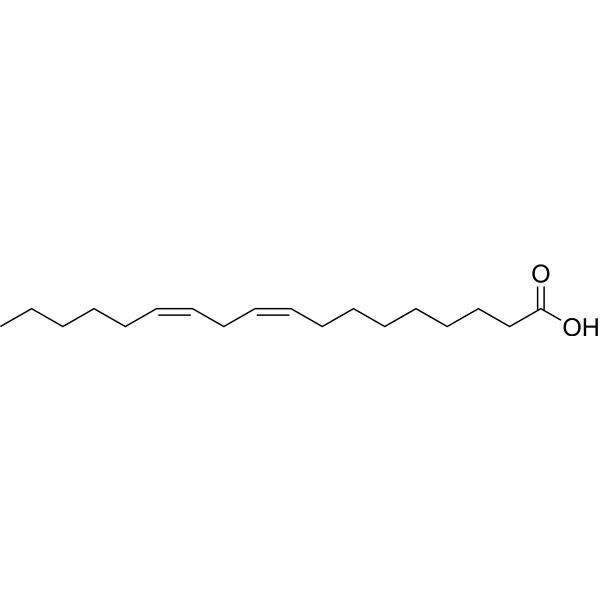
    Linoleic acid is a common polyunsaturated (PUFA) found in plant-based oils, nuts and seeds. Linoleic acid is a part of membrane phospholipids, and functions as a structural component to maintain a certain level of membrane fluidity of the transdermal water barrier of the epidermis. Linoleic acid induces red blood cells and hemoglobin damage via oxidative mechanism .
    Linoleic acid
  • HY-13813
    Blebbistatin
    Maximum Cited Publications
    42 Publications Verification

    Myosin Others
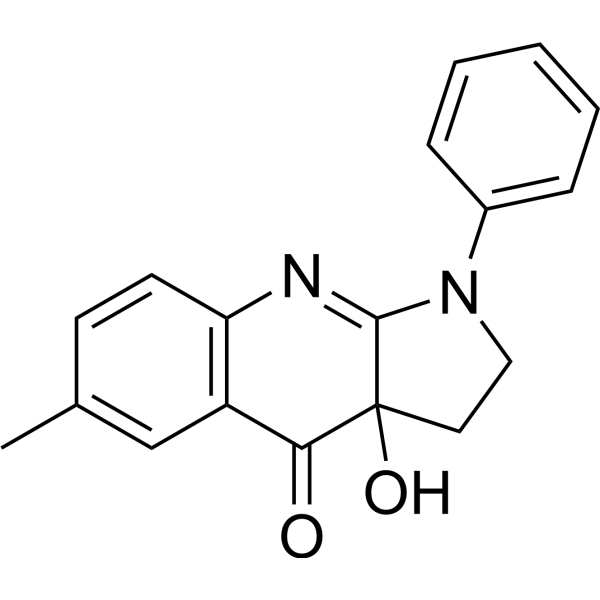
    Blebbistatin is a selective non-muscle myosin II (NMII) inhibitor, promotes directional migration of corneal endothelial cells (CECs) and accelerates wound healing, and better preserves cell junctional integrity and barrier function. Blebbistatin blocks cell migration .
    Blebbistatin
  • HY-B0315
    Vitamin B12
    3 Publications Verification

    Cyanocobalamin

    Environmental Pollutants Endogenous Metabolite Infection Neurological Disease Metabolic Disease Inflammation/Immunology Cancer
    Vitamin B12 is a vitamin that can pass through the blood-brain barrier. Vitamin B12 plays a key role in the normal functioning of the brain and nervous system, and for the formation of blood. Vitamin B12 is beneficial for many inflammatory diseases and also provides protection in oxidative-stress-associated pathologies .
    Vitamin B12
  • HY-P2764
    Apyrase
    3 Publications Verification

    NTPDase Inflammation/Immunology
    Apyrase is an Nucleoside triphosphate diphosphohydrolase (NTPDase). Apyrase can hydrolyze extracellular adenosine triphosphate (ATP) and adenosine diphosphate (ADP). Apyrase can inhibit Stx2 toxin release of enterohemorrhagic Escherichia coli (EHEC) infection and protect the intestinal barrier function. Apyrase can be used for the research of infection and inflammation, such as hemorrhagic colitis .
    Apyrase
  • HY-113354
    Anserine
    5 Publications Verification

    Endogenous Metabolite Neurological Disease
    Anserine, a methylated form of Carnosine, is an orally active, natural Histidine-containing dipeptide found in skeletal muscle of vertebrates. Anserine is not cleaved by serum carnosinase and act as biochemical buffers, chelators, antioxidants, and anti-glycation agents. Anserine has blood-brain barrier permeability, and improves memory functions in Alzheimer's disease (AD)-model mice .
    Anserine
  • HY-P1929
    Bivalirudin
    5+ Cited Publications

    Thrombin Interleukin Related RSV Infection Cardiovascular Disease Inflammation/Immunology
    Bivalirudin, a hirudin analog and anticoagulant, is a direct thrombin inhibitor. Bivalirudin inhibits thrombin-mediated fibrinogen cleavage, coagulation factor activation, and platelet activation by reversibly binding to thrombin. In addition, Bivalirudin also has certain effects of anti-virus, anti-inflammation, and vascular endothelial barrier function protection. Bivalirudin can be used for the research of thrombotic diseases and others .
    Bivalirudin
  • HY-B0030
    D-Cycloserine
    5+ Cited Publications

    iGluR Bacterial Antibiotic Infection Neurological Disease Cancer
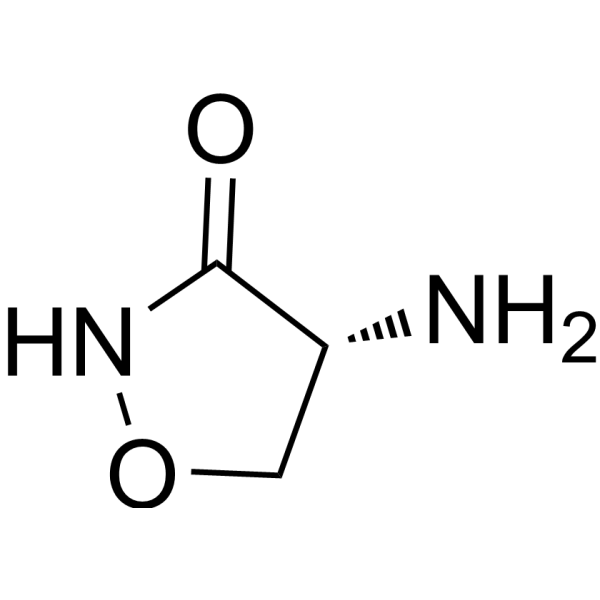
    D-Cycloserine is an antibiotic which targets sequential bacterial cell wall peptidoglycan biosynthesis enzymes, with blood-brain barrier permeability. D-Cycloserine is a partial NMDA agonist that can improve cognitive functions. D-Cycloserine can be used for multidrug-resistant tuberculosis research .
    D-Cycloserine
  • HY-N0729S2

    Endogenous Metabolite Cardiovascular Disease Metabolic Disease
    Linoleic acid- 13C18 is the 13C labeled Linoleic acid. Linoleic acid is a common polyunsaturated (PUFA) found in plant-based oils, nuts and seeds. Linoleic acid is a part of membrane phospholipids, and functions as a structural component to maintain a certain level of membrane fluidity of the transdermal water barrier of the epidermis. Linoleic acid induces red blood cells and hemoglobin damage via oxidative mechanism .
    Linoleic acid-13C18
  • HY-17623
    Tegoprazan
    2 Publications Verification

    CJ-12420; RQ-00000004

    Proton Pump Potassium Channel Na+/K+ ATPase Inflammation/Immunology
    Tegoprazan (CJ-12420), a potassium-competitive acid blocker, is a reversible, orally active and highly selective inhibitor of gastric H +/K +-ATPase. Tegoprazan inhibits gastric acid secretion and motility against porcine, canine and human H +/K +-ATPase with IC50 values ranging from 0.29-0.52 μM in vitro. Tegoprazan significantly improves colitis and enhances the intestinal epithelial barrier function in mice. Tegoprazan is promising for research of Inflammatory bowel, gastric acid-related, motilityimpaired diseases .
    Tegoprazan
  • HY-17001A
    Flupirtine
    1 Publications Verification

    D 9998

    Potassium Channel iGluR GABA Receptor Neurological Disease Inflammation/Immunology
    Flupirtine (D 9998) is an orally active, blood-brain barrier-crossing non-opioid analgesic and neuroprotective agent. Flupirtine is a neuronal potassium channel opener (Kv7 activator), a NMDA receptor antagonist and a GABA receptor activator. Flupirtine stabilizes blood-brain-barrier integrity, reduces oxidative stress and brain leukocyte infiltration, enhances angioneurogenesis, suppresses calcium influx, stabilizes neuronal resting membrane potential, and counteracts focal cerebral ischemia. Flupirtine exhibits analgesic, muscle relaxant properties, protects neurons from excitotoxic, ischemic, or cytokine-mediated death. Flupirtine functions as a non-opioid analgesic without antipyretic or antiphlogistic properties, shows no relevant affinity to opiate receptor. Flupirtine can be used for the research of focal cerebral ischemia, pain, Alzheimer’s disease, or multiple sclerosis .
    Flupirtine
  • HY-123630

    FD&C RED NO. 40; CI 16035

    Environmental Pollutants Fluorescent Dye 5-HT Receptor Interleukin Related Reactive Oxygen Species (ROS) IFNAR Inflammation/Immunology
    Allura Red AC is a food colorant, appearing as a deep red water-soluble powder or granules, used in various applications such as beverages, syrups, candies, and cereals. Allura Red AC can statically quench the intrinsic fluorescence of HSA. Additionally, Allura Red AC is a 5-hydroxytryptamine (5-HT) pathway-associated pro-inflammatory agent, capable of exacerbating experimental colitis. Allura Red AC holds potential for research in inflammatory bowel disease (IBD), intestinal barrier function, and food additive safety .
    Allura Red AC
  • HY-N2468

    1,4-β-D-Xylobiose; 1,4-D-Xylobiose

    TNF Receptor Claudin HSP Metabolic Disease Inflammation/Immunology
    Xylobiose (1,4-β-D-Xylobiose; 1,4-D-Xylobiose) is an orally active Claudin 2/CLDN2 inhibitor and HSP27 inducer. Xylobiose works by regulating intestinal barrier function and glucose and lipid metabolism-related signaling pathways. Xylobiose inhibits CLDN2 expression to reduce intestinal permeability, induces HSP27 to enhance cell protection, and regulates the miR-122a/miR-33a axis to inhibit liver lipid synthesis and improve insulin resistance. Xylobiose can strengthen intestinal barrier integrity, reduce blood sugar and blood lipid levels, and reduce oxidative stress and inflammatory response. Xylobiose can be used in the study of type 2 diabetes and metabolic syndrome .
    Xylobiose
  • HY-102020
    RG3039
    3 Publications Verification

    PF-06687859

    DNA/RNA Synthesis Neurological Disease
    RG3039 (PF-06687859) is an orally active, blood-brain barrier-permeable DcpS inhibitor with an IC50 of 4.2 nM against hDcpS. RG3039 inhibits the decapping activity of DcpS and maintains DcpS in a catalytically inactive conformation in the central nervous system and other tissues. RG3039 extends survival and improves function in spinal muscular atrophy mice. RG3039 is applicable to research related to spinal muscular atrophy .
    RG3039
  • HY-17001
    Flupirtine Maleate
    1 Publications Verification

    D 9998 Maleate

    Potassium Channel iGluR GABA Receptor Neurological Disease Inflammation/Immunology
    Flupirtine (D 9998) Maleate is an orally active, blood-brain barrier-crossing non-opioid analgesic and neuroprotective agent. Flupirtine Maleate is a neuronal potassium channel opener (Kv7 activator), a NMDA receptor antagonist and a GABA receptor activator. Flupirtine Maleate stabilizes blood-brain-barrier integrity, reduces oxidative stress and brain leukocyte infiltration, enhances angioneurogenesis, suppresses calcium influx, stabilizes neuronal resting membrane potential, and counteracts focal cerebral ischemia. Flupirtine Maleate exhibits analgesic, muscle relaxant properties, protects neurons from excitotoxic, ischemic, or cytokine-mediated death. Flupirtine Maleate functions as a non-opioid analgesic without antipyretic or antiphlogistic properties, shows no relevant affinity to opiate receptor. Flupirtine Maleate can be used for the research of focal cerebral ischemia, pain, Alzheimer’s disease, or multiple sclerosis .
    Flupirtine Maleate
  • HY-76201
    Dexrazoxane hydrochloride
    15+ Cited Publications

    ICRF-187 hydrochloride; ADR-529 hydrochloride; NSC-169780 hydrochloride

    Apoptosis Ferroptosis Cardiovascular Disease Neurological Disease Inflammation/Immunology Cancer
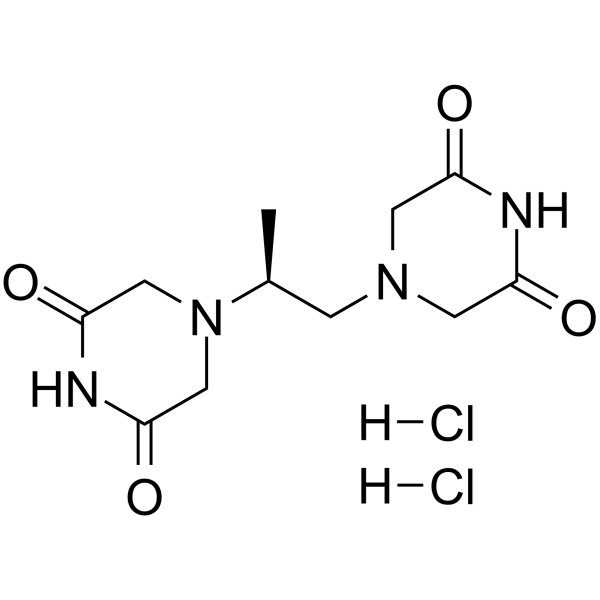
    Dexrazoxane hydrochloride (ICRF-187 hydrochloride) is a heart protectant that can help preserve ovarian function and fertility. Dexrazoxane hydrochloride has antioxidant and anti-inflammatory properties, can cross the blood-brain barrier, improves motor function disorders, and offers neuroprotective effects, making it useful in the study of neurodegenerative diseases .
    Dexrazoxane hydrochloride
  • HY-141582

    N-Stearoyl phytosphingosine

    JNK NF-κB Interleukin Related TNF Receptor Inflammation/Immunology
    Ceramide 3 (N-Stearoyl phytosphingosine) is an orally active major component of intercellular lipids in the stratum corneum of the skin, and belongs to the ceramide family. Ceramide 3 inhibits c-jun and NF-κB activation induced by Histamine (HY-B1204), and suppresses the expression of IL-4 and TNF-α. Ceramide 3 inhibits scratching behavior and vascular permeability in mice, and exhibits antihistamine effects in guinea pig ileum. Ceramide 3 improves skin barrier function, reduces transepidermal water loss, erythema and the number of circulating epidermal cells, and accelerates barrier repair of irritated or dysfunctional skin .
    Ceramide 3
  • HY-148195

    NNZ-2591

    Biochemical Assay Reagents Neurological Disease
    Ercanetide (NNZ 2591) is a synthetic analogue of a small peptide of cyclic glycine proline (cGP). Ercanetide shows orally active and cross the blood-brain barrier. Ercanetide shows neuroprotective after ischemic brain injury. NNZ 2591 improves motor function in a rat model of Parkinson's disease. Ercanetide has the potential for the research of ischemic brain injury and angelman syndrome .
    Ercanetide
  • HY-116673

    Histone Acetyltransferase Neurological Disease
    TTK21 is an activator of the histone acetyltransferases CBP/p300. TTK21 passes the blood–brain barrier, induces no toxicity, and reaches different parts of the brain when conjugated to glucose-based carbon nanosphere (CSP). TTK21 has beneficial implications for the brain functions of neurogenesis and long-term memory .CSP-TTK21 can ameliorate Aβ-impaired long-term potentiation (LTP). CSP-TTK21 may enhance the transcription of genes that promote synaptic health and cognitive function . CSP-TTK21 is orally effective and leads to improvements in motor functions, histone acetylation dynamics in a spinal injury rat model .
    TTK21
  • HY-16969
    Dihexa
    5+ Cited Publications

    PNB-0408; N-hexanoic-Try-Ile-(6)-amino hexanoic amide; Hexanoyl-Tyr-Ile-Ahx-NH2

    c-Met/HGFR Neurological Disease
    Dihexa, an oligopeptide drug, is an orally active and blood-brain barrier-permeable angiotensin IV analog. Dihexa binds to hepatocyte growth factor (HGF) with high affinity (Kd=65 pM) and potentiates its activity at its receptor, c-Met. Dihexa exhibits excellent antidementia activity and improves cognitive function in animal models. Dihexa may have therapeutic potential as a treatment Alzheimer’s disease .
    Dihexa
  • HY-W081067

    HFPO-DA

    PPAR Infection
    Perfluoro (2-methyl-3-oxahexanoic) acid (HFPO-DA) is an orally active PPARα agonist with an EC50 of 2.1 μM for human PPARα. Perfluoro (2-methyl-3-oxahexanoic) acid induces peroxisome proliferation and increases the levels of proinflammatory mediators. It impairs intestinal barrier function and disrupts cecal flora balance. Perfluoro (2-methyl-3-oxahexanoic) acid is applicable to research related to developmental toxicity, hepatotoxicity and intestinal toxicity .
    Perfluoro(2-methyl-3-oxahexanoic) acid
  • HY-N0729D

    Glutathione Peroxidase SOD Cardiovascular Disease
    Linoleic acid is a critical component of polyunsaturated fatty acids. Linoleic acid reduces GSH-PX and T-SOD activities. Linoleic acid functions as a structural component to maintain a certain level of membrane fluidity of the transdermal water barrier of the epidermis. Linoleic acid can cause acute oxidative damage to red blood cells, ultimately leading to partial acute anemia. Linoleic acid can be used in the research of skin diseases associated with linoleic acid deficiency .
    Linoleic acid,suitable for cell culture
  • HY-P99917

    F-652; rhIL-22 dimer

    STAT Infection Inflammation/Immunology
    Eflepedocokin alfa is a recombinant fusion protein. Eflepedocokin alfa consists of human IL-22 fused to human IgG2-Fc domain. Eflepedocokin alfa leads to the activation of IL-22/IL-22R-mediated signal transduction pathways as well as STAT3. Eflepedocokin alfa plays a role in immune response and bacterial infection, enhancing intestinal barrier function, intestinal immunity, and tissue repair .
    Eflepedocokin alfa
  • HY-11029

    Melanocortin Receptor Neurological Disease Metabolic Disease Cancer
    SNT-207707 is a selective, potent and orally active melanocortin MC-4 receptor antagonist with an IC50 of 8 nM (binding) and 5 nM (function) on the MC-4 receptor. SNT-207707 can cross blood-brain barrier .
    SNT-207707
  • HY-15664
    Bivalirudin TFA
    5+ Cited Publications

    Thrombin Interleukin Related RSV Infection Cardiovascular Disease Inflammation/Immunology
    Bivalirudin TFA, a hirudin analog and anticoagulant, is a direct thrombin inhibitor. Bivalirudin TFA inhibits thrombin-mediated fibrinogen cleavage, coagulation factor activation, and platelet activation by reversibly binding to thrombin. In addition, Bivalirudin TFA also has certain effects of anti-virus, anti-inflammation, and vascular endothelial barrier function protection. Bivalirudin TFA can be used for the research of thrombotic diseases and others .
    Bivalirudin TFA
  • HY-125469

    PF-04895162

    Potassium Channel Neurological Disease
    ICA-105665 (PF-04895162) is a potent and orally active neuronal Kv7.2/7.3 and Kv7.3/7.5 potassium channels opener. ICA-105665 inhibits liver mitochondrial function and bile salt export protein (BSEP) transport (IC50 of 311 μM). ICA-105665 can penetrate the blood-brain barrier and has antiseizure effects .
    ICA-105665
  • HY-160236

    Drug Metabolite Neurological Disease
    3-(3-Sulfooxyphenyl) propanoic acid is a metabolite of Echinacoside (HY-N0020). It promotes neural, psychological and brain health, enhances the proliferation, function and activity of brain cells, and facilitates extinction learning. 3-(3-Sulfooxyphenyl) propanoic acid can be used in research related to anxiety disorders, post-traumatic stress disorder, extinction learning deficits, autism, as well as neurodegenerative diseases including Parkinson's disease and Alzheimer's disease .
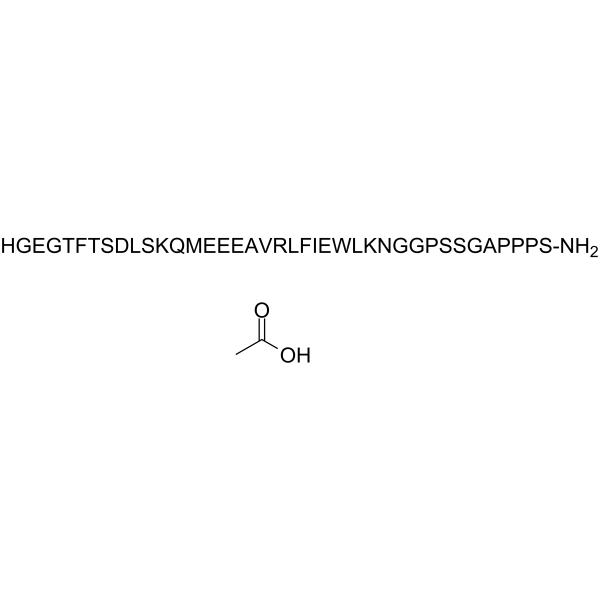
    3-(3-Sulfooxyphenyl)propanoic acid
  • HY-P991480

    Transmembrane Glycoprotein Tau Protein Amyloid-β Neurological Disease Cancer
    ONC-841 is a blood-brain barrier-permeable, humanized monoclonal antibody targeting SIGLEC10. As an immune checkpoint inhibitor, ONC-841 restores the functions of immune effector cells such as T cells and enhances anti-tumor immune responses by blocking inhibitory signals mediated by SIGLEC10. ONC-841 restores the phagocytic and migratory activities of microglia, and promotes the phagocytosis of Amyloid-β and Tau protein aggregates by microglia. ONC-841 is applicable to research related to solid tumors and Alzheimer's disease .
    ONC-841
  • HY-11030A

    Melanocortin Receptor Metabolic Disease Endocrinology Cancer
    SNT207858 free base is a selective, blood brain barrier penetrating, potent and orally active melanocortin-4 (MC-4) receptor antagonist. SNT207858 free base has an IC50 of 22 nM (binding) and 11 nM (function) on the MC-4 receptor .
    SNT-207858 free base
  • HY-16485
    Telavancin hydrochloride
    1 Publications Verification

    TD-6424 hydrochloride

    Antibiotic Bacterial Infection
    Telavancin hydrochloride is the hydrochloride form of Telavancin (HY-112959). Telavancin hydrochloride is a semisynthetic derivative of vancomycin, and exhibits antibacterial efficacy through inhibition of cell wall synthesis and disruption of cell membrane barrier function. Telavancin hydrochloride is efficient against antibiotic resistant S. aureus strains MRSA, VISA, and hVISA. Telavancin hydrochloride attenuates gram positive bacteria induced complicated skin and skin structure infections (cSSSI) .
    Telavancin hydrochloride
  • HY-P2096

    Reactive Oxygen Species (ROS) ATM/ATR MDM-2/p53 MMP Keap1-Nrf2 HSP Inflammation/Immunology
    Hexapeptide-11 is an anti-aging peptide that can protect fibroblasts from premature cell senescence mediated by oxidative stress. Hexapeptide-11 is also a potential stimulator of hyaluronic acid in keratinocytes, and can enhance skin barrier function by upregulating the expression of HAS2 and EGR3, and downregulating the expression of HYAL2. Hexapeptide-11 can also improve skin elasticity .
    Hexapeptide-11
  • HY-P990016

    ARGX-112; LEO-138559; LP-0145

    Interleukin Related Inflammation/Immunology
    Temtokibart (ARGX-112) is a monoclonal antibody and also an IL-22RA1 inhibitor. Temtokibart inhibits the signal transduction of IL-22, IL-20 and IL-24. Temtokibart reduces the expression levels of inflammatory proteins, chemokines, immune cell migration and markers of activated immune pathways. Temtokibart improves the expression of genes related to immunity and epidermal barrier function. Temtokibart is applicable to research on moderate-to-severe atopic dermatitis .
    Temtokibart
  • HY-160410

    Drug Derivative Neurological Disease Inflammation/Immunology
    Ceramide 3B is a ceramide 3 lipid class with aggregation behavior. Ceramide 3B has a variety of physiological functions and can serve as a penetration enhancer and auxiliary emulsifier, playing an important role in barrier function stability .
    Ceramide 3B
  • HY-B0315B
    Vitamin B12 hydrate
    3 Publications Verification

    Cyanocobalamin hydrate

    Endogenous Metabolite Metabolic Disease Inflammation/Immunology Cancer
    Vitamin B12 (Cyanocobalamin) hydrate is a vitamin that can pass through the blood-brain barrier. Vitamin B12 plays a key role in the normal functioning of the brain and nervous system, and for the formation of blood. Vitamin B12 hydrate is beneficial for many inflammatory diseases and also provides protection in oxidative-stress-associated pathologies .
    Vitamin B12 hydrate
  • HY-163565

    Btk Neurological Disease
    BIIB129 is a covalent, selective, small molecule inhibitor of Bruton's tyrosine kinase (BTK) capable of penetrating the blood-brain barrier. BIIB129 inhibits the activity of BTK by covalently binding to Cys481 in BTK, thereby affecting the function of B cells and myeloid cells. BIIB129 can be used in multiple sclerosis (MS) research .
    BIIB129
  • HY-N0729S

    Isotope-Labeled Compounds Endogenous Metabolite Cardiovascular Disease Metabolic Disease
    Linoleic Acid-d4 is the deuterium labeled Linoleic acid. Linoleic acid is a common polyunsaturated (PUFA) found in plant-based oils, nuts and seeds. Linoleic acid is a part of membrane phospholipids, and functions as a structural component to maintain a certain level of membrane fluidity of the transdermal water barrier of the epidermis. Linoleic acid induces red blood cells and hemoglobin damage via oxidative mechanism .
    Linoleic acid-d4
  • HY-N0729R
    Linoleic acid (Standard)
    Maximum Cited Publications
    24 Publications Verification

    Reference Standards Endogenous Metabolite Cardiovascular Disease Metabolic Disease Cancer
    Linoleic acid (Standard) is the analytical standard of Linoleic acid (HY-N0729). This product is intended for research and analytical applications. Linoleic acid is a common polyunsaturated (PUFA) found in plant-based oils, nuts and seeds. Linoleic acid is a part of membrane phospholipids, and functions as a structural component to maintain a certain level of membrane fluidity of the transdermal water barrier of the epidermis. Linoleic acid induces red blood cells and hemoglobin damage via oxidative mechanism .
    Linoleic acid (Standard)
  • HY-159509

    Claziprotamide; BBP-671

    PANK Neurological Disease Metabolic Disease
    Claziprotamidum (Claziprotamide; BBP-671) is a panthothenate kinase (PANK) activator with oral activity and blood-brain barrier permeability. Claziprotamidum binds to and activates all PANK isoforms, with the highest affinity for PANK3 (KD = 97 pM; IC50 = 1.39 nM). Claziprotamidum increases the intracellular biosynthesis of Coenzyme A (HY-128851) and restores mitochondrial function. Claziprotamidum can be used in the research of pantothenate kinase-associated neurodegeneration and propionic acidemia .
    Claziprotamidum
  • HY-Y0683A

    Biochemical Assay Reagents Infection Inflammation/Immunology
    Petrolatum (white) is mainly composed of hydrocarbons, possesses strong water resistance and moisturizing properties, and is commonly used as a pharmaceutical excipient. Petrolatum (white) penetrates into stratum corneum cells, improves skin barrier function, repairs epidermal structure, and reduces transepidermal water loss and the risk of skin damage. Petrolatum (white) induces the expression of antimicrobial peptides, innate immune genes, filaggrin and loricrin. Petrolatum (white) is used in research on atopic dermatitis and post-operative skin infections .
    Petrolatum (white)
  • HY-170522

    HIF/HIF Prolyl-Hydroxylase Inflammation/Immunology
    ISM012-042 is an orally active PHD1 and PHD2 inhibitor with IC50 values of 1.9 and 2.5 nM, respectively. ISM012-042 (2.5 μM) can protect Caco-2 cells from DSS-induced barrier disruption. In lipopolysaccharide (LPS)-induced mouse bone marrow-derived dendritic cells (BMDC), ISM012-042 has anti-inflammatory effects and can dose-dependently reduce the expression of IL-12 subunit IL-12p35 and TNF. ISM012-042 restores intestinal barrier function and alleviates intestinal inflammation in various experimental colitis models. ISM012-042 can be used for intestinal mucosal repair and research into immune diseases .
    ISM012-042
  • HY-12143

    GR 205171A

    Neurokinin Receptor Neurological Disease
    Vofopitant dihydrochloride (GR 205171A) is a blood-brain barrier-permeable NK1 receptor inhibitor with a pKi of 9.02 in mice. Vofopitant dihydrochloride blocks vomiting-related responses and inhibits pseudoptyalism. Vofopitant dihydrochloride exerts anxiolytic effects, regulates 5-HT receptor function and increases central 5-HT release. Vofopitant dihydrochloride improves hyperarousal symptoms of post-traumatic stress disorder. Vofopitant dihydrochloride can be used in research related to depression, anxiety, vomiting and postoperative nausea and vomiting .
    Vofopitant dihydrochloride
  • HY-108295

    CXB-722

    GABA Receptor Neurological Disease
    Pivagabine (CXB 722) is a hydrophobic 4-aminobutyric acid derivative with neuromodulatory activity. Pivagabine penetrates the blood-brain barrier in rats. Pivagabine antagonizes the effects of foot shock on both GABAA receptor function and corticotropin-releasing factor (CRF) concentrations in rat brain .
    Pivagabine
  • HY-W717504

    Drug Derivative
    Glucosylceramide, plant is a plant-derived glycolipid with anti-inflammatory and immunomodulatory activities. Glucosylceramide, plant plays an important role in promoting cell proliferation and repair. Glucosylceramide, plant is widely used in skin care products to enhance skin barrier function. Glucosylceramide, plant has also been studied for improving nervous system health, showing potential neuroprotective effects.
    Glucosylceramide, plant
  • HY-Y1890B

    Biochemical Assay Reagents Others
    Cremophor EL-10 is a nonionic polyoxyethylene castor oil surfactant with multiple functions including organic solubilizer, mixed zinc anode corrosion inhibitor and dendrite growth inhibitor. By forming a physical barrier to block electrolyte contact and constructing oriented hydration channels to reduce the desolvation energy barrier of Zn 2+ , Cremophor EL-10 achieves a corrosion inhibition efficiency of over 99%. Cremophor EL-10 exerts no significant effects on the mitochondrial activity and cell viability of epithelial cells, making it suitable for in vitro drug delivery and biopharmaceutical research at concentrations ≤10% v/v. However, Cremophor EL-10 may induce sustained non-endothelium-dependent contraction in rat aortic rings and exert concentration-dependent inhibitory effects on acetylcholine-induced endothelium-dependent relaxation responses .
    Cremophor EL-10
  • HY-161343

    P2Y Receptor Necroptosis Inflammation/Immunology
    HDL-16 is a potent P2Y14R antagonist with an IC50 of 0.3095 nM. HDL-16 ameliorates DSS (HY-116282C)-induced colitis through suppressing necroptosis of intestinal epithelium cells (IECs) and protecting mucosal barrier function .
    HDL-16
  • HY-N0729S4

    Isotope-Labeled Compounds Cardiovascular Disease Metabolic Disease
    Linoleic Acid-d5 is the deuterium labeled Linoleic acid. Linoleic acid is a common polyunsaturated (PUFA) found in plant-based oils, nuts and seeds. Linoleic acid is a part of membrane phospholipids, and functions as a structural component to maintain a certain level of membrane fluidity of the transdermal water barrier of the epidermis. Linoleic acid induces red blood cells and hemoglobin damage via oxidative mechanism .
    Linoleic acid-d5
  • HY-169675

    Endogenous Metabolite Neurological Disease Endocrinology
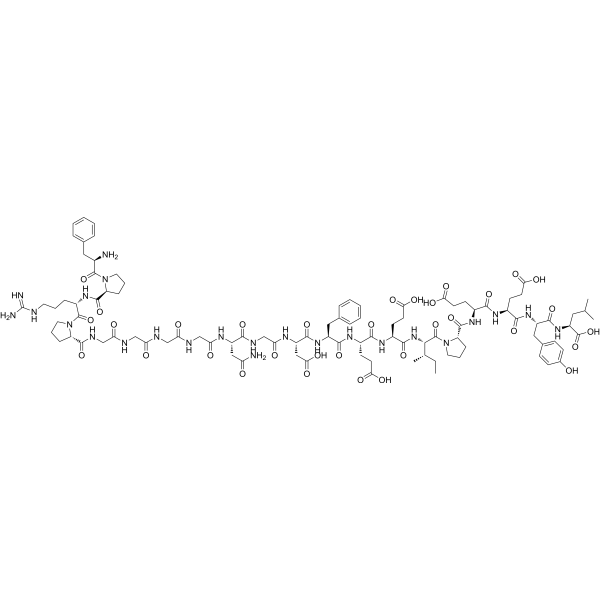
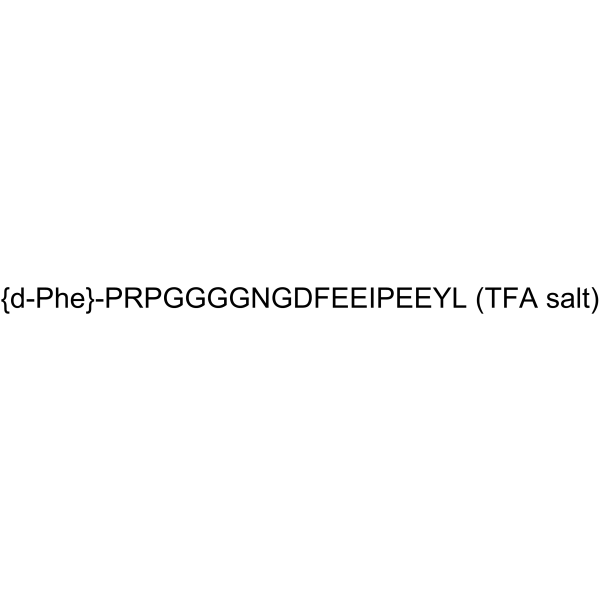
    Lacripep is a synthetic tear protein. Lacripep binds to and activates syndecan-1 (SDC1). Lacripep restores progenitor cell identity and epithelial barrier function. Lacripep resolves dry eye .
    Lacripep
  • HY-N0729S3

    Endogenous Metabolite Cardiovascular Disease Metabolic Disease
    Linoleic acid- 13C1 is the 13C labeled Linoleic acid. Linoleic acid is a common polyunsaturated (PUFA) found in plant-based oils, nuts and seeds. Linoleic acid is a part of membrane phospholipids, and functions as a structural component to maintain a certain level of membrane fluidity of the transdermal water barrier of the epidermis. Linoleic acid induces red blood cells and hemoglobin damage via oxidative mechanism .
    Linoleic acid-13C1
  • HY-141582S

    N-Stearoyl phytosphingosine-d3

    Isotope-Labeled Compounds Interleukin Related TNF Receptor NF-κB JNK Inflammation/Immunology
    Ceramide 3-d3 (N-Stearoyl phytosphingosine-d3) is deuterium labeled Ceramide 3. Ceramide 3 is an orally active major component of intercellular lipids in the stratum corneum of the skin, and belongs to the ceramide family. Ceramide 3 inhibits c-jun and NF-κB activation induced by Histamine (HY-B1204), and suppresses the expression of IL-4 and TNF-α. Ceramide 3 inhibits scratching behavior and vascular permeability in mice, and exhibits antihistamine effects in guinea pig ileum. Ceramide 3 improves skin barrier function, reduces transepidermal water loss, erythema and the number of circulating epidermal cells, and accelerates barrier repair of irritated or dysfunctional skin.
    Ceramide 3-d3
  • HY-12142

    GR 205171

    Neurokinin Receptor Neurological Disease
    Vofopitant (GR 205171A) is a blood-brain barrier-permeable NK1 receptor inhibitor with a pKi of 9.02 in mice. Vofopitant blocks vomiting-related responses and inhibits pseudoptyalism. Vofopitant exerts anxiolytic effects, regulates 5-HT receptor function and increases central 5-HT release. Vofopitant improves hyperarousal symptoms of post-traumatic stress disorder. Vofopitant can be used in research related to depression, anxiety, vomiting and postoperative nausea and vomiting .
    Vofopitant
  • HY-N0887
    Isoastragaloside I
    2 Publications Verification

    Isoastragaloside-I

    Akt NF-κB p38 MAPK PI3K FXR Keap1-Nrf2 NO Synthase COX Interleukin Related Integrin TGF-β Receptor Reactive Oxygen Species (ROS) Neurological Disease Metabolic Disease Inflammation/Immunology
    Isoastragaloside I is a natural compound found in Astragalus membranaceus, with oral activity and multiple biological activities such as anti-inflammatory and antioxidant properties. Isoastragaloside I inhibits Akt, NF-κB, MAPKs and PI3K, enhances the activity of hepatic FXR, regulates the TGF-β/Smads signaling pathway, and upregulates antioxidant molecules downstream of Nrf2. Isoastragaloside I inhibits the expression of NO, TNF-α, iNOS, COX-2, IL-1β and VCAM-1, and reduces intracellular ROS levels. Isoastragaloside I attenuates blood-brain barrier disruption, restores intestinal barrier function, increases β-cell mass, improves glucose homeostasis, and elevates circulating adiponectin levels. Isoastragaloside I can be used for the study of neuroinflammation-related neurodegenerative diseases, cholestatic liver disease, and diabetes .
    Isoastragaloside I

Inquiry Online

Your information is safe with us. * Required Fields.

Salutation


Country or Region *

Applicant Name *


Organization Name *

Department *


Email Address *


Product Name *

Cat. No.


Requested quantity *

Phone Number *


Remarks

Inquiry Online

Inquiry Information

Product Name:
Cat. No.:
Quantity:
MCE Japan Authorized Agent:

