1. Search Result
Search Result
Results for "

biogenesis

" in MedChemExpress (MCE) Product Catalog:

97

Inhibitors & Agonists

3

Biochemical Assay Reagents

11

Peptides

16

Natural
Products

4

Recombinant Proteins

11

Isotope-Labeled Compounds

1

Click Chemistry

3

Oligonucleotides

Cat. No. Product Name Target Research Areas Chemical Structure
  • HY-19363
    GW4869
    Maximum Cited Publications
    245 Publications Verification

    Exosomes Phospholipase Cardiovascular Disease Inflammation/Immunology
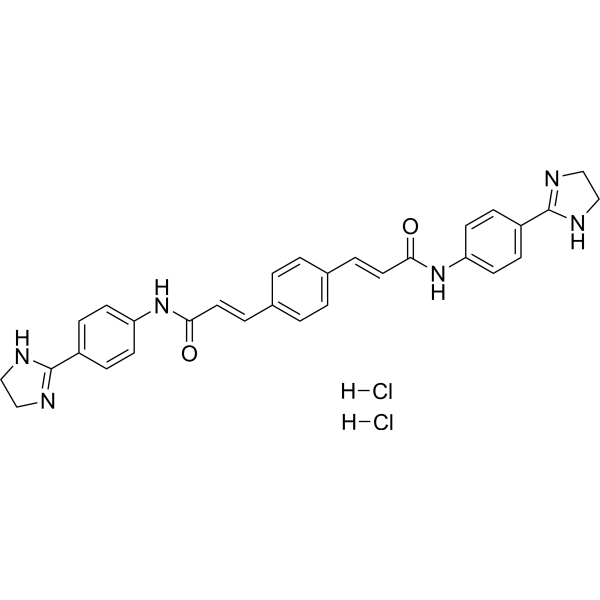
    GW4869 is a noncompetitive neutral sphingomyelinase (N-SMase) inhibitor with an IC50 of 1 μM. GW4869 is an inhibitor of exosome biogenesis/release .
    GW4869
  • HY-D0857
    HEPES
    5+ Cited Publications

    Biochemical Assay Reagents Others
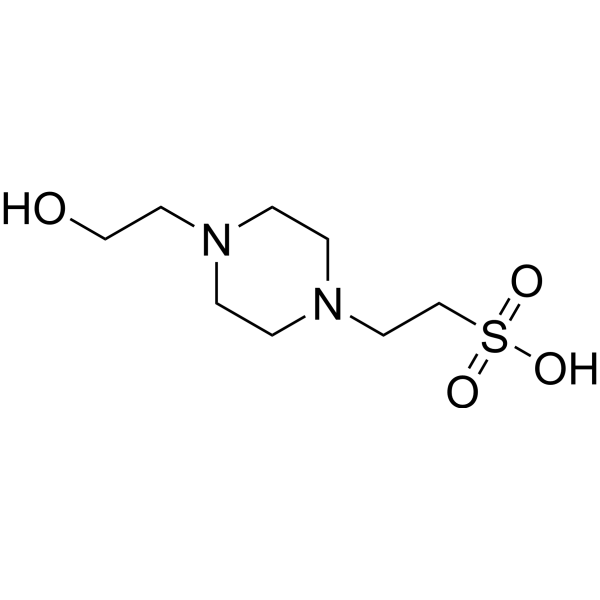
    HEPES, a nonvolatile zwitterionic chemical buffering agent, is broadly applied in cell culture. HEPES is effective at pH 6.8 to 8.2. HEPES is also a potent inducer of lysosome biogenesis .
    HEPES
  • HY-B1142
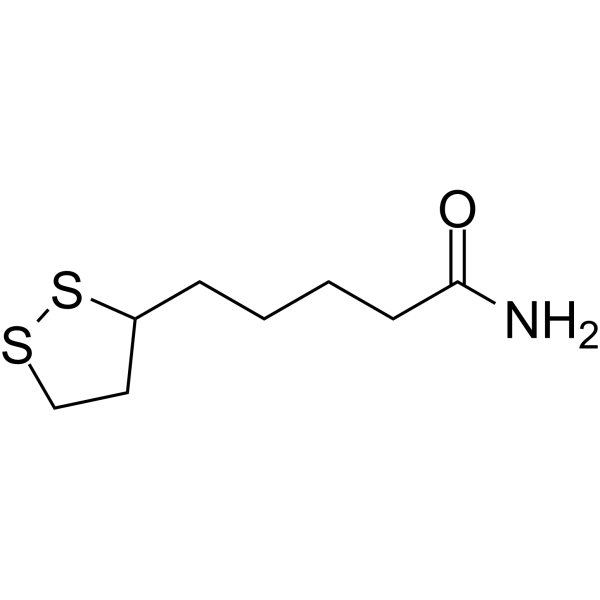
    Lipoamide
    Maximum Cited Publications
    9 Publications Verification

    (±)-α-Lipoamide; DL-Lipoamide; DL-6,8-Thioctamide

    NO Synthase Others
    Lipoamide ((±)-α-Lipoamide) is a monocarboxylic acid derivative of a neutral amide, formed by the condensation of the carboxyl group of lipoic acid and ammonia. Lipoamide protects against oxidative stress-mediated neuronal cell damage and also acts as a coenzyme to transfer acetyl groups and hydrogen during pyruvate deacylation. Lipoamide also stimulates mitochondrial biogenesis in adipocytes through the endothelial NO synthase-cGMP-protein kinase G signaling pathway .
    Lipoamide
  • HY-112163
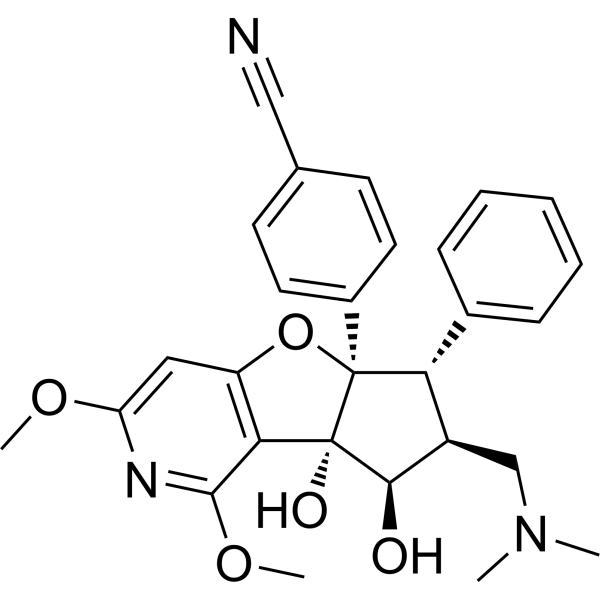
    Zotatifin
    5+ Cited Publications

    eFT226

    Eukaryotic Initiation Factor (eIF) SARS-CoV Apoptosis Infection Cancer
    Zotatifin (eFT226) is a potent, selective, and well-tolerated eIF4A inhibitor. Zotatifin promotes eIF4A binding to specific mRNA sequences with recognition motifs in the 5’-UTRs (IC50=2 nM) and interferes with the assembly of the eIF4F initiation complex . Zotatifin shows robust antiviral effects, it effectively reduces viral infectivity by inhibiting SARS-CoV-2 NP protein biogenesis (IC90=37 nM) . Zotatifin induces cell apoptosis .
    Zotatifin
  • HY-108535
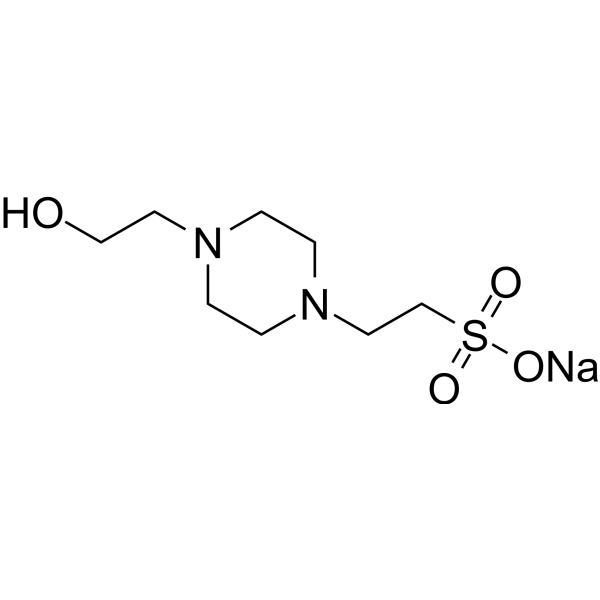
    HEPES sodium
    5+ Cited Publications

    Biochemical Assay Reagents Others
    HEPES sodium, a nonvolatile zwitterionic chemical buffering agent, is broadly applied in cell culture. HEPES sodium is effective at pH 6.8 to 8.2. HEPES sodium is also a potent inducer of lysosome biogenesis .
    HEPES sodium
  • HY-100506
    GLPG0187
    15+ Cited Publications

    Integrin Cancer
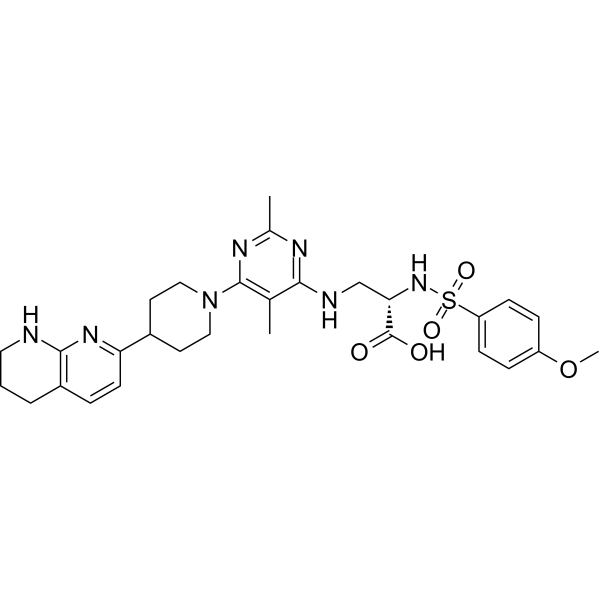
    GLPG0187 is a broad spectrum integrin receptor antagonist with antitumor activity; inhibits αvβ1-integrin with an IC50 of 1.3 nM . GLPG0187 inhibits migrasome biogenesis without cytotoxicity .
    GLPG0187
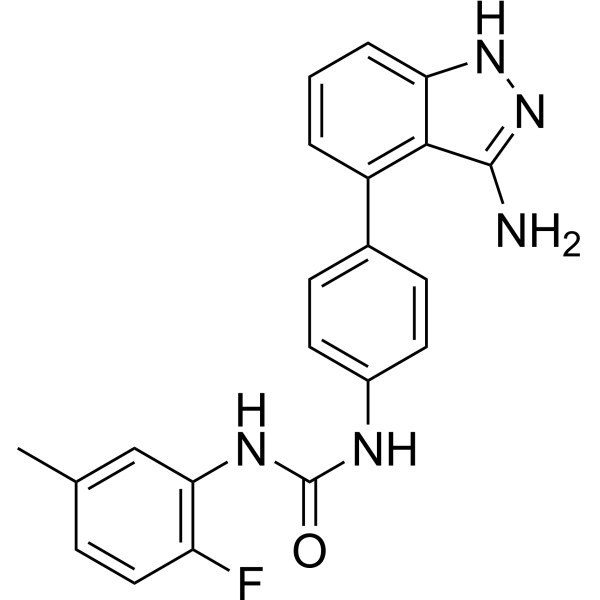
  • HY-50751
    Linifanib
    5 Publications Verification

    ABT-869; AL-39324

    PDGFR VEGFR FLT3 c-Fms c-Kit Autophagy Apoptosis Cancer
    Linifanib (ABT-869) is a potent and orally active multi-target inhibitor of VEGFR and PDGFR family with IC50s of 4, 3, 66, and 4 nM for KDR, FLT1, PDGFRβ, and FLT3, respectively. Linifanib shows prominent antitumor activity. Linifanib has much less activity against unrelated RTKs, soluble tyrosine kinases, or serine/threonine kinases. Linifanib is a specific miR-10b inhibitor that blocks miR-10b biogenesis .
    Linifanib
  • HY-N6796
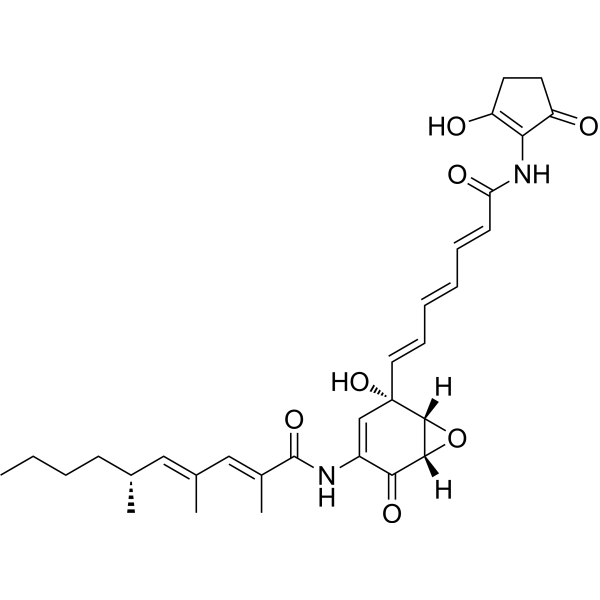
    Manumycin A
    2 Publications Verification

    Antibiotic Exosomes Farnesyl Transferase Ras Apoptosis Phospholipase TNF Receptor Atg8/LC3 Infection Inflammation/Immunology Cancer
    Manumycin A is a polyketide antibiotic and an inhibitor of thioredoxin reductase 1 (TrxR-1). Manumycin A can inhibit the growth of breast cancer cells and exert its anti-tumor activity through LC3. Manumycin A can downregulate the release of pro-inflammatory cytokines in human monocytes stimulated by TNF α, and has potential anti-inflammatory activity. Manumycin A can inhibit the Ras/Raf/ERK1/2 signaling and hnRNP H1 in castration resistant prostate cancer cells to suppress exosome biogenesis and secretion .
    Manumycin A
  • HY-P2048
    MOTS-c (human)
    1 Publications Verification

    Apoptosis GLUT AMPK Neurological Disease Metabolic Disease Inflammation/Immunology Endocrinology
    MOTS-c (human) is a blood-brain barrier-penetrating, mitochondrial-derived peptide that modulates the AMPK/PGC-1α pathway to enhance insulin sensitivity. MOTS-c (human) inhibits the folate cycle and de novo purine synthesis, increases AICAR levels to activate AMPK, and then regulates the Nrf2/Keap1 antioxidant pathway and inhibits the NF-κB inflammatory pathway, while promoting mitochondrial biogenesis and energy metabolism. MOTS-c (human) has the effects of improving glucose and lipid metabolism, anti-oxidative stress, anti-inflammatory and neuroprotection, and can be used in the study of type 2 diabetes, traumatic brain injury, inflammatory diseases and aging-related metabolic disorders .
    MOTS-c (human)
  • HY-175747

    AMPK Cardiovascular Disease
    PF-07293893 is an AMPKγ3 activator. PF-07293893 increases glycogen content, improves lipid oxidation, enhances mitochondrial biogenesis and promotes vascular repair. PF-07293893 is applicable to research related to heart failure .
    PF-07293893
  • HY-P6306
    CS-6253
    1 Publications Verification

    Apolipoprotein Amyloid-β Neurological Disease Metabolic Disease
    CS-6253 is an agonist of ABCA1. CS-6253 can regulate lipoprotein metabolism, promote high-density lipoprotein biogenesis, and cellular cholesterol efflux. CS-6253 also has certain neuroprotective effects and can clear from the brain. CS-6253 can be used for research on cholesterol metabolism and diseases such as Alzheimer’s disease .
    CS-6253
  • HY-D0857S
    HEPES-d18
    1 Publications Verification

    Isotope-Labeled Compounds Others
    HEPES-d18 is the deuterium labeled HEPES . HEPES, a nonvolatile zwitterionic chemical buffering agent, is broadly applied in cell culture. HEPES is effective at pH 6.8 to 8.2. HEPES is also a potent inducer of lysosome biogenesis .
    HEPES-d18
  • HY-N0866
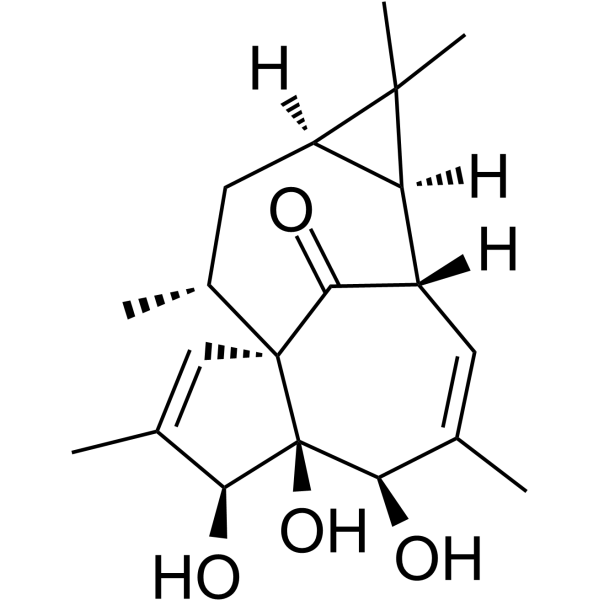
    20-Deoxyingenol
    5 Publications Verification

    Autophagy Inflammation/Immunology
    20-Deoxyingenol, a diterpene, is isolated from the roots of Euphorbia kansui. 20-Deoxyingenol can promote autophagy and lysosomal biogenesis by promoting the nuclear translocation of transcription factor EB (TFEB) in vitro. 20-Deoxyingenol can be used for the research of osteoarthritis (OA) .
    20-Deoxyingenol
  • HY-B1151

    BAY-e 6975

    Environmental Pollutants Fungal Infection
    Climbazole (BAY-e 6975) is a potent antifungal agent. Climbazole also is a potent inducer of rat hepatic cytochrome P450 .
    Climbazole
  • HY-N0914
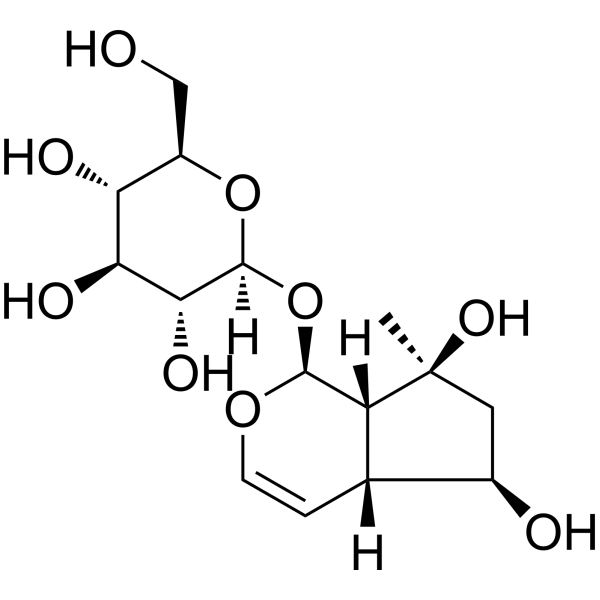
    Ajugol
    3 Publications Verification

    Parasite Autophagy Interleukin Related Reactive Oxygen Species (ROS) mTOR Infection Cardiovascular Disease Metabolic Disease Inflammation/Immunology
    Ajugol is an orally active iridoid glycoside found in the traditional Chinese medicine Leonurus japonicus. Ajugol is an autophagy activator. Ajugol activates TFEB-mediated autophagy and lysosomal biogenesis. Ajugol also has anti-inflammatory effects. Ajugol has great potential in the research of asthma, non-alcoholic fatty liver disease (NAFLD), and osteoarthritis .
    Ajugol
  • HY-174216

    DNA/RNA Synthesis Oxidative Phosphorylation Mitochondrial Metabolism Neurological Disease Metabolic Disease
    PZL-A is a activator of mitochondrial DNA (mtDNA) synthesis. PZL-A restores wild-type-like activity to mutant forms of polymerase γ (POLγ) with AC50 s of 160 and 20 nM for A467T and G848S. PZL-A activates mtDNA synthesis in cells, enhancing biogenesis of the oxidative phosphorylation machinery and cellular respiration. PZL-A is promising for relieving POLG disease and other severe conditions linked to depletion of mtDNA .
    PZL-A
  • HY-128200
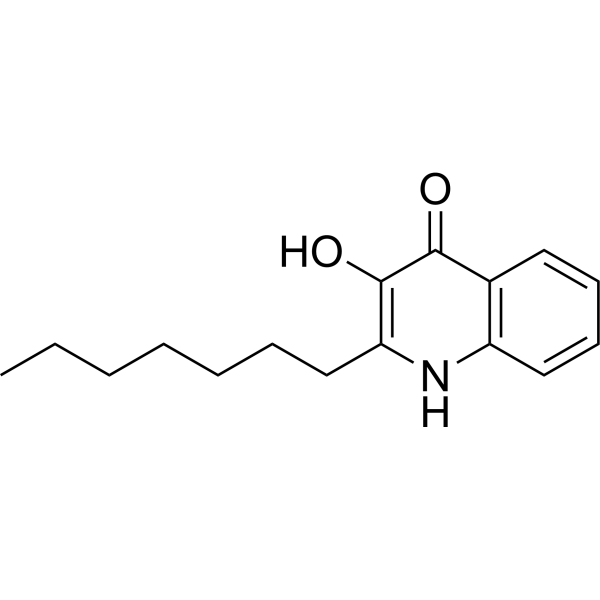
    Pseudomonas quinolone signal
    2 Publications Verification

    PQS

    Bacterial Infection Inflammation/Immunology
    Pseudomonas quinolone signal (PQS) is a quorum-sensing signaling molecule produced by Pseudomonas aeruginosa. The synthesis of Pseudomonas quinolone signal relies on the las quorum-sensing system, and its biological activity is associated with the rhl system. Pseudomonas quinolone signal regulates the expression of the virulence gene lasB. Additionally, Pseudomonas quinolone signal plays roles in iron acquisition, cytotoxicity, outer-membrane vesicle biogenesis, and host immune modulation .
    Pseudomonas quinolone signal
  • HY-172737

    Polo-like Kinase (PLK) Cancer
    RP-1664 is a selective and orally active PLK4 inhibitor with an IC50 of 3 nM. RP-1664 demonstrates exquisite selectivity over related kinases, including AURKA/B and PLK1. RP-1664 disrupts centriole biogenesis in cancer cells and leads an accumulation of PLK4 and p21 protein. RP-1664 demonstrates increased sensitivity in TRIM37-high-expressing cells or tumors. RP-1664 exhibits anti-tumor activity in breast cancer and neuroblastoma research [1][2].
    RP-1664
  • HY-W008923
    Doxycycline monohydrate
    170+ Cited Publications

    MMP Parasite Bacterial Antibiotic Apoptosis Akt PI3K Infection Neurological Disease Inflammation/Immunology Cancer
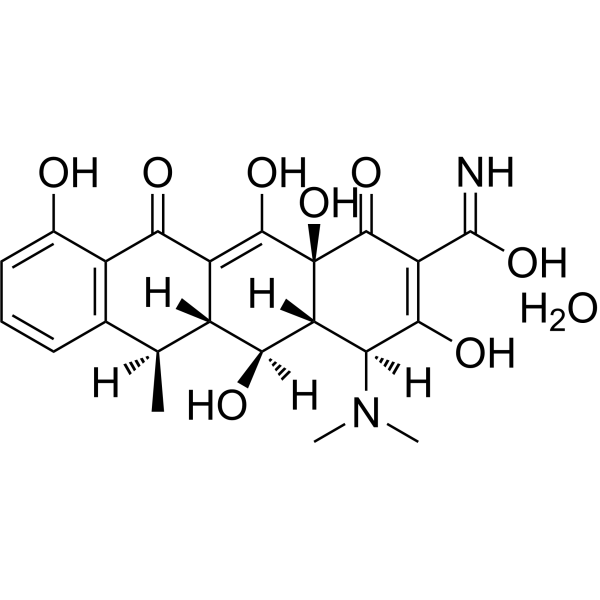
    Doxycycline monohydrate is an orally active highly lipophilic, tissue-permeable MMP inhibitor with broad-spectrum antibacterial activity. Doxycycline monohydrate is also a semi-synthetic antibiotic with chelating properties, which blocks bacterial protein synthesis and inhibits extracellular matrix degradation through interactions with zinc and calcium atoms. Doxycycline monohydrate also inhibits mitochondrial biogenesis, translation, and the expression of respiratory chain proteins. Doxycycline monohydrate induces apoptosis, inhibits autophagy and EMT, downregulates stem cell markers, and activates the PI3K-AKT pathway, thereby effectively inhibiting the viability and proliferation of cancer cells such as breast cancer cells. Doxycycline monohydrate also promotes the survival and self-renewal of embryonic stem cells and neural stem cells, and reduces the frequency of medium changes in culture. Doxycycline monohydrate has been applied in studies related to breast cancer, prostate cancer, bladder cancer, and other cancers .
    Doxycycline monohydrate
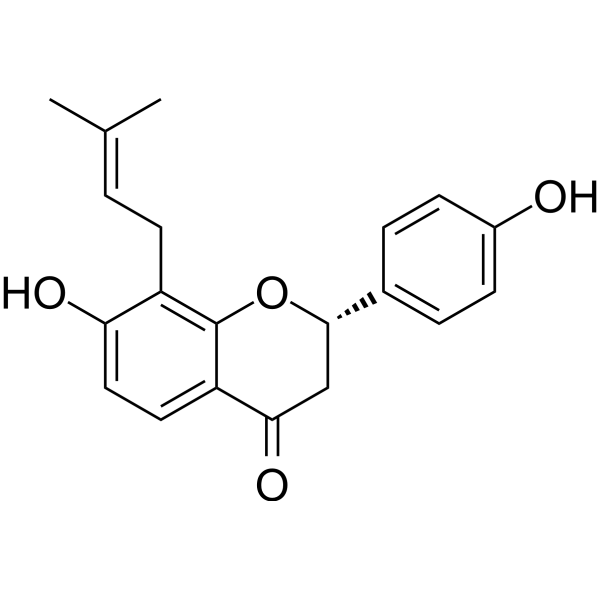
  • HY-N0762
    Isobavachin
    5 Publications Verification

    Cytochrome P450 UGT p38 MAPK NF-κB NO Synthase COX Fc Receptor (FcR) RANKL/RANK Keap1-Nrf2 Reactive Oxygen Species (ROS) Apoptosis Autophagy Neurological Disease Metabolic Disease Inflammation/Immunology Cancer
    Isobavachin is an orally active, blood-brain barrier-penetrating prenylated flavonoid present in Psoralea corylifolia. Isobavachin inhibits human CYP2B6, CYP2C9, CYP2C19, UGT1A1, UGT1A9, and UGT2B7. Isobavachin suppresses MAPK activation, NF-κB nuclear translocation, overexpression of iNOS/COX-2, FcεRI-mediated signaling pathways, and RANKL-induced osteoclastogenesis. Isobavachin induces autophagy, cytotoxicity, neuronal differentiation, and NRF2 activation; it alleviates oxidative damage, inflammatory responses, apoptosis, iron accumulation, mitochondrial biogenesis, and mast cell degranulation. Isobavachin is applicable to research related to liver injury, inflammatory diseases, osteoporosis, liver cancer, prostate cancer, glioma, periodontitis-induced bone loss, and Alzheimer's disease .
    Isobavachin
  • HY-156483
    TT-012
    2 Publications Verification

    Microphthalmia Associated Transcription Factor (MITF) Cancer
    TT-012 is a MITF inhibitor with a human MITF IC50 of 13.1 nM and a human MITF Kd value of 15.5 nM. TT-012 reduces mRNA levels of MITF downstream genes linked to melanosome biogenesis, cell survival, and proliferation, and upregulates cell cycle-inhibiting genes. TT-012 can be used for the research of melanoma[1][2][3].
    TT-012
  • HY-100816
    Rbin-1
    3 Publications Verification

    Ribozinoindole-1

    Phosphatase Metabolic Disease
    Rbin-1 is a potent, reversible, and specific chemical inhibitor of eukaryotic ribosome biogenesis. Rbin-1 inhibits the ATPase with GI50 of 136 nM. Rbin-1 is a potent and selective chemical inhibitor of Midasin (Mdn1).
    Rbin-1
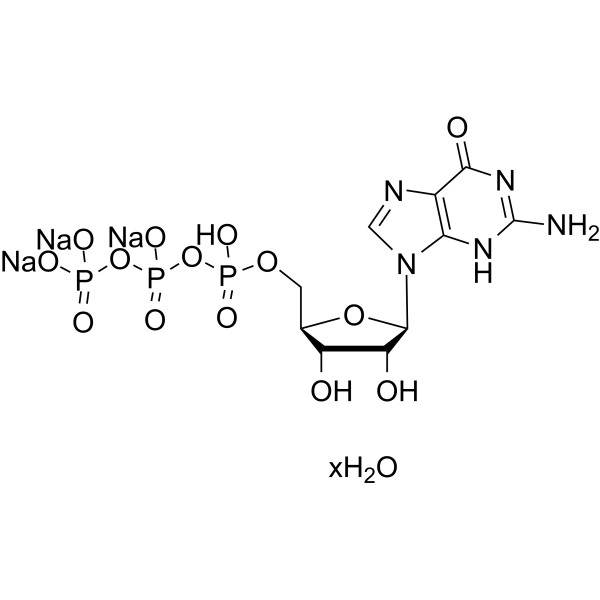
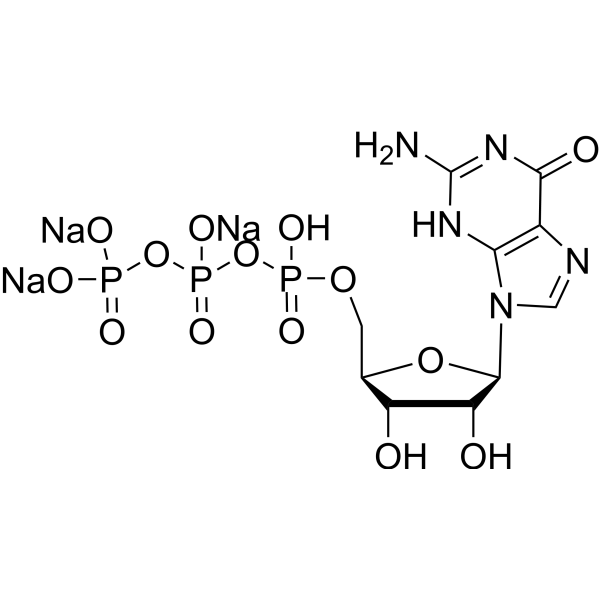
  • HY-113225

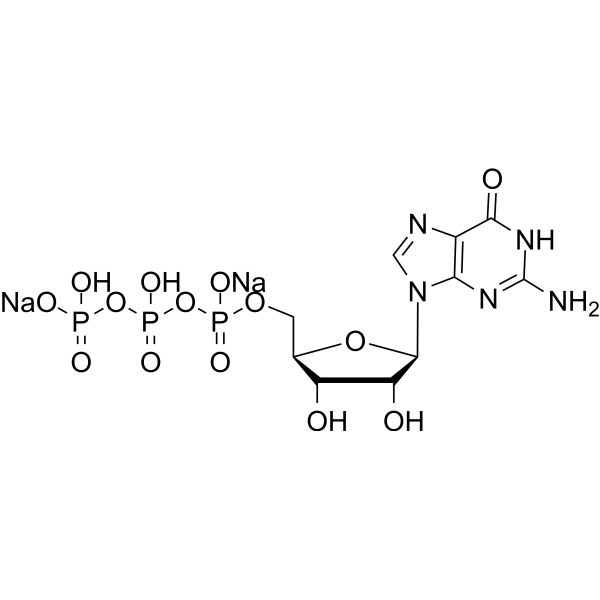
    GTP

    Endogenous Metabolite DNA/RNA Synthesis Apoptosis Mitosis Cancer
    Guanosine triphosphate (GTP) is a critical nucleotide and regulator of cellular metabolism. Guanosine triphosphate promotes ribosomal DNA localization, pre-rRNA transcription and ribosome biogenesis by binding to RNA polymerase I and GPN proteins (GPN1/3). Guanosine triphosphate links MYC-dependent ribosome biogenesis to nucleotide sufficiency, acts as a metabolic gatekeeper supporting protein synthesis, DNA/RNA synthesis and cellular signal transduction, while also participating in the physiological activities of pancreatic β-cells and serving as an oxidative substrate for reactive oxygen species. In small cell lung cancer with high MYC expression, Guanosine triphosphate accumulates through the IMPDH-driven synthetic pathway, thereby affecting apoptosis and mitotic processes. Guanosine triphosphate is used in the research of small cell lung cancer, hepatoblastoma and cellular metabolism .
    Guanosine triphosphate
  • HY-113489

    14,15-EET

    Endogenous Metabolite Cardiovascular Disease Neurological Disease
    14,15-Epoxyeicosatrienoic acid (14,15-EET) is a metabolite of Arachidonic acid (HY-109590). 14,15-Epoxyeicosatrienoic acid is a potent inhibitor of in vivo platelet aggregation. 14,15-Epoxyeicosatrienoic acid facilitates astrocytic Aβ clearance. 14,15-Epoxyeicosatrienoic acid can be used for Alzheimer's Disease research .
    14,15-Epoxyeicosatrienoic acid
  • HY-B0268A
    Enoxacin hydrate
    2 Publications Verification

    Enoxacin sesquihydrate; AT-2266 hydrate; CI-919 hydrate

    Bacterial DNA/RNA Synthesis MicroRNA Antibiotic Infection Cancer
    Enoxacin hydrate (Enoxacin sesquihydrate), a fluoroquinolone, interferes with DNA replication and inhibits bacterial DNA gyrase (IC50=126 µg/ml) and topoisomerase IV (IC50=26.5 µg/ml). Enoxacin hydrate is a miRNA processing activator and enhances siRNA-mediated mRNA degradation and promotes the biogenesis of endogenous miRNAs. Enoxacin hydrate has potent activities against gram-positive and -negative bacteria. Enoxacin hydrate is a cancer-specific growth inhibitor that acts by enhancing TAR RNA-binding protein 2 (TRBP)-mediated microRNA processing .
    Enoxacin hydrate
  • HY-B0268
    Enoxacin
    2 Publications Verification

    AT 2266; CI 919

    Bacterial DNA/RNA Synthesis MicroRNA Antibiotic Infection Cancer
    Enoxacin (AT 2266), a fluoroquinolone, interferes with DNA replication and inhibits bacterial DNA gyrase (IC50=126 µg/ml) and topoisomerase IV (IC50=26.5 µg/ml). Enoxacin is a miRNA processing activator and enhances siRNA-mediated mRNA degradation and promotes the biogenesis of endogenous miRNAs. Enoxacin has potent activities against gram-positive and -negative bacteria. Enoxacin is a cancer-specific growth inhibitor that acts by enhancing TAR RNA-binding protein 2 (TRBP)-mediated microRNA processing .
    Enoxacin
  • HY-N1677

    Akt mTOR Bacterial Fungal AMPK Infection Metabolic Disease Inflammation/Immunology Cancer
    2,6-Dimethoxy-1,4-benzoquinone is a 1,4-benzoquinone derivative. 2,6-Dimethoxy-1,4-benzoquinone promotes phosphorylation of AKT, S6K, mTOR, 4E-BP1, and AMPK, and attenuates mTORC1 activity as part of the AKT/mTOR pathway. 2,6-Dimethoxy-1,4-benzoquinone stimulates myoblast differentiation, increases myotube size, elevates MHC protein expression, enhances mitochondrial biogenesis, respiration, and DNA content, and increases skeletal muscle weights, fiber size, grip strength, and treadmill performance. 2,6-Dimethoxy-1,4-benzoquinone exerts anti-cancer, anti-inflammatory, anti-adipogenic, antibacterial, and antimutagenic effects, inhibits adipogenic transcription factors, nitric oxide production, skin tumor development, Magnaporthe oryzae growth, spore germination, appressorium formation, and growth of select bacterial species, induces H2O2 generation and rice defense gene expression, and reduces rice blast lesion formation. 2,6-Dimethoxy-1,4-benzoquinone can be used for the research of obesity, skin tumorigenesis, rice blast disease, and food-borne illness .
    2,6-Dimethoxy-1,4-benzoquinone
  • HY-134377

    ASP0367; MA-0211

    PPAR Metabolic Disease
    Bocidelpar (ASP0367; MA-0211) is a selective, orally active PPARδ modulator. Bocidelpar activates the PPARδ downstream signaling pathway, upregulates the expression of target genes such as ABCA1 and ACAA2. Bocidelpar then promotes fatty acid oxidation (FAO) and mitochondrial biogenesis, and improves mitochondrial dysfunction. Bocidelpar can improve mitochondrial biogenesis and function in muscle cells. Bocidelpar is mainly used in the study of mitochondrial dysfunction diseases such as primary mitochondrial myopathy (PMM) and Duchenne muscular dystrophy (DMD) .
    Bocidelpar
  • HY-P5763

    PNX-20

    Epigenetic Reader Domain PGC-1α Neurological Disease
    Phoenixin-20 (PNX-20) is a bioactive peptide with hormone-like actions in vertebrates, and can stimulates hypothalamo-pituitary-gonadal hormones and regulate reproductive processes in mammals. Phoenixin-20 promotes neuronal mitochondrial biogenesis via CREB-PGC-1α pathway. Phoenixin-20 has anxiolytic effect .
    Phoenixin-20
  • HY-112062

    DNA/RNA Synthesis Cancer
    POL1-IN-1 is a RNA polymerase 1 (POL1, also known as Pol I) inhibitor with an IC50 of less than 0.5 uM. POL1-IN-1 inhibits ribosome biogenesis by inhibiting POL1 transcription .
    POL1-IN-1
  • HY-P10409

    Small humanin-like peptide 2

    Apoptosis Reactive Oxygen Species (ROS) Neurological Disease Metabolic Disease
    SHLP2 (Small humanin-like peptide 2) is a small molecule peptide encoded by mitochondrial DNA, belonging to mitochondria derived peptide. SHLP2 has the activity of regulating apoptosis and inhibits cell death. SHLP2 binds to mitochondrial complex 1. SHLP2 improves mitochondrial metabolism by increasing respiration and biogenesis, reducing ROS, and decreasing mtDNA oxidation. SHLP2 also regulated energy homeostasis through the activation of hypothalamic neurons. SHLP2 can be used in the study of diseases related to mitochondrial dysfunction and anti-aging diseases, such as age-related macular degeneration and Parkinson’s disease .
    SHLP2
  • HY-116716
    PIN1 inhibitor API-1
    1 Publications Verification

    MicroRNA Cancer
    PIN1 inhibitor API-1 is a specific Pin1 (peptidyl-prolyl cis-trans isomerase NIMA-interacting 1) inhibitor (API-1) with an IC50 of 72.3 nM. PIN1 inhibitor API-1 directly and specifically binds to the Pin1 peptidyl-prolyl isomerase (PPIase) domain and potently inhibits Pin1 cis-trans isomerizing activity. PIN1 inhibitor API-1 retains the active conformation of pXPO5 and restores the ability of pXPO5 to transport pre-miRNAs from nucleus to cytoplasm, thus up-regulating the anticancer miRNA biogenesis to suppress both in vitro and in vivo hepatocellular carcinoma development .
    PIN1 inhibitor API-1
  • HY-172199

    ClpP Cancer
    THX6 is an hClpP activator with an EC50 of 1.18 μM. THX6 improves off-target profile with no affinity for hD2R and only weak affinity for hD3R (Ki = 51.1 µM) in HEK293 cells. THX6 shows good cytotoxicity in ONC201-resistant cells with an IC50 of 0.13 μM. THX6 changes the levels of fatty acids (PUFAs, MUFAs, and SFAs) in DIPG cells. THX6 decreases the level of proteins involved in oxidative phosphorylation, biogenesis, and mitophagy proteins, thereby resulting in a global collapse of mitochondrial integrity and function. THX6 can be used for diffuse intrinsic pontine glioma research .
    THX6
  • HY-P2048A
    MOTS-c(human) acetate
    1 Publications Verification

    AMPK GLUT Neurological Disease Metabolic Disease Inflammation/Immunology Endocrinology
    MOTS-c (human) acetate is a blood-brain barrier-penetrating, mitochondrial-derived peptide that modulates the AMPK/PGC-1α pathway to enhance insulin sensitivity. MOTS-c (human) acetate inhibits the folate cycle and de novo purine synthesis, increases AICAR levels to activate AMPK, and then regulates the Nrf2/Keap1 antioxidant pathway and inhibits the NF-κB inflammatory pathway, while promoting mitochondrial biogenesis and energy metabolism. MOTS-c (human) acetate has the effects of improving glucose and lipid metabolism, anti-oxidative stress, anti-inflammatory and neuroprotection, and can be used in the study of type 2 diabetes, traumatic brain injury, inflammatory diseases and aging-related metabolic disorders .
    MOTS-c(human) acetate
  • HY-161746

    AUTOTACs Autophagy Neurological Disease
    Anle138b-F105 is an autophagy-targeting chimera (AUTOTAC) that targets p62/Sequestosome-1/SQSTM1. Anle138b-F105 binds to the ZZ domain of p62, induces conformational activation, self-oligomerization, interaction with LC3, and formation of autophagosomes. Anle138b-F105 induces autophagic flux of ubiquitin-conjugated aggregated proteins, leading to their lysosomal degradation. Anle138b-F105 is applicable for the research of neurodegenerative proteinopathies .
    Anle138b-F105
  • HY-N0565S1

    Isotope-Labeled Compounds MMP Parasite Bacterial Antibiotic Apoptosis Akt PI3K Infection Neurological Disease Inflammation/Immunology Cancer
    Doxycycline-d3 hyclate (major) is the deuterium labeled Doxycycline hyclate (HY-N0565B). Doxycycline hyclate is an orally active highly lipophilic, tissue-permeable MMP inhibitor with broad-spectrum antibacterial activity. Doxycycline hyclate is also a semi-synthetic antibiotic with chelating properties, which blocks bacterial protein synthesis and inhibits extracellular matrix degradation through interactions with zinc and calcium atoms. Doxycycline hyclate also inhibits mitochondrial biogenesis, translation, and the expression of respiratory chain proteins. Doxycycline hyclate induces apoptosis, inhibits autophagy and EMT, downregulates stem cell markers, and activates the PI3K-AKT pathway, thereby effectively inhibiting the viability and proliferation of cancer cells such as breast cancer cells. Doxycycline hyclate also promotes the survival and self-renewal of embryonic stem cells and neural stem cells, and reduces the frequency of medium changes in culture. Doxycycline hyclate has been applied in studies related to breast cancer, prostate cancer, bladder cancer, and other cancers .
    Doxycycline-d3 (hyclate) (major)
  • HY-108901
    Formoterol hemifumarate hydrate
    5+ Cited Publications

    Adrenergic Receptor Neurological Disease Inflammation/Immunology
    Formoterol hemifumarate hydrate is a selective, long-acting beta 2-adrenoceptor agonist. Formoterol is a bronchodilator used for the research of the asthma and chronic obstructive pulmonary disease (COPD). Formoterol hemifumarate hydrate induces mitochondrial biogenesis and promotes cognitive recovery after traumatic brain injury .
    Formoterol hemifumarate hydrate
  • HY-161724

    Amyloid-β Dopamine Transporter CDK Autophagy Neurological Disease
    TFEB activator 2 is an orally active compound that can cross the blood-brain barrier. TFEB activator 2 can bind to the dopamine transporter (DAT). TFEB activator 2 promotes TFEB nuclear translocation and lysosome biogenesis by targeting the DAT-CDK9-TFEB pathway. TFEB activator 2 has neuroprotective activity and can be used in the research of Alzheimer's disease and other diseases .
    TFEB activator 2
  • HY-175783

    Apoptosis Cancer
    MM927 is a potent NVL inhibitor, with an IC50 of 0.053 μM. MM927 blocks 60S ribosomal subunit biogenesis in the nucleolus. MM927 induces half-mer polysomes, cell cycle arrest at G1/S and G2/M and apoptosis in cells. MM927 demonstrates antitumor efficacy in MOLM-13 AML and HCT116 CRC xenograft models. MM927 can be used for the study of cancers such as acute myeloid leukemia (AML) and colorectal cancer (CRC) .
    MM927
  • HY-156685

    PI4K Parasite Infection Metabolic Disease Cancer
    EDI048 is an orally active, gut-restricted parasiticidal agent. EDI048 specifically binds to the ATP-binding site of Cryptosporidium phosphatidylinositol 4-kinase (CpPI (4) K), blocks parasite membrane biogenesis, arrests the pathogen at the schizont stage, and thus irreversibly clears the infection. EDI048 is rapidly converted to an inactive carboxylic acid metabolite via hepatic first-pass metabolism, with extremely low systemic exposure, good safety profile, and no cardiotoxicity, genotoxicity or off-target effects. EDI048 is used in studies of intestinal cryptosporidiosis in children .
    EDI048
  • HY-W489121

    p62 Autophagy Cancer
    YTK-105 is a p62/ZZ binding domain ligand and Autophagy enhancer. YTK-105 activates p62-dependent selective macroautophagy. YTK-105 serves as an autophagy-targeting ligand (ATL) for synthesizing AUTOTAC degraders .
    YTK-105
  • HY-N0565AR

    Reference Standards MMP Parasite Bacterial Antibiotic Apoptosis Akt PI3K Infection Neurological Disease Inflammation/Immunology Cancer
    Doxycycline hydrochloride (Standard) is the analytical standard of Doxycycline hydrochloride (HY-N0565A). This product is intended for research and analytical applications. Doxycycline hydrochloride is an orally active highly lipophilic, tissue-permeable MMP inhibitor with broad-spectrum antibacterial activity. Doxycycline hydrochloride is also a semi-synthetic antibiotic with chelating properties, which blocks bacterial protein synthesis and inhibits extracellular matrix degradation through interactions with zinc and calcium atoms. Doxycycline hydrochloride also inhibits mitochondrial biogenesis, translation, and the expression of respiratory chain proteins. Doxycycline hydrochloride induces apoptosis, inhibits autophagy and EMT, downregulates stem cell markers, and activates the PI3K-AKT pathway, thereby effectively inhibiting the viability and proliferation of cancer cells such as breast cancer cells. Doxycycline hydrochloride also promotes the survival and self-renewal of embryonic stem cells and neural stem cells, and reduces the frequency of medium changes in culture. Doxycycline hydrochloride has been applied in studies related to breast cancer, prostate cancer, bladder cancer, and other cancers .
    Doxycycline (hydrochloride) (Standard)
  • HY-N0565R

    Reference Standards MMP Parasite Bacterial Antibiotic Apoptosis Akt PI3K Infection Neurological Disease Inflammation/Immunology Cancer
    Doxycycline (Standard) is the analytical standard of Doxycycline (HY-N0565). This product is intended for research and analytical applications. Doxycycline is an orally active highly lipophilic, tissue-permeable MMP inhibitor with broad-spectrum antibacterial activity. Doxycycline is also a semi-synthetic antibiotic with chelating properties, which blocks bacterial protein synthesis and inhibits extracellular matrix degradation through interactions with zinc and calcium atoms. Doxycycline also inhibits mitochondrial biogenesis, translation, and the expression of respiratory chain proteins. Doxycycline induces apoptosis, inhibits autophagy and EMT, downregulates stem cell markers, and activates the PI3K-AKT pathway, thereby effectively inhibiting the viability and proliferation of cancer cells such as breast cancer cells. Doxycycline also promotes the survival and self-renewal of embryonic stem cells and neural stem cells, and reduces the frequency of medium changes in culture. Doxycycline has been applied in studies related to breast cancer, prostate cancer, bladder cancer, and other cancers .
    Doxycycline (Standard)
  • HY-N0565BR

    Doxycycline (hydrochloride hemiethanolate hemihydrate) (Standard); WC2031 (Standard)

    Reference Standards MMP Parasite Bacterial Antibiotic Apoptosis Akt PI3K Infection Neurological Disease Inflammation/Immunology Cancer
    Doxycycline hyclate (Standard) is the analytical standard of Doxycycline hyclate (HY-N0565B). This product is intended for research and analytical applications. Doxycycline hyclate is an orally active highly lipophilic, tissue-permeable MMP inhibitor with broad-spectrum antibacterial activity. Doxycycline hyclate is also a semi-synthetic antibiotic with chelating properties, which blocks bacterial protein synthesis and inhibits extracellular matrix degradation through interactions with zinc and calcium atoms. Doxycycline hyclate also inhibits mitochondrial biogenesis, translation, and the expression of respiratory chain proteins. Doxycycline hyclate induces apoptosis, inhibits autophagy and EMT, downregulates stem cell markers, and activates the PI3K-AKT pathway, thereby effectively inhibiting the viability and proliferation of cancer cells such as breast cancer cells. Doxycycline hyclate also promotes the survival and self-renewal of embryonic stem cells and neural stem cells, and reduces the frequency of medium changes in culture. Doxycycline hyclate has been applied in studies related to breast cancer, prostate cancer, bladder cancer, and other cancers .
    Doxycycline hyclate (Standard)
  • HY-161723

    Dopamine Transporter CDK Neurological Disease
    LH2-051, a lysosome-enhancing compound (LYEC), is a brain-penetrant dopamine transporter (DAT) inhibitor (Ki: 0.95 μM). LH2-051 inhibits DAT-mediated dopamine uptake with an IC50 of 3.0 μM. LH2-051 promotes nuclear translocation of TFEB and lysosome biogenesis. LH2-051 improves the memory of amyloid precursor protein (APP)/Presenilin 1 (PS1) mice. LH2-051 can be used for the study of Alzheimer’s disease .
    LH2-051
  • HY-P10336

    Serpin Neurological Disease Endocrinology
    Serpinin is an agonist of the protease inhibitor Nexin-1 (PN-1). Serpinin upregulates the expression of PN-1 through the cAMP-PKA-Sp1 signaling pathway, promoting granule biogenesis in endocrine cells. Serpinin is used in research related to the regulation of secretory function . Serpinin is a selective agonist for β-adrenergic receptors. Serpinin interacts with β1-adrenergic receptors to activate the AC-cAMP-PKA pathway, which regulates myocardial systolic and diastolic function. pGlu-serpinin upregulates Bcl2 mRNA transcription and exerts neuroprotective effects .
    Serpinin
  • HY-132598A

    SPC-3649 sodium

    MicroRNA Infection
    Miravirsen sodium is a potent miR-122 inhibitor and inhibits the biogenesis of miR-122. Miravirsen sodium is a 15-nucleotide locked nucleic acid-modified phosphorothioate antisense oligonucleotide. Miravirsen sodium inhibits HCV replication, and can be used in research of HCV infection .
    Miravirsen sodium
  • HY-100817

    Phosphatase Others
    Rbin-2 is a potent, reversible and selective inhibitor of Midasin (Mdn1), an enzyme belonging to the AAA+ (ATPases associated with diverse cellular activities) protein family. Rbin-2 inhibits eukaryotic ribosome biogenesis and is a powerful probe for the eukaryotic ribosome assembly .
    Rbin-2
  • HY-113225S2

    GTP-13C dilithium

    Isotope-Labeled Compounds Endogenous Metabolite Mitosis Apoptosis DNA/RNA Synthesis Infection Cancer
    Guanosine triphosphate- 13C (GTP- 13C) dilithium is 13C-labeled Guanosine triphosphate (HY-113225). Guanosine triphosphate (GTP) is a critical nucleotide and regulator of cellular metabolism. Guanosine triphosphate promotes ribosomal DNA localization, pre-rRNA transcription and ribosome biogenesis by binding to RNA polymerase I and GPN proteins (GPN1/3). Guanosine triphosphate links MYC-dependent ribosome biogenesis to nucleotide sufficiency, acts as a metabolic gatekeeper supporting protein synthesis, DNA/RNA synthesis and cellular signal transduction, while also participating in the physiological activities of pancreatic β-cells and serving as an oxidative substrate for reactive oxygen species. In small cell lung cancer with high MYC expression, Guanosine triphosphate accumulates through the IMPDH-driven synthetic pathway, thereby affecting apoptosis and mitotic processes. Guanosine triphosphate is used in the research of small cell lung cancer, hepatoblastoma and cellular metabolism .
    Guanosine triphosphate-13C dilithium
  • HY-113225S3

    GTP-15N5 dilithium

    Isotope-Labeled Compounds Endogenous Metabolite Mitosis Apoptosis DNA/RNA Synthesis Infection Cancer
    Guanosine triphosphate- 15N5 (GTP- 15N5) dilithium is 15N labeled Guanosine triphosphate (HY-113225). Guanosine triphosphate dilithium (GTP) is a critical nucleotide and regulator of cellular metabolism. Guanosine triphosphate dilithium promotes ribosomal DNA localization, pre-rRNA transcription and ribosome biogenesis by binding to RNA polymerase I and GPN proteins (GPN1/3). Guanosine triphosphate dilithium links MYC-dependent ribosome biogenesis to nucleotide sufficiency, acts as a metabolic gatekeeper supporting protein synthesis, DNA/RNA synthesis and cellular signal transduction, while also participating in the physiological activities of pancreatic β-cells and serving as an oxidative substrate for reactive oxygen species. In small cell lung cancer with high MYC expression, Guanosine triphosphate dilithium accumulates through the IMPDH-driven synthetic pathway, thereby affecting apoptosis and mitotic processes. Guanosine triphosphate dilithium is used in the research of small cell lung cancer, hepatoblastoma and cellular metabolism .
    Guanosine triphosphate-15N5 dilithium

Inquiry Online

Your information is safe with us. * Required Fields.

Salutation


Country or Region *

Applicant Name *


Organization Name *

Department *


Email Address *


Product Name *

Cat. No.


Requested quantity *

Phone Number *


Remarks

Inquiry Online

Inquiry Information

Product Name:
Cat. No.:
Quantity:
MCE Japan Authorized Agent:

