1. Search Result
Search Result
Results for "

bone marrow

" in MedChemExpress (MCE) Product Catalog:

206

Inhibitors & Agonists

3

Screening Libraries

4

Fluorescent Dye

4

Biochemical Assay Reagents

30

Peptides

2

MCE Kits

15

Inhibitory Antibodies

33

Natural
Products

10

Recombinant Proteins

4

Isotope-Labeled Compounds

5

Antibodies

2

Click Chemistry

5

Oligonucleotides

1

GMP Molecules

Cat. No. Product Name Target Research Areas Chemical Structure
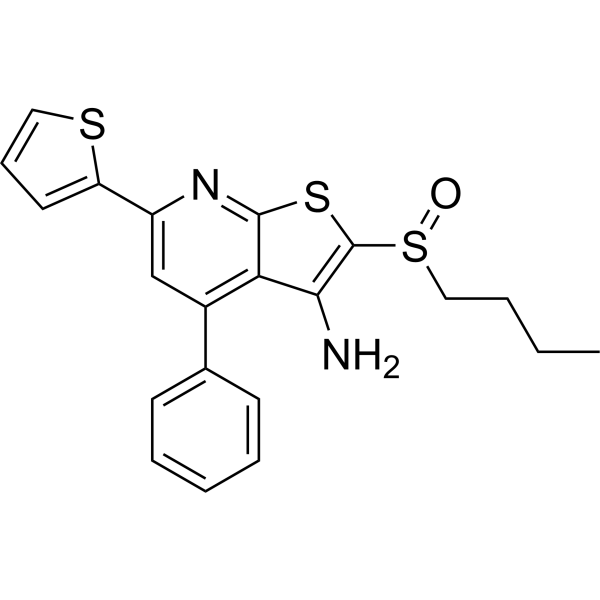
  • HY-16968
    SW033291
    5+ Cited Publications

    15-PGDH Others
    SW033291 is a potent and high-affinity inhibitor of 15-PGDH with a Ki of 0.1 nM. SW033291 increases prostaglandin PGE2 levels in bone marrow and other tissues. SW033291 also promotes tissue regeneration .
    SW033291
  • HY-112904
    XRK3F2
    5+ Cited Publications

    p62 Autophagy Cancer
    XRK3F2 is a p62 (sequestosome-1) ZZ domain inhibitor that has specificity for the p62-ZZ domain over other p62 signaling domains. XRK3F2 blocks TNFα effects and upregulation in bone marrow stromal cells, and induces multiple myeloma cell apoptosis. XRK3F2 can be used for the research of multiple myeloma bone disease, acute myeloid leukemia, and multiple myeloma .
    XRK3F2
  • HY-W019894
    Manganese chloride
    1 Publications Verification

    Manganese dichloride

    Biochemical Assay Reagents Apoptosis mTOR Cardiovascular Disease Neurological Disease
    Manganese chloride is an orally active MRI liver contrast agent. Manganese chloride induces Apoptosis and activates the mTOR signaling pathway. Manganese chloride induces cognitive impairment, promotes hematopoietic recovery, and reduces radiation-induced bone marrow and brain damage. It can be used for the study of renal impairment .
    Manganese chloride
  • HY-N0101
    Neohesperidin
    5+ Cited Publications

    Hesperetin 7-O-neohesperidoside

    β-catenin Wnt Inflammation/Immunology
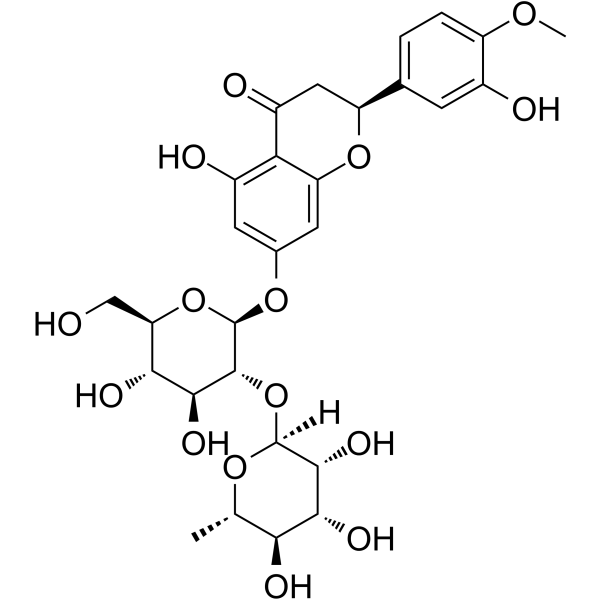
    Neohesperidin is a flavonoid compound abundant in citrus plants with antioxidant and anti-inflammatory effects. Neohesperidin can upregulate the Wnt/β-catenin signaling pathway, enhance the nuclear translocation of β-catenin and the differentiation of bone marrow stromal cells .
    Neohesperidin
  • HY-160214
    Perforin-IN-2
    1 Publications Verification

    Complement System Inflammation/Immunology Cancer
    Perforin-IN-2 (Compound 1) is the inhibitor for perforin that inhibits perforin-mediated cell lysis, thereby reducing graft rejection during allogeneic bone marrow/stem cell transplantation .
    Perforin-IN-2
  • HY-129098
    DMHCA
    1 Publications Verification

    LXR Metabolic Disease
    DMHCA, a potent and selective LXR agonist, specifically activates the cholesterol efflux arm of the LXR pathway without stimulating triglyceride synthesis. DMHCA has anti-inflammatory effects?and can be used for the research of cholesterol homeostasis diabetes .
    DMHCA
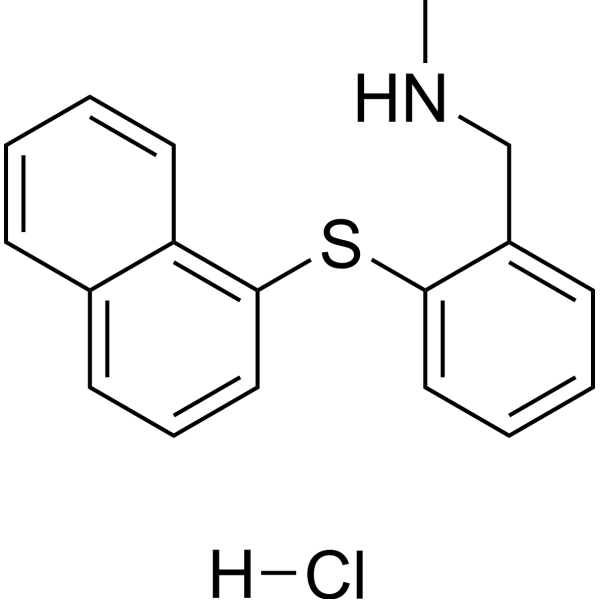
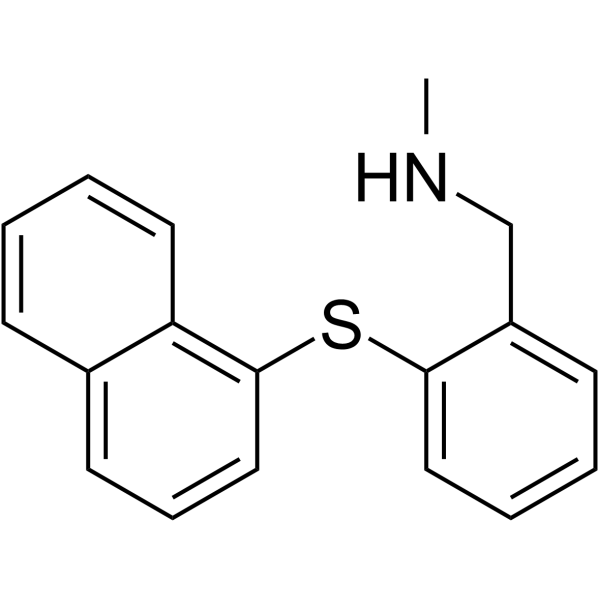
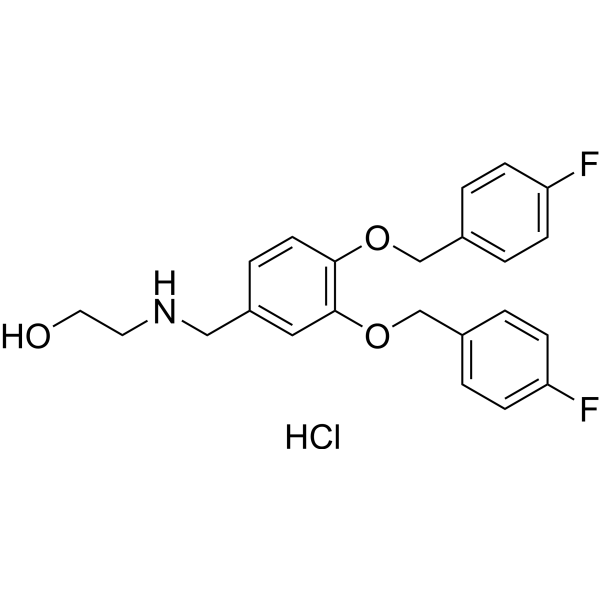
  • HY-12836A

    IFNAR Inflammation/Immunology
    IFN alpha-IFNAR-IN-1 hydrochloride is a nonpeptidic, low-molecular-weight inhibitor of the interaction between IFN-α and IFNAR. IFN alpha-IFNAR-IN-1 hydrochloride inhibits modified Vaccinia virus ankara (MVA)-induced IFN-α responses in murine bone-marrow-derived, Flt3- L-differentiated pDC cultures (BM-pDCs) (IC50=2-8 μM) .
    IFN alpha-IFNAR-IN-1 hydrochloride
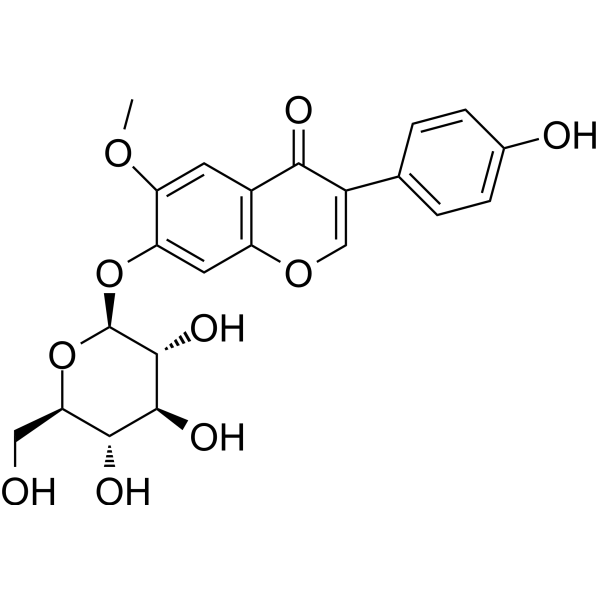
  • HY-N0012
    Glycitin
    5+ Cited Publications

    Glycitein 7-O-β-glucoside

    Bacterial Infection Cancer
    Glycitin (Glycitein 7-O-β-glucoside) is a natural isoflavone with antibacterial, antiviral, anticancer, anti-inflammation, anti-aging and estrogenic effects. Glycitin may regulate osteoblasts through TGF-β or AKT signaling pathways in bone marrow stem cells (BMSCs) .
    Glycitin
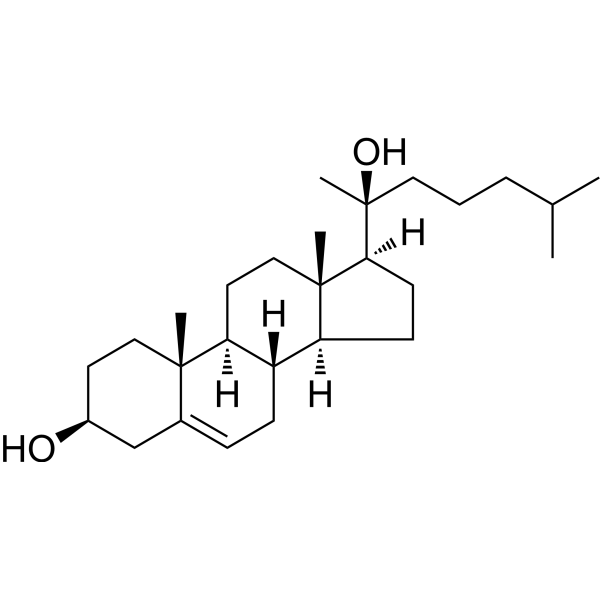
  • HY-12316
    20(S)-Hydroxycholesterol
    3 Publications Verification

    20α-Hydroxycholesterol

    Smo Endogenous Metabolite Cardiovascular Disease Metabolic Disease Cancer
    20(S)-Hydroxycholesterol (20α-Hydroxycholesterol) is an allosteric activator that selectively targets the Smoothened (Smo) of the Hedgehog pathway with an EC50 of ~30 μM (Hedgehog). 20(S)-Hydroxycholesterol binds to the extracellular cysteine-rich domain (CRD) of Smo in a stereoselective manner, activating downstream Gli transcription factors (without inducing transcription of receptor genes in the Wnt pathway). 20(S)-Hydroxycholesterol enhances osteogenic differentiation of bone marrow stromal cells and synergistically activates the Raf/MEK/ERK pathway with Simvastatin (HY-17502) to promote bone regeneration. 20(S)-Hydroxycholesterol can be used to study the mechanisms of developmental biology, oncology, bone, and angiogenesis .
    20(S)-Hydroxycholesterol
  • HY-B0111
    Drospirenone
    1 Publications Verification

    Dihydrospirorenone

    Progesterone Receptor Androgen Receptor Endocrinology Cancer
    Drospirenone (Dihydrospirorenone) is an orally active fourth-generation progestin that interacts with the progesterone receptor (PR) and androgen receptor (AR). Drospirenone significantly decreases both plasminogen activator inhibitor-1 (PAI-1) and tissue plasminogen activator (tPA) via the AR. Drospirenone can produce DNA damage in bone marrow cells of female mice. .
    Drospirenone
  • HY-13634A
    Ezatiostat
    Maximum Cited Publications
    8 Publications Verification

    TER199free base; TLK199

    Glutathione S-transferase Apoptosis Cancer
    Ezatiostat (TER199 free base; TLK199) is a tripeptide analog of glutathione and is a selective and orally active glutathione S-transferase P1-1 (GSTP1) inhibitor. Ezatiostat leads to JNK activation by inhibiting GSTP1. Ezatiostat stimulates both lymphocyte production and bone marrow progenitor proliferation. Ezatiostat has the potential for myelodysplastic syndrome (MDS) treatment .
    Ezatiostat
  • HY-W018643
    Ferulic acid methyl ester
    1 Publications Verification

    Methyl ferulate

    p38 MAPK Autophagy Neurological Disease Inflammation/Immunology Cancer
    Ferulic acid methyl ester (Methyl ferulate) is a derivative of ferulic acid, isolated from Stemona tuberosa, with anti-inflammatory and antioxidant properties . Ferulic acid methyl ester is a cell membrane and brain permeable compound, shows free radical scavenging ability, used in the research of neurodegenerative disorders . Ferulic acid methyl ester inhibits COX-2 expression, blocks p-p38 and p-JNK in primary bone marrow derived-macrophages .
    Ferulic acid methyl ester
  • HY-P4210
    Sulanemadlin
    1 Publications Verification

    ALRN-6924; MP-4897

    MDM-2/p53 Cancer
    Sulanemadlin (ALRN-6924) is a potent and cell-permeating p53-based peptidomimetic macrocycles. Sulanemadlin is a inhibitor of the p53-MDM2, p53-MDMX, or both p53 and MDM2 and MDMX protein-protein interactions. Sulanemadlin can be used for cancers research .
    Sulanemadlin
  • HY-B2122

    PPAR Fatty Acid Synthase (FASN) Others
    Maltitol is an orally active polyol and sugar alcohol sweetener produced by the hydrogenation of maltose. Maltitol can replace sucrose and has characteristics of having a minor impact on blood sugar and potential prebiotic effects .
    Maltitol
  • HY-33299
    Serpin B9-IN-1
    1 Publications Verification

    BTCA

    Biochemical Assay Reagents Cancer
    Serpin B9-IN-1 (BTCA) is an inhibitor that specifically targets Serpin B9 (SB9); SB9 is a natural inhibitor of granzyme B (GrB) , but may promote the metastasis of lung cancer cells into the bone marrow. SB9-overexpressing cancer cells promote proliferation and metastasis in an immune cell-dependent manner by binding to GrB. Inhibition of SB9 by Serpin B9-IN-1 significantly inhibits immunotherapy of lung cancer bone metastases in the caudal artery (CA) mouse model (LCBM) .
    Serpin B9-IN-1
  • HY-132200

    TAM Receptor Anaplastic lymphoma kinase (ALK) FLT3 Cancer
    UNC5293 is a MERTK-selective and potent inhibitor (Ki=190 pM). UNC5293 inhibits MERTK (IC50=0.9 nM) and is more selective over Axl, Tyro3 and Flt3. UNC5293 exhibits excellent mouse PK properties and is used for bone marrow leukemia research .
    UNC5293
  • HY-B0523A
    Anagrelide hydrochloride
    3 Publications Verification

    BL4162A

    Phosphodiesterase (PDE) Apoptosis Cardiovascular Disease Cancer
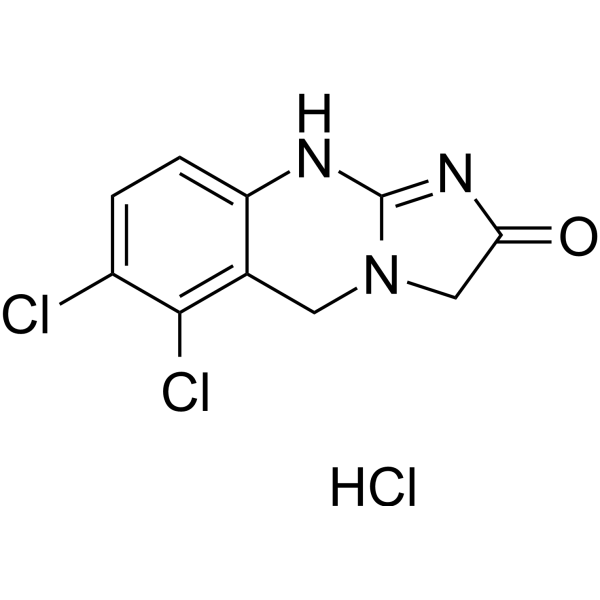
    Anagrelide hydrochloride (BL4162A) is a potent inhibitor of phosphodiesterase type III (PDE3) (IC50=36 nM). Anagrelide hydrochloride, an imidazoquinazoline derivative, acts as an inhibitor of platelet aggregation. Anagrelide hydrochloride inhibits bone marrow megakaryocytopoiesis. Anagrelide hydrochloride decreases gastrointestinal stromal tumor (GIST) cell proliferation and promotes their apoptosis in vitro. Anagrelide hydrochloride is a platelet-lowering agent and plays in the antithrombopoietic action .
    Anagrelide hydrochloride
  • HY-W008634
    Bropirimine
    2 Publications Verification

    U-54461; U-54461S; PNU-54461

    Toll-like Receptor (TLR) Cancer
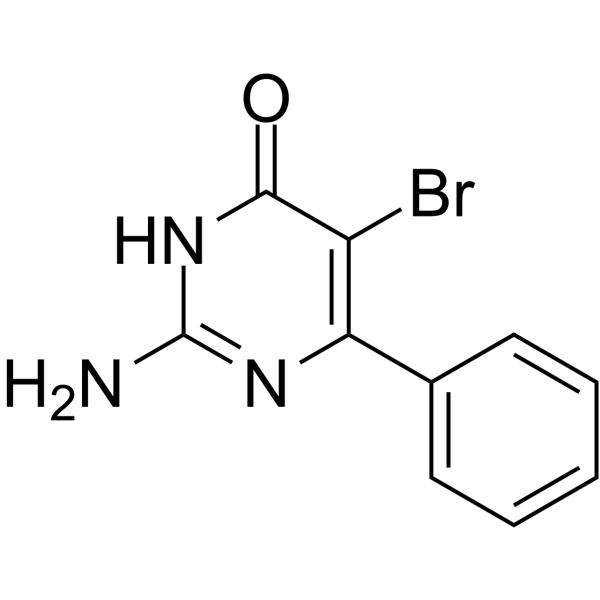
    Bropirimine (U-54461; U-54461S; PNU-54461) is an orally active TLR7 agonist. Bropirimine inhibits RANKL-induced osteoclast differentiation of mouse bone marrow-derived macrophages (BMMs). Bropirimine exhibits dose-dependent direct inhibitory effects on colony formation of cultured KK-47 and 724 cells. Bropirimine can be used for the study of cancers and bone metabolic disorders such as osteoporosis .
    Bropirimine
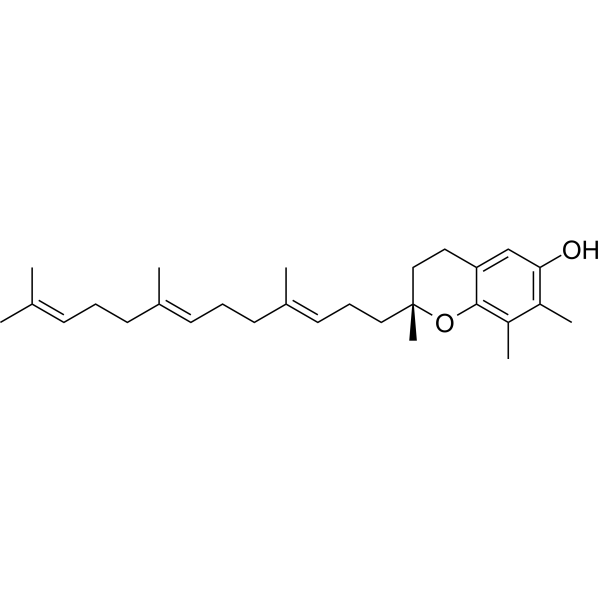
  • HY-108694
    γ-Tocotrienol
    4 Publications Verification

    Endogenous Metabolite NF-κB Metabolic Disease Inflammation/Immunology
    γ-Tocotrienol is an active form of vitamin E. γ-tocotrienol reverses the multidrug resistance (MDR) of breast cancer cells through the signaling pathway of NF-κB and P-gp. γ-Tocotrienol is also a radioprotector agent, can mitigate bone marrow radiation damage during targeted radionuclide treatment .
    γ-Tocotrienol
  • HY-B0523
    Anagrelide
    3 Publications Verification

    Phosphodiesterase (PDE) Apoptosis Cardiovascular Disease Cancer
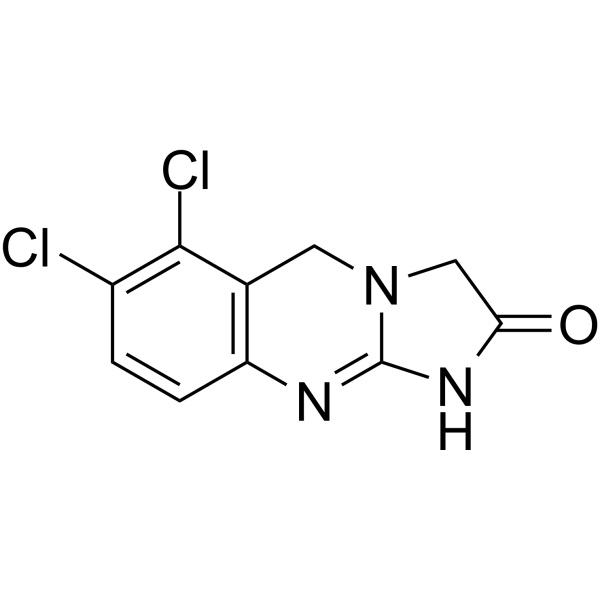
    Anagrelide is a potent inhibitor of phosphodiesterase type III (PDE3) (IC50=36 nM). Anagrelide, an imidazoquinazoline derivative, acts as an inhibitor of platelet aggregation. Anagrelide inhibits bone marrow megakaryocytopoiesis. Anagrelide decreases gastrointestinal stromal tumor (GIST) cell proliferation and promotes their apoptosis in vitro. Anagrelide is a platelet-lowering agent and plays in the antithrombopoietic action .
    Anagrelide
  • HY-W088068

    Fluorescent Dye Others
    Wright's stain is a composite cell stain that mainly binds to intracellular nucleic acids, proteins and other components through thiazine dyes (such as methylene blue) and eosin. Wright's stain is pH-dependent (optimal pH 6.4-6.7) and achieves cell morphology resolution by differentially staining the cytoplasm and nucleus. Under alkaline conditions, thiazine dyes bind to nucleic acids to form purple, and acidic eosin binds to cytoplasmic proteins to form red, which can form contrasting cell morphological features. Wright's stain can clearly display the fine structures of blood cells and bone marrow cells (such as nuclear chromatin and granules) and quickly evaluate cell morphological abnormalities .
    Wright's stain
  • HY-N0307

    Bcl-2 Family NF-κB DNA/RNA Synthesis Apoptosis Cardiovascular Disease Neurological Disease
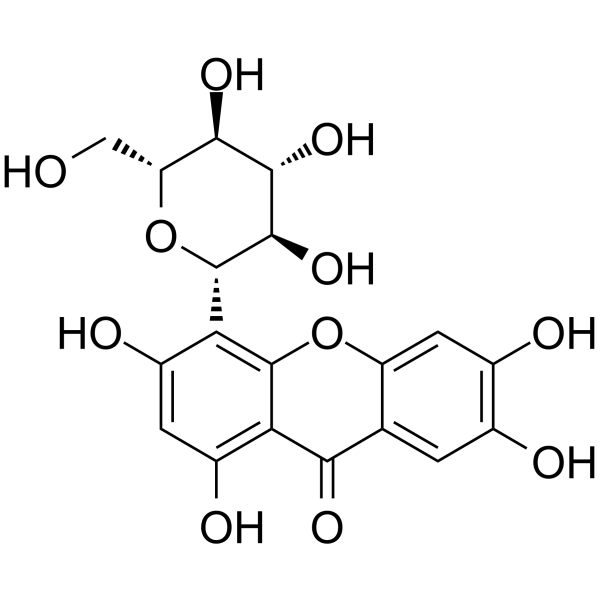
    Ciwujianoside B is an orally active, blood-brain barrier penetrable radioprotective agent and memory enhancer. Ciwujianoside B reduces radiation-induced DNA damage, cell cycle arrest and apoptosis, downregulates NF-κB and the Bax/Bcl-2 ratio, and enhances the proliferative capacity of bone marrow cells. Ciwujianoside B enhances object recognition memory in normal mice and induces dendritic extension in primary cultured cortical neurons. Ciwujianoside B can be used in studies related to hematopoietic system radiation injury and memory enhancement .
    Ciwujianoside B
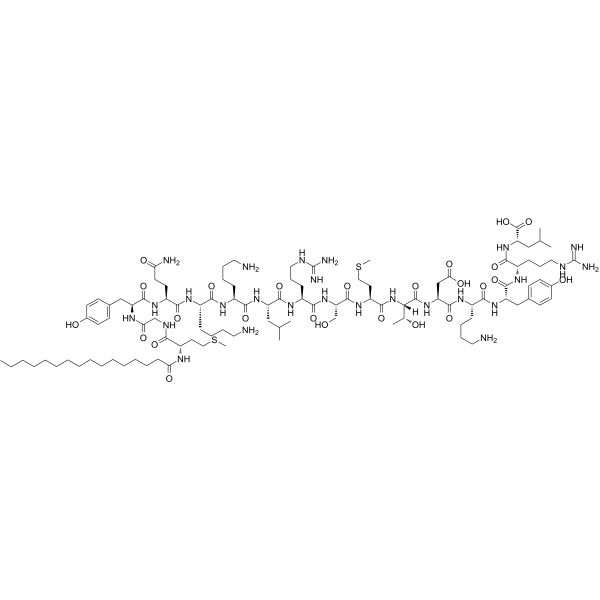
  • HY-P5558

    VEGFR Neurological Disease
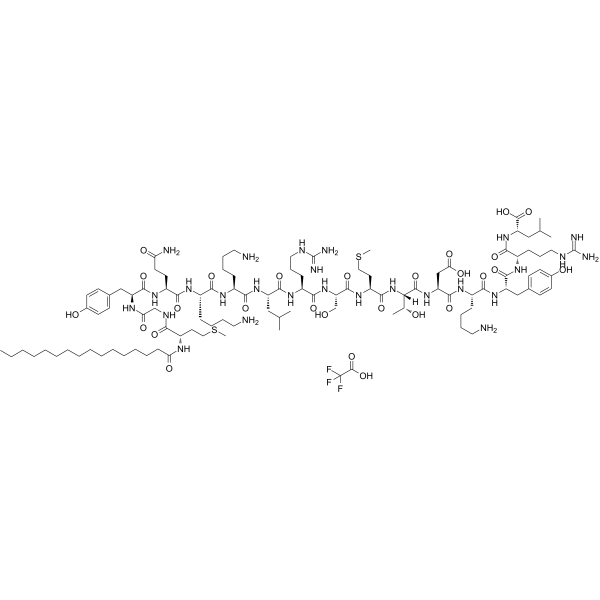
    KLTWQELYQLKYKGI is a VEGF mimetic peptide designed based on the VEGF helix sequence 17-25, with the ability to activate VEGF receptors and exert pro-angiogenic biological activity. KLTWQELYQLKYKGI effectively promotes the attachment, spreading and proliferation of human umbilical vein endothelial cells. KLTWQELYQLKYKGI enhances the proliferation, migration and osteogenic differentiation of bone marrow stromal cells (BMSCs). KLTWQELYQLKYKGI synergistically accelerates angiogenesis and bone regeneration in rat cranial defect models. KLTWQELYQLKYKGI can be used for the research of brain tissue engineering and traumatic brain injury repair and biomaterials for bone tissue engineering and bone repair .
    KLTWQELYQLKYKGI
  • HY-176747

    DMPPD

    Reactive Oxygen Species (ROS) Others
    7-PPD (DMPPD) is a rubber antioxidant that scavenges free radicals and inhibits the oxidative degradation of rubber chains. 7-PPD shows promise for research in tire manufacturing and rubber product processing .
    7-PPD
  • HY-B1336
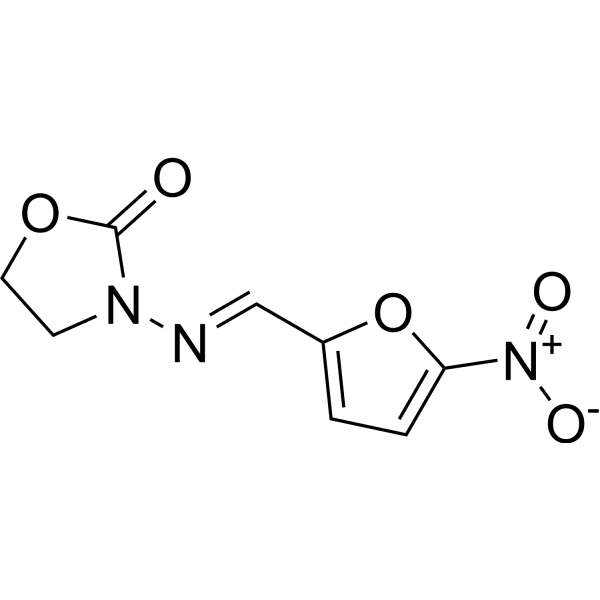
    Furazolidone
    3 Publications Verification

    Environmental Pollutants Antibiotic Bacterial Apoptosis Parasite Infection Cancer
    Furazolidone is a monoamine oxidase (MAO) inhibitor with antiproliferative, apoptosis-inducing and differentiation-promoting activities. Furazolidone may inhibit leukemia fusion protein-mediated bone marrow transformation by upregulating the stability of the tumor suppressor protein p53. Furazolidone exhibits anti-leukemic activity in acute myeloid leukemia (AML) cell lines and can be used for anti-AML research [2].
    Furazolidone
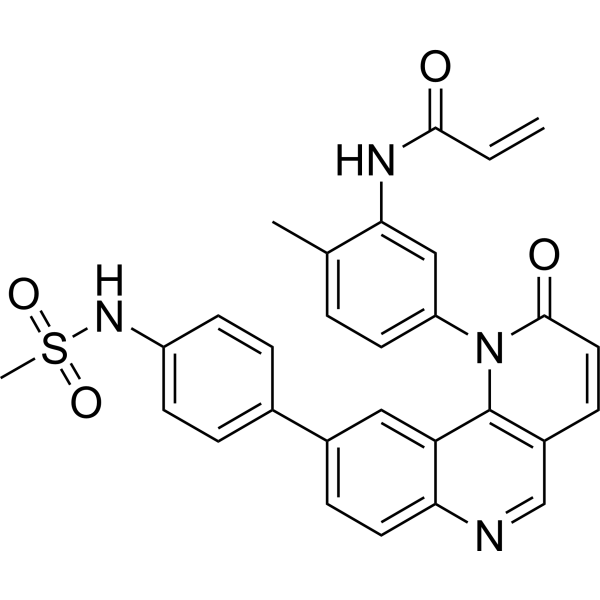
  • HY-80002
    BMX-IN-1
    5+ Cited Publications

    BMX kinase inhibitor

    Btk BMX Kinase Cancer
    BMX-IN-1 is a selective, irreversible inhibitor of bone marrow tyrosine kinase on chromosome X (BMX) that targets Cys 496 in the BMX ATP binding domain with an IC50 of 8 nM, also targets the related Bruton’s tyrosine kinase (BTK) with an IC50 value of 10.4 nM, but is more than 47-656-fold less potent against Blk, JAK3, EGFR, Itk, or Tec activity.
    BMX-IN-1
  • HY-W019815

    ENU; N-Nitroso-N-ethylurea

    DNA/RNA Synthesis Neurological Disease Cancer
    N-Ethyl-N-nitrosourea (ENU) is a DNA alkylating agent. N-Ethyl-N-nitrosourea induces leukemia by alkylating nucleobases, disrupting DNA, and resulting in bone marrow suppression and the formation of leukemic cells. N-Ethyl-N-nitrosourea is teratogenic in vivo, inducing tumor formation and paw malformations in pregnant rats. N-Ethyl-N-nitrosourea cause central nervous system (CNS) tumors and genetic disorders .
    N-Ethyl-N-nitrosourea
  • HY-W583212

    ZnMP

    Biochemical Assay Reagents Heme Oxygenase (HO) Inflammation/Immunology
    Zn (II) Mesoporphyrin IX (ZnMP) is a heme oxygenase inhibitor with photochemical substrate activity. Zn (II) Mesoporphyrin IX specifically inhibits the activity of bone marrow heme oxygenase. In vitro, Zn (II) Mesoporphyrin IX inhibits the growth of erythroid and myeloid progenitor cells in rabbit bone marrow, and blocks the rhG-CSF-induced mobilization of these progenitor cells into the peripheral blood, exhibiting toxicity to hematopoietic growth and progenitor cell production in rabbits. Zn (II) Mesoporphyrin IX undergoes irreversible photochemical decomposition conforming to first-order kinetic characteristics when irradiated with UV-B in 95% ethanol solution. Zn (II) Mesoporphyrin IX can be used in hematopoietic regulation research, but its photolability and toxic effects on the hematopoietic system require attention .
    Zn(II) Mesoporphyrin IX
  • HY-P99039
    Oleclumab
    1 Publications Verification

    MEDI9447

    CD73 Cancer
    Oleclumab (MEDI9447) is a human IgG1λ monoclonal antibody targeting CD73 and inhibits the exonuclease activity of the extracellular enzyme CD73. Oleclumab can adjust the composition of bone marrow and lymphoid infiltrating leukocyte populations in the tumor microenvironment and has anti-tumor activity .
    Oleclumab
  • HY-113854
    AZD2906
    1 Publications Verification

    Glucocorticoid Receptor Cardiovascular Disease Endocrinology
    AZD2906 is a selective glucocorticoid receptor (GR) agonist, increases micronucleated immature erythrocytes in the bone marrow of rats. AZD2906 shows IC50s of 2.2, 0.3, 41.6 and 7.5 nM at GR in human, rat PBMC and human, rat whole blood, respectively .
    AZD2906
  • HY-N1403

    Apoptosis Cardiovascular Disease Metabolic Disease Inflammation/Immunology Cancer
    Tigogenin is a steroidal sapogenins. Tigogenin can inhibit adipocytic differentiation and induce osteoblastic differentiation in mouse bone marrow stromal cells. Tigogenin can inhibit cells proliferation and induce apoptosis. Tigogenin can be used for the researches of cancer, inflammation, immunology, metabolic and cardiovascular disease, such as mammary gland carcinoma, rheumatoid arthritis, osteoporosis and atherosclerosis .
    Tigogenin
  • HY-160696

    CD73 Cancer
    ORIC-533 is an orally active, highly selective, AMP-competitive CD73 inhibitor that potently blocks adenosine production with sub-nanomolar affinity (Ka=0.03 nM). In multiple myeloma, ORIC-533 restores and enhances the cytotoxicity of the immune system against tumor cells through multiple immunological mechanisms, including reversing the immunosuppressive microenvironment, inducing immunogenic cell death, and activating dendritic cells, T cells and NK cells, with no direct toxicity to normal cells. The combination of ORIC-533 with Daratumumab (HY-P9915) synergistically enhances anti-tumor efficacy, significantly increases intratumoral CD8 + T cell infiltration and inhibits tumor growth in vivo .
    ORIC-533
  • HY-107245
    Segetalin B
    2 Publications Verification

    Estrogen Receptor/ERR Sirtuin RUNX Metabolic Disease
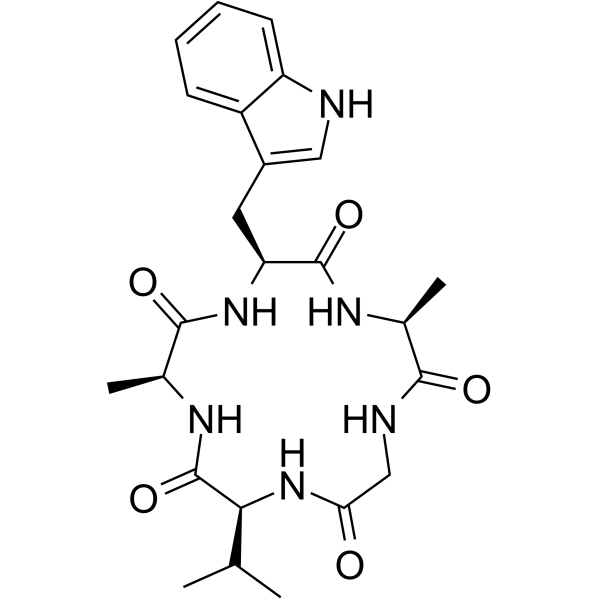
    Segetalin B, an orally active cyclopentapeptide found in Vaccaria segetalis, possesses estrogen-like activity. Segetalin B promotes mineralization of ovariectomized rat-derived bone marrow mesenchymal stem cells (BMSCs) in vitro and increases the level of osteocalcin, BMP-2, ALP, and SIRT1 activity. Segetalin B is promising for research of post-menopausal osteoporosis (PMOP) .
    Segetalin B
  • HY-134259

    HOXA Cancer
    MEISi-2 is a selective inhibitor of MEIS, a key regulator of hematopoietic stem cell (HSC) self-renewal. MEISi-2 is developed for the research of cardiac injuries, hematopoiesis issues, bone marrow transplantations, and cancer .
    MEISi-2
  • HY-P0266

    Ac-SdKP

    Angiotensin-converting Enzyme (ACE) Cardiovascular Disease Inflammation/Immunology
    N-Acetyl-Ser-dAsp-Lys-Pro, an endogenous tetrapeptide secreted by bone marrow, is a specific substrate for the N-terminal site of ACE.
    N-Acetyl-Ser-dAsp-Lys-Pro
  • HY-139899

    Taste Receptor Others
    S6821 is a TAS2R8 antagonist with IC50 value of 0.035 μM. S6821 is not found to be mutagenic or disruptive in vitro, nor is it found to induce micronucleus in bone marrow polychromatic erythrocytes in vivo .
    S6821
  • HY-161853

    Phosphodiesterase (PDE) Others
    TX-2552 is an orally active tyrosine DNA phosphodiesterase 1 (TDP1) inhibitor with an IC50 value of 0.62 μM. TX-2552 can enhance the clastogenic activity of Topotecan (HY-13768) in mouse bone marrow cells, as well as the anti-tumor effect of Topotecan (HY-13768) in Krebs-2 ascites tumor mice .
    TX-2552
  • HY-110044

    Amino Acid Derivatives Inflammation/Immunology
    MNITMT is a more potent immunosuppressive agent without bone marrow toxicity .
    MNITMT
  • HY-W392413

    Drug Derivative Reactive Oxygen Species (ROS) Cardiovascular Disease Neurological Disease Metabolic Disease Inflammation/Immunology
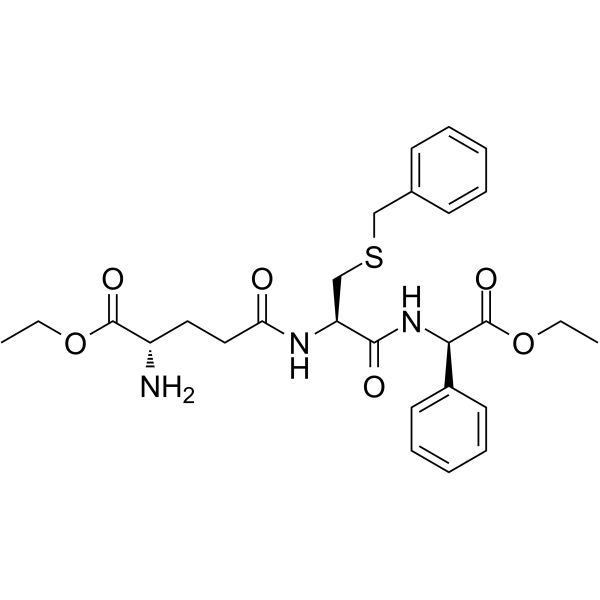
    Glutathione monoethyl ester is a glutathione derivative that can be transported into cells and hydrolyzed into glutathione. Glutathione monoethyl ester downregulates the gene expression of TEN1 and CTC1 while upregulating TERT expression. Glutathione monoethyl ester enhances telomerase activity, promotes proliferation and differentiation in aged bone marrow stromal cells, while elevating glutathione levels and reducing oxidative stress, protein aggregation and cell death in motor neuronal cells. Glutathione monoethyl ester confers broad multi-organ protection against cerebral ischemia, renal injury, liver damage, and pancreatitis. Glutathione monoethyl ester can be used for the research of amyotrophic lateral sclerosis, stroke, acute renal failure, liver injury, and acute pancreatitis .
    Glutathione monoethyl ester
  • HY-W250151

    Fluorescent Dye Others
    Leishman's stain is an essential staining tool for for staining of the peripheral blood and bone marrow smears (displayed pale bluish-grey to deep blue under oil-immersion lens) .
    Leishman's stain
  • HY-120088
    PF-06446846
    5+ Cited Publications

    PCSK9 Cardiovascular Disease
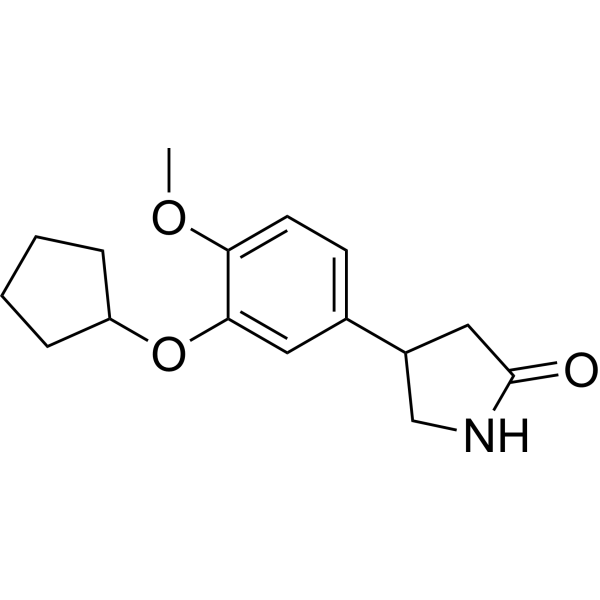
    PF-06446846 is an orally active proprotein convertase subtilisin/kexin type 9 (PCSK9) inhibitor. PF-06446846 directly and selectively inhibits translation of PCSK9 by stalling the 80S ribosome in the proximity of codon region .
    PF-06446846
  • HY-12836
    IFN alpha-IFNAR-IN-1
    20+ Cited Publications

    IFNAR Inflammation/Immunology
    IFN alpha-IFNAR-IN-1 is a nonpeptidic, low-molecular-weight inhibitor of the interaction between IFN-α and IFNAR. IFN alpha-IFNAR-IN-1 inhibits modified Vaccinia virus ankara (MVA)-induced IFN-α responses in murine bone-marrow-derived, Flt3- L-differentiated pDC cultures (BM-pDCs) (IC50=2-8 μM) .
    IFN alpha-IFNAR-IN-1
  • HY-163707

    Apoptosis Cancer
    UR778Br targets the GTPase-activating protein-related domain (GRD domain) of IQGAP1 proteins. UR778Br inhibits the proliferation of human acute myeloid leukemia (AML), arrests the cell cycle at the G2/M phase, and induces apoptosis. UR778Br inhibits colony formation of primary and AML cells, without significant impacts on normal bone marrow cells .
    UR778Br
  • HY-126346

    GPR84 Inflammation/Immunology
    DL-175 (compound 13) is a selective GPR84 agonist with biased agonistic activity. DL-175 can selectively activate functional responses in immune cells and induce enhanced chemotaxis and phagocytosis of human bone marrow cells. DL-175 is a potential chemical probe .
    DL-175
  • HY-147011

    Fat Mass and Obesity-associated Protein (FTO) Cancer
    FTO-IN-7 (compound 17) is an inhibitor of FTO (fat mass and obesity-associated protein) with an IC50 of <1 μM. FTO-IN-7 can be used for the study of small-cell lung cancers and human bone marrow striated muscle cancer .
    FTO-IN-7
  • HY-P11451

    CXCR Cancer
    Pentixather is a radiolabeled peptide that can target CXCR4. Pentixather can disrupt the interaction between leukemic cells and the bone marrow microenvironment by targeting the CXCR4/CXCL12 signaling axis, reduce the retention of leukemic cells in the protective bone marrow niche, and thereby enhance the sensitivity of leukemic cells to treatment. Pentixather can be used for the study of acute lymphoblastic leukemia (ALL) and acute myeloid leukemia (AML) .
    Pentixather
  • HY-162866

    Autophagy Metabolic Disease
    CXM102 is an autophagy activator. CXM102 can induce autophagy in aged BMSCs, leading to the rejuvenation of BMSCs and preferential differentiation into osteoblasts. CXM102 promotes the nuclear translocation of transcription factor EB (TFEB) and the formation of osteoblasts. CXM102 can stimulate bone synthesis metabolism in middle-aged male mice, reduce bone marrow adipocytes, delay bone loss, lower serum inflammation levels, decrease organ fibrosis, and extend the lifespan of the mice .
    CXM102
  • HY-13641

    Myelobromol; DBM

    DNA Alkylator/Crosslinker Cancer
    Mitobronitol (Myelobromol; DBM) is a brominated analog of mannitol, also known as an anticancer agent that is classified as an alkylating agent. Mitobronitol has potential for myelosuppression associated with significantly decreased risk for several complications of allogeneic bone marrow transplantation in accelerated chronic granulocytic leukemia .
    Mitobronitol
  • HY-102065

    Prostaglandin Receptor Others
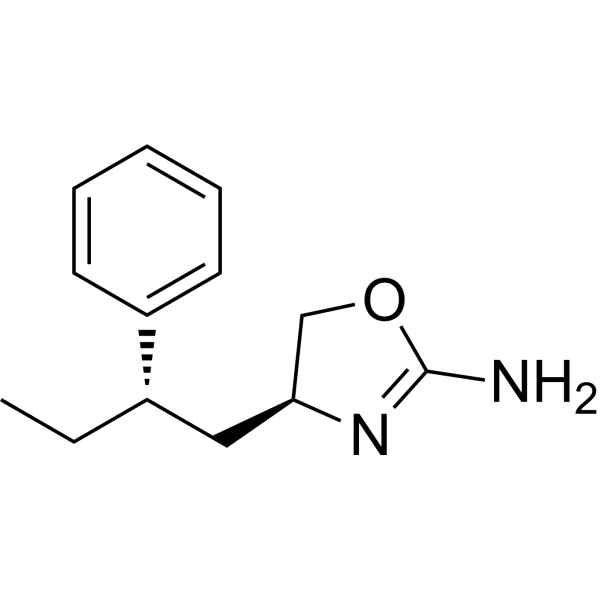
    SC-19220 is a competitive prostaglandinn E2 receptor antagonist. SC-19220 increases the bladder capacity and reduced the voiding efficiency of micturition (elicited by slow transvesical filling) of urethane-anesthetized rats. SC-19220 can restores the balance in bone marrow granulocyte and monocyte production after burn sepsis .
    SC-19220
  • HY-N0012R

    Glycitein 7-O-β-glucoside (Standard)

    Reference Standards Bacterial Infection Cancer
    Glycitin (Standard) is the analytical standard of Glycitin. This product is intended for research and analytical applications. Glycitin (Glycitein 7-O-β-glucoside) is a natural isoflavone with antibacterial, antiviral, anticancer, anti-inflammation, anti-aging and estrogenic effects. Glycitin may regulate osteoblasts through TGF-β or AKT signaling pathways in bone marrow stem cells (BMSCs) .
    Glycitin (Standard)

Inquiry Online

Your information is safe with us. * Required Fields.

Salutation


Country or Region *

Applicant Name *


Organization Name *

Department *


Email Address *


Product Name *

Cat. No.


Requested quantity *

Phone Number *


Remarks

Inquiry Online

Inquiry Information

Product Name:
Cat. No.:
Quantity:
MCE Japan Authorized Agent:

