1. Search Result
Search Result
Results for "

cancer imaging

" in MedChemExpress (MCE) Product Catalog:

157

Inhibitors & Agonists

1

Screening Libraries

24

Fluorescent Dyes

12

Biochemical Assay Reagents

43

Peptides

11

Inhibitory Antibodies

1

Natural
Products

2

Isotope-Labeled Compounds

4

Click Chemistry

7

Oligonucleotides

Targets Recommended:
Cat. No. Product Name Target Research Areas Chemical Structure
  • HY-141511
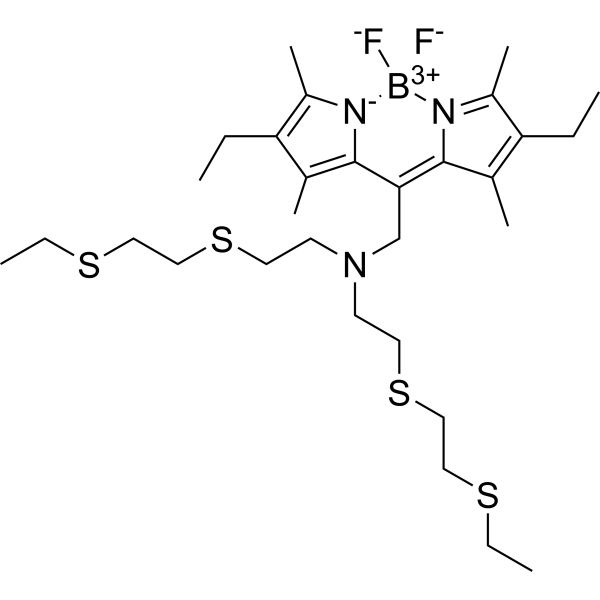
    Coppersensor 1
    25+ Cited Publications

    Fluorescent Dye Neurological Disease Cancer
    Coppersensor-1 (CS1) is a membrane-permeable fluorescent dye. Coppersensor-1 has a picomolar affinity for Cu + with high selectivity over competing cellular metalions. Coppersensor-1 as a probe, can selective and sensitive detection of copper(I) ions (Cu +) in biological samples, including live cells. Coppersensor-1 can be used for the research of imaging of severe diseases such as cancer, cardiovascular disorders and neurogenerative diseases .
    Coppersensor 1
  • HY-128643
    FAPI-4
    Maximum Cited Publications
    31 Publications Verification

    FAP Cancer
    FAPI-4 is a potent fibroblast activation protein (FAP) inhibitor for the targeting FAP. FAPI-4 can be used in cancer research. 68Ga-FAPI-4 PET/CT is a promising new diagnostic method for imaging various kinds of cancer, with good tumor-to-background contrast ratios .
    FAPI-4
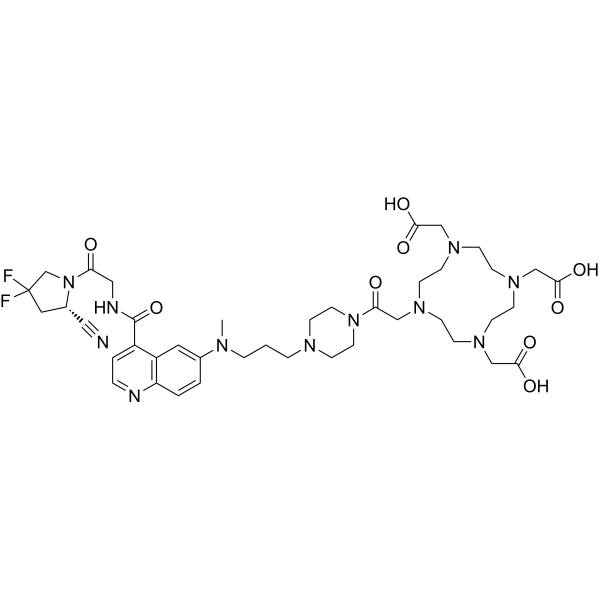
  • HY-137331
    FAPI-46
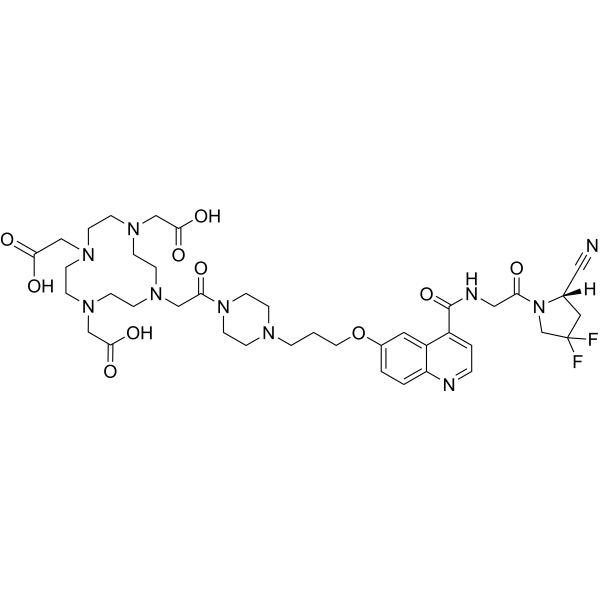
    2 Publications Verification

    FAP Cancer
    FAPI-46 is a quinoline-based fibroblast activation protein (FAP)-targeted tracer. Use radioactivity FAPI-46 labeled with 68Ga or 177Lu can be used for tumor imaging in a variety of cancers and has higher tumor uptake rates and longer tumor accumulation .
    FAPI-46
  • HY-D1063
    IR-780
    5+ Cited Publications

    Fluorescent Dye Apoptosis Reactive Oxygen Species (ROS) Cancer
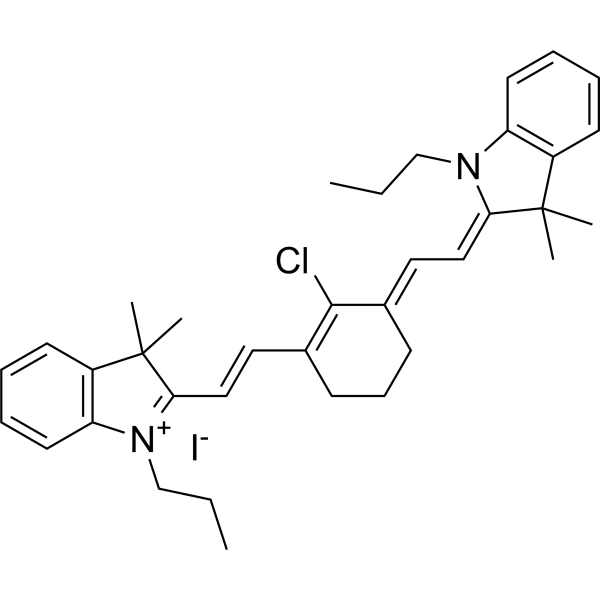
    IR-780 is a near-infrared fluorescent probe for in vivo imaging of tumor cells. IR-780 is transported into tumor cells via OATPs and ABCB10, with uptake dependent on glycolytic activity and plasma membrane potential. IR-780 preferentially accumulates in tumor cell mitochondria, including those of drug-resistant cancer cells, without chemical conjugation. IR-780 generates reactive oxygen species (ROS), induces hyperthermia and apoptosis, inhibits tumor growth and recurrence, and modulates HSP70 expression upon ultrasound or 808 nm laser exposure. IR-780 acts as a sonosensitizer, photodynamic and photothermal agent, and drug delivery carrier, with low acute imaging-dose toxicity and rapid vital organ clearance. IR-780 can be used for the research of cancer, such as breast cancer, lung cancer, and non-small cell lung cancer (NSCLC) .
    IR-780
  • HY-125399
    PSMA-11
    1 Publications Verification

    HBED-CC-PSMA

    PSMA Radionuclide-Drug Conjugates (RDCs) Cancer
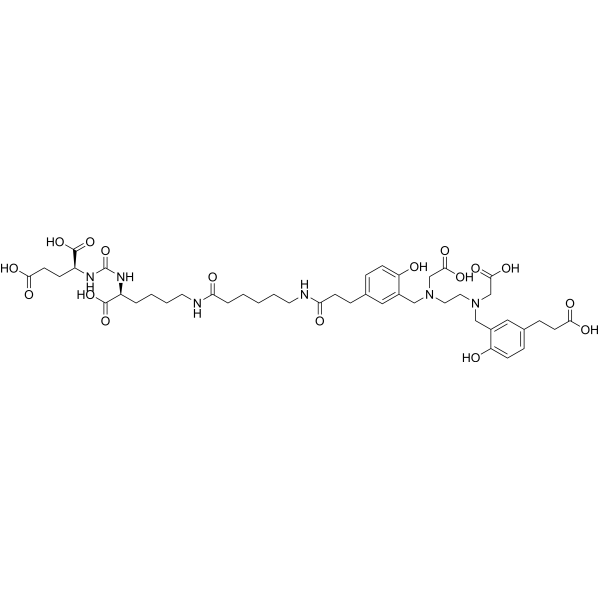
    PSMA-11 is a small molecule ligand that targets prostate-specific membrane antigen (PSMA) and has the ability to inhibit PSMA activity. PSMA-11 can be used to synthesize 68Ga-PSMA-11, a positron emission tomography (PET) tracer that can be used to image advanced prostate cancer .
    PSMA-11
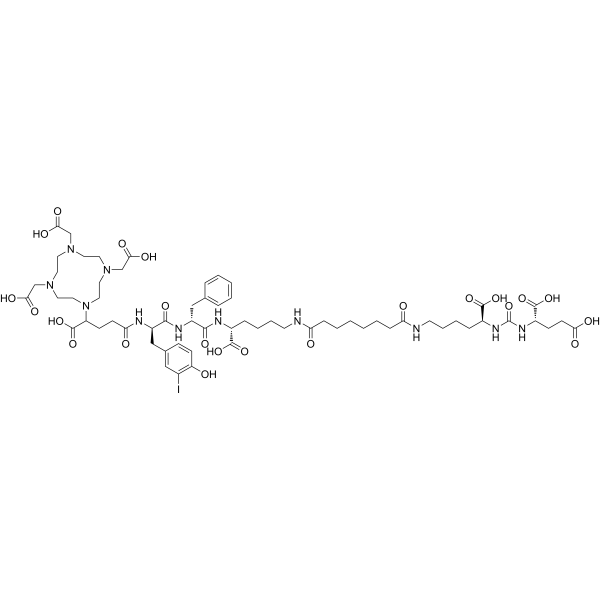
  • HY-148761
    Zadavotide guraxetan
    2 Publications Verification

    PSMA I&T; PNT-2002

    PSMA Cancer
    PSMA I&T is an effective inhibitor of prostate-specific membrane antigen (PSMA). PSMA I&T can be used for SPECT/CT imaging and radionuclide studies in triple-negative breast cancer and prostate cancer (PCa) .
    Zadavotide guraxetan
  • HY-145746

    Fluorescent Dye PD-1/PD-L1 Inflammation/Immunology Cancer
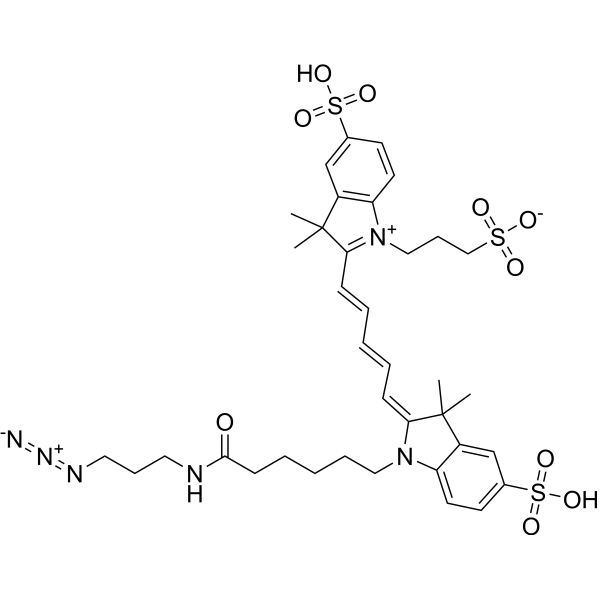
    Sulfo-Cy5 azide is a near-infrared fluorescent probe with favorable click chemistry reactivity. Sulfo-Cy5 azide enables fluorescence imaging, tissue and cellular visualization of PD-L1 in tumors, and site-specific modification of anti-PD-L1 antibodies. Sulfo-Cy5 azide has been employed for RNA labeling and imaging. Sulfo-Cy5 azide can be conjugated to targeting agents for fluorescence imaging in atherosclerosis and breast cancer models (Ex/Em = 645/670 nm) .
    Sulfo-Cy5 azide
  • HY-134418

    Radionuclide-Drug Conjugates (RDCs) Cardiovascular Disease Cancer
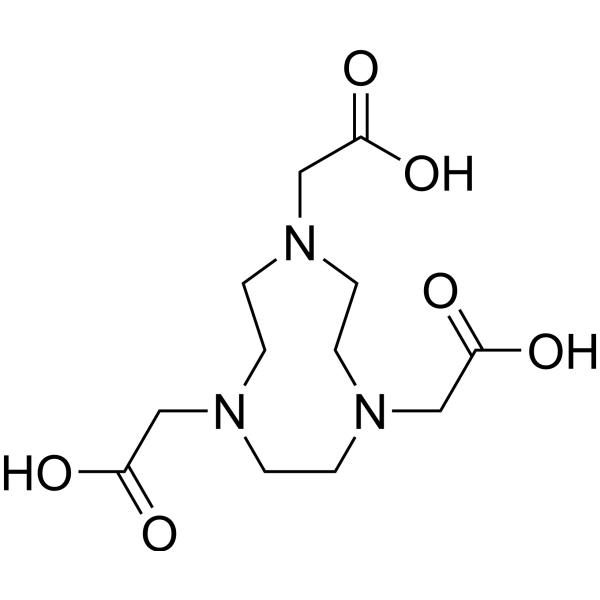
    NOTA is a bifunctional chelate which acts as the framework to construct PET imaging tools. NOTA also can be used for probe design and signal amplification via the multivalent effect. NOTA can be used in multiple myeloma, breast cancer, lymphoma and myocardial infarction research .
    NOTA
  • HY-141637
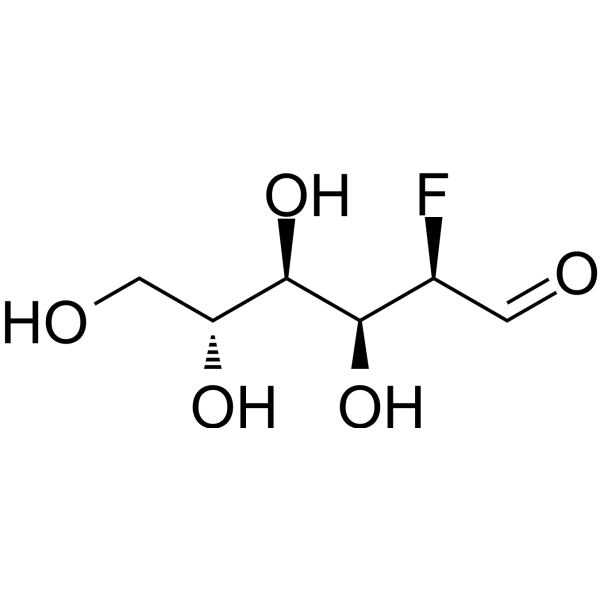
    2-Deoxy-2-fluoro-D-glucose
    2 Publications Verification

    2-Fluoro-2-deoxy-D-glucose; 2-Deoxy-2-fluoro-D-glucopyranose; Fluorodeoxyglucose

    Biochemical Assay Reagents Cancer
    2-Deoxy-2-fluoro-D-glucose (2-Fluoro-2-deoxy-D-glucose) is a glucose analog that can be absorbed by cells. 2-Deoxy-2-fluoro-D-glucose is capable of being labelled with 18F for positron emission tomography (PET) imaging. 18F-2-Deoxy-2-fluoro-D-glucose can be used to detect breast cancer and gastric cancer .
    2-Deoxy-2-fluoro-D-glucose
  • HY-P11051

    Biochemical Assay Reagents Cancer
    GE11, Cys Conjugated is a peptide conjugate. GE11, Cys Conjugated consists of GE11 (HY-P10128) conjugated to a GGGGC sequence. GE11, Cys Conjugated can be used to synthesize stimulus-responsive peptide nanomaterials (SRPNs) for photoacoustic imaging and cancer research, such as studies on triple-negative breast cancer (TNBC) .
    GE11, Cys Conjugated
  • HY-W250574

    NOTA-bis(t-Butyl ester)

    Biochemical Assay Reagents Radionuclide-Drug Conjugates (RDCs) Drug Derivative Cancer
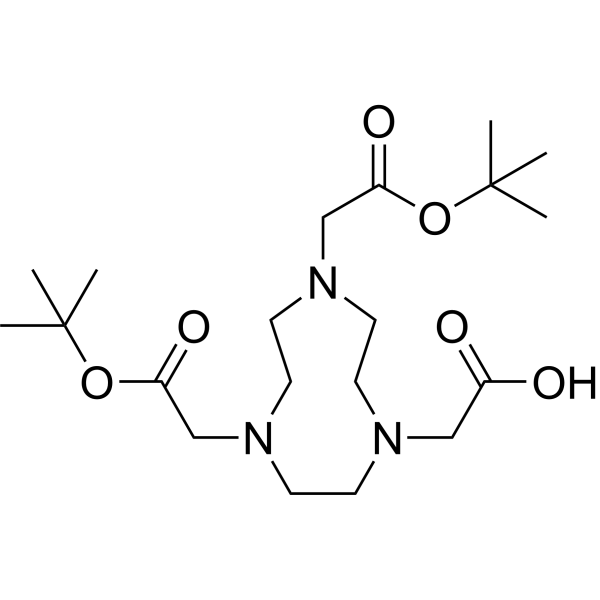
    NOTA-bis (tBu) ester is a derivative of NOTA (HY-134418). NOTA-bis (tBu) ester is radiolabeled with 68Ga to form ZD2-( 68Ga-NOTA) after conjugation with ZD2. ZD2-( 68Ga-NOTA) can be used for PET imaging studies of pancreatic cancer .
    NOTA-bis(tBu)ester
  • HY-20167A

    Neurokinin Receptor Cancer
    H-Glu(OtBu)-OtBu hydrochloride is a key intermediate that can be used to synthesize prostate-specific membrane antigen (PSMA) targeting probes. H-Glu(OtBu)-OtBu hydrochloride can reduce nonspecific background binding through negatively charged linkers, improve tumor/background contrast, and can be used in prostate cancer PET/SPECT imaging studies .
    H-Glu(OtBu)-OtBu hydrochloride
  • HY-117756

    DCFPYL

    PSMA Cancer
    Piflufolastat (DCFPYL) can be used for the preparation of piflufolastat F 18 (DCFPyL F-18). Piflufolastat F-18 (DCFPyL F-18) is an 18F-labeled imaging agent. Piflufolastat F-18 can be used for positron emission tomography (PET) targeting prostate-specific membrane antigen (PSMA). Piflufolastat can be used for imaging of prostate cancer .
    Piflufolastat
  • HY-19997

    TATM

    Biochemical Assay Reagents Cancer
    Mannose triflate is a glucose analog. Mannose triflate is a precursor for 18F-FDG synthesis for PET applications. Mannose triflate binds to 18F via SN2 nucleophilic substitution reaction. Mannose triflate can be used for an imaging technique in detection of cancer .
    Mannose triflate
  • HY-D2363

    Radionuclide-Drug Conjugates (RDCs) FAP Prolyl Endopeptidase (PREP) Cancer
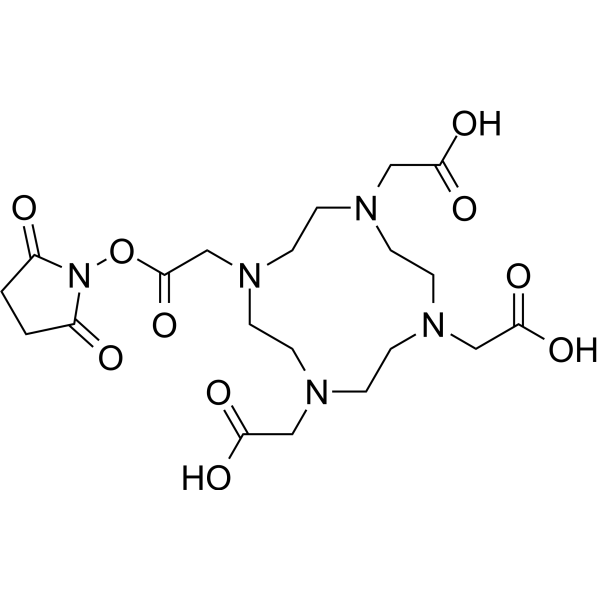
    DOTA.SA.FAPi TFA is a selective FAP inhibitor with an IC50 value of 0.9 nM against FAP. DOTA.SA.FAPi TFA forms stable complexes with 68Ga and serves as a PET radiotracer for preclinical imaging of FAP-expressing tumors. DOTA.SA.FAPi TFA can be used in the research of colorectal adenocarcinoma and various other cancers .
    DOTA.SA.FAPi TFA
  • HY-139109
    IR-783
    2 Publications Verification

    ADS 780WS

    Fluorescent Dye Apoptosis Mitochondrial Metabolism ATP Synthase Cytochrome P450 Dynamin Cancer
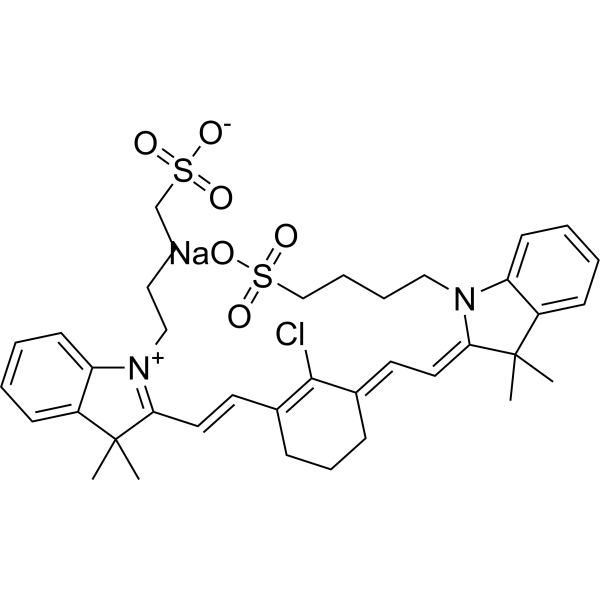
    IR-783 (ADS 780WS) is a heptamethine cyanine dye. IR-783 induces Mitochondrial membrane potential loss, ATP depletion, mitochondrial permeability transition pore opening, Cytochrome c release and Apoptosis in breast cancer cells. IR-783 promotes the translocation of Drp1 from the cytosol to mitochondria. IR-783 increases the expression of mitochondrial fission proteins such as MFF and Fission-1. IR-783 possesses imaging, cancer-targeting and anticancer properties. IR-783 exerts anticancer effects against breast cancer. IR-783 can be used in breast cancer-related research .
    IR-783
  • HY-D1716

    Fluorescent Dye Drug Intermediate Cancer
    S0456 is a raw material that plays a crucial role in the construction of the folate receptor-targeted near-infrared dye OTL 38 (HY-139579). S0456 is connected to the modified folic acid to form OTL 38, endowing OTL 38 with good optical properties, high affinity, and specificity. S0456 can be used in the research of tumor optical imaging agents .
    S0456
  • HY-P5287

    Integrin Cancer
    cRGDfK-thioacetyl ester is a bioactive polypeptide molecule. cRGDfK peptide has a selective affinity for integrins. cRGDfK peptide can modify NIR fluorescent probes for cancer targeting imaging .
    cRGDfK-thioacetyl ester
  • HY-P10943

    Fluorescent Dye Inflammation/Immunology Cancer
    APO-15 is a phosphatidylserine-binding fluorescent probe and apoptosis imaging reagent. APO-15 exhibits high chemical stability under proteolytic and oxidative conditions, enables quantification and imaging of drug-induced apoptosis in preclinical mouse models, and is applicable to fixed tissue samples and multiple in vivo administration routes (Ex = 488 nm; Em = 525 nm). APO-15 can be used in studies related to acute lung injury and breast cancer .
    APO-15
  • HY-P10131

    Radionuclide-Drug Conjugates (RDCs) FAP Cancer
    3BP-3940 is a highly potent and selective peptide inhibitor of FAP that targets cancer-associated fibroblasts (CAFs) in the tumor microenvironment. 3BP-3940 can be labeled with radionuclides (such as Ga-68) for precise tumor imaging or Lu-177 for the development of targeted anticancer technologies. 3BP-3940 accumulates in tumor lesions and can be used to diagnose and inhibit various solid cancers and CAFs-related diseases .
    3BP-3940
  • HY-124473

    Naphthafluorescein

    HIF/HIF Prolyl-Hydroxylase Cancer
    Naphthofluorescein inhibits the interaction between HIF-1 and Mint3. Naphthofluorescein suppresses Mint3-dependent HIF-1 activity and glycolysis in cancer cells and macrophages without cytotoxicity in vitro and adverse effect in vivo . Naphthofluorescein is also a fluorescent pH-sensitive probe that can be used for functional Cerenkov imaging .
    Naphthofluorescein
  • HY-160066

    Transmembrane Glycoprotein Cancer
    SYL3C aptamer sodium is a DNA aptamer that targets epithelial cell adhesion molecule (EpCAM) on the surface of cancer cells. SYL3C aptamer sodium targets a variety of human cancer cell lines including MDA-MB-231, Kato III, HT-29, T47D and SW480. The Kd values of SYL3C aptamer sodium against breast cancer cell line MDA-MB-231 and gastric cancer cell line Kato III are 38 nM and 67 nM, respectively. SYL3C aptamer sodium possesses stability, high binding affinity and selectivity, and can be used for targeted cancer cell imaging and circulating tumor cell detection .
    SYL3C aptamer sodium
  • HY-154844

    Biochemical Assay Reagents Cancer
    FAP Ligand 1 (FL), a high-affinity FAP small-molecule ligand, is used to target attached drugs to FAP-expressing fibroblasts and can be used in radiation imaging studies of targeted cancers .
    FAP Ligand 1
  • HY-P10292

    Radionuclide-Drug Conjugates (RDCs) Interleukin Related Cancer
    NOTA-Pep-1L specifically targets the IL13RA2 receptor for tumor imaging . NOTA-Pep-1L can be used for the synthesis/research of Radionuclide-Drug Conjugates (RDCs).
    NOTA-Pep-1L
  • HY-148152A

    PSMA Cancer
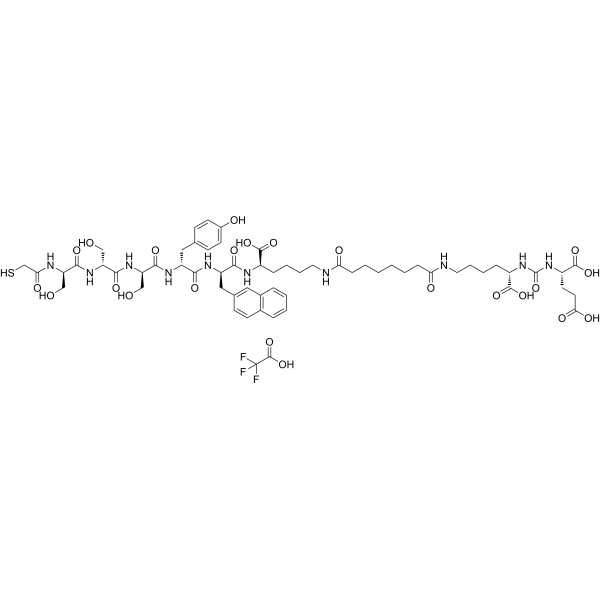
    PSMA I&S TFA is a PSMA-targeted imaging agent. PSMA I&S TFA undergoes PSMA-mediated internalization into PSMA-expressing cells, with uptake into PSMA-positive tissues competitively inhibited by a potent PSMA inhibitor. PSMA I&S TFA can be used for the research of prostate cancer .
    PSMA I&S TFA
  • HY-160062

    Mucin Cancer
    S2.2 aptamer sodium is a nucleic acid-based MUC1-binding aptamer with high affinity and low toxicity. Upon binding to its target, S2.2 aptamer sodium undergoes a conformational switch and restores fluorescence signal, serving as a targeted imaging agent for MUC1-positive cancer cells. S2.2 aptamer sodium enables targeted delivery to breast cancer cells with overexpressed MUC1. When formulated as the S2.2-PEG-MZF molecular probe, S2.2 aptamer sodium possesses the functions of T2 signal inhibition, magnetic field-induced hyperthermia and targeted magnetic resonance molecular imaging. In the S2.2-PEG-MZF/DOX nanoliposome, S2.2 aptamer sodium supports targeted thermochemotherapy, effectively inhibiting cancer cell proliferation and invasion as well as inducing apoptosis, and is widely used in studies related to breast cancer .
    S2.2 aptamer sodium
  • HY-D1456

    Pyruvate Kinase Cancer
    TEPC466 is a novel TEPP-46-based aggregation-induced emission (AIE) probe. TEPC466 shows a high degree of selectivity and sensitivity for the detection of PKM2 protein via the AIE effect. EPC466 can be used for the detection of PKM2. TEPC466 is successfully applied in imaging the PKM2 protein in colorectal cancer cells with low toxicity. TEPC466 is a useful tool for cancer diagnosis and research .
    TEPC466
  • HY-P5290

    Radionuclide-Drug Conjugates (RDCs) PSMA Cancer
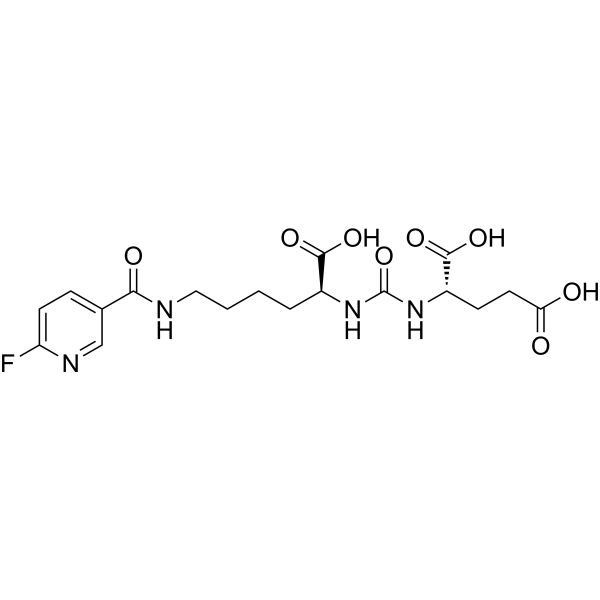
    HYNIC-PSMA is a ligand for molecular imaging of tumors. Hynic-psma consists of two components: HYNIC (6-hydrazinonicotinamide) and PSMA (Prostate-Specific Membrane Antigen). HYNIC is a compound used to attach radioactive isotopes to targeted molecules, such as 188Re-HYNIC-PSMA. PSMA is a membrane antigen that is specifically expressed on the surface of prostate cancer cells. HYNIC-PSMA can be used in prostate cancer research . HYNIC-PSMA can be used for the synthesis/research of Radionuclide-Drug Conjugates (RDCs).
    HYNIC-PSMA
  • HY-159768A

    Radionuclide-Drug Conjugates (RDCs) FAP Neurological Disease Cancer
    DOTAGA.Glu.(FAPi) 2 is a FAPI homodimer in which a central glutamic acid (Glu) linker connects FAPI and a chelator. Radiolabeled with gallium- 68, lutetium- 177 or terbium- 161, DOTAGA.Glu.(FAPi) 2 is applicable to FAP-positive cancer PET imaging studies. DOTAGA.Glu.(FAPi) 2 is suitable for research related to prostate adenocarcinoma and recurrent glioblastoma multiforme .
    DOTAGA.Glu.(FAPi)2
  • HY-159194

    Liposome Cancer
    DSPE-PEG2000-Cy5.5 is a phospholipid-fluorophore conjugate consisting of Cy5.5 covalently linked to 1,2-distearoyl-sn-glycero-3-phosphoethanolamine (DSPE), serving as a surface label for liposomes in multimodal CT/optical imaging.DSPE-PEG2000-Cy5.5 can be used for the research of non-small cell lung cancer .
    DSPE-PEG2000-Cy5.5
  • HY-175613

    FAP Cancer
    DOTA-ALB-02 is an albumin-bound FAP inhibitor (FAPI) ligand. DOTA-ALB-02 labeled with 177Lu has a high FAP-binding affinity and enhanced tumor uptake and retention with a significant tumor/nontarget ratio. DOTA-ALB-02 can be used for PET/CT and SPECT/CT imaging of cancers, especially late-stage cancers .
    DOTA-ALB-02
  • HY-P10896

    Bombesin Receptor Cancer
    NOTA-P2-RM26 is an antagonist of Bombesin (HY-P0195) analogs, and the gastrin-releasing peptide receptor (GRPR/BB2) is a molecular target for prostate cancer visualization. NOTA-P2-RM26 is labeled with 111In and 68Ga for prostate cancer imaging studies using PET and SPECT/CT .
    NOTA-P2-RM26
  • HY-P10792

    EGFR Cancer
    HER2-targeted peptide H6F is a HER2 targeting peptide that binds to HER2 to target breast cancer cells, with the amino acid sequence YLFFVFER. The HER2-targeted peptide H6F can be conjugated with the bifunctional chelating agent hydrazinonicotinamide (HYNIC) for radiolabeling with 99mTc. Single-photon emission computed tomography (SPECT) imaging shows that the labeled HER2-targeted peptide H6F specifically accumulates in HER2-positive MDA-MBA-453 tumor-bearing mice models. The HER2-targeted peptide H6F can be used for tumor molecular imaging studies .
    HER2-targeted peptide H6F
  • HY-P5292A

    Radionuclide-Drug Conjugates (RDCs) PSMA Cancer
    HYNIC-iPSMA TFA is a ligand for molecular imaging of tumors. Hynic-ipsma consists of two components: HYNIC (6-hydrazinonicotinamide) and iPSMA (Inhibitor of Prostate-Specific Membrane Antigen). HYNIC is a compound used to attach radioactive isotopes to targeted molecules. iPSMA is a specific inhibitor used to inhibit prostate-specific membrane antigen (PSMA). 68GA-labeled iPSMA has been used to detect prostate cancer by PET imaging. The further 99mTc-EDDA/HYNIC-iPSMA TFA has excellent specificity and sensitivity . HYNIC-iPSMA TFA can be used for the synthesis/research of Radionuclide-Drug Conjugates (RDCs).
    HYNIC-iPSMA TFA
  • HY-175744

    PSMA Cancer
    PSMA-MAL-5 is a PSMA ligand. PSMA-MAL-5 covalently binds to Cys466 of PSMA. PSMA-MAL-5 labeled with 177Lu and 225Ac has high radiostability and tumor uptake. PSMA-MAL-5 also effectively inhibits tumor growth. PSMA-MAL-5 can be used for SPECT/CT imaging and radionuclide therapy of prostate cancer .
    PSMA-MAL-5
  • HY-170779

    FAP Cancer
    DOTA-NI-FAPI-04 is a FAP inhibitor (IC50 = 7.44 nM). By integrating FAP targeting with hypoxia-sensitive groups (nitroimidazole), DOTA-NI-FAPI-04 significantly enhances tumor uptake and retention capabilities. DOTA-NI-FAPI-04 chelates metallic isotopes (such as 68Ga and 177Lu) through DOTA to produce radioactive probes ([68Ga]Ga/DOTA-NI-FAPI-04 and [177Lu]Lu/DOTA-NI-FAPI-04), which can be used for research in tumor diagnostics and therapeutic agents. DOTA-NI-FAPI-04 holds dual targeting potential in the fields of cancer imaging, tumor microenvironment analysis, and radionuclide therapy, particularly suitable for scenarios where the tumor stroma and hypoxic regions synergistically interact .
    DOTA-NI-FAPI-04
  • HY-164725

    Radionuclide-Drug Conjugates (RDCs) FAP Cancer
    FAPI-mFS is an irreversible fibroblast activation protein (FAP) inhibitor, that enhances the uptake and retention time in cancer cells through its covalent binding property for FAP. FAPI-mFS can be used for cancer imaging the therapy, when labeled with radioactive 68Ga or 177Lu . FAPI-mFS can be used for the synthesis/research of Radionuclide-Drug Conjugates (RDCs).
    FAPI-mFS
  • HY-D1275

    Fluorescent Dye Others
    CAY10731 (compound 3) is a highly selective fluorescent probe for detection of hydrogen sulfide (H2S). CAY10731 is used to monitor exo- and endogenous H2S in both cancer and normal cells. CAY10731 is applied for imaging of H2S in living tissues at variable depths and in nematodes .
    CAY10731
  • HY-175685

    FAP Cancer
    FAP-IN-7 (Compound 5b) is a FAPimaging and radionuclide therapy of cancers research .
    FAP-IN-7
  • HY-P5292

    Radionuclide-Drug Conjugates (RDCs) PSMA Cancer
    HYNIC-iPSMA is a ligand for molecular imaging of tumors. Hynic-ipsma consists of two components: HYNIC (6-hydrazinonicotinamide) and iPSMA (Inhibitor of Prostate-Specific Membrane Antigen). HYNIC is a compound used to attach radioactive isotopes to targeted molecules. iPSMA is a specific inhibitor used to inhibit prostate-specific membrane antigen (PSMA). 68GA-labeled iPSMA has been used to detect prostate cancer by PET imaging. The further 99mTc-EDDA/HYNIC-iPSMA has excellent specificity and sensitivity . HYNIC-iPSMA can be used for the synthesis/research of Radionuclide-Drug Conjugates (RDCs).
    HYNIC-iPSMA
  • HY-175730

    Cannabinoid Receptor Neurological Disease Inflammation/Immunology Cancer
    CB2R ligand-1 (Compound L14) is a selective Cannabinoid type 2 receptor (CB2R) ligand with a with Ki of 0.16  nM for CB2R over CB1R. CB2R ligand-1 as be used as a tracer for positron emission tomography (PET) imaging of neurodegenerative diseases, inflammation and cancer .
    CB2R ligand-1
  • HY-136952

    Biochemical Assay Reagents Radionuclide-Drug Conjugates (RDCs) Cancer
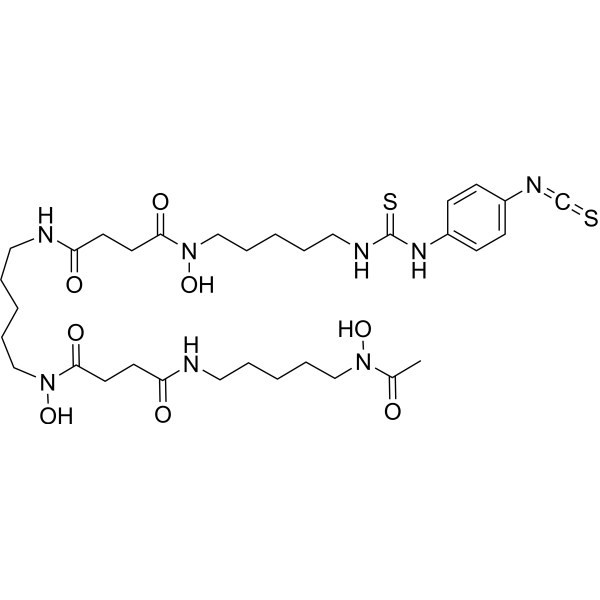
    p-SCN-Bn-HOPO is a bifunctional chelator that forms stable octadentate complexes with Zr (IV) and 89Zr 4+ via four 1,2-hydroxypyridone groups. p-SCN-Bn-HOPO conjugates with antibodies through the formation of thiourea bonds with lysine residues, and enables efficient 89Zr radiolabeling under mild conditions. p-SCN-Bn-HOPO inhibits bone uptake of free radiometals, stabilizes radiometal-antibody conjugates, and achieves PET imaging with low background and enhanced tumor-to-organ contrast. p-SCN-Bn-HOPO can be used in breast cancer-related research .
    p-SCN-Bn-HOPO
  • HY-175612

    FAP Cancer
    DOTA-ALB-01 is an albumin-bound FAP inhibitor (FAPI) ligand. DOTA-ALB-01 labeled with 68Ga or 177Lu has a high FAP-binding affinity and enhanced tumor uptake and retention. DOTA-ALB-01 can be used for PET/CT and SPECT/CT imaging of cancers, especially late-stage cancers .
    DOTA-ALB-01
  • HY-W130177

    Biochemical Assay Reagents Cancer
    Iodocholine iodide is a non-toxic, metabolizable "green" catalyst that can catalyze the free radical polymerization of functional polymers. Iodocholine iodide is also the non-radioactive iodide of Carbon-11 choline. C-11 Choline can be used in PET imaging and non-informative bone scintigraphy, CT or MRI to monitor various types of cancer .
    Iodocholine iodide
  • HY-134418R

    Radionuclide-Drug Conjugates (RDCs) Reference Standards Cardiovascular Disease Cancer
    NOTA (Standard) is the analytical standard of NOTA. This product is intended for research and analytical applications. NOTA is a bifunctional chelate which acts as the framework to construct PET imaging tools. NOTA also can be used for probe design and signal amplification via the multivalent effect. NOTA can be used in multiple myeloma, breast cancer, lymphoma and myocardial infarction research .
    NOTA (Standard)
  • HY-176834

    GLUT Cancer
    3-Deoxy-3-fluoro-D-fructose (Compound 12) is a derivative of 2,5-Anhydro-D-mannitol. 3-Deoxy-3-fluoro-D-fructose is a selective probe of Hexose transporter 5 (GLUT5). 3-Deoxy-3-fluoro-D-fructose inhibits the transport of D-fructose labeled with 14C by GLUT5 with IC50s of 1.16 and 2.37 µM in EMT-6 and MCF-7 cells. 3-Deoxy-3-fluoro-D-fructose can be used for positron emission tomography (PET) imaging of cancers .
    3-Deoxy-3-fluoro-D-fructose
  • HY-174808

    PSMA Radionuclide-Drug Conjugates (RDCs) Cancer
    SC691 is a PSMA inhibitor. SC691 can be labeled with 68Ga(III). SC691 can be used for imaging diagnosis of prostate cancer .
    SC691
  • HY-P5287A

    Integrin Cancer
    cRGDfK-thioacetyl ester TFA is a bioactive polypeptide molecule. cRGDfK peptide has a selective affinity for integrins. cRGDfK peptide can modify NIR fluorescent probes for cancer targeting imaging .
    cRGDfK-thioacetyl ester TFA
  • HY-P11025

    VEGFR Cancer
    TMVP1446 is a VEGFR-3 targeting peptide. TMVP1446 labeled with cyanine 7 can be used as a radiotracer for cancer-metastatic sentinel lymph nodes (m-SLN) imaging .
    TMVP1446
  • HY-P11310

    PSMA Cancer
    PSMA-1-SMCC is a selective binding agent targeting Prostate-Specific Membrane Antigen (PSMA). PSMA-1-SMCC is promising for research of targeted imaging for prostate cancer .
    PSMA-1-SMCC

Inquiry Online

Your information is safe with us. * Required Fields.

Salutation


Country or Region *

Applicant Name *


Organization Name *

Department *


Email Address *


Product Name *

Cat. No.


Requested quantity *

Phone Number *


Remarks

Inquiry Online

Inquiry Information

Product Name:
Cat. No.:
Quantity:
MCE Japan Authorized Agent:

