

236 Results for "

effector function

" in MedChemExpress (MCE) Product Catalog:
Products (236)

236 Results for "effector function" in MCE Product Catalog:

73
73 Publications Verification
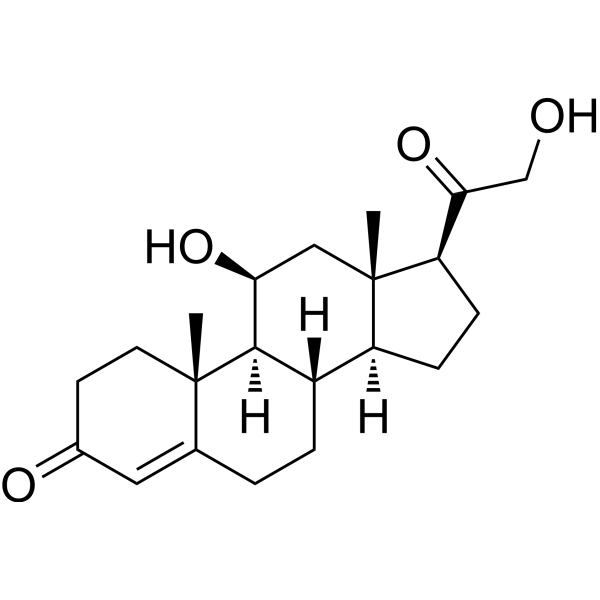
Cat. No.: HY-B1618
CAS No.: 50-22-6
Synonyms: 17-Deoxycortisol; 11β,21-Dihydroxyprogesterone; Kendall's compound B
Corticosterone (17-Deoxycortisol) is an orally active and adrenal cortex-produced glucocorticoid, which plays an important role in regulating neuronal functions of the limbic system (including hippocampus, prefrontal cortex, and amygdala). Corticosterone increases the Rab-mediated AMPAR membrane traffic via SGK-induced phosphorylation of GDI. Corticosterone also interferes with the maturation of dendritic cells and shows a good immunosuppressive effect .
loading...
    loading...
65
65 Cited Publications
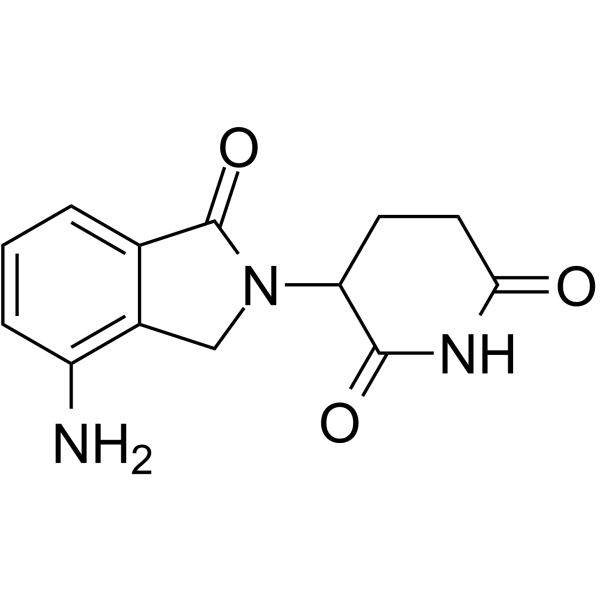
Cat. No.: HY-A0003
CAS No.: 191732-72-6
Synonyms: CC-5013
Lenalidomide (CC-5013) is an orally active immunomodulatory agent that binds CRBN as a molecular glue to alter substrate specificity, inducing ubiquitination and proteasome-dependent degradation of IKZF1, IKZF3 and CK1α. Lenalidomide induces apoptosis by degrading IKZF1/3, and activates p53 by degrading CK1α. Lenalidomide promotes IL-2 release and effector functions of CD8 + T/NK cells, while inhibiting TNF-α secretion and M1-type pyroptosis. Lenalidomide can be used in research related to hematological malignancies, acute liver failure and acute kidney injury .
loading...
    loading...
65
65 Cited Publications
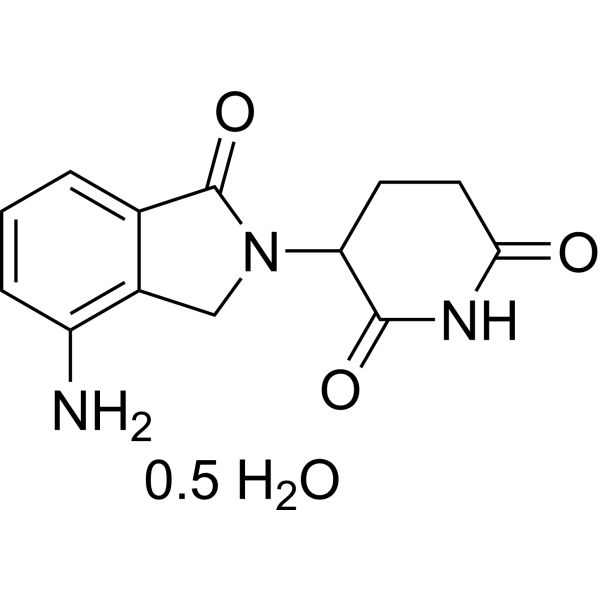
Cat. No.: HY-A0003B
CAS No.: 847871-99-2
Synonyms: CC-5013 hemihydrate
Lenalidomide hemihydrate (CC-5013 hemihydrate) is an orally active immunomodulatory agent that binds CRBN as a molecular glue to alter substrate specificity, inducing ubiquitination and proteasome-dependent degradation of IKZF1, IKZF3 and CK1α. Lenalidomide hemihydrate induces apoptosis by degrading IKZF1/3, and activates p53 by degrading CK1α. Lenalidomide hemihydrate promotes IL-2 release and effector functions of CD8 + T/NK cells, while inhibiting TNF-α secretion and M1-type pyroptosis. Lenalidomide hemihydrate can be used in research related to hematological malignancies, acute liver failure and acute kidney injury .
loading...
    loading...
12
12 Cited Publications
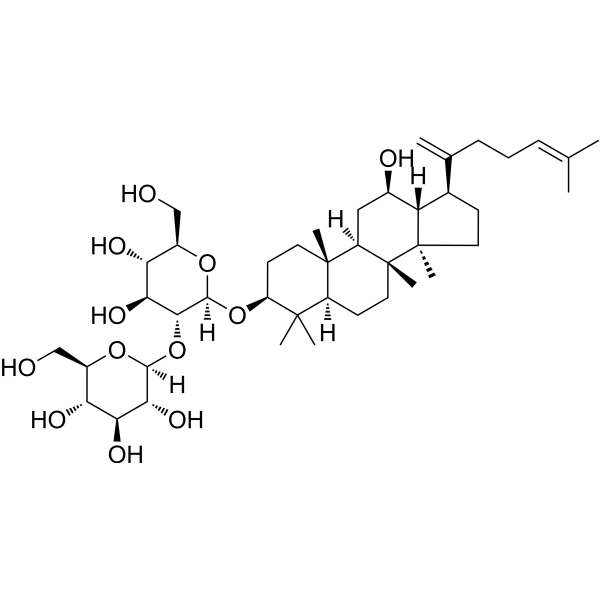
Cat. No.: HY-N2515
CAS No.: 494753-69-4
Ginsenoside Rk1 is a unique component created by processing the ginseng plant (mainly Sung Ginseng, SG) at high temperatures . Ginsenoside Rk1 has anti-inflammatory effect, suppresses the activation of Jak2/Stat3 signaling pathway and NF-κB . Ginsenoside Rk1 has anti-tumor effect, antiplatelet aggregation activities, anti-insulin resistance, nephroprotective effect, antimicrobial effect, cognitive function enhancement, lipid accumulation reduction and prevents osteoporosis . Ginsenoside Rk1 induces cell apoptosis by triggering intracellular reactive oxygen species (ROS) generation and blocking PI3K/Akt pathway .
loading...
    loading...
10
10 Cited Publications
Cat. No.: HY-131614
CAS No.: 136186-07-7
Purity:  99.86%
Target:  

Calcium Channel

Research Areas:  

Others

TPC2-A1-N is a powerful and Ca 2+-permeable agonist of two pore channel 2 (TPC2), which plays its role by mimicking the physiological actions of NAADP. TPC2-A1-P reproducibly evokes significant Ca 2+ responses from TPC2 (EC50=7.8 μM), and the effect can be blocked by several TPC blockers. TPC2-A1-N can be used to probe different functions of TPC2 channels in intact cells .
loading...
    loading...
9
9 Cited Publications
Cat. No.: HY-104037
CAS No.: 2055536-64-4
Purity:  99.14%
Synonyms: LYC-55716
Target:  

ROR

Research Areas:  

Cancer

Cintirorgon (LYC-55716) is a first-in-class, selective and orally bioavailable RORγ agonist. Cintirorgon (LYC-55716) modulates gene expression of RORγ expressing T lymphocyte immune cells, resulting in enhanced effector function, as well as decreased immunosuppression, resulting in decreased tumor growth, and improved survival .
loading...
    loading...
8
8 Cited Publications
Cat. No.: HY-B0252
CAS No.: 58-93-5
Synonyms: HCTZ
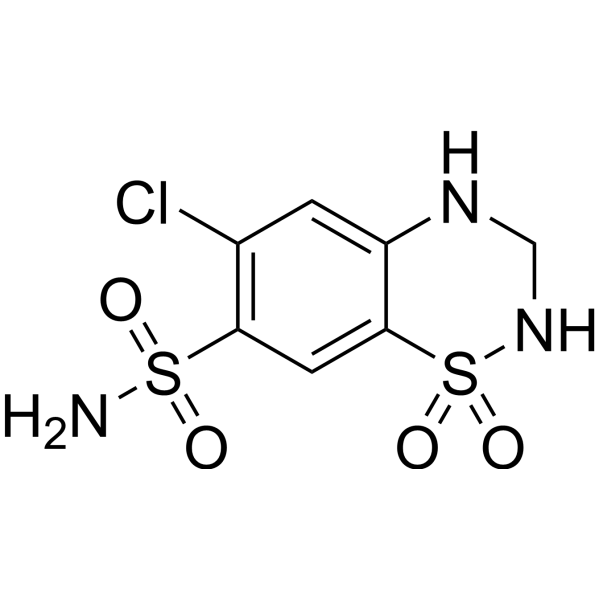
Hydrochlorothiazide (HCTZ), an orally active diuretic agent of the thiazide class, inhibits transforming TGF-β/Smad signaling pathway. Hydrochlorothiazide has direct vascular relaxant effects via opening of the calcium-activated potassium (KCA) channel. Hydrochlorothiazide improves cardiac function, reduces fibrosis and has antihypertensive effect .
loading...
    loading...
8
8 Cited Publications
Cat. No.: HY-P99032
CAS No.: 1228763-95-8
Synonyms: IPH2201
Monalizumab (IPH2201) is an immune checkpoint inhibitor targeting Natural Killer Group 2A (NKG2A). Monalizumab, a humanized anti-NKG2A blocking mAb, increases IFN-γ production, thereby promoting NK cell effector functions. Monalizumab can be used for the research of head and neck squamous cell carcinoma (HNSCC) .
loading...
    loading...
7
7 Cited Publications
Cat. No.: HY-124653
CAS No.: 2133499-85-9
Purity:  99.70%
Synonyms: J2
Target:  

HSP

Research Areas:  

Cancer

HSP27 inhibitor J2 (J2) is a HSP27 inhibitor, which significantly induces abnormal HSP27 dimer formation and inhibits a production of HSP27 giant polymers, thereby having an effect of inhibiting a chaperone function of the HSP27 and reducing a cell protection function thereof. HSP27 inhibitor J2 (J2) remarkably enhances the antiproliferative activity of 17-AAG and sensitizes cisplatin-induced lung cancer cell growth inhibition .
loading...
    loading...
6
6 Cited Publications
Cat. No.: HY-P99029
CAS No.: 2169232-81-7
Synonyms: Hu5F9-G4

Target:  

CD47

Research Areas:  

Cancer

Magrolimab (Hu5F9-G4) is a humanized anti-CD47 antibody. Magrolimab, an IgG4 isotype, lacks ADCC function and exhibits relatively weak ADCP effector function. Magrolimab can be used for the study of malignant bone tumors and breast cancer .
loading...
    loading...
6
6 Cited Publications
Cat. No.: HY-P1956
CAS No.: 70024-90-7
Synonyms: Human serum albumin
HSA Protein (Human serum albumin) is the most abundant protein in plasma and is a major determinant of plasma oncotic pressure. HSA Protein exhibits antioxidant, anticoagulant, anti-inflammatory, anti-platelet aggregation activities as well as colloid osmotic action. HSA Protein can block the inhibitory effect of GML on human T cells, providing protective function for T cells. HSA Protein is also associated with cardiovascular diseases and can partially prevent the LPS (HY-D1056) induced oxidative stress, as well as the upregulation of NF-κB, NF-κB, and peroxynitrite (ONOO -) in the vascular wall, contributing to the reduction of blood pressure .
This product is recombinant HSA Protein expressed in a microbial expression system.
loading...
    loading...
4
4 Cited Publications
Cat. No.: HY-N0699
CAS No.: 2034-69-7
Synonyms: Dephnoretin; Thymelol
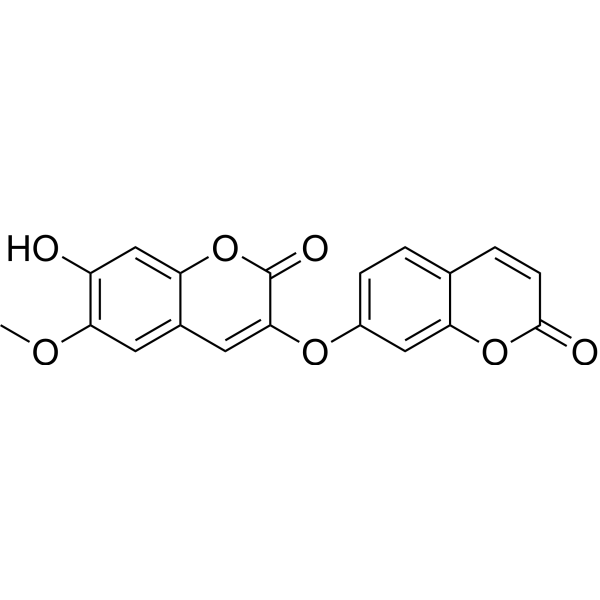
Daphnoretin (Dephnoretin; Thymelol) is a protein kinase C (PKC) activator that inhibits the expression of hepatitis B virus (HBV) surface antigen (HBsAg) and exhibits antiviral activity. Daphnoretin exerts its antitumor effects by inhibiting the activation of the PI3K/AKT signaling pathway and triggers the mitochondrial apoptosis pathway. Daphnoretin alleviates chondrocyte apoptosis and inflammatory responses by inhibiting endoplasmic reticulum stress and activation of the NLRP3 inflammasome. Daphnoretin regulates the differentiation and maturation of dendritic cells, inhibits their immunostimulatory function by downregulating the phosphorylation level of JNK, and thus exerts a protective effect in skin graft rejection .
loading...
    loading...
3
3 Cited Publications
Cat. No.: HY-135869
CAS No.: 1254044-38-6
Purity:  99.84%
Research Areas:  

Neurological Disease

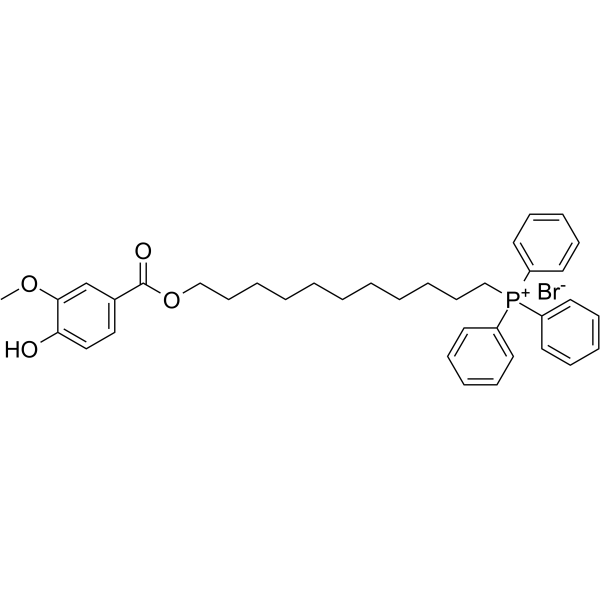
Mito-apocynin (C11), an orally active mitochondria-targeted triphenylphosphonium (TPP)-based compound, is synthesized by conjugating the Apocynin moiety with a TPP + cation. Mito-apocynin (C11) selectively targets mitochondria, and shows neuroprotective effect. Mito-apocynin (C11) prevents hyposmia and corrects deficits in motor function .
loading...
    loading...
3
3 Cited Publications
Cat. No.: HY-P1812
CAS No.: 1353563-85-5
Synonyms: NP-12
Target:  

PD-1/PD-L1

Research Areas:  

Cancer

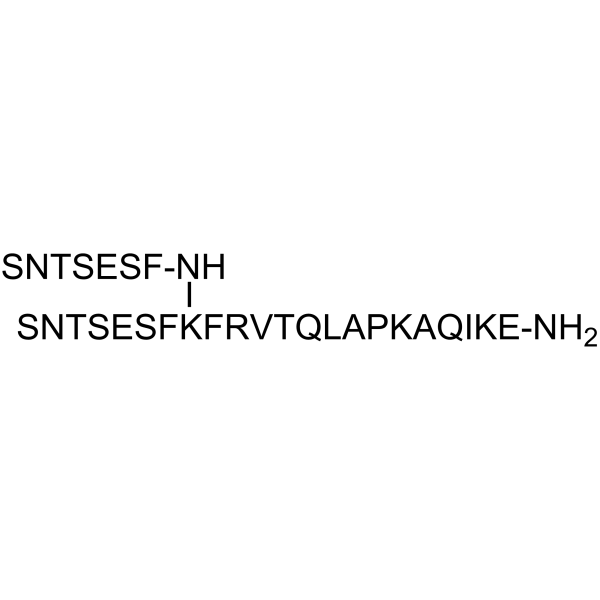
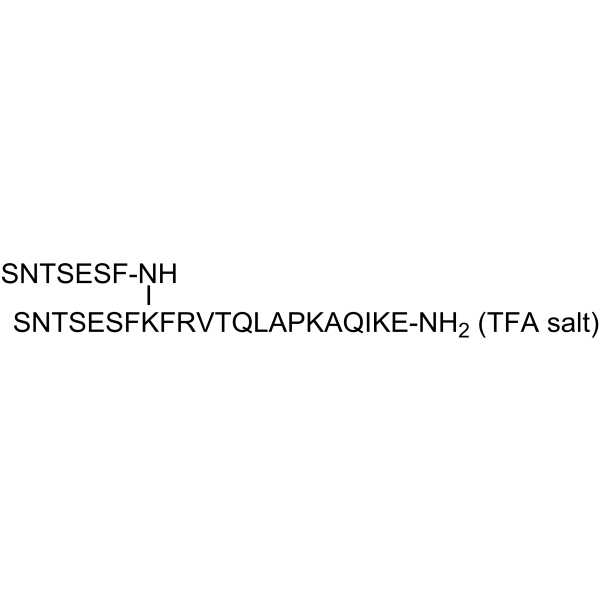
AUNP-12 (NP-12) is a peptide antagonist of the PD-1 signaling pathway, displays equipotent antagonism toward PD-L1 and PD-L2 in rescue of lymphocyte proliferation and effector functions. AUNP-12 exhibits immune activation, excellent antitumor activity, and potential for better management of immune-related adverse events (irAEs) .
loading...
    loading...
3
3 Cited Publications
Cat. No.: HY-P1812A
Synonyms: NP-12 TFA
Target:  

PD-1/PD-L1

Research Areas:  

Cancer

AUNP-12 TFA (NP-12 TFA) is a peptide antagonist of the PD-1 signaling pathway, displays equipotent antagonism toward PD-L1 and PD-L2 in rescue of lymphocyte proliferation and effector functions. AUNP-12 TFA exhibits immune activation, excellent antitumor activity, and potential for better management of immune-related adverse events (irAEs) .
loading...
    loading...
3
3 Cited Publications
Cat. No.: HY-150298
CAS No.: 2226636-04-8
Purity:  99.71%
Synonyms: CPI-818
Target:  

Itk

Research Areas:  

Inflammation/Immunology Cancer

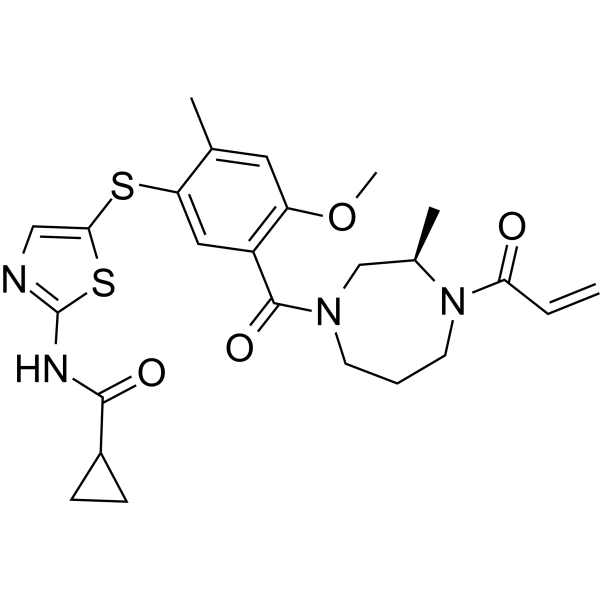
Soquelitinib (CPI-818) is an orally active and highly selective covalent interleukin-2-inducible kinase (ITK) inhibitor. Soquelitinib is active in six different models of T cell-mediated inflammatory and immune disease, including acute and chronic asthma, pulmonary fibrosis, systemic sclerosis (scleroderma), psoriasis, and acute graft versus host disease with Th2 cytokine product inhibition. Soquelitinib increases tumor infiltration of normal CD8 + cells that possess enhanced T effector function .
loading...
    loading...
3
3 Cited Publications
Cat. No.: HY-N7676
CAS No.: 535-96-6
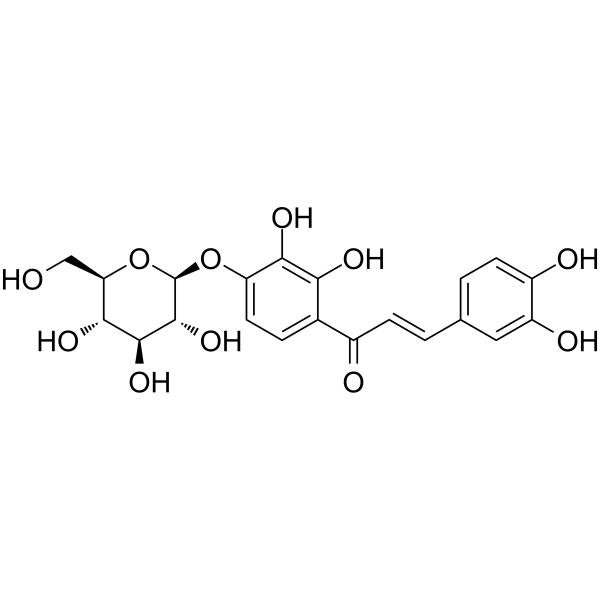
Marein has the neuroprotective effect due to a reduction of damage to mitochondria function and activation of the AMPK signal pathway. Marein improves insulin resistance induced by high glucose in HepG2 cells through CaMKK/AMPK/GLUT1 to promote glucose uptake, through IRS/Akt/GSK-3β to increase glycogen synthesis, and through Akt/FoxO1 to decrease gluconeogenesis. Marein is a HDAC inhibitor with an IC50 of 100 μM. Marein has beneficial antioxidative, antihypertensive, antihyperlipidemic and antidiabetic effects .
loading...
    loading...
3
3 Cited Publications
Cat. No.: HY-N0440
CAS No.: 6902-91-6
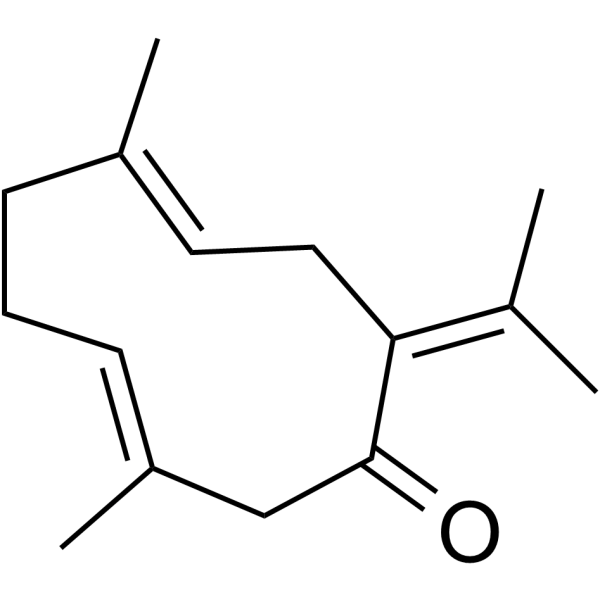
Germacrone is a sesquiterpene compound with multiple biological activities. Germacrone inhibits the H1N1 and H3N2 influenza A virus and the influenza B virus. Germacrone blocks the progressionof arthritis by regulating Th1/Th2 balance and inhibiting NF-κB signaling. Germacrone can arrest the cell cycle at G0/G1 and G2/M phases and induce apoptosis in breast cancer cells. Germacrone inhibits 5α-reductase and has anti-androgenic effect. Germacrone has neuroprotective functions and can be used for the study of traumatic brain injury (TBI). Germacrone also has antioxidant activity .
loading...
    loading...
3
3 Cited Publications
Cat. No.: HY-N6893
CAS No.: 54999-07-4
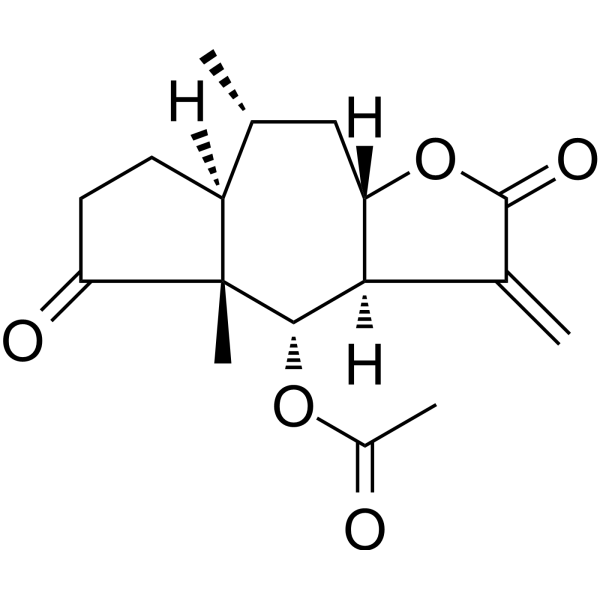
Ergolide is an orally active dual inhibitor targeting NF-κB/p65 and NLRP3. Ergolide blocks the NF-κB signaling pathway and the nuclear translocation of p65, and irreversibly binds to the NACHT domain of NLRP3 to inhibit inflammasome assembly. Ergolide significantly reduces the production of inflammatory mediators (e.g., NO, PGE2) and cytokines, induces cancer cell apoptosis, autophagy and ROS generation. Ergolide also enhances the anti-tumor effect of vincristine. Ergolide alleviates acute lung injury via an NLRP3-dependent mechanism, and effectively improves the survival rate and behavioral function of septic mice and inflammatory zebrafish models. Ergolide is used in the research of metastatic uveal melanoma, neurodegenerative diseases (such as Alzheimer's disease, Parkinson's disease), sepsis and acute lymphoblastic leukemia .
loading...
    loading...
2
2 Cited Publications
Cat. No.: HY-100784
CAS No.: 52497-36-6
Purity:  ≥99.0%
Target:  

EAAT

Research Areas:  

Neurological Disease

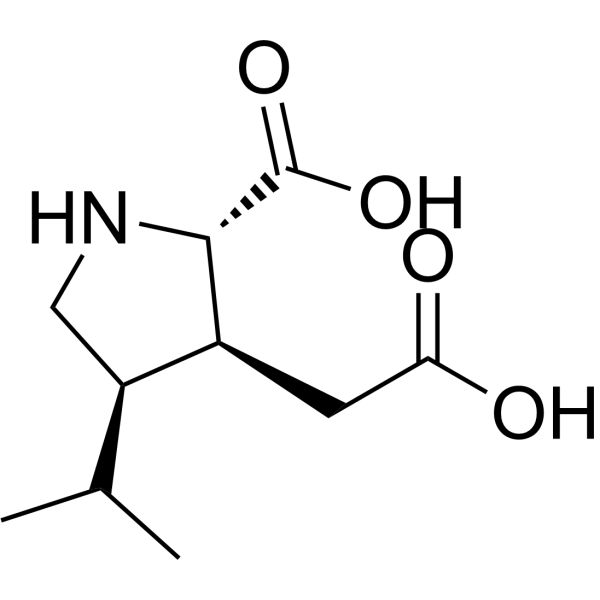
Dihydrokainic acid is a glutamate transporters (especially GLT1) inhibitor. Dihydrokainic acid targets GLT1 with high affinity, effectively inhibiting its transport function. Dihydrokainic acid exerts its effect by inhibiting the uptake of glutamate, leading to an increase in extracellular glutamate concentration, thereby affecting neuronal excitability and neurotransmission. Dihydrokainic acid is mainly applied in the field of neuroscience for research on glutamate-related neural functions, epilepsy, learning, and memory .
loading...
    loading...

