864 Results for "

kidneys

" in MedChemExpress (MCE) Product Catalog:
Products (864)

864 Results for "kidneys" in MCE Product Catalog:

179
179 Publications Verification
Cat. No.: HY-125944
CAS No.: 1569257-94-8
Purity:  98.03%
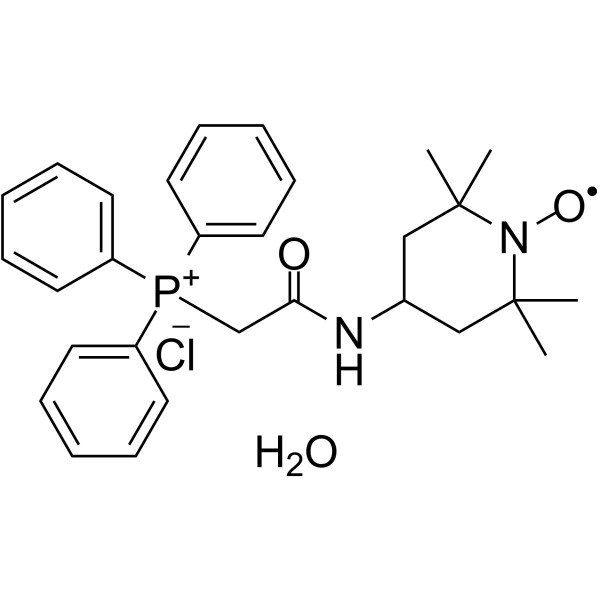
MitoTEMPO hydrate is a mitochondria-targeted antioxidant . MitoTEMPO hydrate induces mitophagy by activating the PINK1/Parkin pathway, inhibits NLRP3 inflammasome activation, restores mitochondrial membrane potential, and improves renal function and podocyte injury. MitoTEMPO hydrate regulates Ca 2+ homeostasis, inhibits Bnip3 overexpression, shortens action potential duration, and exerts antiarrhythmic effects. MitoTEMPO hydrate reverses premature senescence, reduces trabecular bone loss, and decreases cell apoptosis. MitoTEMPO hydrate can be used in studies of chronic kidney disease, age-related cardiac dysfunction, postmenopausal osteoporosis, and ischemic stroke .
loading...
    loading...
179
179 Publications Verification
Cat. No.: HY-112879
CAS No.: 1334850-99-5
Purity:  99.19%
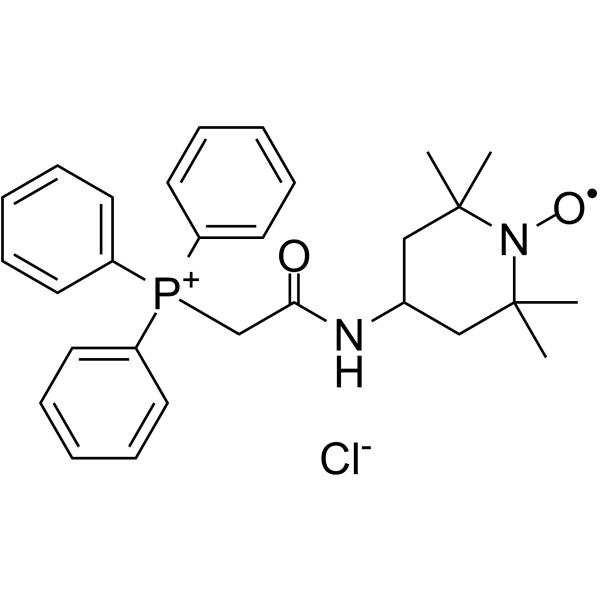
Mito-TEMPO is a mitochondria-targeted antioxidant. Mito-TEMPO induces mitophagy by activating the PINK1/Parkin pathway, inhibits NLRP3 inflammasome activation, restores mitochondrial membrane potential, and improves renal function and podocyte injury. Mito-TEMPO regulates Ca 2+ homeostasis, inhibits Bnip3 overexpression, shortens action potential duration, and exerts antiarrhythmic effects. Mito-TEMPO reverses premature senescence, reduces trabecular bone loss, and decreases cell apoptosis. Mito-TEMPO can be used in studies of chronic kidney disease, age-related cardiac dysfunction, postmenopausal osteoporosis, and ischemic stroke .
loading...
    loading...
110
110 Cited Publications
Cat. No.: HY-12248
CAS No.: 1439399-58-2
Purity:  99.82%
Synonyms: CB-839
Target:  

Glutaminase Autophagy

Research Areas:  

Cancer

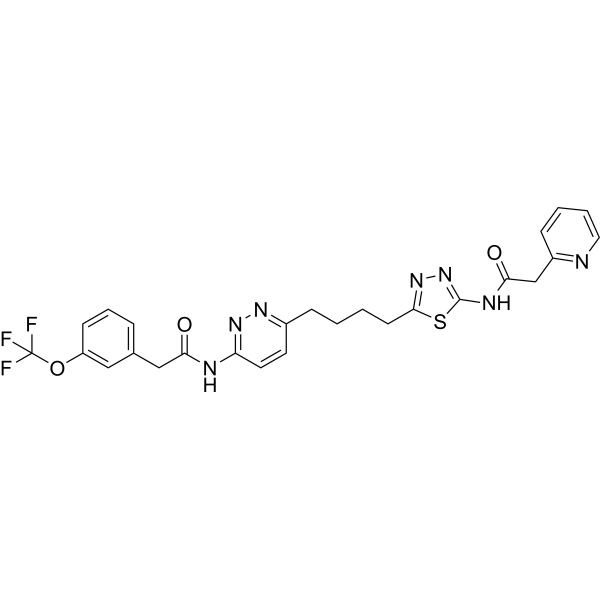
Telaglenastat (CB-839) is a first-in-class, selective, reversible and orally active glutaminase 1 (GLS1) inhibitor. Telaglenastat selectively inhibits GLS1 splice variants KGA (kidney-type glutaminase) and GAC (glutaminase C) compared to GLS2. The IC50s are 23 nM and 28 nM for endogenous glutaminase in mouse kidney and brain, respectively. Telaglenastat inuduces autophagy and has antitumor activity .
loading...
    loading...
110
110 Cited Publications
Cat. No.: HY-12248A
CAS No.: 1874231-60-3
Synonyms: CB-839 hydrochloride
Target:  

Glutaminase Autophagy

Research Areas:  

Cancer

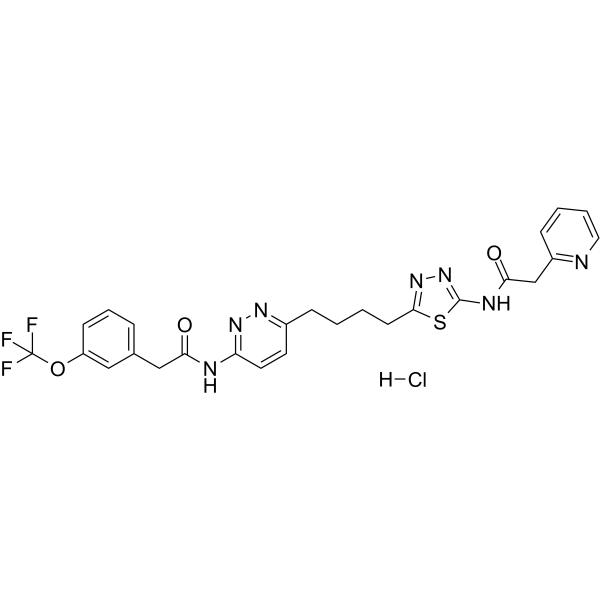
Telaglenastat (CB-839) hydrochloride is a first-in-class, selective, reversible and orally active glutaminase 1 (GLS1) inhibitor. Telaglenastat hydrochloride selectively inhibits GLS1 splice variants KGA (kidney-type glutaminase) and GAC (glutaminase C) compared to GLS2. The IC50s are 23 nM and 28 nM for endogenous glutaminase in mouse kidney and brain, respectively. Telaglenastat hydrochloride inudces autophagy and has antitumor activity .
loading...
    loading...
76
76 Cited Publications
Cat. No.: HY-B0470
CAS No.: 1405-10-3
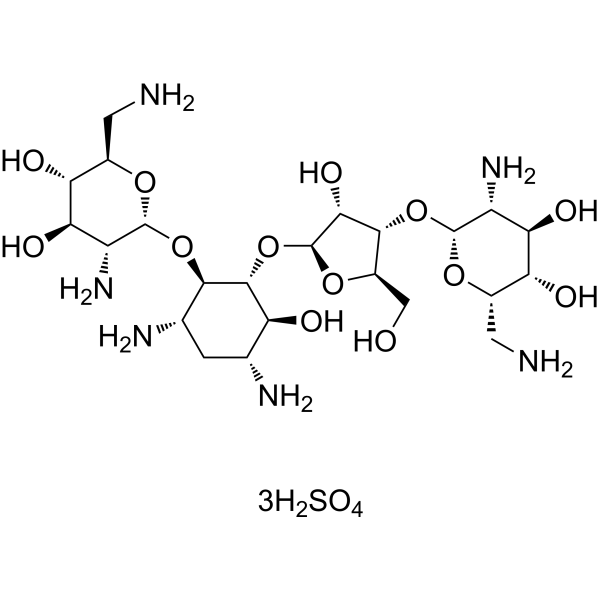
Neomycin sulfate, an aminoglycoside antibiotic, exerts antibacterial activity through irreversible binding of the nuclear 30S ribosomal subunit, thereby blocking bacterial protein synthesis. Neomycin sulfate is a known phospholipase C (PLC) inhibitor. Neomycin sulfate potently inhibits both the nuclear translocation of angiogenin and angiogenin-induced cell proliferation and angiogenesis. Neomycin sulfate inhibits IP3-mediated Ca 2+ release, MgATP-dependent Ca 2+ uptake, and electrical excitation-evoked skeletal muscle Ca 2+ transients. Neomycin sulfate depletes gut microbiota in specific mouse models, causes hearing impairment, and kidney damage with prolonged exposure. Neomycin sulfate can be used for the research of cancer .
loading...
    loading...
45
45 Cited Publications
Cat. No.: HY-B1123
CAS No.: 34031-32-8
Synonyms: SKF-39162
Target:  

Bacterial SARS-CoV

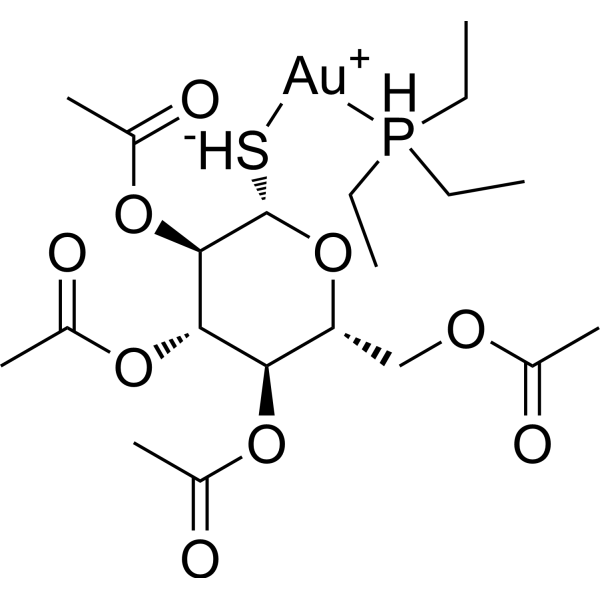
Auranofin (SKF-39162) is a thioredoxin reductase (TrxR) inhibitor with an IC50 of 0.2 μM. Auranofin exhibits antiviral activity against SARS-CoV21, with a CC50 of 4.2 μM for monkey kidney Vero E6 cells.
loading...
    loading...
42
42 Cited Publications
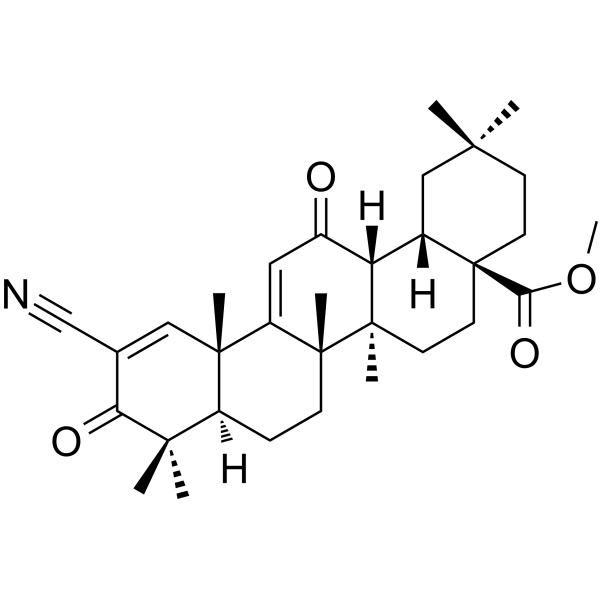
Cat. No.: HY-13324
CAS No.: 218600-53-4
Purity:  98.92%
Synonyms: RTA 402; NSC 713200; CDDO Methyl ester
Bardoxolone methyl (RTA 402) is an orally active and blood-brain-barrier-penetrant activator of Nrf2 and an inhibitor of SARS-CoV-2 3CL protease. Bardoxolone methyl inhibits SARS-CoV-2 replication in Vero cells with an EC50 value of 0.29 μM. Bardoxolone methyl increases levels of pNrf2 and HO-1, inhibits inflammatory mediators like pNFκB and MCP-1. Bardoxolone methyl activates the Nrf2 pathway to enhance antioxidant and anti-inflammatory responses, inhibits viral replication, and improves mitochondrial function. Bardoxolone methyl can be used in research on chemotherapy-induced neuropathic pain (CINP), COVID-19, and chronic kidney disease (CKD) .
loading...
    loading...
39
39 Cited Publications
Cat. No.: HY-19608
CAS No.: 942206-85-1
GSK1016790A is a potent and selective transient receptor potential vanilloid 4 (TRPV4) channel agonist. GSK1016790A can elicit Ca 2+ influx and elevate intracellular Ca 2+ in HEK cells .
loading...
    loading...
31
31 Cited Publications
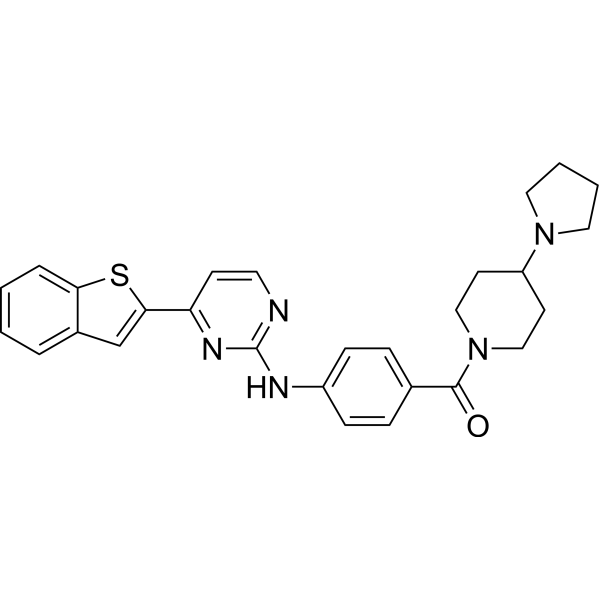
Cat. No.: HY-13687
CAS No.: 873225-46-8
Purity:  99.88%
IKK 16 is an orally active IKK inhibitor. IKK 16 shows IC50s of 40 nM, 70 nM, 200 nM, and 50 nM for IKK2, IKK complex, IKK1, and LRRK 2, respectively. IKK 16 is also a pan-PKD inhibitor, inhibiting PKD1, PKD2, and PKD3 with IC50s of 153.9, 115, and 99.7 nM, respectively. IKK 16 is also an ABCB1 inhibitor, interfering with the binding of ABCB1 to its substrates. IKK 16 protects against LPS (HY-D1056)-induced multiple organ dysfunction by reducing the acute inflammatory response induced by endotoxin exposure. IKK 16 can restore renal function and alleviate fibrosis in acute kidney injury. IKK 16 attenuates cardiac dysfunction associated with polymicrobial sepsis in mice with type 2 diabetes mellitus (T2DM) by inhibiting the NF-κB pathway .
loading...
    loading...
31
31 Cited Publications
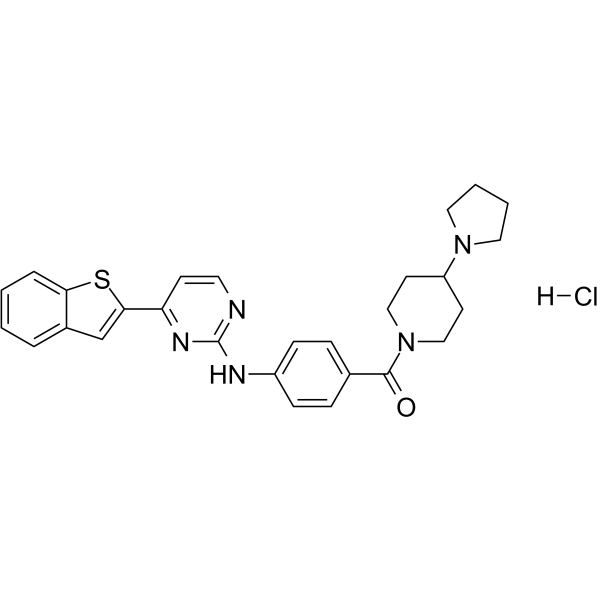
Cat. No.: HY-13687A
CAS No.: 1186195-62-9
Purity:  99.95%
IKK 16 hydrochloride is an orally active IKK inhibitor. IKK 16 hydrochloride shows IC50s of 40 nM, 70 nM, 200 nM, and 50 nM for IKK2, IKK complex, IKK1, and LRRK 2, respectively. IKK 16 hydrochloride is also a pan-PKD inhibitor, inhibiting PKD1, PKD2, and PKD3 with IC50s of 153.9, 115, and 99.7 nM, respectively. IKK 16 hydrochloride is also an ABCB1 inhibitor, interfering with the binding of ABCB1 to its substrates. IKK 16 hydrochloride protects against LPS (HY-D1056)-induced multiple organ dysfunction by reducing the acute inflammatory response induced by endotoxin exposure. IKK 16 hydrochloride can restore renal function and alleviate fibrosis in acute kidney injury. IKK 16 hydrochloride attenuates cardiac dysfunction associated with polymicrobial sepsis in mice with type 2 diabetes mellitus (T2DM) by inhibiting the NF-κB pathway .
loading...
    loading...
29
29 Cited Publications
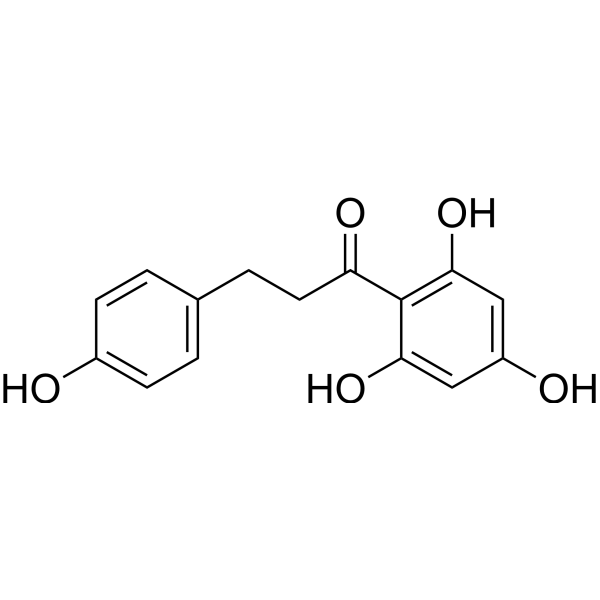
Cat. No.: HY-N0142
CAS No.: 60-82-2
Synonyms: NSC 407292; RJC 02792
Phloretin (NSC 407292; RJC 02792) is a flavonoid extracted from Malus pumila Mill.,has anti-inflammatory activities. Phloridzin is a specific,competitive and orally active inhibitor of sodium/glucose cotransporters in the intestine (SGLT1) and kidney (SGLT2). Phloretin inhibits Yeast-made GLUT1 as well as Human erythrocyte GLUT1 with IC50values of 49 μM and 61 μM,respectively .Phloretin has the potential for the treatment of rheumatoid arthritis (RA) and allergic airway inflammation .
loading...
    loading...
25
25 Cited Publications
Cat. No.: HY-18938
CAS No.: 1448428-04-3
Synonyms: GS-4997
Target:  

MAP3K Apoptosis

Research Areas:  

Cancer

Selonsertib (GS-4997), an orally bioavailable, selective apoptosis signal-regulating kinase 1 (ASK1) inhibitor with a pIC50 of 8.3, has been evaluated as an experimental treatment for diabetic nephropathy and kidney fibrosis.
loading...
    loading...
20
20 Cited Publications
Cat. No.: HY-17608
CAS No.: 960539-70-2
Synonyms: GSK1278863
Research Areas:  

Cardiovascular Disease

Daprodustat (GSK1278863) is an orally active hypoxia-inducible factor prolyl hydroxylase (HIF-PH) inhibitor being developed for the treatment of anemia associated with chronic kidney disease.
loading...
    loading...
19
19 Cited Publications
Cat. No.: HY-N0164
CAS No.: 519-02-8
Synonyms: Matridin-15-one; Vegard; α-Matrine
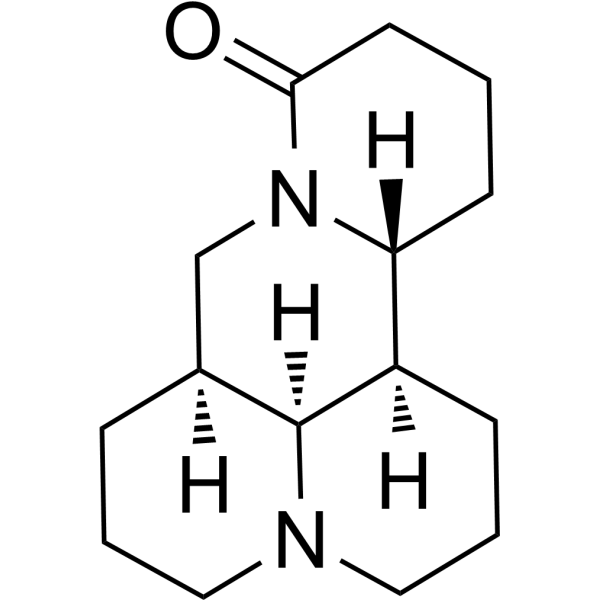
Matrine (Matridin-15-one) is an alkaloid found in plants from the Sophora genus that can act as a kappa opioid receptor and u-receptor agonist. Matrine has a variety of pharmacological effects, including anti-cancer, anti-oxidative stress, anti-inflammation and anti-apoptosis effects. Matrine is potential in the research of disease like human non-small cell lung cancer, hepatoma, papillary thyroid cancer and acute kidney injury (AKI) .
loading...
    loading...
17
17 Cited Publications
Cat. No.: HY-18260
CAS No.: 80-05-7
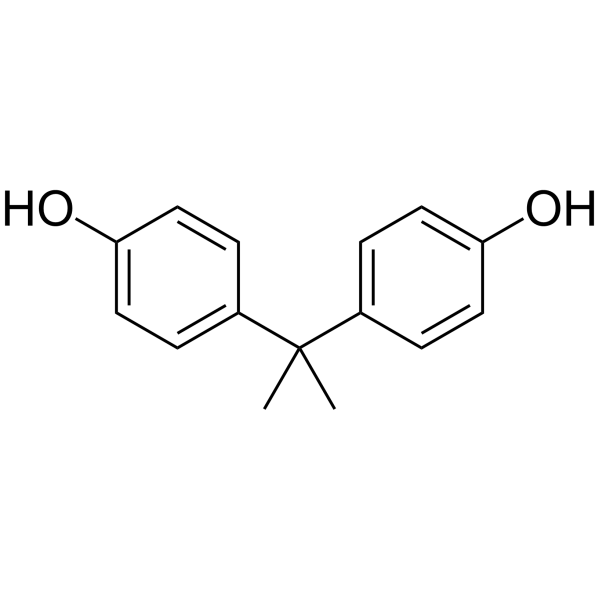
Bisphenol A is a phenolic, organic synthetic compound widely used in the production of polycarbonate plastics and epoxy resins. Bisphenol A is a reproductive, developmental, and systemic toxicant, often classified as an endocrine-disrupting compound (EDC). Bisphenol A is associated with many diseases, including cancers, cardiovascular diseases, respiratory diseases, diabetes, kidney diseases, obesity, and reproductivedisorders .
loading...
    loading...
15
15 Cited Publications
Cat. No.: HY-Y0966
CAS No.: 56-40-6
Glycine is an inhibitory neurotransmitter in the CNS and also acts as a co-agonist along with glutamate, facilitating an excitatory potential at the glutaminergic N-methyl-D-aspartic acid (NMDA) receptors. Glycine is orally active. Glycine inhibits the membrane aggregation of NINJ1 and prevents plasma membrane rupture during cell death. Glycine can be used to study cell protection, cancer, neurological diseases, and angiogenesis .
loading...
    loading...
14
14 Cited Publications
Cat. No.: HY-18627A
CAS No.: 1627607-87-7
Synonyms: (R)-PFI-2 hydrochloride
PFI-2 ((R)-PFI-2 hydrochloride) hydrochloride is a potent and selective SET domain containing lysine methyltransferase 7 (SETD7) inhibitor. (R)-PFI-2 shows high inhibiting activity with IC50 value of 2.0  nM and (S)-PFI-2 shows inhibiting activity with IC50  value of 1.0  μM. PFI-2 hydrochloride can be used for the research of chronic kidney disease and inflammation response in the development of renal fibrosis .
loading...
    loading...
14
14 Cited Publications
Cat. No.: HY-18627
CAS No.: 1627676-59-8
Synonyms: (R)-PFI-2
PFI-2 ((R)-PFI-2 hydrochloride) hydrochloride, a chemical probe, is a potent and selective SET domain containing lysine methyltransferase 7 (SETD7) inhibitor. (R)-PFI-2 shows high inhibiting activity with IC50 value of 2.0 nM and (S)-PFI-2 shows inhibiting activity with IC50 value of 1.0 μM. PFI-2 hydrochloride can be used for the research of chronic kidney disease and inflammation response in the development of renal fibrosis .
loading...
    loading...
14
14 Cited Publications
Cat. No.: HY-18347A
CAS No.: 168626-94-6
Synonyms: YM 087
Conivaptan (hydrochloride) is a non-peptide antagonist of vasopressin receptor, with Ki values of 0.48 and 3.04 nM for rat liver V1A receptor and rat kidney V2 receptor respectively.
loading...
    loading...
12
12 Cited Publications
Cat. No.: HY-W016715
CAS No.: 7048-04-6
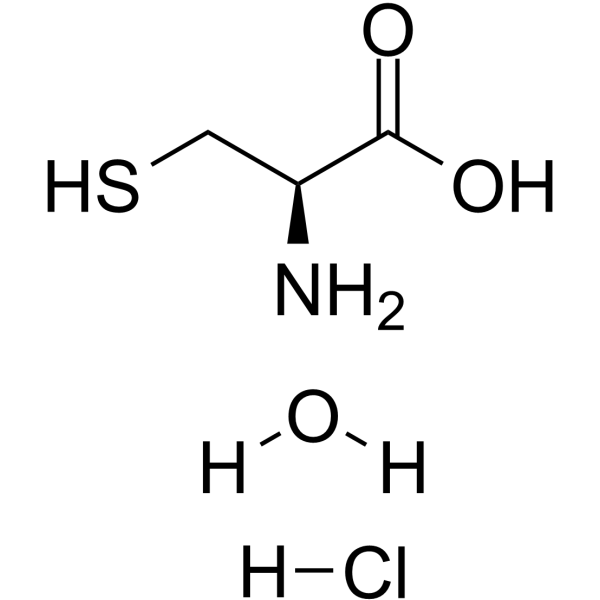
L-Cysteine hydrochloride hydrate is an orally active and essential amino acid, which acts as a precursor for biologically active molecules such as hydrogen sulphide (H2S), glutathione and taurine. L-Cysteine hydrochloride hydrate regulates CBS/H2S pathway, inhibits NF-κB activation and insulin and ghrelin secretion. L-Cysteine hydrochloride hydrate reduces blood sugar, vascular inflammation markers and appetite. L-Cysteine hydrochloride hydrate induces kidney damage. L-Cysteine hydrochloride hydrate can be used in the study of neurological diseases and diabetes .
loading...
    loading...

