

85 Results for "

kinetic characterization

" in MedChemExpress (MCE) Product Catalog:
Products (85)

85 Results for "kinetic characterization" in MCE Product Catalog:

7
7 Publications Verification
Cat. No.: HY-128692
CAS No.: 67769-47-5
Purity:  99.67%
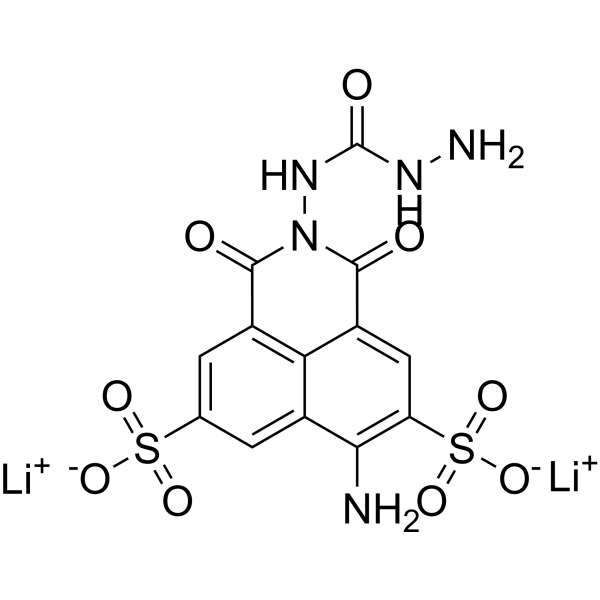
Luc Yellow CH dilithium is a high-intensity fluorescent probe containing free hydrazyl groups. Luc Yellow CH can react with fatty aldehydes at room temperature. Luc Yellow CH serves as a biological tracer to monitor neuronal branching, regeneration, gap junction detection and characterization, and selective ablation of cells after aldehyde fixation. Luc Yellow CH displays the maximum excitation/emission of 430 nm/540 nm, respectively .
loading...
    loading...
7
7 Publications Verification
Cat. No.: HY-W127715
CAS No.: 71206-95-6
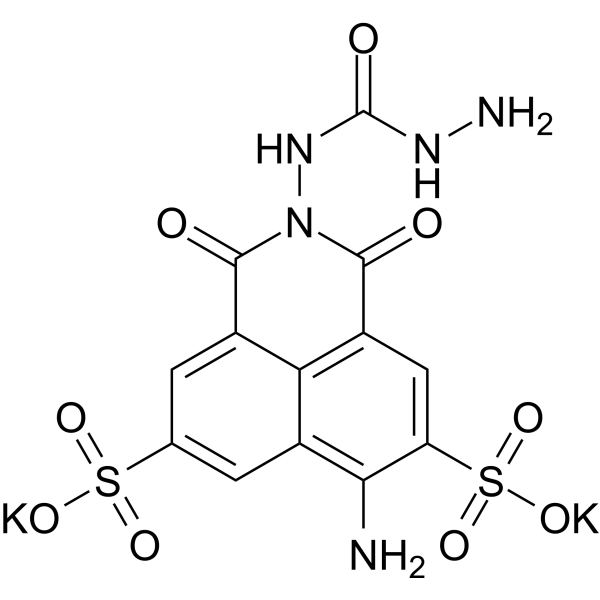
Lucifer Yellow CH dipotassium is a high-intensity fluorescent probe containing free hydrazyl groups. Lucifer Yellow CH can react with fatty aldehydes at room temperature. Lucifer Yellow CH serves as a biological tracer to monitor neuronal branching, regeneration, gap junction detection and characterization, and selective ablation of cells after aldehyde fixation. Lucifer yellow CH displays the maximum excitation/emission of 430 nm/540 nm, respectively .
loading...
    loading...
1
1 Cited Publications
Cat. No.: HY-W591424
CAS No.: 92451-01-9
Synonyms: mPEG2000-SC; mPEG2000-Succinimidyl ester
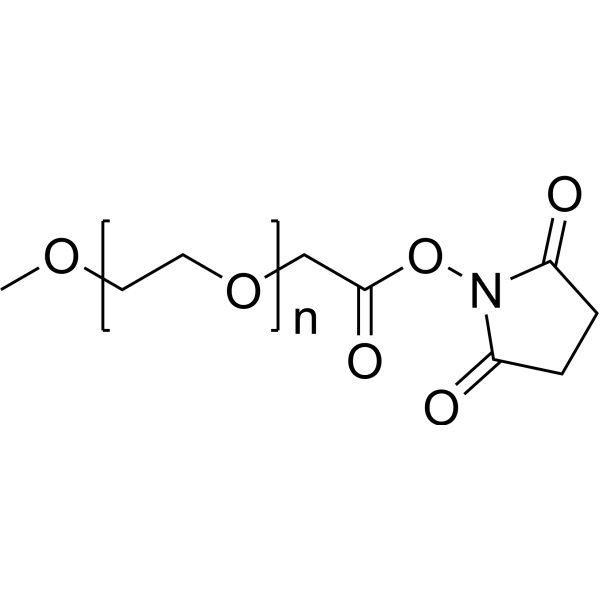
m-PEG2000-NHS ester (mPEG2000-SC) is a reagent with both cell adhesion inhibition and peptide conjugation functions. The NHS ester group of m-PEG2000-NHS ester forms stable amide bonds with primary amine-containing molecules (e.g., the N-terminus of MMP-2-cleavable octapeptide) to generate mPEG-peptide intermediates for liposome surface modification. When m-PEG2000-NHS ester is immobilized on a cystamine-modified gold surface, it can construct an in vitro model for cell adhesion kinetic studies, and higher PEG density and thicker layers correlate with lower cell adhesion rates. m-PEG2000-NHS ester can synthesize MMP-2-responsive PEGylated lipid conjugates to achieve MMP-triggered dePEGylation in the tumor microenvironment. m-PEG2000-NHS ester can be used in studies related to colon cancer and other conditions .
loading...
    loading...
1
1 Cited Publications
Cat. No.: HY-41121
CAS No.: 15761-38-3
Synonyms: Boc-Ala-OH
Research Areas:  

Cancer

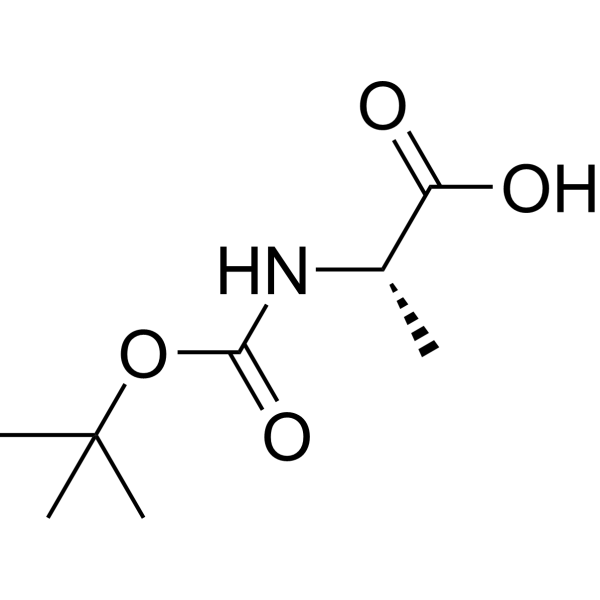
Boc-L-Ala-OH (Boc-Ala-OH) is a single N-protected amino acid ligand and a protected L-alanine derivative. Boc-L-Ala-OH promotes Pd (II)-catalyzed enantioselective C-H alkenylation and kinetic resolution. Boc-L-Ala-OH serves as a coupling reagent for the synthesis of liver-targeted glycogen phosphorylase inhibitors and P6A metabolites, and also acts as a negative control in synthesis studies of betulinic acid amino acid esters. Boc-L-Ala-OH is applicable to research on epidermoid squamous cell carcinoma .
loading...
    loading...
Cat. No.: HY-131498
CAS No.: 140430-53-1
Purity:  99.67%
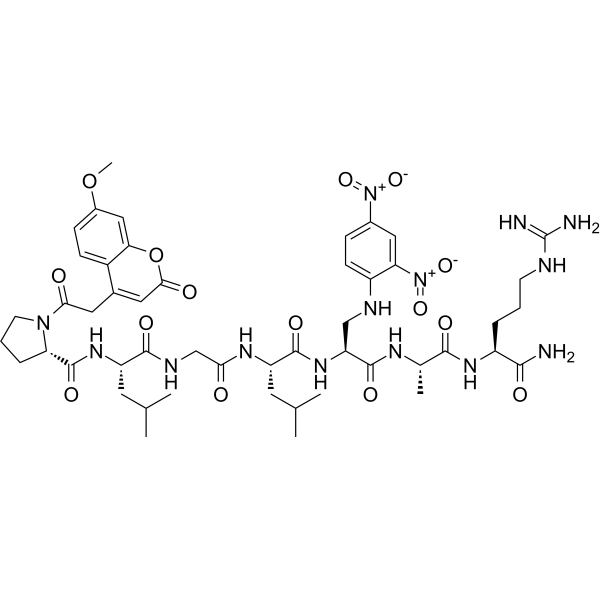
Synonyms: Mca-Pro-Leu-Gly-Leu-Dpa-Ala-Arg-NH2
Target:  

Fluorescent Dye MMP

Research Areas:  

Cancer

MOCAc-PLGL (Dpa) AR (Mca-Pro-Leu-Gly-Leu-Dpa-Ala-Arg-NH2) is a synthetic fluorescent substrate mainly used for in vitro enzymatic activity assays of MMP-7 (detection at 393 nm after excitation at 328 nm). MOCAc-PLGL (Dpa) AR is specifically cleaved and hydrolyzed by MMP-7 at the Gly-Leu peptide bond, allowing enzymatic activity to be monitored via fluorometry or HPLC (DMSO is usually added to ensure sufficient dissolution when determining kinetic parameters). MOCAc-PLGL (Dpa) AR is used to accurately evaluate the catalytic activity and pH dependence of recombinant mature human MMP-7 in vitro. MOCAc-PLGL (Dpa) AR is suitable for research on the mechanisms of tumor metastasis and invasion, particularly in fields such as prostate cancer, colon cancer, lung cancer and breast cancer .\n
loading...
    loading...
Cat. No.: HY-E70097
Target:  

Sialyltransferase

Research Areas:  

Others

Sialidase (α2-3-6-8-9) is a broadly specific sialidase that cuts linear and branched non-reducing terminal sialic acid residues from glycoproteins, glycopeptides, and oligosaccharides. Sialidase (α2-3-6-8-9) can be used for in vitro and in vivo polysaccharide analysis and characterization as well as complete glycoprotein remodeling .
loading...
    loading...
Cat. No.: HY-109165
CAS No.: 1446711-81-4
Purity:  99.23%
Synonyms: AG10
Target:  

Transthyretin (TTR)

Research Areas:  

Metabolic Disease Endocrinology

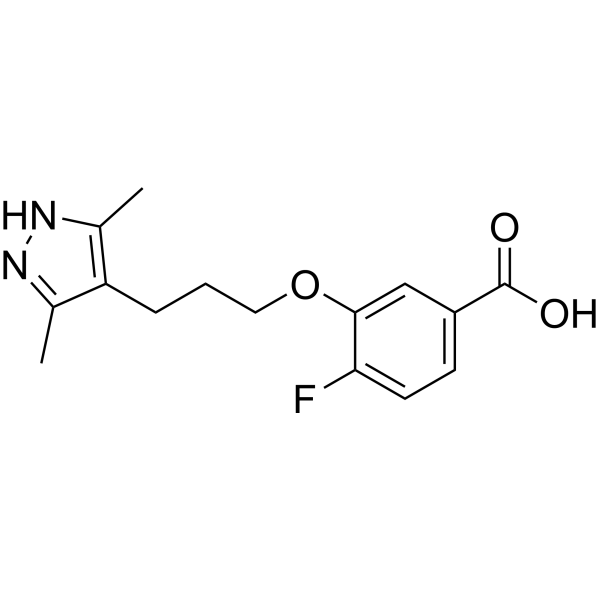
Acoramidis (AG10) is an orally active and selective kinetic stabilizer of WT and V122I-TTR (transthyretin). Acoramidis (AG10) is used in the study for transthyretin amyloidosis .
loading...
    loading...
Cat. No.: HY-109165A
CAS No.: 2242751-53-5
Purity:  98.56%
Synonyms: AG10 hydrochloride
Target:  

Transthyretin (TTR)

Research Areas:  

Metabolic Disease Endocrinology

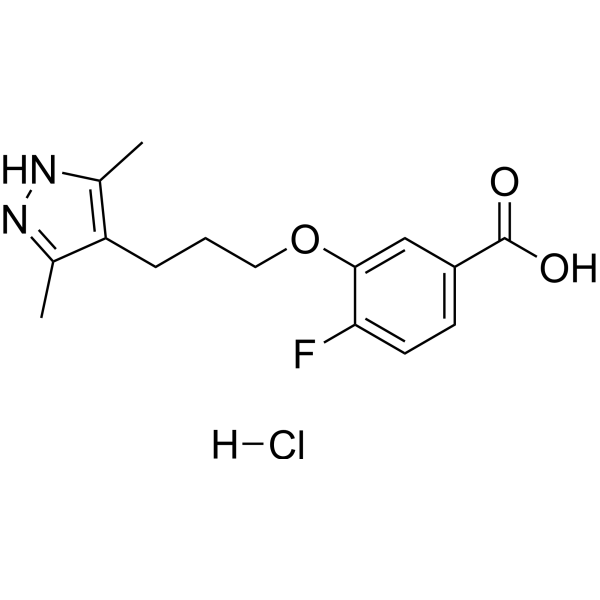
Acoramidis (AG10) hydrochloride is an orally active and selective kinetic stabilizer of WT and V122I-TTR (transthyretin). Acoramidis (AG10) hydrochloride is used in the study for transthyretin amyloidosis .
loading...
    loading...
Cat. No.: HY-D1425
CAS No.: 58293-56-4
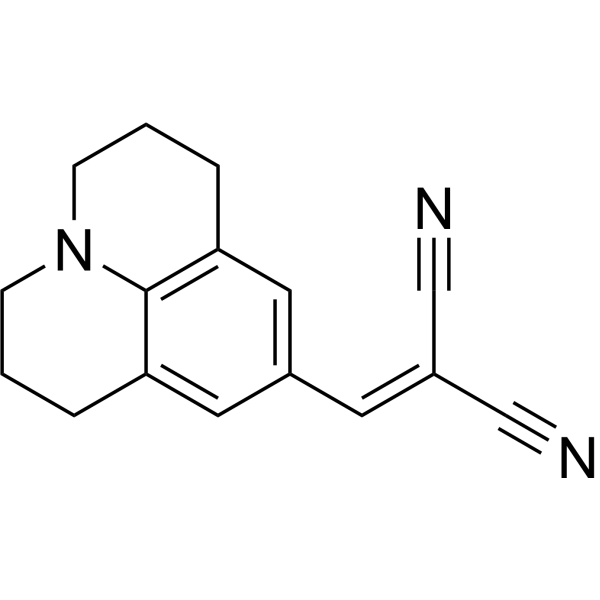
Synonyms: 9-(2,2-Dicyanovinyl)julolidine
Target:  

Fluorescent Dye

Research Areas:  

Others

DCVJ (9-(2,2-Dicyanovinyl)julolidine), a molecular rotor and unique fluorescent dye, binds to tubulin and actin, and increases its fluorescence intensity drastically upon polymerization. DCVJ also binds to phospholipid bilayers and increases its fluorescence intensity. DCVJ can detect the kinetic process of degranulation of mast cells (Absorption/emission=489/505 nm) .
loading...
    loading...
Cat. No.: HY-126192
CAS No.: 566169-93-5
Purity:  ≥95.0%
Synonyms: PiB; 6-OH-BTA-1
Pittsburgh Compound B (PiB) is a blood-brain barrier-permeable, specific Aβ deposition PET tracer that binds to Aβ(1-40) fibrils with a Ki value of 678.4 nM. Through click chemical modification (a clickable Pittsburgh Compound B derivative is prepared by introducing a PEG3 linker and an alkynyl group at the 6-hydroxy site of Pittsburgh Compound B, followed by covalent conjugation with azide-labeled fluorescent dyes or affinity tags via copper-catalyzed azide-alkyne cycloaddition (CuAAC)), Pittsburgh Compound B and its conjugates can be used for fluorescence imaging, ultrastructural studies, and enrichment and characterization of Aβ complexes. Pittsburgh Compound B is applicable to Alzheimer's disease research .
loading...
    loading...
Cat. No.: HY-W011426
CAS No.: 142-91-6
Synonyms: Propan-2-yl hexadecanoate
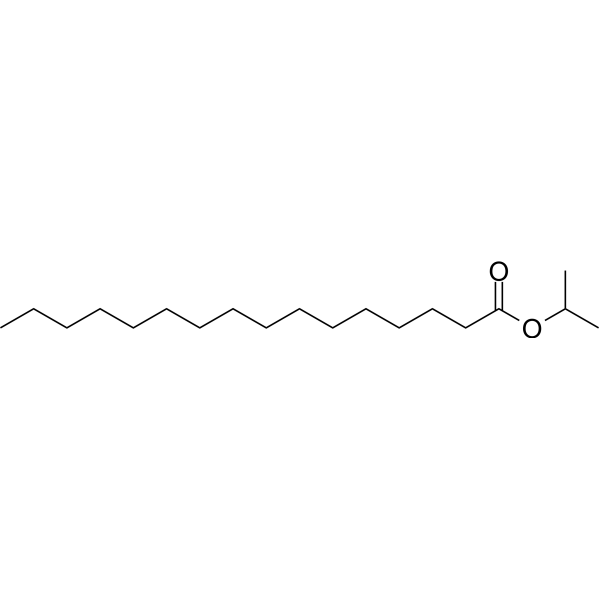
Isopropyl palmitate is an fatty acid ester. Isopropyl palmitate can be used for design and characterization of bioactive bilayer films. The bilayer membrane not only has the ability to scavenge free radicals and inhibit lipid peroxidation, but also can inhibit the growth of known foodborne pathogens. Isopropyl palmitate can be used as an excipient, such as lubricant, oily carrier, solvent, controlled-release transdermal film. Pharmaceutical excipients, or pharmaceutical auxiliaries, refer to other chemical substances used in the pharmaceutical process other than pharmaceutical ingredients. Pharmaceutical excipients generally refer to inactive ingredients in pharmaceutical preparations, which can improve the stability, solubility and processability of pharmaceutical preparations. Pharmaceutical excipients also affect the absorption, distribution, metabolism, and elimination (ADME) processes of co-administered drugs .
loading...
    loading...
Cat. No.: HY-133091
CAS No.: 31005-02-4
Purity:  99.84%
Synonyms: 7-O-Ethylumbelliferone
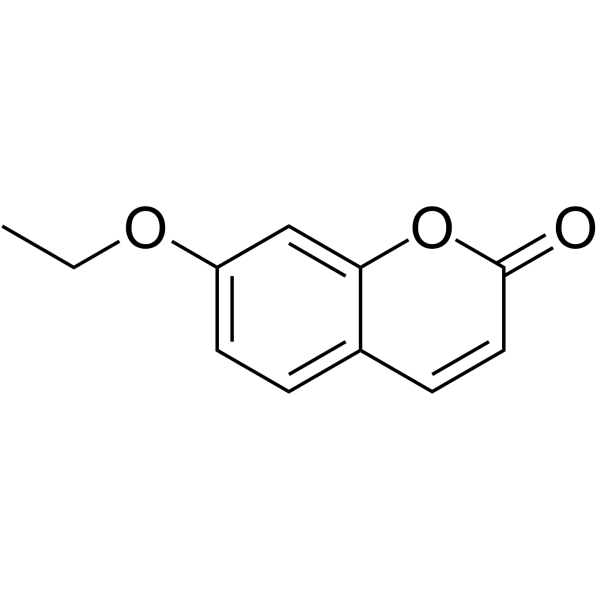
7-Ethoxycoumarin is a substrate of cytochrome P450 (CYP450). 7-Ethoxycoumarin has been used for the functional characterization of various CYPs and for the generation of 7-hydroxycoumarin (HY-N0573) .
loading...
    loading...
Cat. No.: HY-D2355
CAS No.: 1070867-85-4
Tris-NTA Biotin is a biotin-labeled version of tris-NTA. Tris-NTA Biotin, as a bridge connecting His-tagged proteins with streptavidin, can reversibly label proteins and cell surfaces. Tris-NTA Biotin can be used in experiments such as protein immobilization, kinetic determination, live cell labeling, and Western blot detection .
loading...
    loading...
Cat. No.: HY-131924
CAS No.: 4090-29-3
Purity:  98.99%
Synonyms: Thio-NAD
Research Areas:  

Others

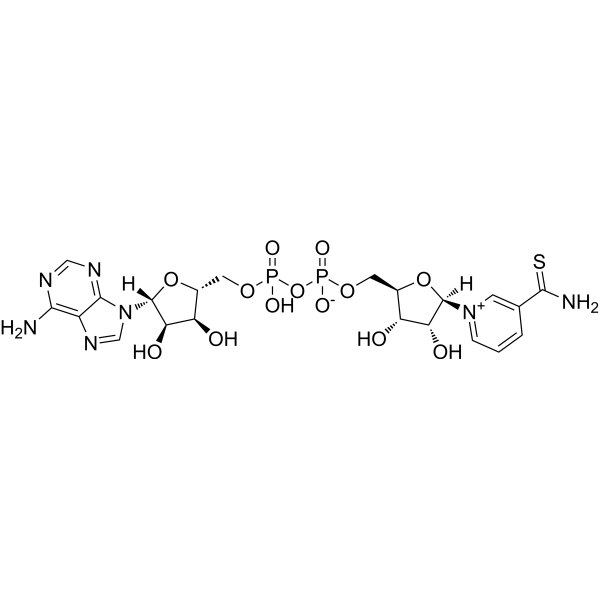
Thionicotinamide adenine dinucleotide (Thio-NAD) is a thione-modified analog of the coenzyme nicotinamide adenine dinucleotide (NAD +). Thionicotinamide adenine dinucleotide can replace NAD + in enzymatic reactions and shift the absorption peak to 405 nM, enabling sensitive, real-time kinetic detection of enzyme activity, which is particularly suitable for high-sensitivity diagnostic cyclic detection systems .
loading...
    loading...
Cat. No.: HY-P9949
CAS No.: 241473-69-8
Synonyms: Sch 55700; CDP-835; JES1-39D10

Target:  

Interleukin Related

Research Areas:  

Inflammation/Immunology

Reslizumab (Sch 55700) is humanized monoclonal antibodies that target interleukin-5 (IL-5) for the treatment of eosinophilic asthma. Reslizumab is effective in neutralizing the function of IL-5. Reslizumab has high binding affinity for human IL-5, with KD values of 109 pM and 4.3 pM in the the Biacore surface plasmon resonance and Kinetic Exclusion Assay, respectively .
loading...
    loading...
Cat. No.: HY-W040254
CAS No.: 89889-52-1
Target:  

Fluorescent Dye

Research Areas:  

Others

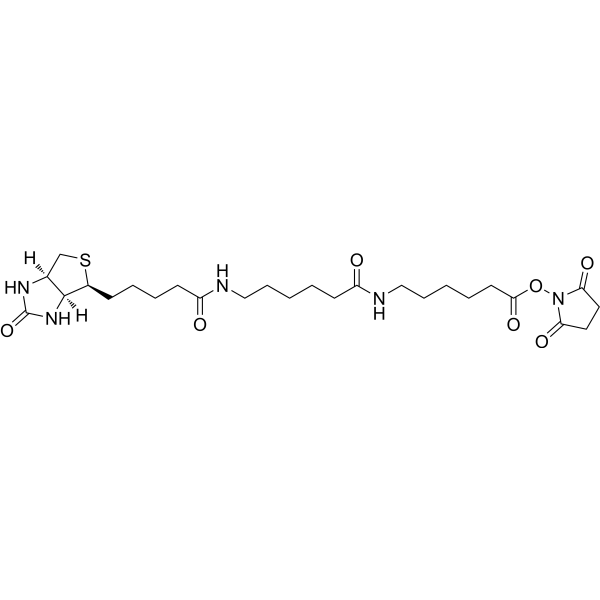
Biotin-LC-LC-NHS is a biotinylation reagent that contains an NHS moiety, which can react efficiently with primary amino (-NH2). Biotin-LC-LC-NHS enables simple and efficient biotinylation of antibodies, proteins, and any other primary amine-containing biomolecules in solution. Biotin-LC-LC-NHS can be used to biotinylate small molecules such as Paclitaxel (HY-B0015) for use in binding site characterization.
loading...
    loading...
Cat. No.: HY-P5979
CAS No.: 1071466-49-3
Target:  

LRRK2

Research Areas:  

Neurological Disease

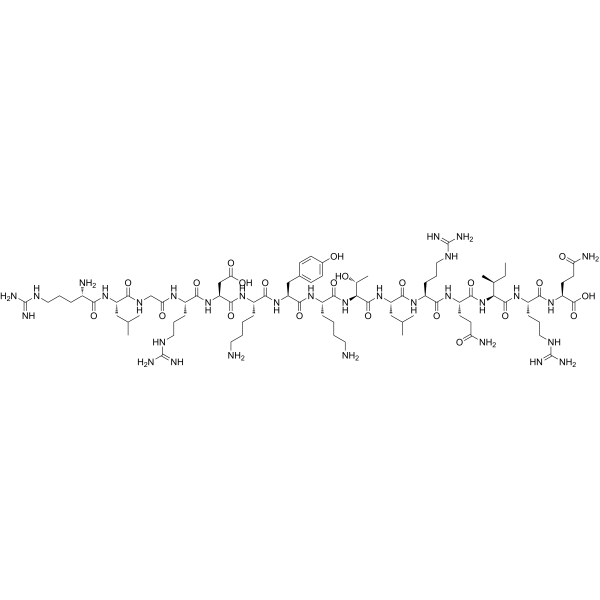
LRRKtide is a polypeptide substrate. LRRKtide is a specific phosphorylation substrate of LRRK2, a kinase associated with Parkinson's disease, and its phosphorylation site is a threonine residue. LRRKtide can be used for characterization of the catalytic properties of LRRK2, as well as studies on kinase activity and inhibition. LRRKtide is applicable to research related to Parkinson's disease .
loading...
    loading...
Cat. No.: HY-E70574
Research Areas:  

Others

Trypsin/Lys-C complex protease (MS grade) combines Trypsin and Lys-C, two recombinant proteases, to achieve efficient peptide bond hydrolysis. Trypsin specifically cleaves the C-terminal peptide bonds of arginine (R) and lysine (K), while Lys-C specifically cleaves the C-terminal peptide bonds of lysine (K). This combination overcomes issues such as the slower digestion rate of lysine and arginine by rTrypsin, PTM changes on lysine, or hydrophobic C-termini (such as proline) that can lead to missed cleavage. Trypsin/Lys-C complex protease (MS grade) can be used to process complex protein samples that are difficult to enzymatically digest. Trypsin/Lys-C complex protease (MS grade) can be used for protein characterization, single-cell proteomics and large cohort proteomics studies.
loading...
    loading...
Cat. No.: HY-W583212
CAS No.: 14354-67-7
Synonyms: ZnMP
Zn (II) Mesoporphyrin IX (ZnMP) is a heme oxygenase inhibitor with photochemical substrate activity. Zn (II) Mesoporphyrin IX specifically inhibits the activity of bone marrow heme oxygenase. In vitro, Zn (II) Mesoporphyrin IX inhibits the growth of erythroid and myeloid progenitor cells in rabbit bone marrow, and blocks the rhG-CSF-induced mobilization of these progenitor cells into the peripheral blood, exhibiting toxicity to hematopoietic growth and progenitor cell production in rabbits. Zn (II) Mesoporphyrin IX undergoes irreversible photochemical decomposition conforming to first-order kinetic characteristics when irradiated with UV-B in 95% ethanol solution. Zn (II) Mesoporphyrin IX can be used in hematopoietic regulation research, but its photolability and toxic effects on the hematopoietic system require attention .
loading...
    loading...
Cat. No.: HY-171978
Target:  

Adrenergic Receptor

Research Areas:  

Cardiovascular Disease

LM-189 is a β2-adrenergic receptor (β2AR) ligand and G protein-biased modulator with a human β2AR Ki of 0.063 nM.LM-189 promotes β2AR coupling to Gαs and Gαi heterotrimers, stabilizes distinct β2AR conformations including a TM6 outward state, and increases β2AR ICL2 dynamics.LM-189 restricts β2AR ligand-binding pocket conformational heterogeneity, stabilizes polar ligand-receptor interaction networks, and exhibits bias toward Gαi signaling over Gαs signaling.LM-189 enabled cryo-EM structural characterization of the β2AR-Gi complex.LM-189 can be used for the research of congestive heart failure .
loading...
    loading...

