
1. Search Result
Search Result
Pathways Recommended: Membrane Transporter/Ion Channel
Results for "

membrane function

" in MedChemExpress (MCE) Product Catalog:

220

Inhibitors & Agonists

9

Screening Libraries

16

Fluorescent Dyes

14

Biochemical Assay Reagents

20

Peptides

34

Natural
Products

29

Isotope-Labeled Compounds

8

Oligonucleotides

1

GMP Molecules

Targets Recommended:
Cat. No. Product Name Target Research Areas Chemical Structure
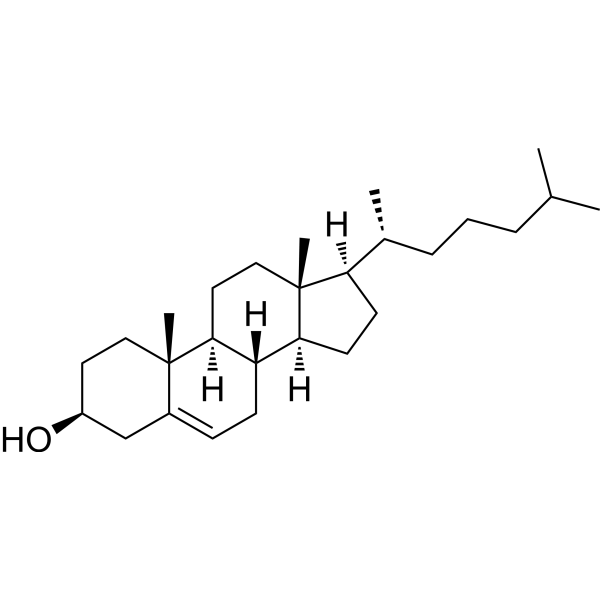
  • HY-N0322
    Cholesterol (from animal)
    Maximum Cited Publications
    85 Publications Verification

    Environmental Pollutants Endogenous Metabolite Estrogen Receptor/ERR Bacterial Liposome Infection Metabolic Disease Cancer
    Cholesterol (from animal) is the major sterol in mammals. It is making up 20-25% of structural component of the plasma membrane. Plasma membranes are highly permeable to water but relatively impermeable to ions and protons. Cholesterol (from animal) plays an important role in determining the fluidity and permeability characteristics of the membrane as well as the function of both the transporters and signaling proteins . Cholesterol (from animal) is also an endogenous estrogen-related receptor α (ERRα) agonist .
    Cholesterol (from animal)
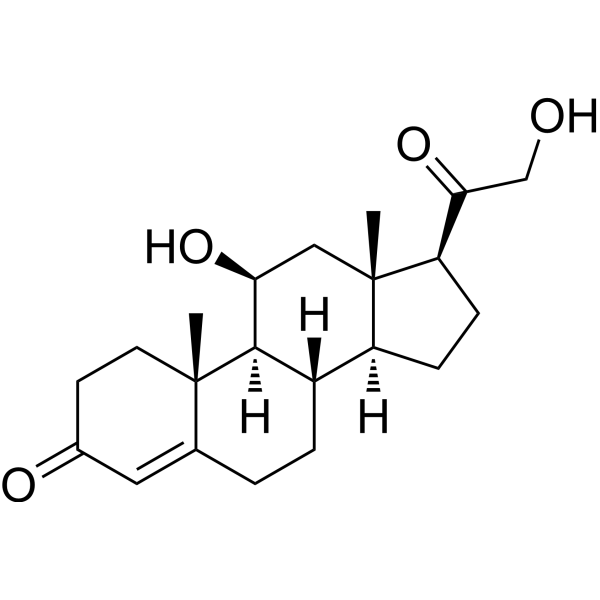
  • HY-B1618
    Corticosterone
    60+ Cited Publications

    17-Deoxycortisol; 11β,21-Dihydroxyprogesterone; Kendall's compound B

    Glucocorticoid Receptor Endogenous Metabolite iGluR Neurological Disease Inflammation/Immunology Endocrinology
    Corticosterone (17-Deoxycortisol) is an orally active and adrenal cortex-produced glucocorticoid, which plays an important role in regulating neuronal functions of the limbic system (including hippocampus, prefrontal cortex, and amygdala). Corticosterone increases the Rab-mediated AMPAR membrane traffic via SGK-induced phosphorylation of GDI. Corticosterone also interferes with the maturation of dendritic cells and shows a good immunosuppressive effect .
    Corticosterone
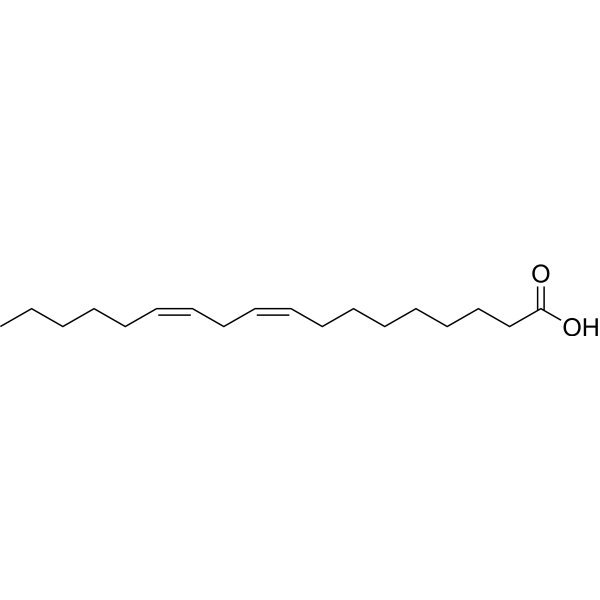
  • HY-N0729
    Linoleic acid
    20+ Cited Publications

    Environmental Pollutants Endogenous Metabolite Cardiovascular Disease Metabolic Disease Cancer
    Linoleic acid is a common polyunsaturated (PUFA) found in plant-based oils, nuts and seeds. Linoleic acid is a part of membrane phospholipids, and functions as a structural component to maintain a certain level of membrane fluidity of the transdermal water barrier of the epidermis. Linoleic acid induces red blood cells and hemoglobin damage via oxidative mechanism .
    Linoleic acid
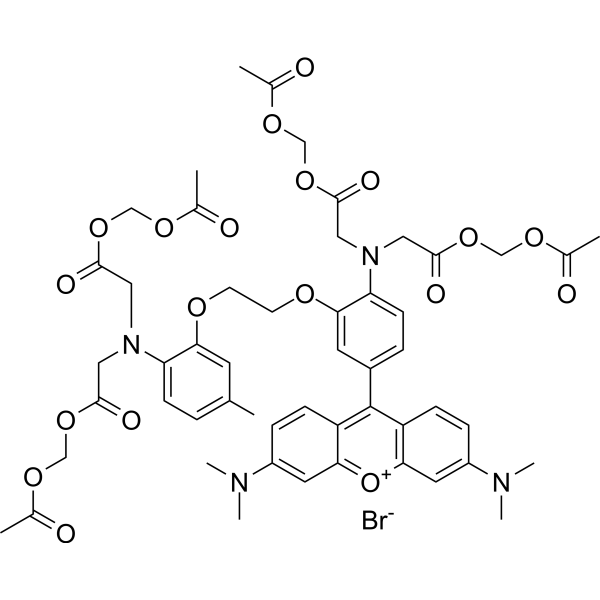
  • HY-D0989
    Rhod-2 AM
    30+ Cited Publications

    Fluorescent Dye Others
    Rhod-2 is a high-affinity visible light excitation wavelength Ca 2+ fluorescent probe, Rhod-2, AM is an acetyl methyl ester derivative of Rhod-2, which has cell membrane permeability and can easily enter cells with simple culture. Once it enters the cell, it is sheared by its lactesterase to produce Rhod-2 without membrane permeability, which remains in the cell to perform the corresponding physiological functions. Maximum excitation/emission wavelength: 549/578 nm .
    Rhod-2 AM
  • HY-N0322A
    Cholesterol (Water Soluble)
    Maximum Cited Publications
    85 Publications Verification

    Liposome Others
    Cholesterol Water Soluble is a major sterol in mammals, constituting 20-25% of the structural composition of the plasma membrane. The plasma membrane is highly permeable to water but relatively impermeable to ions and protons. Cholesterol Water Soluble plays an important role in determining the fluidity and permeability characteristics of membranes and the function of transporters and signaling proteins. Cholesterol Water Soluble is also an endogenous estrogen-related receptor alpha (ERRα) agonist. Cholesterol Water Soluble can be used to study the effects of cholesterol on potassium currents in inner hair cells .
    (Note: This product is a mixture of Cholesterol and Methyl-β-cyclodextrin. The product specifications below only indicate the effective content of Cholesterol.)
    Cholesterol (Water Soluble)
  • HY-N5034
    Phosphorylethanolamine
    4 Publications Verification

    Monoaminoethyl phosphate; NSC 254167; O-Phosphoethanolamine

    Endogenous Metabolite Neurological Disease Metabolic Disease Cancer
    Phosphorylethanolamine (Monoaminoethyl phosphate) is a membrane phospholipid and an important precursor of Phosphatidylcholine (HY-B2233B). It is found in most animal tissues and various human extracranial tumors, playing a critical role in membrane integrity, cell division, mitochondrial respiratory function, and more. Studies have shown that changes in the abundance of Phosphorylethanolamine are associated with Alzheimer's disease and Parkinson's disease. Lowering the ratio of Phosphorylethanolamine to Phosphatidylcholine in the liver can improve insulin signaling. Phosphorylethanolamine holds promise for research in the fields of cancer, neurodegenerative disorders, and metabolic diseases .
    Phosphorylethanolamine
  • HY-W127378
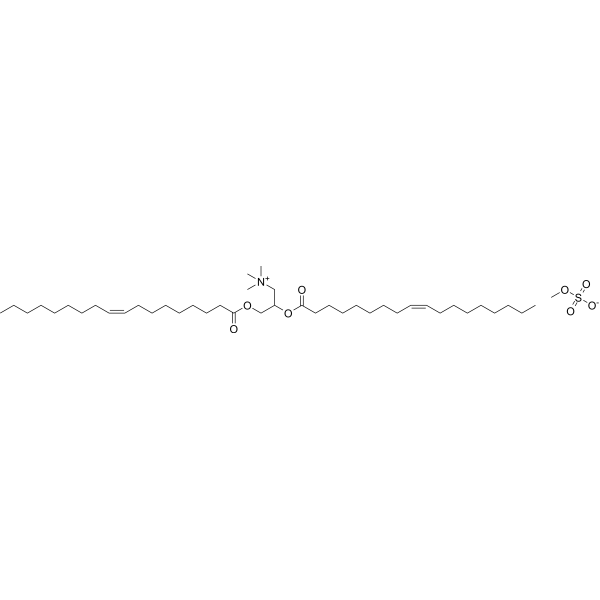
    DOTAP methylsulfate
    10+ Cited Publications

    1,2-Dioleoyl-3-trimethylammonium-propane methylsulfate

    Liposome Others
    DOTAP methylsulfat is a cationic lipid reagent, a cationic derivative of trimethylammonium, linked to two 18-carbon fatty acid tails, each with a single olefin group. DOTAP methylsulfat can self-assemble with negatively charged ions (such as DNA) to form complexes, which can be adsorbed to the cell membrane surface and enter the cell by electrostatic interaction and endocytosis, respectively. DOTAP methylsulfat promotes endosomal membrane fusion with its own hydrophobic domain, releases DNA into the cytoplasm, and exerts gene delivery function. DOTAP methylsulfat can be widely used in research fields such as gene therapy, cell transfection, and non-viral vector design .
    DOTAP methylsulfate
  • HY-N0322S

    Estrogen Receptor/ERR Endogenous Metabolite Metabolic Disease
    Cholesterol-d7 is the deuterium labeled Cholesterol. Cholesterol is the major sterol in mammals. It is making up 20-25% of structural component of the plasma membrane. Plasma membranes are highly permeable to water but relatively impermeable to ions and protons. Cholesterol plays an important role in determining the fluidity and permeability characteristics of the membrane as well as the function of both the transporters and signaling proteins . Cholesterol is also an endogenous estrogen-related receptor α (ERRα) agonist .
    Cholesterol-d7
  • HY-14273
    Isavuconazole
    5 Publications Verification

    BAL-4815; RO-0094815

    Fungal Cytochrome P450 Antibiotic Infection Cancer
    Isavuconazole (BAL-4815) is a triazole proagent with antifungal activity against yeasts, molds, and dimorphic fungi. Isavuconazole inhibits ergosterol biosynthesis and results in the disruption of fungal membrane structure and function. Isavuconazole is a moderate inhibitor of CYP3A4.
    Isavuconazole
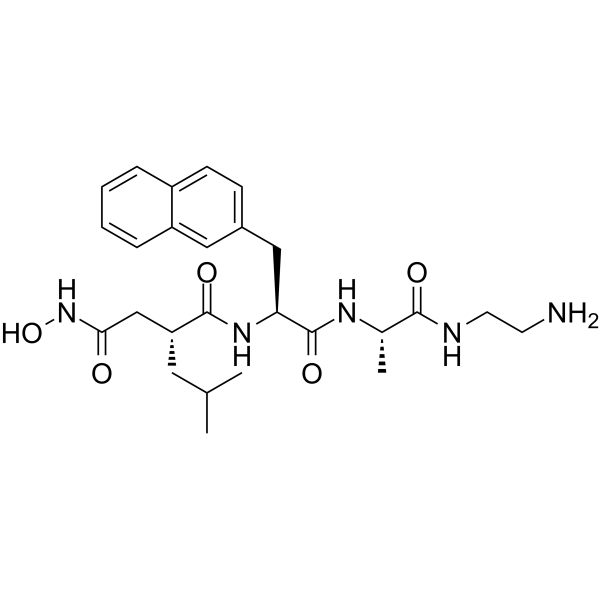
  • HY-W011063

    Cathepsin Metabolic Disease
    Gly-Phe-β-naphthylamide is a substrate of Cathepsin C (HY-P2922) and belongs to the lysosomal agonist. Gly-Phe-β-naphthylamide can freely pass through the cell membrane and organelle membrane. Gly-Phe-β-naphthylamide will be specifically hydrolyzed by Cathepsin C, ultimately leading to a permeability lysis when it enters the acidic compartment. Gly-Phe-β-naphthylamide can be used to study lysosomal hydrolysis, lysosomal membrane permeability, and the function of cathepsin C .
    Gly-Phe-β-naphthylamide
  • HY-N0729S2

    Endogenous Metabolite Cardiovascular Disease Metabolic Disease
    Linoleic acid- 13C18 is the 13C labeled Linoleic acid. Linoleic acid is a common polyunsaturated (PUFA) found in plant-based oils, nuts and seeds. Linoleic acid is a part of membrane phospholipids, and functions as a structural component to maintain a certain level of membrane fluidity of the transdermal water barrier of the epidermis. Linoleic acid induces red blood cells and hemoglobin damage via oxidative mechanism .
    Linoleic acid-13C18
  • HY-15930
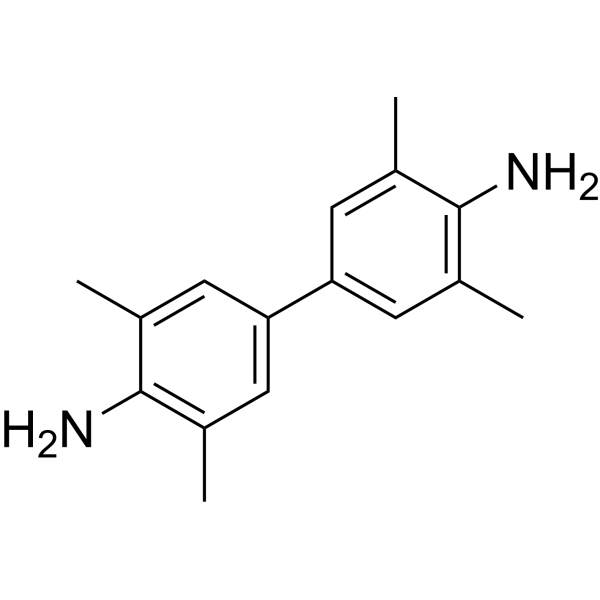
    TMB
    5+ Cited Publications

    BM blue; Sure Blue TMB

    Fluorescent Dye MOFs Reactive Oxygen Species (ROS) Others
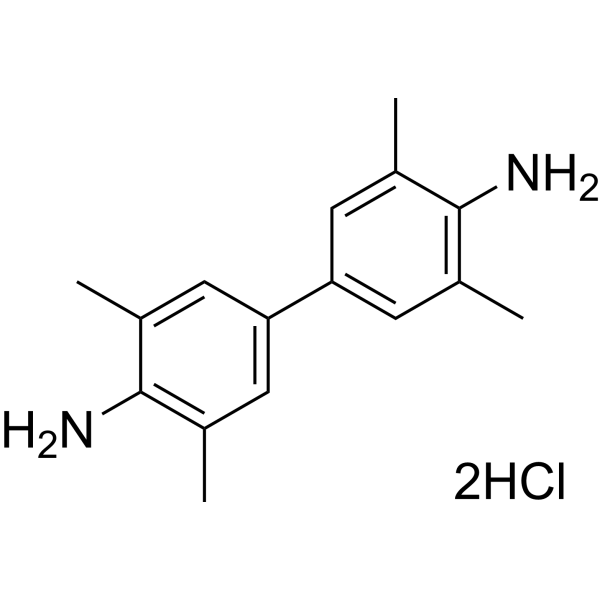
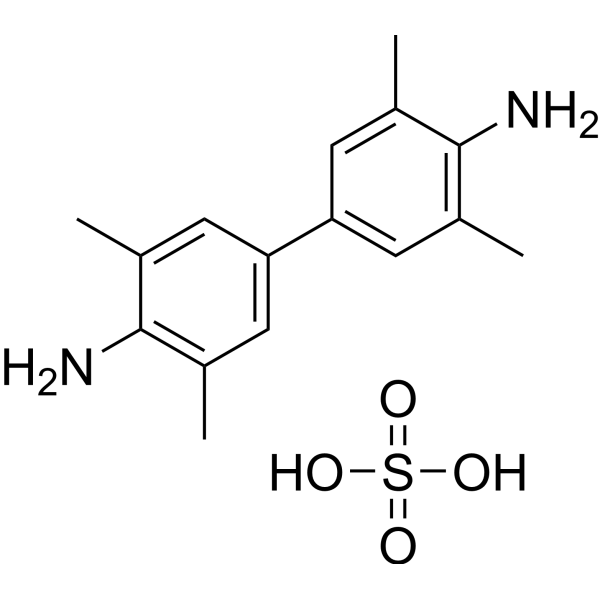
    TMB is a non-toxic, non-mutagenic, colorless dye that is also used as a chromogenic agent in enzyme detection systems based on horseradish peroxidase (HRP). TMB can function as a photoacoustic probe for reactive oxygen and nitrogen species (ROS/RNS), reacting with hypochlorite, hydrogen peroxide, singlet oxygen, and nitrogen dioxide to produce blue oxidation products. TMB can detect the singlet oxygen produced by the outer membrane of Escherichia coli ATCC 25922 .
    TMB
  • HY-N0322R
    Cholesterol (Standard)
    70+ Cited Publications

    Liposome Reference Standards Estrogen Receptor/ERR Endogenous Metabolite Bacterial Metabolic Disease Cancer
    Cholesterol (Standard) is the analytical standard of Cholesterol. This product is intended for research and analytical applications. Cholesterol is the major sterol in mammals. It is making up 20-25% of structural component of the plasma membrane. Plasma membranes are highly permeable to water but relatively impermeable to ions and protons. Cholesterol plays an important role in determining the fluidity and permeability characteristics of the membrane as well as the function of both the transporters and signaling proteins . Cholesterol is also an endogenous estrogen-related receptor α (ERRα) agonist .
    Cholesterol (Standard)
  • HY-N0322S5

    Estrogen Receptor/ERR Endogenous Metabolite Metabolic Disease
    Cholesterol- 13C2 is the 13C labeled Cholesterol. Cholesterol is the major sterol in mammals. It is making up 20-25% of structural component of the plasma membrane. Plasma membranes are highly permeable to water but relatively impermeable to ions and protons. Cholesterol plays an important role in determining the fluidity and permeability characteristics of the membrane as well as the function of both the transporters and signaling proteins . Cholesterol is also an endogenous estrogen-related receptor α (ERRα) agonist .
    Cholesterol-13C2
  • HY-N0663

    Mitochondrial Metabolism Cyclophilin Potassium Channel Cardiovascular Disease Neurological Disease Inflammation/Immunology
    Talatisamine is an orally active cyclophilin D activator isolated from the roots of Aconitum carmichaeli Debx. Talatisamine exerts biological functions by activating cyclophilin D, inhibiting Ca 2+-dependent opening of the mitochondrial permeability transition pore (mPTP) (IC50=78 μM), and blocking delayed rectifier K + channels (IC50=146 μM). Talatisamine possesses both antioxidant and membrane-stabilizing properties, effectively inhibits lipid peroxidation and protects mitochondrial membrane function. Talatisamine exhibits multiple activities including antiarrhythmic, hypotensive, anti-inflammatory, anticancer and neuroprotective effects. Talatisamine finds applications in the research of ischemic diseases, rheumatoid arthritis, inflammation-related diseases and Alzheimer's disease .
    Talatisamine
  • HY-P5712
    Gramicidin S
    1 Publications Verification

    Gramicidin soviet

    Antibiotic Bacterial Na+/K+ ATPase Infection
    Gramicidin S (Gramicidin soviet) is a cationic cyclic peptide antibiotic that selectively targets bacterial cell membranes and has anticancer activity. Gramicidin S also exerts antibacterial activity by destroying membrane integrity and interfering with membrane protein function. Gramicidin S inserts into the phospholipid bilayer through hydrophobic amino acid residues, specifically binds to negatively charged membrane lipids and disrupts membrane structure, thereby inhibiting cell division and cell wall synthesis, and ultimately causing bacterial death. Gramicidin S also inhibits ion channels, with IC50s of 41 μM, 24 μM, and 3 μM for Na +/K +-ATPase, tobacco leaf plasma membrane Mg 2+/K +-ATPase, and rat heart plasma membrane Ca 2+-ATPase, respectively .
    Gramicidin S
  • HY-N0322S1

    Estrogen Receptor/ERR Endogenous Metabolite Metabolic Disease
    Cholesterol-d6 is the deuterium labeled Cholesterol. Cholesterol is the major sterol in mammals. It is making up 20-25% of structural component of the plasma membrane. Plasma membranes are highly permeable to water but relatively impermeable to ions and protons. Cholesterol plays an important role in determining the fluidity and permeability characteristics of the membrane as well as the function of both the transporters and signaling proteins . Cholesterol is also an endogenous estrogen-related receptor α (ERRα) agonist .
    Cholesterol-d6
  • HY-113410

    Na+/K+ ATPase Mitochondrial Metabolism Reactive Oxygen Species (ROS) Neurological Disease Metabolic Disease
    3-Methylglutaric acid is a non-selective inhibitor of mitochondrial function and Na +, K +-ATPase, with an inhibition rate of 30% on rat cortical synaptosomal Na +, K +-ATPase. 3-Methylglutaric acid can induce reactive oxygen species (ROS) generation, thereby causing oxidative damage and inhibiting mitochondrial redox potential and ion pump function of cell membranes. 3-Methylglutaric acid can be used to study the neuropathological mechanisms of metabolic diseases and the role of oxidative stress-mediated neuronal damage in neurodegeneration .
    3-Methylglutaric acid
  • HY-N0729D

    Glutathione Peroxidase SOD Cardiovascular Disease
    Linoleic acid is a critical component of polyunsaturated fatty acids. Linoleic acid reduces GSH-PX and T-SOD activities. Linoleic acid functions as a structural component to maintain a certain level of membrane fluidity of the transdermal water barrier of the epidermis. Linoleic acid can cause acute oxidative damage to red blood cells, ultimately leading to partial acute anemia. Linoleic acid can be used in the research of skin diseases associated with linoleic acid deficiency .
    Linoleic acid,suitable for cell culture
  • HY-16111

    Farnesyl Transferase Ras Cancer
    BMS-214662 is a farnesyl transferase inhibitor. BMS-214662 can effectively block the localization and function of Ras protein in the cell membrane by inhibiting the pro-group modification of Ras protein, thereby exerting anti-tumor activity. BMS-214662 has an IC50 value of 1.3 nM for H-Ras and 8.4 nM for K-Ras. BMS-214662 can be used to study Ras-related tumor diseases .
    BMS-214662
  • HY-D1098
    SYBR Green II
    3 Publications Verification

    Fluorescent Dye Others
    SYBR Green II is a fluorescent nucleic acid dye that mainly binds single-stranded nucleotides. SYBR Green II is sensitive to oligonucleotides or larger nucleic acid polymers in a variety of cells and gels. SYBR Green II can be used to study cell structure, membrane integrity or function, and cell cycle distribution. Wavelength 484/515 nm .
    SYBR Green II
  • HY-D1359
    Mito Red
    1 Publications Verification

    Fluorescent Dye Others
    Mito Red is a vital dye and mitochondrial stain that can be used to detect and evaluate mitochondrial function and status. Mito Red accumulates in mitochondria, and its fluorescence intensity is positively correlated with mitochondrial membrane potential. When the mitochondrial membrane potential increases, the fluorescence signal of Mito Red increases .
    Mito Red
  • HY-N0322S2

    Isotope-Labeled Compounds Estrogen Receptor/ERR Endogenous Metabolite Metabolic Disease
    Cholesterol-d6-1 is the deuterium labeled Cholesterol. Cholesterol is the major sterol in mammals. It is making up 20-25% of structural component of the plasma membrane. Plasma membranes are highly permeable to water but relatively impermeable to ions and protons. Cholesterol plays an important role in determining the fluidity and permeability characteristics of the membrane as well as the function of both the transporters and signaling proteins . Cholesterol is also an endogenous estrogen-related receptor α (ERRα) agonist .
    Cholesterol-d6-1
  • HY-P2168

    Oxytocin Receptor Drug Derivative Metabolic Disease
    Demoxytocin is a heterologous cyclic peptide and an analog of Oxytocin (HY-17571). Demoxytocin affects the permeability of cell membranes and increases calcium ion levels in smooth muscle cells, thereby enhancing the contraction of smooth muscle cells. Demoxytocin also stimulates the contraction of uterine smooth muscle. Demoxytocin possesses the functions of oxytocin. Demoxytocin can be used to study labor stimulation in preterm premature rupture of membranes .
    Demoxytocin
  • HY-139533

    Biochemical Assay Reagents Others
    Phosphatidylinositols, soya, sodium salts is a mixture of phosphatidylinositols. Phosphoinositides are lipids involved in the vesicular transport of proteins and lipids between the different compartments of eukaryotic cells. They act by recruiting and/or activating effector proteins and thus are involved in regulating various cellular functions, such as vesicular budding, membrane fusion and cytoskeleton dynamics .
    Phosphatidylinositols, soya, sodium salts
  • HY-DY1020

    Fluorescent Dye Others
    Rhod-2 (solution) is a high-affinity visible light excitation wavelength Ca 2+ fluorescent probe, Rhod-2, AM is an acetyl methyl ester derivative of Rhod-2, which has cell membrane permeability and can easily enter cells with simple culture. Once it enters the cell, it is sheared by its lactesterase to produce Rhod-2 without membrane permeability, which remains in the cell to perform the corresponding physiological functions. Maximum excitation/emission wavelength: 549/578 nm .
    Solvent and concentration: DMSO: 1 mM
    Rhod-2 AM (solution)
  • HY-P1723
    Spexin
    2 Publications Verification

    Neuropeptide Q

    Neuropeptide Y Receptor Apoptosis Ferroptosis Autophagy Cardiovascular Disease Neurological Disease
    Spexin (Neuropeptide Q) is a selective agonist of galanin receptors GAL2 and GAL3, and is a conserved peptide that functions as a neurotransmitter/neuromodulator and endocrine factor. Spexin can function through both central and peripheral actions. Spexin upregulates Beclin 1 to inhibit ferroptosis induced by excessive autophagy, reduces the uptake of long-chain fatty acids by adipocytes, and regulates energy metabolism by increasing lipid oxidation (e.g., reducing the respiratory exchange ratio in rodents). Spexin improves cardiac function in the Doxorubicin hydrochloride (HY-15142)-induced cardiotoxicity model, protects mitochondrial membrane potential, and reduces iron accumulation and lipid peroxidation. Spexin can be used to study obesity and its related metabolic disorders, cardiovascular diseases (e.g., cardioprotection), and side effects of tumor chemotherapy .
    Spexin
  • HY-N0322S4
    Cholesterol-13C3
    1 Publications Verification

    Estrogen Receptor/ERR Endogenous Metabolite Metabolic Disease
    Cholesterol- 13C3 is the 13C-labeled Cholesterol. Cholesterol is the major sterol in mammals. It is making up 20-25% of structural component of the plasma membrane. Plasma membranes are highly permeable to water but relatively impermeable to ions and protons. Cholesterol plays an important role in determining the fluidity and permeability characteristics of the membrane as well as the function of both the transporters and signaling proteins . Cholesterol is also an endogenous estrogen-related receptor α (ERRα) agonist .
    Cholesterol-13C3
  • HY-N0322S6
    Cholesterol-d4
    1 Publications Verification

    Estrogen Receptor/ERR Endogenous Metabolite Metabolic Disease
    Cholesterol-d4 is deuterium labeled Cholesterol. Cholesterol is the major sterol in mammals. It is making up 20-25% of structural component of the plasma membrane. Plasma membranes are highly permeable to water but relatively impermeable to ions and protons. Cholesterol plays an important role in determining the fluidity and permeability characteristics of the membrane as well as the function of both the transporters and signaling proteins . Cholesterol is also an endogenous estrogen-related receptor α (ERRα) agonist .
    Cholesterol-d4
  • HY-N0322S7

    Isotope-Labeled Compounds Estrogen Receptor/ERR Endogenous Metabolite Endocrinology
    Cholesterol-d1 is the deuterium labeled Cholesterol. Cholesterol is the major sterol in mammals. It is making up 20-25% of structural component of the plasma membrane. Plasma membranes are highly permeable to water but relatively impermeable to ions and protons. Cholesterol plays an important role in determining the fluidity and permeability characteristics of the membrane as well as the function of both the transporters and signaling proteins . Cholesterol is also an endogenous estrogen-related receptor α (ERRα) agonist .
    Cholesterol-d1
  • HY-10655
    Palosuran
    4 Publications Verification

    ACT-058362

    Urotensin Receptor Cardiovascular Disease
    Palosuran (ACT-058362) is a potent, selective, and orally active antagonist of urotensin II receptor, with an IC50 of 3.6 nM for CHO cell membranes expressing human recombinant receptors. Palosuran can improves pancreatic and renal function in diabetic rats .
    Palosuran
  • HY-W014118

    Environmental Pollutants Inflammation/Immunology Cancer
    α-Hexylcinnamaldehyde is an O-acetyltransferase (OAT) inhibitor. α-Hexylcinnamaldehyde inhibits OAT-mediated bioactivation of nitroarene mutagens, exerts antimutagenic activity through demutagenic and bioantimutagenic mechanisms, and interferes with ATP-binding cassette (ABC) transporter function to reduce substrate efflux. α-Hexylcinnamaldehyde alters membrane permeability, fluidizes phospholipid membranes, exerts antioxidant effects, and enhances the antiproliferative effect of Doxorubicin on human cancer cells. α-Hexylcinnamaldehyde can be used in the research of colorectal adenocarcinoma, T-cell leukemia, and multidrug-resistant cancers .
    α-Hexylcinnamaldehyde
  • HY-129763

    Fluorescent Dye Cardiovascular Disease
    Di-4-ANEPPS is a voltage-sensitive dye that acts on voltage-gated ion channels (such as sodium channels) and inhibits sodium current, significantly reducing sodium current density, although specific values like IC50 remain unclear. It mainly binds to the voltage-sensitive regions on the cell membrane, changing its fluorescence properties to reflect membrane potential changes and thus affecting the function of ion channels to exert its activity. This substance can be used in cardiovascular research, such as the electrophysiology of cardiomyocytes, myocardial ischemia, and the effects of drugs on cardiomyocytes. It is of great value in evaluating drug cardiotoxicity and exploring the mechanisms of arrhythmias .
    Di-4-ANEPPS
  • HY-16485
    Telavancin hydrochloride
    1 Publications Verification

    TD-6424 hydrochloride

    Antibiotic Bacterial Infection
    Telavancin hydrochloride is the hydrochloride form of Telavancin (HY-112959). Telavancin hydrochloride is a semisynthetic derivative of vancomycin, and exhibits antibacterial efficacy through inhibition of cell wall synthesis and disruption of cell membrane barrier function. Telavancin hydrochloride is efficient against antibiotic resistant S. aureus strains MRSA, VISA, and hVISA. Telavancin hydrochloride attenuates gram positive bacteria induced complicated skin and skin structure infections (cSSSI) .
    Telavancin hydrochloride
  • HY-P5589

    PlnA

    Bacterial Reactive Oxygen Species (ROS) Infection Inflammation/Immunology
    Plantaricin A is an antimicrobial peptide that can be derived from Lactobacillus plantarum. Plantaricin A has a synergistic effect with Ciprofloxacin. Plantaricin A shows anti-microbial activity. Plantaricin A increases the membrane potential of S. aureus and the level of intracellular ROS. Plantaricin A inhibits the function of the efflux pump by binding it and altering the structure of MepA, NorA, and LmrS. Plantaricin A significantly relieves inflammation, and promotes wound healing. Plantaricin A permeabilizes cancerous rat pituitary cells [1][2].
    Plantaricin A
  • HY-N0729S

    Isotope-Labeled Compounds Endogenous Metabolite Cardiovascular Disease Metabolic Disease
    Linoleic Acid-d4 is the deuterium labeled Linoleic acid. Linoleic acid is a common polyunsaturated (PUFA) found in plant-based oils, nuts and seeds. Linoleic acid is a part of membrane phospholipids, and functions as a structural component to maintain a certain level of membrane fluidity of the transdermal water barrier of the epidermis. Linoleic acid induces red blood cells and hemoglobin damage via oxidative mechanism .
    Linoleic acid-d4
  • HY-N0729R
    Linoleic acid (Standard)
    20+ Cited Publications

    Reference Standards Endogenous Metabolite Cardiovascular Disease Metabolic Disease Cancer
    Linoleic acid (Standard) is the analytical standard of Linoleic acid (HY-N0729). This product is intended for research and analytical applications. Linoleic acid is a common polyunsaturated (PUFA) found in plant-based oils, nuts and seeds. Linoleic acid is a part of membrane phospholipids, and functions as a structural component to maintain a certain level of membrane fluidity of the transdermal water barrier of the epidermis. Linoleic acid induces red blood cells and hemoglobin damage via oxidative mechanism .
    Linoleic acid (Standard)
  • HY-B0887S

    NRDC-143-d5

    Parasite Infection
    Permethrin-d5 (NRDC-143-d5) is the deuterium labeled Permethrin. Permethrin (NRDC-143) is an insecticide, acaricide, and insect repellent; functions as a neurotoxin, affecting neuron membranes by prolonging sodium channel activation .
    Permethrin-d5
  • HY-134174A

    16:0-18:1 PA

    Biochemical Assay Reagents
    1-Palmitoyl-2-oleoyl-sn-glycero-3-phosphate sodium (16:0-18:1 PA) is a phospholipid with activities in regulating biological membrane fluidity and participating in cell signal transduction. 1-Palmitoyl-2-oleoyl-sn-glycero-3-phosphate sodium can be used to study the effects on the activity of chloroplast envelope monogalactosyldiacylglycerol (MGDG) synthase. 1-Palmitoyl-2-oleoyl-sn-glycero-3-phosphate sodium plays an important role in cell membrane integrity and function.
    1-Palmitoyl-2-oleoyl-sn-glycero-3-phosphate sodium
  • HY-34154

    Lactate Dehydrogenase Others
    4-(Dimethylamino)phenol is a potent cyanide antidote. 4-(Dimethylamino)phenol increases the extracellular lactate dehydrogenase (LDH) without markedly affecting gluconeogenesis. 4-(Dimethylamino)phenol cannot decreases the ATP content until the membrane becomes permeable to LDH. 4-(Dimethylamino)phenol’s toxicity is related to its reaction with glutathione and formation of covalent complexes, leading to impaired cellular function .
    4-(Dimethylamino)phenol
  • HY-14273R

    BAL-4815 (Standard); RO-0094815 (Standard)

    Reference Standards Fungal Cytochrome P450 Antibiotic Infection
    Isavuconazole (Standard) is the analytical standard of Isavuconazole. This product is intended for research and analytical applications. Isavuconazole (BAL-4815) is a triazole proagent with antifungal activity against yeasts, molds, and dimorphic fungi. Isavuconazole inhibits ergosterol biosynthesis and results in the disruption of fungal membrane structure and function. Isavuconazole is a moderate inhibitor of CYP3A4.
    Isavuconazole (Standard)
  • HY-W317853

    Proton Pump Others
    Protonstatin-1 is a selective plasma membrane (PM) H +-ATPase inhibitor (IC50 of 3.9 μM) that inhibits auxin transport. Protonstatin-1 interacts with the PM H +-ATPase central loop and may thus impede the functions of the N- and/or P-domain to inhibit the pump activity .
    Protonstatin-1
  • HY-137016A
    8-Pcpt-cGMP sodium
    1 Publications Verification

    HCN Channel Neurological Disease
    8-Pcpt-cGMP sodium is the sodium salt form of 8-Pcpt-cGMP (HY-137016). 8-Pcpt-cGMP sodium is an agonist for cyclic nucleotide-gated (CNG) channel with an EC50 of 0.5 μM. 8-Pcpt-cGMP sodium exhibits good membrane permeability. 8-Pcpt-cGMP sodium can be used in studies about the function of CNG channels in visual signal transduction and olfactory transduction .
    8-Pcpt-cGMP sodium
  • HY-16111A

    Farnesyl Transferase Ras Cancer
    BMS-214662 hydrochloride is an inhibitor of farnesyltransferase (Farnesyl Transferase). BMS-214662 hydrochloride can effectively block the localization and function of Ras proteins on the cell membrane by inhibiting the prenylation modification of Ras proteins, thereby exerting anti-tumor activity. The IC50 value of BMS-214662 hydrochloride for H-Ras is 1.3 nM, and for K-Ras it is 8.4 nM. BMS-214662 hydrochloride can be used in the research of tumor diseases related to Ras .
    BMS-214662 hydrochloride
  • HY-D1098A

    Fluorescent Dye Others
    SYBR Green II (Ionic form) is a fluorescent nucleic acid dye that mainly binds single-stranded nucleotides. SYBR Green II is sensitive to oligonucleotides or larger nucleic acid polymers in a variety of cells and gels. SYBR Green II can be used to study cell structure, membrane integrity or function, and cell cycle distribution. Wavelength 484/515 nm .
    SYBR Green II (Ionic form)
  • HY-N0322S3

    Estrogen Receptor/ERR Endogenous Metabolite Metabolic Disease
    Cholesterol- 13C5 is the 13C-labeled Cholesterol. Cholesterol is the major sterol in mammals. It is making up 20-25% of structural component of the plasma membrane. Plasma membranes are highly permeable to water but relatively impermeable to ions and protons. Cholesterol plays an important role in determining the fluidity and permeability characteristics of the membrane as well as the function of both the transporters and signaling proteins . Cholesterol is also an endogenous estrogen-related receptor α (ERRα) agonist .
    Cholesterol-13C5
  • HY-N0729S4

    Isotope-Labeled Compounds Cardiovascular Disease Metabolic Disease
    Linoleic Acid-d5 is the deuterium labeled Linoleic acid. Linoleic acid is a common polyunsaturated (PUFA) found in plant-based oils, nuts and seeds. Linoleic acid is a part of membrane phospholipids, and functions as a structural component to maintain a certain level of membrane fluidity of the transdermal water barrier of the epidermis. Linoleic acid induces red blood cells and hemoglobin damage via oxidative mechanism .
    Linoleic acid-d5
  • HY-W590676

    TMCL diammonium

    Liposome Others
    Tetramyristoylcardiolipin (TMCL) is an anionic lipid. Tetramyristoylcardiolipin can be used to study cell membrane function and drug delivery .
    Tetramyristoylcardiolipin diammonium
  • HY-W009877

    Biochemical Assay Reagents Others
    4-Acetylbiphenyl (ACBP) is a biphenyl compound that can be used as a probe molecule to study the structure and function of proteins and to study the properties of lipid membranes .
    4-Acetylbiphenyl
  • HY-W700437

    Biochemical Assay Reagents
    Threo-9,10-Dihydroxystearic acid is a synthetic dihydroxy fatty acid with the activity of altering lipid bilayer packing and fluidity. Threo-9,10-Dihydroxystearic acid can be used to study the dynamic properties of lipid membranes. Threo-9,10-Dihydroxystearic acid exhibits important biological functions in cell membranes or synthetic lipid models.
    threo-9,10-Dihydroxystearic acid

Inquiry Online

Your information is safe with us. * Required Fields.

Salutation


Country or Region *

Applicant Name *


Organization Name *

Department *


Email Address *


Product Name *

Cat. No.


Requested quantity *

Phone Number *


Remarks

Inquiry Online

Inquiry Information

Product Name:
Cat. No.:
Quantity:
MCE Japan Authorized Agent:

