1. Search Result
Search Result
Pathways Recommended: Stem Cell/Wnt Cell Cycle/DNA Damage
Results for "

p53 mutant cancer cells

" in MedChemExpress (MCE) Product Catalog:

27

Inhibitors & Agonists

1

Natural
Products

1

Click Chemistry

Cat. No. Product Name Target Research Areas Chemical Structure
  • HY-19896
    COTI-2
    4 Publications Verification

    MDM-2/p53 Apoptosis Cancer
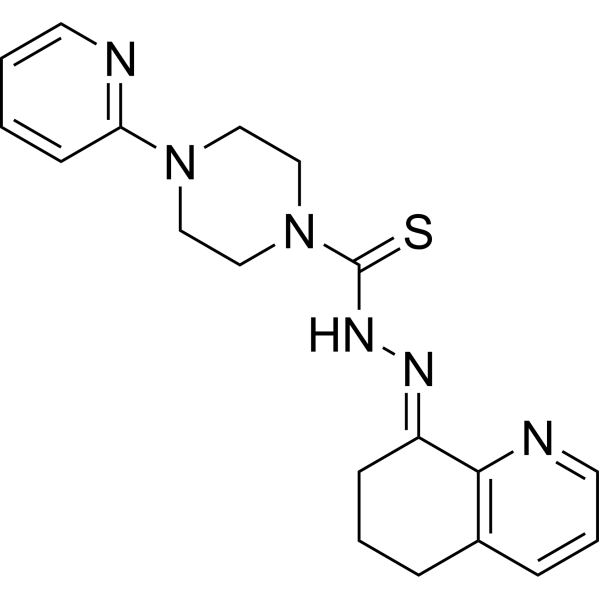
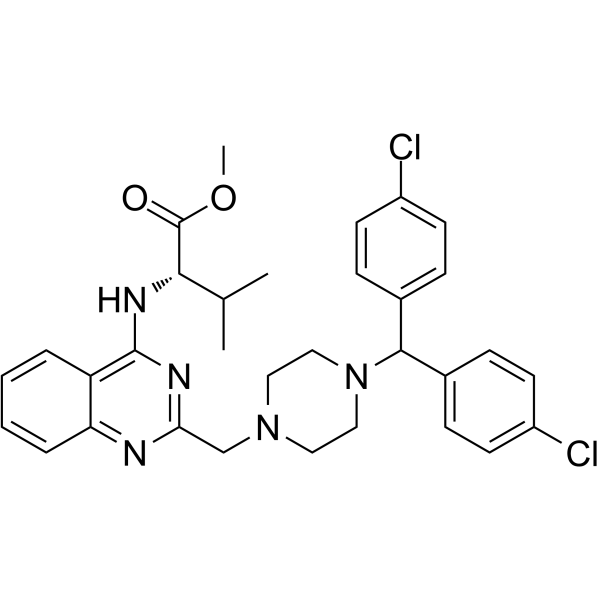
    COTI-2, an anti-cancer agent with low toxicity, is an orally available third generation activator of p53 mutant forms. COTI-2 acts both by reactivating mutant p53 and inhibiting the PI3K/AKT/mTOR pathway. COTI-2 induces apoptosis in multiple human tumor cell lines. COTI-2 exhibits antitumor activity in HNSCC through p53-dependent and -independent mechanisms. COTI-2 converts mutant p53 to wild-type conformation .
    COTI-2
  • HY-19980A
    PRIMA-1
    2 Publications Verification

    NSC-281668

    Autophagy MDM-2/p53 Ferroptosis Apoptosis Cancer
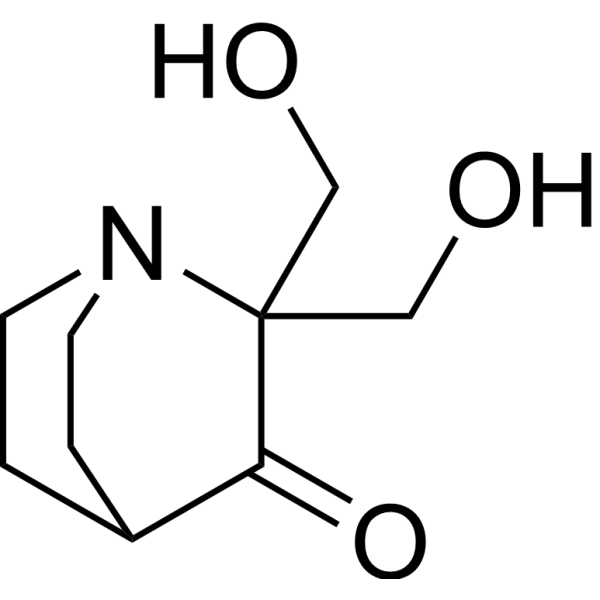
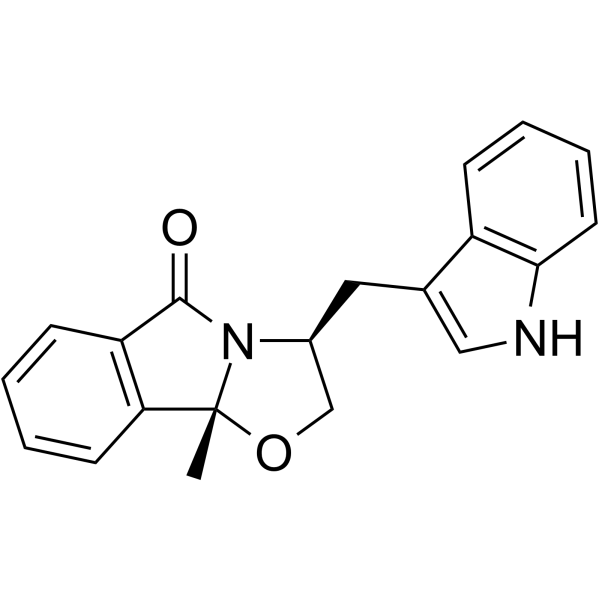
    PRIMA-1 (NSC-281668) is a mutant p53 reactivator, restores the sensitivity of TP53 mutant-type thyroid cancer cells to the histone methylation inhibitor 3-Deazaneplanocin A.
    PRIMA-1
  • HY-18343A

    MDM-2/p53 Cancer
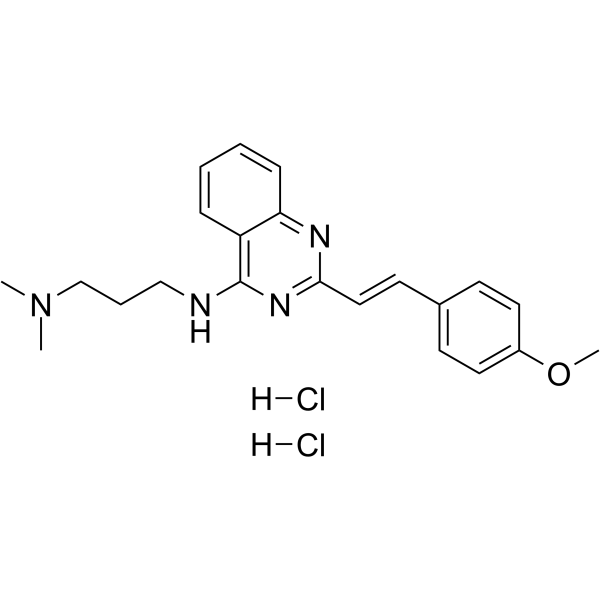
    CP-31398 dihydrochloride stabilizes the active conformation of p53 and promotes p53 activity in cancer cell lines with mutant or wild-type p53 .
    CP-31398 dihydrochloride
  • HY-128784

    MDM-2/p53 Reactive Oxygen Species (ROS) Cancer
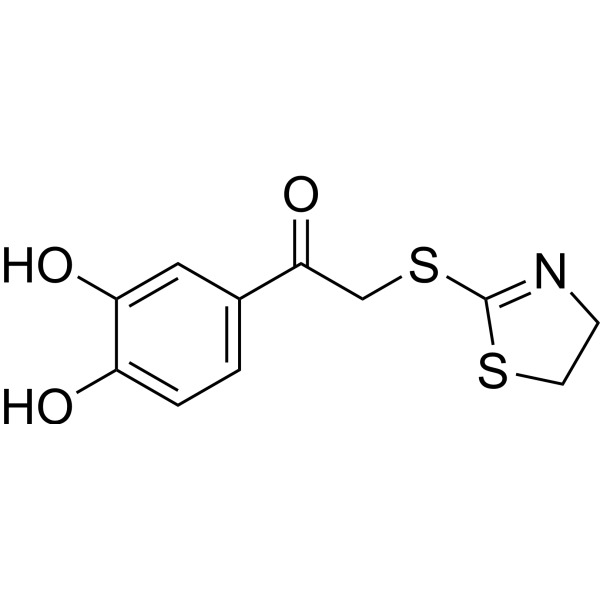
    PK11007 is a mild thiol alkylator with anticancer activity. PK11007 stabilizes p53 via selective alkylation of two surface-exposed cysteines without compromising its DNA binding activity. PK11007 induces mutant p53 cancer cell death by increasing reactive oxygen species (ROS) levels .
    PK11007
  • HY-145785A

    MDM-2/p53 Apoptosis Cancer
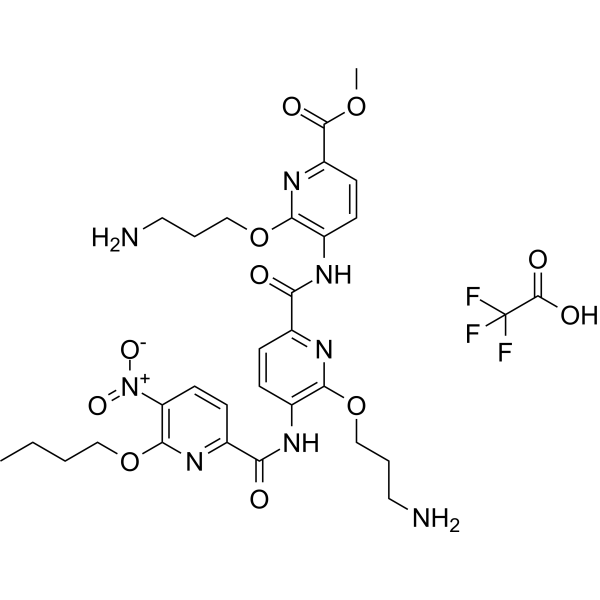
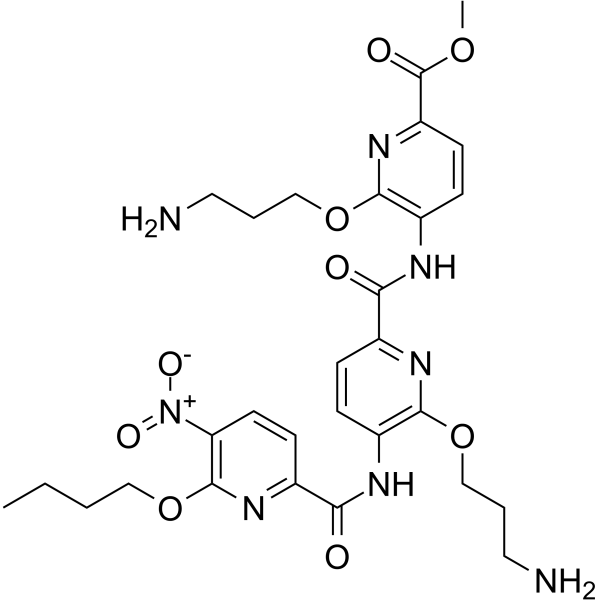
    ADH-6 TFA is a tripyridylamide compound. ADH-6 abrogates self-assembly of the aggregation-nucleating subdomain of mutant p53 DBD. ADH-6 TFA targets and dissociates mutant p53 aggregates in human cancer cells, which restores p53's transcriptional activity, leading to cell cycle arrest and apoptosis. ADH-6 TFA has the potential for the research of cancer diseases .
    ADH-6 TFA
  • HY-N2445
    Flavokawain C
    4 Publications Verification

    Apoptosis Akt JNK PERK Caspase PARP MDM-2/p53 IAP Reactive Oxygen Species (ROS) SOD FABP Autophagy AMPK mTOR GLUT EGFR PI3K HSP VEGFR FAK Cancer
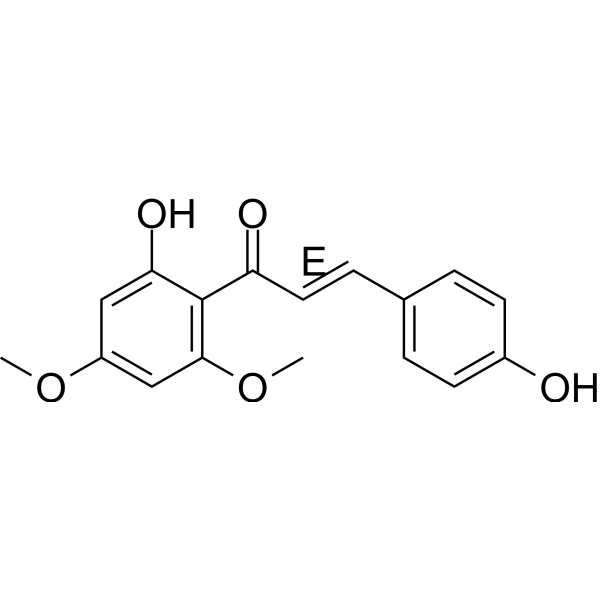
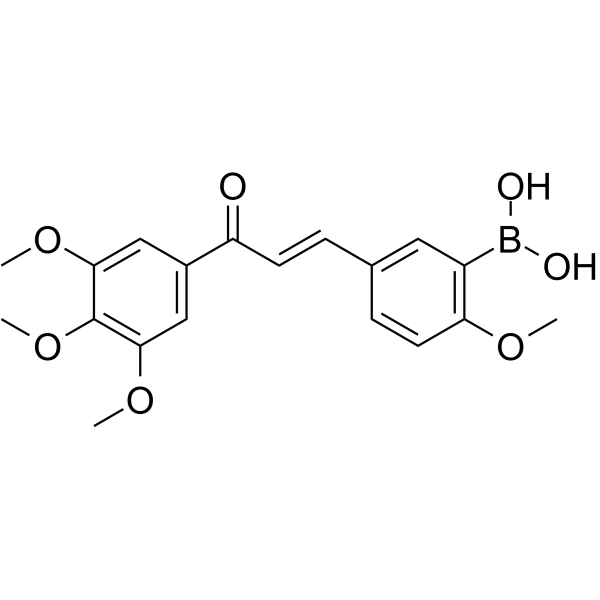
    Flavokawain C is an orally active natural chalcone. Flavokawain C inhibits the proliferation of various cancer cells. Flavokawain C upregulates GADD153 in cancer cells, inhibits the phosphorylation of Akt and JNK, suppresses early ERK phosphorylation, activates late ERK phosphorylation, activates caspase related subtypes, induces PARP-1 cleavage, causes upregulation of p21 and p27, downregulation of mutant p53 and anti-apoptotic IAP proteins, elevates intracellular ROS levels, reduces SOD activity, and induces apoptosis. Flavokawain C downregulates FABP4, induces autophagy in cancer cells, and activates the AMPK/mTOR pathway . Flavokawain C decreases the expression of glycolysis-related proteins GLUT1 and HK2, and inhibits glycolysis in nasopharyngeal carcinoma cells. Flavokawain C inhibits the activation of the EGFR/PI3K/Akt/mTOR signaling pathway and reduces the expression of HSP90B1. Flavokawain C inhibits angiogenesis by decreasing the expression of angiogenic proteins Ang-1 and VEGF in human umbilical vein endothelial cells. Flavokawain C increases γ-H2AX levels in cells, inhibits the phosphorylation of FAK, PI3K and AKT in cells, and induces DNA damage in cells. Flavokawain C exerts anti-tumor activity in multiple tumor xenograft mouse models. Flavokawain C is applicable to research related to colorectal cancer, colon adenocarcinoma, nephroblastoma, nasopharyngeal carcinoma and liver cancer .
    Flavokawain C
  • HY-136910

    USP7-IN-7

    Deubiquitinase MDM-2/p53 Cancer
    USP7-797 (USP7-IN-7) is an orally available, selective USP7 inhibitor (IC50=0.5 nmol/L) with antitumor activity. USP7-797 reduces the level of MDM2, thereby increasing the stability and activity of p53, leading to cell cycle arrest and apoptosis. USP7-797 has low nanomolar cytotoxicity against p53 mutant cancer cell lines, p53 wild-type hematological tumors, and neuroblastoma cell lines .
    USP7-797
  • HY-108636

    MDM-2/p53 RIP kinase Mixed Lineage Kinase Reactive Oxygen Species (ROS) Necroptosis Cancer
    RETRA is a RIPK1/RIPK3/MLKL and p73 activator. RETRA mediates plasma membrane disruption, induces ROS accumulation, triggers early mitochondrial hyperpolarization, and synergistically drives necroptosis. RETRA inhibits cancer cells carrying mutant p53 via a p73-dependent salvage pathway. RETRA can be used in research related to cervical cancer and cancers with mutant p53 .
    RETRA
  • HY-U00447

    MDM-2/p53 DNA Alkylator/Crosslinker Cancer
    PK11000 is an alkylating agent, and stabilizes the DNA-binding domain of both WT and mutant p53 proteins by covalent cysteine modification without compromising DNA binding. PK11000 has anti-tumor activities .
    PK11000
  • HY-122578

    MDM-2/p53 Cancer
    P53R3 is a potent p53 reactivator and restores sequence-specific DNA binding of p53 hot spot mutants, including p53 R175H, p53 R248W and p53 R273H. P53R3 induces p53-dependent antiproliferative effects with much higher specificity than PRIMA-1. P53R3 enhances the recruitment of wild-type p53 and p53 M237I to several target gene promoters. P53R3 strongly enhances the mRNA, total protein and cell surface expression of the death receptor death receptor 5 (DR5). P53R3 is used for cancer research .
    P53R3
  • HY-122753

    MDM-2/p53 Cancer
    SLMP53-1 is a wild-type and mutant p53 reactivator with promising antitumor activity. SLMP53-1 mediates the reprograming of glucose metabolism in cancer cells. SLMP53-1 depletes angiogenesis, decreasing endothelial cell tube formation and vascular endothelial growth factor (VEGF) expression levels .
    SLMP53-1
  • HY-148369

    PROTACs Deubiquitinase Apoptosis MDM-2/p53 Cancer
    U7D-1 is a first-in-class potent and selective USP7 (ubiquitin-specific protease 7) PROTAC degrader, with a DC50 of 33 nM in RS4;11 cells. U7D-1 shows anticancer activity. U7D-1 induces apoptosis in Jeko-1 cells .
    U7D-1
  • HY-159493

    Polo-like Kinase (PLK) Cancer
    BI2536-PEG2-Halo is a bifunctional molecule containing a ligand for Halo tag and a Polo-like kinase 1 (PLK1) inhibitor BI-2536 (HY-50698). BI2536-PEG2-Halo inhibits the proliferation of 293T cells with Halo-p53R273H(FL)-mCherry tag (IC50=23 nM), exhibits selective toxicity against p53 mutant cancer cells .
    BI2536-PEG2-Halo
  • HY-19634
    YK-3-237
    1 Publications Verification

    Sirtuin Cancer
    YK-3-237, a SIRT1 activator, targets mutant p53. YK-3-237 inhibits the proliferation of triple-negative breast cancer cells .
    YK-3-237
  • HY-145785

    MDM-2/p53 Apoptosis Cancer
    ADH-6 is a tripyridylamide compound. ADH-6 abrogates self-assembly of the aggregation-nucleating subdomain of mutant p53 DBD. ADH-6 targets and dissociates mutant p53 aggregates in human cancer cells, which restores p53's transcriptional activity, leading to cell cycle arrest and apoptosis. ADH-6 has the potential for the research of cancer diseases[1].
    ADH-6
  • HY-113843

    MDM-2/p53 Cancer
    RETRA (hydrobromide) is a mutant p53-dependent activator of p73 that can inhibit cancer cells carrying mutant p53. RETRA (hydrobromide) increases the expression level of p73, induces transcriptional activation of several common to transcriptional targets p53 and p73, which leads to mutant p53- and p73-dependent inhibition of tumor growth, reduction of colony formation and induction of effector caspases .
    RETRA hydrobromide
  • HY-18343

    MDM-2/p53 Apoptosis Cancer
    CP-31398 can stabilize the active conformation of p53 and promote p53 activity in cancer cells with either mutant or wild-type p53. In addition, CP-31398 can upregulate p53 target genes, such as p21WAF1/Cip1 and KILLER/DR5. CP-31398 exerts an inhibitory effect on tumor growth .
    CP-31398
  • HY-179560

    Polo-like Kinase (PLK) MDM-2/p53 Cancer
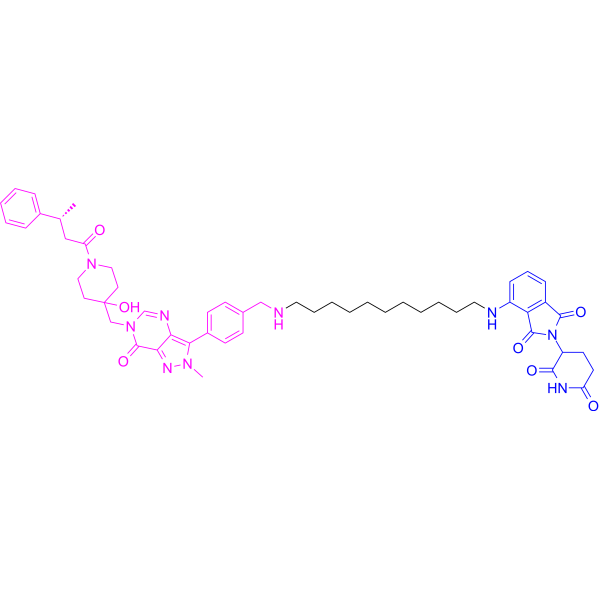
    PMV6-PEG4-BI2536 is a p53-Y220C-PLK1 dual-functional compound, composed of a high-affinity p53-Y220C mutant binder (Kd ≈ 2.5 nM) and a potent PLK1 kinase inhibitor (IC50 = 0.83 nM). PMV6-PEG4-BI2536 triggers TP53 Y220C cell G2/M arrest and apoptosis through PLK1 mislocalization and kinase inhibition, independent of p53 transcriptional reactivation. PMV6-PEG4-BI2536 can be used for the study of TP53 mutant cancers .
    PMV6-PEG4-BI2536
  • HY-100601

    MDM-2/p53
    PK7242 is an inducer of reactivation of mutant p53 in cancer cells. In cancer cells carrying the Y220C mutant, PK7242 binds to the p53-Y220C core domain and induces growth inhibition, cell-cycle arrest, and apoptosis.
    PK7242
  • HY-W287494

    MDM-2/p53 Cancer
    Antitumor agent-202 is a stabilizer of the p53 Y220C mutant. It exhibits a selective inhibitory effect on the proliferation of tumor cells carrying the p53 Y220C mutation and can be applied to the research of cancers associated with the p53 Y220C mutation .
    Antitumor agent-202
  • HY-186151

    MDM-2/p53 Apoptosis Cancer
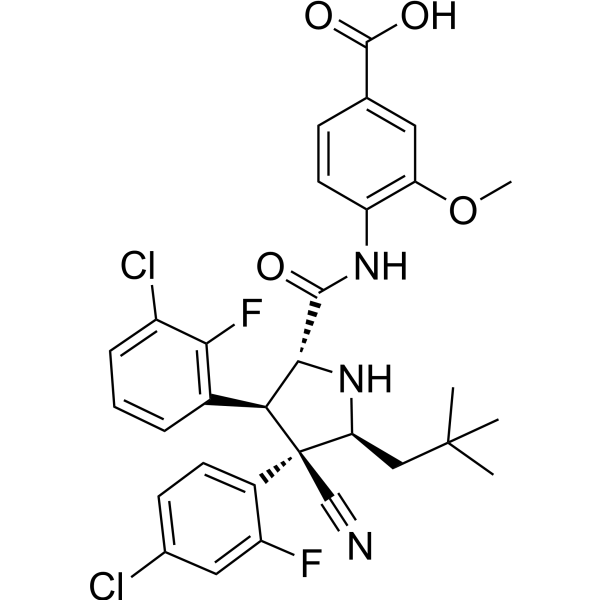
    UCI-LC0019 is a mutant p53 reactivator. UCI-LC0019 binds to mutant p53, induces wild-type-like conformational change, restores sequence-specific DNA binding activity, activates p53-dependent transcription programs, and does not act via thiol reactivity or glutathione depletion. UCI-LC0019 inhibits proliferation and induces apoptosis in cancer cells harboring mutant p53, with no significant effect on p53 null or wild-type p53 tumors cells. UCI-LC0019 exhibits anti-tumor activity in xenograft mouse models carrying p53R175H mutant tumors. UCI-LC0019 can be used for the research of cancer, such as ovarian cancer .
    UCI-LC0019
  • HY-179506

    MDM-2/p53 Apoptosis Cancer
    P53 Activator 16 (Compound JC16) is a p53 activator. P53 Activator 16 exhibits selective cytotoxicity and pro-apoptotic (apoptosis) activity towards p53-Y220C mutant cancer cells, while having little effect on wild-type or P53-deficient cells. P53 Activator 16 induces the conformational transition of cell p53-Y220C from the mutant form to the wild-type form, accompanied by the transcriptional activation of p53 target genes, without increasing the overall level of p53 protein. P53 Activator 16 can be used for the study of p53 mutant cancers .
    p53 Activator 16
  • HY-183622

    MDM-2/p53 Cancer
    UCI-1014 is a mutant p53 (p53 R175H) corrector/reactivator. UCI-1014 restores the wild-type-like DNA-binding activity of p53 R175H, promotes the redistribution of the mutant protein to chromatin, and induces the expression of p53-dependent target genes. UCI-1014 inhibits the proliferation of p53 R175H-mutant cancer cells through an SLC7A11-independent mechanism. UCI-1014 can be used for research related to p53-mutant cancers .
    UCI-1014
  • HY-179507

    MDM-2/p53 Apoptosis Cancer
    p53 Activator 17 is a p53-Y220C activator. p53 Activator 17 exhibits selective cytotoxicity and pro-apoptotic activity in p53-Y220C mutant cancer cell lines, with minimal effects in wild-type or p53-null cells. p53 Activator 17 induces a mutant-to-wild-type conformational shift in cellular p53-Y220C, accompanied by transcriptional activation of canonical p53 target genes, including BBC3 (PUMA) and MDM2. p53 Activator 17 can be used for the study of hepatocellular carcinoma and breast cancer .
    p53 Activator 17
  • HY-182744

    MDM-2/p53 Cancer
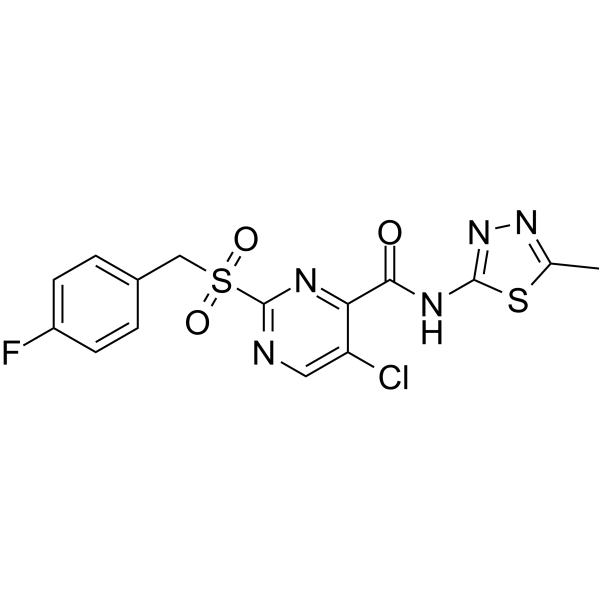
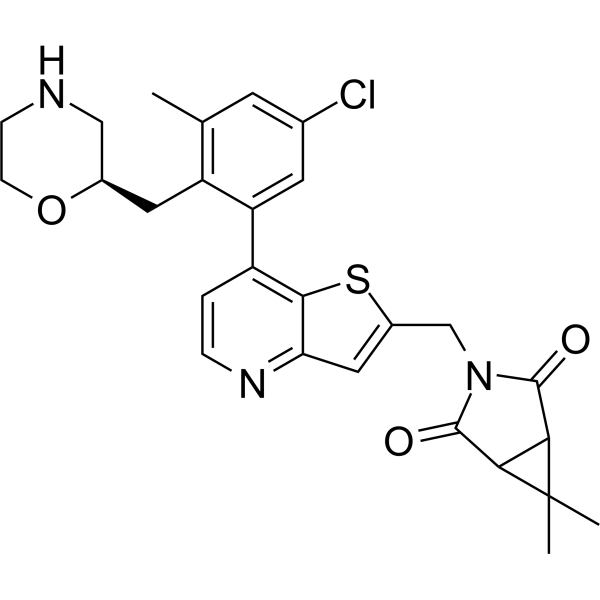
    LLQ-45 is a covalent p53 Y220C mutant protein agonist with an EC50 of 24.97 μM. LLQ-45 activates the anti-tumor function of p53 Y220C through covalent modification, restores its DNA-binding ability and enhances its thermal stability. LLQ-45 selectively inhibits the proliferation of p53 Y220C mutant tumor cells, suppresses cell growth and upregulates the expression of CDKN1A. LLQ-45 can be used in studies related to p53 Y220C mutant cancers .
    LLQ-45
  • HY-16270

    3-Cyanopropyl carbamimidothioate; 4-Isothioureidobutyronitrile

    Apoptosis MDM-2/p53 Cancer
    Kevetrin (3-Cyanopropyl carbamimidothioate; 4-Isothioureidobutyronitrile) is an apoptosis inducer that exhibits p53-dependent and p53-independent antitumor activity. In TP53 wild-type models, Kevetrin activates and stabilizes the p53 protein by altering the processing of MDM2, thereby inducing cell cycle arrest and apoptosis. Kevetrin shows higher sensitivity in mutant models. Kevetrin is applicable for the research of various cancers including acute myeloid leukemia and breast cancer .
    Kevetrin
  • HY-182241

    c-Myc Early 2 Factor (E2F) TNF Receptor MDM-2/p53 Reactive Oxygen Species (ROS) Apoptosis Cancer
    JR4-187 is an orally active, copper-dependent anticancer agent. JR4-187 downregulates genes involved in oxidative phosphorylation, MYC targets and E2F targets in cancer cells, while upregulates genes involved in the TNF-α signaling pathway, p53 pathway and KRAS signaling pathway, and downregulates CTR1 protein . JR4-187 induces ROS production, apoptosis, copper-dependent cytotoxicity, and exhibits selective cytotoxicity against KRAS-mutant cancer cells. JR4-187 is well tolerated in mouse models of pancreatic cancer. JR4-187 can be used in research related to cancers such as pancreatic ductal adenocarcinoma, colon cancer and rectal cancer .
    JR4-187

Inquiry Online

Your information is safe with us. * Required Fields.

Salutation


Country or Region *

Applicant Name *


Organization Name *

Department *


Email Address *


Product Name *

Cat. No.


Requested quantity *

Phone Number *


Remarks

Inquiry Online

Inquiry Information

Product Name:
Cat. No.:
Quantity:
MCE Japan Authorized Agent:

