211 Results for "

passive layer

" in MedChemExpress (MCE) Product Catalog:
Products (211)

211 Results for "passive layer" in MCE Product Catalog:

45
45 Publications Verification
Cat. No.: HY-101879
CAS No.: 65-61-2
Purity:  99.65%
Target:  

Fluorescent Dye

Research Areas:  

Others

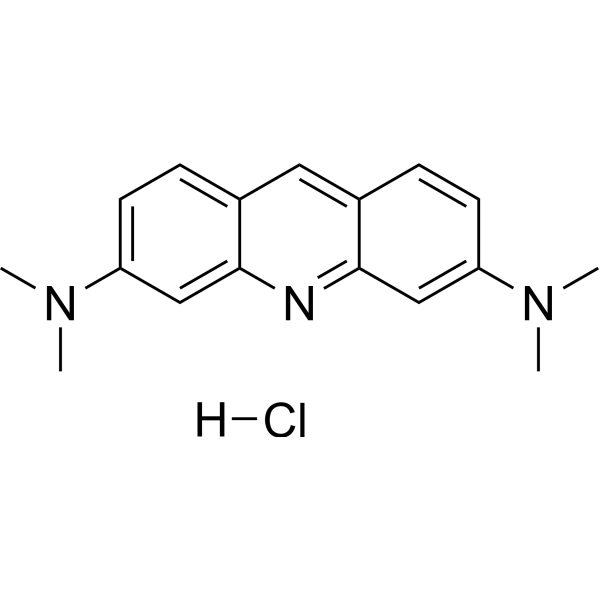
Acridine Orange hydrochloride is a cell-permeable fluorescent nucleic acid dye and lysosomal probe with a pKa of 9.65. Acridine Orange hydrochloride enters cells via passive diffusion, is protonated and accumulates in acidic lysosomes, and forms aggregates at high concentrations, producing orange-red fluorescence; when the lysosomal proton gradient or membrane integrity is impaired, Acridine Orange hydrochloride is released into the cytoplasm, green fluorescence increases and red fluorescence decreases, so it can be used to monitor lysosomal acidification status and changes in membrane permeability. Acridine Orange hydrochloride binds to nucleic acids through intercalation or electrostatic interactions, exhibiting mainly green fluorescence when bound to double-stranded DNA and mainly red fluorescence when bound to RNA or single-stranded DNA, and can be used for nucleic acid staining and differential DNA/RNA detection. The Ex/Em of Acridine Orange hydrochloride monomer is approximately 492/525 nm; when bound to double-stranded DNA it is approximately 488/520-524 nm, and when bound to RNA or single-stranded DNA it is approximately 457/630-650 nm .
loading...
    loading...
45
45 Publications Verification
Cat. No.: HY-D0942
CAS No.: 10127-02-3
Synonyms: Euchrysine 3RX
Target:  

Fluorescent Dye

Research Areas:  

Others

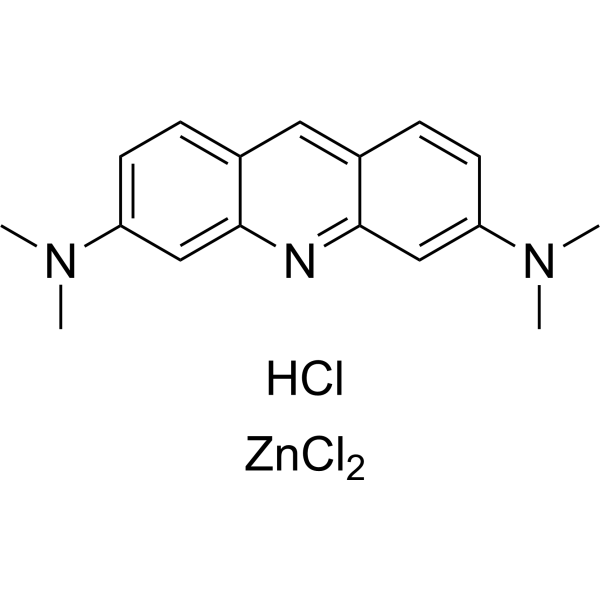
Acridine Orange zinc chloride salt is a cell-permeable fluorescent nucleic acid dye and lysosomal probe with a pKa of 9.65. Acridine Orange zinc chloride salt enters cells via passive diffusion, is protonated and accumulates in acidic lysosomes, and forms aggregates at high concentrations, producing orange-red fluorescence; when the lysosomal proton gradient or membrane integrity is impaired, Acridine Orange zinc chloride salt is released into the cytoplasm, green fluorescence increases and red fluorescence decreases, so it can be used to monitor lysosomal acidification status and changes in membrane permeability. Acridine Orange zinc chloride salt binds to nucleic acids through intercalation or electrostatic interactions, exhibiting mainly green fluorescence when bound to double-stranded DNA and mainly red fluorescence when bound to RNA or single-stranded DNA, and can be used for nucleic acid staining and differential DNA/RNA detection. The Ex/Em of Acridine Orange zinc chloride salt monomer is approximately 492/525 nm; when bound to double-stranded DNA it is approximately 488/520-524 nm, and when bound to RNA or single-stranded DNA it is approximately 457/630-650 nm .
loading...
    loading...
45
45 Publications Verification
Cat. No.: HY-D0952
CAS No.: 494-38-2
Target:  

Fluorescent Dye

Research Areas:  

Others

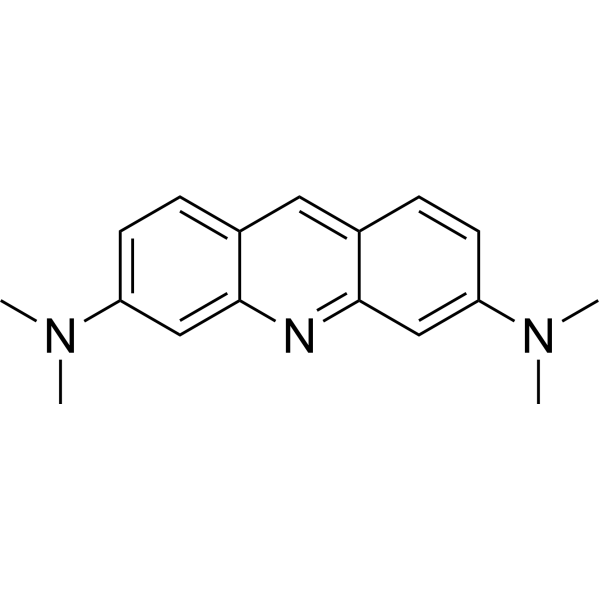
Acridine Orange base is a cell-permeable fluorescent nucleic acid dye and lysosomal probe with a pKa of 9.65. Acridine Orange base enters cells via passive diffusion, is protonated and accumulates in acidic lysosomes, and forms aggregates at high concentrations, producing orange-red fluorescence; when the lysosomal proton gradient or membrane integrity is impaired, Acridine Orange base is released into the cytoplasm, green fluorescence increases and red fluorescence decreases, so it can be used to monitor lysosomal acidification status and changes in membrane permeability. Acridine Orange base binds to nucleic acids through intercalation or electrostatic interactions, exhibiting mainly green fluorescence when bound to double-stranded DNA and mainly red fluorescence when bound to RNA or single-stranded DNA, and can be used for nucleic acid staining and differential DNA/RNA detection. The Ex/Em of Acridine Orange base monomer is approximately 492/525 nm; when bound to double-stranded DNA it is approximately 488/520-524 nm, and when bound to RNA or single-stranded DNA it is approximately 457/630-650 nm .
loading...
    loading...
12
12 Cited Publications
Cat. No.: HY-D0973
CAS No.: 99590-86-0
Synonyms: EGTA Acetoxymethyl ester
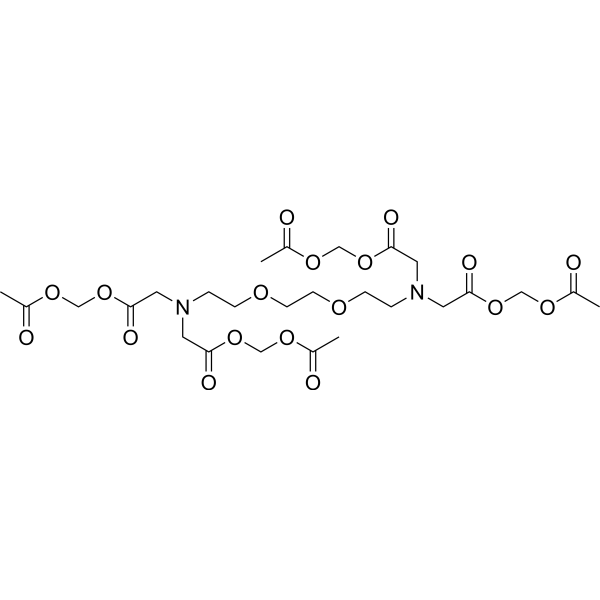
EGTA-AM is a membrane permeable form of EGTA, can be passively loaded into cells to generate intracellular EGTA; EGTA-AM is also a Ca 2+ chelator with slow chelating dynamics.
loading...
    loading...
8
8 Cited Publications
Cat. No.: HY-15991
CAS No.: 1234423-95-0
Synonyms: AZD1722; RDX5791
Research Areas:  

Metabolic Disease

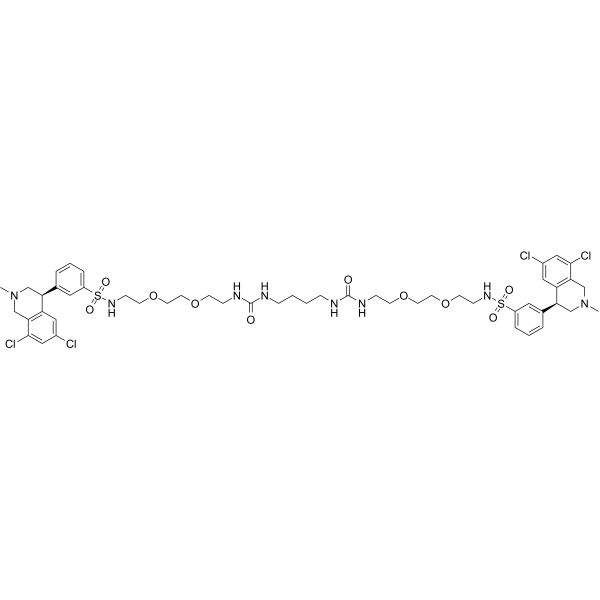
Tenapanor (AZD1722) is a potent and orally active sodium/hydrogen exchanger isoform 3 (NHE3) inhibitor. Tenapanor reduces intestinal phosphate absorption predominantly through reduction of passive paracellular phosphate flux. Tenapanor has the potential for the research of hyperphosphatemia .
loading...
    loading...
8
8 Cited Publications
Cat. No.: HY-15991A
CAS No.: 1234365-97-9
Synonyms: AZD1722 hydrochloride; RDX5791 hydrochloride
Research Areas:  

Metabolic Disease

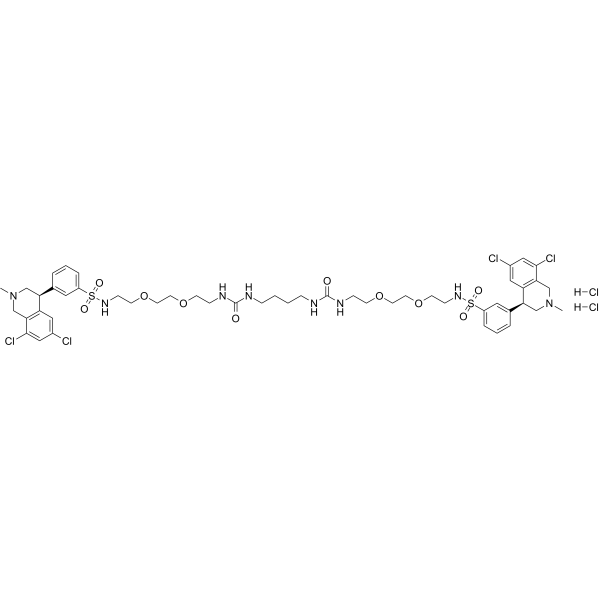
Tenapanor (AZD1722) hydrochloride is a potent and orally active sodium/hydrogen exchanger isoform 3 (NHE3) inhibitor. Tenapanor hydrochloride reduces intestinal phosphate absorption predominantly through reduction of passive paracellular phosphate flux. Tenapanor hydrochloride has the potential for the research of hyperphosphatemia .
loading...
    loading...
7
7 Cited Publications
Cat. No.: HY-B0377
CAS No.: 76824-35-6
Synonyms: MK-208
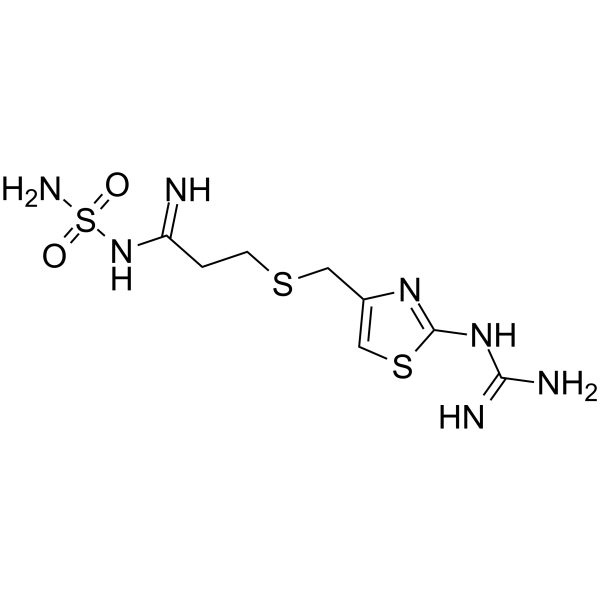
Famotidine (MK-208) is an orally active and highly selective histamine H2 receptor antagonist. It inhibits gastric acid secretion by blocking the Gs signaling pathway, and regulates intracellular cAMP and ERK pathways. Famotidine inhibits TLR3-mediated inflammatory pathways, and reduces the expression of various inflammatory mediators and interferon-related genes. Famotidine scavenges DPPH and nitric oxide free radicals, alleviates oxidative stress damage in gastric tissue, inhibits proMMP-9, improves vascular endothelial permeability, and restores the normal physiological functions of neutrophils and eosinophils. Famotidine crosses intestinal epithelial cells via facilitated diffusion and passive diffusion, blocks paracellular cation transport, and increases intestinal transepithelial electrical resistance. Famotidine reduces serum levels of transaminases and alkaline phosphatase, exerts analgesic effects and gastric protective effects simultaneously. Famotidine can be used in studies related to COVID-19, liver injury and acute gastric ulcer .
loading...
    loading...
6
6 Cited Publications
Cat. No.: HY-D0155
CAS No.: 288574-78-7
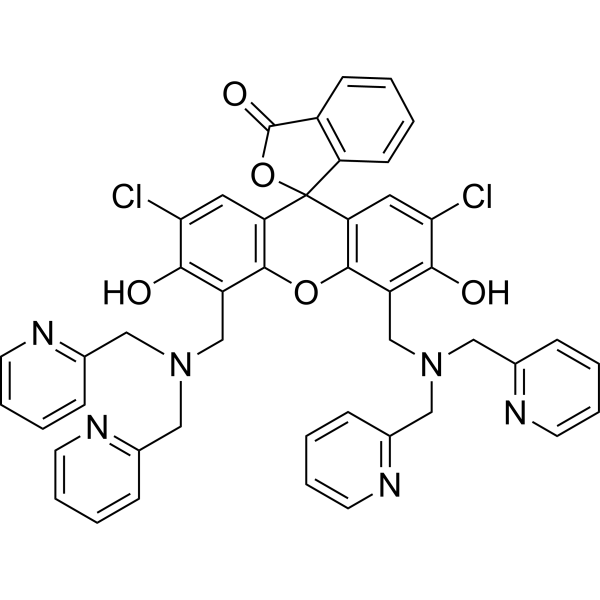
Zinpyr-1 is a zinc-responsive fluorescent indicator and a membrane-permeable metal-binding probe. Zinpyr-1 forms a complex with Mn 2+ ions and generates a fluorescence turn-on signal. Zinpyr-1 binds to free zinc ions in serum, enabling quantitative detection of free zinc concentration. Zinpyr-1 produces fluorescence signals reflecting the relative zinc concentration in plant root cells, localizes to specific layers of plant root cells, and can be used to support analyses related to plant zinc transporter mutations and homeostasis .
loading...
    loading...
4
4 Cited Publications
Cat. No.: HY-114299
CAS No.: 203787-91-1
Purity:  99.94%
Synonyms: SNAC
Research Areas:  

Others

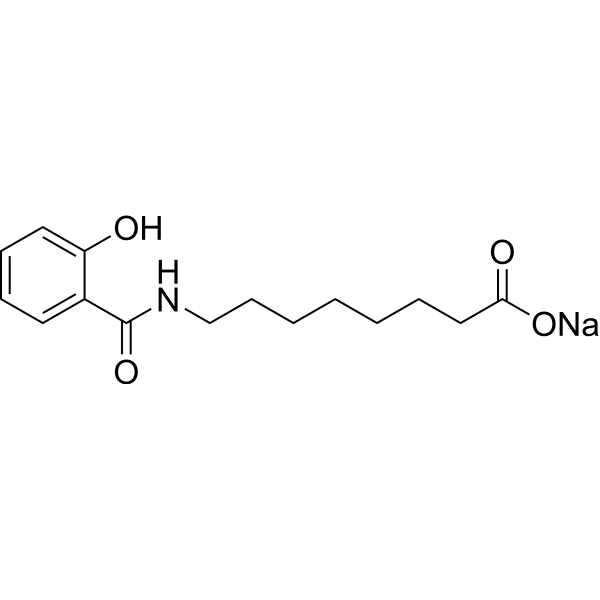
Salcaprozate sodium (SNAC), an oral absorption promoter, and has the potential as a delivery agent for oral forms of heparin and insulin. Salcaprozate sodium could increase passive transcellular permeation across small intestinal epithelia based on increased lipophilicity arising from non-covalent macromolecule complexation .
loading...
    loading...
2
2 Cited Publications
Cat. No.: HY-113008
CAS No.: 104-98-3
Purity:  99.96%
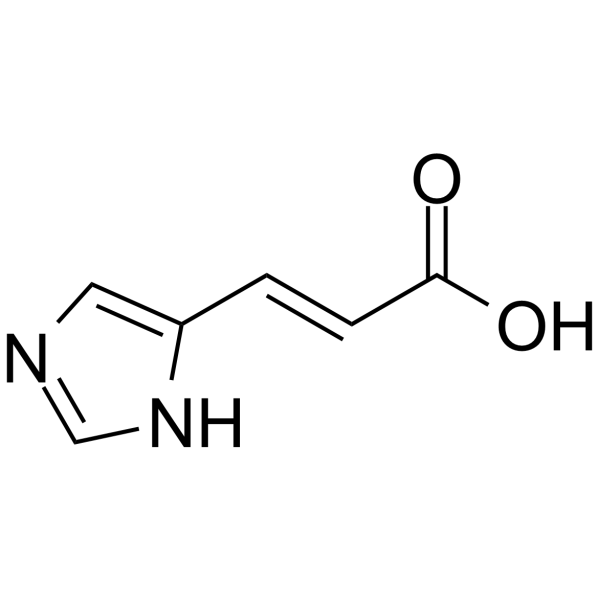
Urocanic acid, produced in the upper layers of mammalian skin, is a major absorber of ultraviolet radiation (UVR).
loading...
    loading...
2
2 Cited Publications
Cat. No.: HY-D1746
CAS No.: 162303-59-5
Synonyms: EDTA acetoxymethyl ester; Ethylenediaminetetraacetic acid acetoxymethyl ester
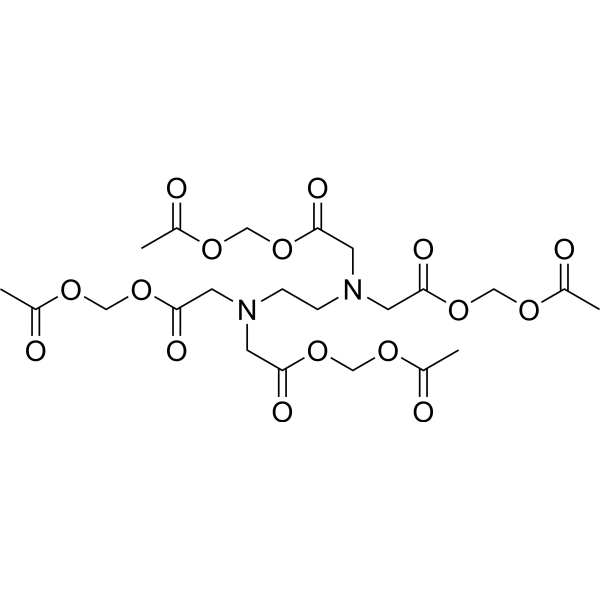
EDTA-AM (ethylenediaminetetraacetic acid, acetoxymethyl ester) is the membrane-permeant form of the metal chelator EDTA (HY-Y0682). Live cells passively load EDTA-AM by incubating with EDTA-AM. Once internalized, cytoplasmic esterase decomposes AM esters, releasing the active ligand EDTA, which isolates metal ions within the cell. EDTA-AM induces an arrest of mitotic progression and chromosome decondensation .
loading...
    loading...
1
1 Cited Publications
Cat. No.: HY-12928
CAS No.: 1613465-33-0
Purity:  99.09%
Target:  

DNA/RNA Synthesis

Research Areas:  

Infection

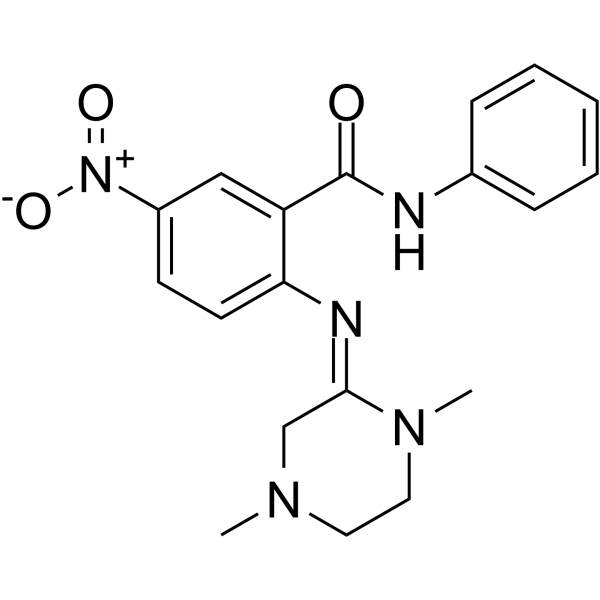
ML336 is a Venezuelan equine encephalitis virus (VEEV) inhibitor with moderate passive blood-brain barrier permeability. ML336 inhibits viral RNA synthesis, virus-induced cytopathic effects and viral replication, reduces viral titers, and blocks the synthesis of VEEV genomic, subgenomic and template RNAs. ML336 can be used in studies related to VEEV infection .
loading...
    loading...
1
1 Cited Publications
Cat. No.: HY-N12127
CAS No.: 899430-01-4
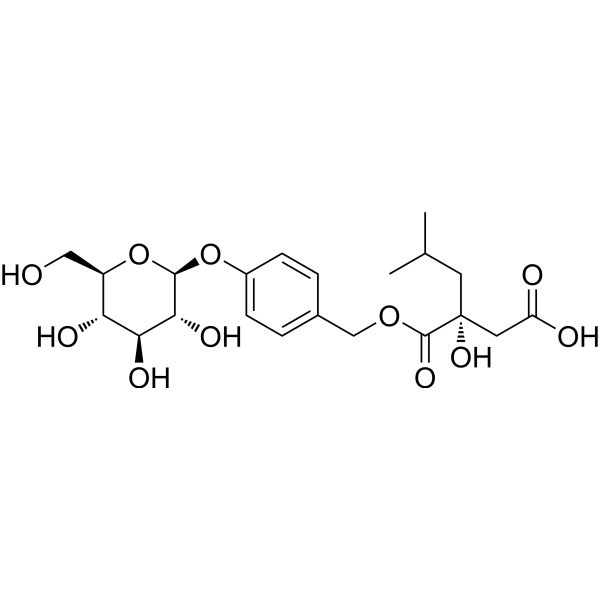
Gymnoside I (compound 1) is a glycosidoxybenzyl 2-isobutylmalic acid. Gymnoside I shows antiallergic activity in passive cutaneous allergic reaction (PCA) in mice. Gymnoside I can be used in research to research asthma, neurasthenia and chronic hepatitis .
loading...
    loading...
1
1 Cited Publications
Cat. No.: HY-D0194
CAS No.: 111843-78-8
Research Areas:  

Others

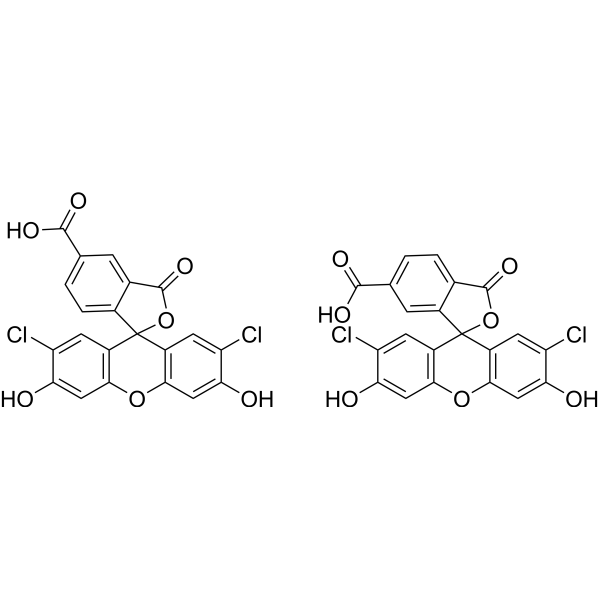
5 (6)-Carboxy-2',7'-dichlorofluorescein is a fluorescent probe substrate that acts on MRP1 and MRP3/Mrp3, passively diffuses across cell membranes, and is actively effluxed by MRP1 in MRP1-positive cells. 5 (6)-Carboxy-2',7'-dichlorofluorescein is transported across membranes in an ATP-dependent manner, but does not stimulate ATPase activity .
loading...
    loading...
1
1 Cited Publications
Cat. No.: HY-P5481
CAS No.: 1807943-24-3
Target:  

Inhibitory Antibodies

Research Areas:  

Others

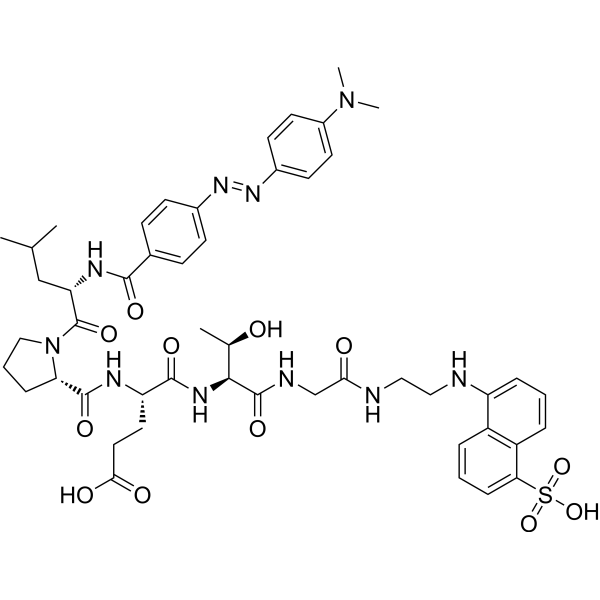
DABCYL-LPETG-EDANS is a biological active peptide. (This 5-amino acid peptide is a sortase substrate, C-terminal sorting signal. Sortase cleaves surface proteins at the LPXTG motif and catalyzes the formation of an amide bond between the carboxyl group of threonine and the amino group of cell-wall crossbridges. Sortases are a family of Gram-positive transpeptidases responsible for anchoring surface protein virulence factors to the peptidoglycan cell wall layer. Cleavage of this FRET substrate by sortase reveals the fluorescent signal, Abs/Em = 340/490 nm.)
loading...
    loading...
1
1 Cited Publications
Cat. No.: HY-D0889
CAS No.: 556-50-3
Synonyms: Gly-Gly; H-Gly-Gly-OH
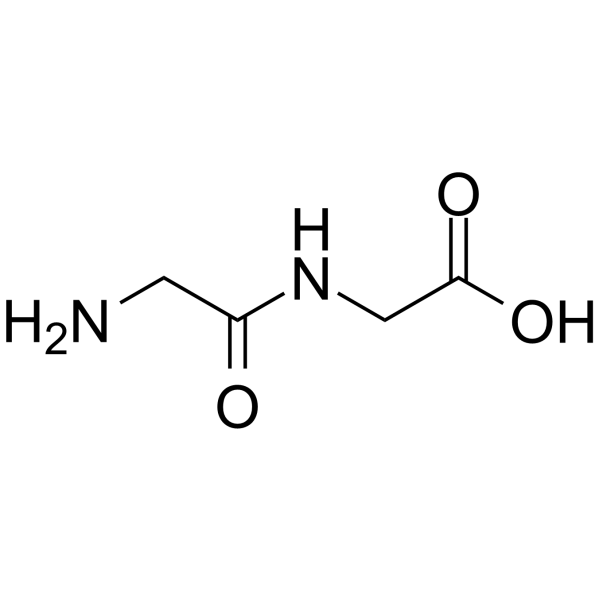
Glycylglycine is a non-selective glycylglycine dipeptidase substrate and iNOS inhibitor. Glycylglycine can cross the cell membrane by passive diffusion and is hydrolyzed to glycine in the cell, participating in energy metabolism and antioxidant processes. Glycylglycine promotes spermatogonial stem cells (SSCs) proliferation, inhibits astrocyte overactivation and reduces nitric oxide (NO) release, while upregulating the expression of neurotrophic factors (such as PDGFA, FGF2, CNTF) to support nerve myelin repair. Glycylglycine can be used to study male reproductive biology (such as SSCs proliferation regulation) and neurodegenerative diseases (such as neuroprotective mechanisms in multiple sclerosis) .
loading...
    loading...
1
1 Cited Publications
Cat. No.: HY-N8698
CAS No.: 530-14-3
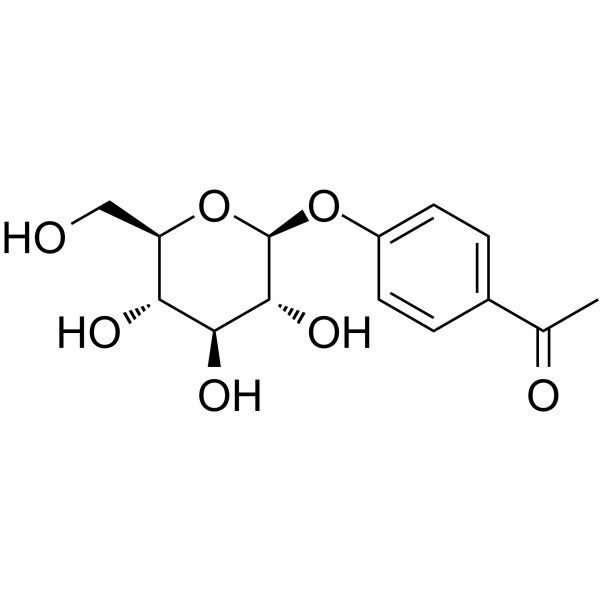
Picein is an antioxidant and anti-inflammatory agent. Picein can be isolated from the leaves of Picrorhiza kurroa. Picein reduces MDA levels and increases the levels of SOD, GPX and TAC. Picein alleviates oxidative stress and promotes bone regeneration in osteoporotic bone defects by inhibiting Ferroptosis (via activation of the Nrf2/HO-1/GPX4 pathway). Picein prevents scopolamine (HY-N0296)-induced passive avoidance memory impairment in rats. Picein can be used in research related to osteoporotic bone defects and Alzheimer's disease .
loading...
    loading...
1
1 Cited Publications
Cat. No.: HY-Y0395
CAS No.: 25487-66-5
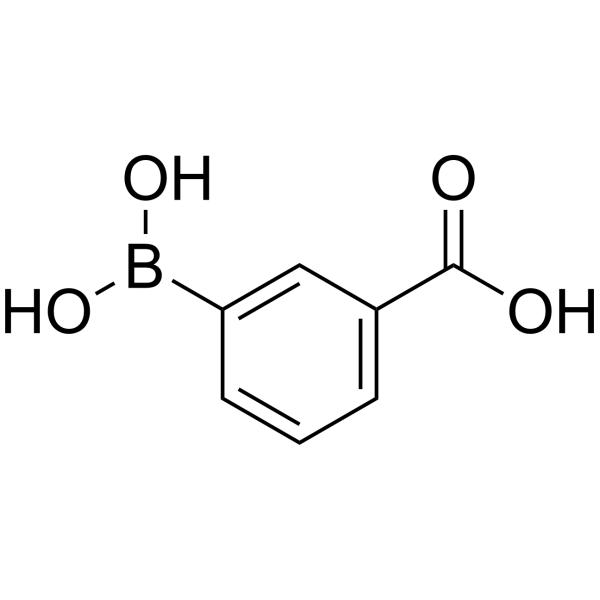
3-Carboxyphenylboronic acid is a biochemical reagent with multiple functions including nanoparticle enhancement, perovskite passivation, fluorescence quenching, and adhesion. 3-Carboxyphenylboronic acid improves tumor penetration and pulmonary retention of nanoparticles, and serves as a tumor-targeting ligand for carboxymethyl chitosan nanoparticles. 3-Carboxyphenylboronic acid optimizes film crystallization via coordinate chelation of free lead/iodide ions in perovskites. 3-Carboxyphenylboronic acid acts as an additive for n-i-p perovskite solar cells. Conjugation of 3-Carboxyphenylboronic acid with PPEG8 quenches the near-infrared fluorescence of single-walled carbon nanotubes, enabling aqueous dispersion of carbon nanotubes through binding to the diol structure of saccharides .
loading...
    loading...
1
1 Cited Publications
Cat. No.: HY-124298
CAS No.: 168482-84-6
Purity:  99.00%
Target:  

Fluorescent Dye

Research Areas:  

Others

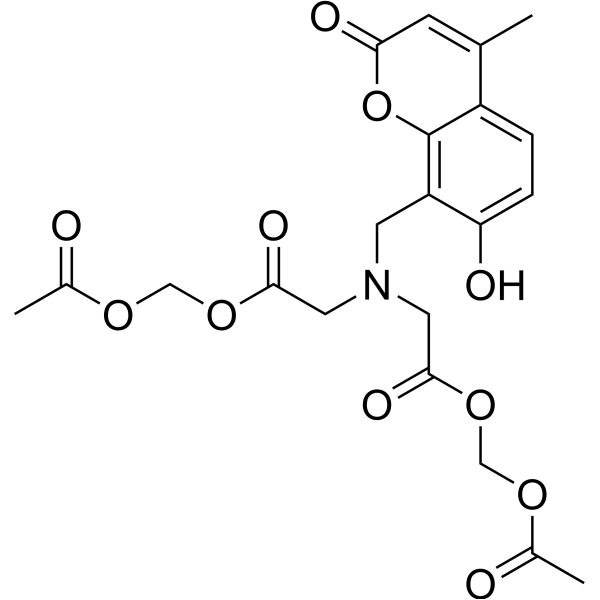
Calcein Blue AM is a cell staining agent. Calcein Blue AM serves as a substrate for intracellular esterases, which hydrolyze its acetoxymethyl (AM) ester group to convert the non-fluorescent reagent into fluorescent Calcein Blue. Calcein Blue AM passively penetrates the plasma membrane of both live and dead cells; it is converted into a polar fluorescent product and retained in the cytoplasm of live cells, whereas dead cells cannot retain the dye. Calcein Blue AM exhibits significant dye leakage, and its fluorescence intensity gradually decreases over time. Calcein Blue AM can be used for endpoint-based cell viability assays and short-term cell tracking experiments with a duration of no more than 4 hours.
The product specifications provided below refer solely to the active content of Calcein Blue AM.
loading...
    loading...
1
1 Cited Publications
Cat. No.: HY-124344
CAS No.: 116764-15-9
Purity:  98.90%
Avenanthramide C is an orally active polyphenolic compound that penetrates the blood-brain barrier. Avenanthramide C is derived from oats. Avenanthramide C inhibits NF-κB nuclear translocation and inhibits the phosphorylation of PI3K, PLCγ1, Lyn, Syk, and Akt. Avenanthramide C inhibits the expression and activity of MMP-9 and inhibits MAPK phosphorylation. Avenanthramide C scavenges DPPH radicals, reduces intracellular ROS, and inhibits pro-inflammatory cytokine release and adhesion molecule expression. Avenanthramide C inhibits cell degranulation. Avenanthramide C attenuates active systemic anaphylaxis and inhibits passive cutaneous anaphylaxis. Avenanthramide C ameliorates PHZ-induced blood stasis. Avenanthramide C inhibits neuroinflammation, restores long-term potentiation, and improves recognition and spatial memory in Alzheimer's disease models. Avenanthramide C can be used for research on allergic inflammation, thrombosis, atherosclerosis, and Alzheimer's disease .
loading...
    loading...

