



Cancer Immunotherapy
Cancer immunotherapy (CIT) is a type of biological therapy, aiming to improve anti-tumor immune responses with fewer off-target effects than chemotherapy. Several types of immunotherapy include: oncolytic virus therapies, cancer vaccines, cytokine therapies, adoptive cell transfer (ACT), and immune checkpoint inhibitors (ICIs). In particular, ICIs and ACT have obtained immense clinical response, but their efficacy varies from person to person. Immune cells can be harnessed to eliminate tumor cells, such as T cells, B cells, NK cells, and myeloid cells. T cells have potent tumor-killing capability, therefore, a plethora of cancer immunotherapy research have focused on inducing T-cell-mediated anti-tumor responses. CTLA-4 and PD-1 are found on the cell surface of T cells as co-inhibitory receptors. The breakthrough in cancer immunotherapy results from the identification and subsequent targeting of checkpoint mechanisms in T cells with monoclonal antibodies against CTLA-4 and programmed death-ligand 1/programmed death-1 (PD-L1/PD-1).
Several types of cancers (e.g., melanoma, mismatch repair-deficient cancers, bladder cancer, and non-small cell lung cancer) have achieved significant clinical responses in T-cell checkpoint blockade therapies. However, single-mode immunotherapy faces challenges such as low immune response, low tumor infiltration, and complex immunosuppressive tumor microenvironment. Recently, combined therapies based on tumor immunity have received extensive attention in the research of enhancing tumor cells immunogenicity and inhibiting their growth. For example, anti CTLA-4 and PD-1, immune checkpoint blockade (ICB) combined with chemotherapy, anti-angiogenic drugs and kinase inhibitors.
-
Hymeglusin
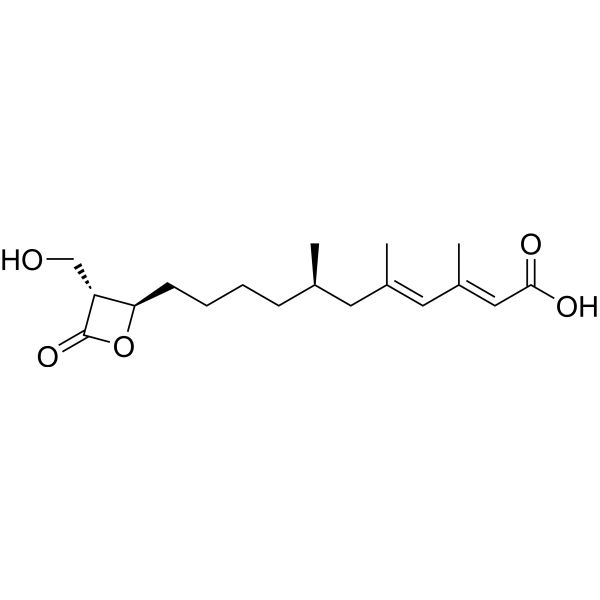 0 ImagesSynonyms: F-244; 1233A; L-659699
Hymeglusin, as a fungal β-lactone antibiotic, is a HMG-CoA synthase inhibitor (IC50 = 0.12 μM). Hymeglusin covalently modifies the active Cys129 residue of the enzyme.
-
J22352
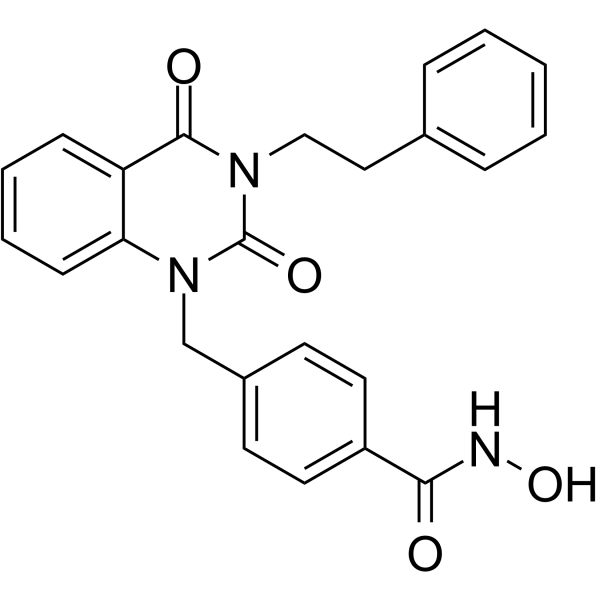 0 Images
J22352 is a PROTAC (proteolysis-targeting chimeras)-like and highly selective HDAC6 inhibitor with an IC50 value of 4.7 nM. J22352 promotes HDAC6 degradation and induces anticancer effects by inhibiting autophagy and eliciting the antitumor immune response in glioblastoma cancers, and leading to the restoration of host antitumor activity by reducing the immunosuppressive activity of PD-L1.
-
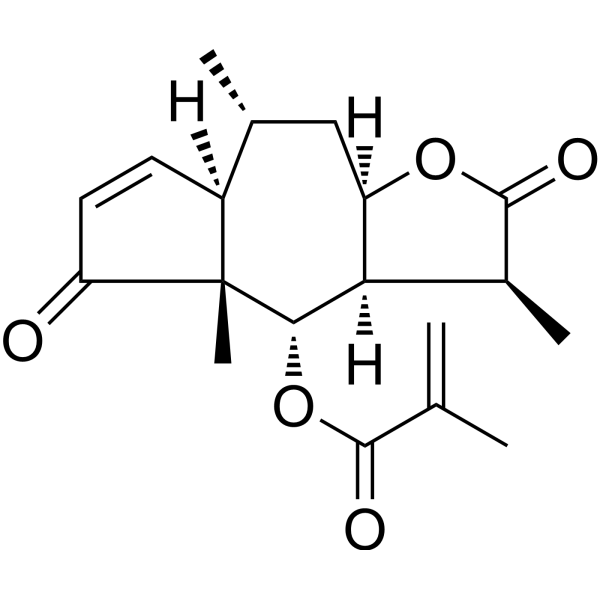
A 83-01 (Standard)
 0 ImagesCat. No.: HY-10432RCAS No.: 909910-43-6
A 83-01 (Standard) is the analytical standard of A 83-01 (HY-10432). This product is intended for research and analytical applications. A 83-01 is a potent inhibitor of TGF-β type I receptor ALK5 kinase, type I nodal receptor ALK4 and type I nodal receptor ALK7, with IC50s of 12 nM, 45 nM and 7.5 nM against the transcription induced by ALK5, ALK4 and ALK7, respectively.
-
Perenostobart
 0 ImagesCat. No.: HY-P990068CAS No.: 2643331-31-9Synonyms: SRF617
Perenostobart (SRF617) is a human IgG4 antibody with inhibitory activity against CD39 ATPase. Perenostobart inhibits CD39-mediated hydrolysis of extracellular ATP to AMP, with IC50 values of 1.9 nM (HEK293 OE cells), 0.7 nM (MOLP-8 cells), and 1.2 nM (RBC-lysed whole blood). Perenostobart enhances CD4+ T-cell proliferation, promotes dendritic cell maturation, and boosts inflammasome activation in macrophages in the presence of ATP. Perenostobart demonstrates significant single-agent anti-tumor efficacy in MOLP-8 and H520 xenograft models. Perenostobart can be used for the study of cancer.
-
Anti-Mouse VISTA Antibody (13F3)
 0 ImagesCat. No.: HY-P990145
Anti-Mouse VISTA Antibody (13F3) is an anti-mouse VISTA IgG monoclonal antibody. Anti-Mouse VISTA Antibody (13F3) can reverse the immunosuppressive effect of VISTA by blocking its binding to ligands such as VSIG3. Anti-Mouse VISTA Antibody (13F3) exacerbates pulmonary fibrosis (PF) by promoting Th17 cell differentiation. Anti-Mouse VISTA Antibody (13F3) can be used for research on cancer such as breast cancer and PF.
-
Aurothioglucose
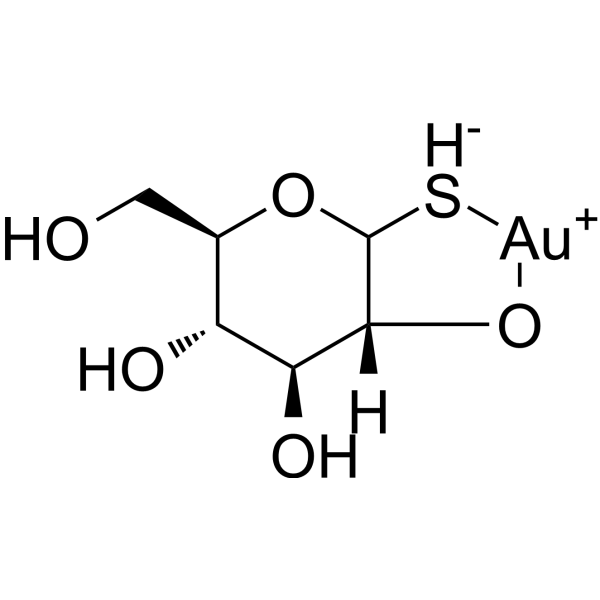 0 ImagesCat. No.: HY-A0068CAS No.: 12192-57-3Synonyms: Gold thioglucose
-
Peruvoside
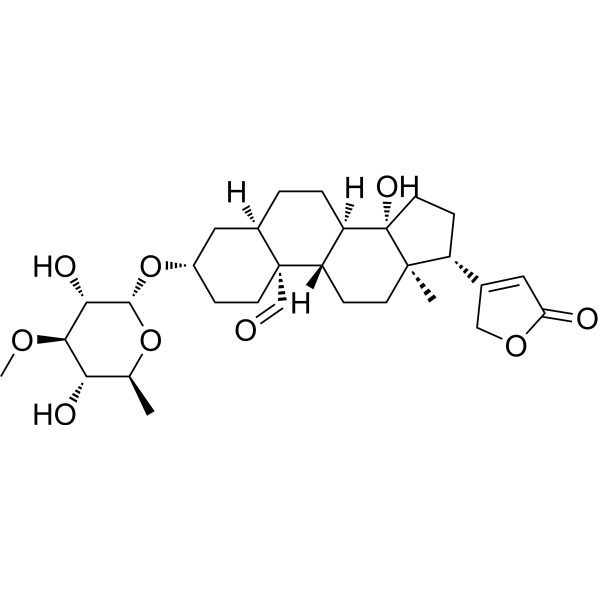 0 Images
Peruvoside is a potent inhibitor of Src, PI3K, JNK, STAT, and EGFR. Peruvoside induces apoptosis and autophagy and possesses a broad spectrum of anticancer activity in breast, lung, liver cancers and leukemia. Peruvoside is a broad-spectrum and potent antiviral activity against positive-sense RNA viruses. Peruvoside sensitizes Gefitinib (HY-50895)-resistant tumour cells (A549, PC9/gef and H1975) to Gefitinib.
-
Boc-NH-PEG4-CH2COOH
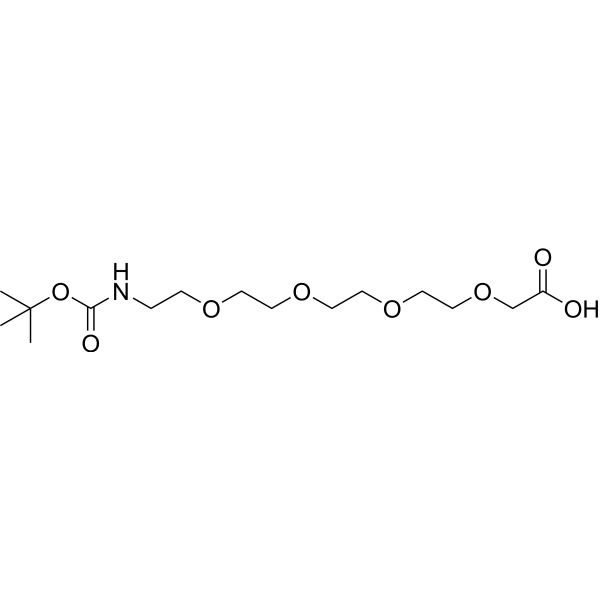 0 ImagesCat. No.: HY-42640CAS No.: 876345-13-0
Boc-NH-PEG4-CH2COOH is a cleavable ADC linker used as a linker for antibody-drug conjugates (ADC). Boc-NH-PEG4-CH2COOH is also a PEG-based PROTAC linker that can be used in the synthesis of PROTACs.
-
DBCO-C6-acid
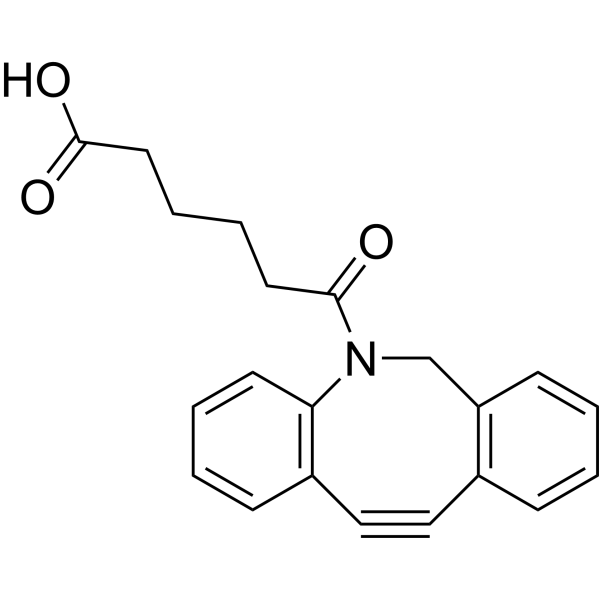 0 Images
DBCO-C6-acid is a non-cleavable ADC linker used in the synthesis of antibody-drug conjugates (ADCs). DBCO-C6-acid can be used in the synthesis of carmaphycin analogues. DBCO- C6- acid is a click chemistry reagent, it contains a DBCO group that can undergo strain-promoted alkyne-azide cycloaddition (SPAAC) with molecules containing Azide groups.
-
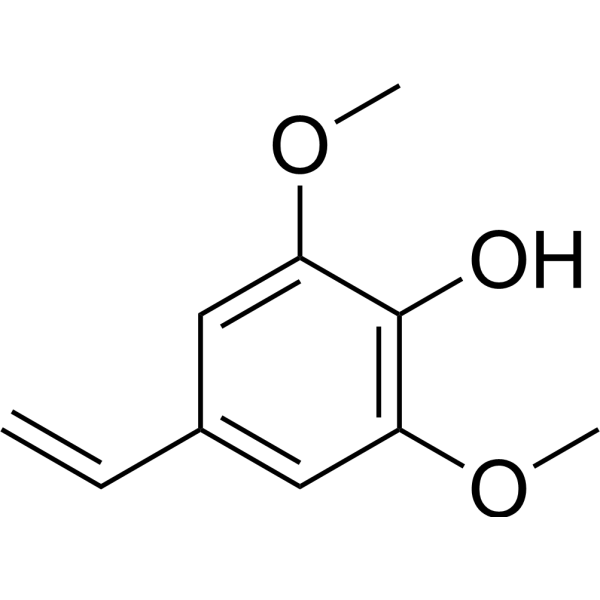
4-Vinylsyringol
 0 Images
4-Vinylsyringol is a phenolic compound with potential antioxidant and anti-inflammatory activities, which can be isolated from rapeseed oil.
-
PT109
 0 Images
PT109 is an orally active, blood-brain barrier permeable multi-kinase inhibitor. By inhibiting PTBP1, PT109 promotes the switch of pyruvate kinase isoform from PKM2 to PKM1, thereby effectively inhibiting the proliferation and migration of glioblastoma multiforme and inducing its reprogramming into oligodendrocytes. PT109 also targets and regulates key signaling molecules such as JNK, SGK1, GSK3β to exert neuroprotective effects including promoting neurogenesis, inducing synapse formation and alleviating neuroinflammation. In Alzheimer's disease models, PT109 exhibits significant efficacy in improving spatial learning ability, along with excellent in vivo pharmacokinetic properties. PT109 can be used to investigate metabolic reprogramming of glioblastoma multiforme and neuroprotective mechanisms of Alzheimer's disease.
-
(S,S)-PLX-4545
 0 ImagesCat. No.: HY-159647ACAS No.: 2892065-49-3
-
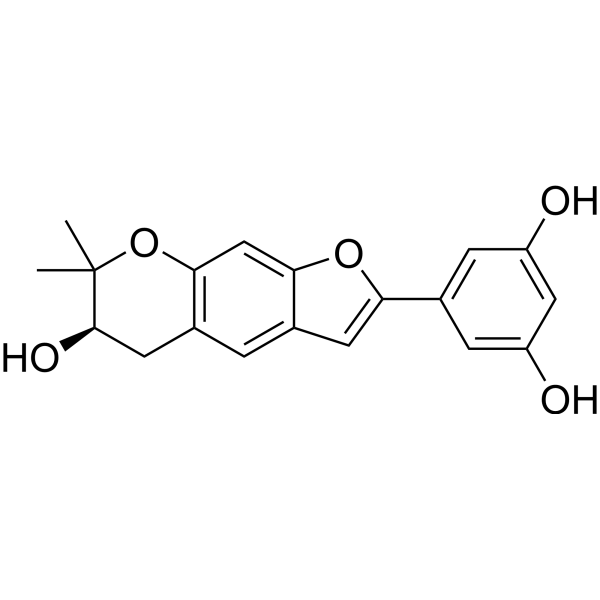
Moracin P
 0 Images
Moracin P is a 2-arylbenzofuran isolated from the Mori Cortex Radicis. Moracin P exhibits potent in vitro inhibitory activity against hypoxia-inducible factor (HIF-1). Moracin P reduces oxygen-glucose deprivation (OGD)-induced reactive oxygen species (ROS) production. Moracin P has neuroprotective and anti-inflammatory effects.
-
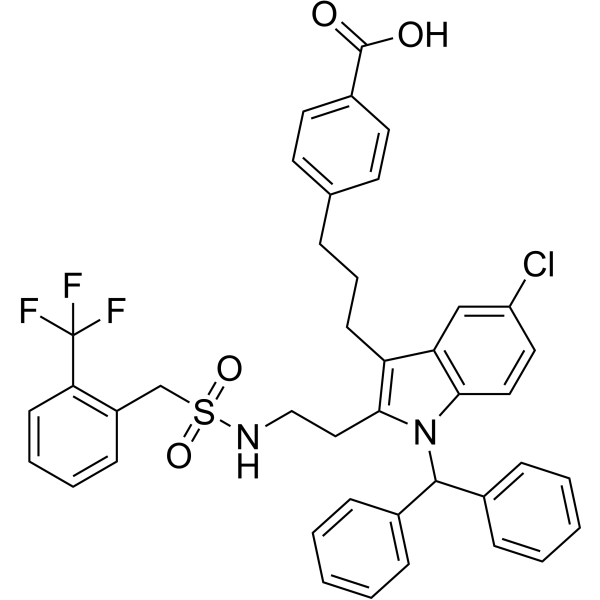
Giripladib
 0 ImagesSynonyms: PLA-695
Giripladib (PLA-695) is a selective cPLA2α inhibitor. Giripladib attenuates CKD serum-induced PUFA accumulation, MDA and ROS levels, restores the GSH/GSSG ratio, and alleviates mitochondria-Ferroptosis-related morphological changes. Giripladib exhibits anti-inflammatory and disease-modifying effects in collagen-induced arthritis. Giripladib can be used in research on chronic kidney disease-associated plaque vulnerability, rheumatoid arthritis, and breast cancer.
-
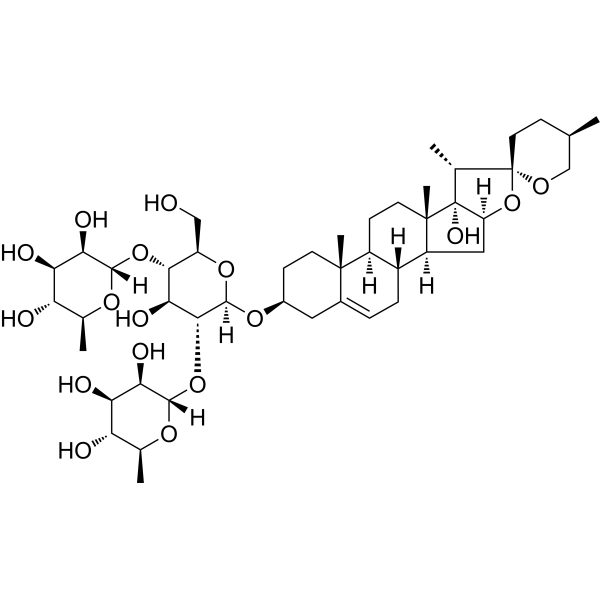
Pennogenin 3-O-beta-chacotrioside
 0 Images
Pennogenin 3-O-beta-chacotrioside is an autophagy (autophagy) inducer. Pennogenin 3-O-beta-chacotrioside exhibits strong binding affinity for the pro-apoptotic proteins CYTC, AIF1 and BAX. Pennogenin 3-O-beta-chacotrioside triggers reactive oxygen species-induced autophagy in cancer cells. Pennogenin 3-O-beta-chacotrioside can be used in studies related to colorectal cancer.
-
PY314
 0 ImagesCat. No.: HY-P990651
PY314 is a humanized antibody targeting TREM2. PY314 binds TREM2 on tumor-associated macrophages, depletes TREM2-high tumor-associated macrophages, reduces pro-tumorigenic M2 macrophage infiltration, increases CD8+ T cell, NK cell, and M1 macrophage infiltration, creates a proinflammatory tumor microenvironment, and promotes antitumor immune responseS. PY314 can be used for the research of platinum-resistant ovarian cancer, advanced solid tumors, breast cancer, and advanced refractory solid tumors.
-
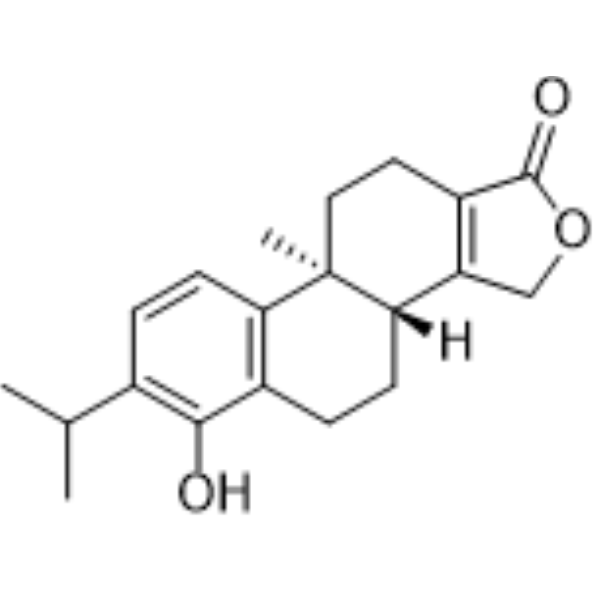
Triptophenolide
 0 ImagesSynonyms: Hypolide; (+)-Triptophenolide
Triptophenolide (Hypolide) is a colorless crystal isolated from the ethyl acetate extract of Tripterygium wilfordii. Triptophenolide is an orally active pan‑antagonist of the androgen receptor (AR) with an IC50 of 467 nM against human wild‑type AR. Triptophenolide reduces AR expression, inhibits AR nuclear translocation, downregulates prostate‑specific antigen mRNA levels, and suppresses the growth of AR‑positive prostate cancer cells. Triptophenolide shows anti-tumor effects against breast cancer by inhibiting cell proliferation and migration, inducing G1-phase arrest and apoptosis, repressing xenograft tumor growth. Triptophenolide inhibits pyroptosis, alleviates tissue inflammation, and ameliorates synovial injury. Triptophenolide can be used for the study of prostate cancer, rheumatoid arthritis and breast cancer.
-
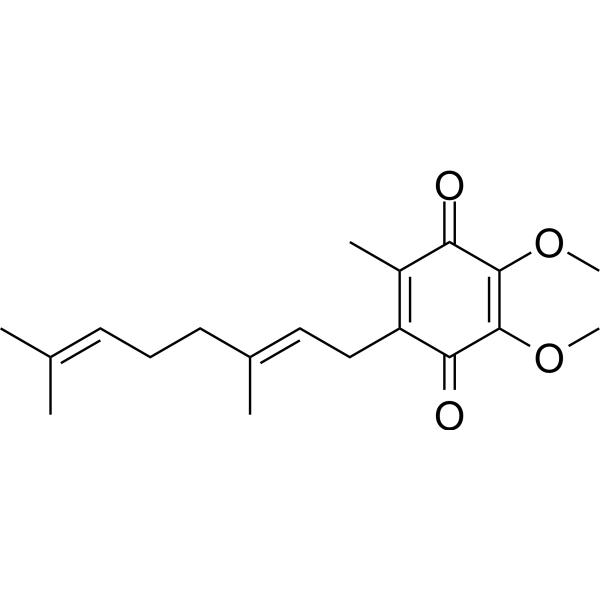
Coenzyme Q2
 0 Images
Coenzyme Q2 is a benzoquinone electron carrier in the mitochondrial electron transport chain and a p53-dependent apoptosis inducer. Coenzyme Q2 induces p53 phosphorylation at Ser15, promoting p53 accumulation and functional activation. Coenzyme Q2 induces ROS generation, caspase-3 activation, DNA fragmentation, phosphatidylserine externalization, mitochondrial permeability transition pore opening, and oxidative phosphorylation uncoupling. Coenzyme Q2 inhibits Complex I, Complex III, and Complex IV activities, disrupting electron transport and membrane potential generation. Coenzyme Q2 induces excessive mitochondrial proton leak in forebrain mitochondria. Coenzyme Q2 causes loss of righting reflex in mice, accompanied by slow-wave delta EEG activity and reversible loss of wakefulness. Coenzyme Q2 inhibits lipid peroxidation and scavenges superoxide radicals. Coenzyme Q2 is used in research on leukemia, myocardial ischemia-reperfusion injury, and mitochondrial encephalomyopathy.
-
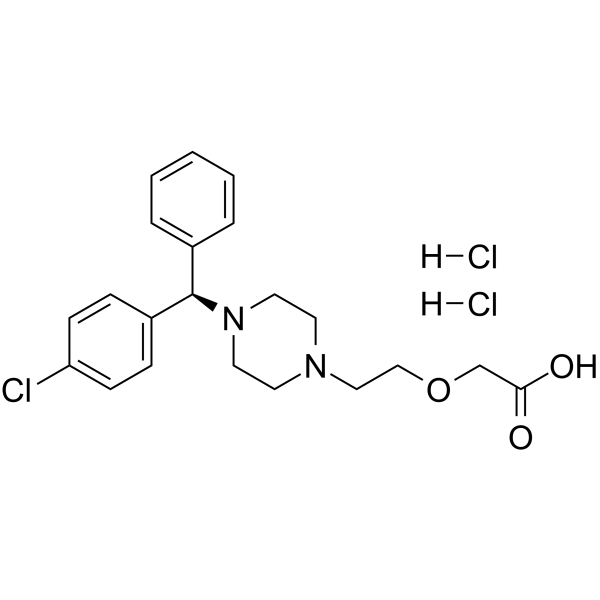
Levocetirizine dihydrochloride
 0 ImagesSynonyms: (R)-Cetirizine dihydrochloride
Levocetirizine dihydrochloride ((R)-Cetirizine dihydrochloride) is a third-generation peripheral H1-receptor antagonist. Levocetirizine dihydrochloride is an antihistaminic agent which is the R-enantiomer of Cetirizine. Levocetirizine dihydrochloride has a higher affinity for the histamine H1-receptor than (S)-Cetirizine and can effectively treat allergic rhinitis and chronic idiopathic urticaria.



