



Cancer Immunotherapy
Cancer immunotherapy (CIT) is a type of biological therapy, aiming to improve anti-tumor immune responses with fewer off-target effects than chemotherapy. Several types of immunotherapy include: oncolytic virus therapies, cancer vaccines, cytokine therapies, adoptive cell transfer (ACT), and immune checkpoint inhibitors (ICIs). In particular, ICIs and ACT have obtained immense clinical response, but their efficacy varies from person to person. Immune cells can be harnessed to eliminate tumor cells, such as T cells, B cells, NK cells, and myeloid cells. T cells have potent tumor-killing capability, therefore, a plethora of cancer immunotherapy research have focused on inducing T-cell-mediated anti-tumor responses. CTLA-4 and PD-1 are found on the cell surface of T cells as co-inhibitory receptors. The breakthrough in cancer immunotherapy results from the identification and subsequent targeting of checkpoint mechanisms in T cells with monoclonal antibodies against CTLA-4 and programmed death-ligand 1/programmed death-1 (PD-L1/PD-1).
Several types of cancers (e.g., melanoma, mismatch repair-deficient cancers, bladder cancer, and non-small cell lung cancer) have achieved significant clinical responses in T-cell checkpoint blockade therapies. However, single-mode immunotherapy faces challenges such as low immune response, low tumor infiltration, and complex immunosuppressive tumor microenvironment. Recently, combined therapies based on tumor immunity have received extensive attention in the research of enhancing tumor cells immunogenicity and inhibiting their growth. For example, anti CTLA-4 and PD-1, immune checkpoint blockade (ICB) combined with chemotherapy, anti-angiogenic drugs and kinase inhibitors.
-
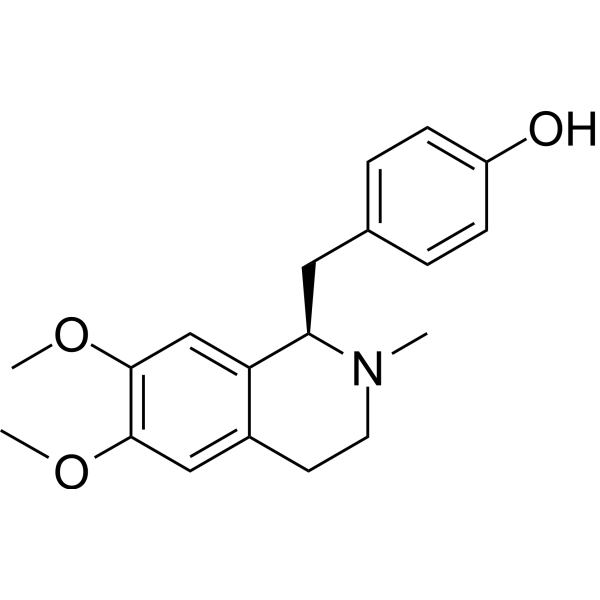
Armepavine
 0 Images
Armepavine, found in Nelumbo nucifera, is an orally active NF-κB inhibitor. Armepavine attenuates expression of p-p65, α-SMA, p-JNK1/2, p-ERK1/2, p-p38α stimulated by TNF-α and LPS. Armepavine suppresses NF-κB nuclear translocation, IκBα phosphorylation, and collagen deposition. Armepavine can be used for the research of hepatic fibrosis and leukemia.
-
Triptolide-d3
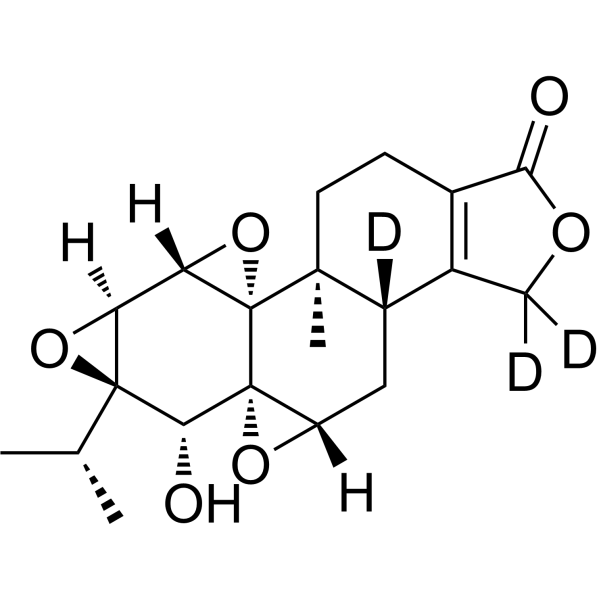 0 ImagesCat. No.: HY-32735SSynonyms: PG490-d3
Triptolide-d3 is the deuterium labeled Triptolide. Triptolide is a diterpenoid triepoxide extracted from the root of Tripterygium wilfordii with immunosuppressive, anti-inflammatory, antiproliferative and antitumour effects. Triptolide is a NF-κB activation inhibitor.
-
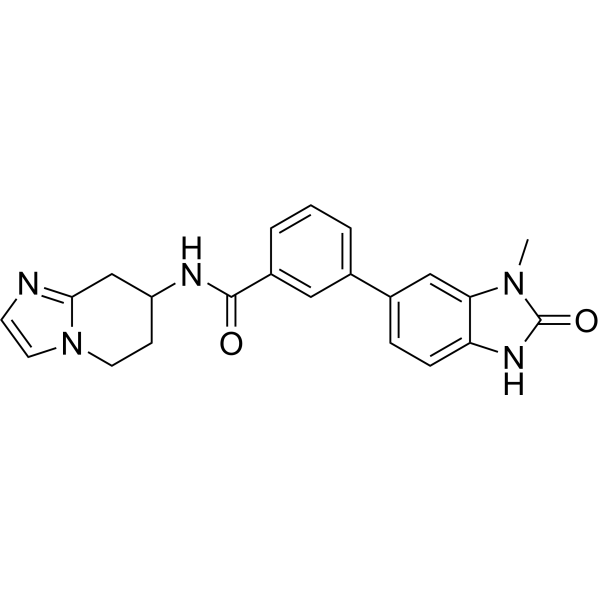
Z36-MP5
 0 Images
Z36-MP5 is an Mi-2β-targeted inhibitor, with IC50 of 0.082 μM. Z36-MP5 can reduce Mi-2β ATPase activity and reactivates ISG transcription. Z36-MP5 can stimulate T-cell-mediated cytotoxicity.
-
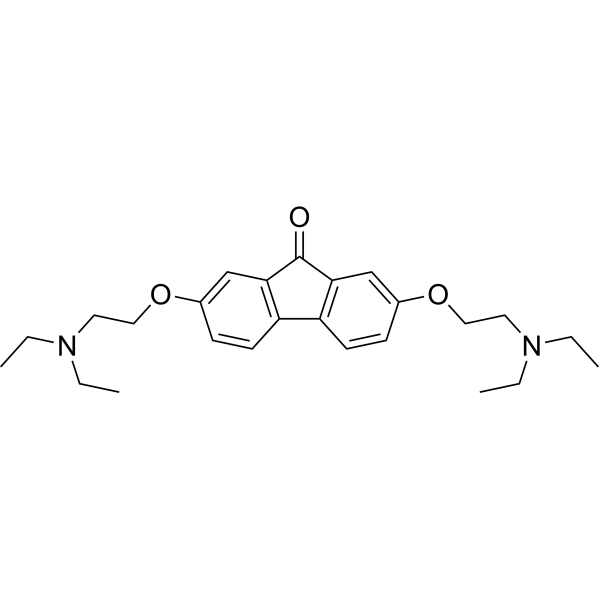
Tilorone
 0 Images
Tilorone is an orally active antiviral agent and interferon inducer that also has potential antineoplastic, immunomodulatory, and metabolic modulating effects. Tilorone induces an abnormally delayed interferon response and primarily stimulates interferon production in lymphoid tissue. Thus, Tilorone exerts antiviral effects and can be used as a chemotherapeutic agent. Tilorone has the potential to inhibit type 2 diabetes by increasing glucose uptake in vivo and in skeletal muscle cells by enhancing Akt2/AS160 signaling and glucose transporter levels.
-
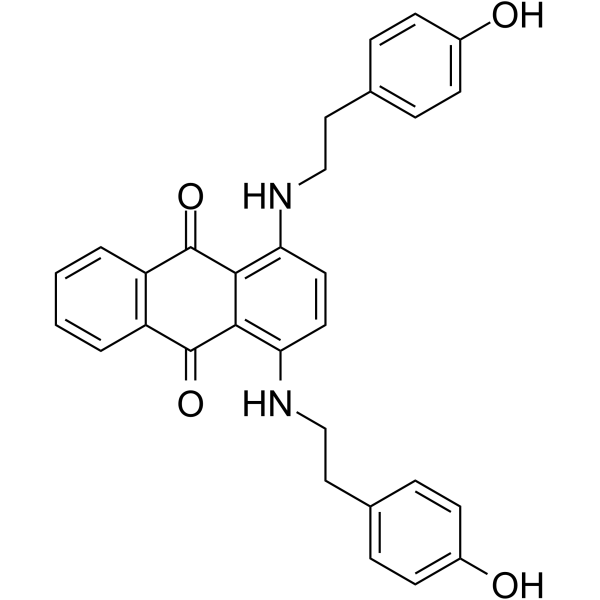
Carbendazim (Standard)
 0 Images
Carbendazim (Standard) is the analytical standard of Carbendazim. This product is intended for research and analytical applications. Carbendazim is a potent and orally active broad-spectrum benzimidazole fungicide and can be acts as a pesticide for fungal diseases research, such as Seproria, Fusarium and Sclerotina. Carbendazim is a benzimidazole (HY-Y1825) derivative with antitumor activity and used for cancer research, especially advanced solid tumors and lymphoma.
-
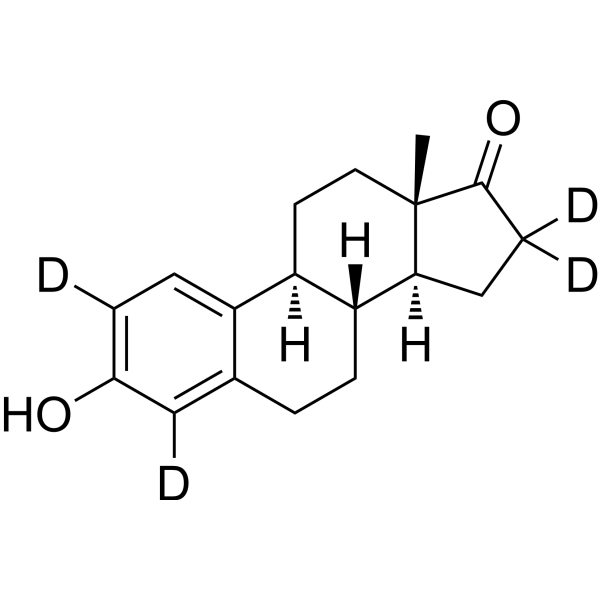
Estrone-d4
 0 ImagesSynonyms: E1-d4; Oestrone-d4
Estrone-d4 is the deuterium labeled Estrone. Estrone (E1) is a natural estrogenic hormone. Estrone is the main representative of the endogenous estrogens and is produced by several tissues, especially adipose tissue. Estrone is the result of the process of aromatization of androstenedione that occurs in fat cells.
-
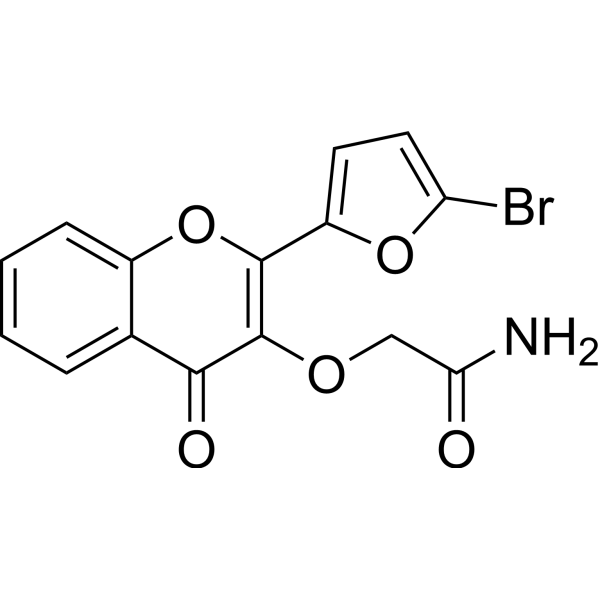
CB7993113
 0 Images
CB7993113 is a potent AHR antagonist, with an IC50 of 0.33 μM. CB7993113 directly binds AHR protein and blocks AHR nuclear translocation. CB7993113 inhibits polycyclic aromatic hydrocarbon (PAH)- and TCDD-induced reporter activity by 75% and 90% respectively.
-
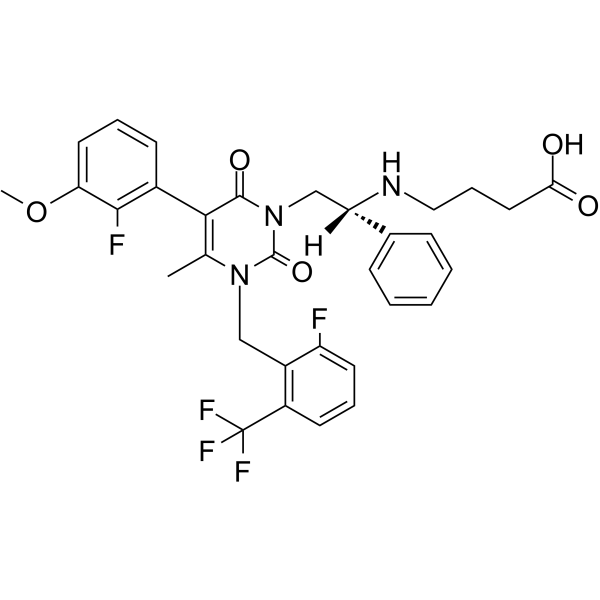
(R)-Elagolix
 0 ImagesCat. No.: HY-14789CAS No.: 834153-87-6Synonyms: NBI-56418
Elagolix is a highly effective, selective, oral-active, short-term, non-peptide gonadotropin-releasing hormone receptor (GnRH receptor) antagonist (KD = 54 pM) and NFAT inhibitor, which can be used to study pain related to endometriosis. .
-
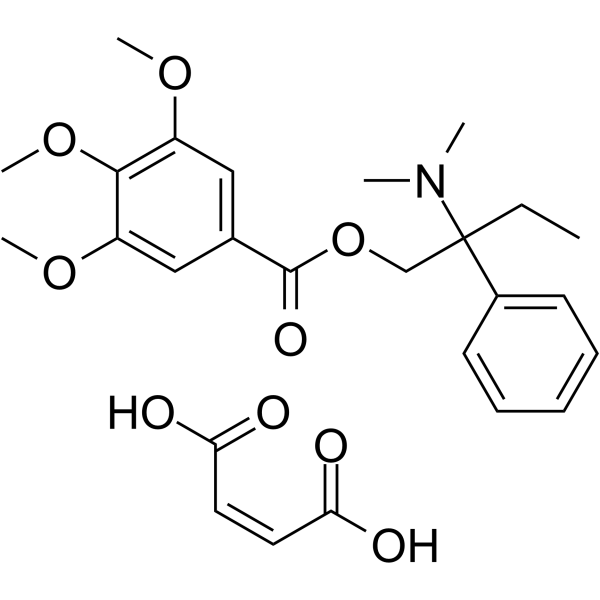
Trimebutine maleate
 0 Images
Trimebutine maleate is a multi-target inhibitor and opioid receptor agonist with antimuscarinic activity. Trimebutine maleate inhibits L-type Ca2+ channels and large-conductance calcium-activated potassium channels (BKCa channels), thereby inhibiting extracellular calcium influx and potassium ion efflux. Trimebutine maleate also targets Toll-like receptors, inhibits Toll-like receptor 2/4/7/8/9 signals, and inhibits LPS-induced IRAK1 activation, as well as ERK1/2, JNK and NF-κB activation, thereby exerting anti-inflammatory effects. Trimebutine maleate also induces tumor cell apoptosis by inhibiting the AKT/ERK pathway. Trimebutine maleate also inhibits excessive contraction of smooth muscle and can be used in the study of gastrointestinal disorders such as irritable bowel syndrome (IBS).
-
Pavurutamab
 0 ImagesSynonyms: AMG-701
Pavurutamab (AMG-701) is a bispecific T cell engager molecule that anti-CD3 and anti-B cell maturation antigens (BCMA). Pavurutamab has an extended half-life based on Pacanalotamab (HY-P99798). The Fc of Pavurutamab is coupled to molecules to improve pharmacokinetic parameters. Pavurutamab has potential applications in immune regulation and multiple myeloma (MM).
-
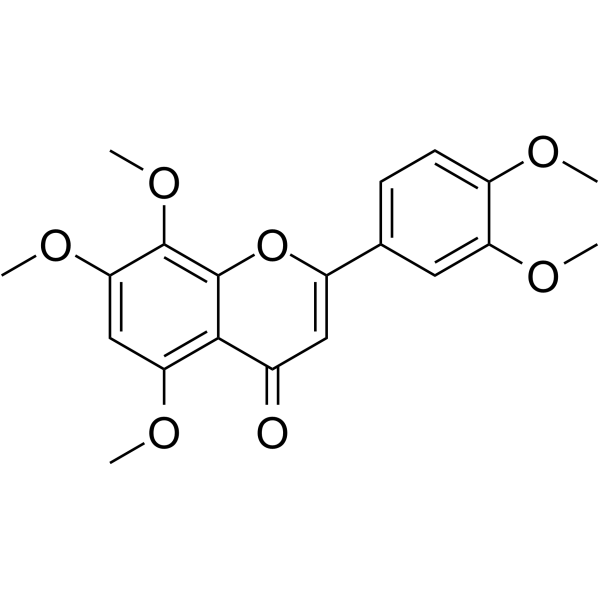
Isosinensetin
 0 Images
Isosinensetin is a flavonoid compound and an inhibitor of HIV-1 protease and PTP1B (IC50: 2.61 µM; Ki: 0.92 µM). Isosinensetin inhibits P-glycoprotein (P-gp) in MDR1-MDCKII cells. Isosinensetin has multiple activities such as anti-tumor, anti-viral, anti-inflammatory, and antioxidant effects. Isosinensetin can be used in the research of various diseases including cancer, inflammation, osteoporosis, diabetes, etc.
-
Ac-GpYLPQTV-NH2 acetate
 0 ImagesCat. No.: HY-P10201APurity: 99.00%
Ac-GpYLPQTV-NH2 acetate is a STAT3 inhibitor with an IC50 value of 0.33 μM. Ac-GpYLPQTV-NH2 acetate has antitumor activity.
-
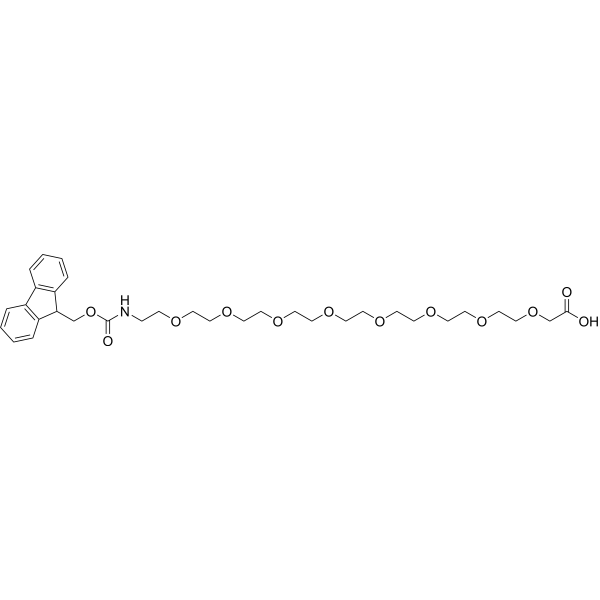
Fmoc-NH-PEG8-CH2COOH
 0 Images
Fmoc-NH-PEG8-CH2COOH is a cleavable ADC linker used in the synthesis of antibody-drug conjugates (ADCs). Fmoc-NH-PEG8-CH2COOH is also a PEG-based PROTAC linker that can be used in the synthesis of PROTACs.
-
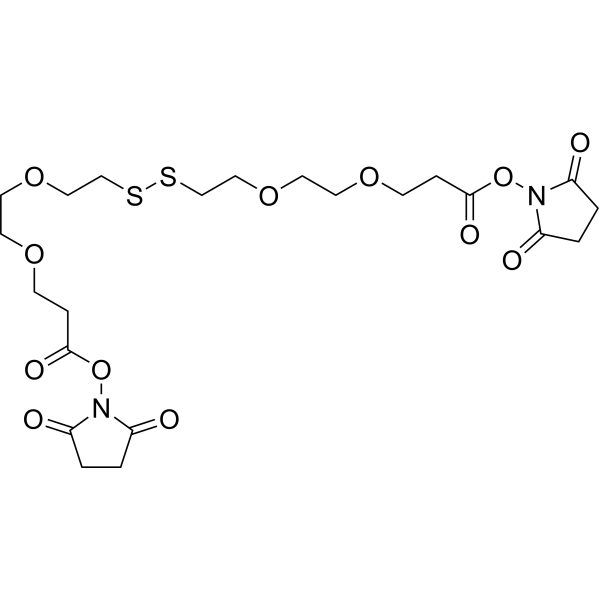
NHS-PEG2-SS-PEG2-NHS
 0 ImagesCat. No.: HY-136133
NHS-PEG2-SS-PEG2-NHS is a cleavable 4 unit PEG ADC linker used in the synthesis of antibody-drug conjugates (ADCs).
-
(R)-JQ-1 carboxylic acid
 0 Images
(R)-JQ-1 carboxylic acid, is an isomer of JQ-1 carboxylic acid (HY-78695). JQ-1 carboxylic acid, a (+)-JQ-1 (HY-13030) derivative, is a potent BET bromodomain inhibitor. JQ-1 carboxylic acid can be used to synthesize PROTAC, which can target the degradation of BRD4.
-
(DHQD)2PHAL
 0 ImagesSynonyms: C-61; SYKINH-61
(DHQD)2PHAL (C-61) is a SYK tyrosine kinase inhibitor. (DHQD)2PHAL blocks SYK-dependent STAT3 signaling and prevents oxidative stress-induced STAT3 tyrosine phosphorylation and DNA-binding activity. (DHQD)2PHAL promotes oxidative stress-induced apoptosis. (DHQD)2PHAL can be used in research on B-cell precursor leukemia and B-lineage acute lymphoblastic leukemia.
-
NGM-438
 0 ImagesCat. No.: HY-P991193Purity: 99.74%
NGM-438 is a humanized monoclonal antibody antagonist of LAIR1, with a Ka of 0.26 nM for human LAIR1 and 4.28 nM for cynomolgus monkey LAIR1. NGM-438 blocks the binding of LAIR1 to its Collagen ligand and antagonizes the Collagen-induced LAIR1 signaling pathway. NGM-438 reverses FcγR signaling inhibition in myeloid cells, induces dendritic cells to secrete TNFα, promotes T cell proliferation, and triggers myeloid inflammation and allogeneic T cell responses. NGM-438 sensitizes refractory mouse lung cancer to PD-1 blockade, increases the content of intratumoral CD8+ T cells and the expression of inflammatory genes. NGM-438 is applicable to research related to solid tumors, refractory solid tumors and non-small cell lung cancer.
-
Spermine-d20
 0 ImagesCat. No.: HY-W654342Purity: 98.47%Synonyms: NSC 268508-d20; Neuridine-d20
Spermine-d20 (NSC 268508-d20) is deuterium labeled Spermine. Spermine is a natural antioxidant and anti-inflammatory agent. Spermine is known to inhibit some bacterial cultures, especially strains of Staphylococcus aureus. Spermine can reversibly inhibits DNA synthetic response, mixed lymphocyte response and the induction of cytolytic lymphocyte response in primary cultures of murine spleen cells. Spermine is a polyamine nitric oxide donor that can provide nitric oxide to platelets and inhibit platelet activation to a certain extent concentration-dependently. Spermine occurs in mammalian tissues, plants, bacteria, ribosomes and bacteriophage. Spermine tetrahydrochloride inhibits primary human embryo lung fibroblasts in vitro.
-
1,2-Didocosahexaenoyl-sn-glycero-3-phosphocholine
 0 ImagesCat. No.: HY-142989CAS No.: 99296-81-8
1,2-Didocosahexaenoyl-sn-glycero-3-phosphocholine is a polyunsaturated phospholipid that serves as a component of lipid monolayers and small unilamellar vesicles. 1,2-Didocosahexaenoyl-sn-glycero-3-phosphocholine can be used to prepare endoplasmic reticulum-targeted liposomes (PERLs), which are composed of 1,2-didocosahexaenoyl-sn-glycero-3-phosphoethanolamine, l-α-phosphatidylinositol and l-α-phosphatidylserine at a molar ratio of 1.5:1.5:1:1. PERLs reduce cholesterol levels in human peripheral blood mononuclear cells (PBMCs) and decrease HIV-1 particle secretion from HIV-1-infected PBMCs. Liposomes formed from 1,2-Didocosahexaenoyl-sn-glycero-3-phosphocholine exhibit cytotoxicity against leukemia cells. 1,2-Didocosahexaenoyl-sn-glycero-3-phosphocholine is applicable to studies related to hepatitis C virus infection, HIV infection, hepatitis B virus infection and leukemia.



