



Cancer Targeted Therapy
Cancer targeted therapy is the foundation of precision medicine; it uses drugs or other substances to target specific genes and proteins that control cancer cells’ growth, division and spreading. Compared to traditional chemotherapy drugs, targeted-drugs can specifically act on cancer cells with high efficacy without damaging normal cells. Drugs used in cancer targeted therapy mainly includes small molecules and macromolecules (e.g., monoclonal antibodies), which can target cancer cells and constituents in the tumor microenvironment to activate the immune system. Anti-angiogenesis drugs, such as those targeting vascular endothelial growth factor (VEGF), epidermal growth factor receptor (EGFR), transforming growth factor (TGF)-α, TGF-β, Tumor necrosis factor (TNF)-α, and platelet-derived endothelial growth factor (PDGFR) inhibit the proliferation and metastasis of cancer cells. In recent years, the proportion of antibody drugs in cancer treatment has gradually become prominent. Antibody-drug conjugates (ADCs) are a new type of targeted drugs that are composed of monoclonal antibody, cytotoxic drug and linker. ADCs can deliver drugs to tumor cells and minimize the toxicity to normal tissues. Proteolysis-targeting chimera (PROTAC) is a useful technology for targeted protein degradation. PROTAC exploits the ubiquitin-proteasome system and forms a ternary complex with a hijacked E3 ubiquitin ligase and target protein, leading to polyubiquitination and degradation of the target protein.
Targeted therapy is a useful strategy in treatment of cancer either alone or in combination with standard chemotherapy. At present, targeted therapy has proved significant clinical success in the treatment of many types of cancer, including breast cancer, colorectal cancer, leukemia, ovarian cancer and lung cancer.
-
Streptozotocin
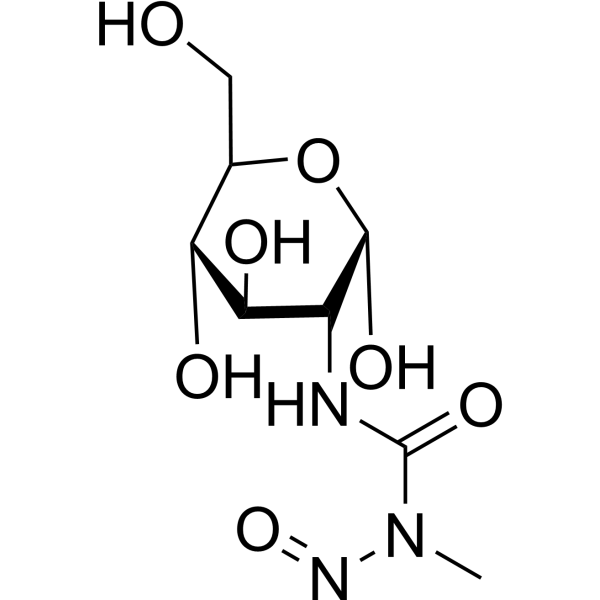 0 ImagesSynonyms: Streptozocin; NSC-85998; U 9889
Streptozotocin (Streptozocin; STZ) is an antibiotic widely used in experimental animal models of induced diabetes. Streptozotocin enters B cells via the glucose transporter (GLUT2) and causes the alkylation of DNA ( DNA-methylating ). Streptozotocin can induce the apoptosis of β cells.
-
Bleomycin sulfate
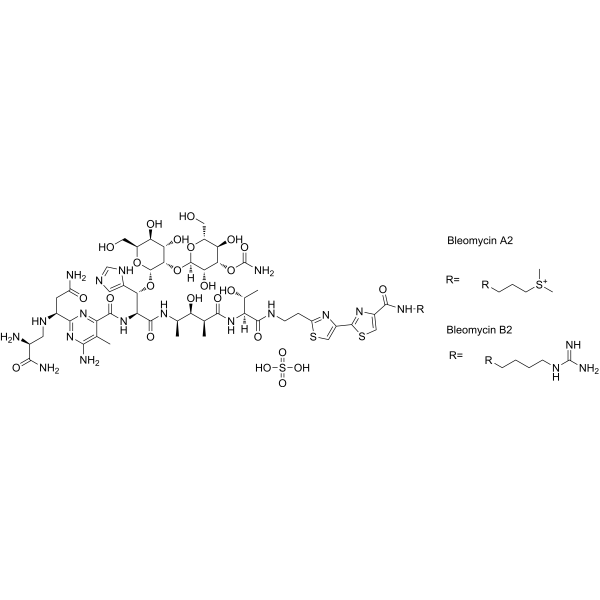 0 Images
Bleomycin sulfate is a DNA synthesis inhibitor. Bleomycin hydrochloride is a DNA damaging agent. Bleomycin sulfate is an antitumor antibiotic.
-
BAY 11-7082
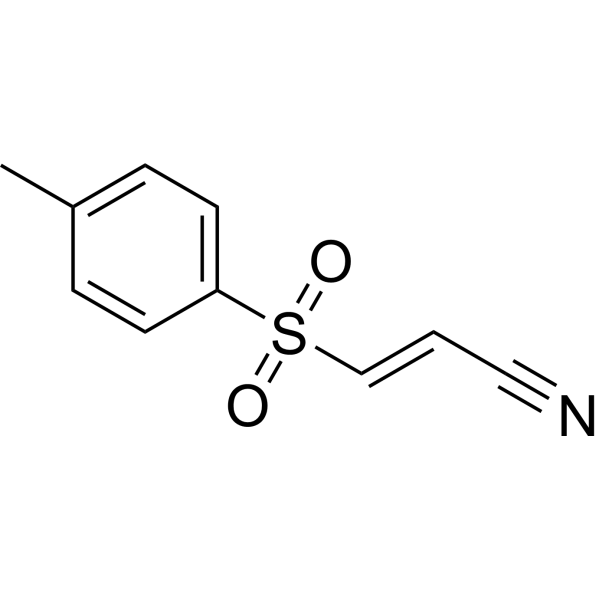 0 ImagesSynonyms: BAY 11-7821
BAY 11-7082 is an IκBα phosphorylation and NF-κB inhibitor. BAY 11-7082 selectively and irreversibly inhibits the TNF-α-induced phosphorylation of IκB-α, and decreases NF-κB and expression of adhesion molecules. BAY 11-7082 inhibits ubiquitin-specific protease USP7 and USP21 (IC50=0.19, 0.96 μM, respectively). BAY 11-7082 inhibits gasdermin D (GSDMD) pore formation in liposomes and inflammasome-mediated pyroptosis and IL-1β secretion in human and mouse cells.
-
Temozolomide
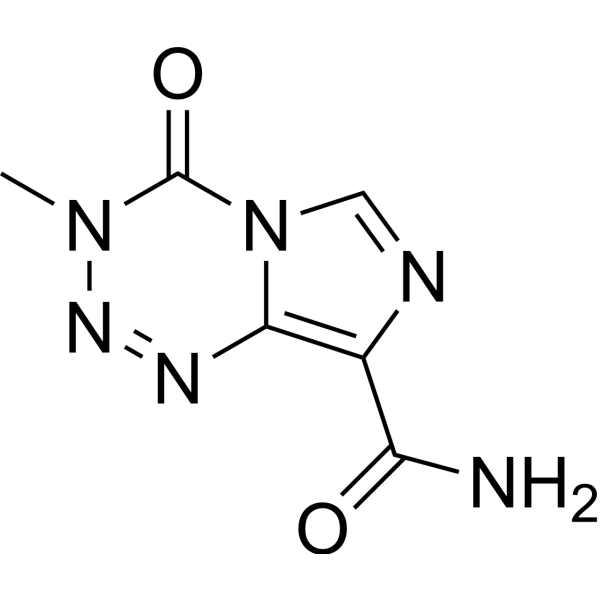 0 ImagesSynonyms: NSC 362856; CCRG 81045; TMZ
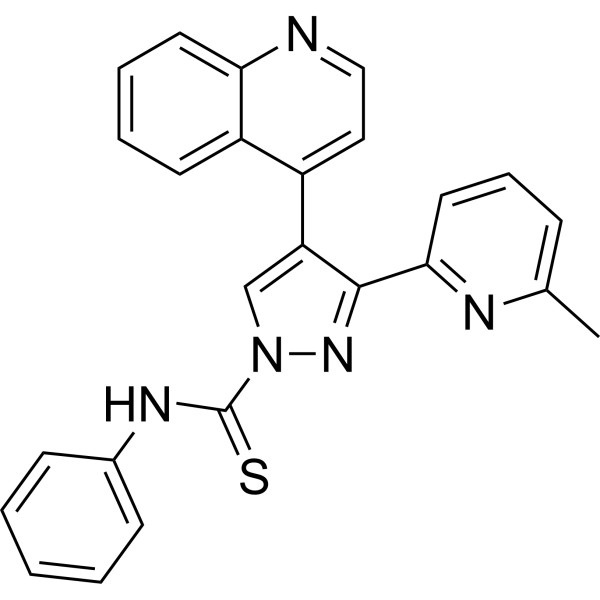
Temozolomide (NSC 362856) is an oral active DNA alkylating agent that crosses the blood-brain barrier. Temozolomide is also a proautophagic and proapoptotic agent. Temozolomide is effective against tumor cells that are characterized by low levels of O6-alkylguanine DNA alkyltransferase (OGAT) and a functional mismatch repair system. Temozolomide has antitumor and antiangiogenic effects.
-
DAPT
 0 ImagesSynonyms: GSI-IX
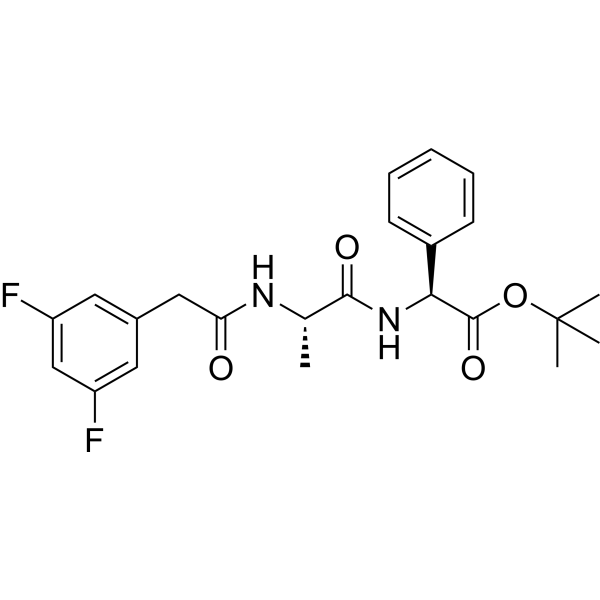
DAPT (GSI-IX) is a potent and orally active γ-secretase inhibitor with IC50s of 115 nM and 200 nM for total amyloid-β (Aβ) and Aβ42, respectively. DAPT inhibits the activation of Notch 1 signaling and induces cell differentiation. DAPT also induces autophagy and apoptosis. DAPT has neuroprotection activity and has the potential for autoimmune and lymphoproliferative diseases, degenerative disease and cancers treatment.
-
CCCP
 0 ImagesSynonyms: Carbonyl cyanide 3-chlorophenylhydrazone; Carbonyl Cyanide m-Chlorophenylhydrazone
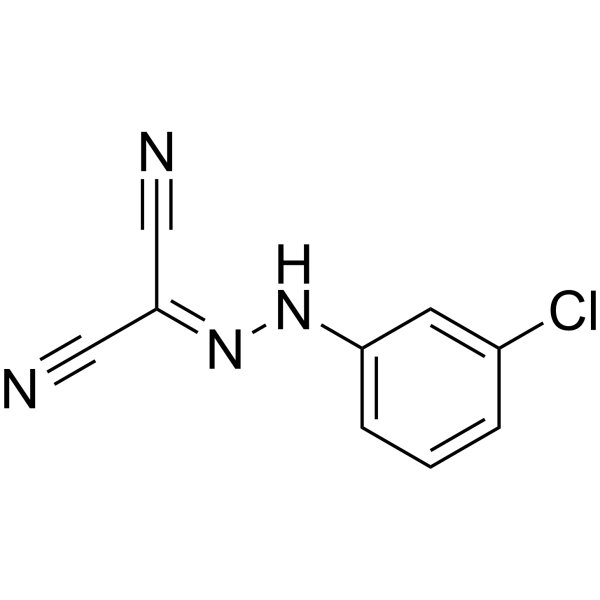
CCCP is an oxidative phosphorylation (OXPHOS) uncoupler. CCCP induces activation of PINK1 leading to Parkin Ser65 phosphorylation.
-
ML385
 0 Images
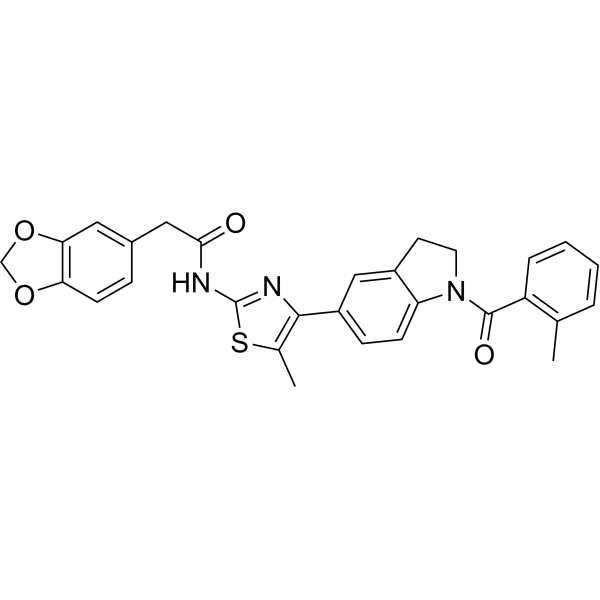
ML385 is a potent and selective Nrf2 inhibitor with an IC50 of 1.9 μM. ML385 directly binds to the Neh1 domain of NRF2, interferes with the binding of the MAFG-NRF2 protein complex to the antioxidant response element (ARE) DNA sequence, thereby blocking the expression of downstream target genes of NRF2. ML385 can be used in studies related to adult T-cell leukemia, breast cancer, myocardial ischemia/reperfusion injury, non-small cell lung cancer, esophageal squamous cell carcinoma, head and neck squamous cell carcinoma, and lung squamous cell carcinoma.
-
Monomethyl auristatin E
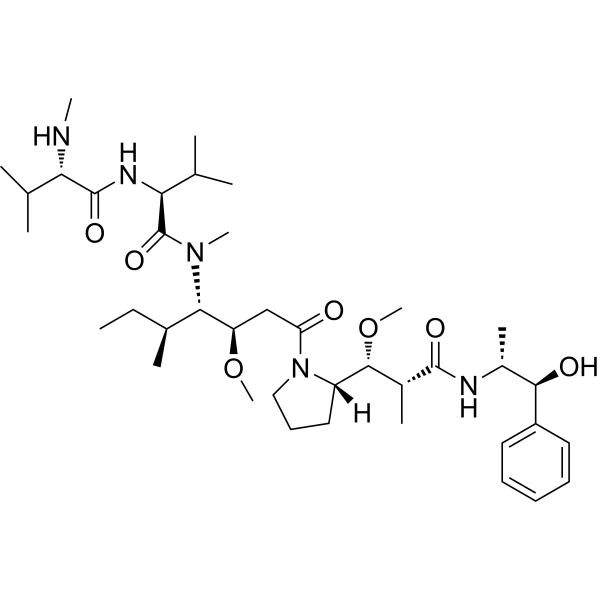 0 ImagesSynonyms: MMAE; SGD-1010
Monomethyl auristatin E (MMAE; SGD-1010) is a synthetic derivative of dolastatin 10 and functions as a potent mitotic inhibitor by inhibiting tubulin polymerization. MMAE is widely used as a cytotoxic component of antibody-drug conjugates (ADCs) to treat several different cancer types.
-
Cyclosporin A
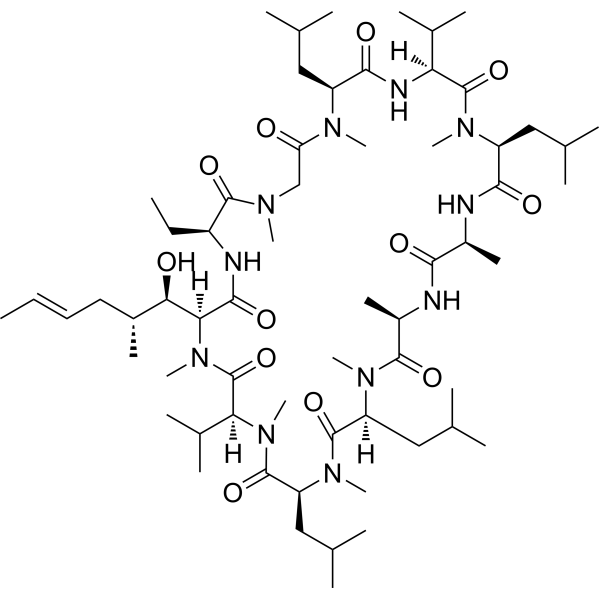 0 ImagesSynonyms: Cyclosporine A; Ciclosporin A; CsA
Cyclosporin A (Cyclosporine A) is an immunosuppressant which binds to the cyclophilin and inhibits phosphatase activity of protein phosphatase 2B (PP2B/calcineurin) with an IC50 of 5 nM. Cyclosporin A is a molecular glue, binds to cyclophilin and calcineurin, leading to inactivation of nuclear Factor of activated T Cells (NFAT) and a subsequent decrease in the immune response. Cyclosporin A also inhibits CD11a/CD18 adhesion.
-
Osimertinib
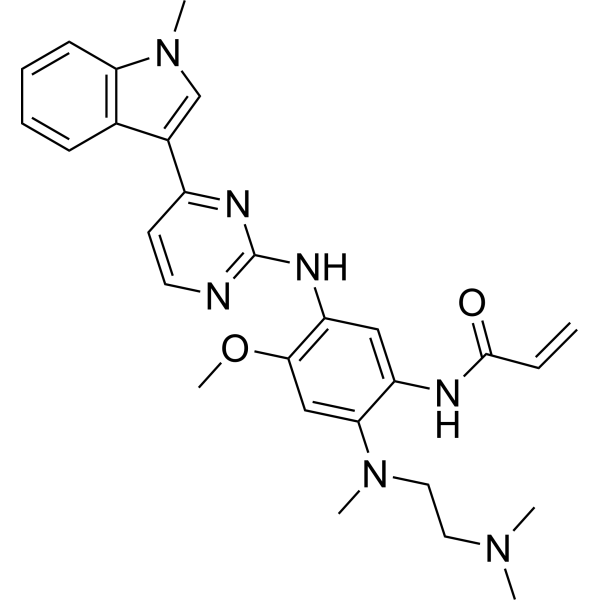 0 ImagesSynonyms: AZD-9291; Mereletinib
Osimertinib (AZD9291) is a covalent, orally active, irreversible, and mutant-selective EGFR inhibitor with an apparent IC50 of 12 nM against L858R and 1 nM against L858R/T790M, respectively. Osimertinib overcomes T790M-mediated resistance to EGFR inhibitors in lung cancer.
-
Puromycin dihydrochloride
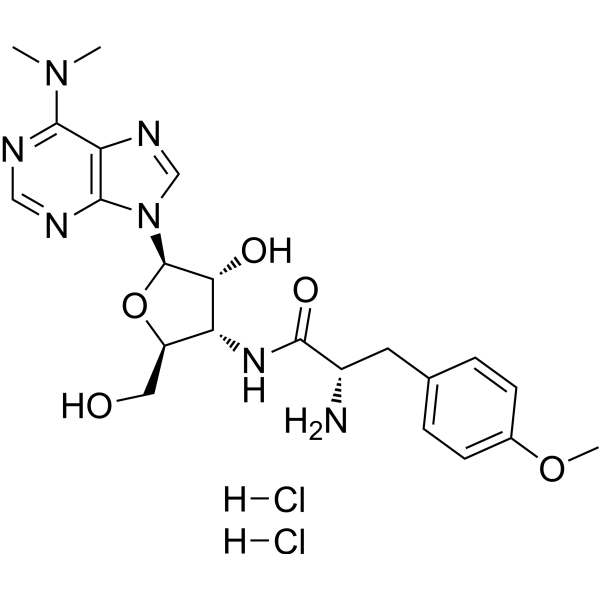 0 Images
Puromycin dihydrochloride (CL13900 dihydrochloride), an aminonucleoside antibiotic, inhibits protein synthesis.
-
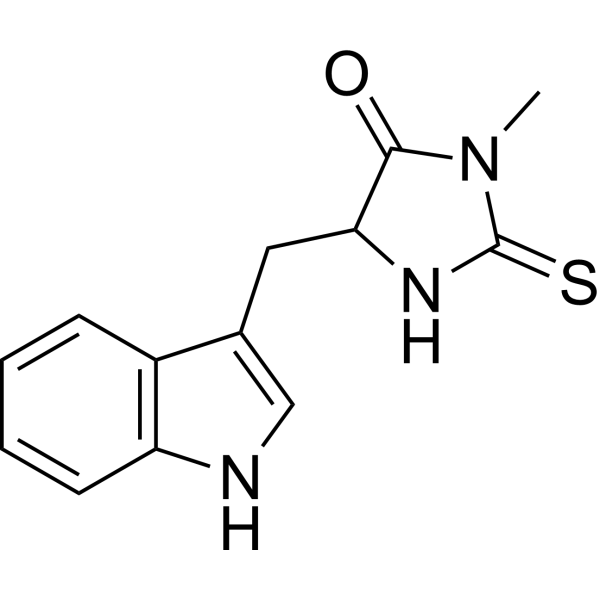
Necrostatin-1
 0 Images
Necrostatin-1 (Nec-1) is a potent and cross the blood-brain barrier necroptosis inhibitor with an EC50 of 490 nM in Jurkat cells. Necrostatin-1 inhibits RIP1 kinase (EC50=182 nM). Necrostatin-1 is also an IDO inhibitor.
-
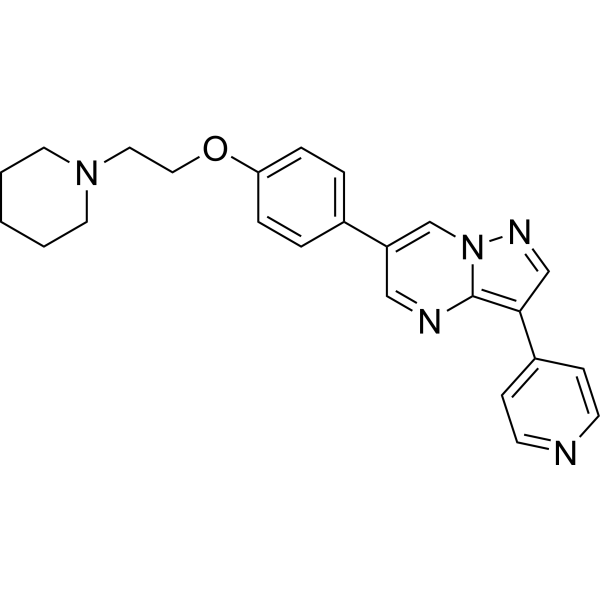
Dorsomorphin
 0 ImagesSynonyms: BML-275
-
Trastuzumab
 0 ImagesSynonyms: Anti-Human HER2, Humanized Antibody
Trastuzumab is a humanized IgG1 monoclonal antibody that selectively binds to HER2 with high affinity. Trastuzumab can be used for the research of HER2-positive metastatic breast cancer and gastric cancer. (Note: The product specifications below only indicate the effective content of Trastuzumab. The component ratio of this product is Trastuzumab : excipients = 1:0.6-1:0.9.)
-
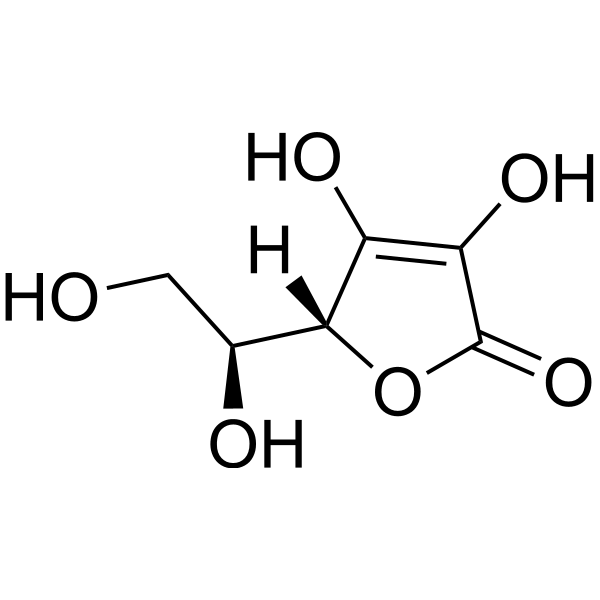
L-Ascorbic acid
 0 Images
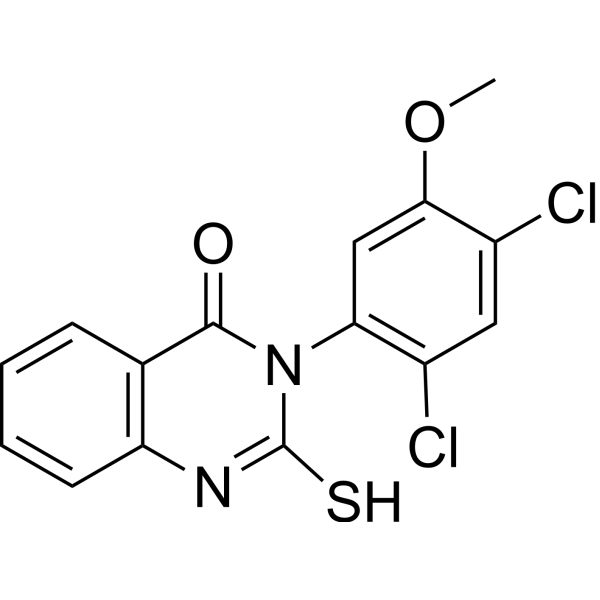
L-Ascorbic acid (L-Ascorbate), an electron donor, is an endogenous antioxidant agent. L-Ascorbic acid inhibits selectively Cav3.2 channels with an IC50 of 6.5 μM. L-Ascorbic acid is also a collagen deposition enhancer and an elastogenesis inhibitor. L-Ascorbic acid exhibits anti-cancer effects through the generation of reactive oxygen species (ROS) and selective damage to cancer cells.
-
Ionomycin
 0 ImagesSynonyms: SQ23377
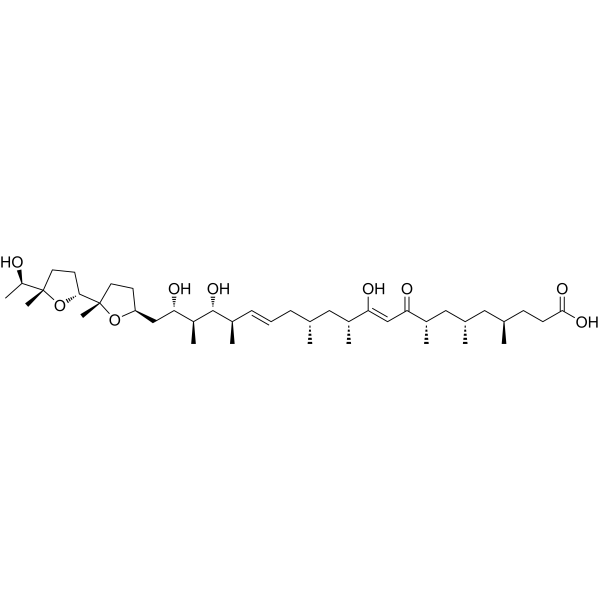
Ionomycin (SQ23377) is a potent, selective calcium ionophore and an antibiotic produced by Streptomyces conglobatus. Ionomycin (SQ23377) is highly specific for divalent cations (Ca>Mg>Sr=Ba). Ionomycin (SQ23377) promotes apoptosis. Ionomycin also induces the activation of protein kinase C (PKC).
-
Rosiglitazone
 0 ImagesSynonyms: BRL 49653
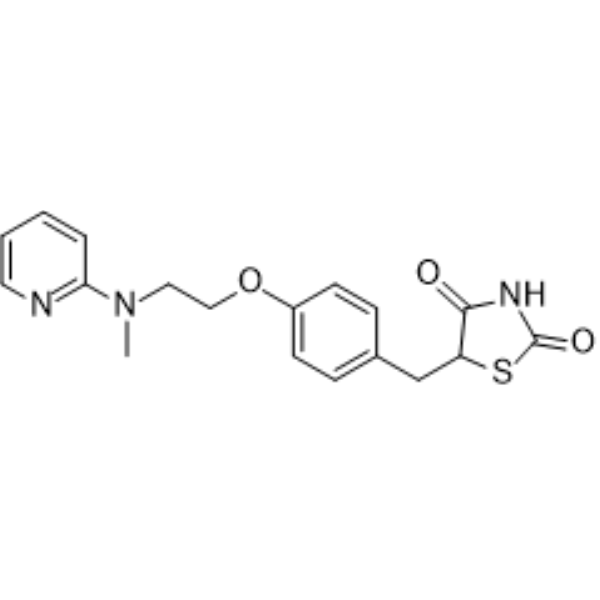
Rosiglitazone (BRL 49653) is an orally active selective PPARγ agonist (EC50: 60 nM, Kd: 40 nM), with blood-brain barrier permeability. Rosiglitazone is an TRPC5 activator (EC50: 30 μM) and TRPM3 inhibitor. Rosiglitazone can be used in the research of obesity and diabetes, senescence, ovarian cancer.



