Cancer Targeted Therapy
Cancer targeted therapy is the foundation of precision medicine; it uses drugs or other substances to target specific genes and proteins that control cancer cells’ growth, division and spreading. Compared to traditional chemotherapy drugs, targeted-drugs can specifically act on cancer cells with high efficacy without damaging normal cells. Drugs used in cancer targeted therapy mainly includes small molecules and macromolecules (e.g., monoclonal antibodies), which can target cancer cells and constituents in the tumor microenvironment to activate the immune system. Anti-angiogenesis drugs, such as those targeting vascular endothelial growth factor (VEGF), epidermal growth factor receptor (EGFR), transforming growth factor (TGF)-α, TGF-β, Tumor necrosis factor (TNF)-α, and platelet-derived endothelial growth factor (PDGFR) inhibit the proliferation and metastasis of cancer cells. In recent years, the proportion of antibody drugs in cancer treatment has gradually become prominent. Antibody-drug conjugates (ADCs) are a new type of targeted drugs that are composed of monoclonal antibody, cytotoxic drug and linker. ADCs can deliver drugs to tumor cells and minimize the toxicity to normal tissues. Proteolysis-targeting chimera (PROTAC) is a useful technology for targeted protein degradation. PROTAC exploits the ubiquitin-proteasome system and forms a ternary complex with a hijacked E3 ubiquitin ligase and target protein, leading to polyubiquitination and degradation of the target protein.
Targeted therapy is a useful strategy in treatment of cancer either alone or in combination with standard chemotherapy. At present, targeted therapy has proved significant clinical success in the treatment of many types of cancer, including breast cancer, colorectal cancer, leukemia, ovarian cancer and lung cancer.
-
Tivozanib hydrochloride hydrate
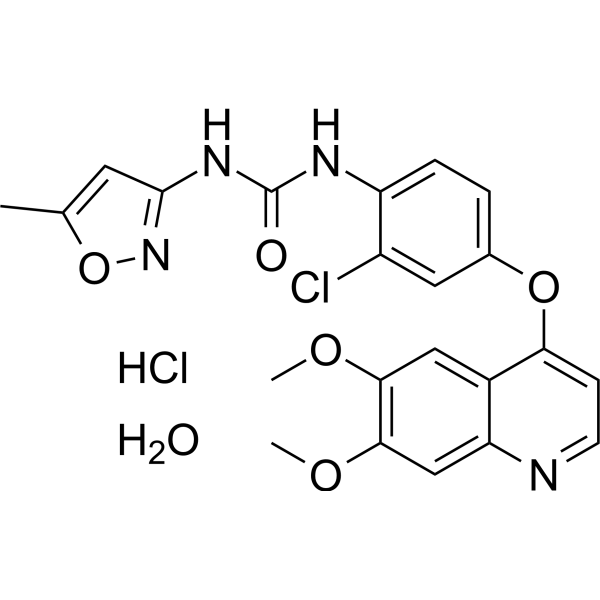 0 ImagesSynonyms: AV-951 hydrochloride hydrate; KRN951 hydrochloride hydrate
Tivozanib hydrochloride hydrate is the hydrate hydrochloride form of Tivozanib (HY-10977). Tivozanib hydrochloride hydrate is a selective, orally active inhibitor for vascular endothelial growth factor receptor (VEGFR)-1, 2 3, with IC50s of 30, 6.5 and 15 nM, respectively. Tivozanib hydrochloride hydrate exhibits antitumor efficacy.
-
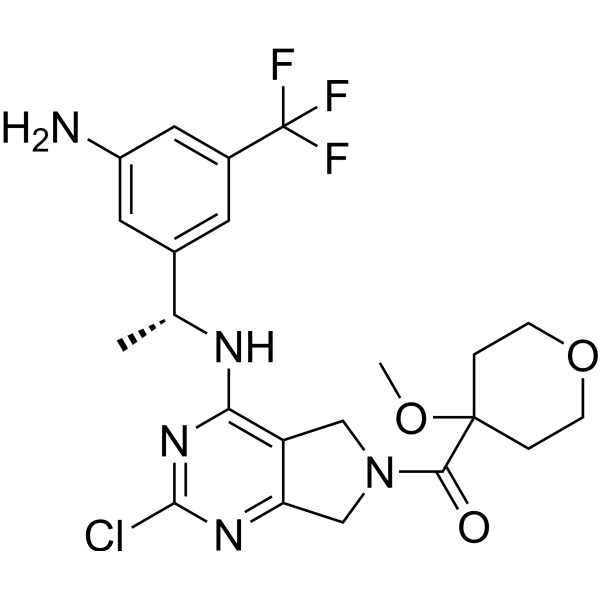
NCT-506
 0 Images
NCT-506 is an orally bioavailable aldehyde dehydrogenase 1A1 (ALDH1A1) inhibitors with an IC50 of 7 nM.
-
Quetmolimab
 0 ImagesSynonyms: E6011
Quetmolimab (E6011) is a humanized anti-Fractalkine (CX3CL1) monoclonal antibody. Quetmolimab binds to membrane-bound and soluble Fractalkine, neutralizes Fractalkine-induced migration of CX3CR1-expressing cells, mediates target-bound complex elimination from serum. Quetmolimab suppresses free soluble Fractalkine levels in cynomolgus monkeys, with target engagement linked to increased serum total Fractalkine concentration. Quetmolimab can be used for the research of Crohn’s disease, rheumatoid arthritis, and primary biliary cholangitis.
-
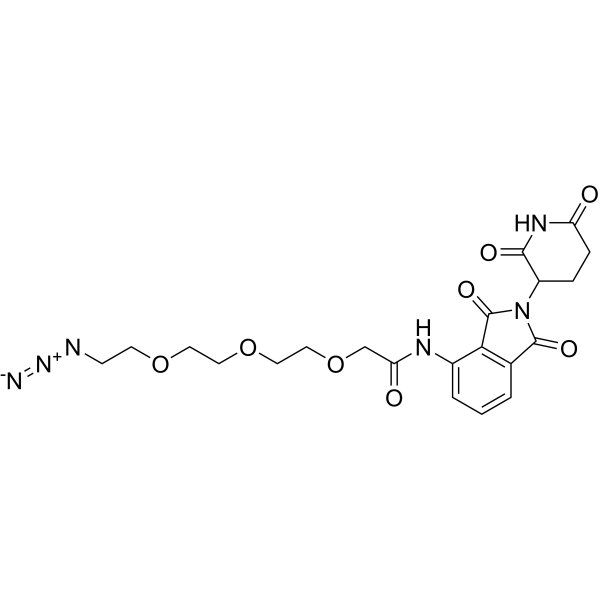
Pomalidomide-PEG3-azide
 0 Images
Pomalidomide-PEG3-azide is a synthesized E3 ligase ligand-linker conjugate that incorporates the Pomalidomide based cereblon ligand and 3-unit PEG linker used in PROTAC technology. Pomalidomide-PEG3-azide is a click chemistry reagent, it contains an Azide group and can undergo copper-catalyzed azide-alkyne cycloaddition reaction (CuAAc) with molecules containing Alkyne groups. It can also undergo strain-promoted alkyne-azide cycloaddition (SPAAC) reactions with molecules containing DBCO or BCN groups.
-
CC-90002
 0 ImagesCat. No.: HY-P99172CAS No.: 2085844-54-6
-
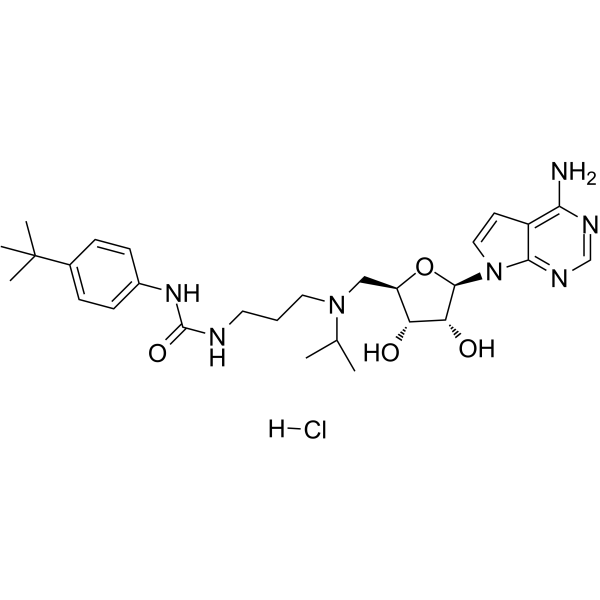
EPZ004777 hydrochloride
 0 Images
EPZ004777 hydrochloride is an effective and selective DOT1L inhibitor, with IC50 being 0.4 nM. EPZ004777 hydrochloride reduces the levels of H3K79me2 and H3K79me1, significantly down-regulating the expression of HOXA9 and MEIS1. EPZ004777 hydrochloride selectively inhibits the proliferation of MLL rearrangement cells and promotes the differentiation and subsequent apoptosis (apoptosis) of leukemia cells. EPZ004777 hydrochloride can be used for the study of leukemia.
-
Vixtimotamab
 0 ImagesCat. No.: HY-P99958CAS No.: 2243775-32-6Synonyms: AMV-564; TandAb T564
Vixtimotamab (AMV-564; TandAb T564) is a bispecific tetravalent tandem diabody (TandAb) that targets human CD33 and human CD3 antigens. Vixtimotamab can be used for the research of acute myeloid leukemia (AML).
-
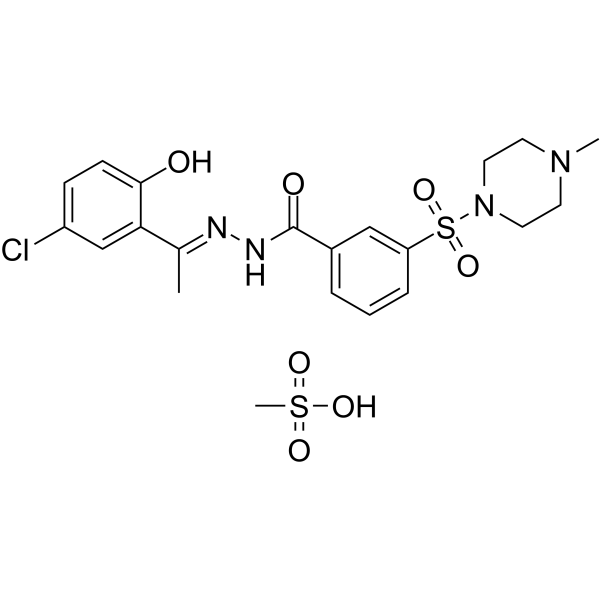
Seclidemstat mesylate
 0 ImagesSynonyms: SP-2577 mesylate
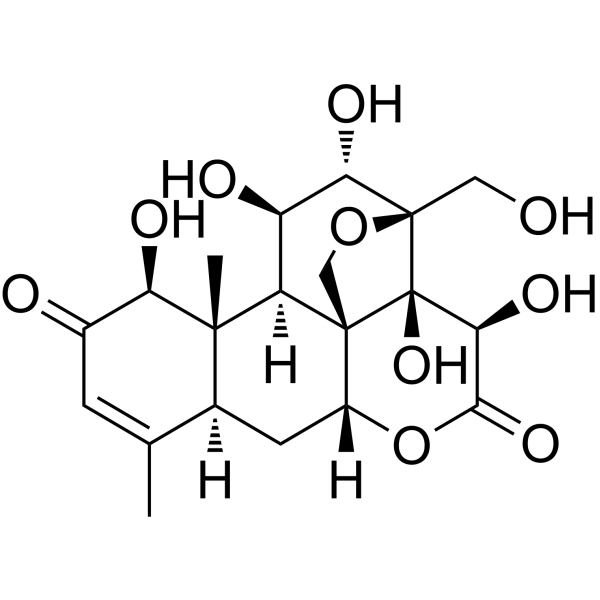
Seclidemstat (SP-2577) mesylate is a potent noncompetitive and reversible KDM1A (LSD1) inhibitor (Ki=31 nM, IC50=13 nM). Seclidemstat mesylate promotes antitumor immunity in switch/sucrose nonfermentable (SWI/SNF) complex mutated ovarian cancer, as well as inhibit virus production, viral DNA replication, and late gene expression. Seclidemstat mesylate can be used for the research of Ewing Sarcoma.
-
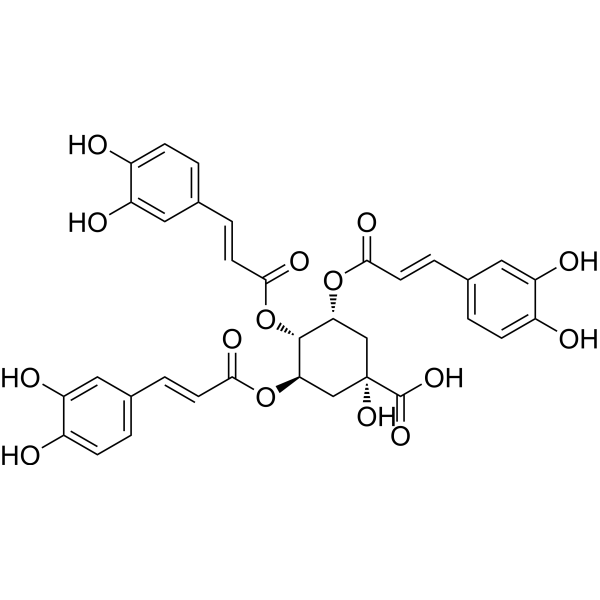
3,4,5-Tricaffeoylquinic acid
 0 ImagesSynonyms: 3,4,5-triCQA
3,4,5-Tricaffeoylquinic acid (3,4,5-triCQA) inhibits tumor necrosis factor-α-stimulated production of inflammatory mediators in keratinocytes via suppression of Akt- and NF-κB-pathways. 3,4,5-Tricaffeoylquinic acid induces cell cycle arrest at G0/G1, actin cytoskeleton organization, chromatin remodeling, neuronal differentiation, and bone morphogenetic protein signaling in human neural stem cells. 3,4,5-Tricaffeoylquinic acid has the potential for the research of aging-associated diseases.
-
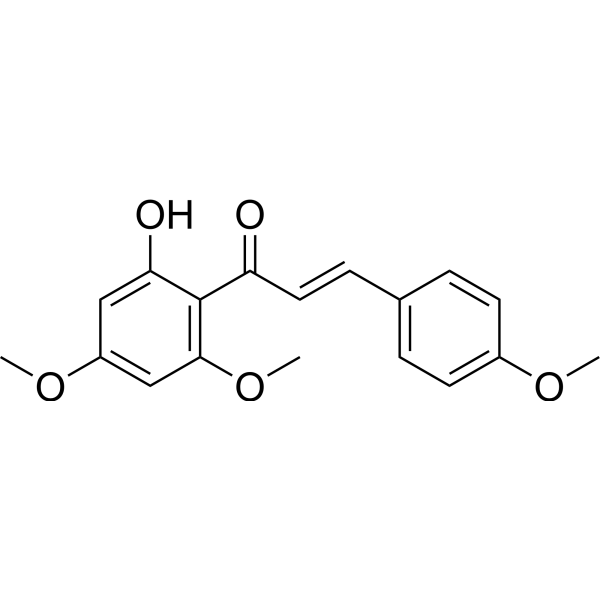
Flavokawain A
 0 Images
Flavokawain A is a chalcone compound and an orally active inhibitor of PRMT5 and cytochrome P450. Flavokawain A has anti-inflammatory, anti-tumor, and immunomodulatory effects. Flavokawain A can inhibit the proliferation of tumor cells and induce apoptosis. Flavokawain A can be used in the research of diseases such as bladder cancer.
-
FANCM-BTR PPI-IN-1
 0 Images
FANCM-BTR PPI-IN-1 (Compound 32) is a FANCM/BTR interaction inhibitor that blocks the localization of FANCM to telomeres. FANCM-BTR PPI-IN-1 exhibits anticancer activity against osteosarcoma.
-
HDAC9-IN-1
 0 ImagesCat. No.: HY-169259
HDAC9-IN-1 is a selective class IIa HDAC inhibitor that binds to HDAC9 with an IC50 of 40 nM. HDAC9-IN-1 potently inhibits HDACs 4 and 7 while showing weak activity against HDAC6 (IC50 values: 180 nM (HDAC4), 190 nM (HDAC7), 970 nM (HDAC6)). HDAC9-IN-1 significantly inhibits several human cancer cells, induces apoptosis and DNA damage in human cancer cells, and modulates caspase-related proteins and p38 in human cancer cells. HDAC9-IN-1 can be used for the research of oral cancer, breast cancer, gastric cancer.
-
Doxycycline hydrochloride (Standard)
 0 Images
Doxycycline hydrochloride (Standard) is the analytical standard of Doxycycline hydrochloride (HY-N0565A). This product is intended for research and analytical applications. Doxycycline hydrochloride is an orally active highly lipophilic, tissue-permeable MMP inhibitor with broad-spectrum antibacterial activity. Doxycycline hydrochloride is also a semi-synthetic antibiotic with chelating properties, which blocks bacterial protein synthesis and inhibits extracellular matrix degradation through interactions with zinc and calcium atoms. Doxycycline hydrochloride also inhibits mitochondrial biogenesis, translation, and the expression of respiratory chain proteins. Doxycycline hydrochloride induces apoptosis, inhibits autophagy and EMT, downregulates stem cell markers, and activates the PI3K-AKT pathway, thereby effectively inhibiting the viability and proliferation of cancer cells such as breast cancer cells. Doxycycline hydrochloride also promotes the survival and self-renewal of embryonic stem cells and neural stem cells, and reduces the frequency of medium changes in culture. Doxycycline hydrochloride has been applied in studies related to breast cancer, prostate cancer, bladder cancer, and other cancers.
-
NGM-120
 0 ImagesCat. No.: HY-P990635Purity: 99.50%
NGM-120 is a fully humanized IgG1 monoclonal antibody targeting GFRAL, which functions by blocking the GDF15-GFRAL axis. NGM-120 reduces serum GDF15 levels, increases body weight, expands central memory and proliferative CD8+ T cell populations, and decreases immunosuppressive and naive regulatory T cell populations. NGM-120 can be used for research on advanced prostate cancer.
-
ER-Tracker Red (solution)
 0 ImagesCat. No.: HY-DY1026
ER-Tracker dye is a derivative of BODIPY series dyes coupled with Glibenclamide (HY-15206) , highly selective binding to the endoplasmic reticulum, non-toxic to cells at low concentrations, this type of dye is an environmentally sensitive probe, and formaldehyde treatment can still retain part of the fluorescence, with high fluorescence life, good extinction coefficient and other characteristics. Glibenclamide is an atp-dependent K+ channel blocker (Kir6, KATP) and CFTR Cl-channel blocker that binds in the endoplasmic reticulum. ER-Tracker is not suitable for staining cells after fixation. Ex/Em=587/615 nm.
Solvent and concentration: DMSO: 1 mM
-
Bersanlimab
 0 ImagesSynonyms: BI-505
Bersanlimab (BI-505) is a fully human monoclonal antibody that targets intercellular adhesion molecule-1 (ICAM-1 or CD54). Bersanlimab has anticancer effects.