



Cancer Targeted Therapy
Cancer targeted therapy is the foundation of precision medicine; it uses drugs or other substances to target specific genes and proteins that control cancer cells’ growth, division and spreading. Compared to traditional chemotherapy drugs, targeted-drugs can specifically act on cancer cells with high efficacy without damaging normal cells. Drugs used in cancer targeted therapy mainly includes small molecules and macromolecules (e.g., monoclonal antibodies), which can target cancer cells and constituents in the tumor microenvironment to activate the immune system. Anti-angiogenesis drugs, such as those targeting vascular endothelial growth factor (VEGF), epidermal growth factor receptor (EGFR), transforming growth factor (TGF)-α, TGF-β, Tumor necrosis factor (TNF)-α, and platelet-derived endothelial growth factor (PDGFR) inhibit the proliferation and metastasis of cancer cells. In recent years, the proportion of antibody drugs in cancer treatment has gradually become prominent. Antibody-drug conjugates (ADCs) are a new type of targeted drugs that are composed of monoclonal antibody, cytotoxic drug and linker. ADCs can deliver drugs to tumor cells and minimize the toxicity to normal tissues. Proteolysis-targeting chimera (PROTAC) is a useful technology for targeted protein degradation. PROTAC exploits the ubiquitin-proteasome system and forms a ternary complex with a hijacked E3 ubiquitin ligase and target protein, leading to polyubiquitination and degradation of the target protein.
Targeted therapy is a useful strategy in treatment of cancer either alone or in combination with standard chemotherapy. At present, targeted therapy has proved significant clinical success in the treatment of many types of cancer, including breast cancer, colorectal cancer, leukemia, ovarian cancer and lung cancer.
-
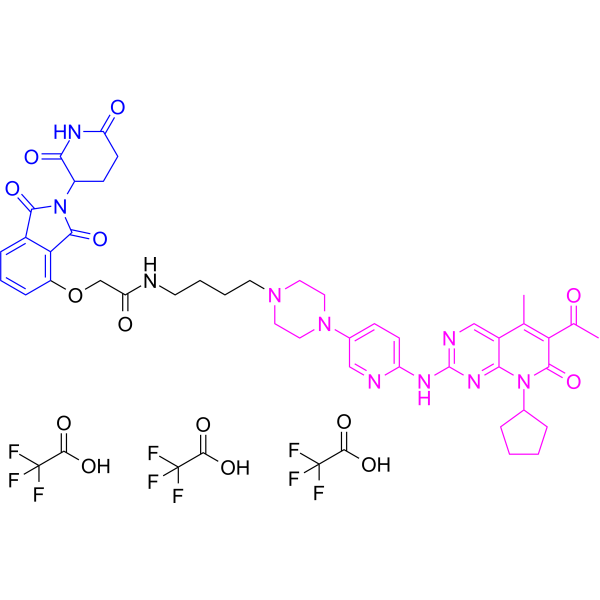
BSJ-03-204 triTFA
 0 ImagesCat. No.: HY-136250APurity: 99.87%
BSJ-03-204 triTFA is a PROTAC-based CDK degrader derived from Palbociclib (HY-50767). BSJ-03-204 triTFA targets bovine CDK4/CCND1 and CDK6/CCND1 complexes with IC50 values of 26.9 nM and 10.4 nM, respectively. BSJ-03-204 triTFA also triggers ubiquitination and degradation of RB1, reduces pRb levels, thereby inducing G1 cell cycle arrest and exerting antiproliferative effects, as well as inducing time-dependent KLHL8 accumulation. BSJ-03-204 triTFA can be used in research related to pancreatic ductal adenocarcinoma, breast cancer, lung cancer, mantle cell lymphoma, and cloned bovine placental hyperplasia.
-
Quetmolimab
 0 ImagesSynonyms: E6011
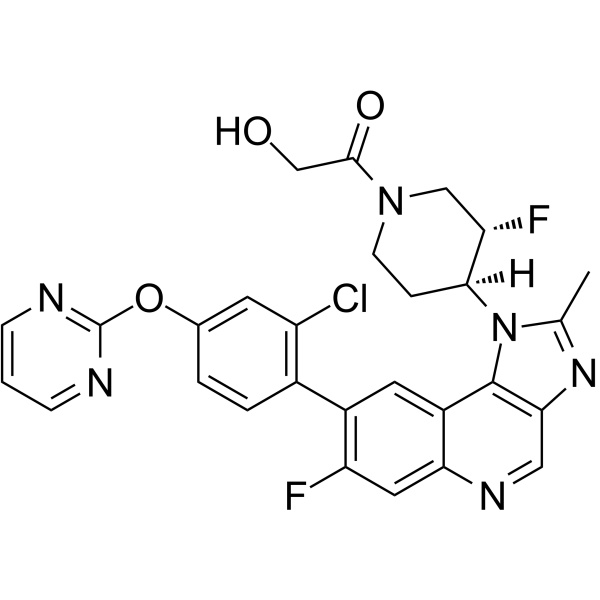
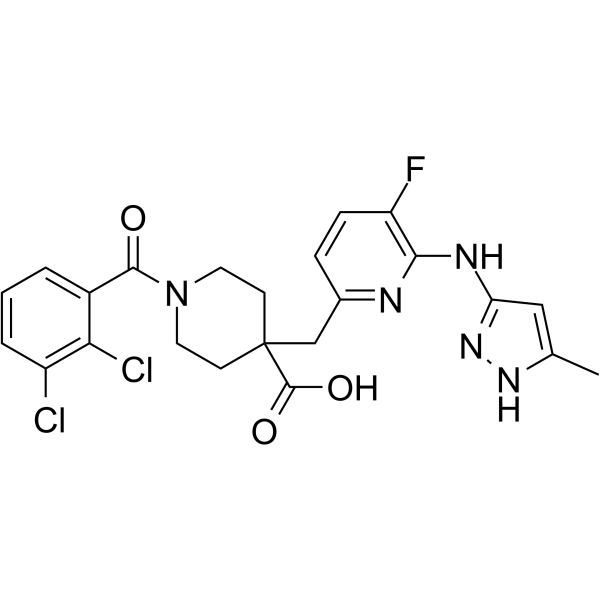
Quetmolimab (E6011) is a humanized anti-Fractalkine (CX3CL1) monoclonal antibody. Quetmolimab binds to membrane-bound and soluble Fractalkine, neutralizes Fractalkine-induced migration of CX3CR1-expressing cells, mediates target-bound complex elimination from serum. Quetmolimab suppresses free soluble Fractalkine levels in cynomolgus monkeys, with target engagement linked to increased serum total Fractalkine concentration. Quetmolimab can be used for the research of Crohn’s disease, rheumatoid arthritis, and primary biliary cholangitis.
-
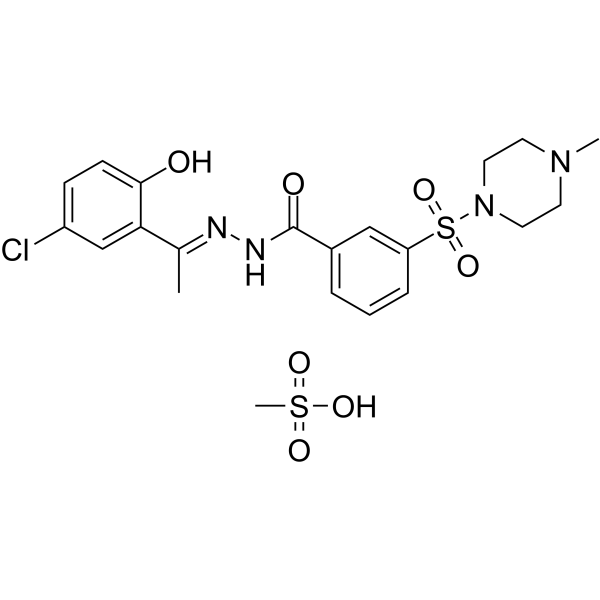
Seclidemstat mesylate
 0 ImagesSynonyms: SP-2577 mesylate
Seclidemstat (SP-2577) mesylate is a potent noncompetitive and reversible KDM1A (LSD1) inhibitor (Ki=31 nM, IC50=13 nM). Seclidemstat mesylate promotes antitumor immunity in switch/sucrose nonfermentable (SWI/SNF) complex mutated ovarian cancer, as well as inhibit virus production, viral DNA replication, and late gene expression. Seclidemstat mesylate can be used for the research of Ewing Sarcoma.
-
CC-90002
 0 ImagesCat. No.: HY-P99172CAS No.: 2085844-54-6
-
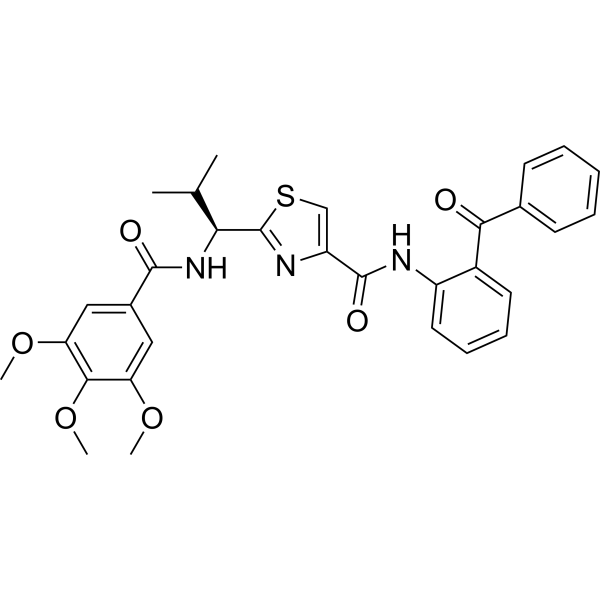
TTT-28
 0 Images
TTT-28 is a synthesized thiazole-valine peptidomimetic, a novel selective inhibitor of ABCB1 (P-gp/MDR1) with high efficacy and low toxicity, which reverses the ATP-binding cassette sub-family B member 1 (ABCB1)-mediated multidrug resistance (MDR) by selectively blocking the efflux function of ABCB1.
-
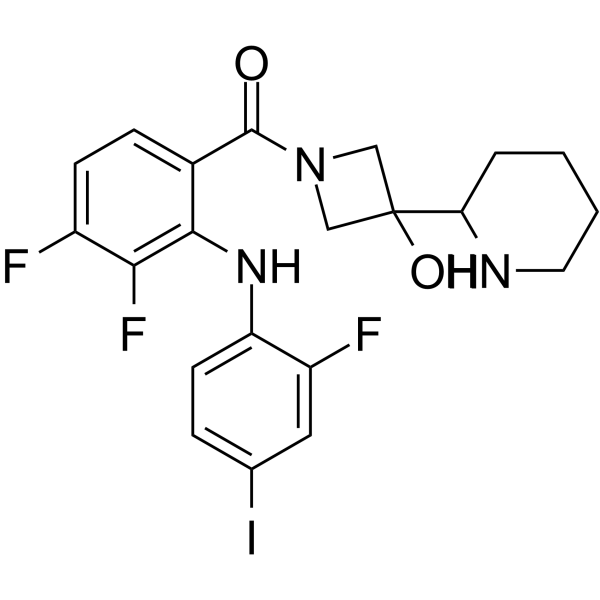
Cobimetinib racemate
 0 ImagesSynonyms: GDC-0973 racemate; XL518 racemate
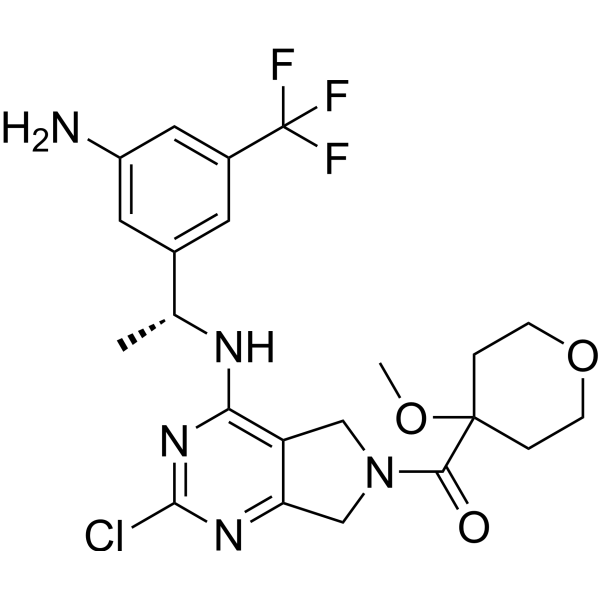
Cobimetinib racemate (GDC-0973 racemate; XL518 racemate) is the racemate of Cobimetinib. Cobimetinib is a potent and selective MEK inhibitor.
-
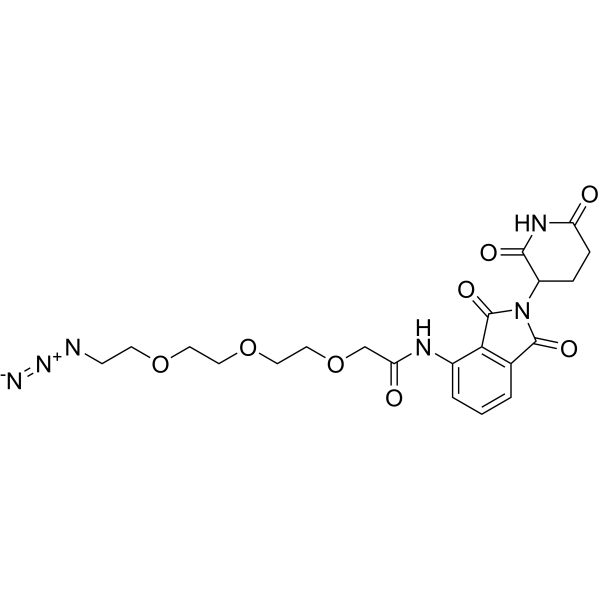
Pomalidomide-PEG3-azide
 0 Images
Pomalidomide-PEG3-azide is a synthesized E3 ligase ligand-linker conjugate that incorporates the Pomalidomide based cereblon ligand and 3-unit PEG linker used in PROTAC technology. Pomalidomide-PEG3-azide is a click chemistry reagent, it contains an Azide group and can undergo copper-catalyzed azide-alkyne cycloaddition reaction (CuAAc) with molecules containing Alkyne groups. It can also undergo strain-promoted alkyne-azide cycloaddition (SPAAC) reactions with molecules containing DBCO or BCN groups.
-
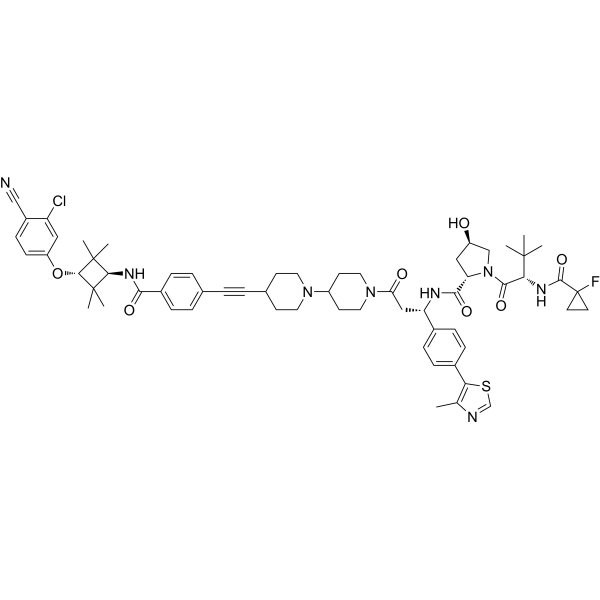
ARD-69
 0 Images
ARD-69 is a PROTAC degrader based on the E3 ubiquitin ligase VHL and targeting the androgen receptor, which can induce androgen receptor (AR) protein degradation in AR-positive prostate cancer cells. ARD-69 inhibits AR-regulated gene expression, binds to the AR ligand binding domain at one end and binds to VHL at the other end, prompting AR to be recruited to the E3 ubiquitin ligase complex, triggering proteasome degradation, thereby inhibiting AR signaling pathways and downstream gene expression (such as PSA, TMPRSS2). ARD-69 can be used to study of castration-resistant prostate cancer (mCRPC).
-
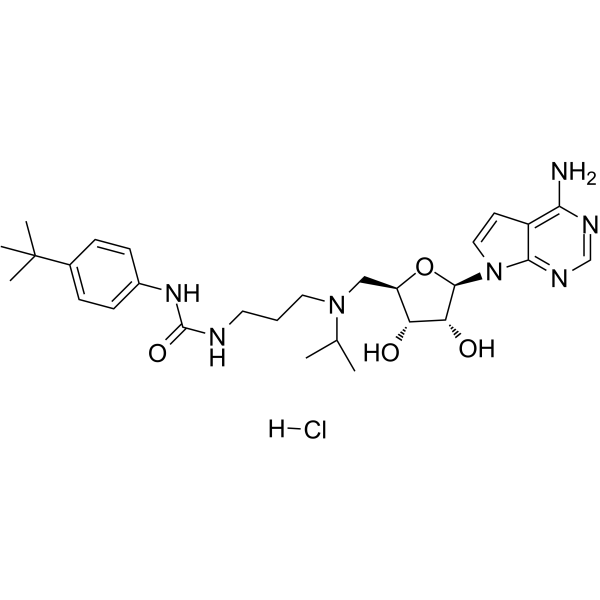
EPZ004777 hydrochloride
 0 Images
EPZ004777 hydrochloride is an effective and selective DOT1L inhibitor, with IC50 being 0.4 nM. EPZ004777 hydrochloride reduces the levels of H3K79me2 and H3K79me1, significantly down-regulating the expression of HOXA9 and MEIS1. EPZ004777 hydrochloride selectively inhibits the proliferation of MLL rearrangement cells and promotes the differentiation and subsequent apoptosis (apoptosis) of leukemia cells. EPZ004777 hydrochloride can be used for the study of leukemia.
-
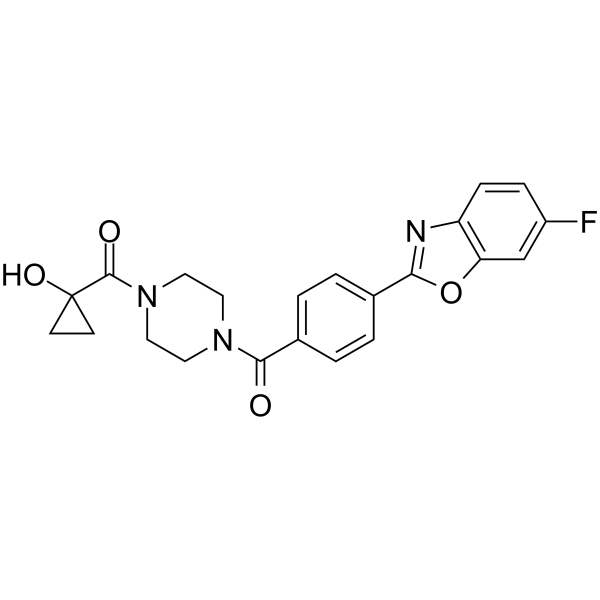
FT113
 0 Images
FT113 is a potent and orally active fatty acid synthase (FASN) inhibitor, with an IC50 of 213 nM for full-length recombinant human FASN enzyme. In cell-based assay, FT113 blocks FASN activity in BT474 cells (IC50, 90 nM). FT113 shows anti-proliferative activity, and exhibits anti-cancer activity both in vitro and in vivo.
-
Azilsartan medoxomil
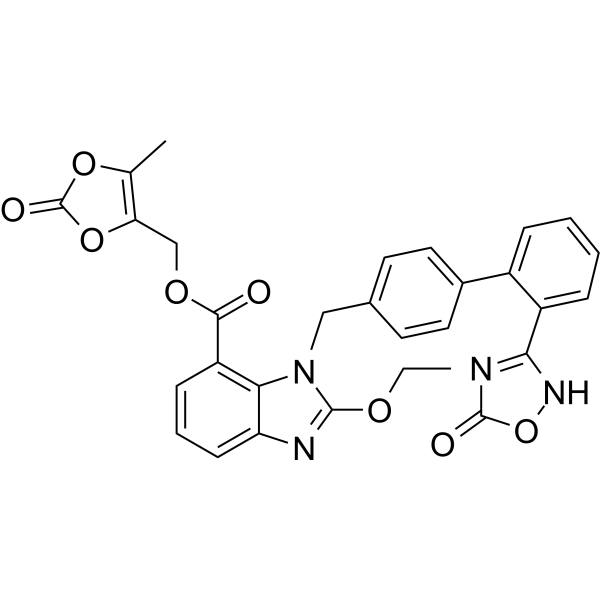 0 ImagesSynonyms: TAK-491
Azilsartan medoxomil (TAK 491), a prodrug form of Azilsartan (HY-14914), is an orally active angiotensin II receptor type 1 antagonist. Azilsartan medoxomil can be used for the study of essential hypertension.
-
LCH-7749944
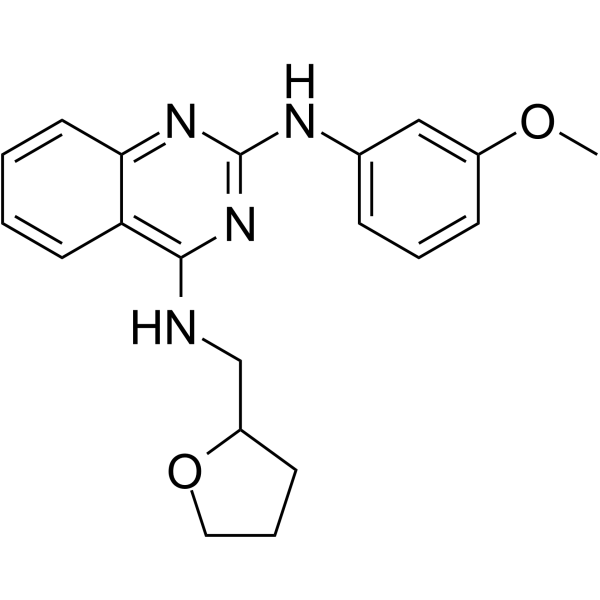 0 ImagesSynonyms: GNF-PF-2356
LCH-7749944 (GNF-PF-2356) is a potent PAK4 inhibitor with an IC50 of 14.93 μM. LCH-7749944 effectively suppresses the proliferation of human gastric cancer cells through downregulation of PAK4/c-Src/EGFR/cyclin D1 pathway and induces apoptosis.
-
XIAP degrader-1
 0 Images
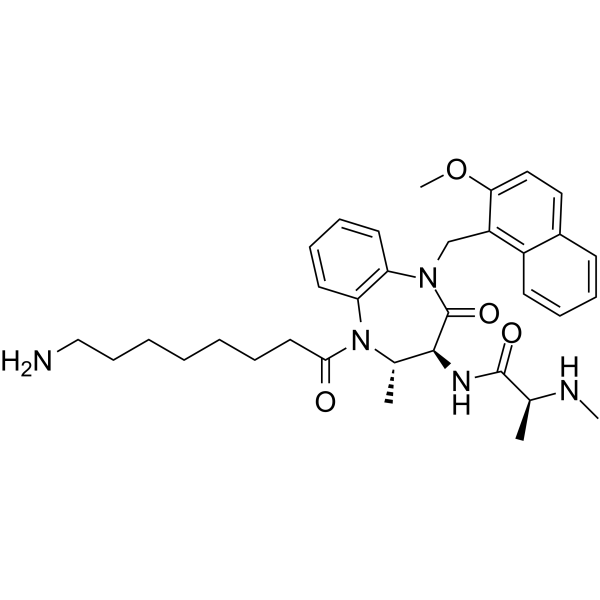
XIAP degrader-1 is a PROTAC-like degrader with a Kd value of 1 μM for XIAP. XIAP degrader-1 is metabolized into an active aldehyde species that covalently binds to Cys326 of FBXO22, thereby forming a ternary complex with the BIR2 domain of XIAP. XIAP degrader-1 induces polyubiquitination and proteasomal degradation of XIAP via the ubiquitin-proteasome system, a process dependent on NEDD8 conjugation, the SCFFBXO22 ligase complex, as well as the functional activities of XIAP ligase, E1 and the proteasome.
-
Tivozanib hydrochloride hydrate
 0 ImagesSynonyms: AV-951 hydrochloride hydrate; KRN951 hydrochloride hydrate
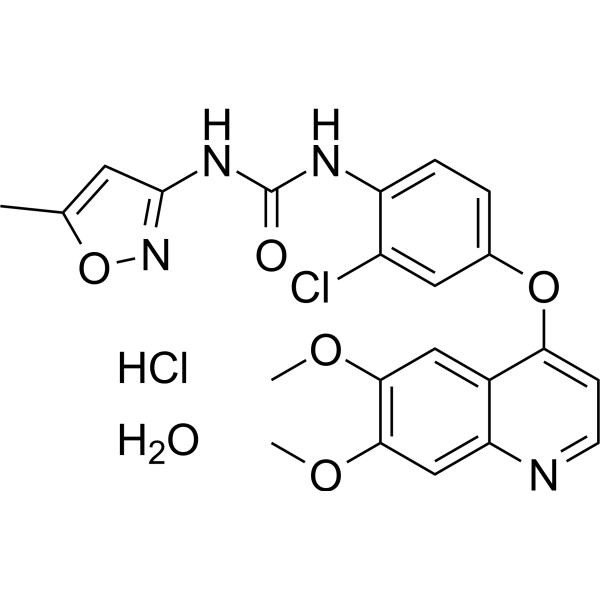
Tivozanib hydrochloride hydrate is the hydrate hydrochloride form of Tivozanib (HY-10977). Tivozanib hydrochloride hydrate is a selective, orally active inhibitor for vascular endothelial growth factor receptor (VEGFR)-1, 2 3, with IC50s of 30, 6.5 and 15 nM, respectively. Tivozanib hydrochloride hydrate exhibits antitumor efficacy.



