Endocrinology
-
Endocrinology Related Products (3775)
Related Products (3775)

-
Antibodies (4)
-
Related Compound Screening Libraries (1)
-
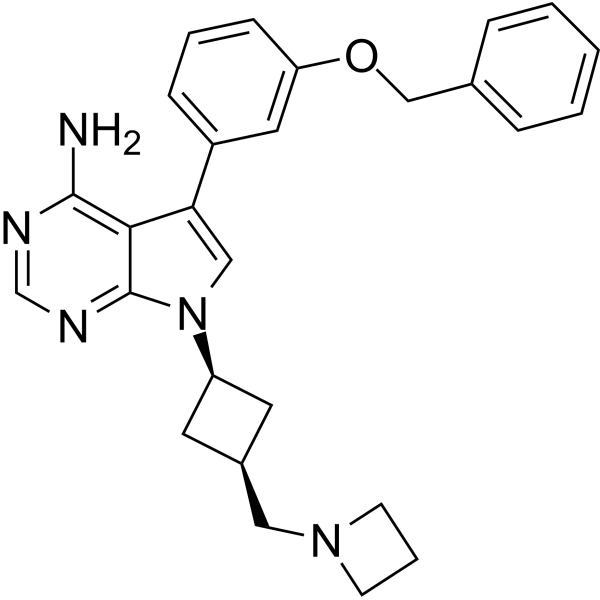
NVP-AEW541
 0 ImagesSynonyms: AEW541
NVP-AEW541 (AEW541 ) is an orally active inhibitor of the insulin-like growth factor 1 receptor (IGF-1R) with an IC50 value of 0.15 μM. NVP-AEW541 also inhibits InsR, IC50 with a value of 0.14 μM. NVP-AEW541 has antitumor activity.
-
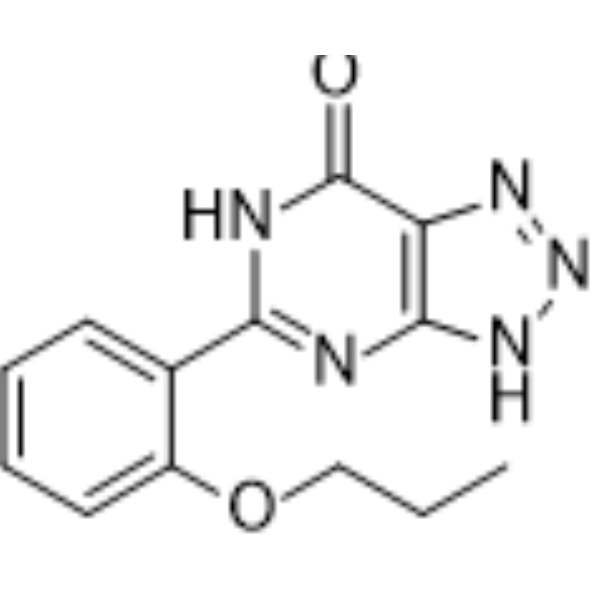
Zaprinast
 0 ImagesSynonyms: M&B 22948
Zaprinast (M&B 22948) is a selective inhibitor of cGMP-selective Phosphodiesterase (PDE5). Zaprinast causes a significant increase in cGMP levels in myocytes. Zaprinast is a G protein-coupled receptor 35 (GPR35) agonist which activates rat GPR35 strongly and activates human GPR35 moderately. Zaprinast reduces vessel remodeling through antiproliferative and proapoptotic effects.
-
4-Vinylcyclohexene dioxide
 0 ImagesSynonyms: Vinylcyclohexene diepoxide
4-Vinylcyclohexene dioxide (4-Vinylcyclohexene diepoxide) is an orally active metabolite of 4-vinylcyclohexene. 4-Vinylcyclohexene dioxide induces Apoptosis, increases intracellular ROS, and activates the PI3K/Akt/mTOR pathway. 4-Vinylcyclohexene dioxide selectively damages small ovarian follicles, inhibits granulosa cell function, and disrupts the male reproductive system. 4-Vinylcyclohexene dioxide can be used in the study of premature ovarian insufficiency, reproductive toxicity, and related fertility disorders.
-
Isoflurane
 0 Images
Isoflurane is a volatile anaesthetic. Isoflurane diminishs the effect of ROS activity. Isoflurane suppresses respiration. Isoflurane enables rapid anesthesia induction and emergence. Isoflurane protects against noise-induced hearing loss and tissue damage in mice. Isoflurane protects against renal ischemia and reperfusion injury and modulates leukocyte infiltration.
-
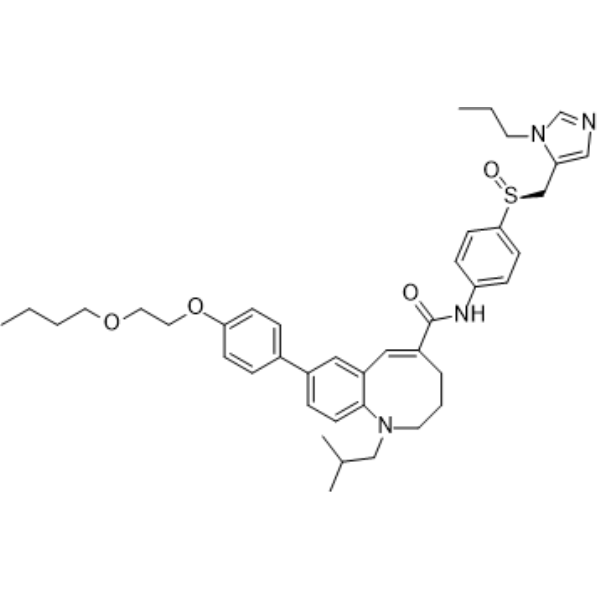
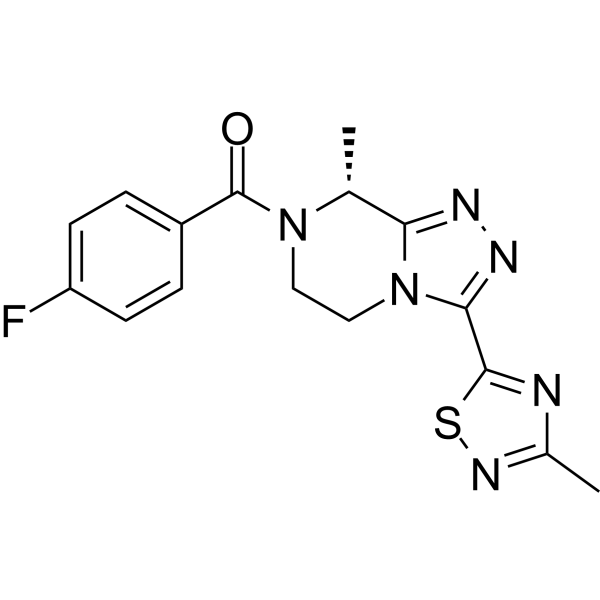
Cenicriviroc
 0 ImagesSynonyms: TAK-652; TBR-652
-
Cabergoline
 0 ImagesSynonyms: FCE-21336
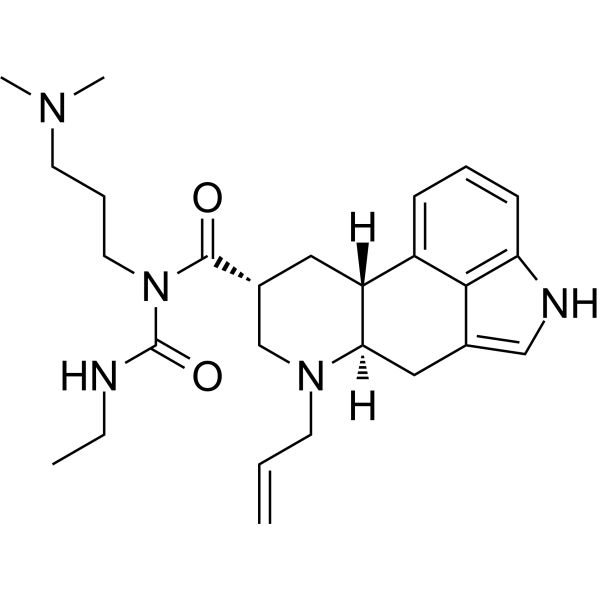
Cabergoline is an ergot derived-dopamine D2-like receptor agonist that has high affinity for D2, D3, and 5-HT2B receptors (Ki=0.7, 1.5, and 1.2, respectively).
-
Goserelin acetate
 0 ImagesSynonyms: ICI-118630 acetate
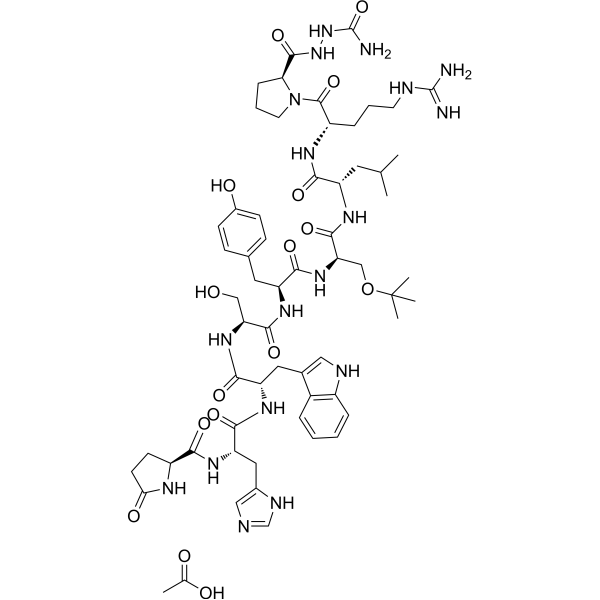
Goserelin acetate (ICI-118630 acetate), a decapeptide analogue of gonadotropin-releasing hormone (GnRH/LHRH), functions as a GnRH agonist. Goserelin acetate can be used for the research of breast cancer, epithelial ovarian cancer and prostate cancer.
-
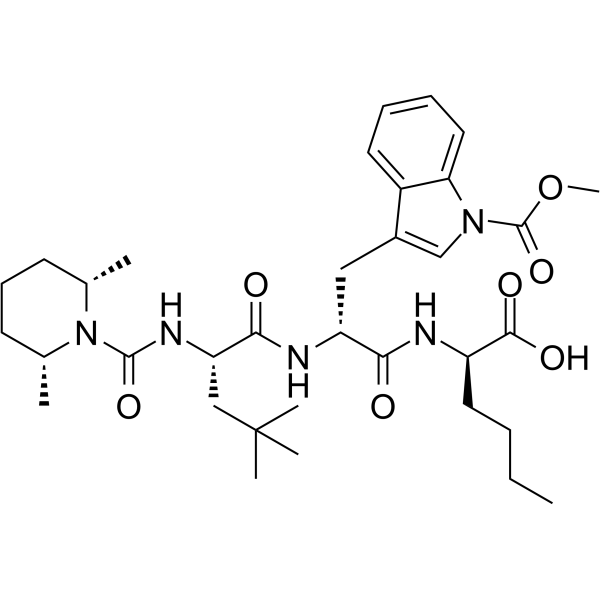
BQ-788
 0 Images
BQ-788 is a potent, selective ETB receptor antagonist with IC50 of 1.2 nM for inhibition of ET-1 binding to human Girardi heart cells, poorly inhibiting the binding to ETA receptors in human neuroblastoma cell line SK-N-MC cells with IC50 of 1300 nM.
-
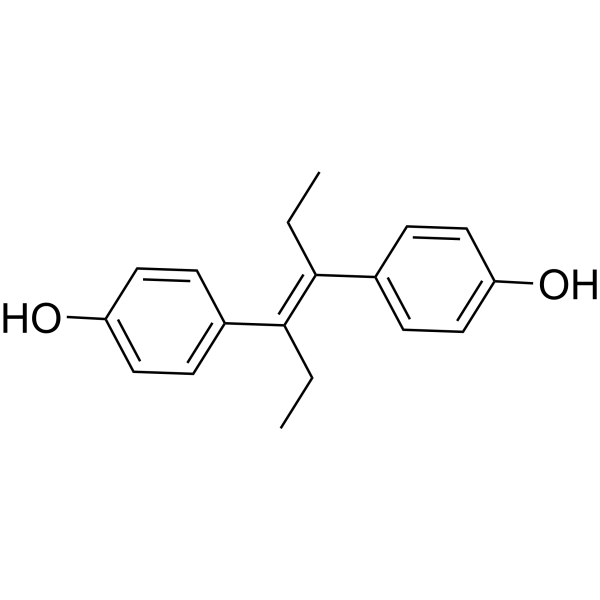
Diethylstilbestrol
 0 Images
Diethylstilbestrol is a non-steroidal female hormone that has oral activity and can act on menopausal and postmenopausal disorders. Diethylstilbestrol can induce DNA oxidation and Apoptosis of spermatogonial stem cells. Diethylstilbestrol can induce thymocyte Autophagy Diethylstilbestrol is a 11β-hydroxysteroid dehydrogenase 2 (HSD11B2) inhibitor..
-
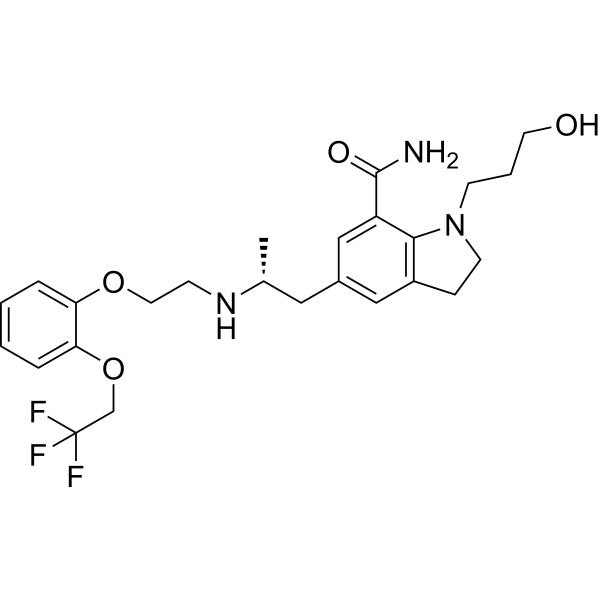
Silodosin
 0 ImagesSynonyms: KAD 3213; KMD 3213
Silodosin (KAD 3213; KMD 3213) is a potent, selective and orally active α1A-adrenergic receptor (α1A-AR) blocker. Silodosin exhibits high affinity for α1A-AR (Ki=0.036 nM), over 162-fold and 50-fold than for α1B-AR and α1D-AR with Ki values of 21 nM and 2.0 nM, respectively. Silodosin is an effective and well-tolerated agent, it can be used for the investigation of LUTS/BPH.
-
Sutimlimab
 0 ImagesSynonyms: BIVV009; IPN-009; TNT009
Sutimlimab is a humanized monoclonal IgG4 antibody. Sutimlimab inhibits complement protein component 1, s subcomponent (C1s). Sutimlimab blocks C3 and C4 activation. Sutimlimab can be used for the research of cold agglutinin disease and complement-mediated hemolytic uremic syndrome.
-
Cephalin form bovine brain
 0 Images
Cephalin form bovine brain is an orally active phospholipid widely present in organisms.Cephalin form bovine brain participates in the formation of autophagosome membrane as a lipid anchor of autophagy-related protein Atg8/LC3. Cephalin form bovine brain enhances Autophagic flux, promotes cell differentiation, regulates lipid droplet fusion, delays aging, and also affects lipid metabolism and membrane integrity.
-
Phospholipase D, Streptomyces chromofuscus
 0 Images
Phospholipase D, Streptomyces chromofuscus (PLD) is an enzyme of the phospholipase superfamily, which widely exists in bacteria, yeast, plants, animals and viruses, and is often used in biochemical research. Phospholipase D can catalyze the hydrolysis of phosphodiester bonds in glycerophospholipids to produce phosphatidic acid and soluble choline. Phospholipase D is involved in a variety of disease-related processes, including diabetes, atherogenesis, obesity, tumorigenesis, immune response, and neuroendocrine function.
-
Candesartan
 0 ImagesSynonyms: CV 11974
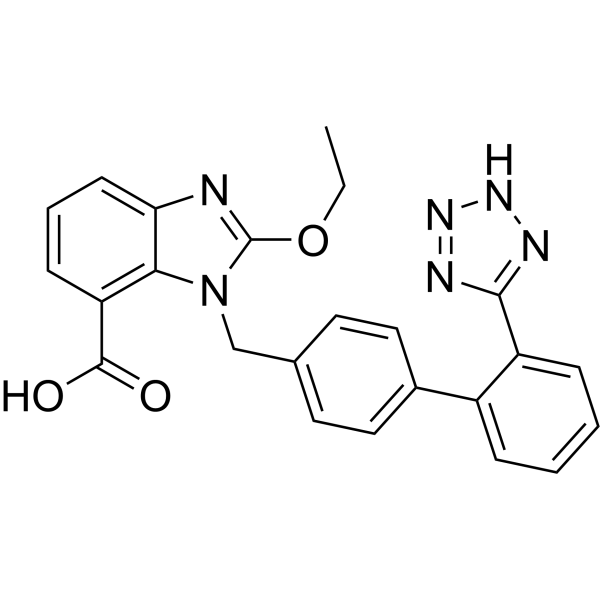
Candesartan (CV 11974) is an orally active angiotensin II AT1-Receptor blocker and PPAR-γ agonist. Candesartan has potent and long-lasting antihypertensive effects. Candesartan can be used for the research of hypertension, chronic heart failure (CHF) and Traumatic brain injury (TBI).