Infection
-
Infection Related Products (18886)
Related Products (18886)

-
Antibodies (22)
-
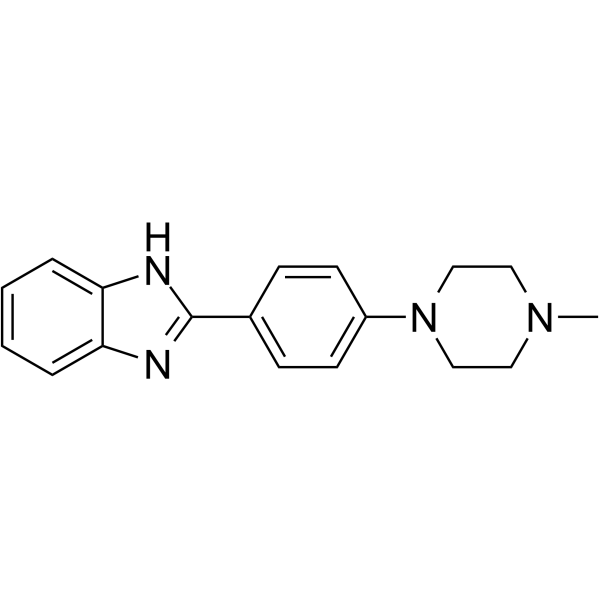
LasR-IN-4
 0 Images
LasR-IN-4 is a potent LasR inhibitor. LasR-IN-4 can inhibit Pseudomonas aeruginosa and its biofilm formation, pyocyanin production, and rhamnolipids production.
-
Hyperoside (Standard)
 0 ImagesSynonyms: Quercetin 3-O-galactoside (Standard); Quercetin 3-O-β-D-galactopyranoside (Standard)
Hyperoside (Standard) is the analytical standard of Hyperoside. This product is intended for research and analytical applications. Hyperoside is a NF-κB inhibitor, found from Hypericum monogynum. Hyperoside shows anti-tumor, antifungal, anti-inflammatory, anti-viral, and anti-oxidative activities, and can induce apoptosis.
-
Lumefantrine-d9
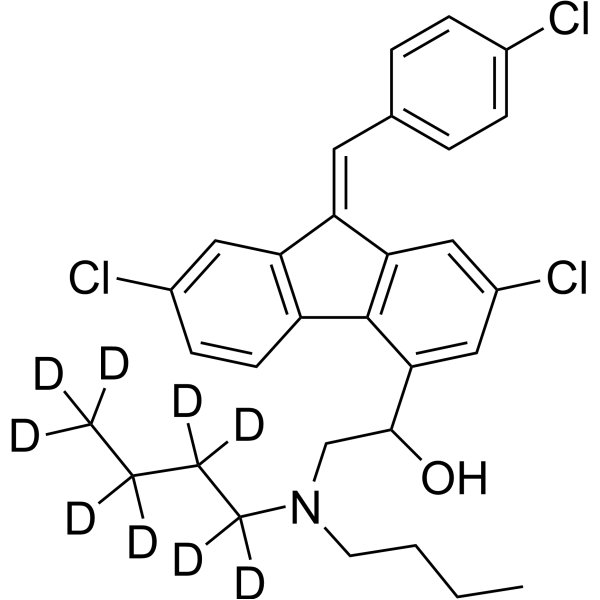 0 ImagesCat. No.: HY-B0803S1CAS No.: 2477594-24-2Synonyms: Benflumetol-d9
Lumefantrine-d9 is the deuterium labeled Lumefantrine. Lumefantrine is an antimalarial drug, used in combination with Artemether. The artemether-lumefantrine (AL) as the first- and second-line anti-malarial drugs.
-
Hydroxytyrosol acetate
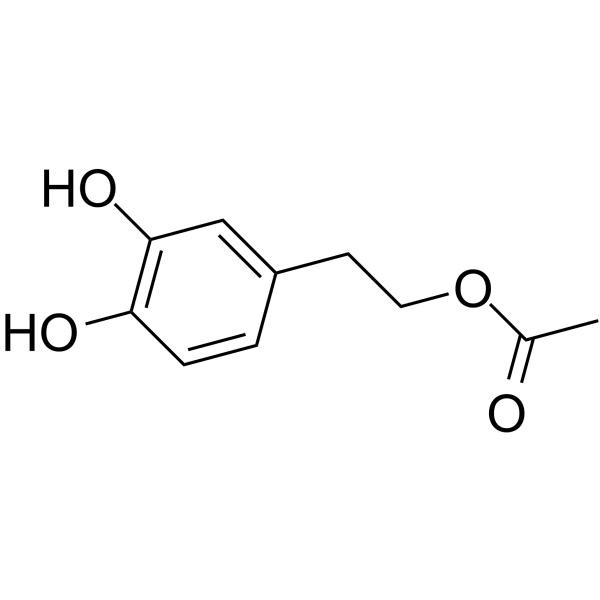 0 Images
Hydroxytyrosol acetate is an orally active, blood-brain barrier-permeable multi-active compound with multiple effects including antibacterial, antioxidant, anti-platelet aggregation, and neuroprotective activities. Hydroxytyrosol acetate not only inhibits the growth of Vibrio by increasing bacterial membrane permeability, but also interacts with DNA and mediates supercoiled DNA relaxation. Meanwhile, Hydroxytyrosol acetate effectively reduces thrombosis and inhibits lipid oxidation by inhibiting COX activity and promoting vascular nitric oxide production. In terms of neuroprotection, Hydroxytyrosol acetate significantly alleviates neuronal apoptosis and inflammatory responses by up-regulating the expression level of ERβ, thereby improving cognitive function in Alzheimer's disease models. Hydroxytyrosol acetate has been widely used in scientific research related to Vibrio infection, arterial thrombosis, Alzheimer's disease and other related fields.
-
Galegine hydrochloride
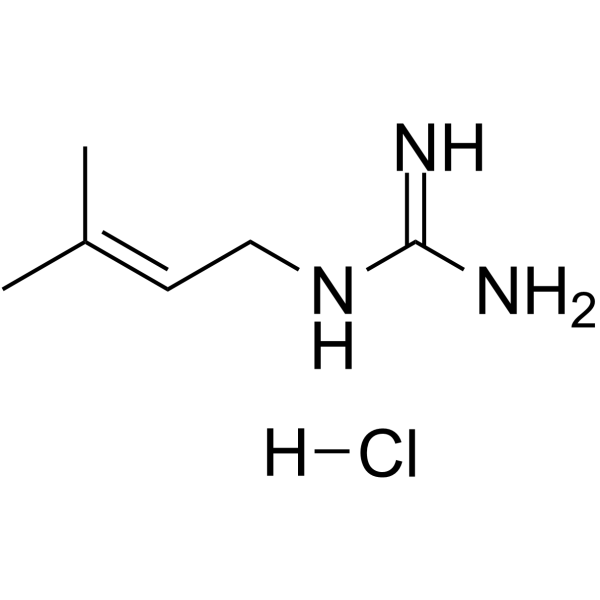 0 ImagesCat. No.: HY-N0930BCAS No.: 2368870-39-5
Galegine hydrochloride, a guanidine derivative, contributes to weight loss in mice. Guanidine hydrochloride is the compound derived from G. officinalis, which gave rise to the biguanides, metformin and phenformin. Galegine hydrochloride activates AMPK in 3T3-L1 adipocytes and L6 myotubes, as well as in the H4IIE rat hepatoma and HEK293 human kidney cell lines. Galegine hydrochloride has antibacterial activity, with minimum inhibitory concentration of 4 mg/L against Staphylococcus aureus strains.
-
Urapidil hydrochloride
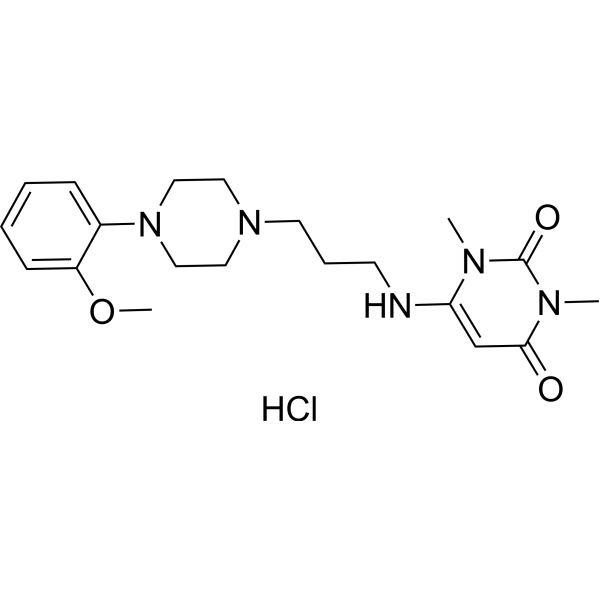 0 Images
Urapidil hydrochloride is an orally active and blood-brain barrier permeability α1-adrenoceptor antagonist and 5-HT1A receptor agonist with a pIC50 of 6.13 and 4.38 against α1- and α2-adrenoceptor, respectively. Urapidil hydrochloride shows antihypertensive effect.
-
Glabridin (Standard)
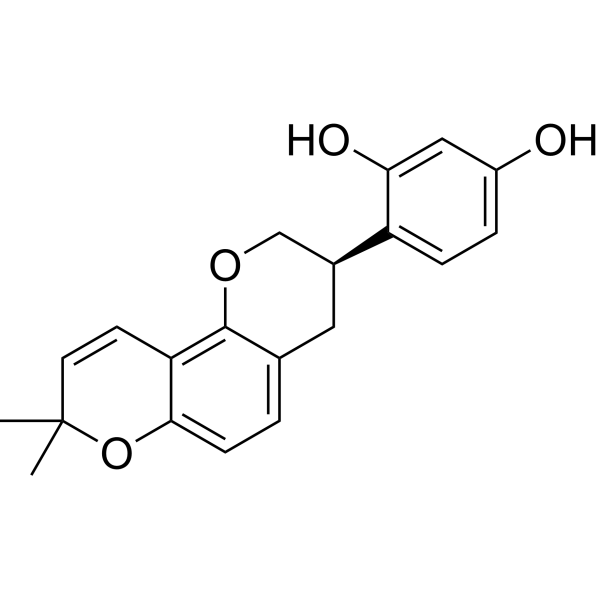 0 Images
Glabridin (Standard) is the analytical standard of Glabridin. This product is intended for research and analytical applications. Glabridin is a natural isoflavan from Glycyrrhiza uralensis, binds to and activates PPARγ, with an EC50 of 6115 nM. Glabridin exhibits antioxidant, anti-bacterial, anti-nephritic, anti-diabetic, anti-fungal, antitumor, anti-inflammatory, antiosteoporotic, cardiovascular protective, neuroprotective and radical scavenging activities.
-
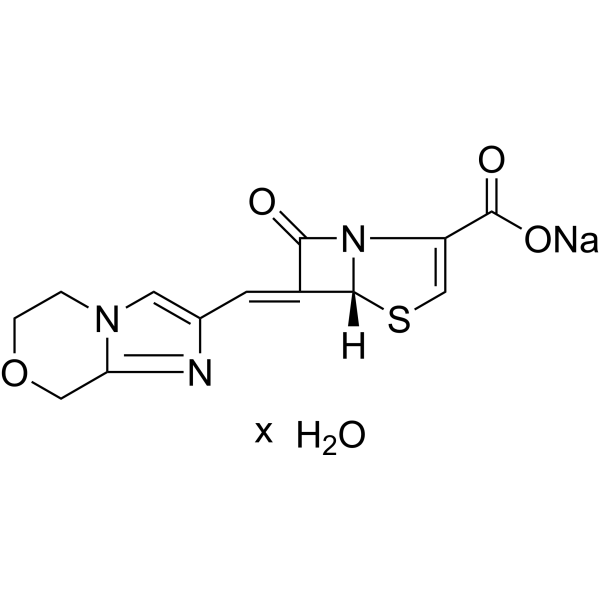
BLI-489 hydrate
 0 Images
BLI-489 hydrate is a Beta-lactamase inhibitor. BLI-489 hydrate is an antibacterial adjuvant that significantly enhances the antibacterial efficacy of β-lactam antibiotics. BLI-489 hydrate blocks the hydrolytic activity of the enzyme by forming a stable intermediate in serine Beta-lactamase, or by coordinating with the binuclear Zn2+ through an oxygen atom in metallo-Beta-lactamase. BLI-489 hydrate can be used for research on bacterial infections.
-
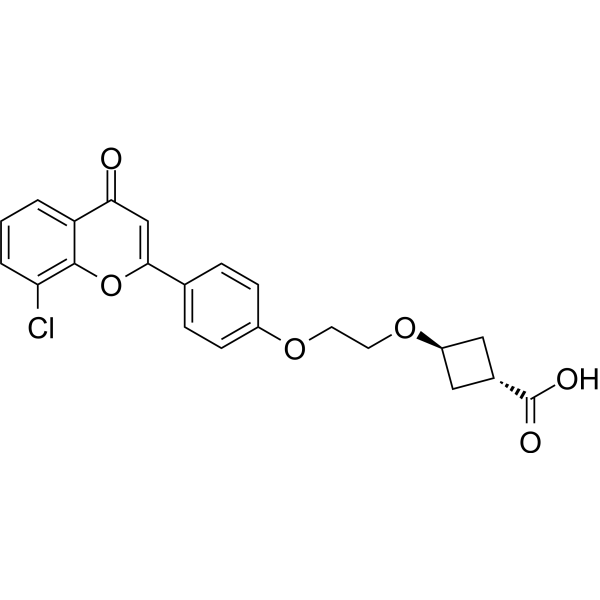
trans-ccc_R08
 0 Images
trans-ccc_R08 (Compound 1-B) is a cccDNA inhibitor with anti-HBV activity, with an IC50 of 0.14 μM for HBeAg and an IC50 of 0.08 μM for HBsAg in in vitro assays. trans-ccc_R08 inhibits covalently closed circular DNA (cccDNA). trans-ccc_R08 is applicable to research related to hepatitis B virus infection.
-
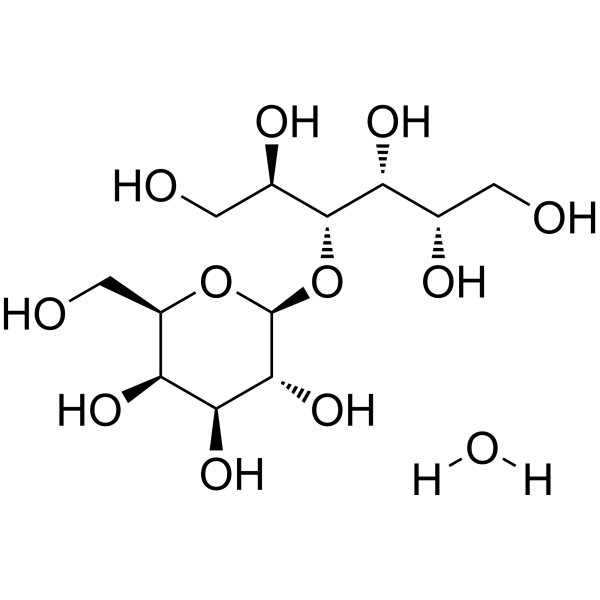
Lactitol monohydrate
 0 ImagesSynonyms: D-Lactitol monohydrate
Lactitol monohydrate (D-Lactitol monohydrate) is a non-absorbable disaccharide and Bacterial regulator. Lactitol monohydrate reduces the populations of Bacteroides, Clostridium, coliforms and Eubacterium, while increasing the populations of Lactobacillus and Streptococcus. Lactitol monohydrate can be used in the research of portosystemic encephalopathy and chronic constipation.
-
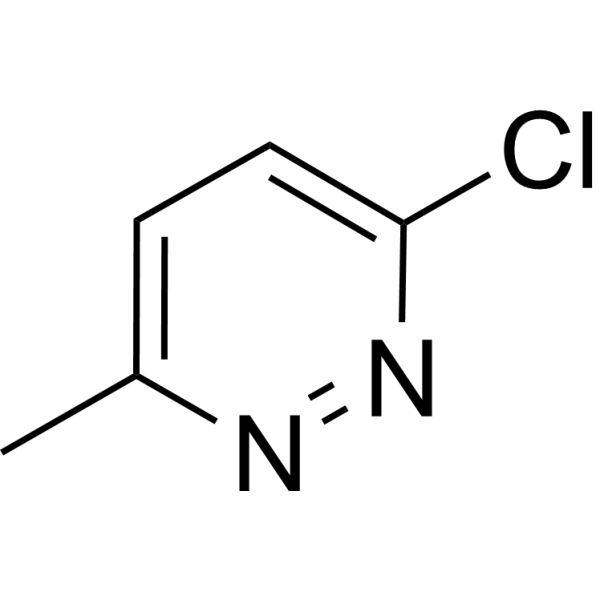
3-Chloro-6-methylpyridazine
 0 Images
3-Chloro-6-methylpyridazine is a substituted pyridazine derivative containing an electron-withdrawing chlorine atom and an electron-donating methyl group. Pyridazine compounds generally possess pharmacological activities such as antibacterial and anti-inflammatory properties. 3-Chloro-6-methylpyridazine can serve as an organic ligand for constructing organic-inorganic hybrid chloroantimonate materials with semiconducting behavior. 3-Chloro-6-methylpyridazine can be used in studies related to optoelectronic devices, photodetectors, and photocatalysis.
-
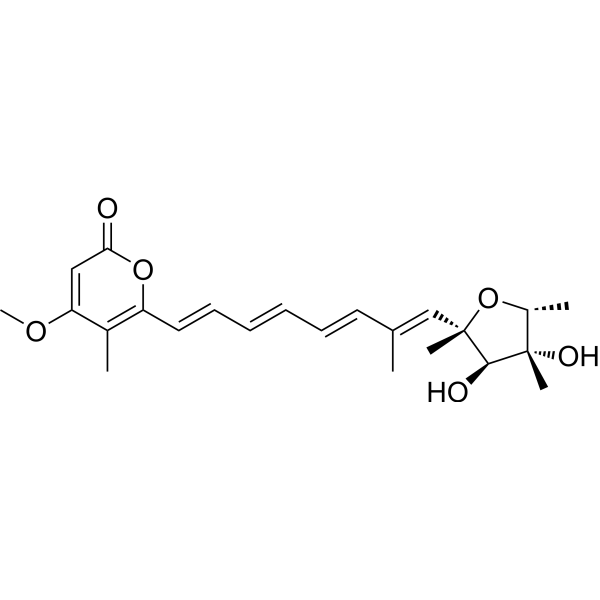
Citreoviridin
 0 Images
Citreoviridin, a toxin from Penicillium citreoviride NRRL 2579, inhibits brain synaptosomal Na+/K+-ATPase whereas in microsomes, both Na+/K+-ATPase and Mg2+-ATPase activities are significantly stimulated in a dose-dependent manner. Citreoviridin inhibits cell proliferation and enhances apoptosis of human umbilical vein endothelial cells.
-
2-Acetyl-5-methylfuran
 0 ImagesCat. No.: HY-W012813CAS No.: 1193-79-9
2-Acetyl-5-methylfuran is a growth inhibitor of Mycobacterium tuberculosis, exhibiting an in vitro anti-tubercular activity with an MIC of 322.58 μM. 2-Acetyl-5-methylfuran demonstrates high safety and can be used for research related to tuberculosis.
-
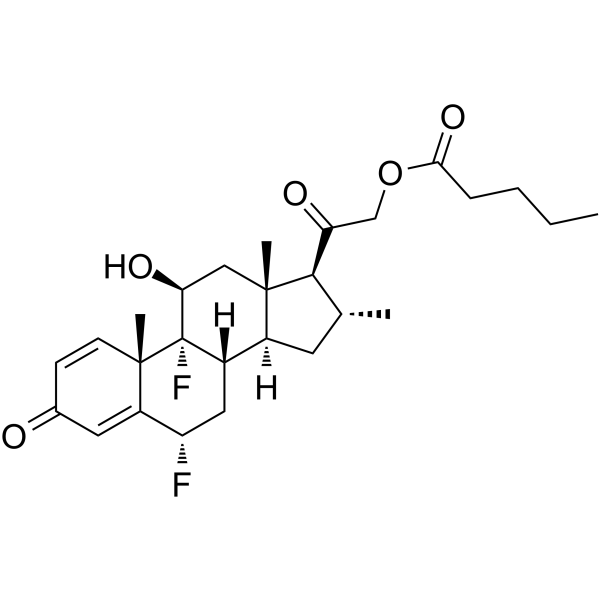
Diflucortolone valerate
 0 Images
Diflucortolone valerate is a powerful corticosteroid used topically for the research of various skin diseases.
-
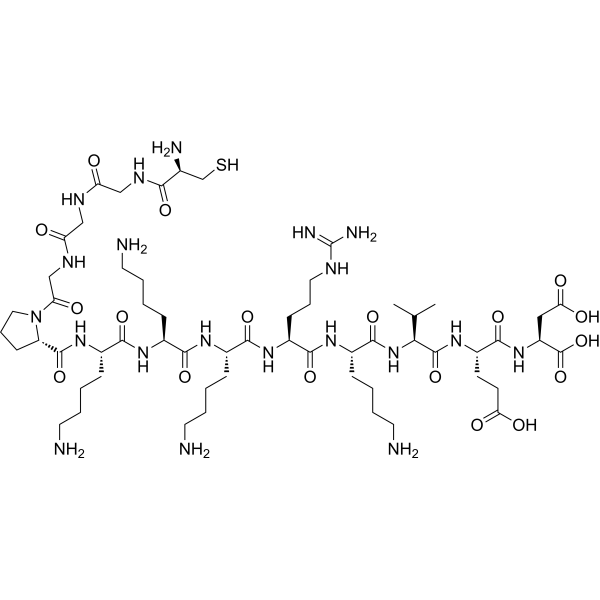
SV40 large T antigen NLS
 0 Images
SV40 large T antigen NLS is from Large T antigen residue 47 to 55, enables protein import into cell nucleus.
-
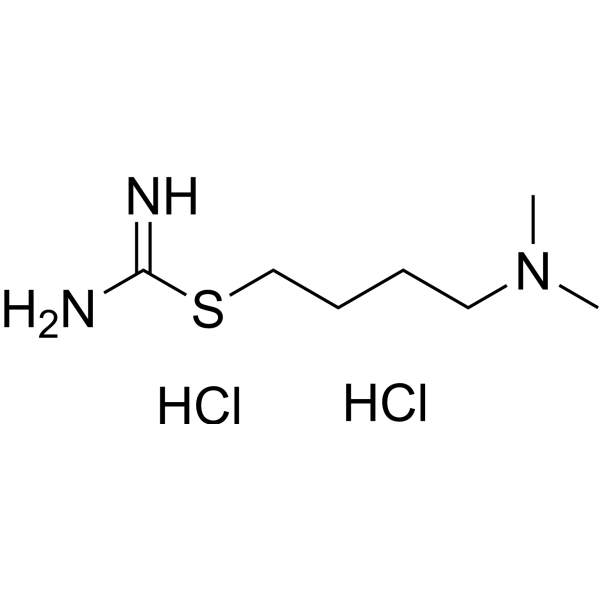
SKF 91488 dihydrochloride
 0 ImagesSynonyms: Homodimaprit dihydrochloride
SKF 91488 (Homodimaprit) dihydrochloride is a potent and noncompetitive histamine N-methyltransferase inhibitor with a Ki value of 0.9 μM. SKF 91488 dihydrochloride can block histamine metabolism and increase histamine concentrations. SKF 91488 dihydrochloride can increase blood pressure and enhance bronchoconstriction. SKF 91488 can be used for the researches of infection, inflammation and cardiovascular disease, such as Mycoplasma pneumonia and hemorrhagic hypotension.
-
SSM3 tetraTFA hydrate
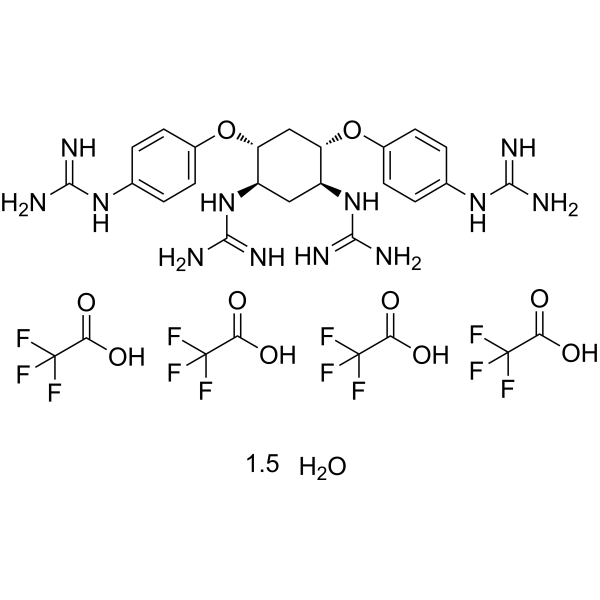 0 ImagesCat. No.: HY-110147BPurity: 99.9%
SSM-3 tetraTFA hydrate is a potent furin inhibitor with an EC50 of 54 nM. SSM-3 tetraTFA hydrate uses its positively charged guanidyl group to form strong electrostatic interactions with the negatively charged residues in the catalytic center of furin, thereby competitively occupying and blocking the active site. SSM-3 tetraTFA hydrate can be used in the research of anthrax and avian influenza.
-
β-Amyrone
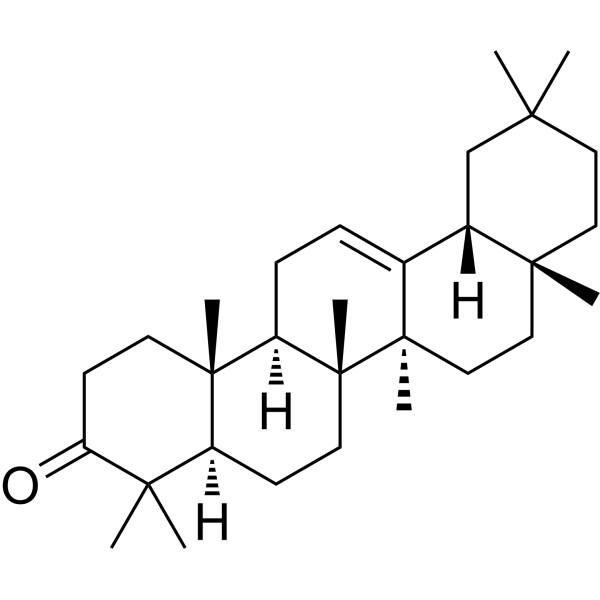 0 Images
β-Amyrone (β-Amyron) is a triterpene compound which has anti-inflammatory activity through inhibiting the expression of COX-2. β-Amyrone has antifungal activity , as well as antiviral activity against Chikungunya virus. β-Amyrone also inhibits α-glucosidase and acetylcholinesterase (AChE) activity. β-Amyrone can be used in the research of disease like inflammation, infection, and obesity.
-
Phytol (Standard)
 0 Images
Phytol (Standard) is the analytical standard of Phytol. This product is intended for research and analytical applications. Phytol ((E)-Phytol) is an orally active diterpenoid alcohol that can be extracted from chlorophyll. Phytol has antioxidant, anti-inflammatory, anti-schistosomiasis and antibacterial activities[1][2][3].