Inflammation/Immunology
-
Inflammation/Immunology Related Products (20875)
Related Products (20875)

-
Antibodies (115)
-
Related Compound Screening Libraries (4)
-
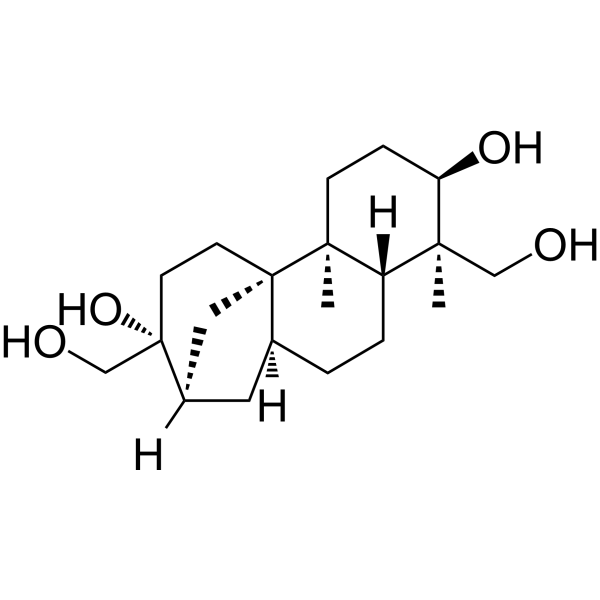
Aphidicolin
 0 Images
Aphidicolin is an inhibitor of DNA polymerase α and δ, prevents mitotic cell division by interfering DNA polymerase activity. Aphidicolin is an antibiotic produced by mold Cephalosporium aphidicola, inhibits cellular deoxyribonucleic acid synthesis and the growth of herpes simplex virus. Aphidicolin exhibits anti-orthopoxvirus activity and potentiates apoptosis induced by arabinosyl nucleosides in a human promyelocytic leukemia cell line.
-
E-64
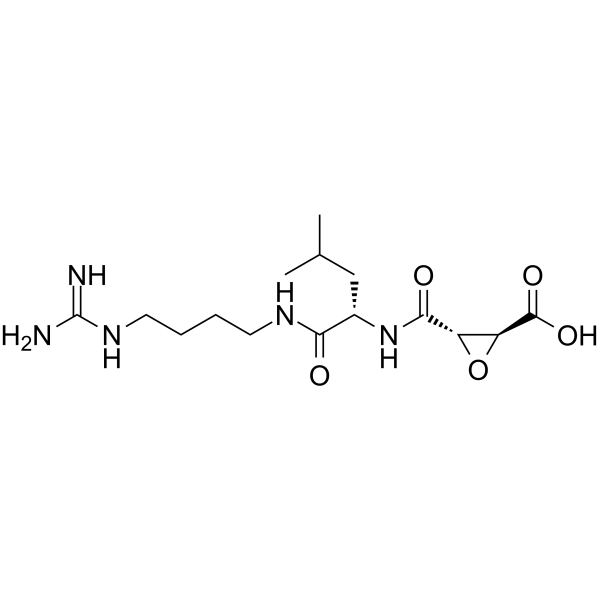 0 ImagesSynonyms: Proteinase inhibitor E 64
E-64 (Proteinase inhibitor E 64) is a potent irreversible inhibitor against general cysteine proteases with IC50 of 9 nM for papain.
-
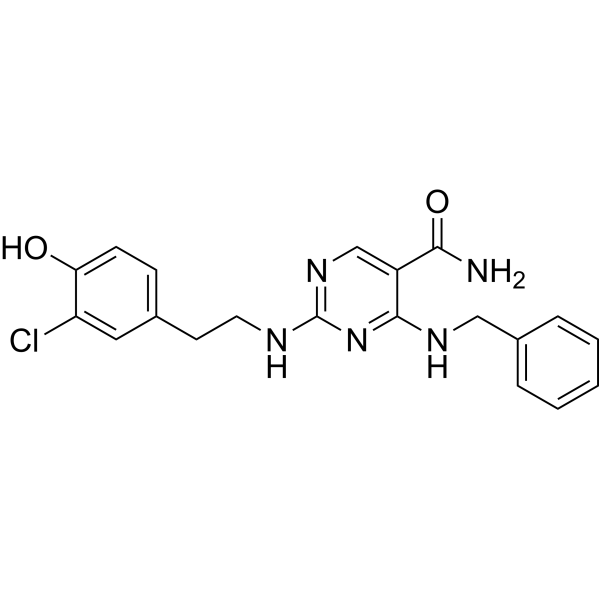
Sapanisertib
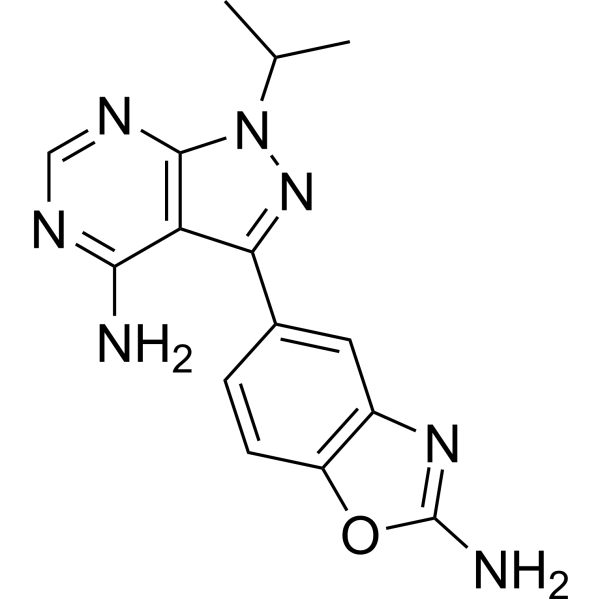 0 ImagesSynonyms: INK-128; MLN0128; TAK-228
Sapanisertib (INK-128; MLN0128; TAK-228) is an orally active dual mTORC1/mTORC2 inhibitor. Sapanisertib directly and simultaneously inhibits mTORC1/2 activity through competitive binding with ATP, thereby comprehensively blocking downstream processes such as protein and lipid synthesis and cytoskeletal reorganization, consequently suppressing tumor cell proliferation and promoting apoptosis. Sapanisertib is applicable to research on melanoma, ovarian cancer, pulmonary fibrosis, and hematological malignancies.
-
Edaravone
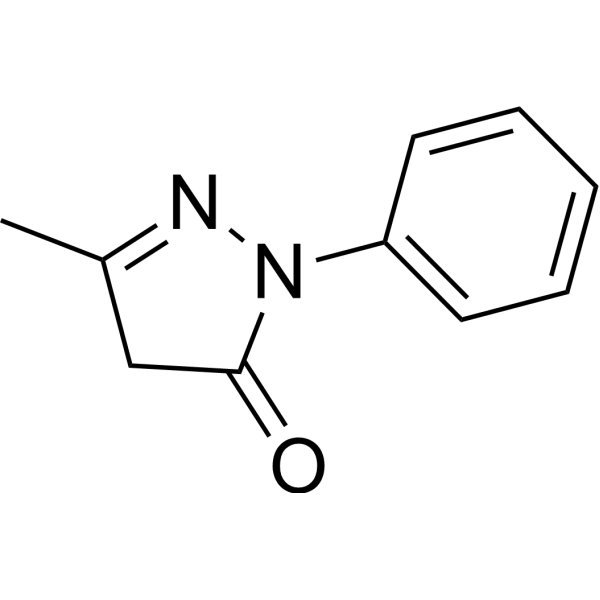 0 Images
Edaravone is a strong novel free radical scavenger, and inhibits MMP-9-related brain hemorrhage in rats treated with tissue plasminogen activator.
-
Palmitoleic acid
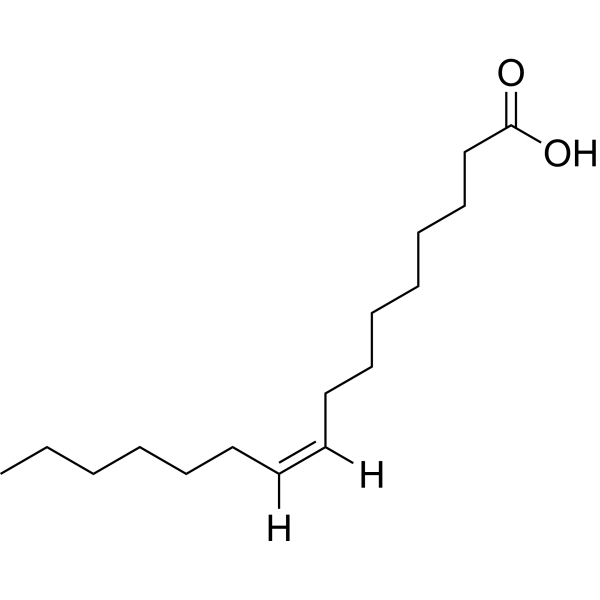 0 Images
Palmitoleic acid, a composition of fatty acid, is implicated in the prevention of death from cerebrovascular disorders in SHRSP rats.
-
DSP Crosslinker
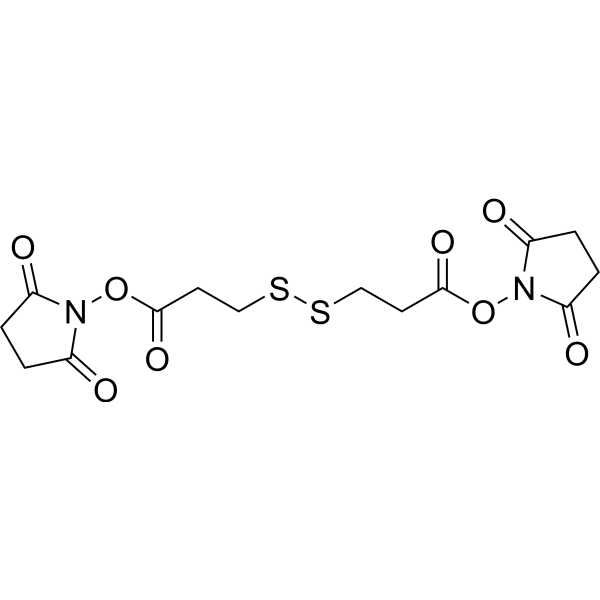 0 Images
DSP Crosslinker is an amine-reactive and cleavable protein crosslinker. DSP Crosslinker enables stable protein-protein, peptide, and biomolecule conjugation.
-
Coenzyme Q10
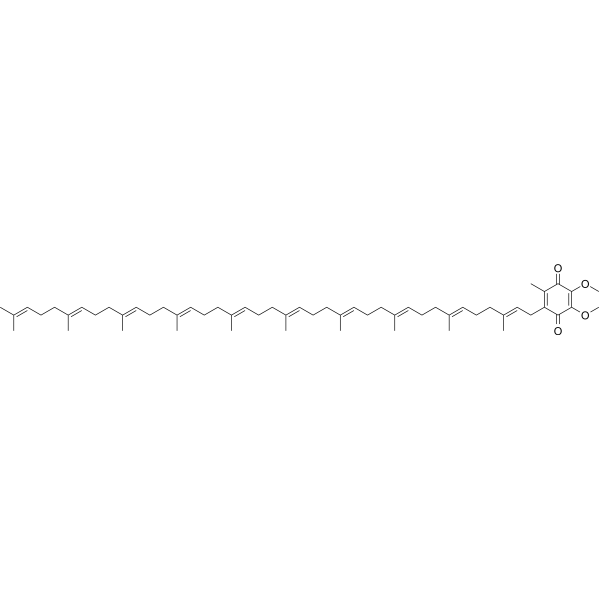 0 Images
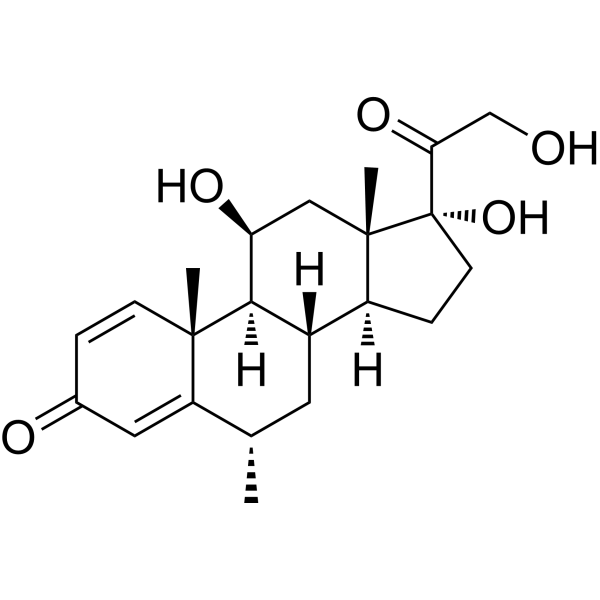
Coenzyme Q10 is an essential cofactor of the electron transport chain and a potent antioxidant agent.
-
ODN 1826
 0 ImagesCat. No.: HY-146245CAS No.: 202668-42-6Synonyms: CpG 1826
ODN 1826 is a class B CpG ODN (oligodeoxynucleotide) and TLR9 agonist. ODN 1826 induces NO and iNOS production and enhances Apoptosis. ODN 1826 enhances immune surveillance. ODN 1826 increases aortic atherosclerotic plaque size. ODN 1826 has antitumor activity against lung cancer, glioma and melanoma.
-
Sodium iodoacetate
 0 Images
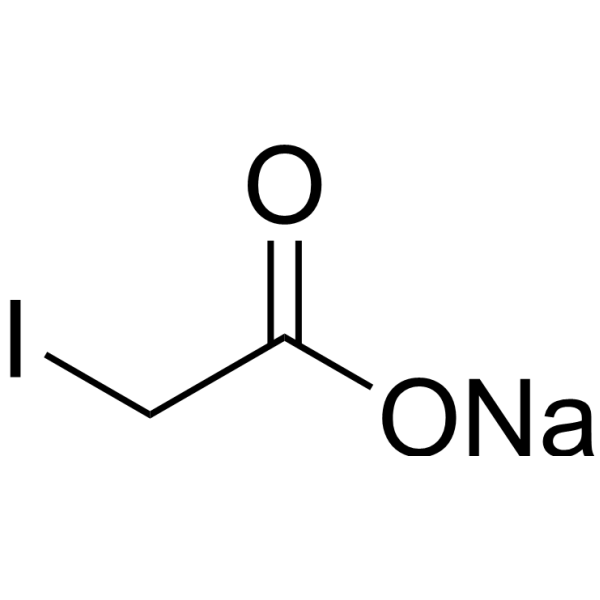
Sodium iodoacetate is a specific inhibitor of GAPDH and has glycolysis inhibitory activity. In addition, sodium iodoacetate can induce osteoarthritis and related pain models in experimental animals.
-
Losartan
 0 ImagesSynonyms: DuP-753
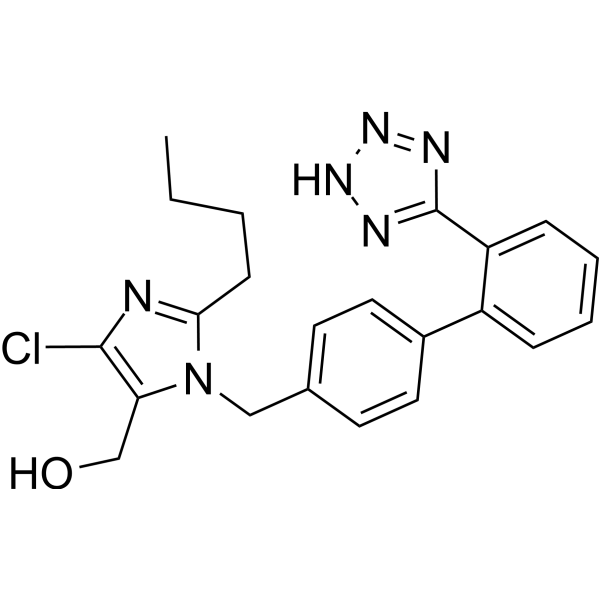
Losartan is an angiotensin II receptor antagonist, competing with the binding of angiotensin II to AT1 receptors with IC50 of 20 nM.
-
Brequinar
 0 ImagesSynonyms: DUP785; NSC 368390
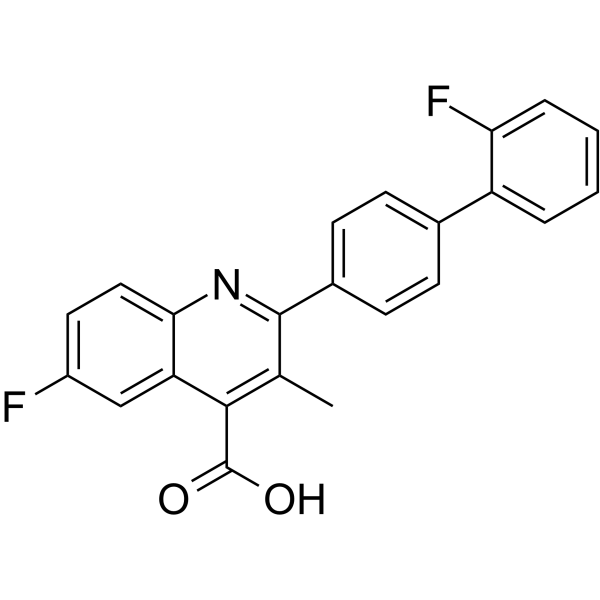
Brequinar (DUP785) is a potent inhibitor of dihydroorotate dehydrogenase (DHODH) with an IC50 of 5.2 nM for human DHODH. Brequinar has potent activities against a broad spectrum of viruses. Brequinar also has an anti-SARS2 activity.
-
Deferoxamine
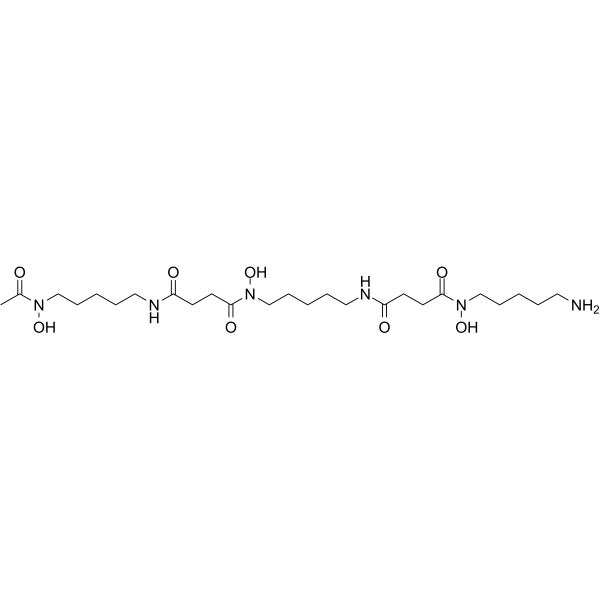 0 ImagesSynonyms: Deferoxamine B; Deferriferrioxamine B; Deferrioxamine
Deferoxamine (Deferoxamine B) is an iron chelator (binds to Fe(III) and many other metal cations), is widely used to reduce iron accumulation and deposition in tissues. Deferoxamine upregulates HIF-1α levels with good antioxidant activity. Deferoxamine also shows anti-proliferative activity, can induce apoptosis and autophagy in cancer cells. Deferoxamine can be used in studies of diabetes, neurodegenerative diseases as well as anti-cancer and anti-COVID-19.
-
Rutin
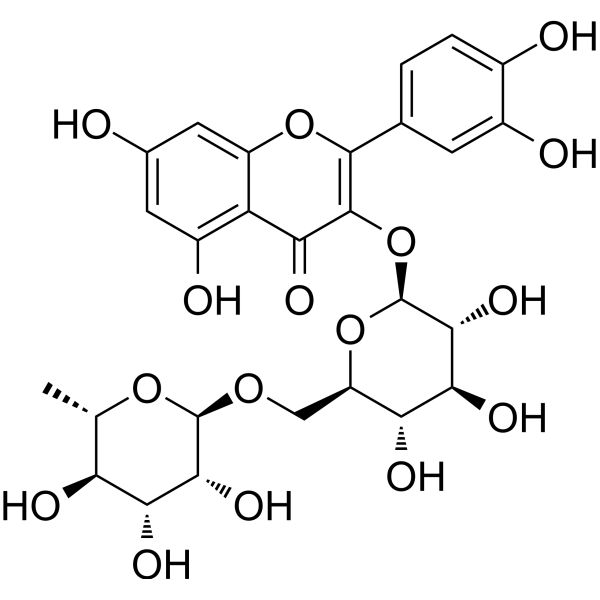 0 Images
Rutin (Rutoside) is a flavonoid found in many plants and shows a wide range of biological activities including anti-inflammatory, antidiabetic, antioxidant, neuroprotective, nephroprotective, hepatoprotective and reducing Aβ oligomer activities. Rutin is also a CBR1 inhibitor, which can cross the blood brain barrier. Rutin attenuates vancomycin-induced renal tubular cell apoptosis via suppression of apoptosis, mitochondrial dysfunction, and oxidative stress.
-
L-Serine
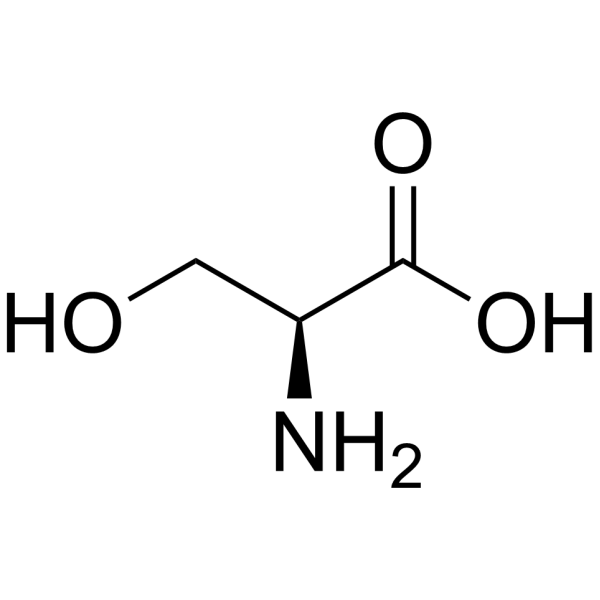 0 Images
L-Serine ((-)-Serine; (S)-Serine), one of the so-called non-essential amino acids, plays a central role in cellular proliferation.