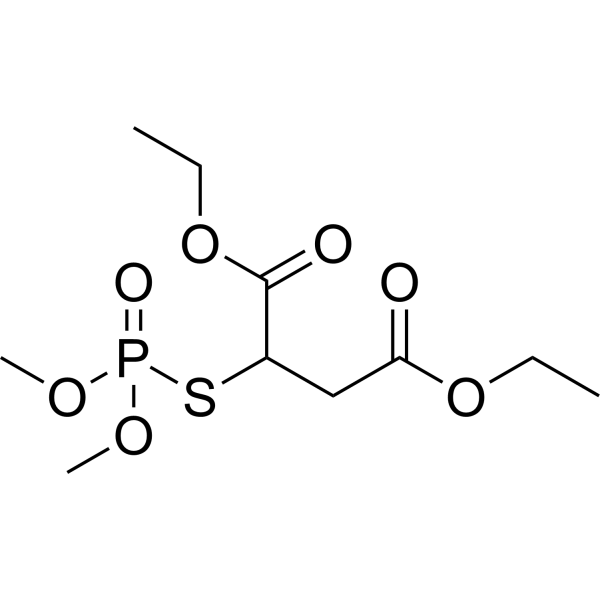
Cholinesterase (ChE) Inhibitor
-
Dimethyl sulfoxide, meets analytical specification of Ch.P.
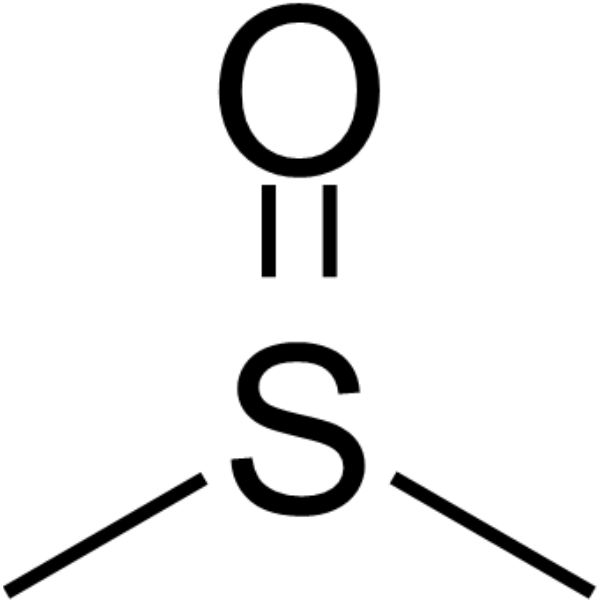 0 ImagesSynonyms: DMSO, meets analytical specification of Ch.P.
Dimethyl sulfoxide (DMSO), meets analytical specification of Ch.P. is an aprotic solvent that dissolves polar and non-polar compounds, including water-insoluble therapeutic and toxic agents. Dimethyl sulfoxide (DMSO) has a strong affinity for water and can rapidly penetrate or enhance the penetration of other substances into biological membranes. Dimethyl sulfoxide also has potential free radical scavenging and anticholinesterase effects and may affect coagulation activity. Dimethyl sulfoxide also induces histamine release from mast cells but is thought to have low systemic toxicity. Dimethyl sulfoxide also exhibits antifreeze and antibacterial properties.
MCE provides Dimethyl sulfoxide that complies with the inspection standards (Ch.P) of Part 4 of the Chinese Pharmacopoeia (2020 Edition). Amicrobic, low endotoxin, can be used in various biochemical experiments such as drug dissolution.
-
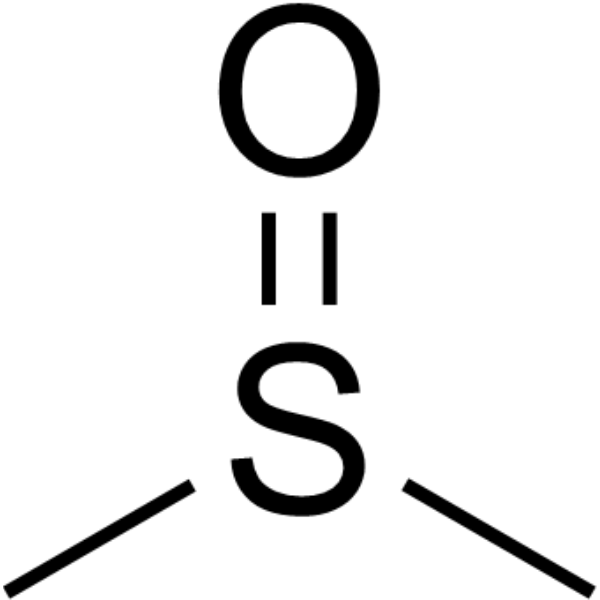
Dimethyl sulfoxide
 0 Images
Dimethyl sulfoxide (DMSO) is an aprotic solvent that can dissolve water-insoluble therapeutic and toxic agents. Dimethyl sulfoxide (DMSO) has a strong affinity for water and has the ability to rapidly penetrate or enhance the penetration of other substances through biological membranes. Dimethyl sulfoxide also has potential free radical scavenging and anticholinesterase effects and may affect coagulation activity. Dimethyl sulfoxide also induces histamine release from mast cells but is thought to have low systemic toxicity.
Low endotoxin, can be used in various biochemical experiments such as drug dissolution.
-
Phosphatidylcholines, egg
 0 Images
Phosphatidylcholines, egg are a type of phosphatidylcholine that can be isolated and extracted from eggs, primarily present in egg yolks. As a major phospholipid component of cell membranes, Phosphatidylcholines, egg play a key role in providing nutrition and protection to the body. Phosphatidylcholines, egg can inhibit oxidative stress and neurotoxicity, exerting neuroprotective effects. Additionally, Phosphatidylcholines, egg can suppress the lymphatic absorption of cholesterol in the intestine and are also used in research on intestinal lipid absorption.
-
Dimethyl sulfoxide, cryoprotectant vitrification agent
 0 ImagesSynonyms: DMSO, cryoprotectant vitrification agent; Dimethyl sulfoxide vitrification agent
Dimethyl sulfoxide, cryoprotectant vitrification agent (DMSO, cryoprotectant vitrification agent) is a biochemical reagent that can be used as a biological material or organic compound for life science related research. This product has been sterilized and has no endotoxin. It can be used for long-term cell cryopreservation and will not affect the normal growth of cells.
-
Hemicholinium 3
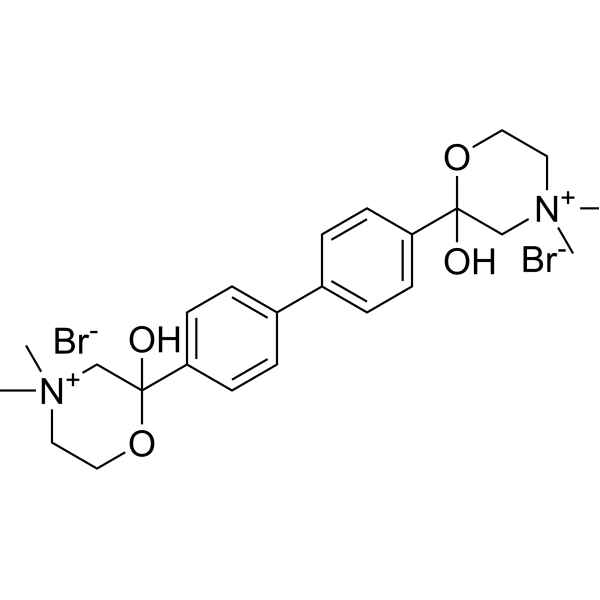 0 Images
Hemicholinium 3 is a competitive inhibitor of the high affinity choline transporter (HACU) with a Ki value of 25 nM. Hemicholinium 3, a neuromuscular blocking agent which inhibits the synthesis and the release of acetylcholine (ACh). Hemicholinium 3 inhibits the Epibatidine-evoked contraction and [3H]acetylcholine release with IC50s of 897 nM and 693 nM, respectively.
-
Iso-OMPA
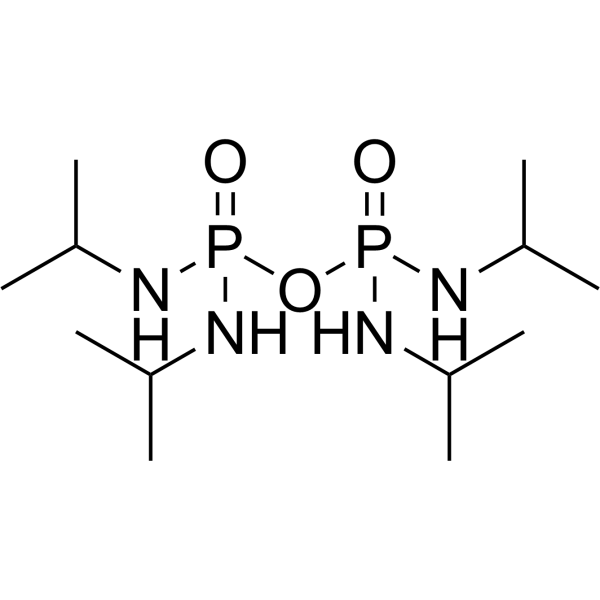 0 Images
Iso-OMPA (Tetraisopropyl pyrophosphoramide) is a selective inhibitor of the irreversible butyrylcholinesterase (BuChE). Iso-OMPA enhances soman toxicity in rats associated with the inhibition of plasma carboxylesterase (CarbE).
-
Neostigmine Bromide
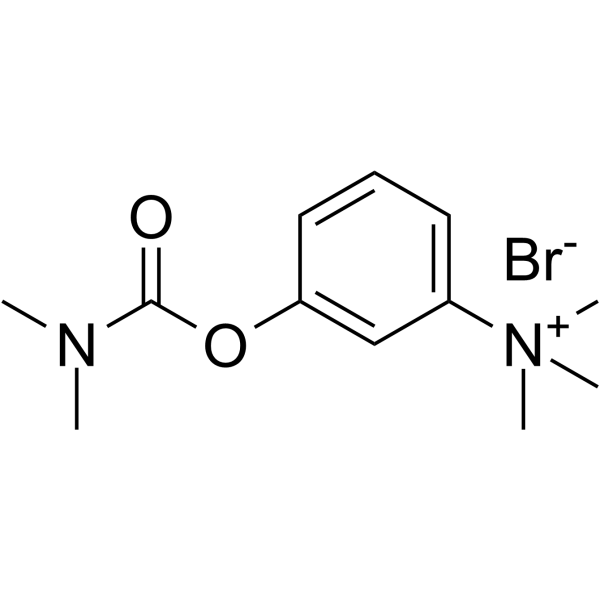 0 Images
Neostigmine (Eustigmin) Bromide is an orally active and reversible cholinesterase inhibitor that acts on myasthenia gravis to prolong and intensify the muscarinic and nicotinic effects of acetylcholine. Neostigmine Bromide can be used in anesthesia to reverse the neuromuscular blockade produced by competitive neuromuscular blockers.
-
Physostigmine
 0 Images
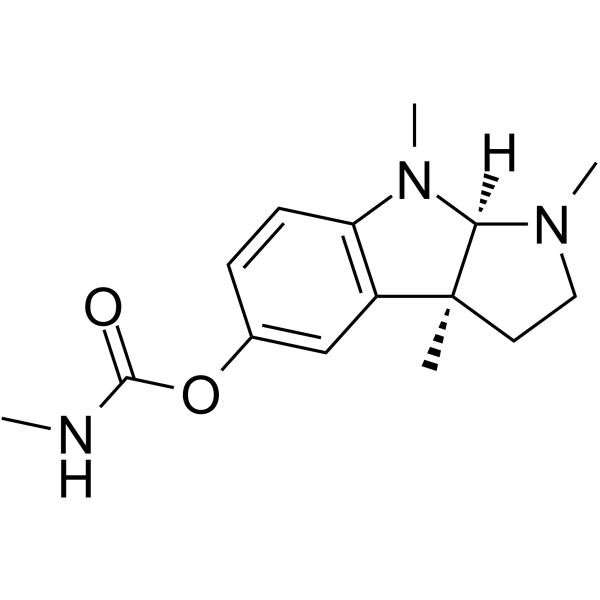
Physostigmine (Eserine) is a reversible acetylcholinesterase (AChE) inhibitor. Physostigmine can crosses the blood-brain barrier and stimulates central cholinergic neurotransmission. Physostigmine can reverse memory deficits in transgenic mice with Alzheimer's disease. Physostigmine is also an antidote for anticholinergic poisoning.
-
Dimethyl sulfoxide (Standard)
 0 ImagesSynonyms: DMSO, meets analytical specification of Ch.P. (Standard)
Dimethyl sulfoxide (Standard) is the analytical standard of Dimethyl sulfoxide. This product is intended for research and analytical applications. Dimethyl sulfoxide (DMSO) is an aprotic solvent that dissolves both polar and nonpolar compounds. Dimethyl sulfoxide has anti-freezing and bacteriostatic properties.
-
Lecithins, egg
 0 ImagesSynonyms: Lecithins, egg yolk; Belovo PL 85
Lecithins, egg (Lecithins, egg yolk; Belovo PL 85) is an orally active natural phospholipid mixture extracted from egg yolks. Lecithins, egg inhibits the activities of acetylcholinesterase (AChE) and angiotensin-converting enzyme (ACE). Lecithins, egg exhibits antibacterial, antioxidant and anti-inflammatory activities, and helps delay cellular senescence. Lecithins, egg enhances nerve conduction, improves memory and cognitive function, and exerts positive effects on delaying neurodegenerative diseases. Lecithins, egg promotes lipid absorption and alleviates diarrhea. Lecithins, egg acts as a high-efficiency drug carrier for the preparation of targeted drug delivery systems such as liposomes.
-
Flavonol
 0 Images
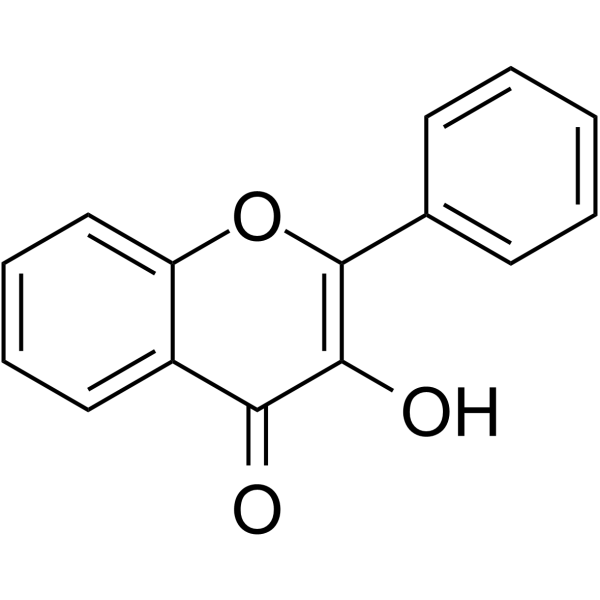
Flavonol is a cholinesterase (ChE) inhibitor, with an IC50 value of 120 μM and a Ki value of 74 μM. Flavonol has antioxidant, free radical-scavenging, antibacterial properties, and immune modulation functions. Flavonol inhibits the PriA helicase of Staphylococcus aureus. Flavonol can suppress the production of NO in LPS-activated RAW 264.7 cells by inhibiting the expression of the iNOS enzyme. Flavonol shows protective and analgesic effects in mice through various neuronal pathways. Flavonol can be used in research related to tumors and atherosclerosis diseases.
-
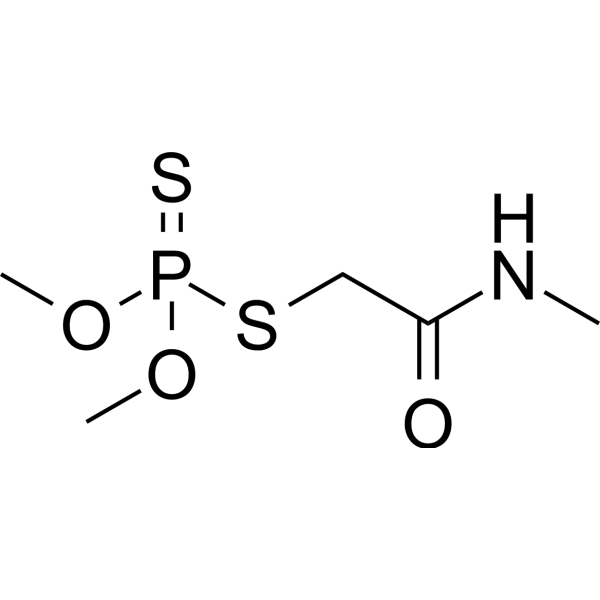
Dimethoate
 0 Images
Dimethoate is an organophosphate insecticide and acaricide. Dimethoate is an orally active acetylcholinesterase inhibitor. Dimethoate induces reactive oxygen species (ROS). Dimethoate induces DNA damage and cell apoptosis in vivo. Dimethoate affect immune system in mice.
-
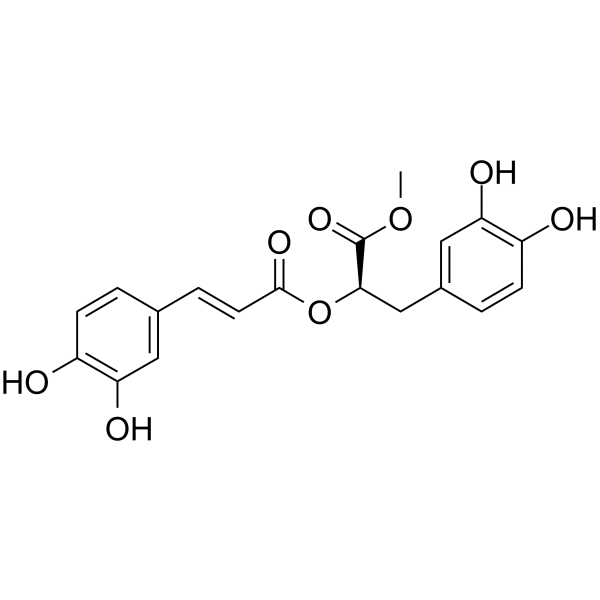
Methyl rosmarinate
 0 Images
Methyl rosmarinate is an orally active hydroxycinnamic acid. Methyl rosmarinate exhibits an IC50 of 24.70 μM and a Ki of 15.29 μM against PTP1B, an IC50 of 41.46 μg/mL against BChE, a Ki of 0.61 mM against mushroom tyrosinase, and an IC50 of 2.50 μM against SARS-CoV-2 3CLpro. Methyl rosmarinate downregulates the phosphorylation levels of ERK, JNK, p38, Smad2 and Smad3. Methyl rosmarinate activates erythrocyte BPGM and promotes the production of 2,3-BPG. Methyl rosmarinate induces apoptosis of fibroblasts. Methyl rosmarinate prolongs the survival time of hypoxic mice. Methyl rosmarinate improves insulin sensitivity. Methyl rosmarinate binds to SARS-CoV-2 3CLpro and inhibits viral replication. Methyl rosmarinate induces glioblastoma cell death. Methyl rosmarinate activates the TGR5/AMPK axis and reduces the levels of ROS and MDA. Methyl rosmarinate shows inhibitory activity against MMP-1. Methyl rosmarinate can be used in research related to pulmonary fibrosis, hypoxia-induced injury, type 2 diabetes, Alzheimer's disease, hyperpigmentation disorders, COVID-19, glioblastoma and myocardial ischemia-reperfusion injury.
-
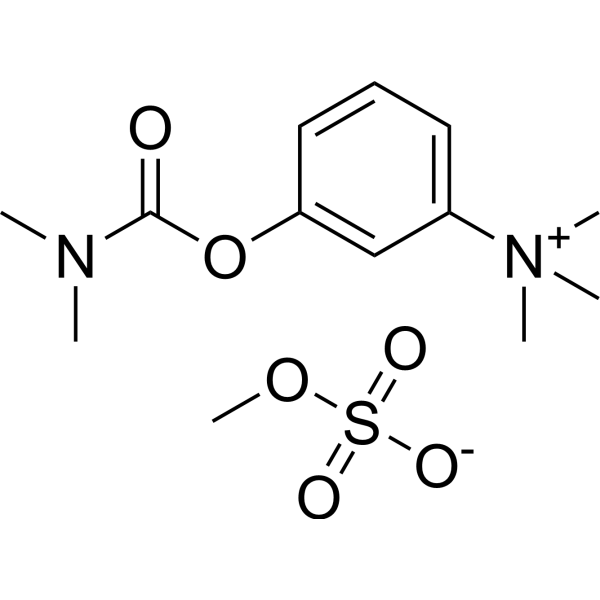
Neostigmine (methyl sulfate)
 0 Images
Neostigmine methyl sulfate is an AchE inhibitor. Neostigmine methyl sulfate increases endogenous acetylcholine levels, mediates antinociceptive effects, and alleviates heat-induced pain. Neostigmine methyl sulfate can be used in studies related to postoperative pain and sepsis.
-
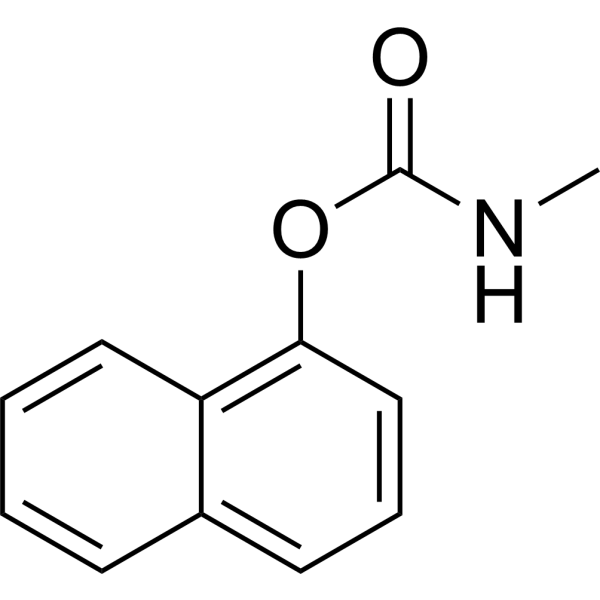
Carbaryl
 0 Images
Carbaryl is the inhibitor for acetylcholinesterase that inhibits the degradation of acetylcholine in the synaptic cleft, leads to the accumulation of acetylcholine and causes neurotoxicity. Carbaryl can be used as an insecticide.