



AMPK Activator
-
Amarogentin (Standard)
 0 ImagesCat. No.: HY-N2447RCAS No.: 21018-84-8
Amarogentin (Standard) is the analytical standard of Amarogentin. This product is intended for research and analytical applications. Amarogentin is a secoiridoid glycoside that is mainly extracted from Swertia and Gentiana roots. Amarogentin exhibits many biological effects, including anti-oxidative, anti-tumour, and anti-diabetic activities. Amarogentin exerts hepatoprotective and immunomodulatory effects. Amarogentin promotes apoptosis, arrests G2/M cell cycle and downregulates of PI3K/Akt/mTOR signalling pathways. Amarogentin exerts beneficial vasculo-metabolic effect by activating AMPK.
-
WMJ-J-09
 0 Images
WMJ-J-09 is an HDAC inhibitor with IC50 values of 7.5 nM (HDAC1), 21.3 nM (HDAC2), 18.4 nM (HDAC3), 90.9 nM (HDAC8), 3.9 nM (HDAC6) and 8715.7 nM (HDAC4). WMJ-J-09 blocks the cell cycle and induces apoptosis in cancer cells. WMJ-J-09 induces cancer cell death through the LKB1-AMPK-p38MAPK-p63-survivin signaling cascade.WMJ-J-09 inhibits HDAC enzyme activity, leading to acetylation of key proteins and thereby regulating cancer cell death. WMJ-J-09 can be used in HCT116 cells and FaDu cells research[1][2].
-
AICAR-13C2,15N
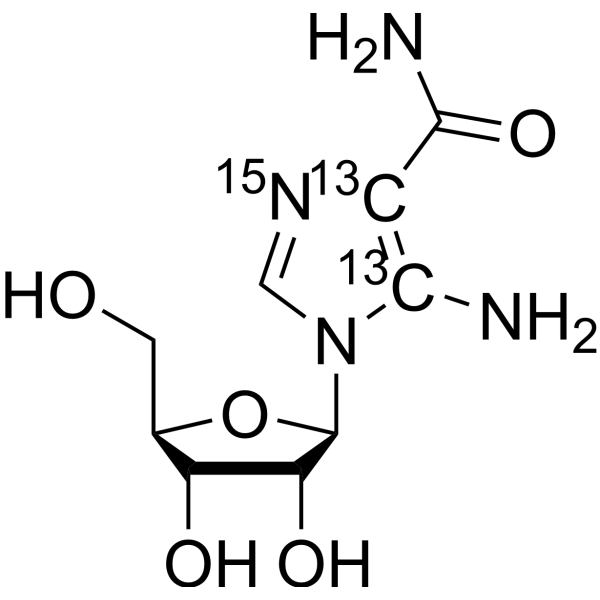 0 ImagesCat. No.: HY-13417SCAS No.: 1609374-70-0Synonyms: Acadesine-13C2,15N; AICA Riboside-13C2,15N
AICAR-13C2,15N (Acadesine-13C2,15N; AICA Riboside-13C2,15N) is the 13C and 15N labeled AICAR (HY-13417). AICAR (Acadesine) is an adenosine analog and a AMPK activator. AICAR regulates the glucose and lipid metabolism, and inhibits proinflammatory cytokines and iNOS production. AICAR is also an autophagy, YAP and mitophagy inhibitor.
-
D-Arabitol-13C-1
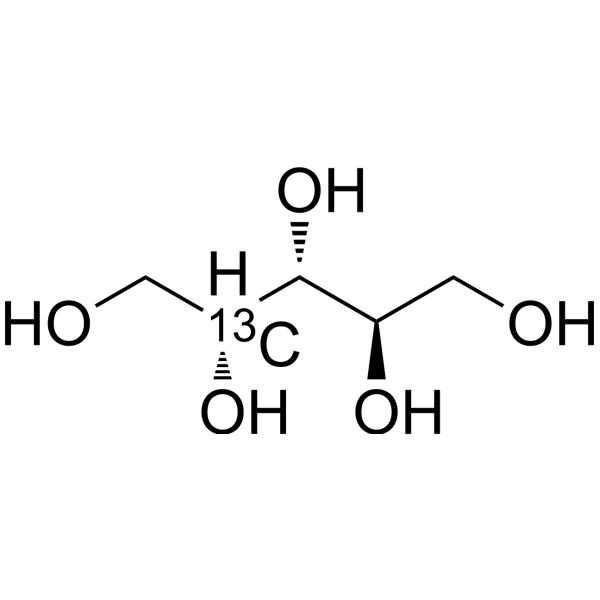 0 ImagesCat. No.: HY-N3686S1
D-Arabitol-13C-1 is the 13C labeled D-Arabitol. D-Arabitol is an orally active D-enantiomer of arabitol. D-Arabitol modulates the composition of gut microbiota, increases short-chain fatty acids, and promotes AMPK-PGC-1α-related browning of white adipose tissue. D-Arabitol improves weight gain, fat accumulation, insulin resistance, lipid deposition and inflammatory responses. D-Arabitol serves as the sole carbon/energy source for Bacillus methanolicus MGA3, a strain that can co-utilize it with mannitol. D-Arabitol is applicable to obesity-related research.
-
AMPK activator 6
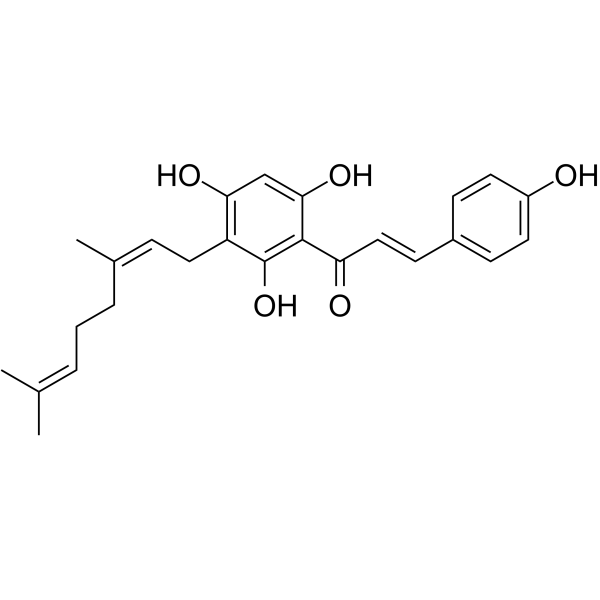 0 ImagesCat. No.: HY-146398CAS No.: 189299-03-4
AMPK activator 6 (Compound GC) reduces lipid content and activates the AMPK pathway in HepG2 and 3T3-L1 cells. AMPK activator 6 significantly suppresses the increase in triglyceride (TG) , total cholesterol (TC), low-density lipoprotein-C (LDL-C), and other biochemical indices in blood serum. AMPK activator 6 can be used for the research of non-alcoholic fatty liver disease (NAFLD) and metabolic syndrome.
-
LW1564
 0 ImagesCat. No.: HY-170027CAS No.: 2668337-39-9
LW1564 is an inhibitor for HIF-1α with an IC50 of 1.2 µM in HepG2. LW1564 inhibits mitochondrial respiration, reduces ATP production, stimulates HIF-1α degradation, and inhibits proliferation of various cancer cells with GI50 of 0.4-4.6 μM. LW1564 activates AMPK signaling pathway and inhibits lipid synthesis. LW1564 exhibits antitumor in HepG2 xenograft mouse model.
-
D-Arabitol-13C
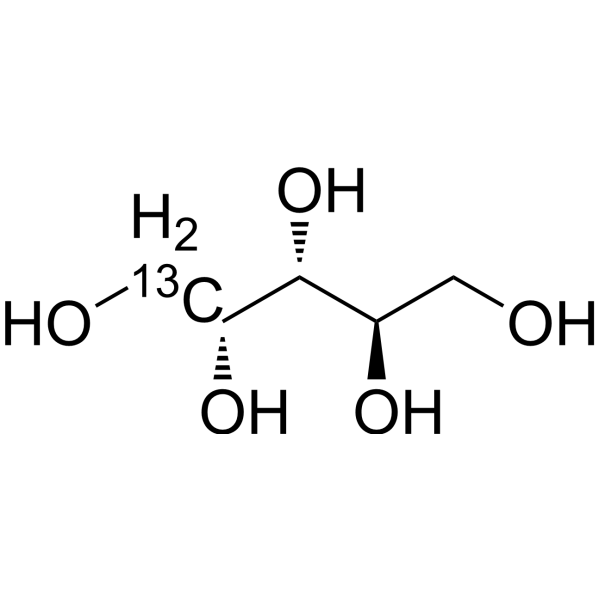 0 ImagesCat. No.: HY-N3686S
D-Arabitol-13C is the 13C labeled D-Arabitol. D-Arabitol is an orally active D-enantiomer of arabitol. D-Arabitol modulates the composition of gut microbiota, increases short-chain fatty acids, and promotes AMPK-PGC-1α-related browning of white adipose tissue. D-Arabitol improves weight gain, fat accumulation, insulin resistance, lipid deposition and inflammatory responses. D-Arabitol serves as the sole carbon/energy source for Bacillus methanolicus MGA3, a strain that can co-utilize it with mannitol. D-Arabitol is applicable to obesity-related research.
-
CRBNL-Biguanide PROTAC 1
 0 ImagesCat. No.: HY-158152
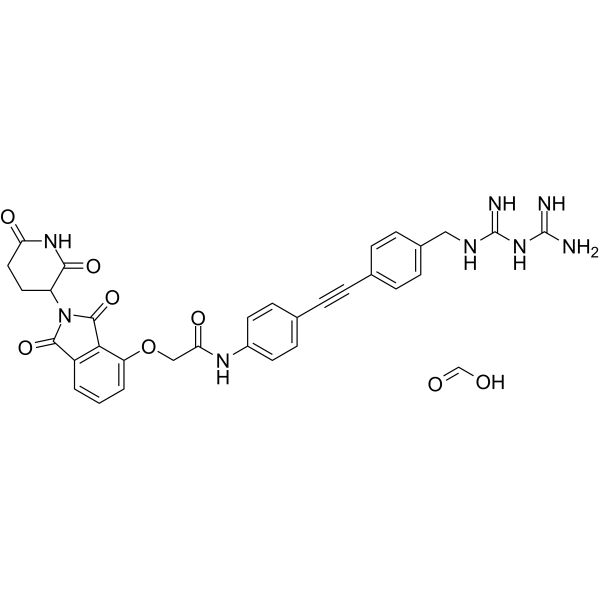
CRBNL-Biguanide PROTAC 1 is a Biguanide-PROTAC that recruits Cereblon and an AMPK activator, composed of CRBNL, a hydrophobic linker, and a PEB-Biguanide moiety. The degradation mechanism of CRBNL-Biguanide PROTAC 1 is hypothesized to involve PEB-Biguanide promoting mitochondrial enrichment and activating AMPK, while simultaneously recruiting Cereblon to bring it into proximity with mitochondrial proteins, thereby reducing COXII and NDUFB8 protein levels and perturbing mitochondrial oxidative phosphorylation. CRBNL-Biguanide PROTAC 1 is useful for pancreatic cancer and mitochondrial protein regulation research.
-
Platycodin D (Standard)
 0 ImagesCat. No.: HY-N1411RCAS No.: 58479-68-8
Platycodin D (Standard) is the analytical standard of Platycodin D. This product is intended for research and analytical applications. Platycodin D is a saponin isolated from Platycodon grandiflorus, acts as an activator of AMPKα, with anti-obesity property. WNT/β-catenin pathway mediates the anti-adipogenic effect of platycodin D.
-
Karanjin (Standard)
 0 Images
Karanjin (Standard) is the analytical standard of Karanjin. This product is intended for research and analytical applications. Karanjin is an orally active furanoflavonoid which can be isolated from several Leguminosae. Karanjin exhibits evident anti-diabetic, anti-cancer, anti-inflammatory, antioxidant, anticolitis, anti-ulcer, anti-Alzheimer properties and multiple insect repellent/insecticidal, acaricide properties, suggesting the potential of Karanjin to be applied to relevant research.
-
D-Arabitol-13C-2
 0 ImagesCat. No.: HY-N3686S2
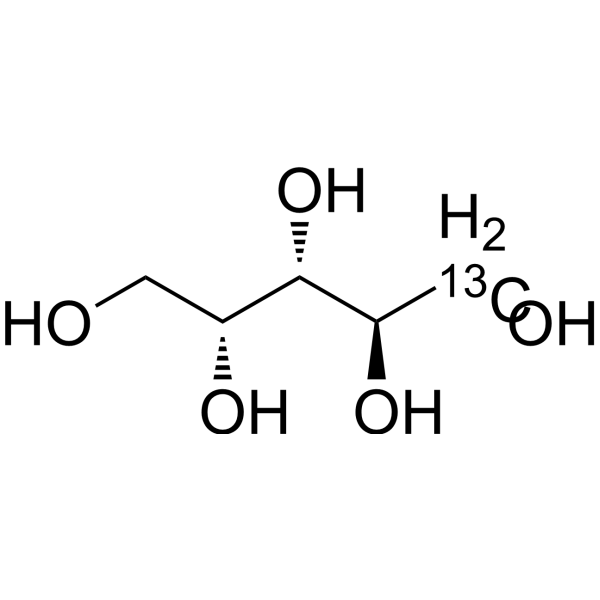
D-Arabitol-13C-2 is the 13C labeled D-Arabitol. D-Arabitol is an orally active D-enantiomer of arabitol. D-Arabitol modulates the composition of gut microbiota, increases short-chain fatty acids, and promotes AMPK-PGC-1α-related browning of white adipose tissue. D-Arabitol improves weight gain, fat accumulation, insulin resistance, lipid deposition and inflammatory responses. D-Arabitol serves as the sole carbon/energy source for Bacillus methanolicus MGA3, a strain that can co-utilize it with mannitol. D-Arabitol is applicable to obesity-related research.
-
Candidusin A
 0 ImagesCat. No.: HY-N16066CAS No.: 81474-59-1Synonyms: CHNQD-0803
Candidusin A (CHNQD-0803) (Compound 4) is a AMPK activator with a KD of 47.28 nM. Candidusin A can be isolated from marine fungus Aspergillus candidus. Candidusin A has cytotoxic activity and induces apoptosis in human prostate cancer cells (22Rv1, PC-3 and LNCaP cells). Candidusin A reduces adipogenesis genes expression and fat deposition, negatively regulates the NF-κB-TNFα inflammatory axis to suppress inflammation, and ameliorates liver injury and fibrosis. Candidusin A can be used for non-alcoholic steatohepatitis (NASH) research.
-
JJO-1
 0 ImagesCat. No.: HY-124919CAS No.: 16722-44-4
JJO-1 is an AMPK activator with an EC50 of 1.8 μM. JJO-1 can be used in the study of obesity and type 2 diabetes.
-
Metformin (glycinate)
 0 ImagesCat. No.: HY-B0627ACAS No.: 121369-64-0Synonyms: 1,1-Dimethylbiguanide (glycinate)
Metformin (1,1-Dimethylbiguanide) glycinate inhibits the mitochondrial respiratory chain in the liver, leading to AMPK activation and enhancing insulin sensitivity, and can be used in the study of type 2 diabetes. Metformin glycinate exerts central glucose-lowering effects by inhibiting Ras-related protein 1 (Rap1) in SF1 hypothalamic neurons. Metformin glycinate also inhibits liver oxidative stress, nitrosative stress, inflammation, and apoptosis caused by liver ischemia/reperfusion injury. In addition, Metformin glycinate regulates the expression of autophagy-related proteins by activating AMPK and inhibiting the mTOR signaling pathway, thereby inducing tumor cell autophagy and inhibiting the growth of renal cell carcinoma in vitro and in vivo.
-
Jervine (Standard)
 0 Images
Jervine (Standard) (11-Ketocyclopamine (Standard)) is the analytical standard of Jervine (HY-N0836). This product is intended for research and analytical applications. Jervine (11-Ketocyclopamine) is an orally active steroidal alkaloid and Hedgehog signaling pathway inhibitor. Jervine can be isolated from Veratrum californicum. Jervine regulates Wnt, inhibits the AKT/mTOR signaling pathway, and activates the AMPK signaling pathway. Jervine induces DNA damage, Apoptosis, Autophagy, ROS production and Mitochondrial damage. Jervine exhibits anti-cancer and anti-inflammatory activities. Jervine reduces tumor growth rate and weight in xenograft models. Jervine can be used in studies related to triple-negative breast cancer, nasopharyngeal carcinoma and non-small cell lung cancer.
-
D-Arabinopyranose-13C5
 0 ImagesCat. No.: HY-N7082SPurity: 99.9%
D-Arabinopyranose-13C5 is the 13C-labeled D-Arabinopyranose (HY-N7082). D-Arabinpyranose is is an orally active antidepressant and a growth inhibitor of C. elegans (IC50 is 7.5 mM). D-Arabinpyranose can penetrate the blood-brain barrier, selectively interfere with the metabolism of D-ribose and D-fructose, and inhibit the growth of nematodes. D-Arabinpyranose can also inhibit the synthesis of cell biofilm and exert antibacterial activity. D-Arabinpyranose activates the ACSS2-PPARγ/TFEB-CRTC1 axis through the lysosomal AXIN-LKB1-AMPK pathway, inducing CRTC1 transcription, exerts antidepressant-like activity. D-Arabinpyranose is the ring-opened form of the aldopentose D-Arabinpyranose (HY-N7082).
-
AMPK activator 15
 0 ImagesCat. No.: HY-168639
AP39 prodrug 1 (Compound M1) is a mitochondria-targeted H2S prodrug. AP39 prodrug 1 induces ROS-dependent mild mitochondrial uncoupling, activating mitochondria-associated AMPK to suppress Palmitic acid (PA) (HY-N0830)-induced lipid deposition in hepatocytes.
-
CB1R/AMPK modulator 1
 0 ImagesCat. No.: HY-155967CAS No.: 2711012-08-5
-
DBI-2
 0 ImagesCat. No.: HY-162516CAS No.: 2939087-00-8
DBI-2 is an AMPK activator targeting mitochondrial complex I. DBI-2 disrupts the OXPHOS process, and reduces ATP generation in mitochondria. DBI-2 inhibits the proliferation of colorectal cancer (CRC) cells.
-
KARI 101
 0 ImagesCat. No.: HY-186165CAS No.: 3061559-97-2
KARI 101 is a blood-brain barrier permeable acid sphingomyelinase (ASM) inhibitor. KARI 101 directly inhibits ASM activity and reduces ceramide production. KARI 101 induces Ca2+ mobilization, activates AMPK and triggers GHSR1α internalization. KARI 101 can be used for the research of Alzheimer's disease.



