



Caspase 3 Modulator
- 1
-
Fezakinumab
 0 ImagesSynonyms: ILV 094
Fezakinumab (ILV 094) is an anti-IL-22 monoclonal antibody. Fezakinumab inhibits IL-22 signal transduction, and regulates the JAK1/STAT3 pathway as well as apoptotic proteins. Fezakinumab alleviates airway remodeling, alveolar enlargement and inflammatory cell infiltration in lung tissues. Fezakinumab reduces the levels of neutrophils, lymphocytes, eosinophils and macrophages in lung tissues. Fezakinumab can be used in the research of chronic obstructive pulmonary disease and skin diseases.
-
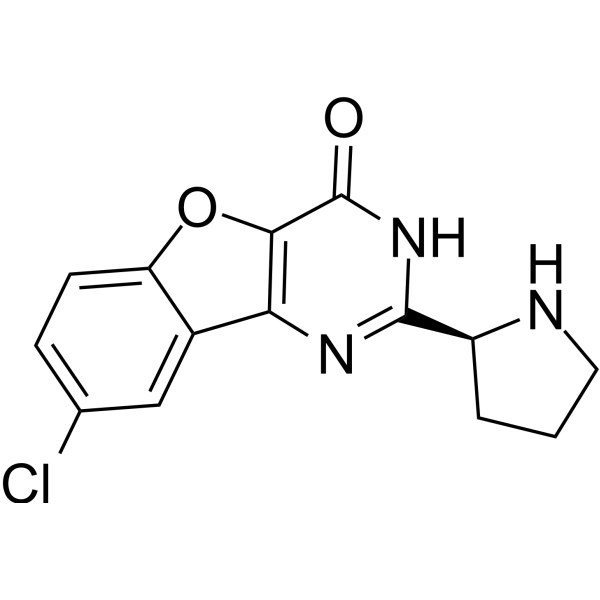
XL413
 0 ImagesSynonyms: BMS-863233
XL413 (BMS-863233) is an orally active, ATP-competitive, selective CDC7 kinase inhibitor. XL413 reduces MCM2 phosphorylation levels, decreases DNA replication origin activation, and inhibits CD69 upregulation in stimulated lymphocytes. XL-413 possesses cell-dependent antiproliferative and pro-apoptotic activities. XL413 attenuates ATR inhibitor-induced excessive origin activation, altered replication fork speed, and antiproliferative effects in sensitive cancer cells. XL413 inhibits SARS-CoV-2 infection. XL413 can be used for research related to cancer and SARS-CoV-2 infection.
-
Corynoline
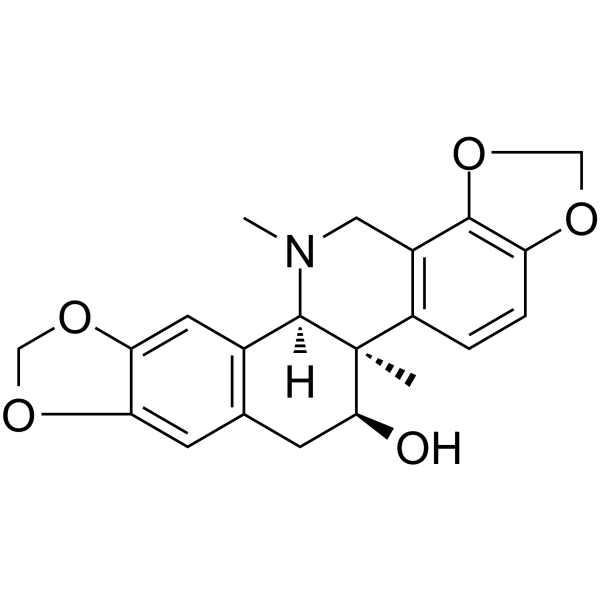 0 ImagesCorynoline is an orally active acetylcholinesterase (AChE) inhibitor with an IC50 of 30.6 μM. Corynoline exhibits multiple activities including anti-inflammatory, antinociceptive, antitumor and analgesic effects. Corynoline can be used in the research of diseases such as tumors and inflammatory pain.
-
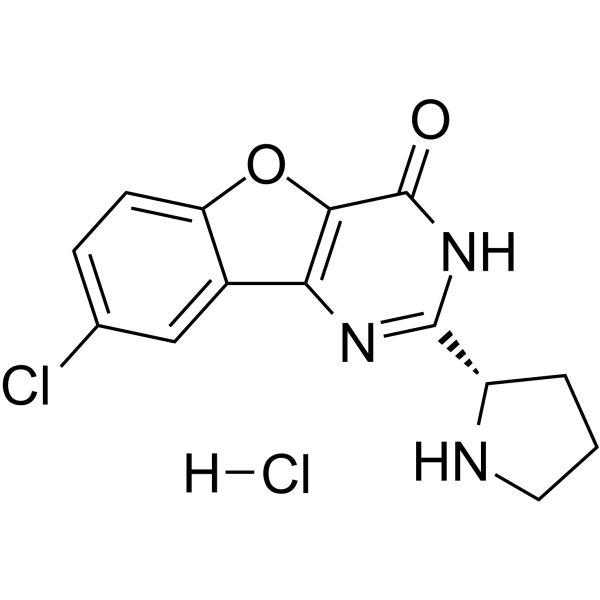
XL413 monohydrochloride
 0 ImagesSynonyms: BMS-863233 monohydrochloride
XL413 monohydrochloride (BMS-863233 monohydrochloride) is an orally active, ATP-competitive, selective CDC7 kinase inhibitor. XL413 monohydrochloride reduces MCM2 phosphorylation levels, decreases DNA replication origin activation, and inhibits CD69 upregulation in stimulated lymphocytes. XL-413 possesses cell-dependent antiproliferative and pro-apoptotic activities. XL413 monohydrochloride attenuates ATR inhibitor-induced excessive origin activation, altered replication fork speed, and antiproliferative effects in sensitive cancer cells. XL413 monohydrochloride inhibits SARS-CoV-2 infection. XL413 monohydrochloride can be used for research related to cancer and SARS-CoV-2 infection.
-
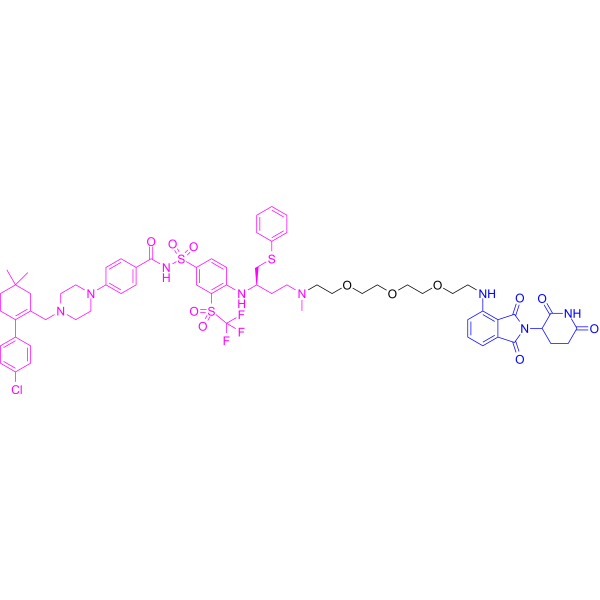
XZ739
 0 Images
XZ739 is a potent and selective BCL-XL PROTAC degrader with a DC50 of 2.5 nM. XZ739 recruits CRBN to ubiquitinate and degrade BCL-XL via the ubiquitin-proteasome system. XZ739 also induces cell cycle arrest and caspase-mediated apoptosis. XZ739 can be used in research related to T-cell acute lymphoblastic leukemia and cholangiocarcinoma.
-
BAL-30072
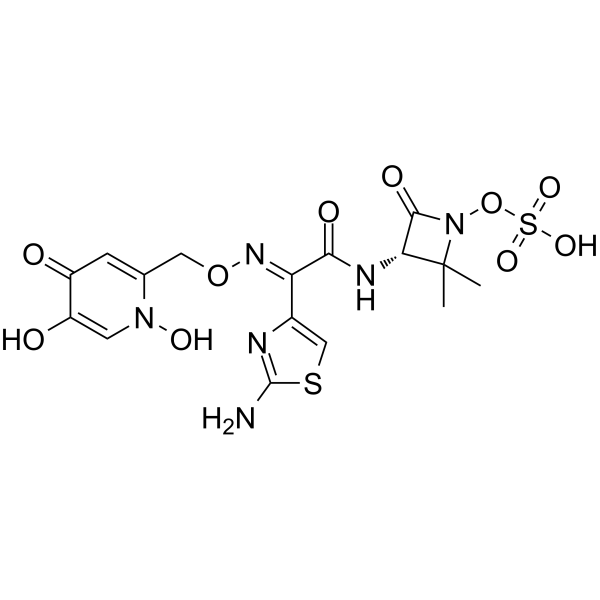 0 Images
BAL-30072 is a siderophore-bearing monocyclic β-lactam antibiotic with antibacterial activity. BAL-30072 inhibits penicillin-binding proteins 1a, 1b, and 3, thereby disrupting bacterial cell wall synthesis. BAL-30072 inhibits mitochondrial electron transport chain complex II and complex III, while also inhibiting glycolysis and mitochondrial fatty acid β-oxidation. BAL-30072 induces mitochondrial ROS production, cellular ATP depletion, reduces mitochondrial membrane potential, and triggers hepatocyte apoptosis via caspase-3/7 activation. BAL-30072 is a substrate of the hepatic uptake transporters OAT1 and OAT3. BAL-30072 can be used in research related to bacterial infections.
-
Brevetoxin B
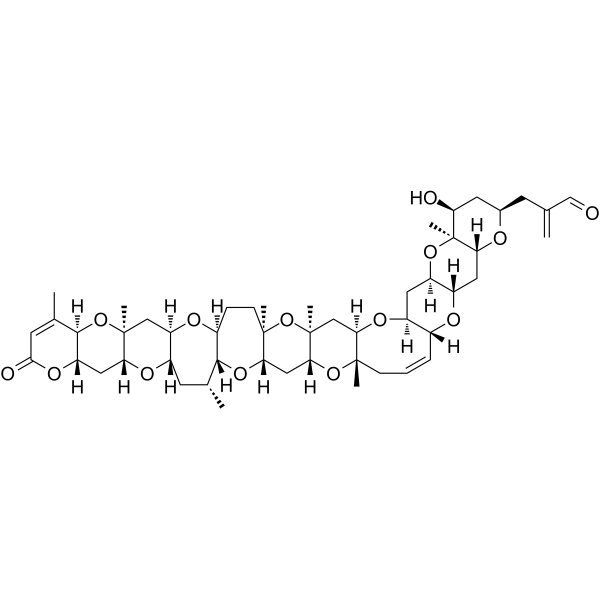 0 ImagesArt. -Nr.: HY-12546CAS. Nr.: 79580-28-2Synonyms: Brevetoxin-2; PbTx-2
Brevetoxin B (Brevetoxin-2) is a red tide toxin. Brevetoxin B affects sodium, potassium and calcium currents in nerve terminals. Brevetoxin B also modulates the metabolic activity of Jurkat cells, reduces cell viability and induces apoptosis. Brevetoxin B can be used in research on synaptic transmission and tumors.
-
CDK6-IN-2
 0 ImagesArt. -Nr.: HY-181483
CDK6-IN-2 is a CDK6 covalent inhibitor with an IC50 of 0.013 μM. CDK6-IN-2 inhibits the proliferation and migration of triple-negative breast cancer cells, and induces cell cycle arrest and apoptosis. CDK6-IN-2 induces ROS accumulation and mitochondrial damage through cellular metabolic reprogramming. CDK6-IN-2 exhibits anti-tumor activity and can be used for the research of triple-negative breast cancer.
-
XL413 hydrochloride
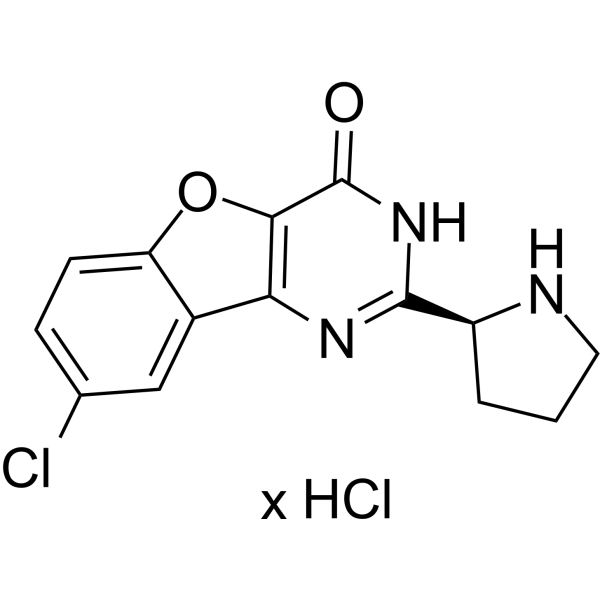 0 ImagesArt. -Nr.: HY-15260CCAS. Nr.: 1169562-71-3Synonyms: BMS-863233 hydrochloride
XL413 hydrochloride (BMS-863233 hydrochloride) is an orally active, ATP-competitive, selective CDC7 kinase inhibitor. XL413 hydrochloride reduces MCM2 phosphorylation levels, decreases DNA replication origin activation, and inhibits CD69 upregulation in stimulated lymphocytes. XL-413 possesses cell-dependent antiproliferative and pro-apoptotic activities. XL413 hydrochloride attenuates ATR inhibitor-induced excessive origin activation, altered replication fork speed, and antiproliferative effects in sensitive cancer cells. XL413 hydrochloride inhibits SARS-CoV-2 infection. XL413 hydrochloride can be used for research related to cancer and SARS-CoV-2 infection.
-
LSD1-IN-26
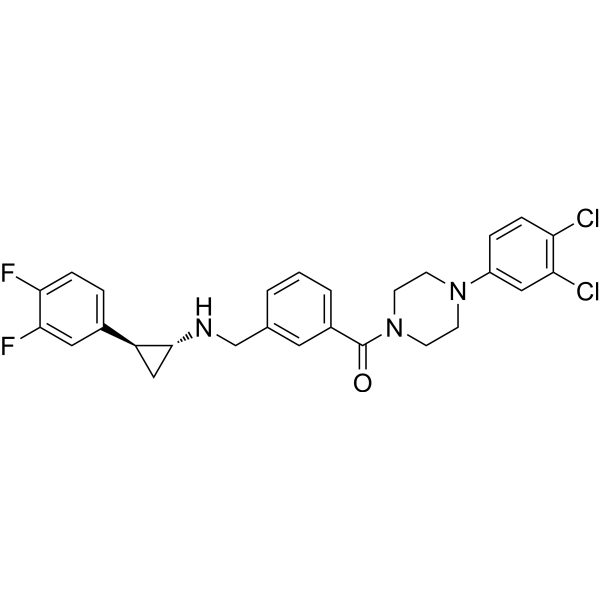 0 ImagesArt. -Nr.: HY-149978CAS. Nr.: 3041141-72-1
LSD1-IN-26 (compound 12u) is a potent LSD1 inhibitor, with an IC50 of 25.3 nM. LSD1-IN-26 also inhibits MAO-A (IC50=1234.57 nM) and MAO-B (IC50=3819.27 nM). LSD1-IN-26 significantly induces apoptosis in MGC-803 cells. LSD1-IN-26 can be used for gastric cancer research.
-
INH2BP
 0 ImagesArt. -Nr.: HY-136778CAS. Nr.: 137881-27-7
INH2BP is a poly(ADP-ribose) polymerase (PARP) inhibitor with antioxidant and anti-apoptotic activities. INH2BP reduces the production of intracellular reactive oxygen species (ROS), modulates the expression of apoptosis-related proteins such as Bax, Bcl-2 and cleaved caspase-3 and enhances cell survival through the activation of the ERK1/2 and p38 MAPK signaling pathways. INH2BP is promising for research of cardiovascular diseases.
-
WCF-598
 0 ImagesArt. -Nr.: HY-182331CAS. Nr.: 3059574-58-9
WCF-598 is a RXRγ (Kd: 234.2 nM) PROTAC degrader. WCF-598 induces RXRγ degradation via the ubiquitin-proteasome pathway and binds directly to RXRγ. WCF-598 indirectly induces AR-V7 degradation, impairs the stability of the RXRγ-AR-V7 complex, downregulates AR-V7 levels, and inhibits the transcription of downstream target genes of AR-V7. WCF-598 induces tumor cell apoptosis, inhibits cell proliferation, activates the p53 signaling pathway, and suppresses cell cycle progression. WCF-598 can be used for the research of prostate cancer.
-
MD-265
 0 Images
MD-265 is a PROTAC degrader targeting MDM2, which activates p53 in cancer cells carrying wild-type p53. MD-265 induces MDM2 degradation by recruiting the CRL4-CRBN ligase complex via the ubiquitination and proteasomal degradation pathway. MD-265 upregulates p53 target genes, induces apoptosis, reduces Mcl-1 levels, increases caspase-3 cleavage, and inhibits colony formation of wild-type p53 leukemia stem cells. MD-265 can be used in research related to leukemia and acute myeloid leukemia.
-
28-Deoxonimbolide
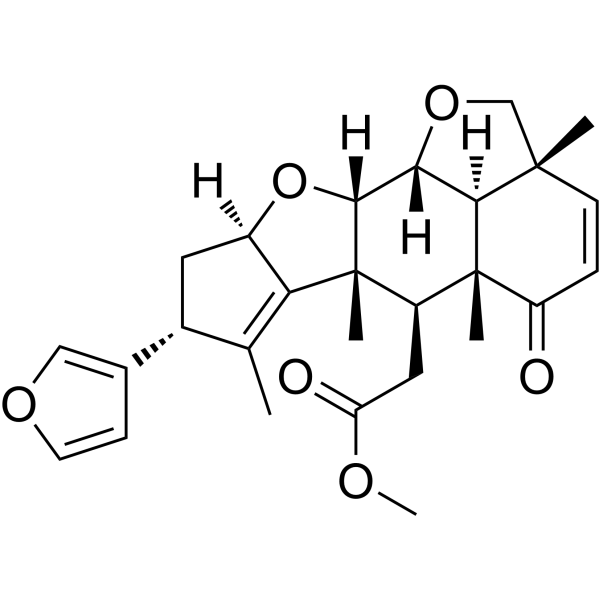 0 ImagesArt. -Nr.: HY-N1710CAS. Nr.: 126005-94-5
28-Deoxonimbolide is a Nimbin (HY-N3187) type limonoid, that can be isolated from Azadirachta indica seed extracts. 28-Deoxonimbolide shows anticancer activity. 28-Deoxonimbolide induces apoptotic cell death in HL60 cells via both the mitochondrial- and the death receptor-mediated pathways.
-
PROTAC HDAC8 Degrader-5
 0 ImagesArt. -Nr.: HY-189151CAS. Nr.: 3057302-21-0
PROTAC HDAC8 Degrader-5 is a selective HDAC8 PROTAC degrader that mediates ubiquitination and proteasomal degradation through the formation of a ternary complex. PROTAC HDAC8 Degrader-5 degrades HDAC8 with a DC50 of 1.8 nM in MDA-MB-231 cells and a DC50 of 4.7 nM in Jurkat cells. PROTAC HDAC8 Degrader-5 inhibits cancer cell migration and proliferation, induces apoptosis through caspase 3/7 activation, and increases acetylated SMC3 and α-tubulin. PROTAC HDAC8 Degrader-5 is useful for cancer-related research, such as leukemia, triple-negative breast cancer, etc..
-
Anticancer agent 63
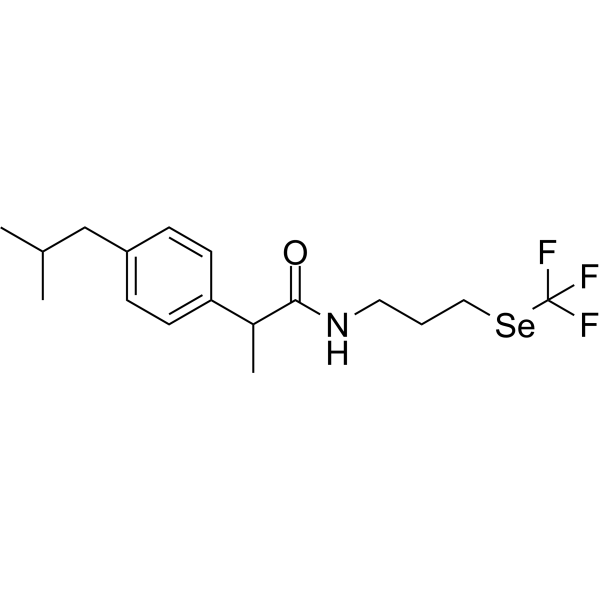 0 ImagesArt. -Nr.: HY-147504CAS. Nr.: 2529657-32-5
Anticancer agent 63 (compound 3h) shows active in reducing the viability of different cancer cell lines, including SW480, HeLa, A549 and MCF-7, with IC50 values at 24 h of 4.9, 11.5, 9.4, and 3.4 μM, respectively. Anticancer agent 63 induce apoptosis in MCF-7 cells via down-regulating the expression of Bcl-2 and up-regulating the expression of IL-2 and Caspase-3. Anticancer agent 63 also shows antioxidant activity.
- 1



