



Caspase 8
Caspase 8 is an initiator protease of death receptor-mediated extrinsic apoptosis and also supports cell survival by restraining RIP-family kinase-dependent necroptosis[1]. Mechanistically, caspase 8 works with cFLIP to regulate the switch among survival, apoptosis, and necroptosis, while cFLIP is structurally related to caspase 8 but lacks proteolytic activity[1][2]. Therefore, caspase 8 differs from inflammatory caspases such as caspase 1, 4, 5, and 12, which participate in inflammasome-related innate immune responses[3]. In intestinal disease, caspase 8 controls Paneth cell necroptosis and may contribute to epithelial cell death and mucosal inflammation in Crohn’s disease[3]. In severe SARS-CoV-2 mouse models, non-apoptotic caspase 8 promoted cytokine release, IL-1β elevation, NF-κB-linked inflammation, and disease pathology[4]. In ovarian cancer, low caspase 8 expression correlated with shorter overall survival, while caspase 8 loss enhanced non-apoptotic necroptotic death under NF-κB blockade[5]. For experimental applications, studies use genetic caspase 8 loss, viral caspase 8 inhibitors, and necroptosis pathway modulation to separate apoptosis, inflammation, and RIPK3-MLKL-dependent cell death[6].
References:
- [1]. Salvesen GS, et al. Functions of caspase 8: the identified and the mysterious. Semin Immunol. 2014 Jun;26(3):246-52. [Content Brief]
- [2]. Tsuchiya Y, et al. FLIP the Switch: Regulation of Apoptosis and Necroptosis by cFLIP. Int J Mol Sci. 2015 Dec 18;16(12):30321-41. [Content Brief]
- [3]. Becker C, et al. Complex roles of caspases in the pathogenesis of inflammatory bowel disease. Gastroenterology. 2013 Feb;144(2):283-293. [Content Brief]
- [4]. M Bader S, et al. Non-apoptotic caspase-8 is critical for orchestrating exaggerated inflammation during severe SARS-CoV-2 infection. Nat Commun. 2025 Nov 13;16(1):9822. [Content Brief]
- [5]. Kim M, et al. Caspase 8 expression may determine the survival of women with ovarian cancer. Cell Death Dis. 2016 Jan 14;7(1):e2045. [Content Brief]
- [6]. Daley-Bauer LP, et al. Mouse cytomegalovirus M36 and M45 death suppressors cooperate to prevent inflammation resulting from antiviral programmed cell death pathways. Proc Natl Acad Sci U S A. 2017 Mar 28;114(13):E2786-E2795. [Content Brief]
-
Caspase 8 Related Products (111)
Related Products (111)

-
Recombinant Proteins (1)
-
Antibodies (2)
-
Triclabendazole
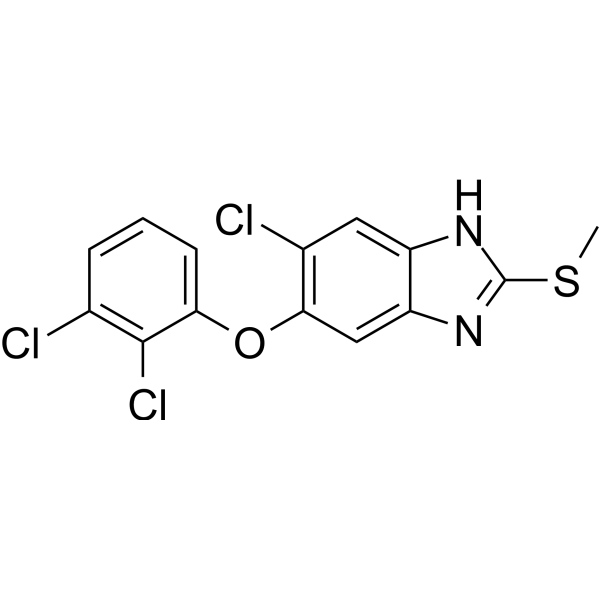 0 ImagesSynonyms: CGA89317Triclabendazole is an orally active parasite inhibitor. Triclabendazole has anti-Leishmania activity and induces gasdermin E (GSDME)-dependent pyroptosis by caspase-3 activation. Triclabendazole can be used for the research of fasciola hepatica.
-
Epimedin A
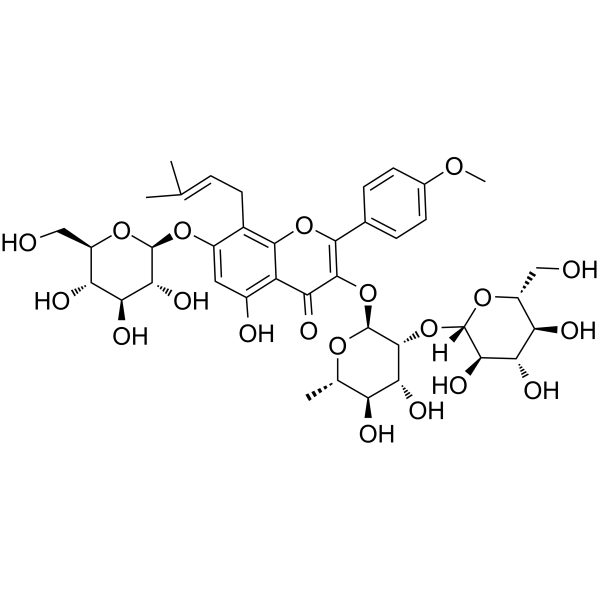 0 ImagesEpimedin A, one of the main flavonoid active components in Herba Epimedii, is orally active. Epimedin A can inhibit osteoclastogenesis, differentiation, and bone resorption. Epimedin A also possesses anti-inflammatory activity. Epimedin A can be used in the research of osteoporosis and inflammatory diseases.
-
Eftozanermin alfa
 0 ImagesSynonyms: ABBV-621Eftozanermin alfa (ABBV-621) is a tumor necrosis factor-related apoptosis-inducing ligand receptor (TRAIL-R) agonist. Eftozanermin alfa is a fusion protein consisting of a mutant immunoglobulin G1-Fc linked to 2 single-chain trimers of TRAIL. Eftozanermin alfa induces apoptosis in tumor cells by activation of death receptors (DR4 receptor and DR5 receptor) with Kds of 780 nM and 635 nM. Eftozanermin alfa can be used for the research of multiple solid and heme malignancies.
-
Xelafaslatide
 0 ImagesSynonyms: ONL-1204Xelafaslatide (ONL-1204) is a Fas receptor antagonist. Xelafaslatide blocks the Fas receptor signaling pathway and inhibits downstream apoptosis and inflammatory pathways. Xelafaslatide suppresses neuroinflammation and microglial activation in glaucoma models, protects retinal ganglion cells and prevents axonal degeneration. Xelafaslatide is applicable to relevant research on glaucoma.
-
δ-Secretase inhibitor 11
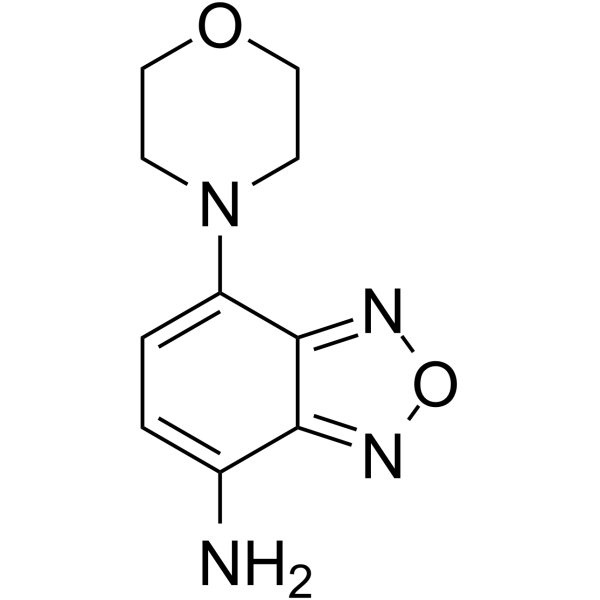 0 Imagesδ-Secretase inhibitor 11 (compound 11) is an orally active, potent, BBB-penetrated, non-toxic, selective and specific δ-secretase inhibitor, with an IC50 of 0.7 μM. δ-Secretase inhibitor 11 interacts with both the active site and allosteric site of δ-secretase. δ-Secretase inhibitor 11 attenuates tau and APP (amyloid precursor protein) cleavage. δ-Secretase inhibitor 11 ameliorates synaptic dysfunction and cognitive impairments in tau P301S and 5XFAD transgenic mouse models. δ-Secretase inhibitor 11 can be used for Alzheimer's disease research.
-
Citicoline sodium
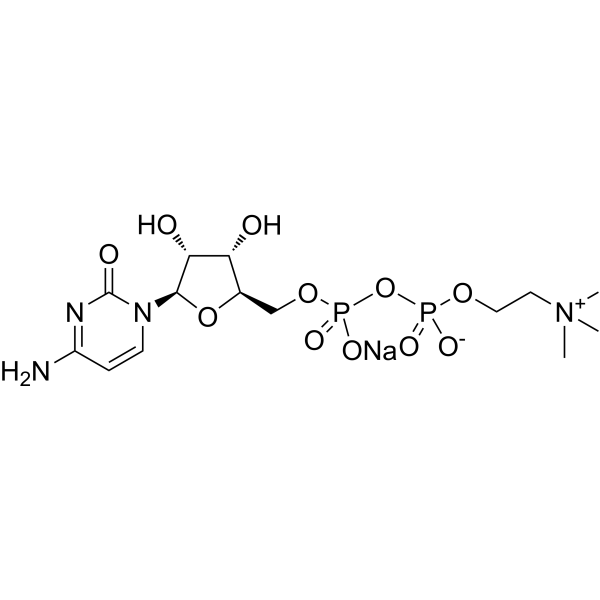 0 ImagesSynonyms: Cytidine diphosphate-choline sodium; CDP-Choline sodium; Cytidine 5'-diphosphocholine sodiumCiticoline sodium is an endogenous intermediate in the synthesis of phosphatidylcholine which is a component of cell membranes. Citicoline sodium inhibits reactive oxygen species (ROS) and apoptosis. Citicoline sodium can be used for neurological disease and hearing loss study.
-
Tabersonine
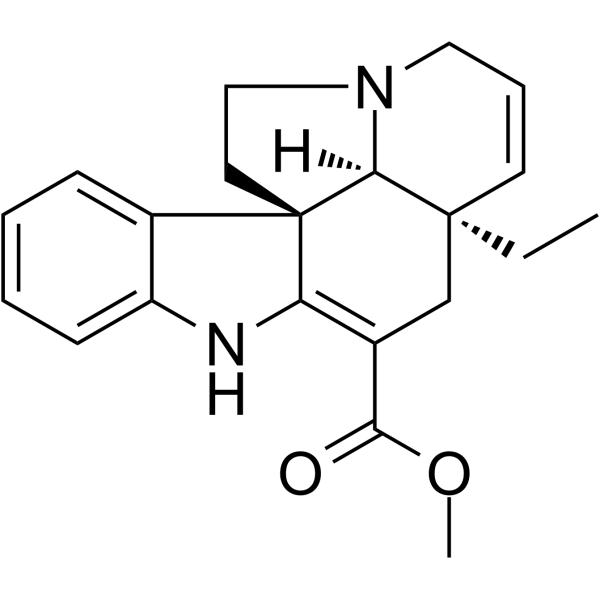 0 ImagesTabersonine is a selective, orally active NLRP3 inhibitor. Tabersonine directly binds to the NACHT domain of NLRP3, inhibiting its ATPase activity and oligomerization, thereby blocking ASC spot formation and caspase-1 activation, and reducing the release of pro-inflammatory cytokines such as IL-1β. Tabersonine also inhibits K63-linked ubiquitination of TRAF6, blocking NF-κB, PI3K/Akt, and p38 MAPK signaling pathways. Tabersonine can inhibit inflammatory responses, induce apoptosis of liver cancer cells through mitochondrial pathways and death receptor pathways, reduce mitochondrial membrane potential, promote cytochrome c release, and activate caspase proteins. Tabersonine is mainly used in the study of NLRP3-driven inflammatory diseases (such as acute lung injury, sepsis, peritonitis) and tumors such as liver cancer.
-
Trifloxystrobin
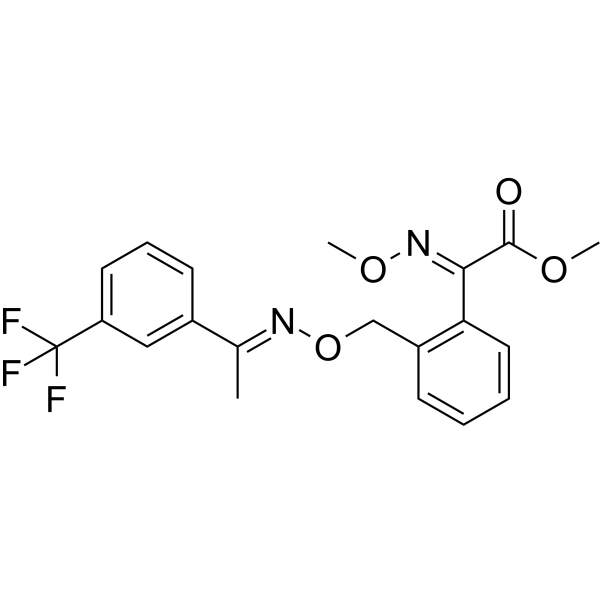 0 ImagesSynonyms: CGA 279202
-
Loliolide
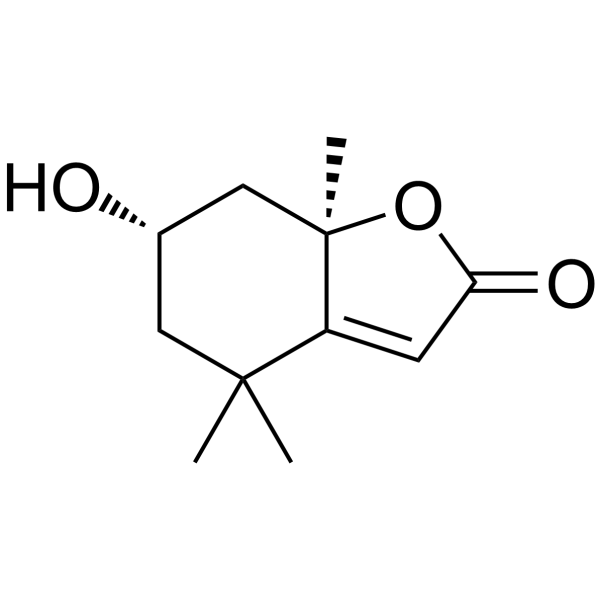 0 ImagesSynonyms: Loliolid; DigiprolactoneLoliolide (Loliolid) is a β-carotene metabolite. Loliolide reduces caspase 3, 8, 9 expression, enhances PI3K, AKT, SIRT1, inhibits ROS, apoptosis, and blocks NF-κB p65 nuclear translocation. Loliolide protects mitochondria, reduces oxidative stress, and increases cell viability in neuroblastoma cells. Loliolide can be used for the research of UV-induced skin damage and Parkinson’s disease.
-
PP5-IN-1
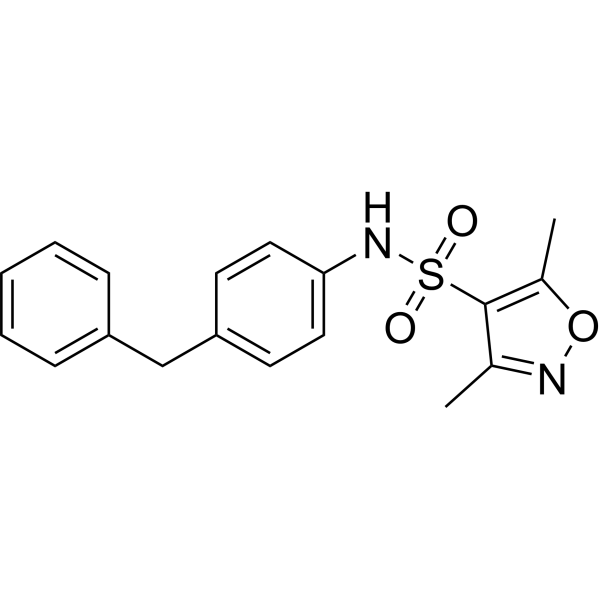 0 ImagesPP5-IN-1 is a competitive and selective serine/threonine protein phosphatase 5 (PP5) inhibitor with a Ki value of 244 nM. PP5-IN-1 induces extrinsic apoptosis (Apoptosis), disrupts the integrity of complex II, and activates Caspase 8. PP5-IN-1 can be used in research related to clear cell renal cell carcinoma.
-
Ironomycin
 0 ImagesIronomycin is a derivative of Salinomycin (HY-15597). Ironomycin exhibits selective inhibitory activity against mantle cell lymphoma (MCL) cells. Ironomycin blocks the cell cycle and induces apoptosis and ferroptosis. Ironomycin induces double-strand DNA breaks and activates the unfolded protein response (UPR), particularly the IRE1α signaling pathway accumulation. The combination of Ironomycin with Ibrutinib (HY-10997) shows a synergistic effect. Ironomycin can be used for the study of MCL.
-
N-(p-Coumaroyl) Serotonin
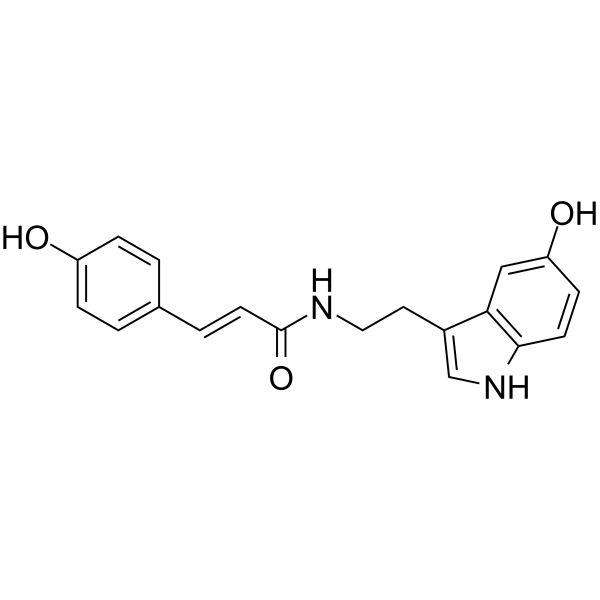 0 ImagesN-(p-Coumaroyl) Serotonin is an orally active polyphenol found in safflower seeds with potent anti-inflammatory, antioxidant, and antitumor activities. N-(p-Coumaroyl) Serotonin suppresses NF‑κB, TLR4/MyD88 and MAPK signaling, activates NQO1/HO‑1 pathways, and inhibits pro‑inflammatory cytokines, iNOS and COX‑2 and ROS production. N-(p-Coumaroyl) Serotonin induces S‑phase arrest and apoptosis in glioblastoma cells, reduces atherosclerotic lesions, and alleviates renal and vascular injuries. N-(p-Coumaroyl) Serotonin acts as a vasodilator, regulates calcium dynamics. N-(p-Coumaroyl) Serotonin can be used for the research of neurodegenerative diseases, atherosclerosis, glioblastoma, and acute renal failure.

-
ME-344
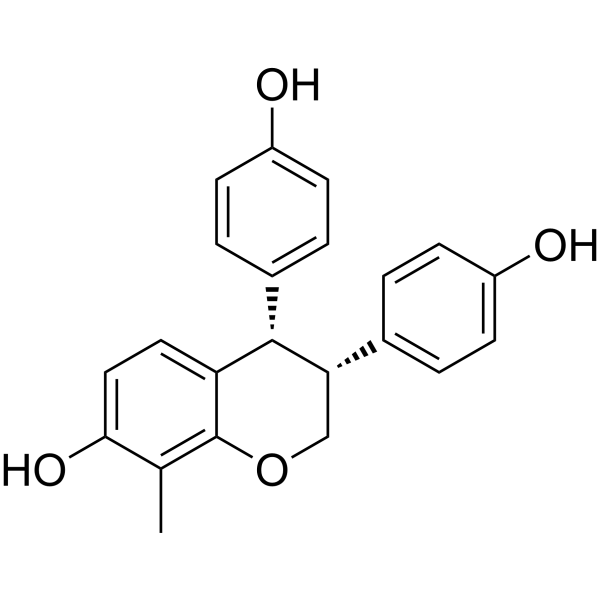 0 ImagesME-344 is an Isoflavone. ME-344 increases mitochondrial ROS generation. ME-344 inhibits tubulin polymerization. ME-344 inhibits HO-1 and impacts its mitochondrial translocation. ME-344 induces Apoptosis through Caspase 3 activation. ME-344 synergizes with Vinblastine in leukemia cells. ME-344 displays anti-tumor activity against leukemia and lung tumor. ME-344 can be used in the research of lung cancer, acute myeloid leukemia, and HER2-negative breast cancer.
-
API-1
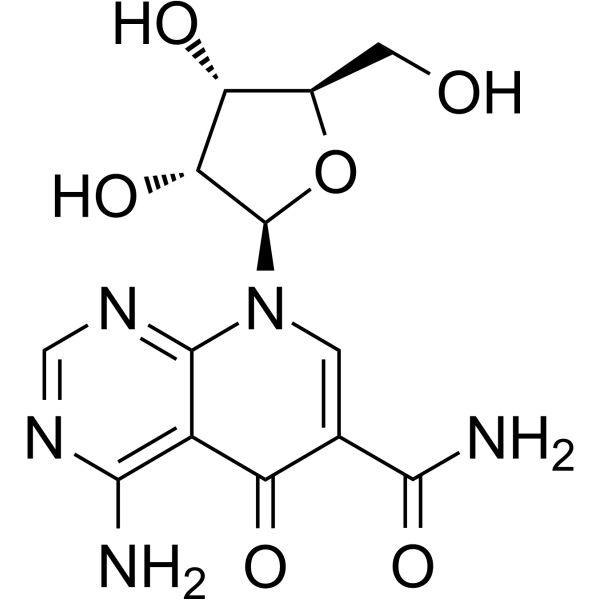 0 ImagesAPI-1 is a potent selective Akt/PKB inhibitor that reduces the level of phosphorylated Akt (IC50 = 0.8 μM). API-1 binds to the PH domain and inhibits Akt membrane translocation. API-1 induces c-FLIP degradation. API-1 reduces cell proliferation and induces apoptosis. API-1 decreases tumor growth in mouse xenograft model.
-
Caspase-3-IN-1
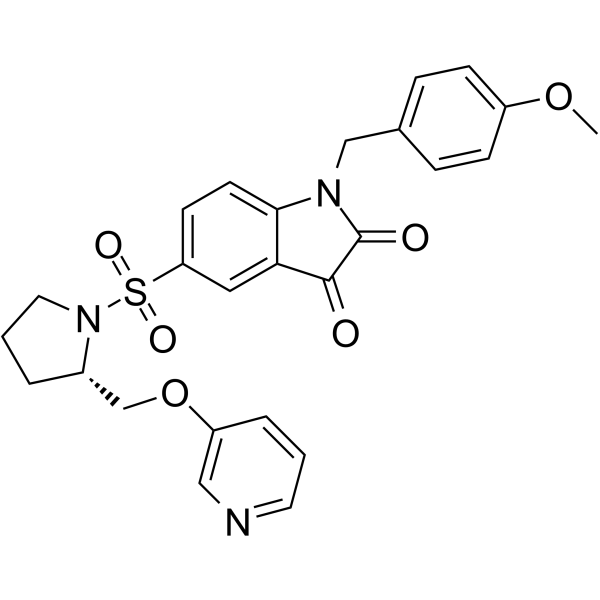 0 ImagesCat. No.: HY-136975CAS No.: 872254-32-5Caspase-3-IN-1 (compound 11b) is a potent Caspase-3 inhibitor, with an IC50 of 14.5 nM.
-
ML132
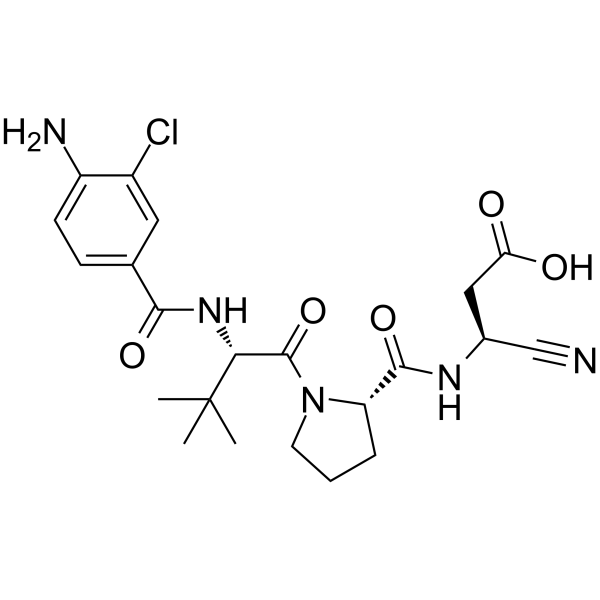 0 ImagesSynonyms: NCGC-00183434ML132 (NCGC-00183434) is a selective caspase 1 inhibitor with an IC50 value of 0.023 nM. ML132 has good stability and can be used as a caspase 1 molecular probe. ML132 is applicable to research in the fields of anticancer and anti-inflammatory studies.
-
Polyporenic acid C
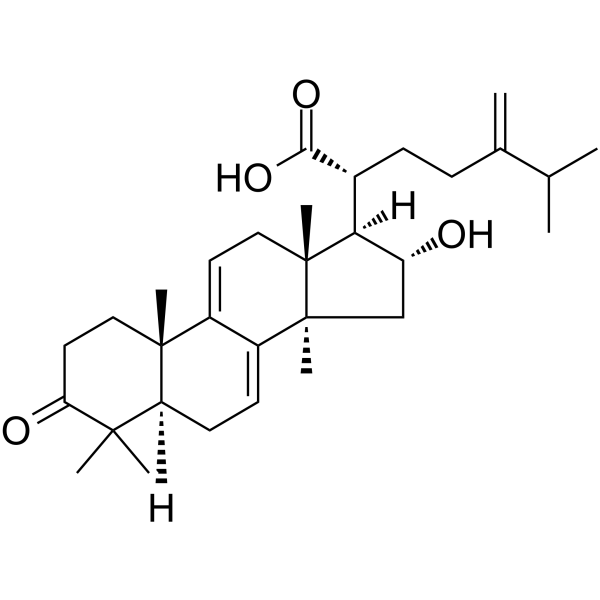 0 ImagesPolyporenic acid C is a lanostane-type triterpenoid. Polyporenic acid C can be isolated from Poria cocos. Polyporenic acid C causes the cleavage of caspase-8 and caspase-3, as well as the cleavage of PARP. Polyporenic acid C reduces the phosphorylation level of Akt (Ser473), increases the phosphorylation of PTEN and p53 (Ser15), and activates JNK. Polyporenic acid C induces Apoptosis. Polyporenic acid C shows anticancer activity against non-small cell lung cancer.

-
4'-Bromo-resveratrol
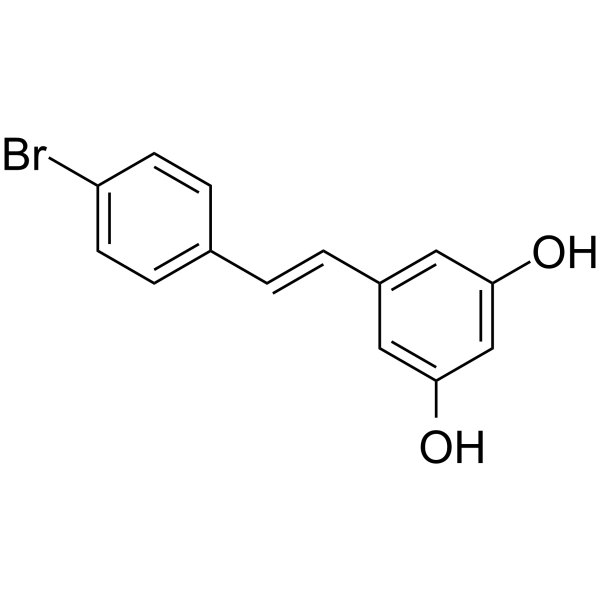 0 ImagesSynonyms: 4′‐BR4'-Bromo-resveratrol (4′‐BR) is a dual SIRT1/SIRT3 inhibitor with an IC50 of 0.2 mM for both targets. 4'-Bromo-resveratrol induces caspase-dependent apoptosis, induces G0/G1 cell cycle arrest, and inhiibits proliferation. 4'-Bromo-resveratrol reduces lactate production, glucose uptake, and NAD+/NADH ratio, and downregulates lactate dehydrogenase A and glucose transporter 1 (GLUT1). 4'-Bromo-resveratrol can be used for the research of melanoma.




