



Caspase 8
Caspase 8 is an initiator protease of death receptor-mediated extrinsic apoptosis and also supports cell survival by restraining RIP-family kinase-dependent necroptosis[1]. Mechanistically, caspase 8 works with cFLIP to regulate the switch among survival, apoptosis, and necroptosis, while cFLIP is structurally related to caspase 8 but lacks proteolytic activity[1][2]. Therefore, caspase 8 differs from inflammatory caspases such as caspase 1, 4, 5, and 12, which participate in inflammasome-related innate immune responses[3]. In intestinal disease, caspase 8 controls Paneth cell necroptosis and may contribute to epithelial cell death and mucosal inflammation in Crohn’s disease[3]. In severe SARS-CoV-2 mouse models, non-apoptotic caspase 8 promoted cytokine release, IL-1β elevation, NF-κB-linked inflammation, and disease pathology[4]. In ovarian cancer, low caspase 8 expression correlated with shorter overall survival, while caspase 8 loss enhanced non-apoptotic necroptotic death under NF-κB blockade[5]. For experimental applications, studies use genetic caspase 8 loss, viral caspase 8 inhibitors, and necroptosis pathway modulation to separate apoptosis, inflammation, and RIPK3-MLKL-dependent cell death[6].
References:
- [1]. Salvesen GS, et al. Functions of caspase 8: the identified and the mysterious. Semin Immunol. 2014 Jun;26(3):246-52. [Content Brief]
- [2]. Tsuchiya Y, et al. FLIP the Switch: Regulation of Apoptosis and Necroptosis by cFLIP. Int J Mol Sci. 2015 Dec 18;16(12):30321-41. [Content Brief]
- [3]. Becker C, et al. Complex roles of caspases in the pathogenesis of inflammatory bowel disease. Gastroenterology. 2013 Feb;144(2):283-293. [Content Brief]
- [4]. M Bader S, et al. Non-apoptotic caspase-8 is critical for orchestrating exaggerated inflammation during severe SARS-CoV-2 infection. Nat Commun. 2025 Nov 13;16(1):9822. [Content Brief]
- [5]. Kim M, et al. Caspase 8 expression may determine the survival of women with ovarian cancer. Cell Death Dis. 2016 Jan 14;7(1):e2045. [Content Brief]
- [6]. Daley-Bauer LP, et al. Mouse cytomegalovirus M36 and M45 death suppressors cooperate to prevent inflammation resulting from antiviral programmed cell death pathways. Proc Natl Acad Sci U S A. 2017 Mar 28;114(13):E2786-E2795. [Content Brief]
-
Caspase 8 Related Products (112)
Related Products (112)

-
Recombinant Proteins (1)
-
Antibodies (2)
-
MKK7-JNK activator 1
 0 ImagesMKK7-JNK activator 1 (Compound 10) is a MKK7-JNK pathway activator. MKK7-JNK activator 1 effectively inhibits the proliferation and migration of MDA-MB-468 cells, induces G2/M phase arrest and caspase -dependent apoptosis (independent of ROS production). MKK7-JNK activator 1 significantly increases the levels of p-MKK7 and p-JNK, but does not affect p-ERK or p-p38. MKK7-JNK activator 1 can be used for the study of triple-negative breast cancer (TNBC).
-
RP-182
 0 ImagesRP-182 is a synthetic immunomodulatory peptide that exerts anti-tumor effects by targeting the mannose receptor CD206 (Kd = 8 μM) on the surface of tumor-associated macrophages (TAMs). RP-182 induces a conformational switch of the CD206 receptor, which activates NF-κB signaling and phagocytosis in CD206high TAMs. RP-182 has dual function: activation of canonical NF-κB signaling, triggering TNFα secretion and autocrine activation of the TNF receptor 1 (TNFR1), leading to activation of caspase 8, apoptosis, and cell death. RP-182 is used in pancreatic cancer and melanoma research.
-
Orellanine
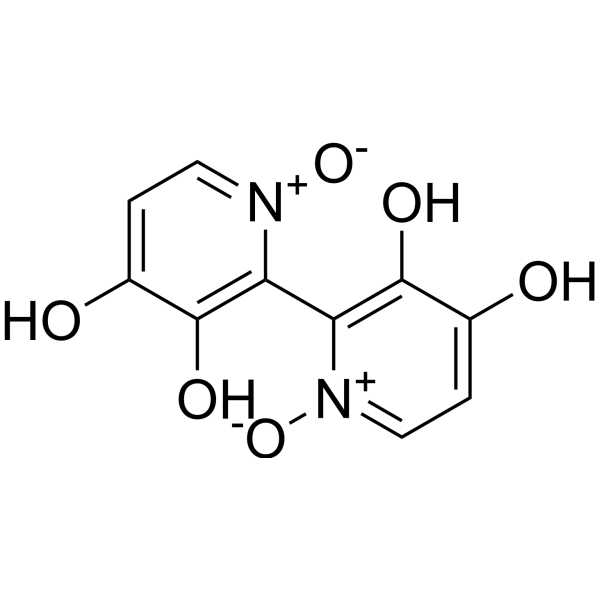 0 ImagesCat. No.: HY-W661499CAS No.: 37338-80-0Orellanine, a nephrotoxic alkaloid found in Cortinarius orellanus, is an orally active and selective non-competitive inhibitor of alkaline phosphatase. Orellanine chelates iron, generates reactive oxygen species (ROS), induces DNA scission, forms ortho-semiquinone radicals, downregulates antioxidant defenses, and inhibits mitochondrial function. Orellanine induces caspase 8/9-mediated apoptosis. Orellanine inhibits synthesis of proteins, RNA, DNA, and mitochondrial protein synthesis, with metabolic activation required for cell-free protein synthesis inhibition. Orellanine can be used for the research of metastatic clear cell renal cell carcinoma, acute renal failure, chronic renal insufficiency, and kidney damage.
-
Citicoline-d9 sodium
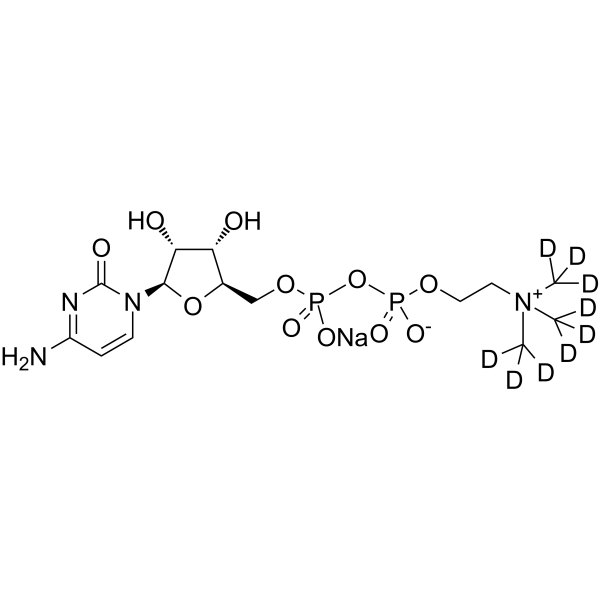 0 ImagesCat. No.: HY-B0739ASSynonyms: Cytidine diphosphate-choline-d9 sodium; CDP-Choline-d9 sodium; Cytidine 5'-diphosphocholine-d9 sodiumCiticoline-d9 (Cytidine diphosphate-choline-d9) sodium is the deuterium labeled Citicoline sodium (HY-B0739A). Citicoline sodium is an endogenous intermediate in the synthesis of phosphatidylcholine which is a component of cell membranes. Citicoline sodium inhibits reactive oxygen species (ROS) and apoptosis. Citicoline sodium can be used for neurological disease and hearing loss study.
-
Nodularin
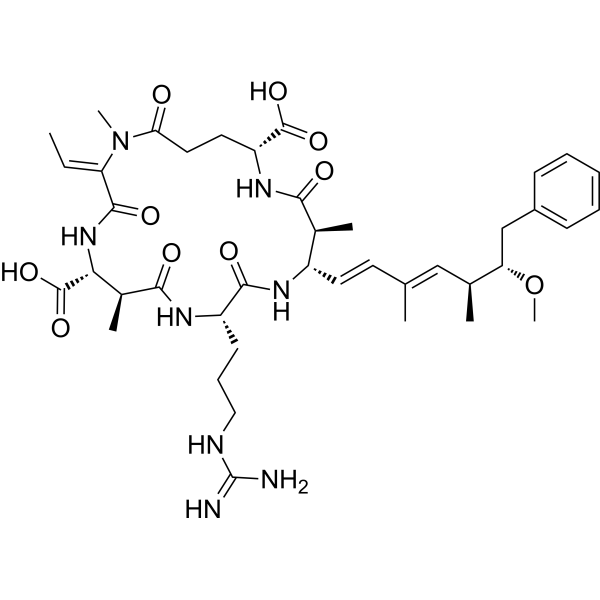 0 ImagesNodularin is a hepatotoxin, tumor promoter, and protein phosphatase inhibitor. Nodularin induces apoptosis (apoptosis) in normal cells (including caspase activation, upregulation of Bcl-XS, and upregulation of BAX/P53), triggers hyperphosphorylation of the MAPK/ERK, mTOR/S6K and p38 MAPK signaling pathways, and induces oxidative stress, endoplasmic reticulum membrane instability, peroxisome proliferation and increased lysosomal enzyme activity. Nodularin promotes DEN (HY-N7434)-initiated hepatocyte proliferation and adenoma formation, and inhibits proliferation, phagocytosis and chemotaxis of normal lymphocytes, oocyte maturation and vitellogenesis, as well as angiogenesis. Nodularin exhibits hepatotoxicity, reproductive and endocrine toxicity, and embryonic developmental toxicity in various animal models. Nodularin can be used in studies related to liver cancer, hepatotoxicity and reproductive endocrine toxicity.
-
Citicoline (Standard)
 0 ImagesSynonyms: Cytidine diphosphate-choline (Standard); CDP-Choline (Standard); Cytidine 5'-diphosphocholine (Standard)Citicoline (Cytidine diphosphate-choline) (Standard) is the analytical standard of Citicoline. This product is intended for research and analytical applications. Citicoline is an endogenous intermediate in the synthesis of phosphatidylcholine which is a component of cell membranes. Citicoline inhibits reactive oxygen species (ROS) and apoptosis. Citicoline can be used for neurological disease and hearing loss study.
-
GEA 3162
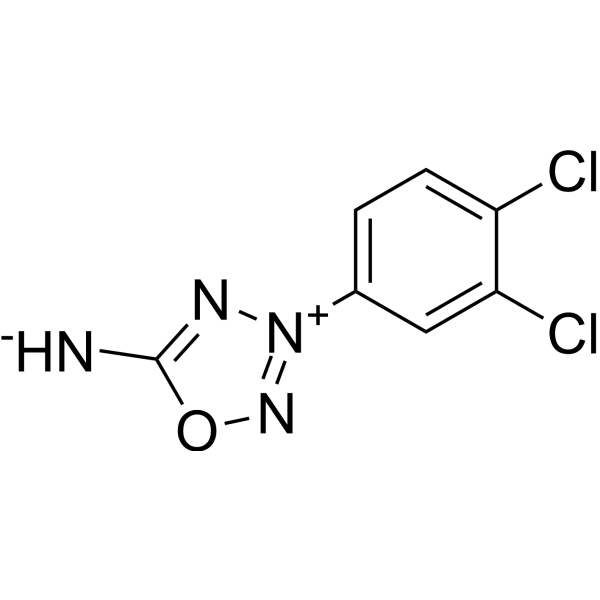 0 ImagesGEA 3162 is an orally active compound that acts as a NO/ONOO⁻ donor. GEA 3162 significantly inhibits the activation of human polymorphonuclear leukocytes (PMNs) through the cGMP pathway, inhibits the release of inflammatory mediators, and exerts anti-inflammatory and protective effects. GEA 3162 induces apoptosis of neutrophils and bone marrow cells by activating caspase-2/3/8/9 through the ONOO⁻ pathway. GEA 3162 has a bidirectional effect in the rat gastric ulcer model: at low doses, it significantly reduces gastric mucosal damage, while at high doses, it aggravates the ulcer area. GEA 3162 can be used for research on inflammatory conditions such as gastric ulcers.
-
Citicoline sodium (Standard)
 0 ImagesSynonyms: Cytidine diphosphate-choline sodium (Standard); CDP-Choline sodium (Standard); Cytidine 5'-diphosphocholine sodium (Standard)Citicoline sodium (Standard) is the analytical standard of Citicoline sodium. This product is intended for research and analytical applications. Citicoline sodium is an endogenous intermediate in the synthesis of phosphatidylcholine which is a component of cell membranes. Citicoline sodium inhibits reactive oxygen species (ROS) and apoptosis. Citicoline sodium can be used for neurological disease and hearing loss study.
-
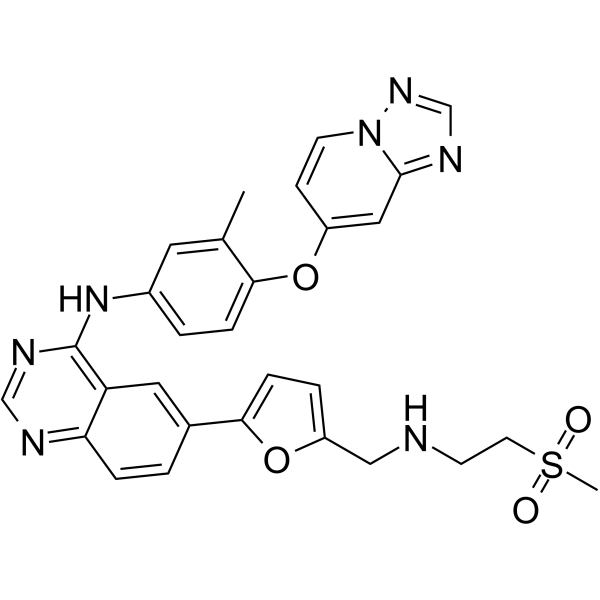
Haplophytin-A
 0 ImagesCat. No.: HY-N17612CAS No.: 366477-44-3
-
Phoxim
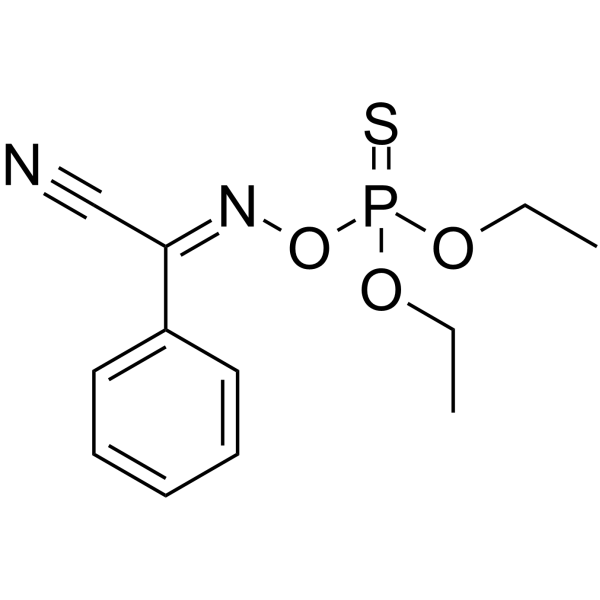 0 ImagesCat. No.: HY-B0819CAS No.: 14816-18-3Phoxim is an organophosphorus pesticide and an orally active inhibitor of cholinesterase and CYP3A, which induces neurotoxicity in Caenorhabditis elegans and causes nephrotoxicity characterized by glomerular atrophy and interstitial fibrosis. Phoxim induces inhibition of the autophagy pathway. Phoxim induces dopaminergic neuron degeneration and exacerbates Aβ-induced paralysis. Phoxim damages enterocytes and disrupts intestinal barrier integrity. Phoxim induces ROS accumulation. Phoxim induces mitochondrial apoptosis, involving upregulation of Bad, Bax, caspase-3, and caspase-9 and downregulation of Bcl-2. Phoxim inhibits mitochondrial functional enzymes (COX, Ca2+-Mg2+-ATPase, SDH). Phoxim upregulates Nrf2 mRNA expression in the jejunal mucosa. Phoxim increases TNF-α and decreases IL-6 and IL-8 in the intestinal mucosa. Phoxim alters gut microbial composition by increasing total bacteria and Escherichia coli and reducing Lactobacillus. Phoxim enhances energy metabolism in silver carp by upregulating key glycolytic and gluconeogenic enzymes. Phoxim is used in research on neurodegenerative diseases, nephrotoxicity, intestinal oxidative stress and barrier dysfunction, and bacterial sepsis.
-
Sanggenon G
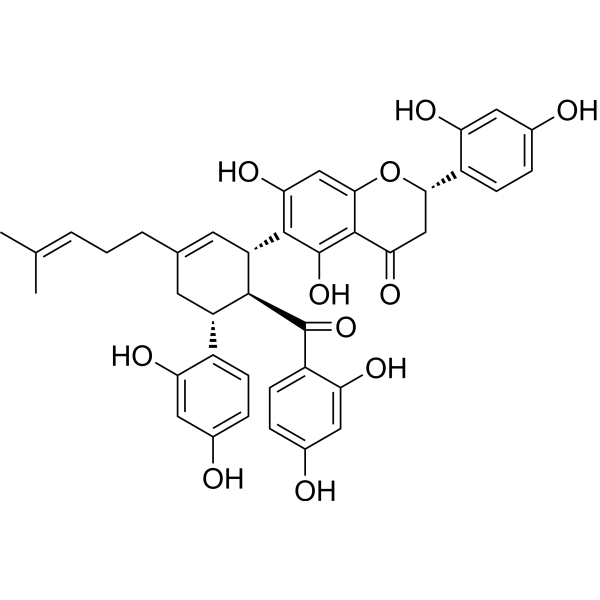 0 ImagesCat. No.: HY-12372CAS No.: 85698-31-3Sanggenon G is a cell-permeable and potent inhibitor of X-linked inhibitor of apoptosis protein (XIAP). Sanggenon G binds specifically to the BIR3 domain of XIAP with a binding affinity of 34.26 μM. Sanggenon G enhances caspase activation.
-
HDAC1-IN-13
 0 ImagesCat. No.: HY-183150CAS No.: 3053289-22-5HDAC1-IN-13 is an orally active HDAC1 inhibitor with IC50 values of 91, 185, 170, and 280 nM against HDAC1, HDAC2, HDAC3, and HDAC10, respectively, and shows no activity against HDAC4, HDAC5, HDAC6, HDAC7, and HDAC9. HDAC1-IN-13 induces extrinsic apoptosis by activating the caspase-8 pathway and triggers G0/G1 cell cycle arrest. HDAC1-IN-13 can be used for the research of leukemia.
-
Trijuganone C
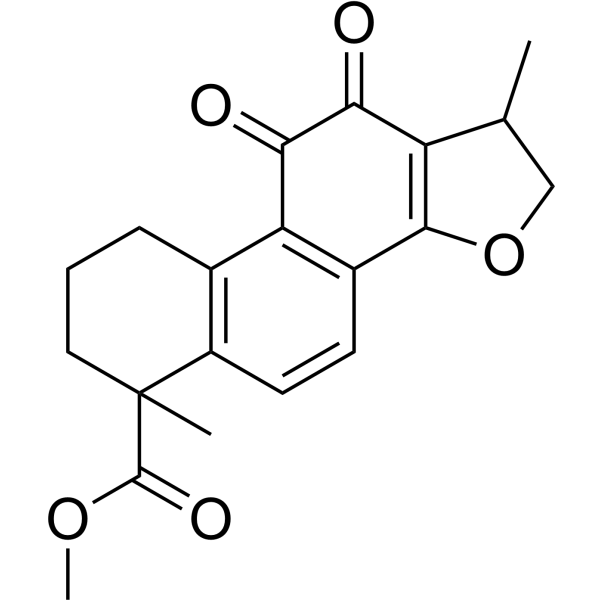 0 ImagesCat. No.: HY-N8617CAS No.: 135247-94-8Trijuganone C is a tanshinone-type diterpenoid compound. Trijuganone C can be isolated from the roots of Salvia miltiorrhiza Bunge. Trijuganone C induces chromatin condensation, DNA fragmentation, activation of Caspase-3, -8 and -9, as well as cleavage of PARP. Trijuganone C activates Bid and Bax, leading to loss of mitochondrial membrane potential and inducing the release of cytochrome c from mitochondria into the cytosol. Trijuganone C exerts antiproliferative effects through Apoptosis induction mediated by Mitochondrial dysfunction and Caspase activation. Trijuganone C exhibits significant antiproliferative activity against leukemia cells and colon cancer cells.
-
AC-45594
 0 ImagesSynonyms: 4-(Hexyloxy)phenolAC-45594 (4-(Hexyloxy)phenol) is a UPR activator. AC-45594 induces endoplasmic reticulum stress, activates the unfolded protein response (UPR), and drives the transition from adaptive stress signaling to terminal stress signaling, ultimately leading to cell Apoptosis. AC-45594 activates Caspase-3, induces PARP cleavage, and increases the protein level of DR5. AC-45594 selectively inhibits the growth of Ewing sarcoma cells.
-
EGFR-IN-217
 0 ImagesCat. No.: HY-189142EGFR-IN-217 is an ATP-competitive EGFR kinase inhibitor, with an IC50 of 60.7 nM against EGFR. EGFR-IN-217 exhibits kinase inhibitory activity against PI3K-α and mTOR. EGFR-IN-217 upregulates pro-apoptotic factors including P53, Bax, PUMA, and caspase-7, -8 and -9, and downregulates the anti-apoptotic protein BCL-2, thereby inducing cell apoptosis and cycle arrest. EGFR-IN-217 shows tumor growth inhibitory effects in the solid Ehrlich ascites carcinoma xenograft mouse model. EGFR-IN-217 can be applied in the research of solid Ehrlich ascites carcinoma, hepatocellular carcinoma, and breast cancer.
-
IETD-CHO
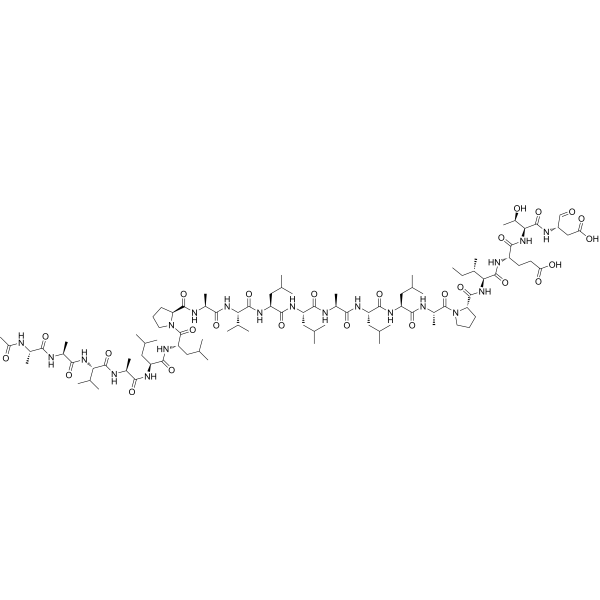 0 ImagesCat. No.: HY-P4222CAS No.: 886462-83-5Synonyms: Caspase-8-IN-1IETD-CHO (Caspase-8-IN-1) is a potent caspase-8 inhibitor.
-
HSP90-IN-11
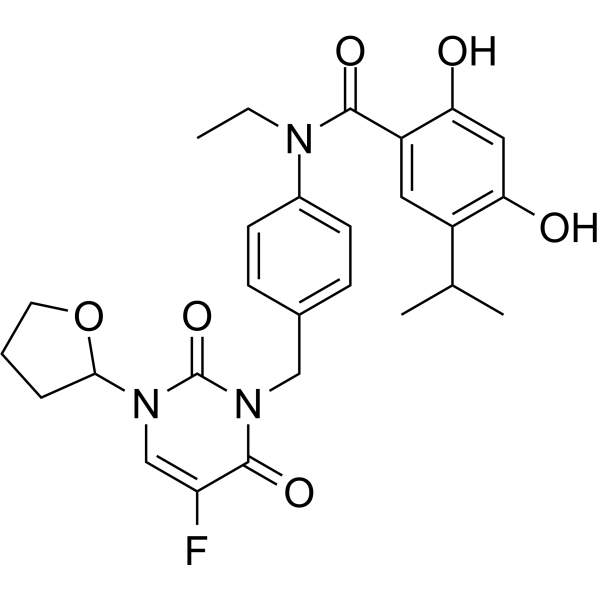 0 ImagesCat. No.: HY-146325CAS No.: 2986564-20-7HSP90-IN-11 is a HSP90 inhibitor with an IC50 of 27.8 nM. HSP90-IN-11 inhibits the activity of HSP90, which in turn induces rapid degradation of EGFR and Akt proteins in non-small cell lung cancer (NSCLC) cells. HSP90-IN-11 induces accumulation of the G1 subphase cell population in NSCLC cells, activates caspase-3, caspase-8, caspase-9 and PARP, thereby triggering apoptosis. HSP90-IN-11 exhibits antiproliferative activity in colorectal cancer and NSCLC cells. HSP90-IN-11 can be used for the research of colorectal cancer and non-small cell lung cancer.
-
FMP
 0 ImagesCat. No.: HY-168877FMP is a Platinum(IV) complexe. FMP significantly upregulates the expression of γ-H2AX and p53. FMP increases the production of ROS. FMP markedly upregulates the expressions of Apoptosis-related proteins (DR5, Fas, caspase-8, Cyt-c, caspase-3, cleaved-PARP1, Bax). FMP shows antiproliferative activity against breast cancer.
-
Anticancer agent 324
 0 ImagesCat. No.: HY-P11828Anticancer agent 324 is a Survivin inhibitor. Anticancer agent 324 competitively binds to Survivin’s linker region and triggers proteasomal IAP degradation. Anticancer agent 324 blocks Borealin binding and chromosomal passenger complex formation, and inhibits Survivin-CRM1 nuclear-cytoplasmic transport. Anticancer agent 324 activates extrinsic (caspase-8) and intrinsic (caspase-9) apoptotic pathways, activates executioner caspases-3 and caspases-7, and arrests cell cycle. Anticancer agent 324 can be used for the research of breast cancer.




