



PPAR
Peroxisome proliferator-activated receptors
PPARs (Peroxisome proliferator-activated receptors) are ligand-activated transcription factors of nuclear hormone receptor superfamily comprising of the following three subtypes: PPARα, PPARγ, and PPARβ/δ. PPARs play essential roles in the regulation of cellular differentiation, development, and metabolism (carbohydrate, lipid, protein), and tumorigenesis of higher organisms. All PPARs heterodimerize with the retinoid X receptor (RXR) and bind to specific regions on the DNA of target genes. Activation of PPAR-α reduces triglyceride level and is involved in regulation of energy homeostasis. Activation of PPAR-γ enhances glucose metabolism, whereas activation of PPAR-β/δ enhances fatty acids metabolism.
PPAR Isoform Specific Products
All Product Categories
-
PPAR Inhibitors
(106)
View all products
-
PPAR Agonists
(340)
View all products
-
PPAR Antagonists
(31)
View all products
-
PPAR Activators
(171)
View all products
-
PPAR Modulators
(43)
View all products
-
PPAR Inducers
(6)
View all products
-
PPAR Controls
(3)
View all products
-
PPAR Ligands
(4)
View all products
-
Peroxisome Proliferator-activated Receptor Proteins
(11)
View all products
-
PPAR alpha Proteins
(2)
View all products
-
PPAR gamma Proteins
(7)
View all products
-
PPAR-delta Proteins
(2)
View all products
-
PPAR Related Products (748)
Related Products (748)

-
Recombinant Proteins (11)
-
Antibodies (4)
-
PPAR Isoform Comparison
-
10-Hydroxystearic acid
 0 ImagesSynonyms: 10-HSA10-Hydroxystearic acid (10-HSA) is a PPARα agonist. 10-Hydroxystearic acid stimulates collagen synthesis. 10-Hydroxystearic acid is an anti-aging agent and reduces the appearance of pores and hyperpigmented lesions.
-
Daidzein-d4
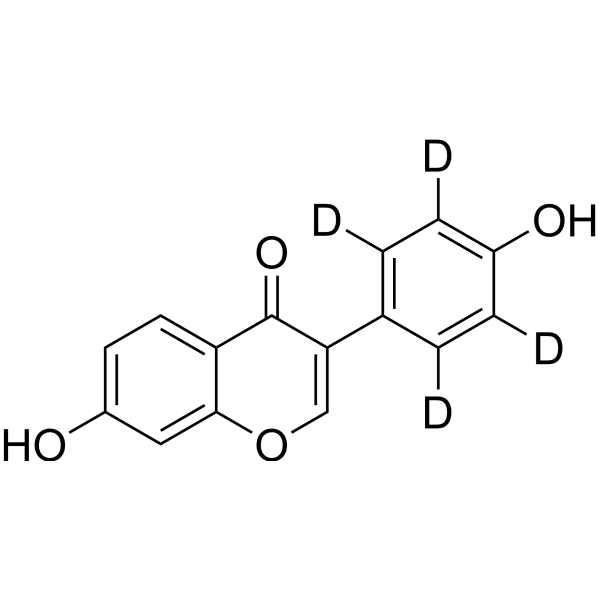 0 ImagesDaidzein-d4 is the deuterium labeled Daidzein. Daidzein is a soy isoflavone, which acts as a PPAR activator.
-
Clitorin
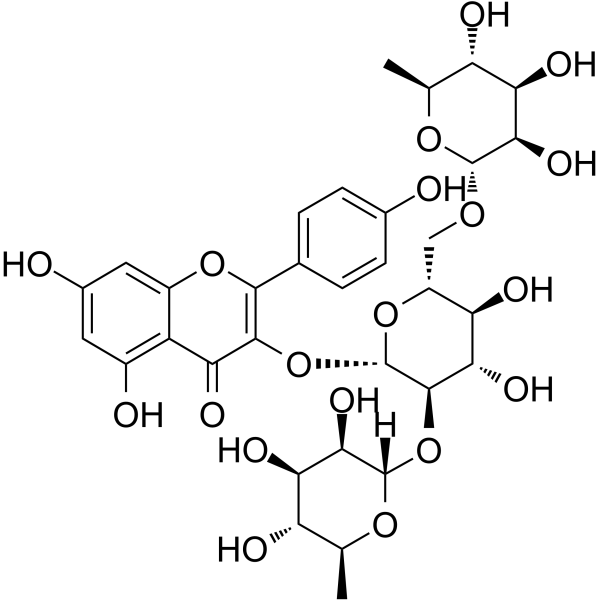 0 ImagesClitorin is an orally active flavonoid compound that can be isolated from Carica papaya. Clitorin is an inhibitor of EGFR (IC50: 89.58 nM) and aromatase (IC50: 77.41 nM). Clitorin has antioxidant and anti-tumor activities. In the DPPH and ABTS radical scavenging assays, Clitorin has IC50 values of 91.96 ppm and 250.45 ppm, respectively. In addition, Clitorin can regulate lipogenesis and fatty acid oxidation and can be used in the research of non-alcoholic fatty liver disease.
-
Keracyanin chloride
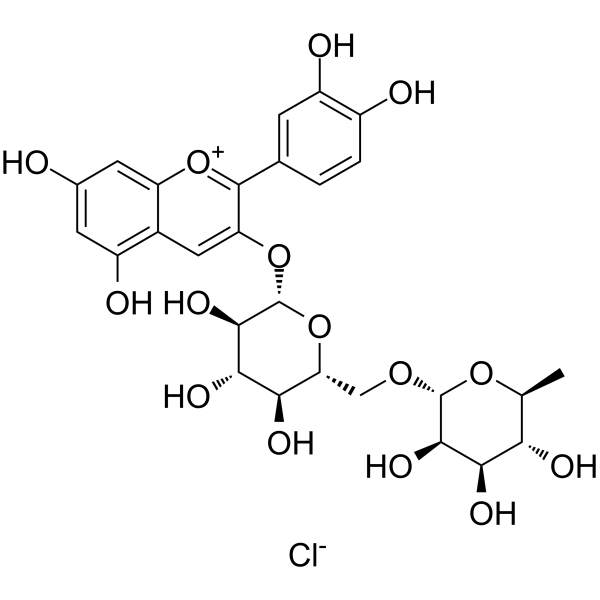 0 ImagesSynonyms: Cyanidin 3-rutinoside chloride; Cyanidin 3-O-rutinoside chloride; Sambucin chlorideKeracyanin chloride inhibits NF-κB/FAK/MAPK signaling pathway. Keracyanin chloride exhibits antioxidant, anti-inflammatory and hypoglycemic effects, and is orally active.
-
Retinoic acid-d5
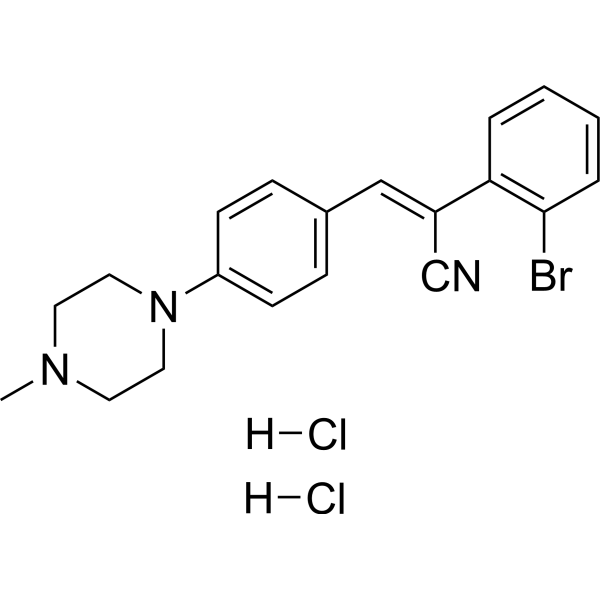
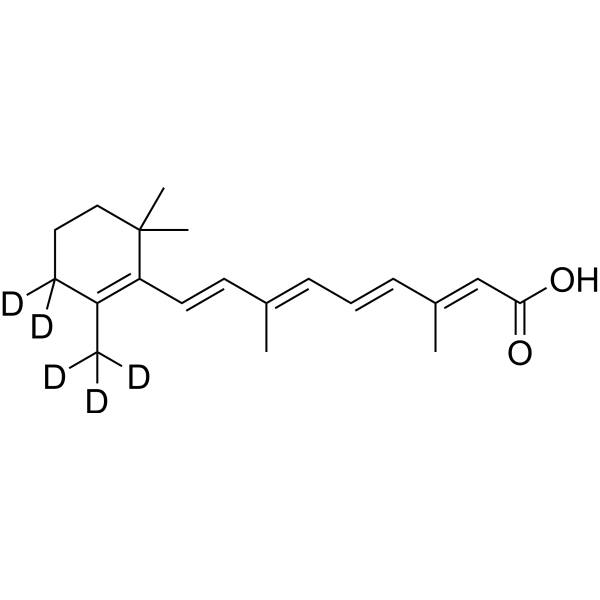 0 ImagesSynonyms: Vitamin A acid-d5; all-trans-Retinoic acid-d5; ATRA-d5Retinoic acid-d5 is the the deuterium labeled Retinoic acid (HY-14649). Retinoic acid is a metabolite of vitamin A that plays important roles in cell growth, differentiation, and organogenesis. Retinoic acid is a natural agonist of RAR nuclear receptors, with IC50s of 14 nM for RARα/β/γ. Retinoic acid bind to PPARβ/δ with Kd of 17 nM. Retinoic acid acts as an inhibitor of transcription factor Nrf2 through activation of retinoic acid receptor alpha.
-
Oroxin A
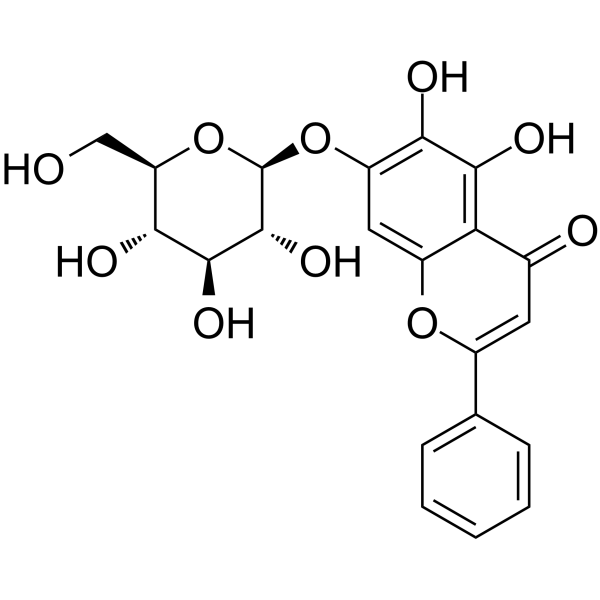 0 ImagesOroxin A is the major component of an ethanol-water Oroxylum indicum (L.) Kurz (Bignoniaceae) seed extract (OISE). Oroxin A acts as a partial PPARγ agonist that can activate PPARγ transcriptional activation. Oroxin A activates PPARγ by docking into the PPARγ protein ligand-binding domain. Oroxin A also exhibits an inhibitory activity against α-glucosidase and an antioxidant capacity. Oroxin A exerts anti-breast cancer effects by inducing ER stress-mediated senescence.
-
Dehydroabietic acid
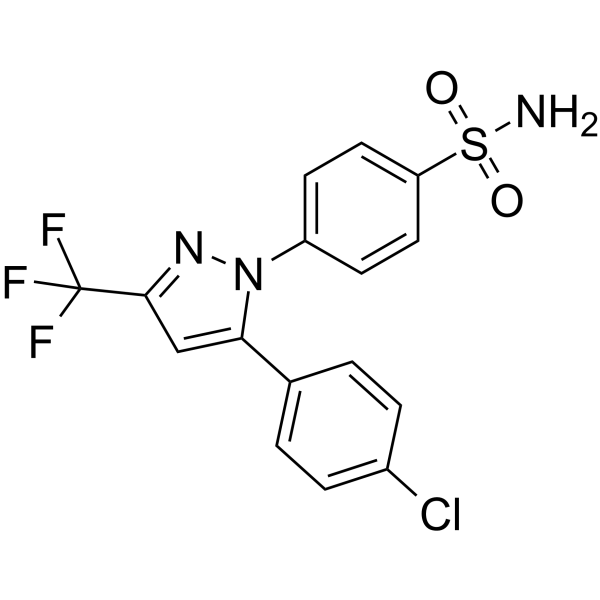
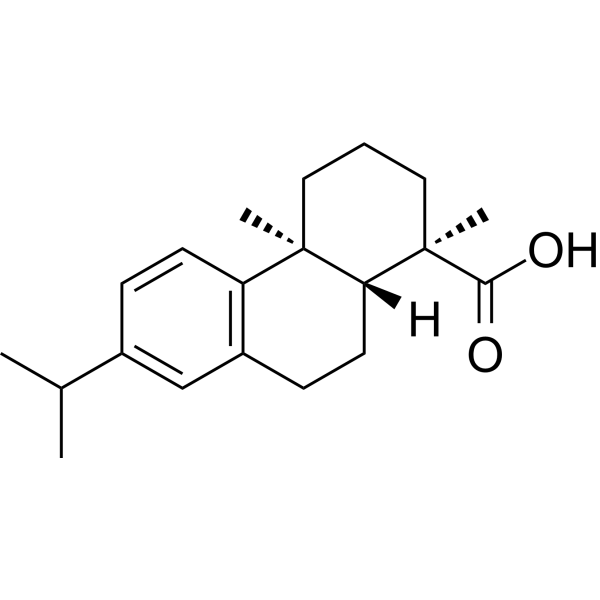 0 ImagesDehydroabietic acid is a diterpene resin acid that can be isolated from Pinus and Picea. Dehydroabietic acid has anti-bacterial, anti-fungal, anti-inflammatory, and anticancer activities. Dehydroabietic acid is a dual PPAR-α/γ agonist and PPAR-γ partial agonist, which can attenuate insulin resistance (IR) and hepatic steatosis induced by HFD-consumption in mice.
-
Oroxylin A-7-O-glucuronide
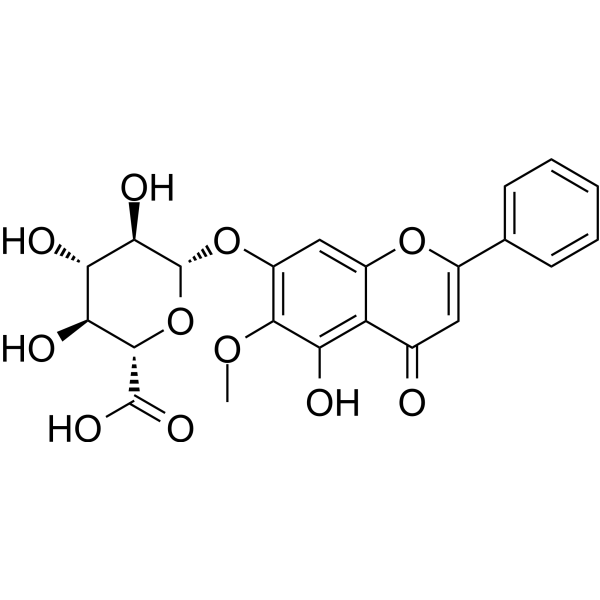 0 ImagesSynonyms: Oroxyloside; Oroxylin A-7-O-β-D-glucuronideOroxylin A-7-O-glucuronide (oroxyloside) is an orally active flavonoid glucuronide and metabolite of Oroxylin A (HY-N0560). Oroxylin A-7-O-glucuronide can be extracted from the dried root of Scutellaria baicalensis. Oroxylin A-7-O-glucuronide exhibits prolyl oligopeptidase inhibitory activity. Oroxylin A-7-O-glucuronide inhibits the JNK pathway, upregulates PPARγ, and inhibits NF-κB p65 nuclear translocation. Oroxylin A-7-O-glucuronide reduces cytokine (IL-1β, IL-6) production. Oroxylin A-7-O-glucuronide exhibits anti-angiogenic, anti-tumor (glioma, liver cancer), anti-inflammatory, and hepatoprotective activities.
-
Rubrofusarin gentiobioside
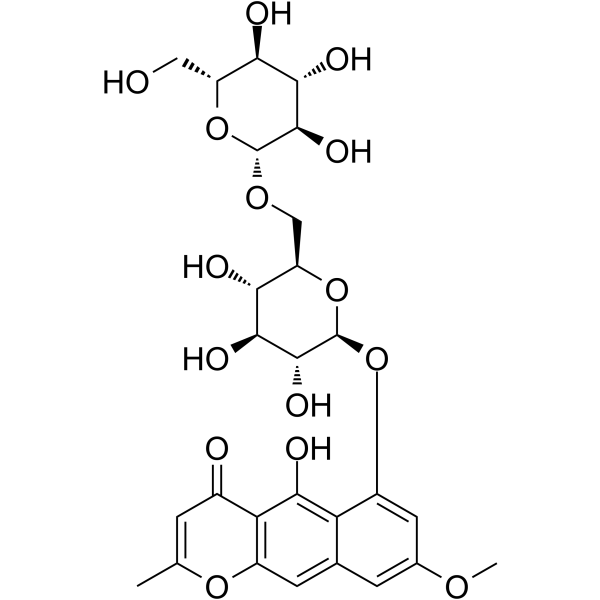 0 ImagesSynonyms: Rubrofusarin-6-β-gentiobiosideRubrofusarin gentiobioside (Rrubrofusarin-6-β-gentiobioside) is an orally active weak inhibitor of PTP1B and MAO-A (IC50 >100 μM), and its glycosylation modification results in lower biological activity than its aglycone Rubrofusarin (HY-130307). Rubrofusarin gentiobioside promotes AMPK phosphorylation in an LKB1-independent manner and inhibits the mTOR signaling pathway, thereby downregulating the expressions of PPARγ, C/EBPα, as well as FAS, LPL and aP2. Rubrofusarin gentiobioside inhibits lipid accumulation, reduces body weight and epididymal white adipose tissue volume, improves fatty liver, and shows no cytotoxicity to hepatocytes. Rubrofusarin gentiobioside is widely used in obesity-related studies.
-
Azemiglitazone potassium
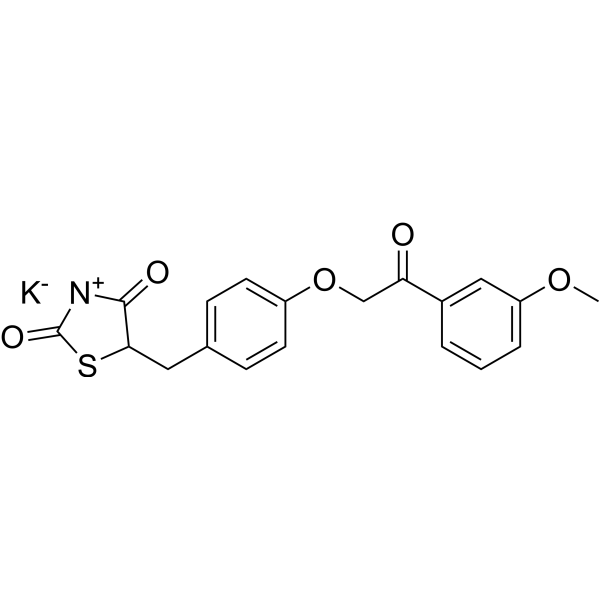 0 ImagesSynonyms: MSDC-0602KAzemiglitazone potassium (MSDC-0602K), a PPARγ-sparing thiazolidinedione (Ps-TZD), binds to PPARγ with the IC50 of 18.25 μM. Azemiglitazone potassium modulates the mitochondrial pyruvate carrier (MPC). Azemiglitazone potassium can be used for the research of fatty liver including dysfunctional lipid metabolism, inflammation, and insulin resistance. Azemiglitazone potassium, an insulin sensitizer, improves insulinemia and fatty liver disease in mice, alone and in combination with Liraglutide.
-
Leriglitazone
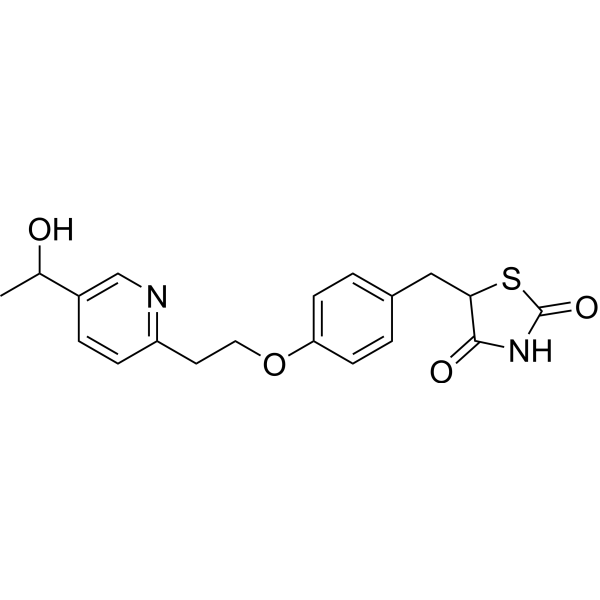 0 ImagesSynonyms: MIN-102; HydroxypioglitazoneLeriglitazone (MIN-102; Hydroxypioglitazone) is an orally active and a BBB-penetrable PPARγ agonist with an EC50 of 9 μM. Leriglitazone, as a regulator of mitochondrial function, has neuroprotective, anti-inflammatory and antioxidant effects. Leriglitazone can be used in the study of neuroinflammatory and neurodegenerative diseases.
-
(E)-Osmundacetone
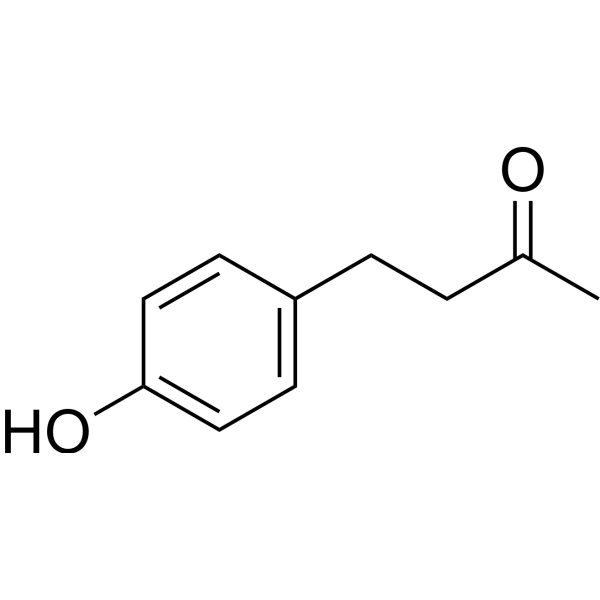
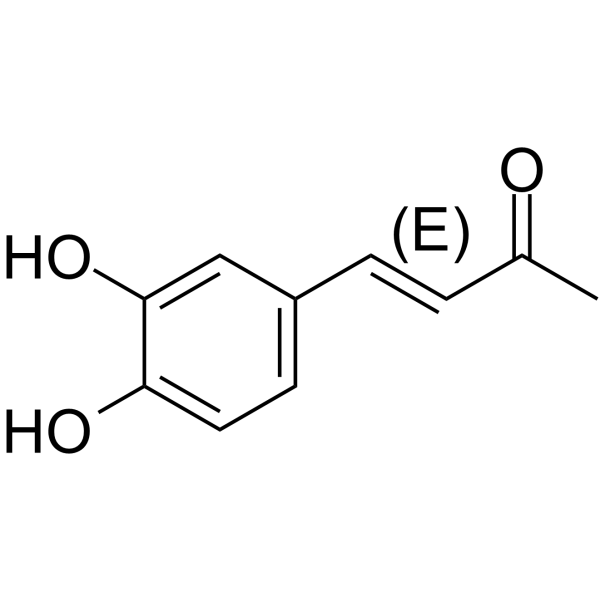 0 ImagesSynonyms: sAc15(E)-Osmundacetone is an inhibitor of the MAPK pathway. (E)-Osmundacetone inhibits the activation of the MAPK signaling pathway and restores the expression of PPARα/ACOX1. (E)-Osmundacetone abrogates abnormal cell proliferation, migration and liver metastasis induced by PTPRO silencing in colorectal cancer cells. (E)-Osmundacetone blocks OA-RD17-mediated activation of the MAPK signaling pathway, thereby reducing macrophage proliferation and migration. (E)-Osmundacetone is applicable to relevant research on colorectal cancer.
-
Norathyriol
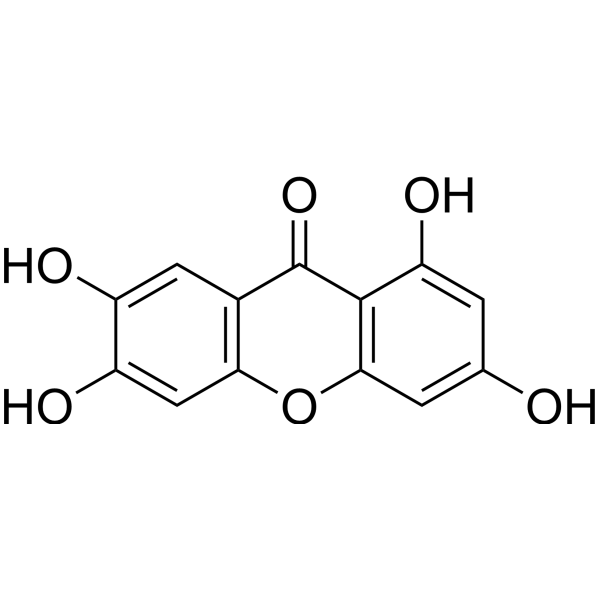 0 ImagesNorathyriol (Mangiferitin) is a natural metabolite of Mangifera. Norathyriol inhibits α-glucosidase in a noncompetitive manner with an IC50 of 3.12 μM. Norathyriol inhibits PPARα, PPARβ, and PPARγ with IC50s of 92.8 µM, 102.4 µM, and 153.5 µM, respectively. Antioxidant, anticancer, antimicrobial, anti-inflammatory, anti-bacterial activities.
-
Monoethyl phthalate
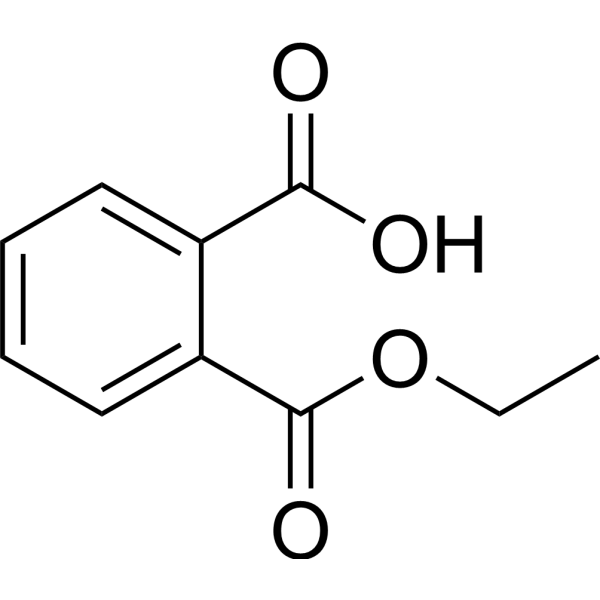 0 ImagesMonoethyl phthalate is an orally active PDX-1 activator and the major hydrolytic metabolite of Diethyl phthalate (HY-Y0284) in vivo, with reproductive toxicity. Monoethyl phthalate targets aromatase (aromatase/CYP19A1) and PPAR to induce cell proliferation. The plasma protein binding rate of Monoethyl phthalate in rats and humans is lower than that of Diethyl phthalate. It exhibits significant enterohepatic circulation in rats and mainly accumulates in liver tissues. Monoethyl phthalate shows no estrogenic activity in estrogen-dependent human breast cancer cells. Monoethyl phthalate can be used in studies of reproductive toxicity and related environmental endocrine disruption mechanisms.
-
F44-A13
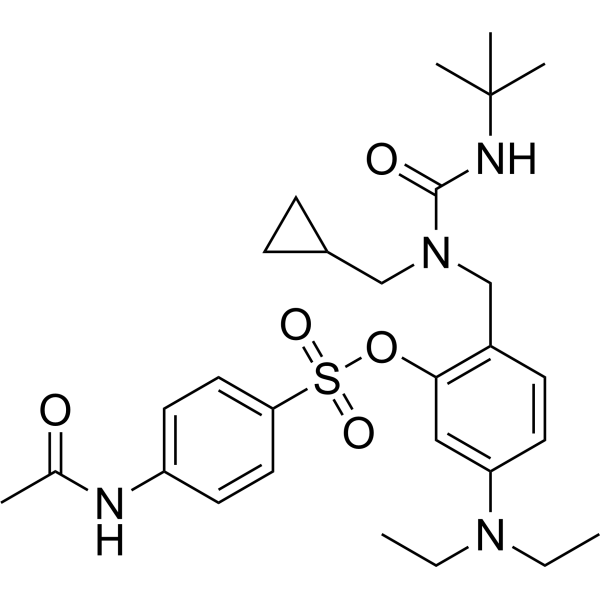 0 ImagesCat. No.: HY-163436CAS No.: 1338190-14-9F44-A13 is an orally active and highly selective farnesoid X receptor (FXR) antagonist with an IC50 value of 1.1 μM. F44-A13 can optimize cholesterol metabolism and reduce its activity by inducing CYP7A1 expression. F44-A13 reduces levels of cholesterol, triglycerides, and low-density lipoprotein cholesterol (LDL-C) in mouse models. F44-A13 can be used in the study of metabolic diseases associated with lipid disorders.
-
25-Hydroxytachysterol3
 0 Images25-Hydroxytachysterol3 is the metabolite of Vitamin D3 (HY-15398). 25-Hydroxytachysterol3 inhibits the proliferation of epidermal keratinocytes and dermal fibroblasts, stimulates the expression of differentiation- and antioxidant-related genes in keratinocytes. 25-Hydroxytachysterol3 activates vitamin D receptor (VDR) and aryl hydrocarbon receptor (AhR), liver X receptor α/β (LXR α/β) and peroxisome proliferator-activated receptor γ (PPARγ), stimulates the expression of CYP24A1.
-
Schizophyllan
 0 ImagesSchizophyllan (SPG) is an orally active extracellular β-glucan produced by the fungus Schizophyllum commune. Schizophyllan improves mitochondrial function and protects against metabolic liver injury by activating the SIRT3 pathway. Schizophyllan inhibits osteoclastogenesis and promotes osteoblast differentiation by suppressing the phosphorylation of JNK/p38, as well as downregulating PGC1β/PPARγ, c-Fos and NFATc1. Recognized via Dectin-1, schizophyllan enables precise delivery of oligonucleotide drugs and antigens to antigen-presenting cells, thus holding great potential in the treatment of inflammatory diseases and vaccine development.




