



Survivin
Survivin is a member of the inhibitor of apoptosis (IAP) family. The survivin protein functions to inhibit caspase activation, thereby leading to negative regulation of apoptosis or programmed cell death. This has been shown by disruption of survivin induction pathways leading to increase in apoptosis and decrease in tumour growth. Survivin expression is highly regulated by the cell cycle and is only expressed in the G2-M phase. Survivin localizes to the mitotic spindle by interaction with tubulin during mitosis and may play a contributing role in regulating mitosis. Survivin is highly expressed in most cancers and associated with chemotherapy resistance, increased tumor recurrence, and shorter patient survival, making antisurvivin therapy an attractive cancer treatment strategy.
All Product Categories
-
Survivin Related Products (84)
Related Products (84)

-
Antibodies (3)
-
Cucurbitacin IIa
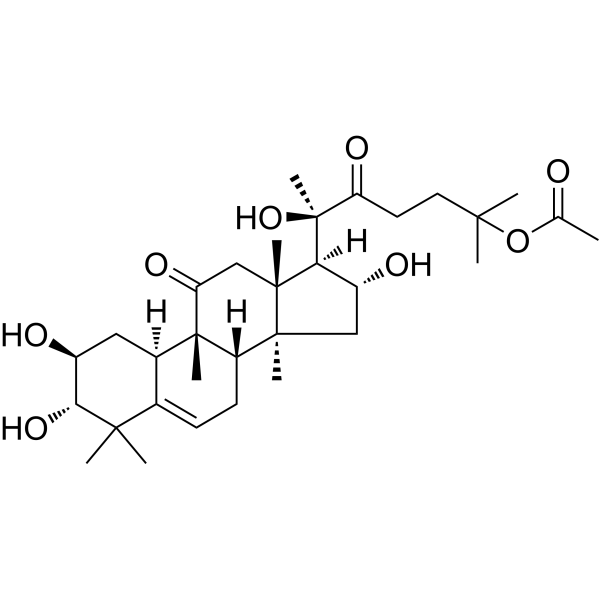 0 ImagesSynonyms: Hemslecin ACucurbitacin IIa (Hemslecin A) is an orally active, blood-brain barrier-permeable EGFR inhibitor with an IC50 of 1.455 nM against human EGFR. Cucurbitacin IIa induces caspase-3-dependent apoptosis, downregulates survivin expression, enhances autophagy levels, disrupts the actin cytoskeleton via actin aggregation, arrests the cell cycle at the G2/M phase, and exerts anti-inflammatory activity by inhibiting the EGFR-MAPK signaling pathway. Cucurbitacin IIa can be used in the research of inflammation-related diseases, depression, and cancers such as non-small cell lung cancer.
-
α-Santalol
 0 Imagesα-Santalol (cis-α-Santalol), a naturally occurring sesquiterpene, is an orally active anticancer agent and apoptosis inducer. α-Santalol activates caspase-3 to drive apoptotic processes. >α-Santalol induces apoptosis, decreases cell viability, and causes PARP cleavage in human prostate cancer cells. α-santalol inhibits Akt/Survivin pathway to induce cell death. α-Santalol can be used for the research of prostate cancer and diabetes mellitus.
-
Navitoclax (Standard)
 0 ImagesSynonyms: ABT-263 (Standard)Navitoclax (Standard) (ABT-263 (Standard)) is the analytical standard of Navitoclax (HY-10087). This product is intended for research and analytical applications. Navitoclax (ABT-263 ) is an orally active BH3 mimetic and an inhibitor of Bcl-2, Bcl-xL, and Bcl-w, with a Ki value of <1 nM for each target. Navitoclax triggers endogenous Apoptosis and downregulates the expression of Survivin and TGFβ2. Navitoclax alleviates fibrosis and induces thrombocytopenia. Navitoclax exhibits anticancer activity against a variety of tumors and enhances the efficacy of chemotherapy and radiotherapy. Navitoclax can be used in the research of acute lymphoblastic leukemia, ovarian cancer, and fibrotic diseases.
-
Shepherdin (79-87) TFA
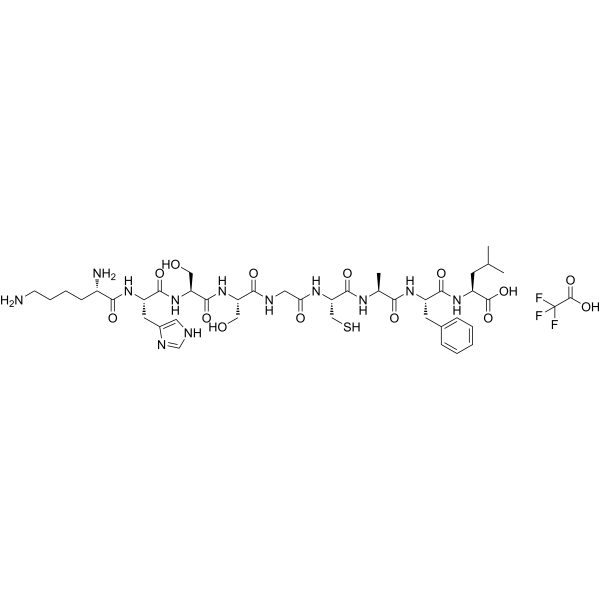 0 ImagesCat. No.: HY-P1750APurity: 99.80%Shepherdin (79-87) TFA is amino acids 79 to 87 fragment of Shepherdin. Shepherdin is a peptidomimetic antagonist of the complex between Hsp90 and Survivin. Anticancer activity.
-
PBX-7016
 0 ImagesCat. No.: HY-178226CAS No.: 3003834-34-9PBX-7016 is a DNA topoisomerase I inhibitor and DDX5 degrader. PBX-7016 induces DNA damage and downregulates Survivin, Mcl-1, and XIAP. PBX-7016 exerts a bystander killing effect. PBX-7016 can serve as an ADC payload for the synthesis of ADC. PBX-7016 is applicable to research related to head and neck cancer, non-small cell lung cancer, breast cancer, colorectal cancer, and ovarian cancer.
-
Isolinderalactone
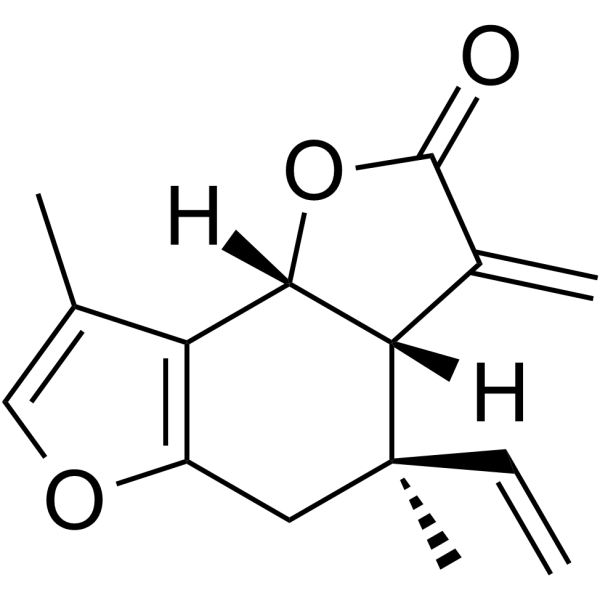 0 ImagesIsolinderalactone is a sesquiterpene that exhibits anti-cancer, anti-inflammatory, and neuroprotective effects. Isolinderalactone inhibits VEGF expression and tyrosine phosphorylation of VEGFR2. Isolinderalactone decreases viability and induces apoptosis in U-87 glioblastoma (GBM) cells and colorectal cancer (CRC) cells. Isolinderalactone induces G2/M phase cell cycle arrest, ROS generation, pJNK/p38 MAPK activation, in colorectal cancer (CRC) cells. Isolinderalactone blocks LPS (HY-D1056)-induced NF-κB activation while activating Nrf2-HMOX1 signaling in RAW264.7 macrophages. Isolinderalactone improves cognitive dysfunction in APP/PS1 mice. Isolinderalactone can be used for the study of Glioblastoma multiforme (GBM), colorectal cancer, Alzheimer’s disease and acute lung injury.
-
Nodosin
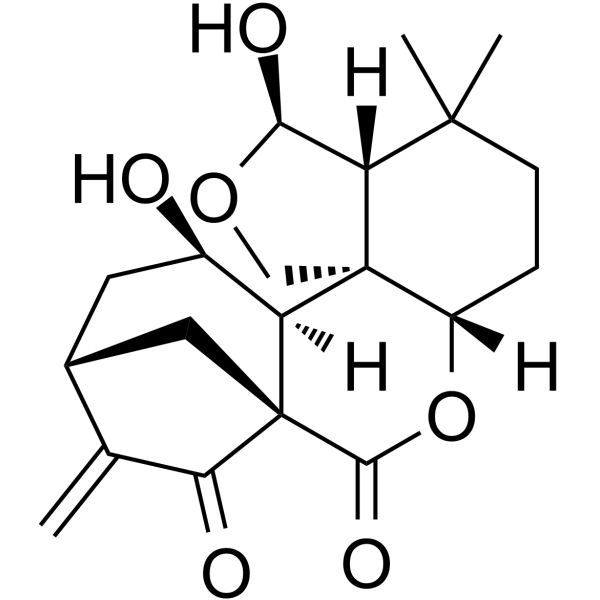 0 ImagesNodosin is an orally active diterpenoid compound that can be isolated from Isodon serra. Nodosin can inhibit the proliferation and induce cell cycle arrest and apoptosis of tumor cells. Nodosin can also inhibit oxidative stress, inflammatory responses, and ferroptosis. Nodosin has anti-inflammatory and anti-tumor activities.
-
MX106-4C
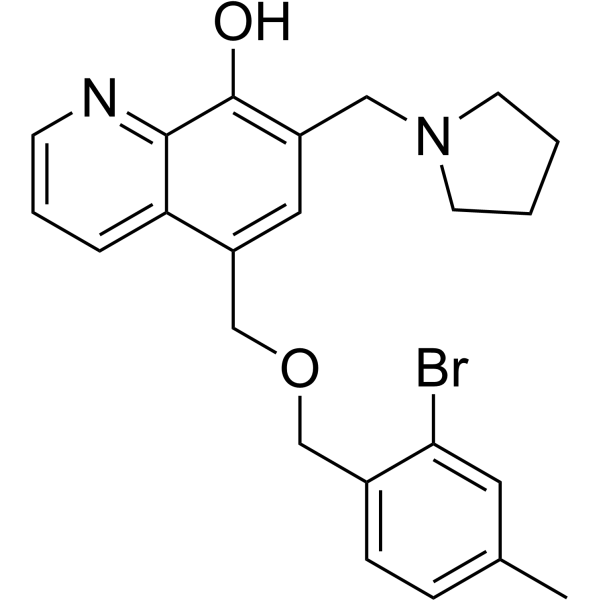 0 ImagesCat. No.: HY-162324Purity: 98.0%MX106-4C is a survivin inhibitor that selectively kills ABCB1-positive colorectal cancer cells. MX106-4C can exert synergistic anticancer effects with Doxorubicin or resensitize drug-resistant ABCB1 cells to Doxorubicin.
-
Navitoclax-d8
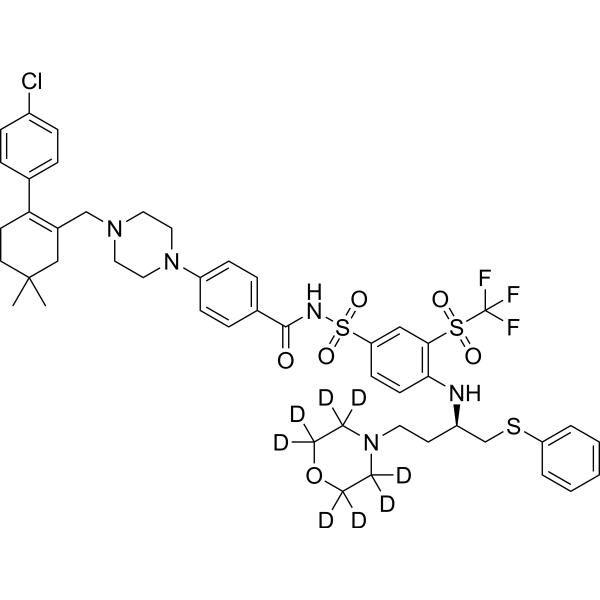 0 ImagesNavitoclax-d8 is the d8-labeled Navitoclax (HY-10087). Navitoclax (ABT-263 ) is an orally active BH3 mimetic and an inhibitor of Bcl-2, Bcl-xL, and Bcl-w, with a Ki value of <1 nM for each target. Navitoclax triggers endogenous Apoptosis and downregulates the expression of Survivin and TGFβ2. Navitoclax alleviates fibrosis and induces thrombocytopenia. Navitoclax exhibits anticancer activity against a variety of tumors and enhances the efficacy of chemotherapy and radiotherapy. Navitoclax can be used in the research of acute lymphoblastic leukemia, ovarian cancer, and fibrotic diseases.
-
MNK8
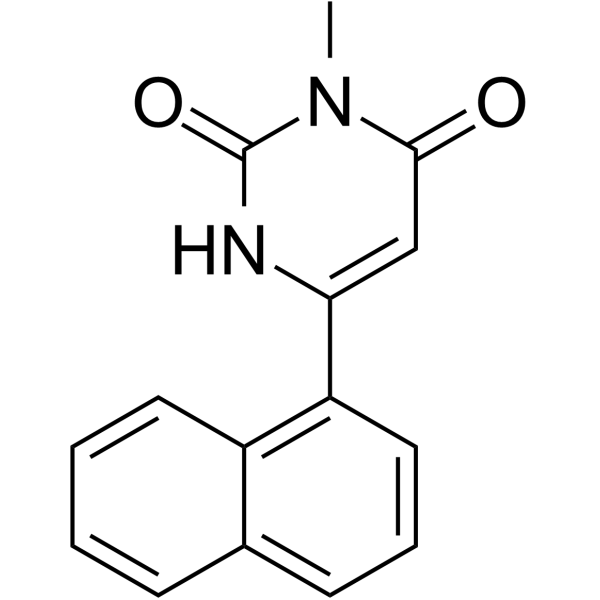 0 ImagesMNK8 is a potent STAT3 (signal transducer and activator of transcription 3) inhibitor. MNK8 inhibits STAT3 activation and reduced its DNA binding ability. MNK8 shows good growth inhibition against hepatocellular carcinoma (HCC) cells. MNK8 induces apoptosis in HCC cells. MNK8 reduces prosurvival proteins expression and migration/invasion of HCC cells.
-
UC-112
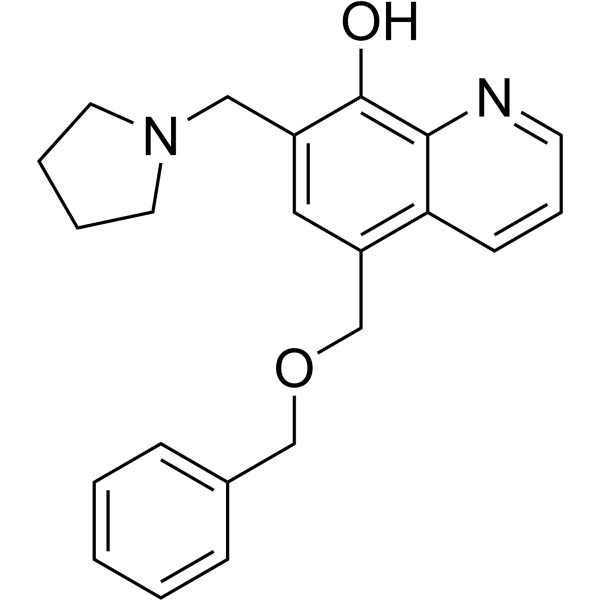 0 ImagesUC-112 is a XIAP inhibitor with anticancer activity. UC-112 selectively downregulates and degrades survivin via the ubiquitin-mediated proteasomal degradation pathway. UC-112 reduces XIAP levels in in vivo tumor models. UC-112 activates caspase-3/7 and caspase-9, and induces cancer cell apoptosis. UC-112 is applicable to studies on melanoma, prostate cancer and cancer-related research.
-
PBX-7011 TFA
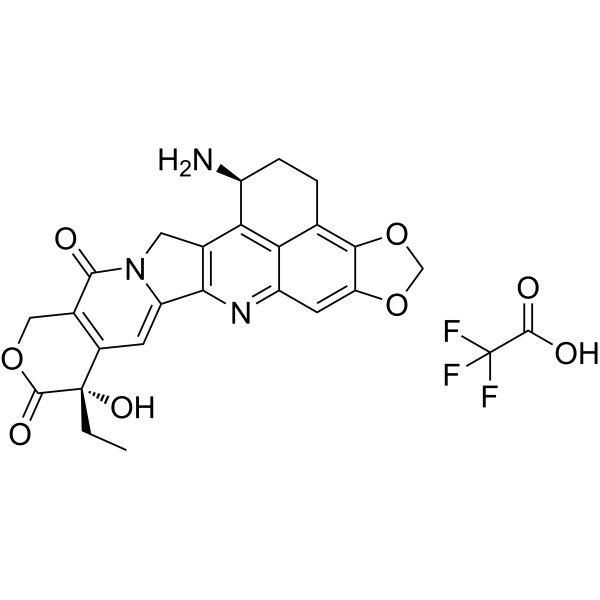 0 ImagesCat. No.: HY-160438BPurity: 98.60%
-
HVH-2930
 0 ImagesCat. No.: HY-161781CAS No.: 3034605-72-3HVH-2930 is a HSP90 C-terminal domain inhibitor with high oral bioavailability. HVH-2930 downregulates HSP90 client proteins, inhibits the HER2 signaling pathway, induces apoptosis, and suppresses the proliferation of breast cancer cells. HVH-2930 inhibits the proliferation of tumors sensitive or resistant to Trastuzumab (HY-P9907). HVH-2930 is applicable to relevant research on breast cancer.

-
Isocryptotanshinone
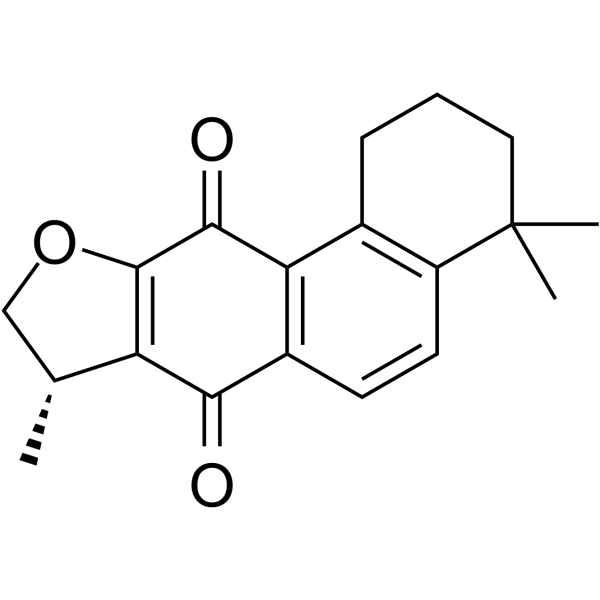 0 ImagesIsocryptotanshinone is a dual STAT3 and PTP1B (IC50 = 56.1 μM) inhibitor. Isocryptotanshinone inhibits STAT3 by binding to the STAT3 SH2 domain to block phosphorylation and nuclear translocation[1][2]. Isocryptotanshinone exerts its anti-proliferative effect via the induction of cell cycle arrest, apoptosis, and pro-death autophagy, through the regulation of STAT3, AKT/mTOR and MAPK signaling pathways. Isocryptotanshinone suppresses the xenograft gastric cancer (GC) tumor growth in BALB/c nude mice. Isocryptotanshinone can be used for cancer research, such as lung cancer, breast cancer and GC.
-
PBX-7011 mesylate
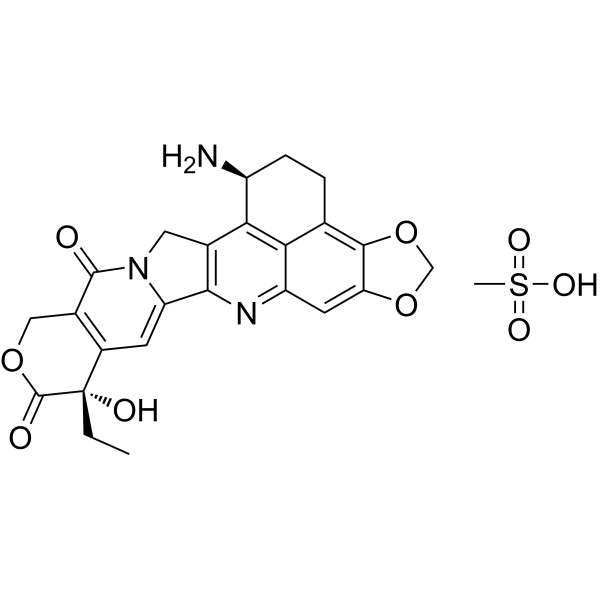 0 ImagesCat. No.: HY-160438ACAS No.: 3048208-55-2PBX-7011 mesylate is an active Camptothecin (HY-16560) derivative. PBX-7011 can bind to the DDX5 protein in cells, thereby inducing cell death through DDX5 protein degradation.
-
Nurr1 agonist 14
 0 ImagesCat. No.: HY-175352Purity: 99.42%Nurr1 agonist 14 (Compound 32) is a Nurr1 agonist with an EC50 of 0.09 μM for Nurr1. Nurr1 agonist 14 has significant neuroprotective activity with no influence of residual DHODH inhibition. Nurr1 agonist 14 upregulates neuroprotective genes including SOD2, SESN3, BIRC5, XIAP, FLRT2 and CRMP4 in dopaminergic neurons. Nurr1 agonist 14 can be used for neurodegenerative diseases such as Alzheimer′s disease (AD), Parkinson′s disease (PD) and multiple sclerosis (MS) research.
-
PROTAC survivin degrader-1
 0 ImagesPROTAC survivin degrader-1 is an orally active, CNS-penetrant survivin-targeting PROTAC. PROTAC survivin degrader-1 induces degradation of survivin via the ubiquitin proteasome system. PROTAC survivin degrader-1 can be used for the research of glioblastoma.
-
Shepherdin (79-87)
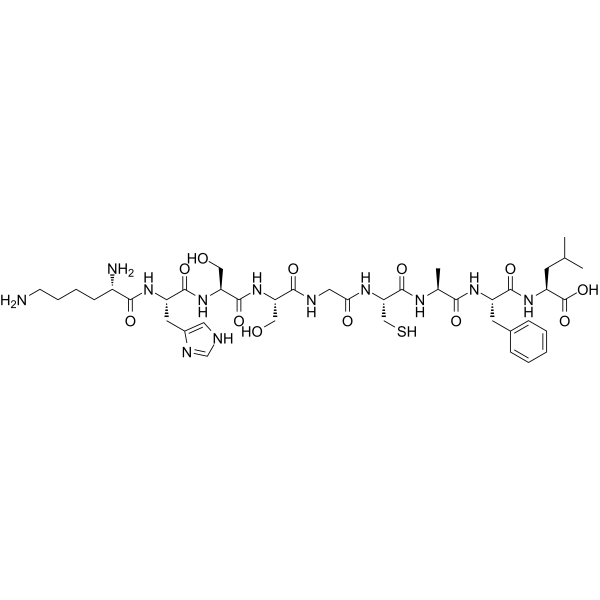 0 ImagesCat. No.: HY-P1750CAS No.: 861224-28-4Shepherdin (79-87) is amino acids 79 to 87 fragment of Shepherdin. Shepherdin is a peptidomimetic antagonist of the complex between Hsp90 and Survivin. Anticancer activity.
-
STAT3-IN-38
 0 ImagesCat. No.: HY-169797CAS No.: 3033049-16-7STAT3-IN-38 (Compound 4m) is an inhibitor of STAT3 (KD of rhSTAT3: 45.33 µM). STAT3-IN-38 binds to the SH2 domain of STAT3 protein and suppresses the STAT3’s phosphorylation at site pTyr705 as well as its downstream genes (Survivin and Mcl-1). STAT3-IN-38 could block cell-cycle and induce Apoptosis in colorectal cancer cells.




