TNF Receptor
All Product Categories
-
TNF Receptor Inhibitors
(477)
View all products
-
TNF Receptor Agonists
(22)
View all products
-
TNF Receptor Antagonists
(16)
View all products
-
TNF Receptor Activators
(42)
View all products
-
TNF Receptor Modulators
(6)
View all products
-
TNF Receptor Inducers
(7)
View all products
-
TNF Receptor Controls
(4)
View all products
-
TNF Receptor Ligands
(2)
View all products
-
TNF Receptor Related Products (701)
Related Products (701)

-
Asunercept
 0 ImagesSynonyms: APG101; CAN008Asunercept (APG101; CAN008) is a soluble CD95-Fc fusion protein (hIgG1) targeting CD95L. Asunercept disrupts CD95/CD95L signaling by selectively binding to CD95L. Asunercept can be used in the research of glioblastoma multiforme (GBM), myelodysplastic syndrome (MDS), and graft-versus-host disease (GvHD).
-
Trifolirhizin
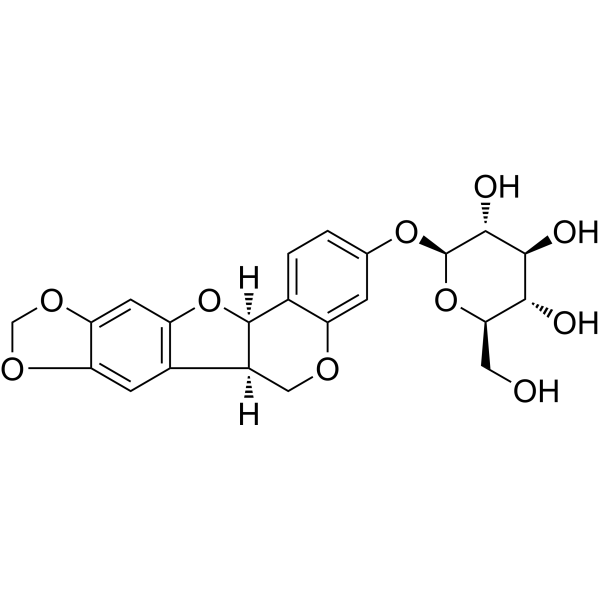 0 ImagesTrifolirhizin is a pterocarpan flavonoid found in the roots of Sophora flavescens. Trifolirhizin is a tyrosinase inhibitor with an IC50 value of 506.77 μM. Trifolirhizin reduces intracellular melanin production and modulates multiple signaling pathways including NFκB-MAPK, AMPK/mTOR, PI3K/Akt, MAPK-NFATc1 and EGFR-MAPK. Trifolirhizin targets biological molecules including PTK6 and COX-2, inhibits the activities of hyaluronidase, collagenase and elastase, induces apoptosis, autophagy and cell cycle arrest, and suppresses the proliferation, migration and invasion of cancer cells. Trifolirhizin exerts diverse pharmacological effects including anti-inflammatory, anti-asthmatic, bone-protective, renoprotective, antibacterial, antifungal, hepatoprotective, antiplatelet, estrogenic and wound-healing activities. Trifolirhizin can be used to investigate a broad range of malignant, inflammatory, metabolic and infectious disorders.
-
Isoquinoline
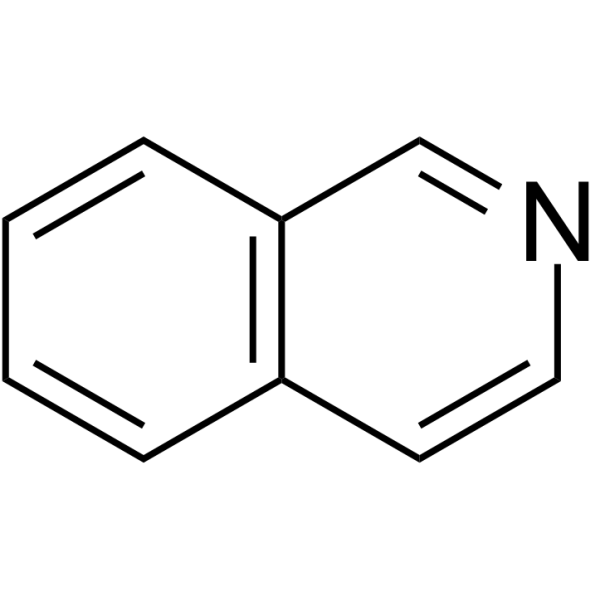 0 ImagesIsoquinoline is an analog of pyridine. Isoquinoline-based alkaloids, such as p-tolyl bisisoquinoline, phthaloyl isoquinoline, and naphthyl isoquinoline, exhibit anticancer activity. Berberine, an isoquinoline alkaloid, exerts anti-inflammatory effects in diabetic mice by downregulating the gene expression ratios of pro-/anti-inflammatory and Th1/Th2 cytokines. Additionally, some isoquinoline-based compounds also possess antidepressant, antibacterial, antimalarial, and anti-HIV activities.
-
Mutanolysin
 0 ImagesCat. No.: HY-P3023CAS No.: 55466-22-3Mutanolysin is a bacteriolytic agent. Mutanolysin is a muralytic enzyme that can prevent hepatic injury. Mutanolysin can digest the cell wall of S. mutans BHT and shows antibacterial activity. Mutanolysin reduces TNF-α production in isolated Kupffer cells stimulated with peptidoglycan-polysaccharide (PG-APS). Mutanolysin can be used for the researches of infection, inflammation and hepatic injury.
-
10-Hydroxydecanoic acid
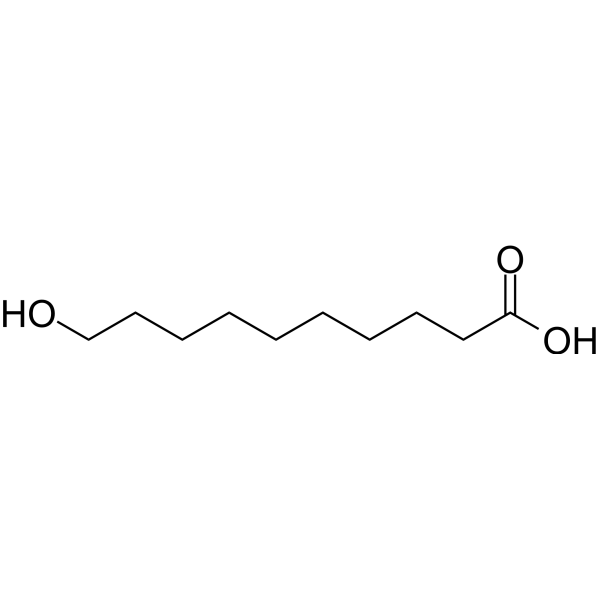 0 Images10-Hydroxydecanoic acid (10-HDAA) is a saturated fatty acid derived from 10-hydroxy-trans-2-decenoic acid, which can be isolated from royal jelly. 10-Hydroxydecanoic acid exhibits various biological activities, including anti-inflammatory, insecticidal, anti-malarial, and anti-Leishmania properties, as well as enhancing antigen-specific immune responses. The anti-inflammatory effects of 10-Hydroxydecanoic acid are primarily mediated by inhibiting the activation of NF-κB and the translation of interferon regulatory factor 1 (IRF-1), which reduces the production of interleukin 6 (IL-6) and nitric oxide (NO) in inflammatory cells. Additionally, 10-Hydroxydecanoic acid alleviates neuroinflammatory responses through the p53-autophagy pathway and the p53-NLRP3 pathway. Finally, 10-Hydroxydecanoic acid enhances antigen-specific immune responses by promoting the effective uptake of antigens by microfold cells.
-
TAPI-0
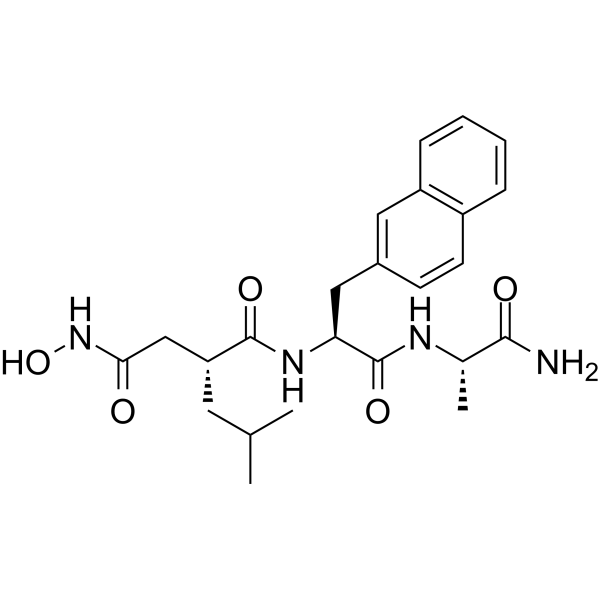 0 ImagesCat. No.: HY-118694CAS No.: 163958-73-4
-
ODN M362 sodium
 0 ImagesCat. No.: HY-150750AODN M362 sodium is a TLR9 agonist that acts as a vaccine adjuvant. ODN M362 sodium activates mouse splenocytes, induces apoptosis in human hepatocellular carcinoma cells, upregulates proinflammatory cytokines in human hepatocellular carcinoma cells, and inhibits the proliferation of human hepatocellular carcinoma cells. ODN M362 sodium upregulates the expression of TLR9/TLR6, activates downstream signaling pathways via IRAK4 and IRF7, and strongly amplifies antigen-specific cellular immune responses to participate in innate immune activation. ODN M362 sodium can be used in research related to hepatocellular carcinoma and breast cancer.
-
Rosavin
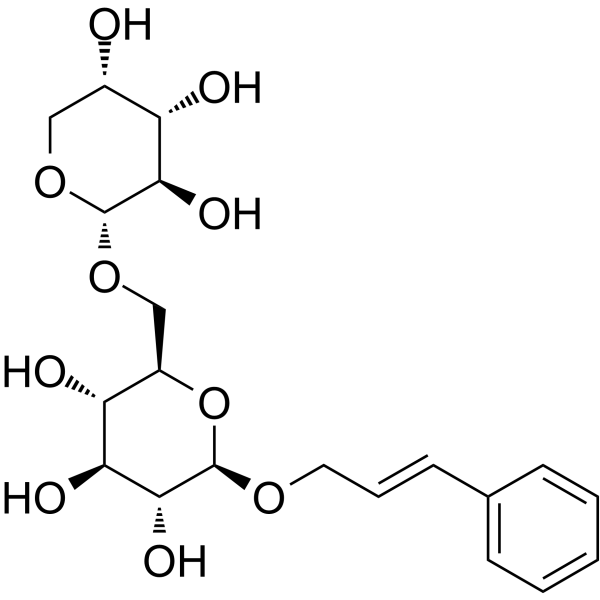 0 ImagesRosavin, an orally bioactive phenylpropanoid from Rhodiola rosea L. (RRL), is an adaptogen that enhances the body’s response to environmental stress. Rosavin significantly influences bone tissue metabolism by inhibiting osteoclastogenesis and promoting osteoblast differentiation, also impacts various diseases, demonstrating antidepressant, adaptogenic, and anxiolytic effects in mouse models. Additionally, Rosavin improves survival, reducing intestinal damage in irradiated rats and Ischemia-reperfusion(I/R)-induced cerebral injury in vivo by regulating inflammation and oxidative stress, making it a promising candidate for research in radiation-induced intestinal injury, I/R-induced cerebral injury and osteoporosis.
-
Anti-Mouse CD40L/CD154 Antibody (MR-1)
 0 ImagesCat. No.: HY-P990134Purity: 99.62%Anti-Mouse CD40L/CD154 Antibody (MR-1) is an anti-mouse CD40L/CD154 IgG monoclonal antibody. Anti-Mouse CD40L/CD154 Antibody (MR-1) reduces the expression of IFN signaling pathway and lowers the level of IFN-β. Anti-Mouse CD40L/CD154 Antibody (MR-1) can prolong the survival time of transplants. Anti-Mouse CD40L/CD154 Antibody (MR-1) can be used for researches on cancer, inflammation conditions and xenotransplantation such as pancreatic cancer and autoimmune cholangitis.
-
BI-1808
 0 ImagesCat. No.: HY-P991192BI-1808 is a human IgG1 monoclonal antibody that targets TNFR2by blocking interaction of TNFR2 with ligand TNF-α, confers FcγR-dependent depletion of Treg and mediates expansion of intratumoral CD8+ T cells.
-
Thiophanate-Methyl
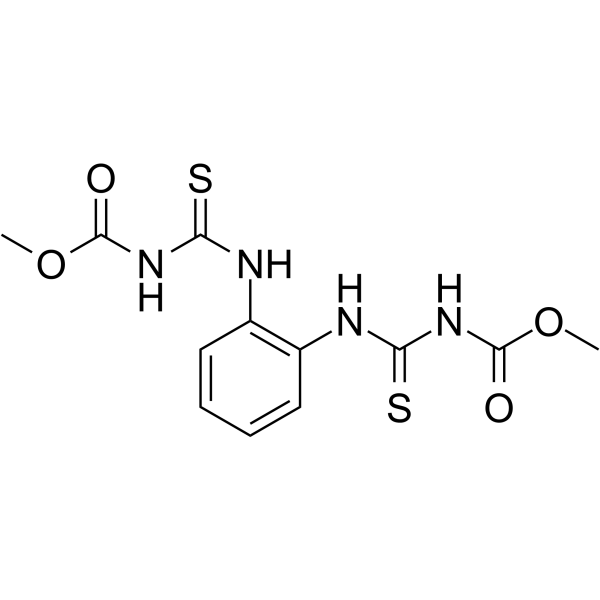 0 ImagesThiophanate-Methyl is a pesticide residue and fungicide. Thiophanate-Methyl induces hepatotoxicity via caspase-3-mediated apoptosis and oxidative stress, thereby causing metabolic imbalance in the liver of zebrafish. Thiophanate-Methyl impairs the rhizobacteria-mediated defense response of cucumber against fusarium wilt.
-
4-Allylcatechol
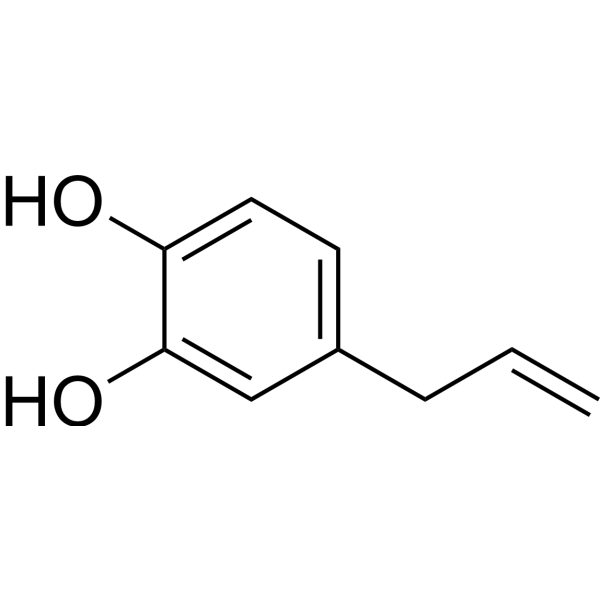 0 Images4-Allylcatechol (4-Allylpyrocatechol) is a xylan which has oral activity and can be isolated from the root of Piper taiwanense. 4-Allylcatechol has a strong inhibitory activity against collagen-induced platelet aggregation (IC50 = 5.3 μM). In addition, 4-Allylcatechol has anti-tuberculosis activity against Mycobacterium tuberculosis H37Rv (MIC = 27.6 μg/mL).
-
SPD304 dihydrochloride
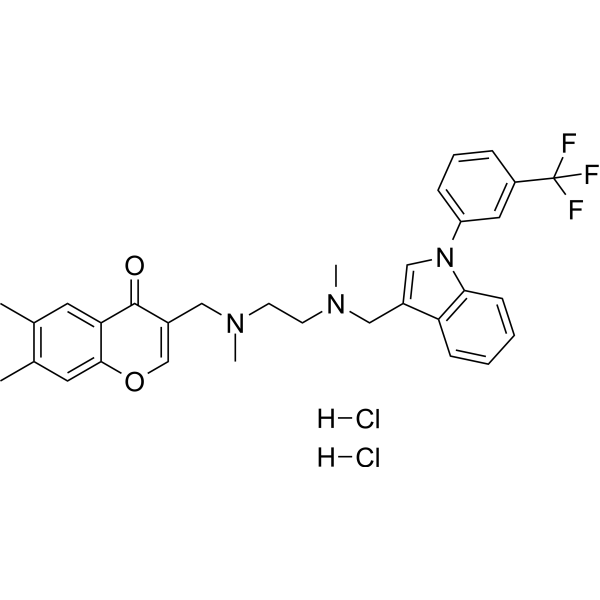 0 ImagesSPD304 dihydrochloride is a selective TNF-α inhibitor, which promotes dissociation of TNF trimers and therefore blocks the interaction of TNF and its receptor. SPD304 has an IC50 of 22 μM for inhibiting in vitro TNF receptor 1 (TNFR1) binding to TNF-α.
-
DRI-C21041 DIEA
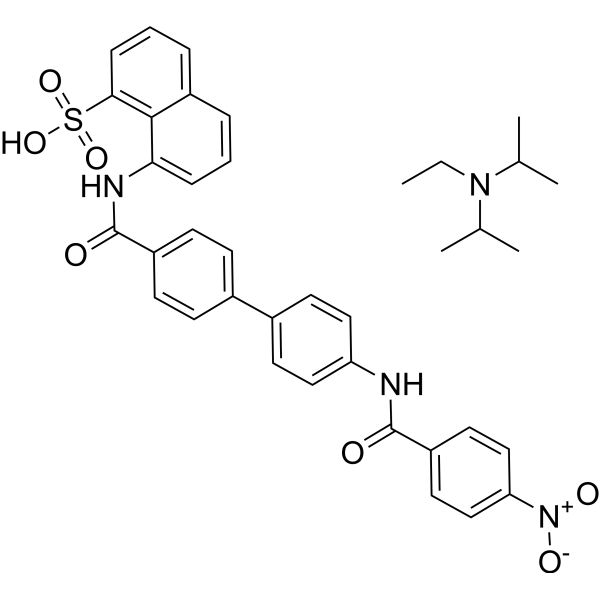 0 ImagesCat. No.: HY-154821APurity: 99.07%DRI-C21041 DIEA is a CD40/CD40L interaction inhibitor, with an IC50 of 0.31 μM. DRI-C21041 DIEA inhibits the immune response induced by alloantigen.
-
Brivekimig
 0 ImagesSynonyms: F-027300252; SAR-442970Brivekimig (F-027300252; SAR-442970) is a bispecific nanobody targeting TNF/OX40L. Brivekimig is applicable to research related to hidradenitis suppurativa.
-
Flumethasone
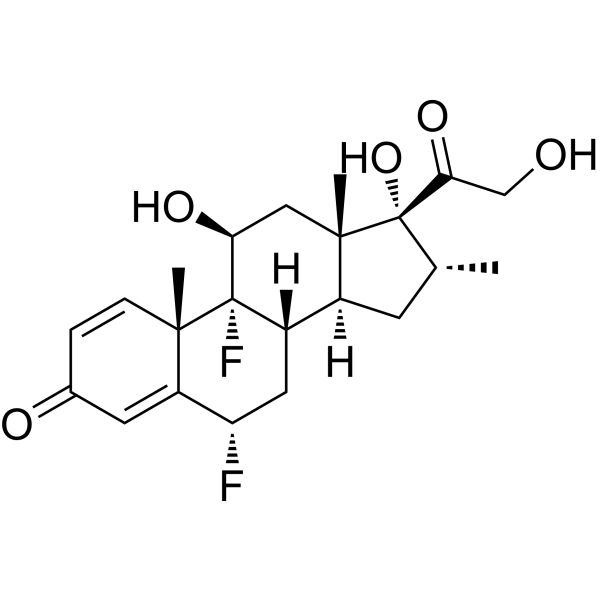 0 ImagesFlumethasone (Flumetasone) is an orally active, high selective and potent glucocorticoid receptor (GR) agonist. Flumethasone activates GR to inhibit nuclear factor kappa B (NF-κB)-mediated pro-inflammatory cytokine production (TNF-α, IL-1β) and promotes anti-inflammatory gene expression (IL-10), while also regulating metabolic enzyme activity (tyrosine aminotransferase induction). Flumethasone is promising for research of inflammatory diseases, cancer, and endocrine regulation.
-
TNF-α (46-65), human
 0 ImagesTNF-α (46-65), human is a peptide of TNF-α.
-
Aurantio-obtusin
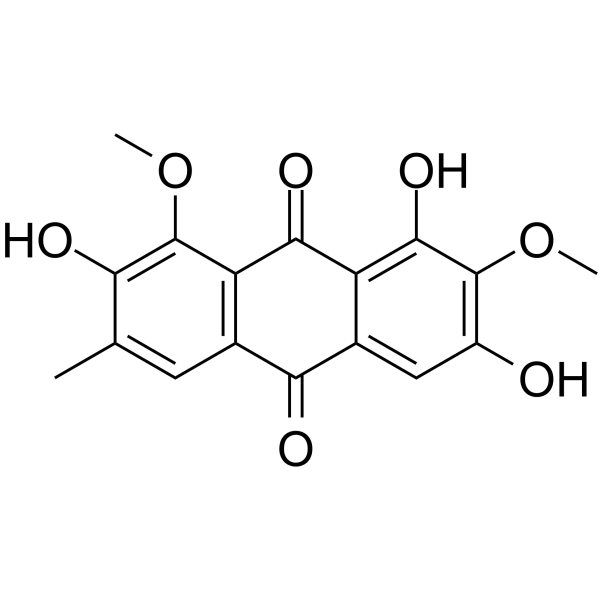 0 ImagesAurantio-obtusin is a anthraquinone compound that can be extracted from cassia seed. Aurantio-obtusin has the effects of decreasing blood pressure, decreasing blood lipids and anti-inflammatory.Aurantio-obtusin is an orally active vasodilator. Aurantio-obtusin ameliorates hepatic steatosis through AMPK/ autophagy- and AMPK/TFEB mediated inhibition of lipid accumulation.
-
JNU-0921
 0 ImagesJNU-0921 is a potent and orally active CD137 agonist. JNU-0921 increases the mRNA expression of IFN-γ and GZMB. JNU-0921 induces luciferase activity with an EC50 value of 64.07 nM.JNU-0921 enhances effector and memory function of cytotoxic CD8+ T cells (CTLs) and alleviates their exhaustion. JNU-0921 also skews polarization of helper T cells toward T helper 1 type and enhances their activity to boost CTL function. JNU-0921 shows anticancer activity.