



Arp2/3 Complex
Actin-related protein 2/3 complex
The Arp2/3 complex is originally identified in Acanthamoeba and consists of seven proteins (actin-related proteins; Arp2 and Arp3, and Arp2/3 complex subunits; ARPC1-5) that are conserved in all eukaryotes, with the exception of some algae, microsporidia and protists. The complex plays an essential role in a wide variety of cellular processes including lamellipodia-mediated cell migration, endocytosis and phagocytosis, by virtue of its ability to generate branched actin filament networks.
Activation of Arp2/3 requires interaction with actin nucleation-promoting factors (NPFs). Regulation of Arp2/3 activity is achieved by endogenous inhibitory proteins through direct binding to Arp2/3 and competition with NPFs or by binding to Arp2/3-induced actin filaments and disassembly of branched actin networks. Arp2/3 inhibition has recently garnered more attention as it has been associated with attenuation of cancer progression, neurotoxic effects during drug abuse, and pathogen invasion of host cells.
All Product Categories
-
Arp2/3 Complex Verwandte Produkte (46)
Verwandte Produkte (46)

-
Antibodies (99)
-
Cytochalasin B
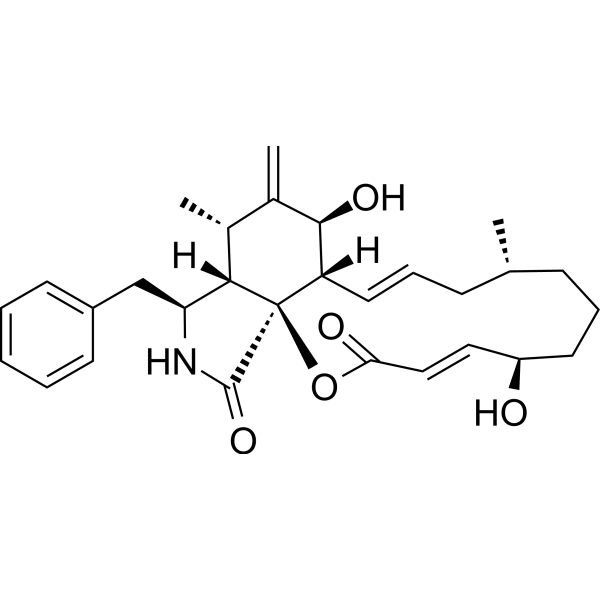 0 ImagesSynonyms: Phomin
-
Cytochalasin D
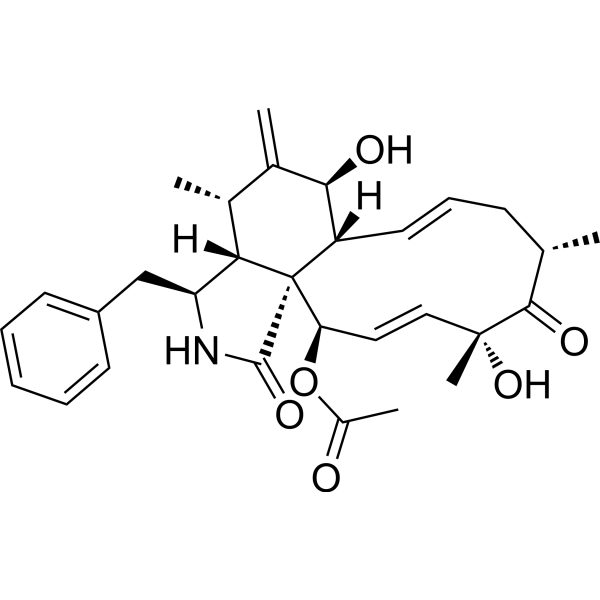 0 ImagesSynonyms: Zygosporin A; NSC 209835Cytochalasin D (Zygosporin A) is a potent actin polymerization inhibitor, could be derived from fungus. Cytochalasin D has cell-permeable activity. Cytochalasin D inhibits the G-actin–cofilin interaction by binding to G-actin. Cytochalasin D also inhibits the binding of cofilin to F-actin and decreases the rate of both actin polymerization and depolymerization in living cells. Cytochalasin D can reduce exosome release, in turn reducing the amount of survivin present in the tumour environment. Cytochalasin D induces phosphorylation and cytoplasmic retention of Yap.
-
CK-666
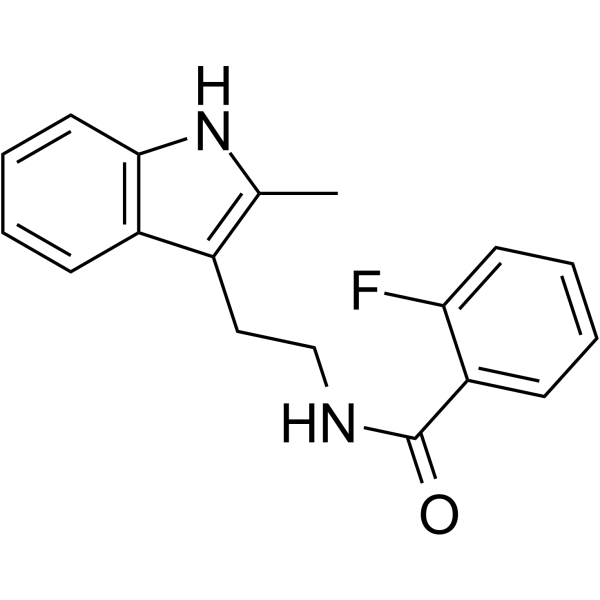 0 ImagesCK-666 is a cell-permeable actin-related protein Arp2/3 complex inhibitor (IC50=12 μM). CK-666 binds to Arp2/3 complex, stabilizes the inactive state of the complex, blocking movement of the Arp2 and Arp3 subunits into the activated filament-like (short pitch) conformation.
-
SMIFH2
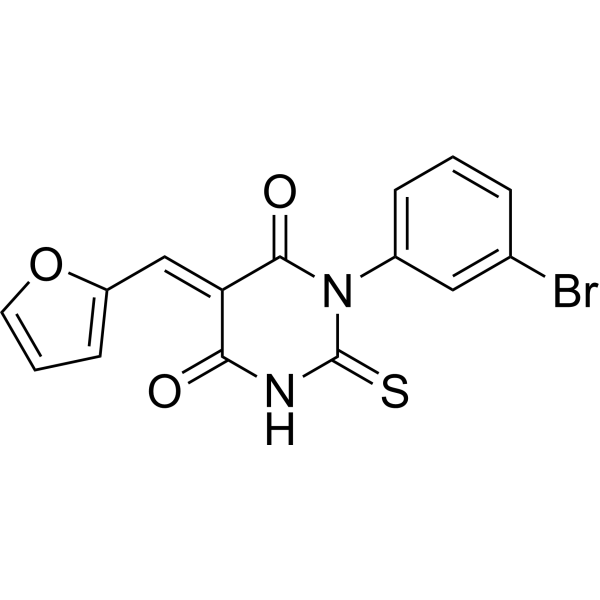 0 ImagesSMIFH2 is a formin specific inhibitor. SMIFH2 inhibits actin polymerization by Formins and affects the actin cytoskeleton.
-
Latrunculin A
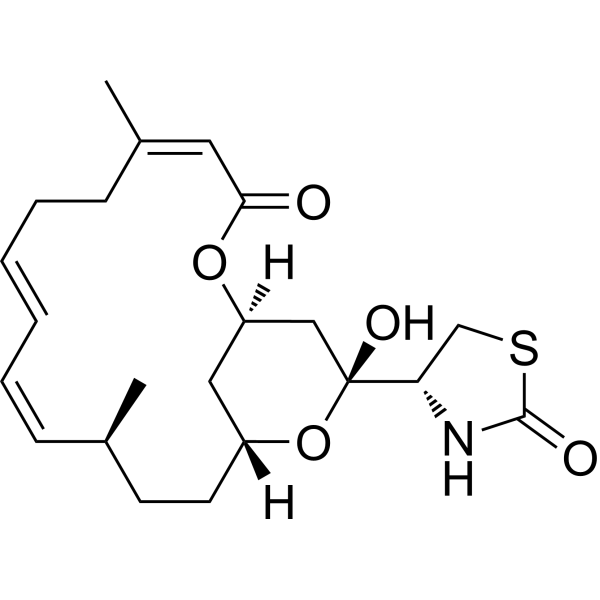 0 ImagesSynonyms: LAT-ALatrunculin A (LAT-A), found in the red sea sponge Latrunculia magnifica, is a G-actin polymerization inhibitor. Latrunculin A binds to actin monomers and inhibits polymerization of actin with Kds of 0.1, 0.4, 4.7 μM and 0.19 μM for ATP-actin, ADP-Pi-actin, ADP-actin and G-actin, respectively. Latrunculin A has effective anti-metastatic properties for cancer research. Latrunculin A blocks cell migration.
-
Hydroxyacetone
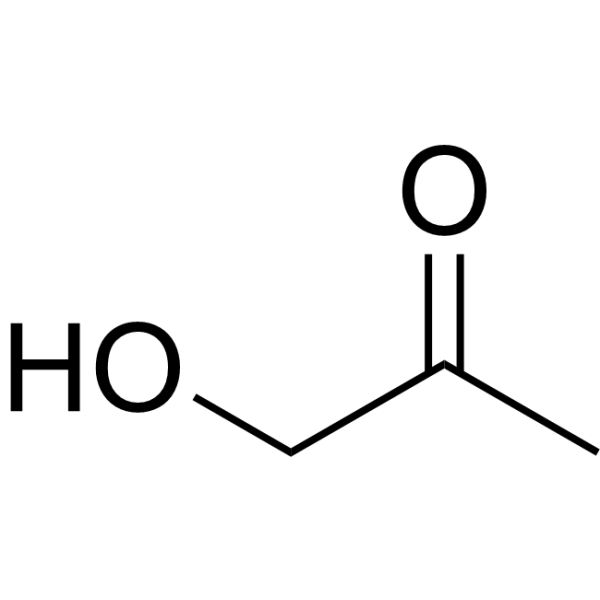 0 ImagesHydroxyacetone is a toxic compound. Hydroxyacetone can be isolated from e-cigarette aerosols. Hydroxyacetone reduces the activity of cellular Mitochondrial reductase (with an IC50 of 5.53 mg/mL for mitochondrial reductase in BEAS-2B cells) and increases ROS levels. Hydroxyacetone induces mitochondrial stress and oxidative damage. Hydroxyacetone induces destabilization of F-actin. At high concentrations, Hydroxyacetone promotes cell rounding and Apoptotic body formation. Hydroxyacetone exerts toxic effects on cells including airway epithelial cells and possesses respiratory toxicity potential.\n
-
Protein kinase inhibitor H-7 dihydrochloride
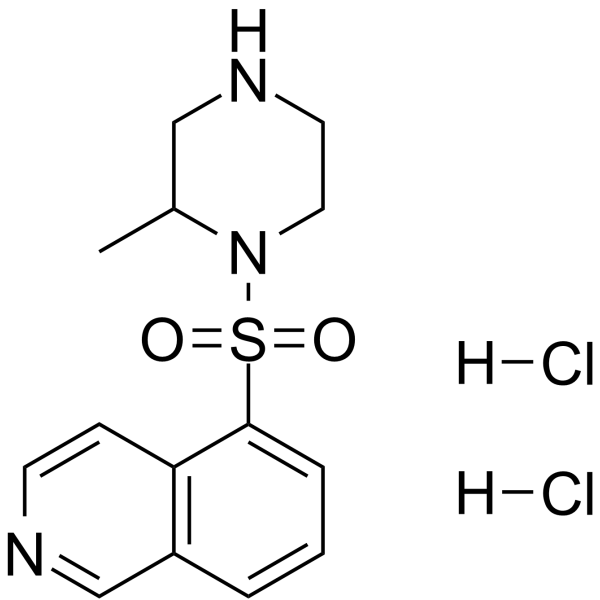 0 ImagesProtein kinase inhibitor H-7 dihydrochloride is a selective inhibitor of PKC and cyclic nucleotide-dependent protein kinases, with a Ki value of 6.0 μM for rabbit protein kinase C, a Ki value of 3.0 μM for rabbit cAMP-dependent protein kinase, and a Ki value of 5.8 μM for porcine cGMP-dependent protein kinase. Protein kinase inhibitor H-7 dihydrochloride has no effect on Ca2+-calmodulin-dependent enzymes. Protein kinase inhibitor H-7 dihydrochloride regulates the Actin cytoskeleton, inhibits contractility, disrupts stress fibers, induces protrusive activity, stabilizes intercellular junctions, and triggers rapid and reversible cytoskeletal reorganization. Protein kinase inhibitor H-7 dihydrochloride serves as a research tool for elucidating the functions of protein kinase C-mediated signaling systems.
-
TR-100
 0 ImagesTR-100 is a Tpm3.1 inhibitor that binds to and disrupts Tpm3.1-containing Actin filaments, enhancing the depolymerizing effect of Tpm3.1 on actin without altering actin-tropomyosin binding. TR-100 induces actin cytoskeleton rearrangement. TR-100 shortens membrane nanotubes and alters tube thickness in a concentration-dependent manner. TR-100 increases basal insulin secretion and inhibits glucose-stimulated insulin secretion. TR-100 inhibits insulin-stimulated glucose uptake. TR-100 can be used for research on B lymphoma.
-
Jasplakinolide
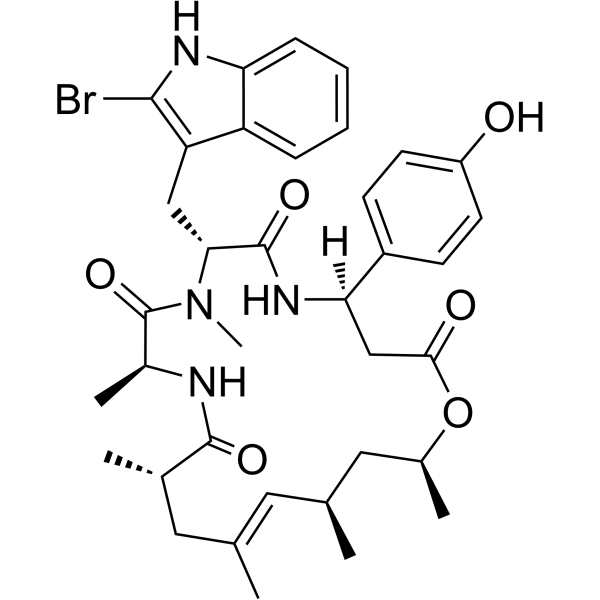 0 ImagesJasplakinolide is a potent actin polymerization inducer and stabilizes pre-existing actin filaments. Jasplakinolide binds to F-actin competitively with phalloidin with a Kd of 15 nM. Jasplakinolide, a naturally occurring cyclic peptide from the marine sponge, has both fungicidal and anti-cancer activity.
-
CK-869
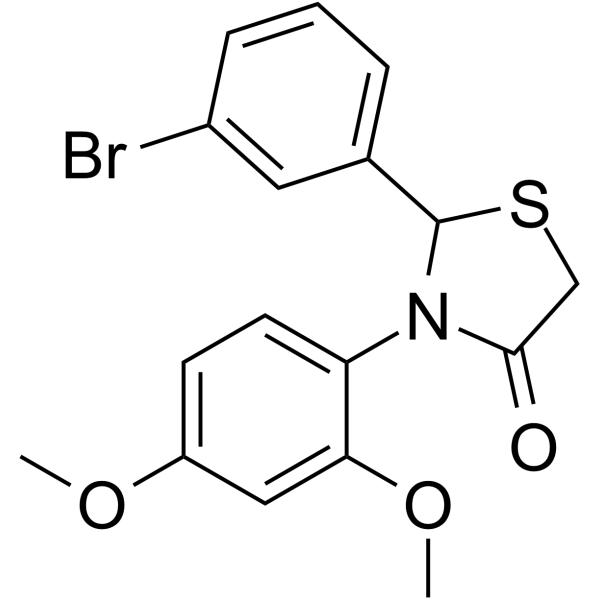 0 ImagesCK-869 is an Actin-Related Protein 2/3 (ARP2/3) complex inhibitor, with an IC50 of 7 μM.
-
Wiskostatin
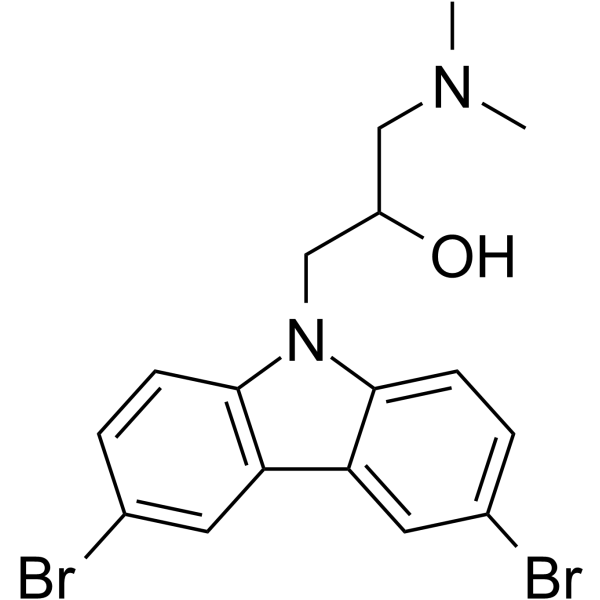 0 ImagesWiskostatin is a potent and selective inhibitor of neuronal Wiskott-Aldrich syndrome protein (N-WASP)-mediated actin polymerization by stabilization of the closed, autoinhibited conformation, thereby preventing Arp2/3 complex activation. Wiskostatin is also a dynamin inhibitor with an IC50 value of 20.7 μM and a potent inhibitor of clathrin-mediated endocytosis with an IC50 value of 6.9 μM. Wiskostatin causes a rapid, profound, and irreversible decrease in cellular ATP levels. Wiskostatin also induces disassembly of podosomes in a murine monocyte cell line.
-
Benproperine phosphate
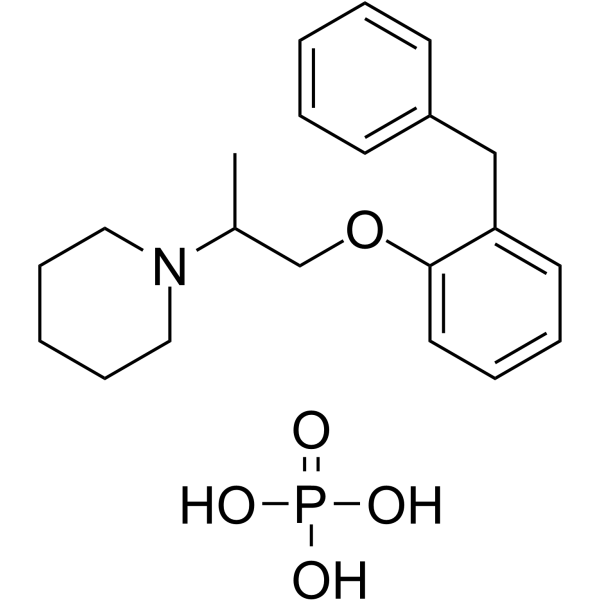 0 ImagesBenproperine phosphate is an orally active, potent actin-related protein 2/3 complex subunit 2 (ARPC2) inhibitor. Benproperine phosphate attenuates the actin polymerization rate of action polymerization nucleation by impairing Arp2/3 function. Benproperine phosphate has the potential for a cough suppressant and suppresses cancer cell migration and tumor metastasis.
-
CK-636
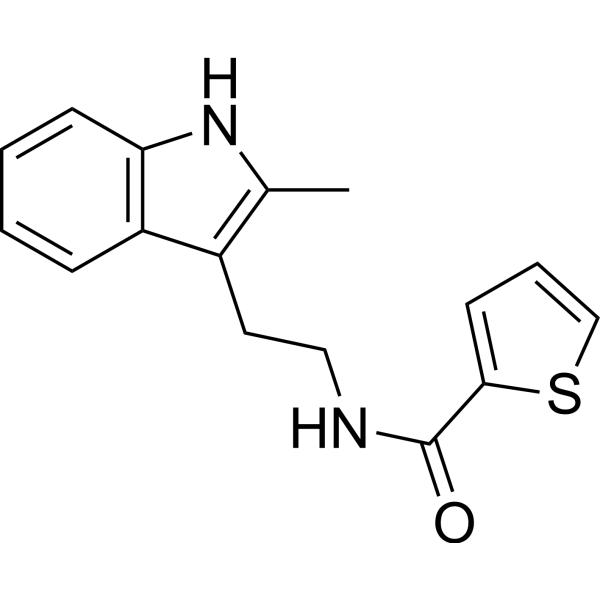 0 ImagesSynonyms: CK-0944636CK-636 is a cell permeable inhibitor of Arp2/3 complex, that could inhibit actin polymerization, with IC50 values of 4 μM, 24 μM and 32 μM for human, fission yeast and bovine, respectively. CK636 blocks cell migration.
-
Phalloidin-TRITC
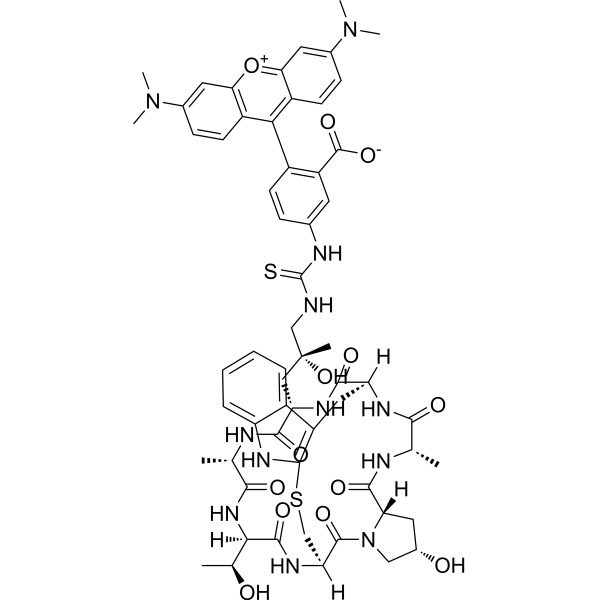 0 ImagesArt. -Nr.: HY-P2270CAS. Nr.: 915013-10-4Phalloidin-TRITC is a fluorescein derivative of Phalloidin, which can specifically label myof lin and display red fluorescence when labeled and can be observed using Tesred channels.
-
(Rac)-NSC305787
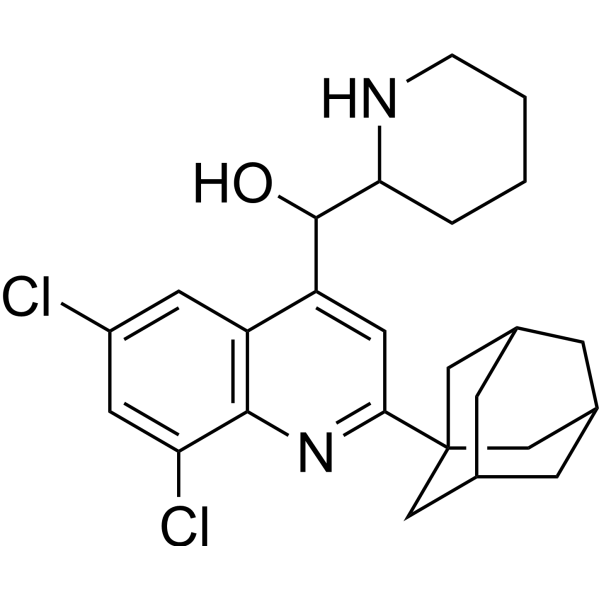 0 ImagesNSC305787 is an inhibitor of ezrin with a Kd of 5.85 μM, inhibits the phosphorylation of ezrin caused by PKCΙ with an IC50 of 8.3 μM, has antitumor activity.
-
(Rac)-NSC305787 hydrochloride
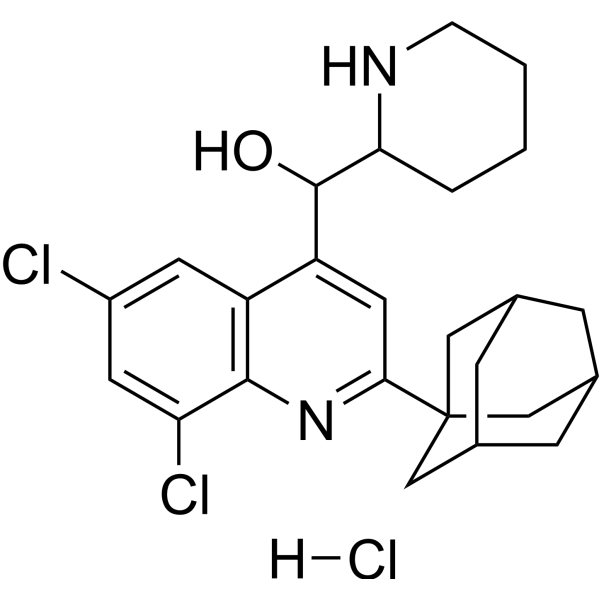 0 ImagesNSC305787 hydrochloride is an inhibitor of ezrin with a Kd of 5.85 μM, inhibits the phosphorylation of ezrin caused by PKCΙ with an IC50 of 8.3 μM, has antitumor activity.
-
Dihydrocytochalasin B
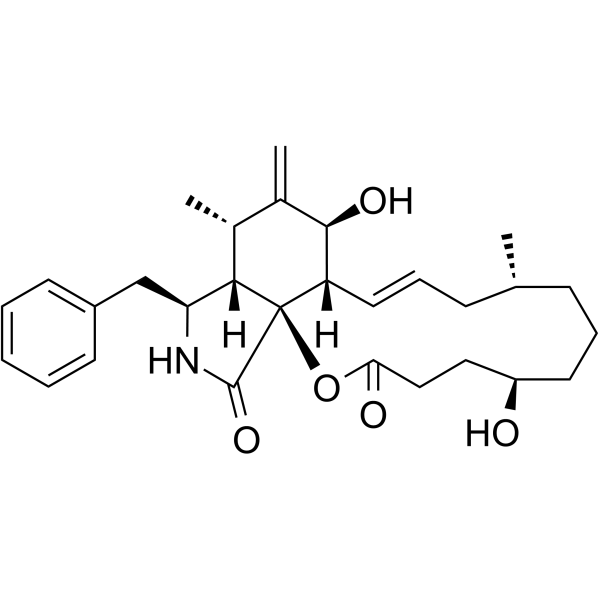 0 ImagesDihydrocytochalasin B is an Actin disruptor. Dihydrocytochalasin B disrupts actin microfilament bundles, inhibits actin polymerization, and alters intracellular actin cytoskeletal structures. Dihydrocytochalasin B blocks the initiation of DNA synthesis. Dihydrocytochalasin B inhibits Calcium transport. Dihydrocytochalasin B inhibits cytokinesis and alters cell morphology. Dihydrocytochalasin B can be used in studies related to rickets.
-
BDP-13176
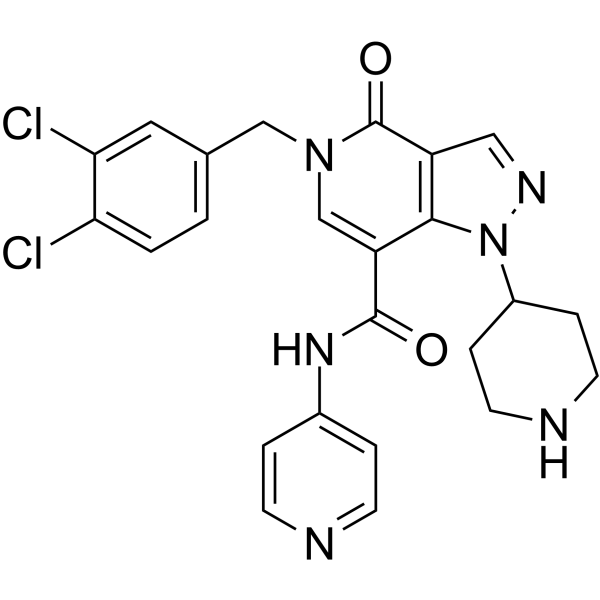 0 ImagesBDP-13176 is a potent fascin 1 inhibitor, with a Kd of 90 nM and an IC50 of 240 nM. BDP-13176 has potential as an anti-metastatic agent.
-
Pfn1-IN-1
 0 ImagesPfn1-IN-1 (compound C1) is a Pfn1 inhibitor that inhibits the angiogenic capacity of endothelial cells (EC). Pfn1 is a regulator of the actin cytoskeleton, inducing actin polymerization and essential cellular activities. Pfn1-IN-1 inhibits Pfn1-Actin interaction and Actin polymerization.




