



Palmatine
Based on 11 publication(s) in Google Scholar
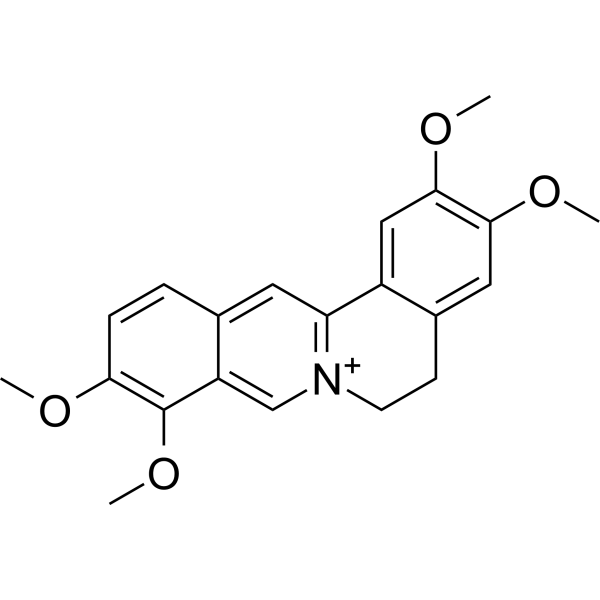
Palmatine is an orally active and irreversible indoleamine 2,3-dioxygenase 1 (IDO-1) inhibitor with IC50s of 3 μM and 157μM against HEK 293-hIDO-1 and rhIDO-1, respectively. Palmatine can also inhibit West Nile virus (WNV) NS2B-NS3 protease in an uncompetitive manner with an IC50 of 96 μM. Palmatine shows anti-cancer, anti-oxidation, anti-inflammatory, neuroprotection, antibacterial, anti-viral activities.
Nur für Forschungszwecke. Wir verkaufen nicht an Patienten.
- CAS. Nr.: 3486-67-7
- Formel: C21H22NO4+
- Molecular Weight:352.40
-
Speicherung:
4°C, protect from light
* In solvent : -80°C, 6 months; -20°C, 1 month (protect from light)

To place orders, for customer services and technical support, please contact: MedChemExpress USA
Tel: 609-228-6898 E-mail: [email protected] [email protected]


-
 Biologische Aktivität
-
Chemical Information
- Protokoll
- Reinheit & Dokumentation
- Verweise
-
 Help & FAQs


-
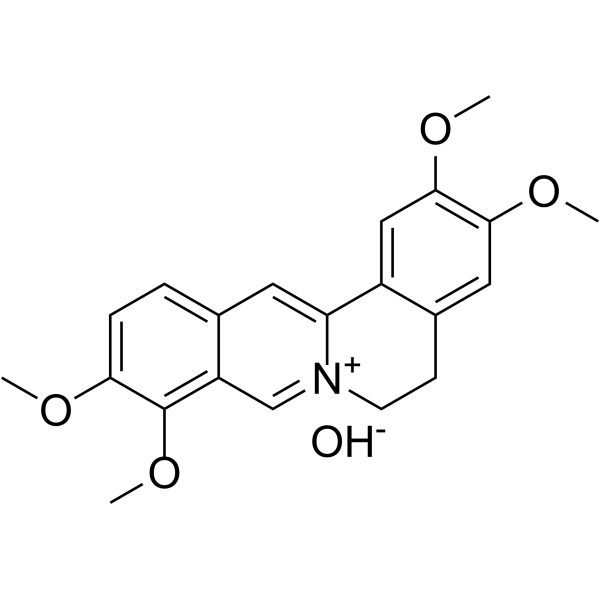
HY-N0110B
Palmatine hydroxideIDO-1/NS2B-NS3 Inhibitor -
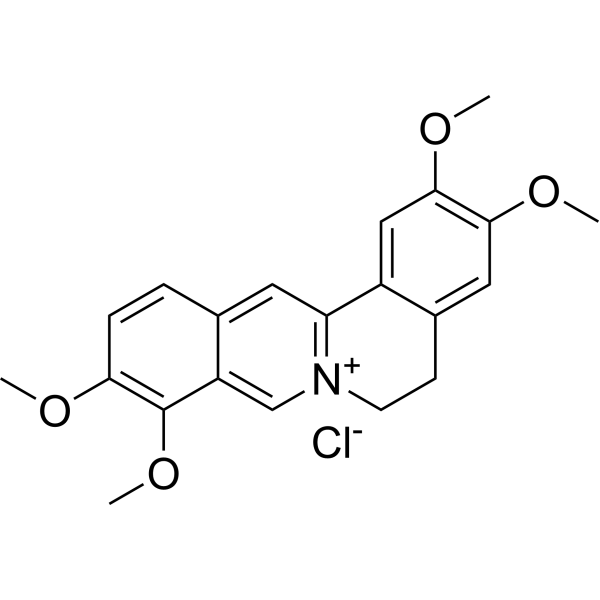
HY-N0110
Palmatine chlorideIDO-1/NS2B-NS3 Inhibitor -
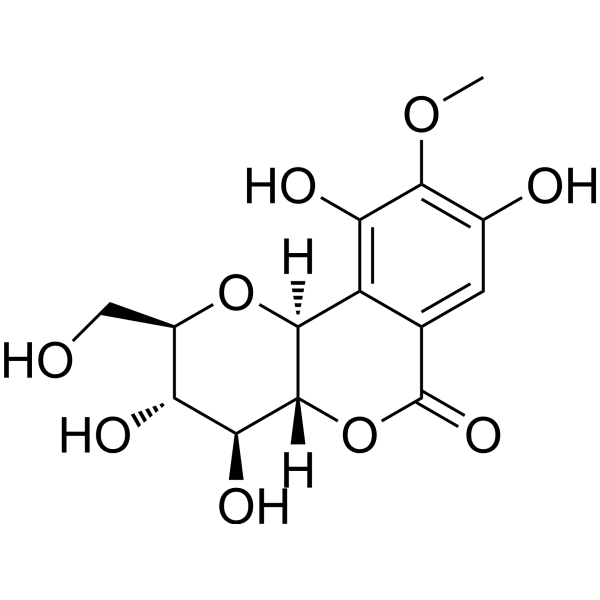
HY-N0017
BergeninBacterial Inhibitor -
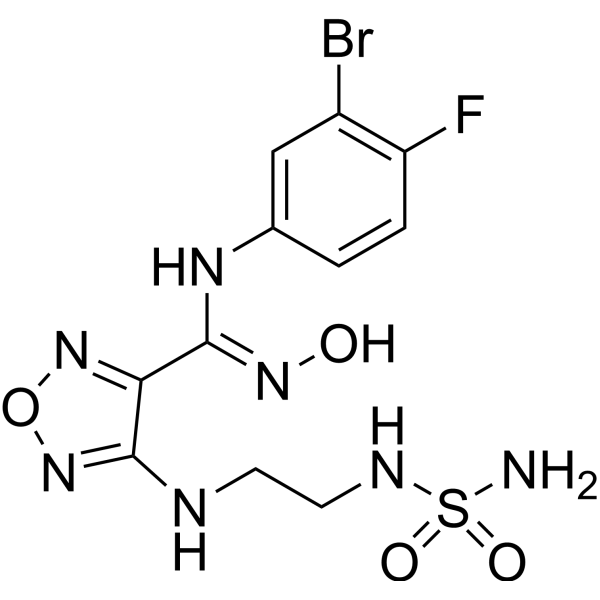
HY-15689
EpacadostatIDO1 Inhibitor -
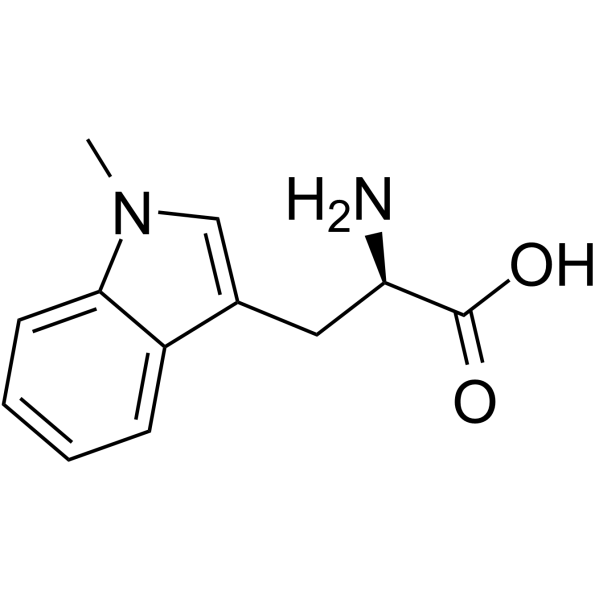
HY-16724
IndoximodIDO Inhibitor -
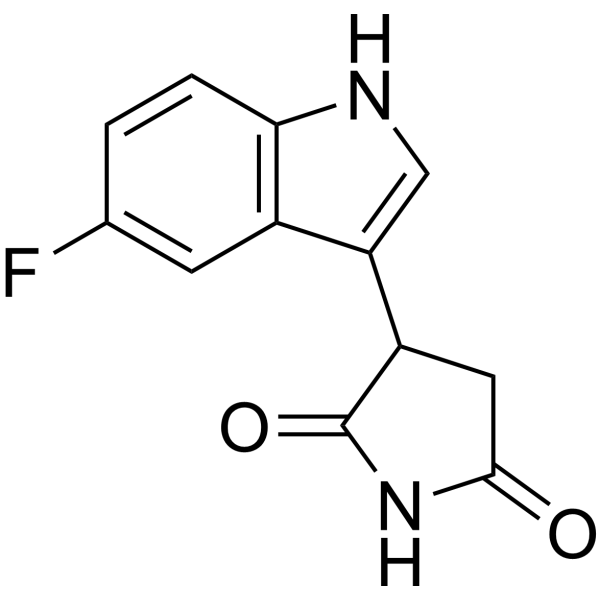
HY-101111
PF-06840003IDO-1 Inhibitor -
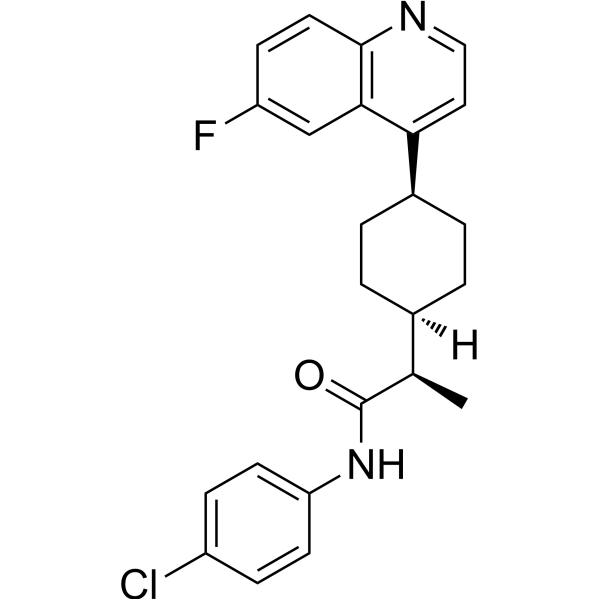
HY-101560
LinrodostatIDO1 Inhibitor -
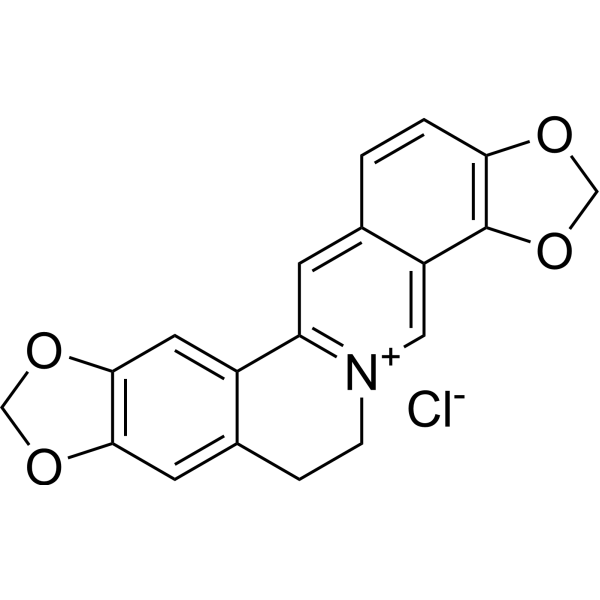
HY-N0736
Coptisine chlorideBacterial Inhibitor -
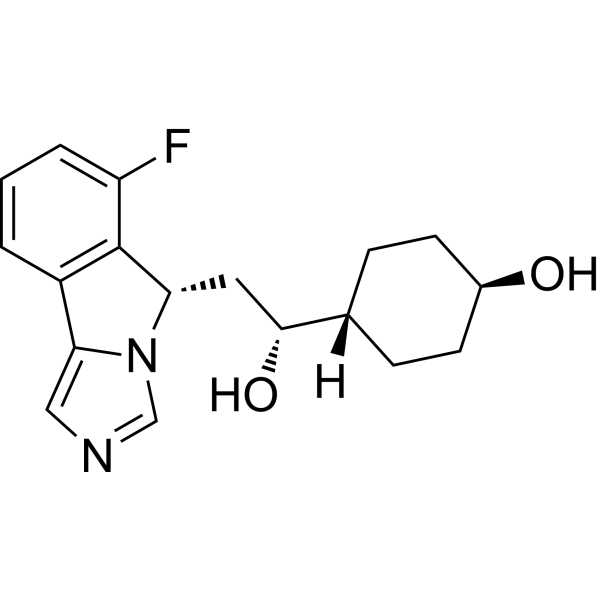
HY-18770B
NavoximodIDO Inhibitor -
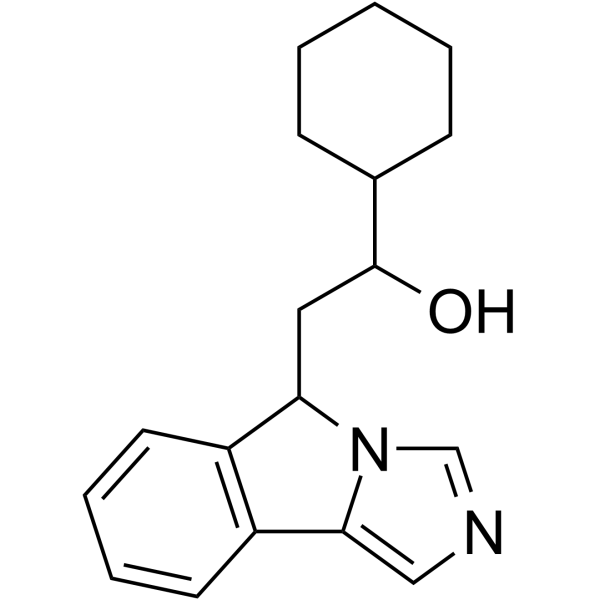
HY-13983
IDO-IN-7 -

HY-15689R
Epacadostat (Standard)IDO1 Inhibitor -
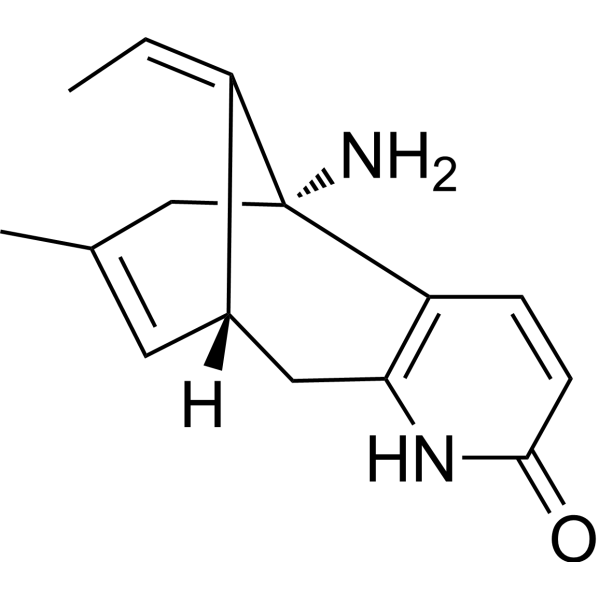
HY-17387
(-)-Huperzine AAChE/NMDA Receptor Inhibitor
Publications Citing Use of MedChemExpress (MCE) Palmatine
More- Phytomedicine. 2026 Sep:159:158518.
- Phytomedicine. 2026 May 14:157:158290. [Abstract]
- Phytomedicine. 2025 Sep 4:148:157233. [Abstract]
- J Ethnopharmacol. 2024 Jan 30;319(Pt 2):117238. [Abstract]
- Int Immunopharmacol. 2022 May:106:108583. [Abstract]
- Inflammation. 2025 Dec 20;49(1):11. [Abstract]
- Biol Res. 2020 Sep 14;53(1):39. [Abstract]
- Molecules. 2024 May 14;29(10):2304. [Abstract]
- Drug Dev Res. 2022 Nov;83(7):1613-1622. [Abstract]
- Vet Microbiol. 2026 May:316:110992. [Abstract]
- Oxid Med Cell Longev. 2021 Mar 11:2021:6660193. [Abstract]
 Customer Validation & Images

-
Bio/Physico-chemical Assay
-
In Vivo Efficacy Study
-
In Vivo Efficacy Study
-
Histological Imaging/Staining
-
Cell Imaging/Staining
Alle Aurora Kinase Isoform-spezifische Produkte anzeigen
MoreAlle Parasite Isoform-spezifische Produkte anzeigen
More

Biologische Aktivität
Beschreibung
IC50 & Target
[1]|
IDO-1 3 μM (IC50, HEK 293-hIDO-1) |
IDO-1 157 μM (IC50, rhIDO-1) |
WNV NS2B-NS3 96 μM (IC50) |
In Vitro
Palmatine (0-100 μM; 42 h) suppresses WNV with an EC50 value of 3.6 μM, and reduce the viral titers of DENV-2 and YFV with EC50 values of 26.4 μM and 7.3 μM, respectively[3].
Palmatine (0-1128 μM; 24-72 h) inhibits colon cancer cell proliferation[5].
Palmatine (0-704 μM; 24 h) reduces AURKA protein levels, induces G2/M phase arrest, and induces apoptosis in colon cancer cells via the mitochondrial associated pathway[5].
MedChemExpress (MCE) has not independently confirmed the accuracy of these methods. They are for reference only. Further protocols information, click here.
-
Cell Line:HCT-116, SW480, HT-29
-
Concentration:0, 88, 176, 352, and 704 μM (HCT-116, SW480); 0, 141, 282, 564, and 1128 μM (HT-29)
-
Incubation Time:24, 48 and 72 h
-
Result:Decreased cell viability in a dose-dependent manner.
-
Cell Line:HCT-116, SW480, HT-29
-
Concentration:100 nM for HCT-116, 500 nM for SW480 and HT-29
-
Incubation Time:24 h
-
Result:Promoted the expression of apoptosis markers such as P53 / P73, Caspase3, and Caspase9. Reduced AURKA protein levels. Increased cyt. c in the cytoplasm while reduced Bcl2 and Bcl-xl in a dose-dependent manner.
-
Cell Line:HCT-116, SW480
-
Concentration:88, 176, 352 and 704 μM
-
Incubation Time:24 h
-
Result:Induced G2/M phase arrest in a dose-dependent manner.
-
Cell Line:HCT-116, SW480
-
Concentration:88, 176, 352 and 704 μM
-
Incubation Time:24 h
-
Result:Induced apoptosis in a dose-dependent manner.
In Vivo
MedChemExpress (MCE) has not independently confirmed the accuracy of these methods. They are for reference only.
-
Animal Model:DSS- induced Colitis BALB/c mice model (8-week-old)[1]
-
Dosage:50 or 100 mg/kg
-
Administration:Orally, daily, for 7 days
-
Result:Ameliorated DSS-induced colitis and prevented infiltration of inflammatory cells; remarkably extended the colon length; significantly suppressed the colonic MPO activity. Decreased the levels of colonic inflammatory cytokines (TNF-α, IFN-γ, IL-1β, IL-6, IL-4 and IL-10); Protected mucosal integrity by modulating TJs protein and apoptosis proteins; Restored DSS-induced decreases of TJ protein ZO-1, ZO-2 and claudin-1; Reduced Bax expression and enhanced Bcl-2 expression at the dose of 100 mg/kg, prevented epithelial apoptosis and improved intestinal integrity. Prevented DSS-induced changes of gut microbiota in colitis mice.
-
Animal Model:Male ICR mice (20–22 g), D-galactosamine/lipopolysaccharide (GalN/LPS)-induced fulminant hepatic failure model[2]
-
Dosage:25, 50, 100, or 200 mg/kg
-
Administration:Intraperitoneal injection, 1 h before the GalN/LPS treatment
-
Result:Attenuated the mortality and serum aminotransferase activities increased by GalN/LPS. Prevented the increase of serum TNF-α and augmented that of serum IL-10. Decreased the TNF-a mRNA expression and increased the IL-10 mRNA expression. Attenuated the apoptosis of hepatocytes.
-
Animal Model:Swiss young male albino mice, with Scopolamine (HY-N0296)- and diazepam-induced amnesia model[4]
-
Dosage:0.1, 0.5, 1 mg/kg
-
Administration:Intraperitoneal injection, 10 days
-
Result:Significantly improved learning and memory of mice at 0.5 and 1 mg/kg and did not show any significant effect on locomotor activity of the mice. Significantly reversed scopolamine- and diazepam-induced amnesia in mice. Significantly reduced brain acetylcholinesterase activity of mice.
-
Animal Model:BALB/c-nude mice, HCT-116 xenograft model[5]
-
Dosage:33.75, 67.5 and 135 mg/kg
-
Administration:Oral administration, once a day for 26 days
-
Result:The tumor volume and weight of the treatment group were significantly reduced.


Chemical Information
-
CAS. Nr. 3486-67-7
-
Appearance Solid
-
Molecular Weight 352.40
-
Formel C21H22NO4+
-
Color Light yellow to yellow
-
SMILES
COC1=C(OC)C2=C[N+]3=C(C4=CC(OC)=C(OC)C=C4CC3)C=C2C=C1
-
Structure Classification
-
Initial Source
-
Versand
Room temperature in continental US; may vary elsewhere.
-
Speicherung
4°C, protect from light
* In solvent : -80°C, 6 months; -20°C, 1 month (protect from light)


Publications (11)
-
Journal Impact Factor
-
Most Recent
-
-
Phytomedicine
Erzhi pill enhances methotrexate efficacy in rheumatoid arthritis bone homeostasis via activation of the IDO1-KYN-AhR pathway. [Abstract]2026 May 14:157:158290. PMID: 42208105 -
Phytomedicine
Huang-Lian-Jie-Du decoction enhances Capecitabine-Oxaliplatin efficacy via Akkermansia muciniphila and CD8+ T cells in colorectal cancer. [Abstract]2025 Sep 4:148:157233. PMID: 40972261 -
J Ethnopharmacol
Berberine-silybin salt achieves improved anti-nonalcoholic fatty liver disease effect through regulating lipid metabolism. [Abstract]2024 Jan 30;319(Pt 2):117238. PMID: 37774895 -
Int Immunopharmacol
Palmatine attenuates the doxorubicin-induced inflammatory response, oxidative damage and cardiomyocyte apoptosis. [Abstract]2022 May:106:108583. PMID: 35151220 -
Inflammation
Palmatine Attenuates Lipopolysaccharide-Induced Acute Lung Injury Via Suppression of NLRP3 Inflammasome Activation, Pyroptosis, and Metabolic Remodeling. [Abstract]2025 Dec 20;49(1):11. PMID: 41420798 -
Biol Res
2020 Sep 14;53(1):39. PMID: 32928312
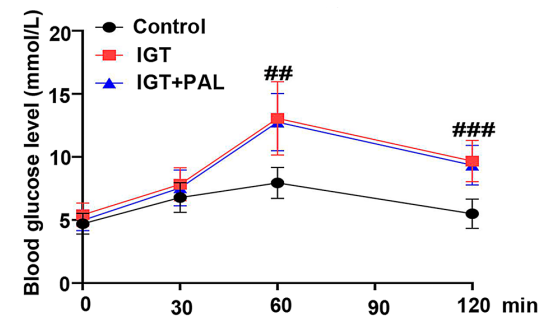
Palmatine purchased from MedChemExpress. Usage Cited in: Biol Res. 2020 Sep 14;53(1):39. [Abstract]
Palmatine chloride (PAL) (40 mg/kg; p.o.; once daily for 10 weeks) significantly decreased 2-h blood glucose level in HFD-fed SD rats.
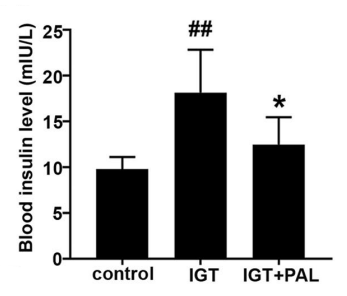
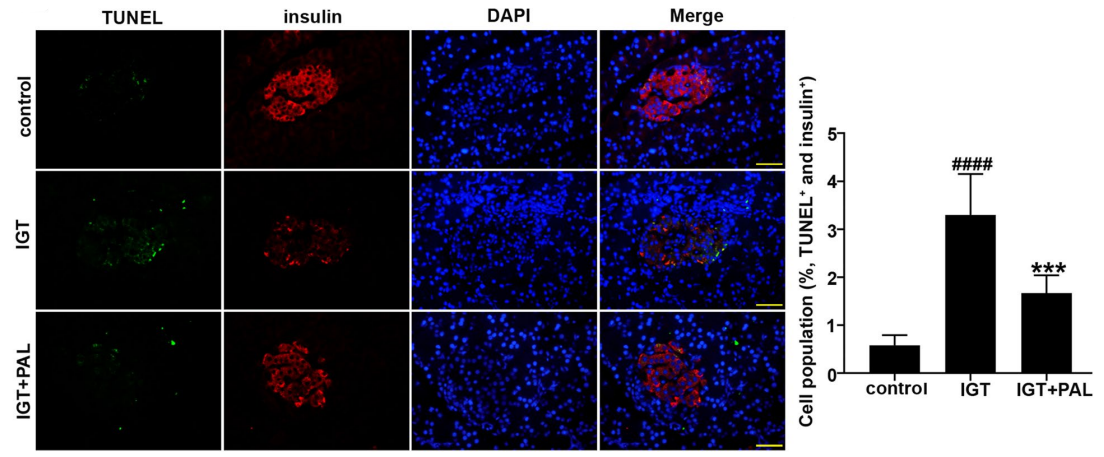
Palmatine purchased from MedChemExpress. Usage Cited in: Biol Res. 2020 Sep 14;53(1):39. [Abstract]
Palmatine chloride (PAL) (40 mg/kg; p.o.; once daily for 10 weeks) significantly decreased blood insulin levels in HFD-fed SD rats.
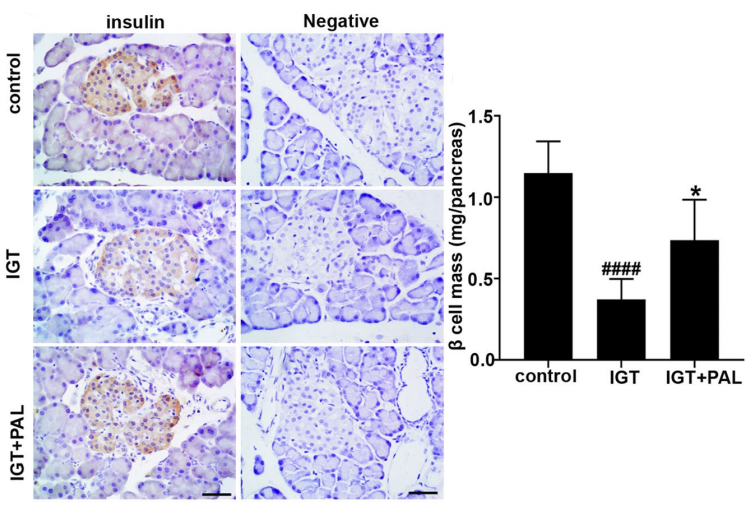
Palmatine purchased from MedChemExpress. Usage Cited in: Biol Res. 2020 Sep 14;53(1):39. [Abstract]
Palmatine chloride (PAL) (40 mg/kg; p.o.; once daily for 10 weeks) restored the loss of β cell mass in HFD-fed SD rats, with predominantly increased area that stained positive for insulin.
Palmatine purchased from MedChemExpress. Usage Cited in: Biol Res. 2020 Sep 14;53(1):39. [Abstract]
Palmatine chloride (PAL) (40 mg/kg; p.o.; once daily for 10 weeks) remarkably reduced the apoptotic rates in HFD-fed SD rats.
-
Molecules
Discovery of Nine Dipeptidyl Peptidase-4 Inhibitors from Coptis chinensis Using Virtual Screening, Bioactivity Evaluation, and Binding Studies. [Abstract]2024 May 14;29(10):2304. PMID: 38792165
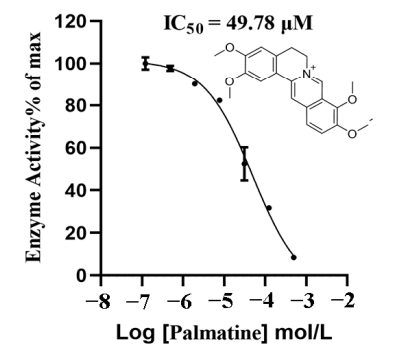
Palmatine purchased from MedChemExpress. Usage Cited in: Molecules. 2024 May 14;29(10):2304. [Abstract]
The DPP-4 inhibitory activity of Palmatine chloride (10-7-10-3 M), demeasured using dose-response curves.
-
Drug Dev Res
Palmatine attenuates hepatocyte injury by promoting autophagy via the AMPK/mTOR pathway after alcoholic liver disease. [Abstract]2022 Nov;83(7):1613-1622. PMID: 35976121 -
Vet Microbiol
The Chinese medicine monomer Schisandrin C inhibits PRRSV infection by regulating the OGT-PI3K/AKT/mTOR signaling pathway. [Abstract]2026 May:316:110992. PMID: 41865607 -
Oxid Med Cell Longev
Palmatine Protects against Cerebral Ischemia/Reperfusion Injury by Activation of the AMPK/Nrf2 Pathway. [Abstract]2021 Mar 11:2021:6660193. PMID: 33777318

Protokoll
-
Research Protocol for Infectious Diseases
Infectious-disease experiments test how pathogens interact with host barriers, innate immune receptors, inflammatory signaling, pathogen replication, and tissue injury; pattern-recognition receptors such as TLRs, RIG-I-like receptors, NOD-like receptors, and inflammasomes detect microbial molecules and activate NF-κB, interferon, and cytokine responses. The central hypothesis is that infection severity reflects the balance between pathogen burden and host response: protective inflammation restricts pathogen growth, whereas excessive or mislocalized inflammation contributes to tissue damage and disease phenotype. Unresolved questions include which host pathways are protective versus pathogenic, why some infection models fail to translate to human disease, and which combined readouts best predict clinically relevant infection outcomes.
-
Research Protocol for Inflammation-related Diseases
The NLRP3 inflammasome is a cytosolic innate immune signaling platform that integrates priming signals and danger-signal activation to promote caspase-1 activation, maturation of IL-1β and IL-18, and gasdermin D-mediated pyroptotic cell death. The core experimental logic is to determine whether inflammatory disease phenotypes are driven by increased NLRP3 expression, ASC-containing inflammasome assembly, caspase-1 cleavage, GSDMD cleavage, and extracellular release of IL-1β/IL-18 rather than by nonspecific cell injury alone. The pathway is strongly linked to inflammation-related disease phenotypes because monosodium urate crystals activate NALP3/NLRP3 inflammasome signaling in gout-like crystal inflammation, cholesterol crystals activate NLRP3 inflammasomes in atherogenesis models, and DSS-induced intestinal inflammation has been reported to involve NLRP3 inflammasome activity. However, experimental colitis studies also show context-dependent protective effects of NLRP3 inflammasome co


Reinheit & Dokumentation
-
Data Sheet (285 KB)
-
SDS (393 KB)
- English - EN (393 KB)
- Français - FR (393 KB)
- Deutsch - DE (393 KB)
- Norwegian - NO (393 KB)
- Español - ES (393 KB)
- Swedish - SV (393 KB)
- Italian - IT (393 KB)
- Korean - KR (393 KB)
- Portuguese - PT (393 KB)
-
Handling Instructions (2659 KB)
Verweise
[1]. Zhang XJ, et al. Palmatine ameliorated murine colitis by suppressing tryptophan metabolism and regulating gut microbiota.Pharmacol Res. 2018 Nov;137:34-46. [Content Brief]
[2]. Lee WC, et al. Palmatine attenuates D-galactosamine/lipopolysaccharide-induced fulminant hepatic failure in mice. Food Chem Toxicol. 2010 Jan;48(1):222-8. [Content Brief]
[3]. Jia F, et al. Identification of palmatine as an inhibitor of West Nile virus. Arch Virol. 2010 Aug;155(8):1325-9. [Content Brief]
[4]. Dhingra D, et al. Memory-enhancing activity of palmatine in mice using elevated plus maze and morris water maze. Adv Pharmacol Sci. 2012;2012:357368. [Content Brief]
[5]. Liu X, et al. Palmatine induces G2/M phase arrest and mitochondrial-associated pathway apoptosis in colon cancer cells by targeting AURKA. Biochem Pharmacol. 2020 May;175:113933. [Content Brief]
[6]. Long J, et al. Palmatine: A review of its pharmacology, toxicity and pharmacokinetics. Biochimie. 2019 Jul;162:176-184. [Content Brief]

Calculators
Konzentration (Stammlösung) × Volumen (Stammlösung) = Konzentration (Ziellösung) × Volumen (Ziellösung)


Palmatine Related Classifications
HY-N0110A Related Classifications
 Powered by Bioz