



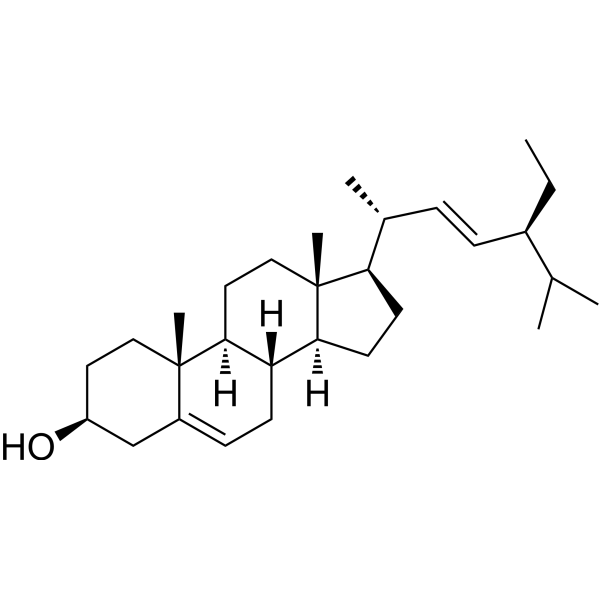
Stigmasterol
Based on 13 publication(s) in Google Scholar
Stigmasterol is an orally acitve, immunomodulatory agent with anti-inflammatory and neuroprotective effect, as well as able to cross the blood-brain barrier. Stigmasterol activates AMPK, which in turn inhibits NF-κB and NLRP3 signaling pathways, reduces microglia-mediated neuroinflammation, and alleviates cognitive impairment and Alzheimer's disease. Stigmasterol regulates M1/M2 polarization of microglia through the TLR4/ NF-κB pathway, thereby reducing neuropathic pain. Stigmasterol can be used for neurodegenerative diseases, inflammatory diseases, and pain management, among others.
Nos produits utilisent uniquement pour la recherche. Nous ne vendons pas aux patients.
- Pureté : 99.26%
- CAS No.: 83-48-7
- Formule: C29H48O
- Masse moléculaire:412.69
-
Stockage:Powder -20°C, 3 years , 4°C, 2 years ; In solvent -80°C, 2 years , -20°C, 1 year

To place orders, for customer services and technical support, please contact: MedChemExpress USA
Tel: 609-228-6898 E-mail: [email protected] [email protected]


-
 Activité biologique
-
Chemical Information
-
Solvant et solubilité
- Protocole
- Pureté et documentation
- Références
-
 Help & FAQs


-
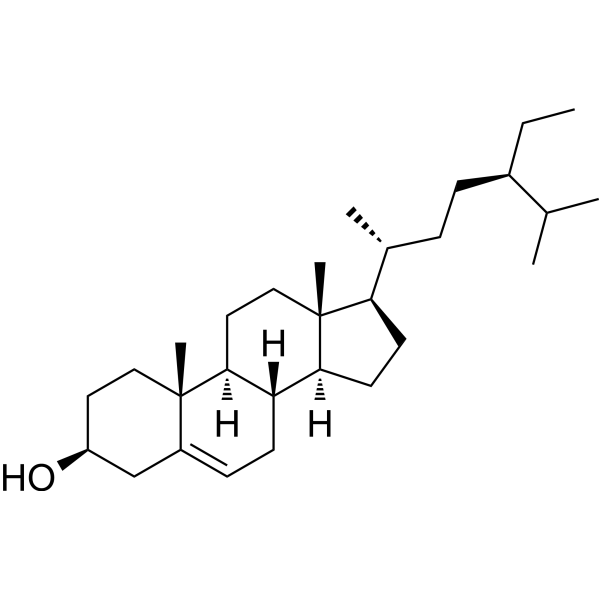
HY-N0171A
Beta-Sitosterol (purity>98%)Dietary Plant Sterols -
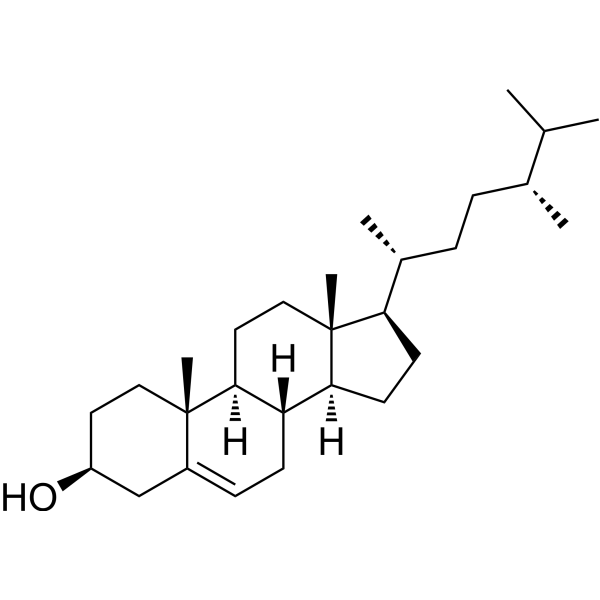
HY-N1459
CampesterolEndogenous Metabolite -
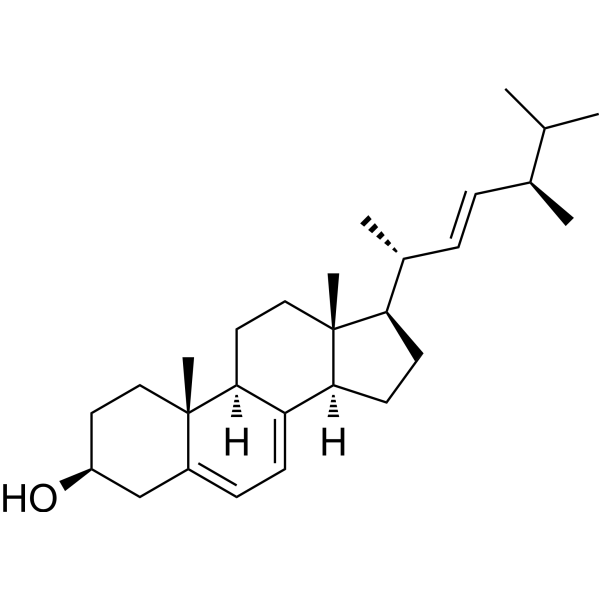
HY-N0181
ErgosterolEndogenous Metabolite -
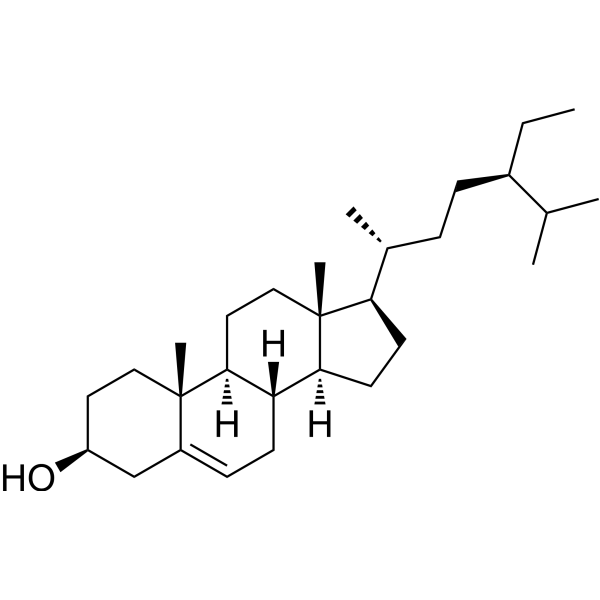
HY-N0171
Beta-Sitosterol (purity>80%)Anticancer Nutraceutical -
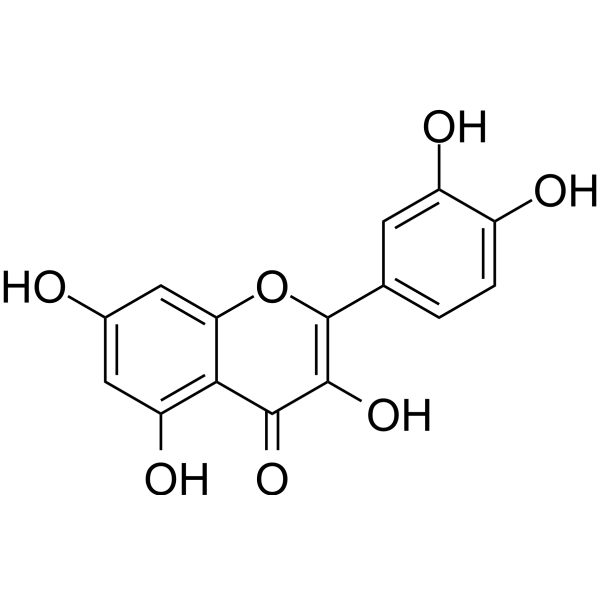
HY-18085
QuercetinFlavonoid Antioxidant -
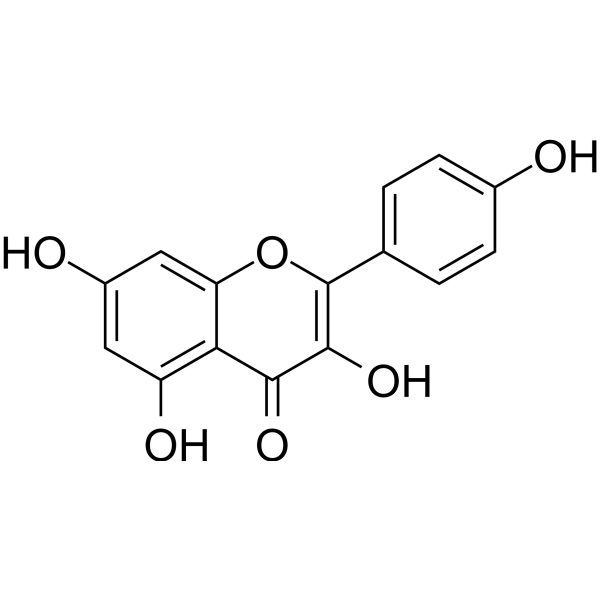
HY-14590
KaempferolEstrogen Receptor α Inhibitor -
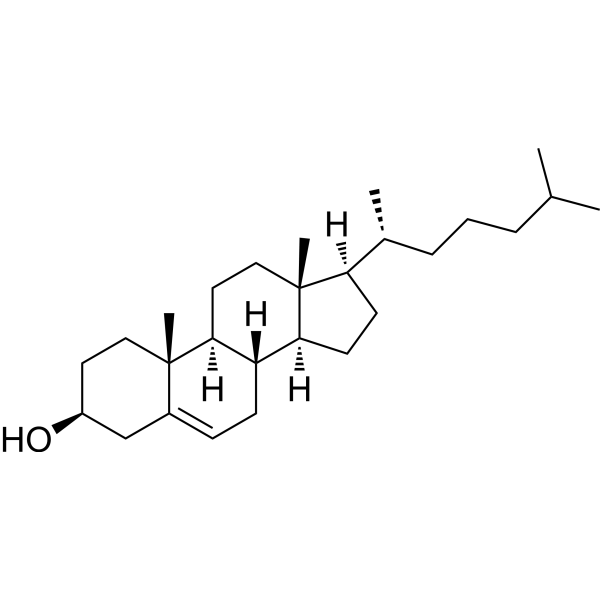
HY-N0322
Cholesterol (from animal)ERRα Agonist -
HY-N0131R
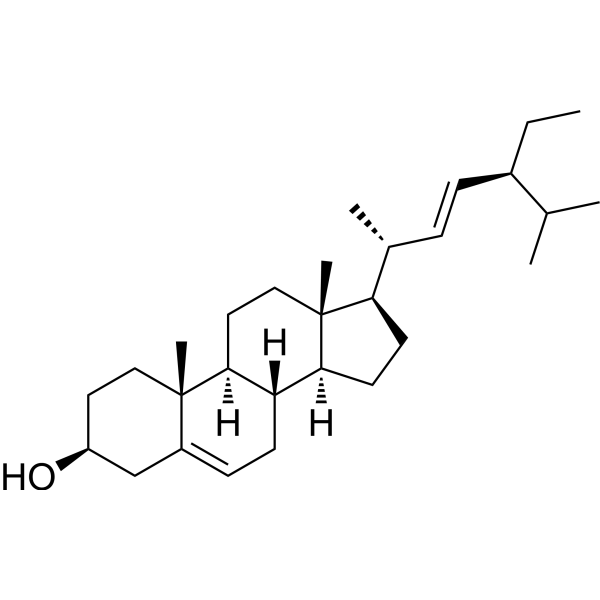
Stigmasterol (Standard)Standard of Stigmasterol -
HY-N4103
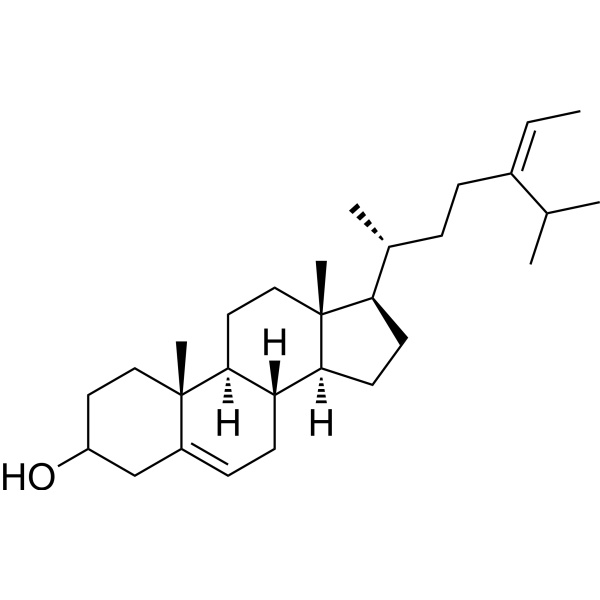
FucosterolBioactive Sterol -
HY-W020033
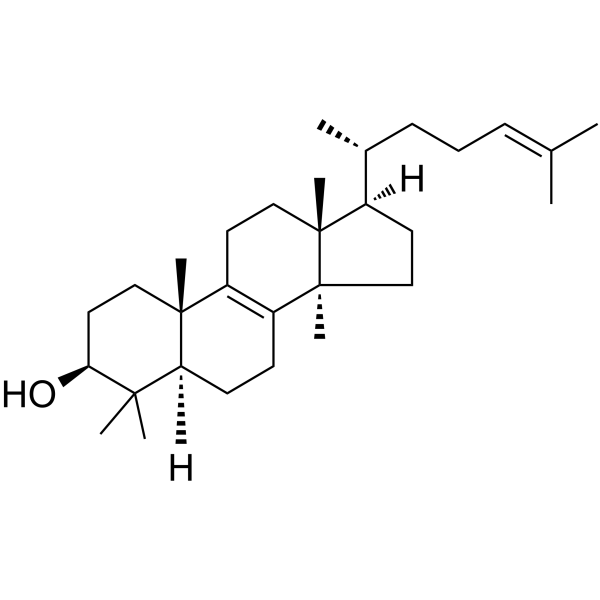
Lanosterol -
HY-N1201
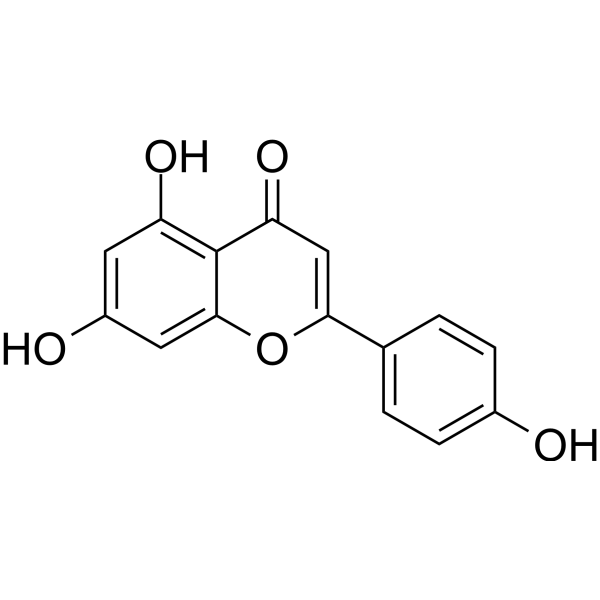
ApigeninCytochrome P450 Inhibitor -
HY-N0830
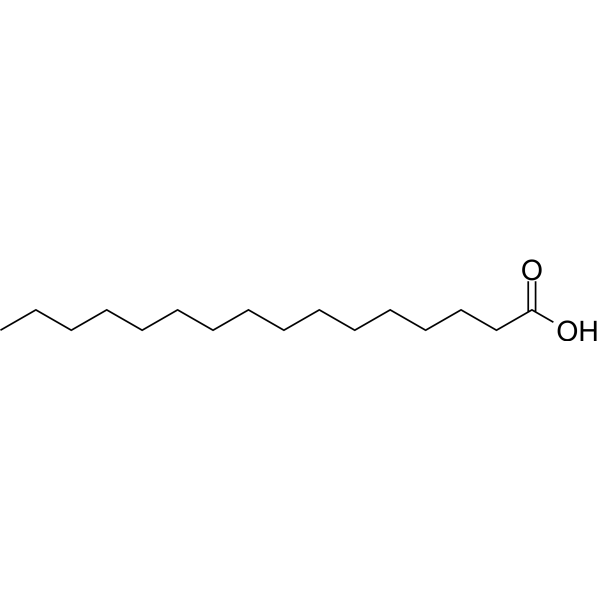
Palmitic acidEndogenous Metabolite
Publications Citing Use of MedChemExpress (MCE) Stigmasterol
More- Nature. 2024 Feb;626(7998):411-418. [Abstract]
- Aging Cell. 2026 Apr;25(4):e70463. [Abstract]
- J Ethnopharmacol. 2022 Nov 15:298:115586. [Abstract]
- Plant J. 2025 Nov;124(3):e70559. [Abstract]
- Cell Rep Methods. 2023 Oct 23;3(10):100599. [Abstract]
- Front Pharmacol. 2024 Dec 23:15:1485915. [Abstract]
- Mol Med Rep. 2024 Dec;30(6):227. [Abstract]
- Fish Shellfish Immunol. 2025 Nov:166:110633. [Abstract]
- Curr Issues Mol Biol. 2026 Mar 23;48(3):337. [Abstract]
- Naunyn Schmiedebergs Arch Pharmacol. 2025 Apr 23. [Abstract]
- Naunyn Schmiedebergs Arch Pharmacol. 2025 Jan;398(1):543-555. [Abstract]
- Comput Biol Chem. 2025 Apr:115:108314. [Abstract]
- Medicine (Baltimore). 2025 Dec 19;104(51):e46392. [Abstract]
 Customer Validation & Images

-
Cell Proliferation/Viability Assay
-
Cell Imaging/Staining
-
WB
-
IHC
-
Histological Imaging/Staining
Voir tous les produits spécifiques à Isoform Endogenous Metabolite
More

Activité biologique
Description
IC50 & Target
|
Human Endogenous Metabolite |
Cellular Effect
|
Cell Line

|
Type | Value | Description | References |
|---|---|---|---|---|
| A549 | IC50 |
10.36 μM
Compound: SS
|
Cytotoxicity against human A549 cells assessed as decrease in cell viability after 24 hrs by MTT assay
Cytotoxicity against human A549 cells assessed as decrease in cell viability after 24 hrs by MTT assay
|
10.1039/C6MD00178E |
| A549 | IC50 |
98.2 μM
Compound: 4, stigmasterol
|
Cytotoxicity against human A549 cells after 1 hr by MTT assay
Cytotoxicity against human A549 cells after 1 hr by MTT assay
|
[PMID: 18343122] |
| Calu-1 | IC50 |
>100 μM
Compound: 7
|
Inhibition of human Calu1 cell proliferation assessed as [3H]thymidine incorporation after 3 days by scintillation counting
Inhibition of human Calu1 cell proliferation assessed as [3H]thymidine incorporation after 3 days by scintillation counting
|
[PMID: 11374975] |
| DU-145 | IC50 |
22.73 μM
Compound: 3
|
Cytotoxicity against human DU145 cells after 24 hrs by MTT assay
Cytotoxicity against human DU145 cells after 24 hrs by MTT assay
|
[PMID: 22687747] |
| HeLa | IC50 |
>100 μM
Compound: 7
|
Inhibition of human HeLa cell proliferation assessed as [3H]thymidine incorporation after 3 days by scintillation counting
Inhibition of human HeLa cell proliferation assessed as [3H]thymidine incorporation after 3 days by scintillation counting
|
[PMID: 11374975] |
| HeLa | IC50 |
>50 μM
Compound: 3
|
Cytotoxicity against human HeLa cells by MTT assay
Cytotoxicity against human HeLa cells by MTT assay
|
[PMID: 19388709] |
| HeLa | IC50 |
12.21 μM
Compound: SS
|
Cytotoxicity against human HeLa cells assessed as decrease in cell viability after 24 hrs by MTT assay
Cytotoxicity against human HeLa cells assessed as decrease in cell viability after 24 hrs by MTT assay
|
10.1039/C6MD00178E |
| HEp-2 | IC50 |
37.5 μg/mL
Compound: 6
|
Antiviral activity against Parainfluenza virus type 3 infected in human Hep2 cells assessed as inhibition of virus-induced cytopathogenic effect
Antiviral activity against Parainfluenza virus type 3 infected in human Hep2 cells assessed as inhibition of virus-induced cytopathogenic effect
|
[PMID: 11678648] |
| J774 | IC50 |
>242.3 μM
Compound: 12
|
Cytotoxicity against mouse J774 cells by alamar blue assay
Cytotoxicity against mouse J774 cells by alamar blue assay
|
[PMID: 17637068] |
| K562 | IC50 |
>100 μM
Compound: 7
|
Inhibition of human K562 cell proliferation assessed as [3H]thymidine incorporation after 3 days by scintillation counting
Inhibition of human K562 cell proliferation assessed as [3H]thymidine incorporation after 3 days by scintillation counting
|
[PMID: 11374975] |
| K562 | IC50 |
11.14 μM
Compound: 3
|
Cytotoxicity against human K562 cells after 24 hrs by MTT assay
Cytotoxicity against human K562 cells after 24 hrs by MTT assay
|
[PMID: 22687747] |
| KB | ED50 |
>4 μg/mL
Compound: stigmasterol
|
Cytotoxicity against human KB cells after 72 hrs
Cytotoxicity against human KB cells after 72 hrs
|
[PMID: 9644061] |
| KB | IC50 |
>100 μM
Compound: stigmasterol
|
Cytotoxicity against human KB cells
Cytotoxicity against human KB cells
|
[PMID: 12398543] |
| MCF7 | IC50 |
21.43 μM
Compound: 3
|
Cytotoxicity against human MCF7 cells after 24 hrs by MTT assay
Cytotoxicity against human MCF7 cells after 24 hrs by MTT assay
|
[PMID: 22687747] |
| MDA-MB-231 | IC50 |
564 μM
Compound: 8
|
Cytotoxicity against human MDA-MB-231 cells after 3 days by Celltiter-Glo assay
Cytotoxicity against human MDA-MB-231 cells after 3 days by Celltiter-Glo assay
|
[PMID: 28945373] |
| P388D1 | IC50 |
>50 μM
Compound: 3
|
Cytotoxicity against mouse P388D1 cells by MTT assay
Cytotoxicity against mouse P388D1 cells by MTT assay
|
[PMID: 19388709] |
| PC-3 | IC50 |
18.28 μM
Compound: 3
|
Cytotoxicity against human PC3 cells after 24 hrs by MTT assay
Cytotoxicity against human PC3 cells after 24 hrs by MTT assay
|
[PMID: 22687747] |
| Raji | IC50 |
>100 μM
Compound: 7
|
Inhibition of human Raji cell proliferation assessed as [3H]thymidine incorporation after 3 days by scintillation counting
Inhibition of human Raji cell proliferation assessed as [3H]thymidine incorporation after 3 days by scintillation counting
|
[PMID: 11374975] |
| Vero | IC50 |
>100 μM
Compound: 7
|
Inhibition of african green monkey Vero cell proliferation assessed as [3H]thymidine incorporation after 3 days by scintillation counting
Inhibition of african green monkey Vero cell proliferation assessed as [3H]thymidine incorporation after 3 days by scintillation counting
|
[PMID: 11374975] |
| WISH | IC50 |
>100 μM
Compound: 7
|
Inhibition of human WISH cell proliferation assessed as [3H]thymidine incorporation after 3 days by scintillation counting
Inhibition of human WISH cell proliferation assessed as [3H]thymidine incorporation after 3 days by scintillation counting
|
[PMID: 11374975] |
In Vitro
Preincubation of Stigmasterol to IL-1beta-treated cells shows signi cant reduction of MMP-3 mRNA in human and mouse, MMP-3 protein in mouse, MMP-13 mRNA in mouse and human, ADAMTS-4 mRNA in human, PGE2 protein in human and mouse. Stigmasterol is also capable of counteracting the IL-1beta-induced NF-κB pathway[1].
MedChemExpress (MCE) has not independently confirmed the accuracy of these methods. They are for reference only.
-
Cell Line:GMI-R1 cells
-
Concentration:1 μM, 5 μM, 10 μM, 15 μM, 20 μM, 30 μM, 40 μM, 50 μM
-
Incubation Time:24 h
-
Result:Showed that 1-50 μM stigmasterol did not affect the viability of GMI-R1 cells.
-
Cell Line:BV2 cells
-
Concentration:10 μM, 20 μM
-
Incubation Time:4 h (after 24 h pretreatment with Aβ42 oligomers)
-
Result:Rescued the reduction of p-AMPK(T 172) in Aβ42 oligomers treated BV2 cells.
Suppressed the increase of p-IκBα and the decrease of IκBα induced by Aβ42 oligomers, reduced the nuclear translocation of NF-κB p65, and inhibited the increase of NLRP3 and Caspase-1 at 20 μM, which are components of the NLPR3 inflammasome.
In Vivo
Stigmasterol (40 mg/kg; gavage; twice a day; 21 days) reduces thermal and mechanical hyperalgesia, serum IL-1β and IL-8 levels, and increased serum IL-4 and TGF-β levels in rats with chronic constriction injury (CCI). Stigmasterol also reduces the expression of IL-1β, COX-2, and TLR4 in the right sciatic nerve and IL-1β in the spinal cord, and promoted the transformation of M1 microglia to M2 microglia in the spinal cord[2].
Stigmasterol (50-100 mg/kg; intraperitoneal injection; injected before LPS treatment, single dose) can reduce the total febrile response induced by LPS in rats and mice, inhibit the proliferation of neutrophils in the blood and peritoneal fluid of mice, control lung and liver damage, and inhibit the lethal effect of LPS[3].
Stigmasterol (20-80 mg/kg; intraperitoneal injection; injected 2 hours after ischemia, single dose) can effectively reduce neurological deficits and infarct damage, improve tissue pathological changes, restore the level of endogenous antioxidant defense system, reduce the expression level of beclin1 and the conversion of LC3 I to LC3 II, promote the phosphorylation of mTOR, and inhibit the phosphorylation of AMPK and JNK and the expression of JNK induced by 24 hours of reperfusion in the rat cerebral ischemia-reperfusion injury model[4].
Stigmasterol (10 mg/kg; oral; single dose) significantly alleviates scopolamine-induced memory impairment in the passive avoidance and Morris water maze tasks, and increases the phosphorylation levels of ERK and CREB in the hippocampus in the scopolamine-induced memory impairment model in mice. This improvement can be blocked by dizocilpine (HY-15084B) and tamoxifen (HY-13757A)[5].
MedChemExpress (MCE) has not independently confirmed the accuracy of these methods. They are for reference only.
-
Animal Model:Alzheimer's disease mouse model (APPswe/PS1dE9 male mice (male; 8-month-old))[1]
-
Dosage:50 mg/kg (dissolved in medium chain triglycerides (MCT))
-
Administration:Gavage, once per day, one month
-
Result:Significantly increased the stigmasterol concentration in the brain, liver and serum.
In the Morris water maze test, it reduced the escape latency in the navigation trails and increased the time spent in the target quadrant and the number of crossovers in the probe test.
ELISA results showed that it significantly reduced the Aβ42 concentration in the cortex and hippocampus, but had no significant effect on Aβ42 concentration.
TMT-based quantitative proteomic analysis and subsequent experiments showed that it suppressed the elevation of pro-inflammatory cytokines TNFα and IL-1β in the cortex, hippocampus and serum, decreased the activation of microglia and astrocytes, and inhibited the activated NF-κB signaling and NLRP3 inflammasome in the brain.
-
Animal Model:Chronic constriction injury (CCI) model (male Sprague-Dawley rats ;male; 180-220 g; 7-8 weeks old)[2]
-
Dosage:40 mg/kg
-
Administration:Gavage, twice per day, 21 days
-
Result:In behavioral evaluations, stigmasterol treatment relieved thermal and mechanical hyperalgesia from the 7th day to the 21st day.
ELISA results showed that it decreased the levels of pro-inflammatory cytokines (IL-1β and IL-8) and increased the levels of anti-inflammatory cytokines (IL-4 and TGF-β in the serum.
H&E staining and immunohistochemical analysis showed that it decreased the number of inflammatory cells in the injured sciatic nerve, partially restored the tissue structure, and improved neuroinflammation in the spinal cord by reducing the expression levels of IL-1β and COX-2 and increasing the expression level of IL-10.
Immunofluorescence results showed that it reduced the expression of M1 markers (such as CD32) and increased the expression of M2 markers (such as CD206) in the spinal cord. Western blotting analysis showed that it decreased the expression of Iba-1, TLR4, MyD88, pNF-κB, pP38 MAPK, pJNK, and pERK in the spinal cord.
-
Animal Model:LPS-induced pyrexia model (Wistar rats; 180-220 g)[3]
-
Dosage:10 mg/kg, 50 mg/kg, 100 mg/kg
-
Administration:Intraperitoneal injection, once, 30 min before LPS challenge
-
Result:Pretreatment with stigmasterol at 10, 50 and 100 mg/kg significantly reduced the peak increase in basal rectal temperature and the total pyrexia response (Thermal Index) compared to the control group. The inhibition rates of LPS-induced pyrexia were 39.93%, 53.05% and 77.27% respectively.


Chemical Information
-
CAS No. 83-48-7
-
Appearance Solid
-
Masse moléculaire 412.69
-
Formule C29H48O
-
Color White to off-white
-
SMILES
C[C@H](/C=C/[C@@H](CC)C(C)C)[C@H]1CC[C@@]2([H])[C@]3([H])CC=C4C[C@@H](O)CC[C@]4(C)[C@@]3([H])CC[C@]12C
-
Initial Source
-
Livraison
Room temperature in continental US; may vary elsewhere.
-
Stockage
Powder -20°C 3 years 4°C 2 years In solvent -80°C 2 years -20°C 1 year


Publications (13)
-
Journal Impact Factor
-
Most Recent
-
Nature
2024 Feb;626(7998):411-418. PMID: 38297130 -
Aging Cell
Senescence-Driven Remodeling Defines an Aggressive and Immunomodulatory Subtype of Endometriosis. [Abstract]2026 Apr;25(4):e70463. PMID: 41891132 -
J Ethnopharmacol
Mechanisms of pancreatic tumor suppression mediated by Xiang-lian pill: An integrated in silico exploration and experimental validation. [Abstract]2022 Nov 15:298:115586. PMID: 35931303 -
Plant J
Unveiling the inequivalent biochemical functions of OsSMO2-1 and OsSMO2-2 in rice phytosterol biosynthesis using a customized sterol standards mixture. [Abstract]2025 Nov;124(3):e70559. PMID: 41194406 -
Cell Rep Methods
RECOVER identifies synergistic drug combinations in vitro through sequential model optimization. [Abstract]2023 Oct 23;3(10):100599. PMID: 37797618 -
Front Pharmacol
Elucidating the mechanism of stigmasterol in acute pancreatitis treatment: insights from network pharmacology and in vitro/ in vivo experiments. [Abstract]2024 Dec 23:15:1485915. PMID: 39764471
Stigmasterol purchased from MedChemExpress. Usage Cited in: Front Pharmacol. 2024 Dec 23:15:1485915. [Abstract]
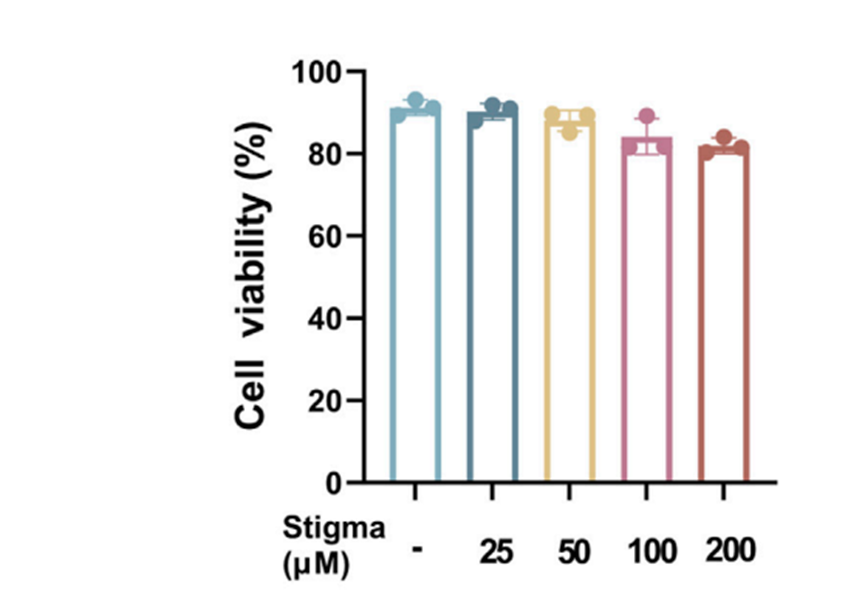
The cytotoxicity of Stigmasterol (Stigma) (25, 50, 100, 200 μM) is evaluated with CCK-8 assay.
Stigmasterol purchased from MedChemExpress. Usage Cited in: Front Pharmacol. 2024 Dec 23:15:1485915. [Abstract]
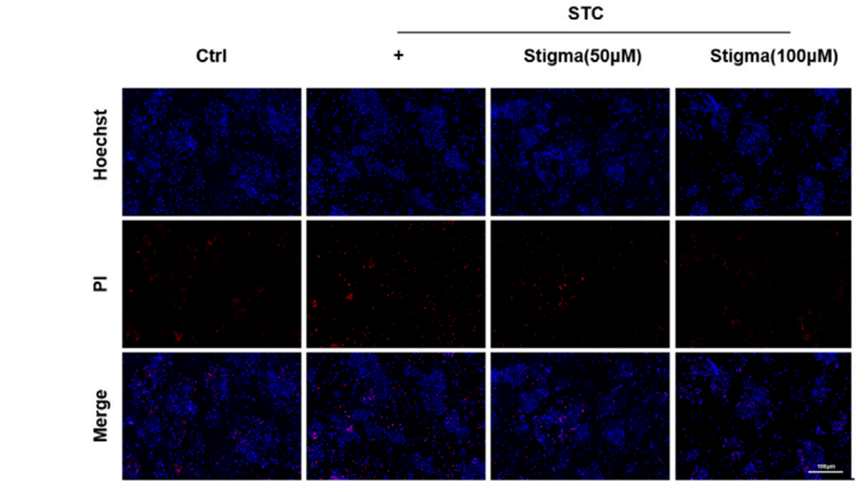
Representative images of Hoechst 33,342 and PI staining in STC stimulated primary pancreatic acinar cells treated with or without Stigmasterol (Stigma) (50, 100 μM).
Stigmasterol purchased from MedChemExpress. Usage Cited in: Front Pharmacol. 2024 Dec 23:15:1485915. [Abstract]
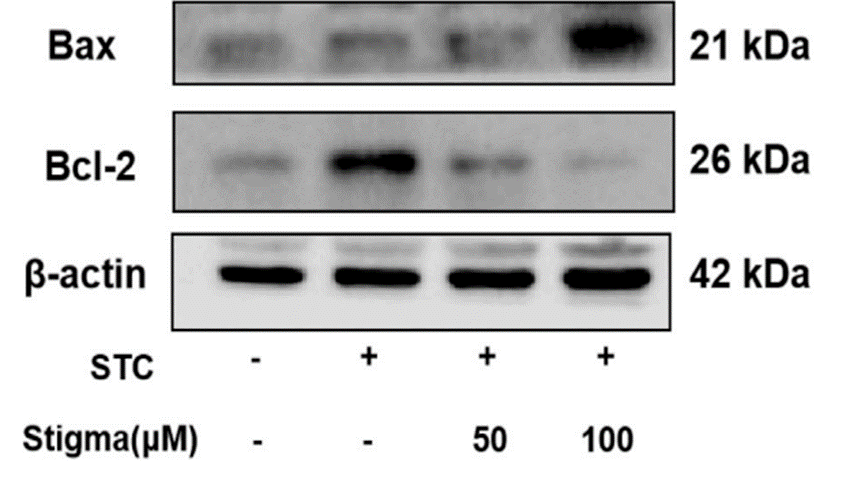
Representative images of Bax as well Bcl-2 proteins in STC-stimulated primary pancreatic acinar cells treated with or without Stigmasterol (Stigma) (50, 100 μM).
Stigmasterol purchased from MedChemExpress. Usage Cited in: Front Pharmacol. 2024 Dec 23:15:1485915. [Abstract]
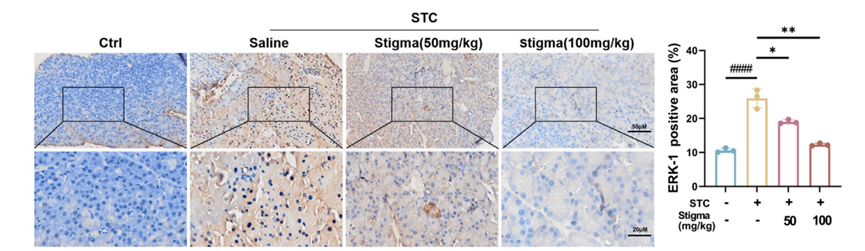
Representative immunohistochemistry images and quantitative analysis of p-ERK on the pancreas sections in sodium taurocholate (STC)-induced AP model mice treated with or without Stigmasterol (Stigma) (i.g, 50 or 100 mg/kg/d, 7d).
Stigmasterol purchased from MedChemExpress. Usage Cited in: Front Pharmacol. 2024 Dec 23:15:1485915. [Abstract]
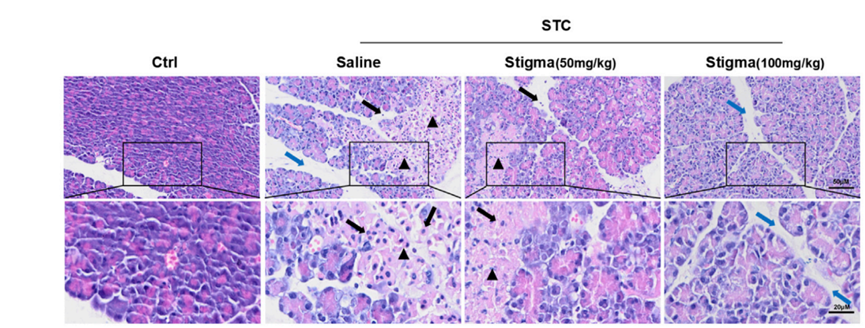
H&E staining revealed that Stigmasterol (Stigma) (50, 100 mg/kg, i.p.) mitigated STC-induced pancreatic tissue injury, including edema, inflammatory cell infiltration.
-
Mol Med Rep
2024 Dec;30(6):227. PMID: 39364731 -
Fish Shellfish Immunol
Emodin enhances host antiviral immunity against Micropterus salmoides rhabdovirus by activating RLR signaling in largemouth bass. [Abstract]2025 Nov:166:110633. PMID: 40769268 -
Curr Issues Mol Biol
2026 Mar 23;48(3):337. PMID: 41899488 -
Naunyn Schmiedebergs Arch Pharmacol
Exploring the potential mechanisms of Da ChaiHu decoction against pancreatic cancer based on network pharmacology prediction and molecular docking approach. [Abstract]2025 Apr 23. PMID: 40266298 -
Naunyn Schmiedebergs Arch Pharmacol
Network pharmacology and experimental validation to explore the pharmacological mechanism of saw palmetto and its core ingredients in benign prostatic hyperplasia treatment. [Abstract]2025 Jan;398(1):543-555. PMID: 39017714 -
Comput Biol Chem
Exploring the potential mechanism of action of Wutou-Guizhi decoction in the treatment of rheumatoid arthritis through network pharmacology analysis. [Abstract]2025 Apr:115:108314. PMID: 39765191 -
Medicine (Baltimore)
The study on potential pharmacological mechanism of semen strychny against glioma via network pharmacology analysis, molecular docking, and experimental verification. [Abstract]2025 Dec 19;104(51):e46392. PMID: 41430985


Solvant et solubilité
In Vitro:
DMF : 5 mg/mL (12.12 mM; ultrasonic and warming and heat to 60°C)
Acetone : 2 mg/mL (4.85 mM; ultrasonic and warming and heat to 60°C)
Ethanol : < 1 mg/mL (insoluble)
DMSO : < 1 mg/mL (insoluble or slightly soluble)
H2O : < 0.1 mg/mL (insoluble)
1M NaOH : < 1 mg/mL (insoluble)
Please refer to the solubility information to select the appropriate solvent. Once prepared, please aliquot and store the solution to prevent product inactivation from repeated freeze-thaw cycles.
Storage method and period of stock solution: -80°C, 2 years; -20°C, 1 year. When stored at -80°C, please use it within 2 years. When stored at -20°C, please use it within 1 year.
Please refer to the solubility information to select the appropriate solvent. Once prepared, please aliquot and store the solution to prevent product inactivation from repeated freeze-thaw cycles.
Storage method and period of stock solution: -80°C, 2 years; -20°C, 1 year. When stored at -80°C, please use it within 2 years. When stored at -20°C, please use it within 1 year.
Concentration (start) × Volume (start) = Concentration (final) × Volume (final)
In Vivo:
Select the appropriate dissolution method based on your experimental animal and administration route.
- For the following dissolution methods, please ensure to first prepare a clear stock solution using an In Vitro approach and then sequentially add co-solvents:
- To ensure reliable experimental results, the clarified stock solution can be appropriately stored based on storage conditions. As for the working solution for In Vivo experiments, it is recommended to prepare freshly and use it on the same day.
- The percentages shown for the solvents indicate their volumetric ratio in the final prepared solution. If precipitation or phase separation occurs during preparation, heat and/or sonication can be used to aid dissolution.
For the following dissolution methods, please prepare the working solution directly:
It is recommended to prepare fresh solutions and use them promptly within a short period of time.
The percentages shown for the solvents indicate their volumetric ratio in the final prepared solution. If precipitation or phase separation occurs during preparation, heat and/or sonication can be used to aid dissolution.
In Vivo Dissolution Calculator
Please enter the basic information of animal experiments:
-
-
-
-
Recommended: Prepare an additional quantity of animals to account for potential losses during experiments.
Working solution concentration: 0.22 mg/mL


Pureté et documentation
-
Fiche technique (295 KB)
-
SDS (396 KB)
- English - EN (396 KB)
- Français - FR (396 KB)
- Deutsch - DE (396 KB)
- Norwegian - NO (396 KB)
- Español - ES (396 KB)
- Swedish - SV (396 KB)
- Italian - IT (396 KB)
- Korean - KR (396 KB)
- Portuguese - PT (396 KB)
-
Instruction de manipulation (2659 KB)
Références
[1]. Jie F, et al. Stigmasterol attenuates inflammatory response of microglia via NF-κB and NLRP3 signaling by AMPK activation. Biomed Pharmacother. 2022 Sep;153:113317. [Content Brief]
[2]. Si W, et al. Stigmasterol regulates microglial M1/M2 polarization via the TLR4/NF-κB pathway to alleviate neuropathic pain. Phytother Res. 2024 Jan;38(1):265-279. [Content Brief]
[3]. Antwi AO, et al. Stigmasterol inhibits lipopolysaccharide-induced innate immune responses in murine models. Int Immunopharmacol. 2017 Dec;53:105-113. [Content Brief]
[4]. Sun J, et al. Stigmasterol Exerts Neuro-Protective Effect Against Ischemic/Reperfusion Injury Through Reduction Of Oxidative Stress And Inactivation Of Autophagy. Neuropsychiatr Dis Treat. 2019 Oct 18;15:2991-3001. [Content Brief]
[5]. Park SJ, et al. The ameliorating effects of stigmasterol on scopolamine-induced memory impairments in mice. Eur J Pharmacol. 2012 Feb 15;676(1-3):64-70. [Content Brief]


Complete Stock Solution Preparation Table
Please refer to the solubility information to select the appropriate solvent. Once prepared, please aliquot and store the solution to prevent product inactivation from repeated freeze-thaw cycles.
Storage method and period of stock solution: -80°C, 2 years; -20°C, 1 year. When stored at -80°C, please use it within 2 years. When stored at -20°C, please use it within 1 year.
| Optional Solvent | Concentration Solvent Mass | 1 mg | 5 mg | 10 mg | 25 mg |
|---|---|---|---|---|---|
| Acetone / DMF | 1 mM | 2.4231 mL | 12.1156 mL | 24.2313 mL | 60.5782 mL |
| DMF | 5 mM | 0.4846 mL | 2.4231 mL | 4.8463 mL | 12.1156 mL |
| 10 mM | 0.2423 mL | 1.2116 mL | 2.4231 mL | 6.0578 mL |


Stigmasterol Related Classifications
HY-N0131 Related Classifications
 Powered by Bioz