



Leukotriene E4
Based on 1 publication(s) in Google Scholar
Leukotriene E4 (LTE4) is a stable final metabolite of cysteinyl leukotrienes, produced by immune cells such as mast cells and eosinophils. Leukotriene E4 serves as a key biomarker for evaluating asthma severity, Aspirin (HY-14654) sensitivity, and mast cell activation disorders. Leukotriene E4 is a full functional agonist of CysLT1R, which induces sustained intracellular calcium mobilization and Erk phosphorylation. Leukotriene E4 mediates inflammation in a P2Y12 receptor-dependent manner. Leukotriene E4 can be used in the research of asthma and non-steroidal anti-inflammatory drug-exacerbated respiratory diseases.
The product specifications provided below refer solely to the active content of Leukotriene E4.
Para uso exclusivo en investigación. No vendemos a pacientes.
- Pureza : 99.61%
- No. CAS: 75715-89-8
- Fòrmula: C23H37NO5S
- Peso molecular:439.61
-
Almacenamiento:
Solution, -20°C, 2 years

To place orders, for customer services and technical support, please contact: MedChemExpress USA
Tel: 609-228-6898 E-mail: [email protected] [email protected]


-
 Actividad biológica
-
Chemical Information
- Protocolo
- Pureza y Documentación
- Referencias
-
 Help & FAQs


-
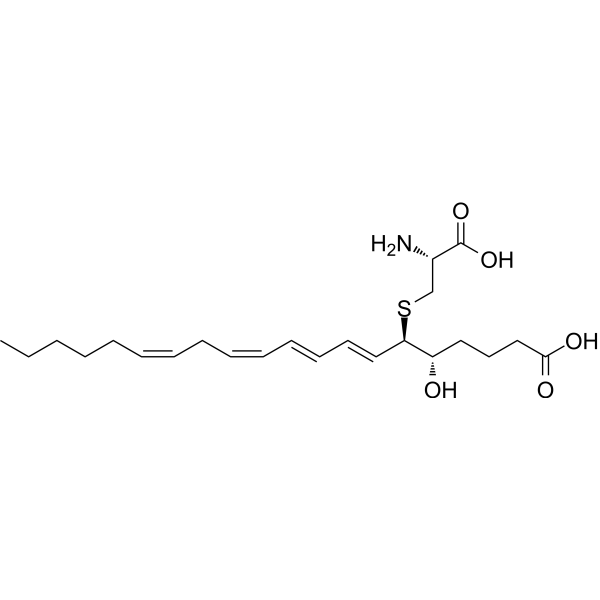
HY-113456
Leukotriene D4Bronchoconstrictor -
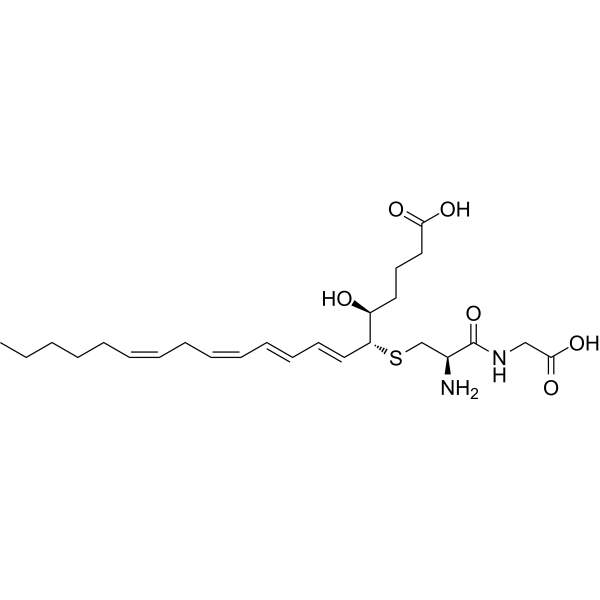
HY-113446
Leukotriene C4Endogenous Metabolite -
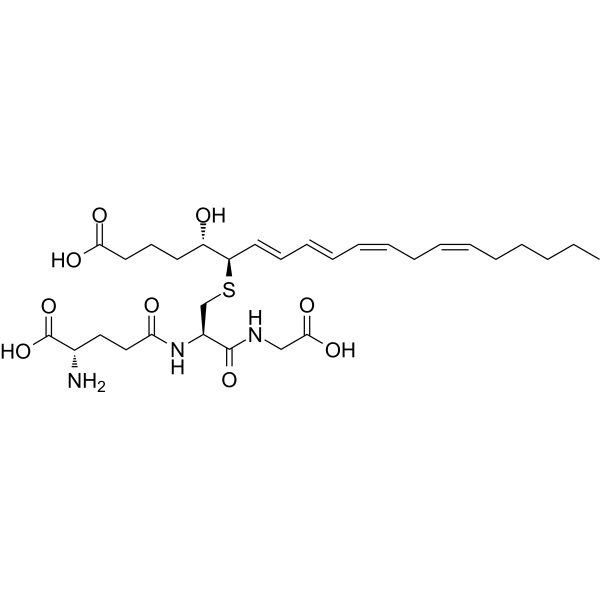
HY-125527
Resolvin D1Endogenous Inflammation Mediator -
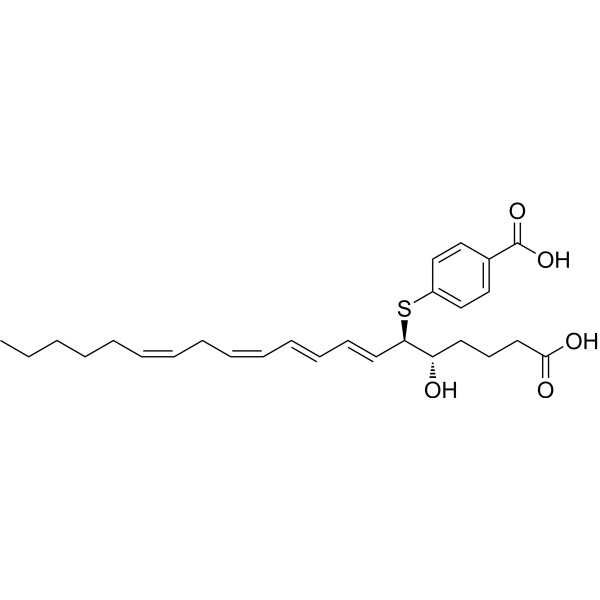
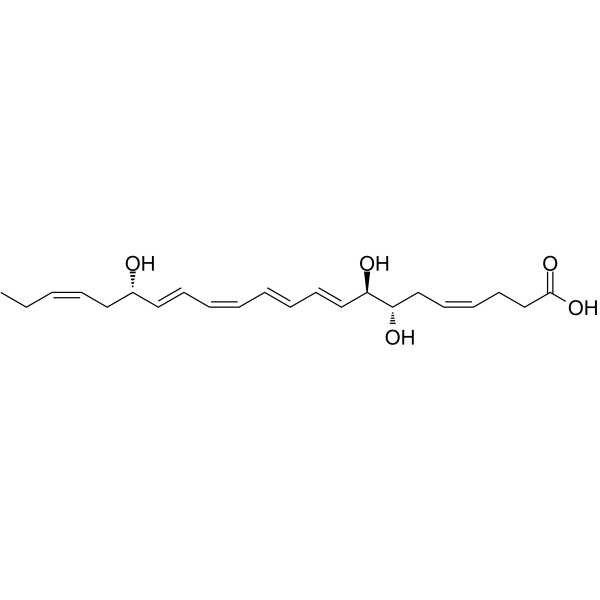
HY-107609
BAY-u 9773Cysteinyl-Leukotriene Receptor Antagonist -
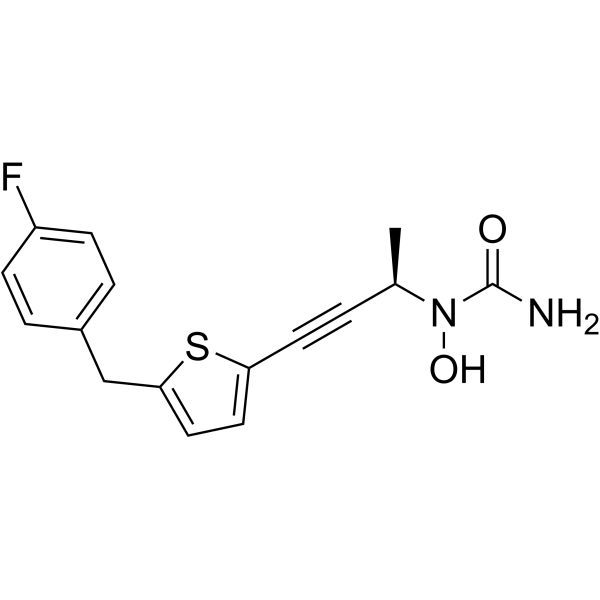
HY-117853
Atreleuton5-Lipoxygenase Inhibitor -
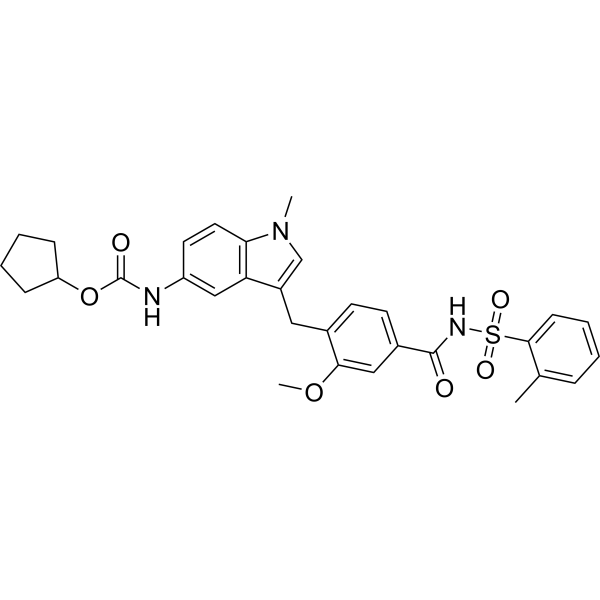
HY-17492
ZafirlukastLeukotriene Receptor Antagonist -
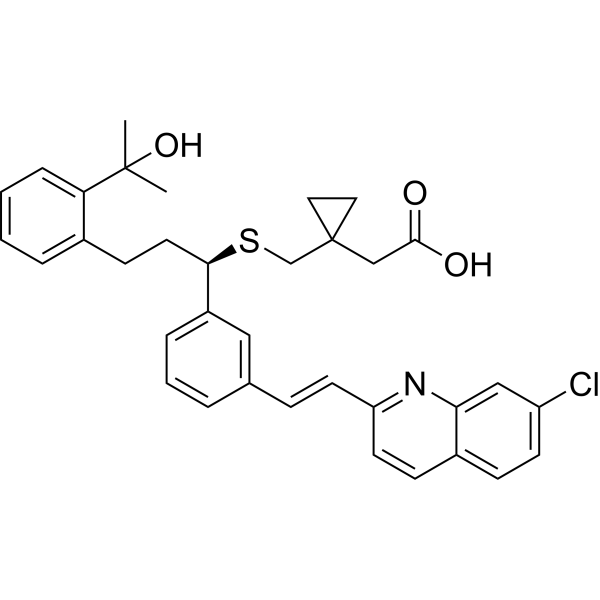
HY-13315A
MontelukastCysLT1 Antagonist -
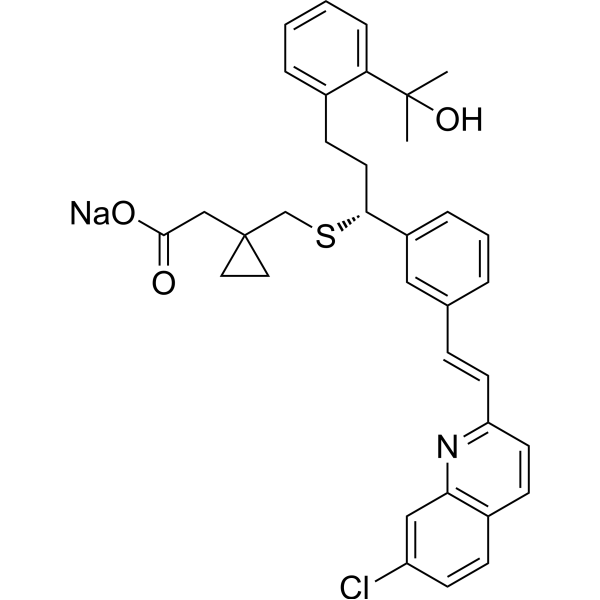
HY-13315
Montelukast sodiumCysltr1 Antagonist -
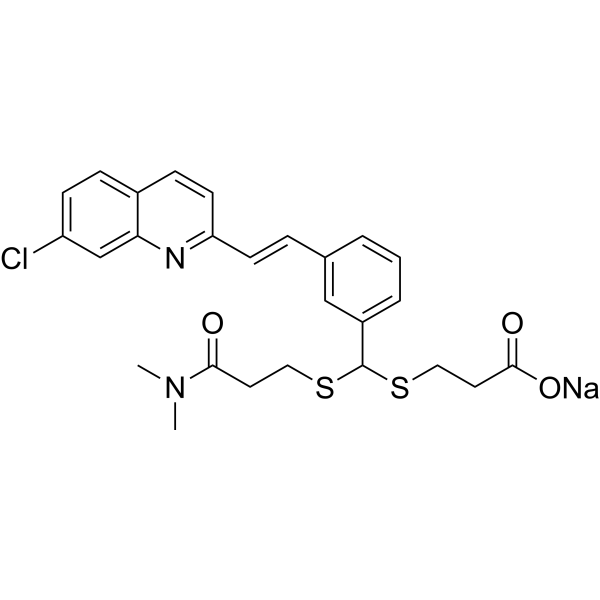
HY-19989A
MK-571 sodiumABCC1/MRP4 Inhibitor -

HY-13315AR
Montelukast (Standard)CysLT1 Antagonist -
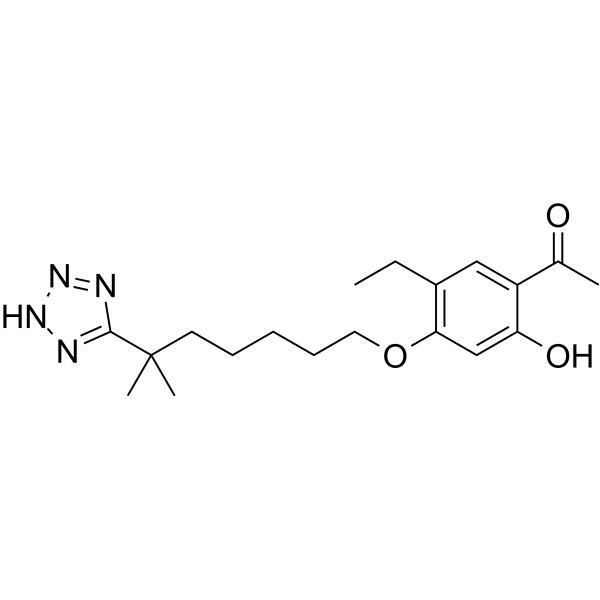
HY-15744
LY255283LTB4 Receptor Antagonist -
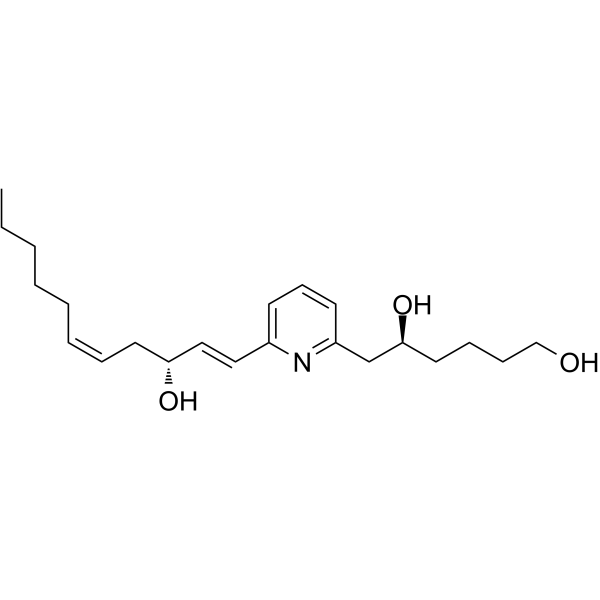
HY-105484
U-75302LTB4 inhibitor


Actividad biológica
Descripciòn
The product specifications provided below refer solely to the active content of Leukotriene E4.
|
Human Endogenous Metabolite |
CysLT1 |
P2Y14 Receptor |
Cellular Effect
|
Cell Line

|
Type | Value | Description | References |
|---|---|---|---|---|
| Sf9 | IC50 |
9.83 μM
Compound: Leukotrien E4
|
TP_TRANSPORTER: inhibition of E217betaG uptake (E217betaG: 0.055 uM) in membrane vesicles from Mrp2-expressing Sf9 cells
TP_TRANSPORTER: inhibition of E217betaG uptake (E217betaG: 0.055 uM) in membrane vesicles from Mrp2-expressing Sf9 cells
|
[PMID: 11306690] |
In Vitro
Leukotriene E4 induces only a very weak, non-sustained intracellular calcium mobilization response in LUVA human mast cells, with no detectable EC50[1].
Leukotriene E4 induces concentration-dependent intracellular calcium mobilization in HEK293T cells transfected with CYSLTR1, with an EC50 of 83.2 nM[1].
Leukotriene E4 (100 nM; 2-60 min) induces sustained phosphorylation of Erk in LAD2 human mast cells, and the activation signal remains detectable after 60 minutes[1].
Leukotriene E4 (100 nM; 2-60 min) induces transient phosphorylation of Erk in LUVA human mast cells, with no sustained activation observed within 60 minutes[1].
Leukotriene E4 (1-100 nM; 15 min) induces PTX-sensitive, MK571-resistant ERK phosphorylation in Chinese hamster ovary cells stably expressing human P2Y12 receptors, with activation initiating at 1 nM and reaching a plateau at 100 nM[2].
Leukotriene E4 (500 nM) induces calcium influx in LAD2 human mast cells, and this response is not inhibited by the P2Y12 antagonist 2-MesAMP (HY-125989)[2].
Leukotriene E4 (100 nM) induces the production of PGD2 in the human mast cell line LAD2, and the generation of this product is completely dependent on the P2Y12 receptor[2].
Leukotriene E4 (1 μM; 10 min) does not induce the expression of CD62P (an activation marker) in human blood platelets[2].
Leukotriene E4 (100 nM; 2-6 h) induces only extremely weak CCL4 mRNA and protein expression in LUVA human mast cells, with much lower potency relative to LTD4[1].
The induction of CCL4 mRNA expression in human mast cell line LAD2 by Leukotriene E4 (100 nM; 2 h) depends on the MEK/Erk pathway and intracellular/extracellular Ca2+, but is independent of Gi/o proteins or the PPAR-γ signaling pathway[1].
Leukotriene E4 (100 nM; 5 min-2 h) requires prolonged exposure (2 h) to induce full CCL4 mRNA expression in LAD2 human mast cells, whereas short-term exposure (5 min) only elicits weak activity[1].
Leukotriene E4 (100-500 nM; 6 h) induces high levels of MIP-1β production in LAD2 human mast cells, and this production process is mainly dependent on the P2Y12 receptor; the P2Y12 antagonist 2-MesAMP inhibits more than 50% of its production, while P2Y12 shRNA knockdown almost completely blocks this production process[2].
MedChemExpress (MCE) has not independently confirmed the accuracy of these methods. They are for reference only.
-
Cell Line:LAD2 human mast cells
-
Concentration:100 nM
-
Incubation Time:2 h (mRNA analysis); 6 h (protein analysis)
-
Result:Consistently induced CCL4 and CSF2 mRNA and protein expression, matching or exceeding the potency of LTD4.
Induced mRNA expression was fully inhibited by pre-treatment with 100 nM Montelukast (HY-13315A) for 10 minutes.
Induced mRNA expression was not affected by 1 μM HAMI3379 (HY-112248A).
-
Cell Line:LUVA human mast cells
-
Concentration:100 nM
-
Incubation Time:2 h (mRNA analysis); 6 h (protein analysis)
-
Result:Induced only very weak CCL4 mRNA and protein expression.
Showed negligible activity compared to LTD4.
-
Cell Line:LAD2 human mast cells
-
Concentration:100 nM
-
Incubation Time:2, 5, 7, 10, 15, 30, 60 minutes
-
Result:Induced Erk phosphorylation that peaked later than LTD4-induced phosphorylation.
Induced Erk phosphorylation remained detectable for 60 minutes, showing sustained activation compared to the gradual decrease observed with LTD4.
-
Cell Line:LUVA human mast cells
-
Concentration:100 nM
-
Incubation Time:2, 5, 7, 10, 15, 30, 60 minutes
-
Result:Induced Erk phosphorylation that peaked at a similar time to LTD4-induced phosphorylation.
Induced Erk phosphorylation was shorter in duration than the sustained activation observed in LAD2 cells.
-
Cell Line:LAD2 human mast cells
-
Concentration:100 nM
-
Incubation Time:2 h
-
Result:Induced CCL4 mRNA expression was potently inhibited by U0126, BAPTA-AM, and EDTA.
Induced CCL4 mRNA expression was not modified by pertussis toxin, GW9662, or T0070907.
-
Cell Line:LAD2 human mast cells
-
Concentration:100 nM
-
Incubation Time:5 minutes, 2 hours
-
Result:2-hour exposure induced CCL4 mRNA expression levels similar to those induced by LTD4.
5-minute exposure induced significantly lower CCL4 mRNA expression than 5-minute exposure to LTD4.
-
Cell Line:CYSLTR1-knockdown LAD2 human mast cells
-
Concentration:100 nM
-
Incubation Time:2 h (mRNA analysis); 6 h (protein analysis)
-
Result:Induced CCL4 mRNA and protein expression was almost completely abrogated compared to empty vector control LAD2 cells.
-
Cell Line:Chinese hamster ovary (CHO) cells stably transfected with human P2Y12 receptor (forward orientation) or empty reverse construct control
-
Concentration:500 nM (stimulation); 1 nM, 100 nM (dose-response analysis)
-
Incubation Time:15 min (stimulation)
-
Result:Exhibited robust ERK phosphorylation in response to LTE4, with activation detectable at doses as low as 1 nM and reaching a plateau at 100 nM.
Showed partial block of LTE4-induced ERK activation by pretreatment with 2-MesAMP.
Showed LTE4-induced ERK activation sensitive to PTX and resistant to MK571.
Showed no ERK phosphorylation in response to LTE4 (reverse orientation P2Y12 construct cells).
-
Cell Line:LAD2 human mast cells
-
Concentration:100 nM, 500 nM
-
Incubation Time:6 h
-
Result:Induced substantial MIP-1β production at 100 nM and 500 nM, exceeding levels induced by LTD4 and IgE plus anti-IgE.
Blocked LTE4-mediated MIP-1β production by >50% after pretreatment with 2-MesAMP.
Nearly abrogated LTE4-induced MIP-1β production after P2Y12 receptor knockdown (reducing mRNA expression by ~90%).
Slightly (non-significantly) decreased the response to LTE4 after CysLT1R knockdown.
In Vivo
Leukotriene E4 (2.2 nmol; intranasal administration; once daily for 3 consecutive days) enhances allergen-induced pulmonary inflammation in BALB/c mice, and this effect is independent of the classical CysLT1R and CysLT2R receptors[2].
The enhanced allergen-induced pulmonary inflammation effect in sensitized BALB/c mice mediated by Leukotriene E4 (2.2 nmol; intranasal administration; once daily for 3 consecutive days) is completely dependent on platelets[2].
MedChemExpress (MCE) has not independently confirmed the accuracy of these methods. They are for reference only.
-
Animal Model:BALB/c (male, 6-8 wk old, OVA (HY-W250978)-sensitized asthma model)[2]
-
Dosage:2.2 nmol
-
Administration:i.n.; once daily; 3 days (30 minutes before each OVA challenge)
-
Result:Significantly enhanced bronchoalveolar lavage fluid eosinophilia.
Increased bronchovascular inflammation score per 15 bronchi to levels approaching those of mice challenged with 1% OVA.
Increased PAS-positive goblet cells per mm of bronchial basal lamina to levels approaching those of mice challenged with 1% OVA.
Modestly increased lung expression of IL-13 and MUC5AC mRNA.
-
Animal Model:C57BL/6 wild-type (male and female, 6-8 wk old, OVA-sensitized asthma model); C57BL/6 p2ry12-/- (age- and sex-matched, OVA-sensitized asthma model)[2]
-
Dosage:2.2 nmol
-
Administration:i.n.; once daily; 3 days (30 minutes before each OVA challenge)
-
Result:Potentiated bronchoalveolar lavage fluid eosinophilia, goblet cell metaplasia, and bronchovascular infiltration in wild-type mice.
Severely blunted all LTE4-mediated potentiation of these inflammatory endpoints in P2Y12 receptor-deficient mice.
-
Animal Model:BALB/c wild-type (6-8 wk old, OVA-sensitized asthma model); BALB/c Cysltr1/Cysltr2-/- (OVA-sensitized asthma model)[2]
-
Dosage:2.2 nmol
-
Administration:i.n.; once daily; 3 days (30 minutes before each OVA challenge)
-
Result:Potentiated OVA-induced bronchoalveolar lavage fluid eosinophilia, goblet cell metaplasia, and bronchovascular inflammation completely intact in CysLT1R and CysLT2R double-deficient mice, matching responses in wild-type controls.
-
Animal Model:BALB/c (male, 6-8 wk old, platelet-depleted, OVA-sensitized asthma model)[2]
-
Dosage:2.2 nmol
-
Administration:i.n.; once daily; 3 days (30 minutes before each OVA challenge)
-
Result:Completely eliminated LTE4-mediated potentiation of airway eosinophilia, bronchovascular inflammation, and goblet cell metaplasia, with effects identical to P2Y12 receptor blockade via clopidogrel.
Ensayo clínico
| NCT Number | Sponsor | Condition | Start Date |
Phase
|
|---|---|---|---|---|
| NCT01329991 | 2011-05 | PHASE1 |


Product Details
-
Structure Classification
-
Initial Source


Chemical Information
-
No. CAS 75715-89-8
-
Appearance Liquid
-
Peso molecular 439.61
-
Fòrmula C23H37NO5S
-
Color Colorless to light yellow
-
SMILES
CCCCC/C=C\C/C=C\C=C\C=C\[C@@H](SC[C@H](N)C(O)=O)[C@@H](O)CCCC(O)=O
-
Synonyms
LTE4
-
Envío
Room temperature in continental US; may vary elsewhere.
-
Almacenamiento
Solution, -20°C, 2 years


Publications (1)
-
Journal Impact Factor
-
Most Recent
-
Nat Commun
2025 Dec 18;16(1):11205. PMID: 41413034
Pureza y Documentación


Referencias

Calculators
Concentration (start) × Volume (start) = Concentration (final) × Volume (final)


Leukotriene E4 Related Classifications
HY-113465 Related Classifications
 Powered by Bioz
Keywords
- Leukotriene E4
- 75715-89-8
- LTE4
- Leukotriene E 4
- Leukotriene E-4
- LTE 4
- LTE-4
- Endogenous Metabolite
- Leukotriene Receptor
- Calcium Channel
- ERK
- P2Y Receptor
- Ca2+ channels
- Ca channels
- Extracellular signal regulated kinases
- CysLT1
- HEK293T cells
- BALB/c mice
- C57BL/6 mice
- P2Y12
- NSAID-exacerbated respiratory disease
- Chinese hamster ovary cells
- LAD2 human mast cells
- LUVA human mast cells
- asthma
- Inhibitor
- inhibitor
- inhibit