



Methyl Eugenol
Based on 1 publication(s) in Google Scholar
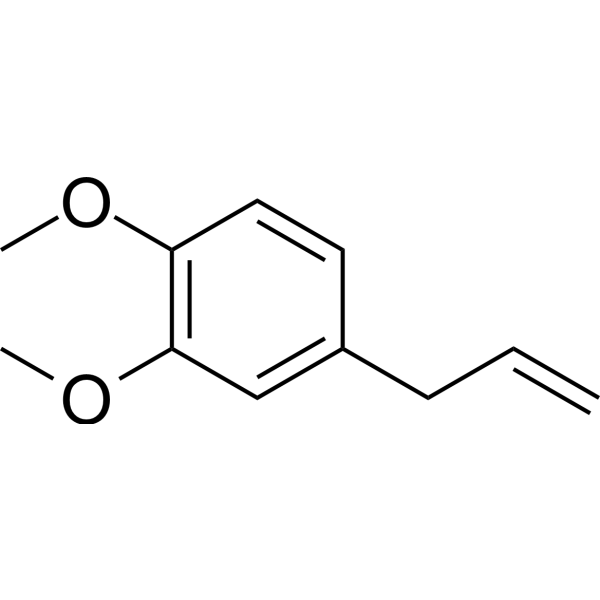
Methyl Eugenol is a bait that has oral activity against oriental fruit fly (Hendel).Methyl Eugenol has anti-cancer and anti-inflammatory activities. Methyl Eugenol can induce Autophagy in cells. Methyl Eugenol can be used in the study of intestinal ischemia/reperfusion injury.
For research use only. We do not sell to patients.
- Purity : 99.03%
- CAS No.: 93-15-2
- Formula: C11H14O2
- Molecular Weight:178.23
-
Storage:
4°C, protect from light, stored under nitrogen
* In solvent : -80°C, 6 months; -20°C, 1 month (protect from light, stored under nitrogen)

To place orders, for customer services and technical support, please contact: MedChemExpress USA
Tel: 609-228-6898 E-mail: [email protected] [email protected]


-
 Biological Activity
-
Chemical Information
-
Solvent & Solubility
- Protocols
- Purity & Documentation
- References
-
 Help & FAQs


-
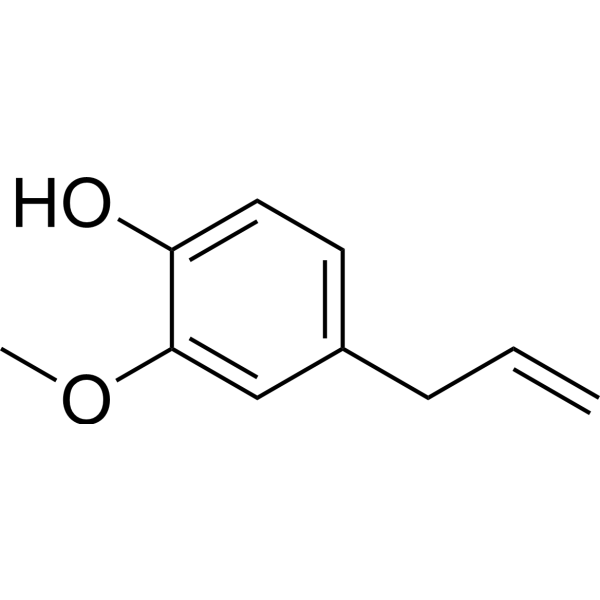
HY-N0337
Eugenol,98% (stabilized with TBC)Antioxidant -
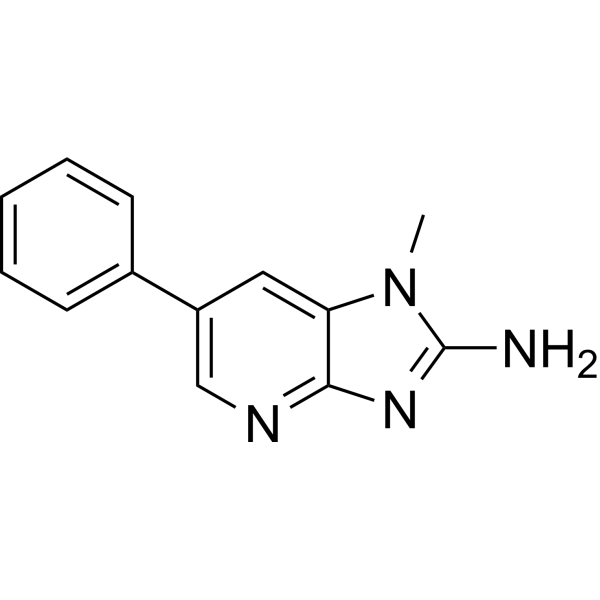
HY-118716
PhIPMeat-derived Carcinogen -
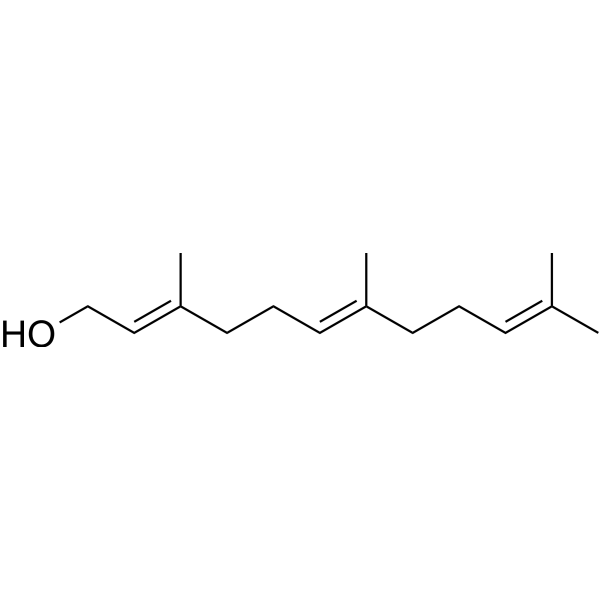
HY-Y0248A
Farnesol -
HY-N0368
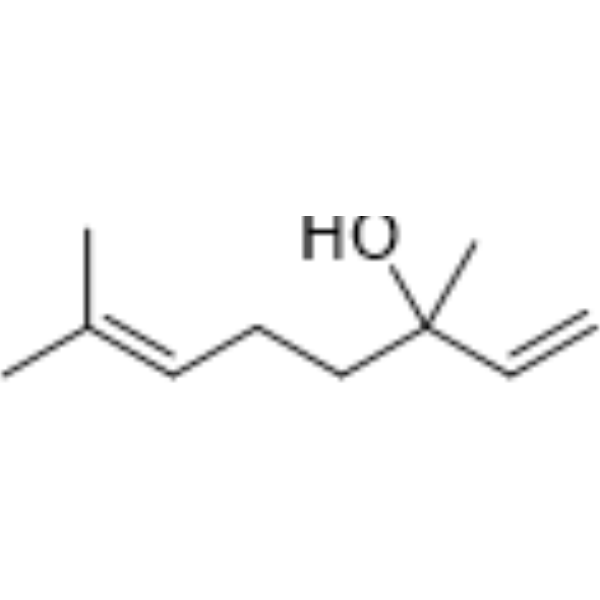
Linalool,98% (stabilized with MEHQ)Antibiotic -
HY-N7136
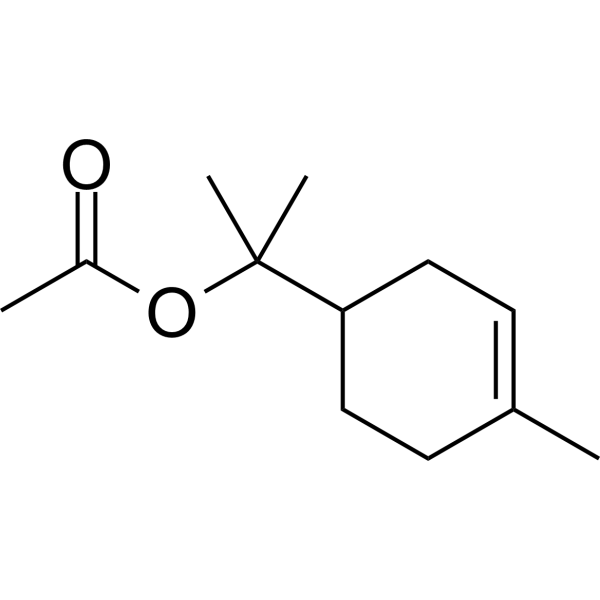
α-Terpinyl acetateP450 2B6 Substrate -

HY-N6996R
Methyl Eugenol (Standard)Anti-Insect Agent -
HY-N6952
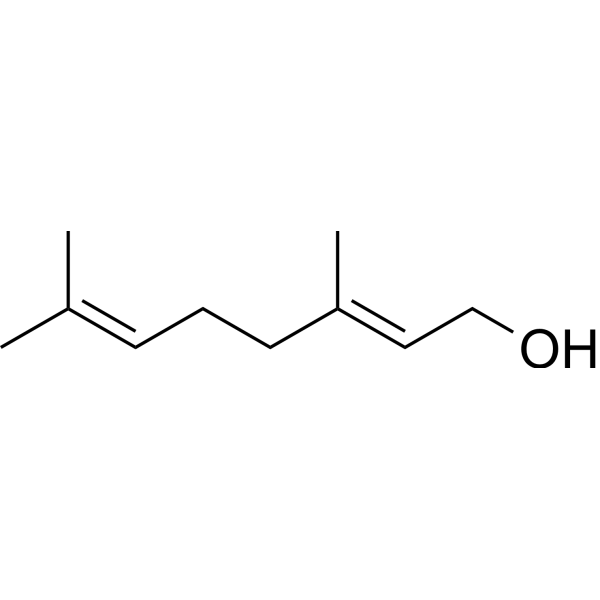
GeraniolAntibacterial Agent -
HY-N7070
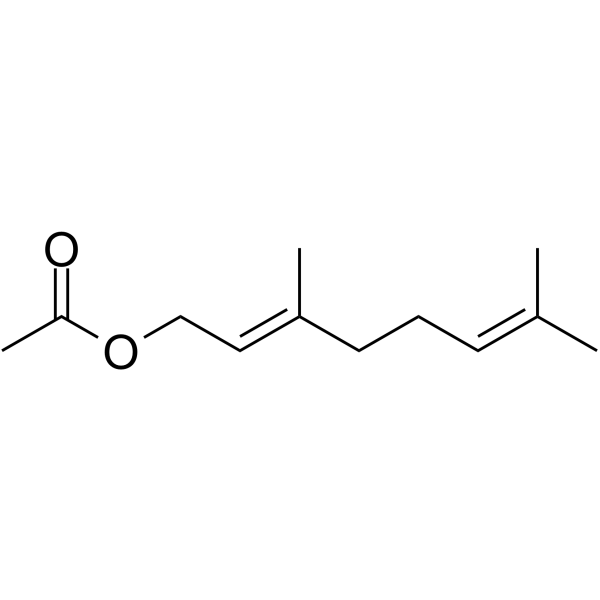
Geranyl acetateAcyclic Monoterpene Ester -
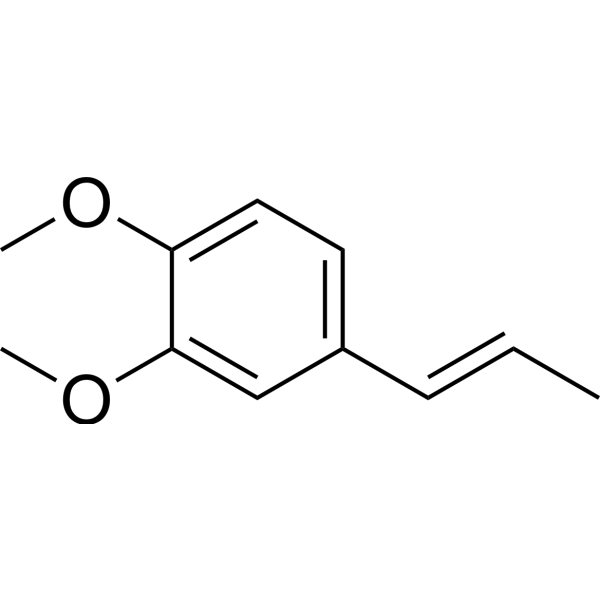
HY-N2439
Methyl isoeugenolIsoeugenol-type Eugenol Analog -
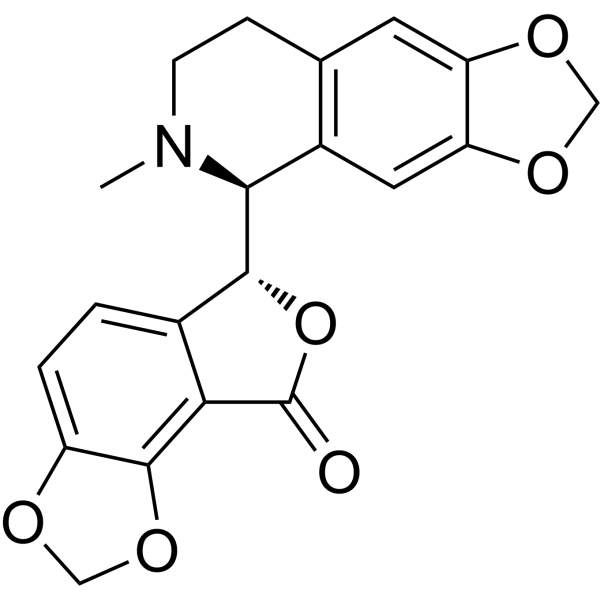
HY-N0219
BicucullineGABAA Receptor Antagonist -
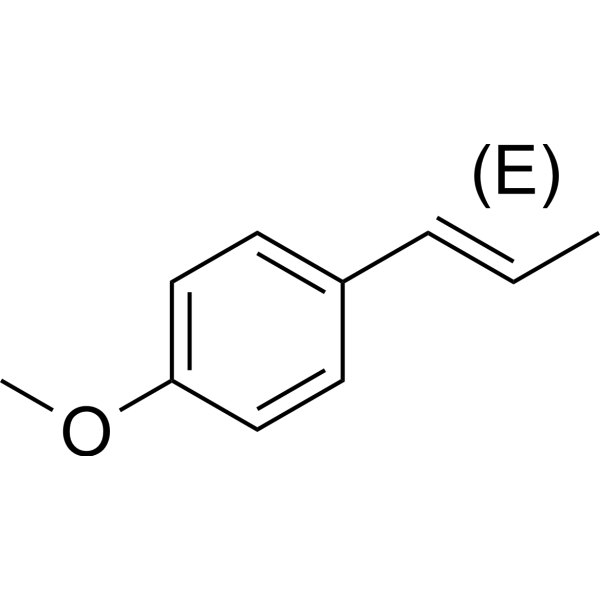
HY-N0367
Trans-AnetholeEndogenous Metabolite -
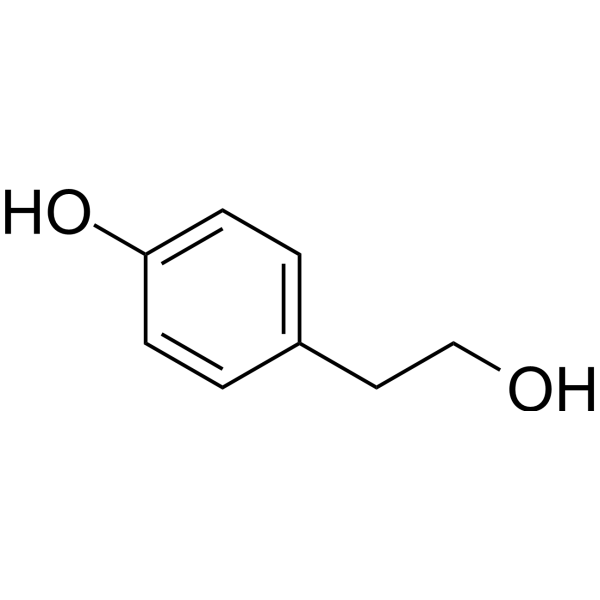
HY-N0474
TyrosolEndogenous Metabolite
Publications Citing Use of MedChemExpress (MCE) Methyl Eugenol
More

Biological Activity
Description
Cellular Effect
|
Cell Line

|
Type | Value | Description | References |
|---|---|---|---|---|
| HepG2 | EC50 |
28 μM
Compound: 9
|
Transactivation of PPAR expressed in HepG2 cells after 20 hrs by luminescence assay
Transactivation of PPAR expressed in HepG2 cells after 20 hrs by luminescence assay
|
[PMID: 22381047] |
| HepG2 | EC50 |
40 μM
Compound: 9
|
Transactivation of GAL4-fused PPARgamma LBD expressed in HepG2 cells after 20 hrs by luminescence assay
Transactivation of GAL4-fused PPARgamma LBD expressed in HepG2 cells after 20 hrs by luminescence assay
|
[PMID: 22381047] |
| HepG2 | EC50 |
46.5 μM
Compound: 9
|
Transactivation of GAL4-fused PPARalpha LBD expressed in HepG2 cells after 20 hrs by luminescence assay
Transactivation of GAL4-fused PPARalpha LBD expressed in HepG2 cells after 20 hrs by luminescence assay
|
[PMID: 22381047] |
| HepG2 | EC50 |
50.6 μM
Compound: 9
|
Transactivation of GAL4-fused PPARbeta LBD expressed in HepG2 cells after 20 hrs by luminescence assay
Transactivation of GAL4-fused PPARbeta LBD expressed in HepG2 cells after 20 hrs by luminescence assay
|
[PMID: 22381047] |
| Peritoneal macrophage | EC50 |
485.05 μM
Compound: 2
|
Cytotoxicity against BALB/c mouse peritoneal macrophages after 48 hrs by MTT assay
Cytotoxicity against BALB/c mouse peritoneal macrophages after 48 hrs by MTT assay
|
[PMID: 28826085] |
| RAW264.7 | IC50 |
517.42 μM
Compound: 2
|
Cytotoxicity against mouse RAW264.7 cells after 48 hrs by MTT assay
Cytotoxicity against mouse RAW264.7 cells after 48 hrs by MTT assay
|
[PMID: 28826085] |
In Vitro
Methyl Eugenol (25% (2 mL)-100% (8 mL)) is able to trap the orange fly in a dose-dependent manner [1].
Methyl Eugenol (3.12-200 μM; 48 h) can inhibit cell proliferation (IC50=50 μM) in human retinoblastoma RB355 cells by inducing (50 μM; 24 h) autophagy and inhibiting (50 μM; 48 h) the PI3K/mTOR/Akt signaling pathway in cells[2].
Methyl Eugenol (25-100 μM) can arrest the cell cycle of RB355 cells at the G2/M phase[2].
MedChemExpress (MCE) has not independently confirmed the accuracy of these methods. They are for reference only. Further protocols information, click here.
-
Cell Line:RB355 (Human retinoblastoma cells)
-
Concentration:50 μM
-
Incubation Time:24 h
-
Result:Significantly increased the expression of LC3-II in a dose-dependent manner and decreased the expression of p62.
Weakened the inhibitory effect of the autophagy inhibitor gastrostatin.
-
Cell Line:RB355 (Human retinoblastoma cells)
-
Concentration:50 μM
-
Incubation Time:48 h
-
Result:Inhibited the PI3K/mTOR/Akt signaling pathway.
Down-regulated the expression of m-TOR and pm-TOR proteins in a concentration-dependent manner.
Down-regulated the expression of PI3K/Akt protein.
In Vivo
MedChemExpress (MCE) has not independently confirmed the accuracy of these methods. They are for reference only.
-
Animal Model:Adult Wistar rats (Rattus norvegicus) model of intestinal ischemia/reperfusion injury[3]
-
Dosage:100 mg/kg
-
Administration:Oral intubation; Once daily for 30 days. Before underwent laparotomy with SMA occlusion 30 min of ischemia followed by 60 min of reperfusion.
-
Result:Significantly decreased the elevated LDH, MDA, and NO levels and concurrently increased the antioxidant biomarkers under test in the intestinal tissue.
Significantly downregulate the mRNA expression levels of TNF-α and IL-6.


Chemical Information
-
CAS No. 93-15-2
-
Appearance Liquid (Density: 1.036 g/cm3 )
-
Molecular Weight 178.23
-
Formula C11H14O2
-
Color Colorless to light yellow
-
SMILES
COC1=CC(CC=C)=CC=C1OC
-
Structure Classification
-
Initial Source
-
Shipping
Room temperature in continental US; may vary elsewhere.
-
Storage
4°C, protect from light, stored under nitrogen
* In solvent : -80°C, 6 months; -20°C, 1 month (protect from light, stored under nitrogen)


Publications (1)
-
Journal Impact Factor
-
Most Recent
-
Environ Int
Unveiling the toxicity secrets of eugenol-like compounds: from interaction mechanisms to treatment strategies. [Abstract]2025 Sep 15:204:109797. PMID: 40966960


Solvent & Solubility
In Vitro:
DMSO : 100 mg/mL (561.07 mM; Need ultrasonic; Hygroscopic DMSO has a significant impact on the solubility of product, please use newly opened DMSO)
H2O : < 0.1 mg/mL (insoluble)
Please refer to the solubility information to select the appropriate solvent. Once prepared, please aliquot and store the solution to prevent product inactivation from repeated freeze-thaw cycles.
Storage method and period of stock solution: -80°C, 6 months; -20°C, 1 month (protect from light, stored under nitrogen). When stored at -80°C, please use it within 6 months. When stored at -20°C, please use it within 1 month.
Please refer to the solubility information to select the appropriate solvent. Once prepared, please aliquot and store the solution to prevent product inactivation from repeated freeze-thaw cycles.
Storage method and period of stock solution: -80°C, 6 months; -20°C, 1 month (protect from light, stored under nitrogen). When stored at -80°C, please use it within 6 months. When stored at -20°C, please use it within 1 month.
Concentration (start) × Volume (start) = Concentration (final) × Volume (final)
In Vivo:
Select the appropriate dissolution method based on your experimental animal and administration route.
- For the following dissolution methods, please ensure to first prepare a clear stock solution using an In Vitro approach and then sequentially add co-solvents:
- To ensure reliable experimental results, the clarified stock solution can be appropriately stored based on storage conditions. As for the working solution for In Vivo experiments, it is recommended to prepare freshly and use it on the same day.
- The percentages shown for the solvents indicate their volumetric ratio in the final prepared solution. If precipitation or phase separation occurs during preparation, heat and/or sonication can be used to aid dissolution.
Add each solvent one by one: 10% DMSO 40% PEG300 5% Tween-80 45% Saline
Solubility: ≥ 2.5 mg/mL (14.03 mM); Clear solution
This protocol yields a clear solution of ≥ 2.5 mg/mL (saturation unknown).
Taking 1 mL working solution as an example, add 100 μL DMSO stock solution (25.0 mg/mL) to 400 μL PEG300, and mix evenly; then add 50 μL Tween-80 and mix evenly; then add 450 μL Saline to adjust the volume to 1 mL.
Preparation of Saline: Dissolve 0.9 g sodium chloride in ddH₂O and dilute to 100 mL to obtain a clear Saline solution.
Add each solvent one by one: 10% DMSO 90% (20% SBE-β-CD in Saline)
Solubility: ≥ 2.5 mg/mL (14.03 mM); Clear solution
This protocol yields a clear solution of ≥ 2.5 mg/mL (saturation unknown).
Taking 1 mL working solution as an example, add 100 μL DMSO stock solution (25.0 mg/mL) to 900 μL 20% SBE-β-CD in Saline, and mix evenly.
Preparation of 20% SBE-β-CD in Saline (4°C, storage for one week): 2 g SBE-β-CD powder is dissolved in 10 mL Saline, completely dissolve until clear.
In Vivo Dissolution Calculator
Please enter the basic information of animal experiments:
-
-
-
-
Recommended: Prepare an additional quantity of animals to account for potential losses during experiments.
Please enter your animal formula composition:
-
%DMSO +
Recommended: Keep the proportion of DMSO in working solution below 2% if your animal is weak.
-
%+
-
+%Tween-80 + +
-
%Saline +
The co-solvents required include: DMSO, . All of co-solvents are available by MedChemExpress (MCE). , Tween 80. All of co-solvents are available by MedChemExpress (MCE).
Working solution concentration: 0.22 mg/mL
Method for preparing stock solution: mg drug dissolved in μL DMSO. Stock solution concentration: mg/mL. * In solvent : -80°C, 6 months; -20°C, 1 month (protect from light, stored under nitrogen)
1. Take μL DMSO stock solution;
2. Add μL .
μL , mix evenly;
3. Then add μL Tween 80, mix evenly;
4. Then add μL
Please ensure that the stock solution in the first step is dissolved to a clear state, and add co-solvents in sequence. You can use ultrasonic heating (ultrasonic cleaner, recommended frequency 20-40 kHz), vortexing, etc. to assist dissolution.

Protocols
-
Autophagy
Autophagy is a process in which eukaryotic cells use lysosomes to degrade their own cytoplasmic proteins and damaged organelles under the regulation of autophagy related gene (Atg). Microtubule-associated proteins light chain 3 (LC3) is recognized as autophagy marker, which transfers from cytoplasmic LC3 (LC3-I) to membrane type (LC3-II). LC3-II/I ratio could be detected by Western Blot and fluorescence microscopy.
-
Research Protocol for Inflammation-related Diseases
The NLRP3 inflammasome is a cytosolic innate immune signaling platform that integrates priming signals and danger-signal activation to promote caspase-1 activation, maturation of IL-1β and IL-18, and gasdermin D-mediated pyroptotic cell death. The core experimental logic is to determine whether inflammatory disease phenotypes are driven by increased NLRP3 expression, ASC-containing inflammasome assembly, caspase-1 cleavage, GSDMD cleavage, and extracellular release of IL-1β/IL-18 rather than by nonspecific cell injury alone. The pathway is strongly linked to inflammation-related disease phenotypes because monosodium urate crystals activate NALP3/NLRP3 inflammasome signaling in gout-like crystal inflammation, cholesterol crystals activate NLRP3 inflammasomes in atherogenesis models, and DSS-induced intestinal inflammation has been reported to involve NLRP3 inflammasome activity. However, experimental colitis studies also show context-dependent protective effects of NLRP3 inflammasome co
-
Lysosome and acidic-vesicle live-cell staining
Lysosome and acidic-vesicle live-cell staining detects acidic intracellular compartments by using membrane-permeant acidotropic probes that accumulate in low-pH vesicles, including lysosomes, late endosomes, autolysosomes, and acidic phagosomes. LysoTracker staining is commonly used as an intensity-based readout of acidic lysosomal compartment abundance or enlargement, while acridine orange produces green fluorescence in less concentrated compartments and red fluorescence after concentration-dependent accumulation in acidic vesicular organelles. Loss or reduction of acridine-orange red signal can be used as a readout of lysosomal membrane permeabilization or reduced acidic-vesicle integrity. This protocol is designed for live cultured cells and can be adapted for fluorescence microscopy, high-content imaging, plate-reader readout, or flow cytometry when the selected literature supports the readout. Because these dyes report acidotropic accumulation rather than lysosome identity alone,
-
Macroautophagy Solutions
Macroautophagy is a conserved lysosome-dependent degradation pathway in which cytoplasmic material is sequestered into double-membrane autophagosomes and delivered to lysosomes for degradation and recycling. The pathway supports cellular homeostasis during nutrient limitation, organelle stress, protein-aggregate accumulation, infection, differentiation, and tissue remodeling by coupling cargo sequestration, autophagosome maturation, lysosomal fusion, and degradation of cargo-derived macromolecules. The core molecular sequence includes initiation by nutrient- and stress-regulated autophagy machinery, autophagosome nucleation, LC3/ATG8-family conjugation to autophagosomal membranes, cargo selection through receptors such as SQSTM1/p62, autophagosome-lysosome fusion, and lysosomal degradation. LC3 was identified as a mammalian homolog of yeast Atg8 that localizes to autophagosomal membranes after processing, and p62/SQSTM1 was shown to connect ubiquitinated cargo with autophagic degradati


Purity & Documentation
-
Data Sheet (286 KB)
-
SDS (623 KB)
- English - EN (623 KB)
- Français - FR (623 KB)
- Deutsch - DE (623 KB)
- Norwegian - NO (623 KB)
- Español - ES (623 KB)
- Swedish - SV (623 KB)
- Italian - IT (623 KB)
- Korean - KR (623 KB)
- Portuguese - PT (623 KB)
-
Handling Instructions (2659 KB)
References
[1]. Vargas, R I et al. Methyl eugenol and cue-lure traps for suppression of male oriental fruit flies and melon flies (Diptera: Tephritidae) in Hawaii: effects of lure mixtures and weathering. Journal of economic entomology vol. 93,1 (2000): 81-7. [Content Brief]
[2]. Yin, Li et al. Methyl eugenol induces potent anticancer effects in RB355 human retinoblastoma cells by inducing autophagy, cell cycle arrest and inhibition of PI3K/mTOR/Akt signalling pathway. Journal of B.U.ON. : official journal of the Balkan Union of Oncology vol. 23,4 (2018): 1174-1178. [Content Brief]
[3]. Saleh, Hanan, et al. Mechanism underlying methyl eugenol attenuation of intestinal ischemia/reperfusion injury. Applied physiology, nutrition, and metabolism = Physiologie appliquee, nutrition et metabolisme vol. 42,10 (2017): 1097-1105. [Content Brief]


Complete Stock Solution Preparation Table
Please refer to the solubility information to select the appropriate solvent. Once prepared, please aliquot and store the solution to prevent product inactivation from repeated freeze-thaw cycles.
Storage method and period of stock solution: -80°C, 6 months; -20°C, 1 month (protect from light, stored under nitrogen). When stored at -80°C, please use it within 6 months. When stored at -20°C, please use it within 1 month.
| Optional Solvent | Concentration Solvent Mass | 1 mg | 5 mg | 10 mg | 25 mg |
|---|---|---|---|---|---|
| DMSO | 1 mM | 5.6107 mL | 28.0536 mL | 56.1073 mL | 140.2682 mL |
| 5 mM | 1.1221 mL | 5.6107 mL | 11.2215 mL | 28.0536 mL | |
| 10 mM | 0.5611 mL | 2.8054 mL | 5.6107 mL | 14.0268 mL | |
| 15 mM | 0.3740 mL | 1.8702 mL | 3.7405 mL | 9.3512 mL | |
| 20 mM | 0.2805 mL | 1.4027 mL | 2.8054 mL | 7.0134 mL | |
| 25 mM | 0.2244 mL | 1.1221 mL | 2.2443 mL | 5.6107 mL | |
| 30 mM | 0.1870 mL | 0.9351 mL | 1.8702 mL | 4.6756 mL | |
| 40 mM | 0.1403 mL | 0.7013 mL | 1.4027 mL | 3.5067 mL | |
| 50 mM | 0.1122 mL | 0.5611 mL | 1.1221 mL | 2.8054 mL | |
| 60 mM | 0.0935 mL | 0.4676 mL | 0.9351 mL | 2.3378 mL | |
| 80 mM | 0.0701 mL | 0.3507 mL | 0.7013 mL | 1.7534 mL | |
| 100 mM | 0.0561 mL | 0.2805 mL | 0.5611 mL | 1.4027 mL |


Methyl Eugenol Related Classifications
HY-N6996 Related Classifications
 Powered by Bioz