167 Results for "

GLUT

" in MedChemExpress (MCE) Product Catalog:
Products (167)

167 Results for "GLUT" in MCE Product Catalog:

  • Categories Recommended:
    More
162
162 Publications Verification
Art. -Nr.: HY-13753
CAS. Nr.: 18883-66-4
Reinheit:  99.20%
Synonyms: Streptozocin; NSC-85998; U 9889
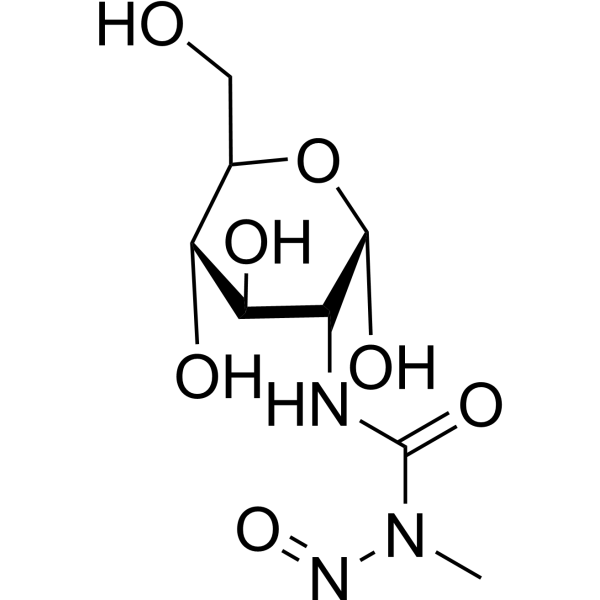
Streptozotocin (Streptozocin; STZ) is an antibiotic widely used in experimental animal models of induced diabetes. Streptozotocin enters B cells via the glucose transporter (GLUT2) and causes the alkylation of DNA ( DNA-methylating ). Streptozotocin can induce the apoptosis of β cells .
loading...
    loading...
61
61 Cited Publications
Art. -Nr.: HY-100017
CAS. Nr.: 1799753-84-6
Reinheit:  99.67%
Target:  

GLUT Disulfidptosis

Forschungsgebiete:  

Cancer

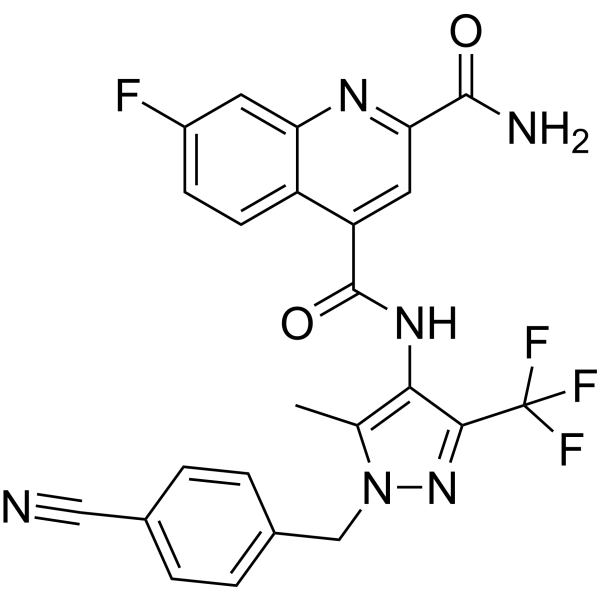
BAY-876, a chemical probe, is an orally active and selective glucose transporter 1 (GLUT1) inhibitor with an IC50 of 2 nM. BAY-876 is >130-fold more selective for GLUT1 than GLUT2, GLUT3, and GLUT4. BAY-876 is also a potent blocker of glycolytic metabolism and ovarian cancer growth. In addition, BAY-876 can induce the formation of disulfide bonds in actin cytoskeletal proteins, leading to the occurrence of cellular disulfidptosis .
loading...
    loading...
31
31 Cited Publications
Art. -Nr.: HY-N0142
CAS. Nr.: 60-82-2
Synonyms: NSC 407292; RJC 02792
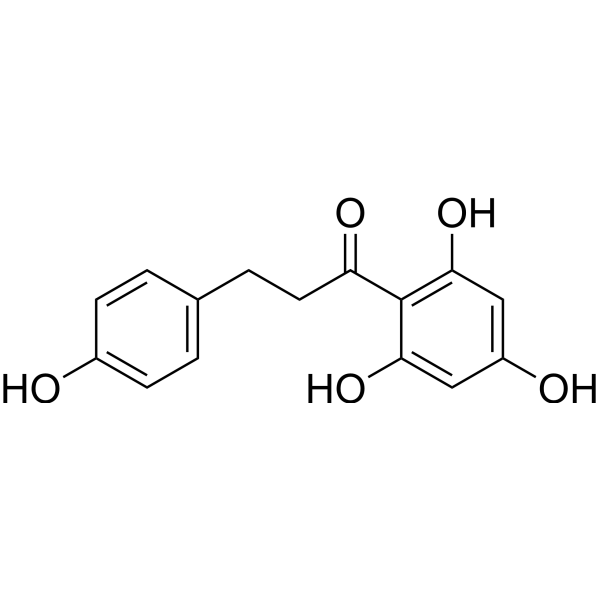
Phloretin (NSC 407292; RJC 02792) is a flavonoid extracted from Malus pumila Mill.,has anti-inflammatory activities. Phloridzin is a specific,competitive and orally active inhibitor of sodium/glucose cotransporters in the intestine (SGLT1) and kidney (SGLT2). Phloretin inhibits Yeast-made GLUT1 as well as Human erythrocyte GLUT1 with IC50values of 49 μM and 61 μM,respectively .Phloretin has the potential for the treatment of rheumatoid arthritis (RA) and allergic airway inflammation .
loading...
    loading...
25
25 Cited Publications
Art. -Nr.: HY-19331
CAS. Nr.: 1223397-11-2
Target:  

GLUT

Forschungsgebiete:  

Cancer

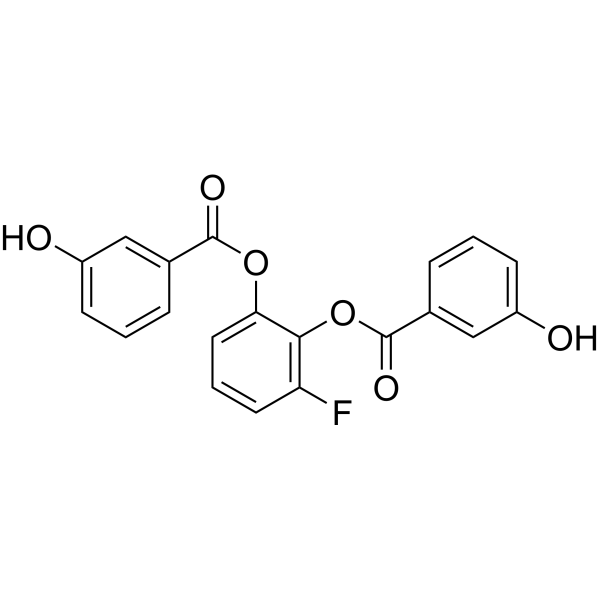
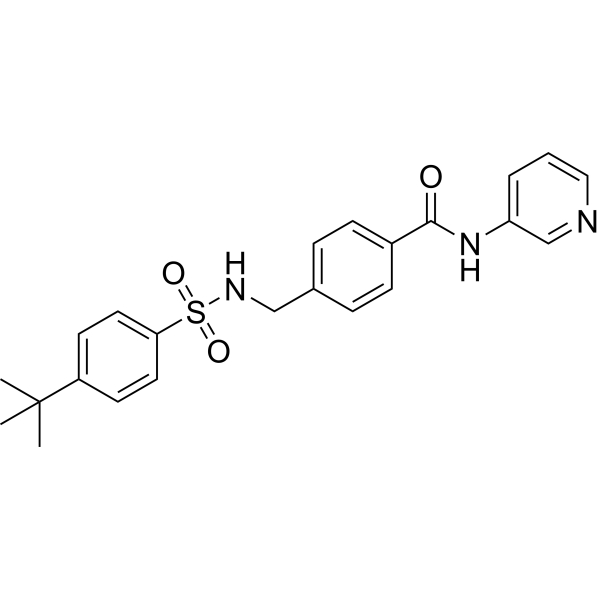
WZB117 is a glucose transporter 1 (Glut1) inhibitor, which downregulates glycolysis, induces cell-cycle arrest, and inhibits cancer cell growth in vitro and in vivo.
loading...
    loading...
18
18 Cited Publications
Art. -Nr.: HY-18728
CAS. Nr.: 724741-75-7
Target:  

GLUT Autophagy

Forschungsgebiete:  

Cancer

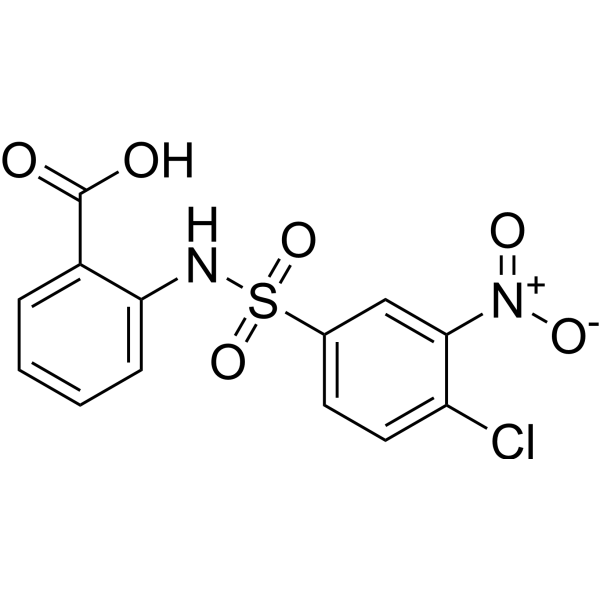
STF-31 is a selective inhibitor of glucose transporter 1 (GLUT1), with an IC50 of 1 μM. STF-31 is also a NAMPT inhibitor. STF-31 inhibits glucose uptake in renal cell carcinoma (RCC) 4 cells .
loading...
    loading...
18
18 Cited Publications
Art. -Nr.: HY-N0143
CAS. Nr.: 60-81-1
Synonyms: Floridzin
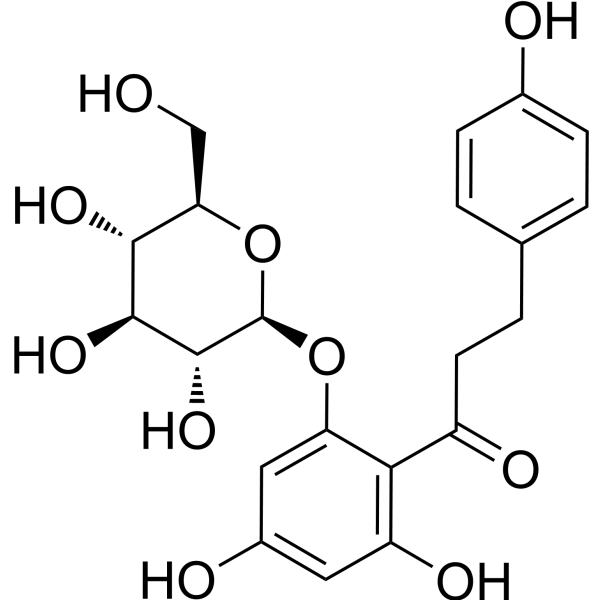
Phlorizin (Floridzin) is an orally active non-selective sodium-glucose cotransporter (SGLT) inhibitor, with an IC50 of 0.04 μM and a Ki of 39 nM against hSGLT2, and an IC50 of 0.17 μM and a Ki of 0.31 μM against hSGLT1. Phlorizin promotes GLUT4 translocation, inhibits gluconeogenesis and promotes glycogen synthesis by activating the PI3K/Akt/mTOR pathway. Phlorizin reduces DNA damage and apoptosis (apoptosis) by inhibiting the NF-κB inflammatory pathway. Phlorizin induces apoptosis via activating the Caspase pathway by antagonizing the JAK/STAT3 and PCK pathways. Phlorizin also exhibits antibacterial, anti-inflammatory and neuroprotective activities .
loading...
    loading...
18
18 Cited Publications
Art. -Nr.: HY-N0143A
CAS. Nr.: 7061-54-3
Synonyms: Floridzin dihydrate
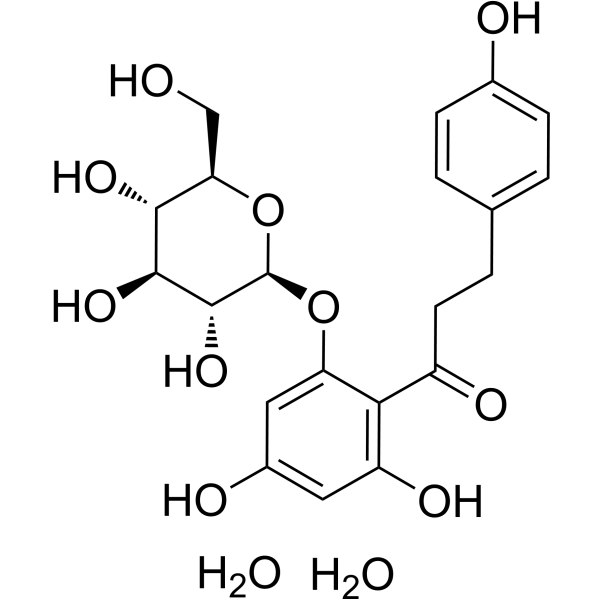
Phlorizin (Floridzin) dihydrate is an orally active non-selective sodium-glucose cotransporter (SGLT) inhibitor, with an IC50 of 0.04 μM and a Ki of 39 nM against hSGLT2, and an IC50 of 0.17 μM and a Ki of 0.31 μM against hSGLT1. Phlorizin dihydrate promotes GLUT4 translocation, inhibits gluconeogenesis and promotes glycogen synthesis by activating the PI3K/Akt/mTOR pathway. Phlorizin dihydrate reduces DNA damage and apoptosis (apoptosis) by inhibiting the NF-κB inflammatory pathway. Phlorizin dihydrate induces apoptosis via activating the Caspase pathway by antagonizing the JAK/STAT3 and PCK pathways. Phlorizin dihydrate also exhibits antibacterial, anti-inflammatory and neuroprotective activities .
loading...
    loading...
16
16 Cited Publications
Art. -Nr.: HY-123986
CAS. Nr.: 68003-38-3
Reinheit:  99.95%
Forschungsgebiete:  

Inflammation/Immunology Cancer

CTPI-2 is a third-generation mitochondrial citrate carrier SLC25A1 inhibitor with a KD of 3.5 μM. CTPI-2 inhibits glycolysis, PPARγ, and its downstream target the glucose transporter GLUT4. CTPI-2 halts salient alterations of NASH reverting steatosis, preventing the evolution to steatohepatitis, reducing inflammatory macrophage infiltration in the liver and adipose tissue, and starkly mitigating obesity induced by a high-fat diet. Antitumor activity .
loading...
    loading...
8
8 Cited Publications
Art. -Nr.: HY-145597
CAS. Nr.: 1369452-53-8
Reinheit:  99.40%
Target:  

GLUT Disulfidptosis

Forschungsgebiete:  

Metabolic Disease Cancer

KL-11743 is a potent, orally active, and glucose-competitive inhibitor of the class I glucose transporters, with IC50s of 115, 137, 90, and 68 nM for GLUT1, GLUT2, GLUT3, and GLUT4, respectively. KL-11743 specifically blocks glucose metabolism. KL-11743 can synergize with electron transport inhibitors to induce cell death. In addition, KL-11743 can induce the formation of disulfide bonds in actin cytoskeletal proteins, leading to the occurrence of cellular disulfidptosis .
loading...
    loading...
8
8 Cited Publications
Art. -Nr.: HY-N0002
CAS. Nr.: 1257-08-5
Synonyms: Epicatechin gallate; ECG; (-)-Epicatechin 3-O-gallate
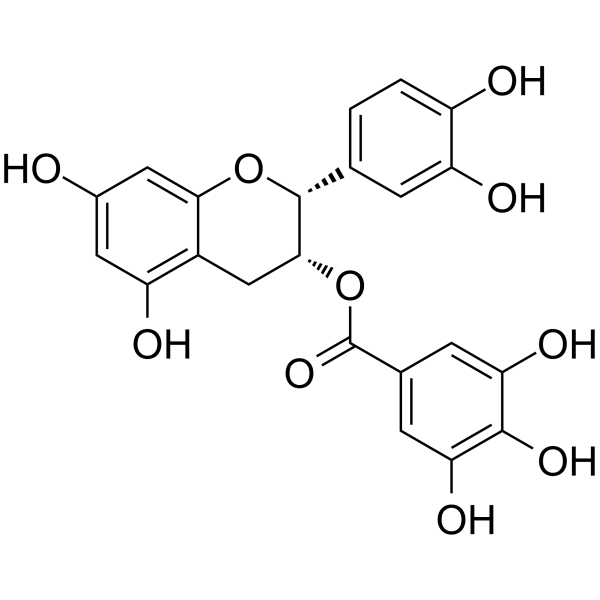
(-)-Epicatechin gallate (Epicatechin gallate) inhibits cyclooxygenase-1 (COX-1) with an IC50 of 7.5 μM . (-)-Epicatechin gallate is a GLUT1 and GLUT5 inhibitor. (-)-Epicatechin gallate decreases cell growth of GLUT5-expressing hxt 0 yeast cells .
loading...
    loading...
6
6 Cited Publications
Art. -Nr.: HY-B0413S
CAS. Nr.: 1228182-47-5
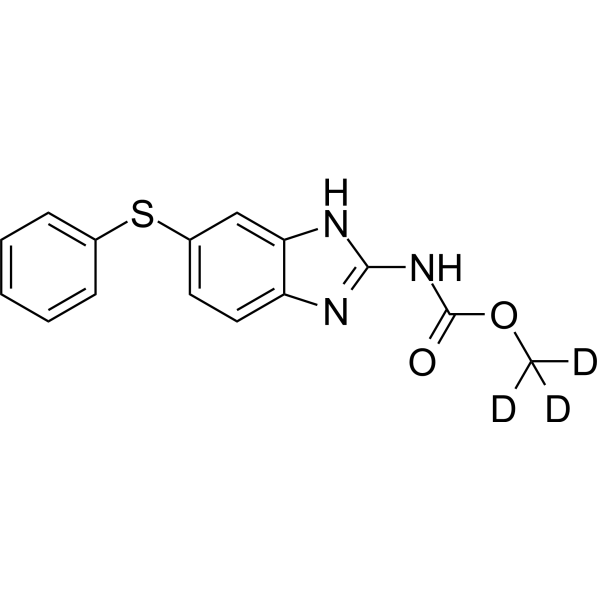
Fenbendazole-d3 is a deuterium labeled Fenbendazole. Fenbendazole-d3 is a HIF-1α agonist and activates the HIF-1α-related GLUT1 pathway. Fenbendazole is an orally active benzimidazole anthelmintic agent, with a broad antiparasitic range. Fenbendazole is a microtubule destabilizing agent. Fenbendazole causes cell-cycle arrest and mitotic cell death, and has antitumor activity in mice xenografted with wild-type p53 .
loading...
    loading...
4
4 Cited Publications
Art. -Nr.: HY-101849
CAS. Nr.: 392721-37-8
Reinheit:  ≥98.0%
Forschungsgebiete:  

Cardiovascular Disease Cancer

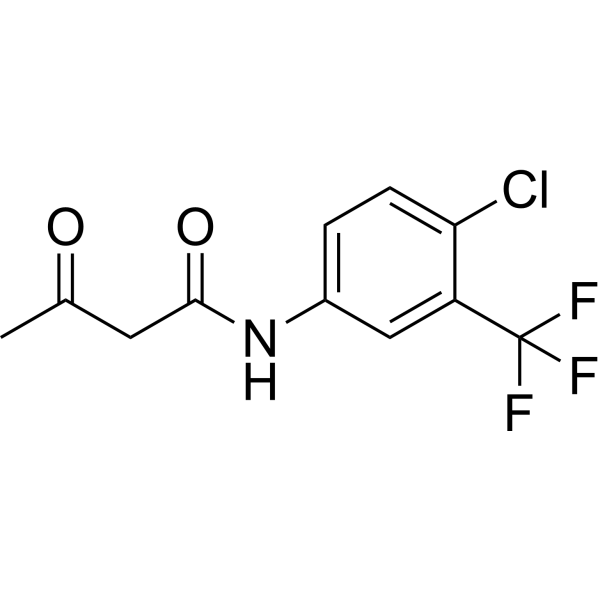
Fasentin, a potent glucose uptake inhibitor, inhibits GLUT-1/GLUT-4 transporters. Fasentin preferentially inhibits GLUT4 (IC50=68 μM) over GLUT1. Fasentin is a death receptor stimuli (FAS) sensitizer and sensitizes cells to FAS-induced cell death. Fasentin is also a tumor necrosis factor (TNF) apoptosis-inducing ligand sensitizer. Fasentin blocks glucose uptake in cancer cell lines and has anti-angiogenic activity .
loading...
    loading...
4
4 Cited Publications
Art. -Nr.: HY-113402
CAS. Nr.: 636-58-8
Reinheit:  95.20%
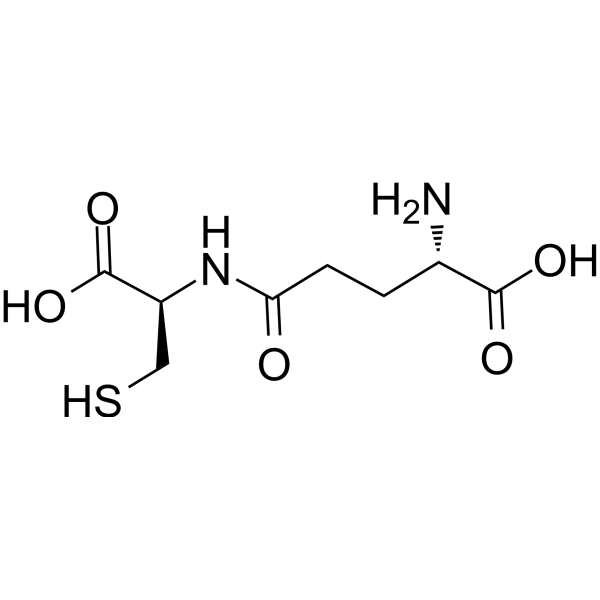
Synonyms: γ-Glu-Cys
Gamma-glutamylcysteine (γ-Glu-Cys) is an orally active, blood-brain barrier permeable dipeptide . Gamma-glutamylcysteine activates AMPK, SIRT1, IL-4/STAT6, AC/cAMP/PI3K, IGF-1R/IRS1/PI3K, and Nrf2 signaling pathways; it inhibits NF-κB, JAK1/STAT1/3, MAPKs, cadmium-induced p38 MAPK, JNK, and PI3K/Akt signaling pathways. Gamma-glutamylcysteine regulates macrophage polarization, modulates the trafficking of CD36 and GLUT4, induces glutathione synthesis, improves metabolic dysfunction, reduces lipid deposition, ameliorates glucose homeostasis, inhibits apoptosis (Apoptosis), stabilizes mitochondria, suppresses lipid peroxidation, iron accumulation and ferroptosis (Ferroptosis), reduces ds-HMGB1 levels, reverses mechanical hyperalgesia, and alleviates hepatic lipid droplet formation. Gamma-glutamylcysteine is applicable to research related to inflammatory bowel disease, type 2 diabetes, cadmium-induced neurotoxicity, Alzheimer's disease, cerebral ischemia/reperfusion injury, neuropathy, and alcoholic liver disease .
loading...
    loading...
4
4 Cited Publications
Art. -Nr.: HY-113402A
CAS. Nr.: 283159-88-6
Reinheit:  95.20%
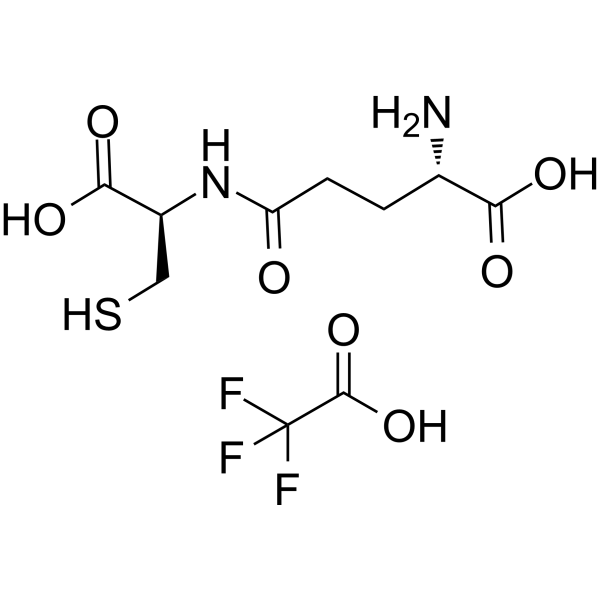
Synonyms: γ-Glu-Cys TFA
Gamma-glutamylcysteine TFA (γ-Glu-Cys TFA) is an orally active, blood-brain barrier permeable dipeptide . Gamma-glutamylcysteine TFA activates AMPK, SIRT1, IL-4/STAT6, AC/cAMP/PI3K, IGF-1R/IRS1/PI3K, and Nrf2 signaling pathways; it inhibits NF-κB, JAK1/STAT1/3, MAPKs, cadmium-induced p38 MAPK, JNK, and PI3K/Akt signaling pathways. Gamma-glutamylcysteine TFA regulates macrophage polarization, modulates the trafficking of CD36 and GLUT4, induces glutathione synthesis, improves metabolic dysfunction, reduces lipid deposition, ameliorates glucose homeostasis, inhibits apoptosis (Apoptosis), stabilizes mitochondria, suppresses lipid peroxidation, iron accumulation and ferroptosis (Ferroptosis), reduces ds-HMGB1 levels, reverses mechanical hyperalgesia, and alleviates hepatic lipid droplet formation. Gamma-glutamylcysteine TFA is applicable to research related to inflammatory bowel disease, type 2 diabetes, cadmium-induced neurotoxicity, Alzheimer's disease, cerebral ischemia/reperfusion injury, neuropathy, and alcoholic liver disease .
loading...
    loading...
4
4 Cited Publications
Art. -Nr.: HY-N2445
CAS. Nr.: 37308-75-1
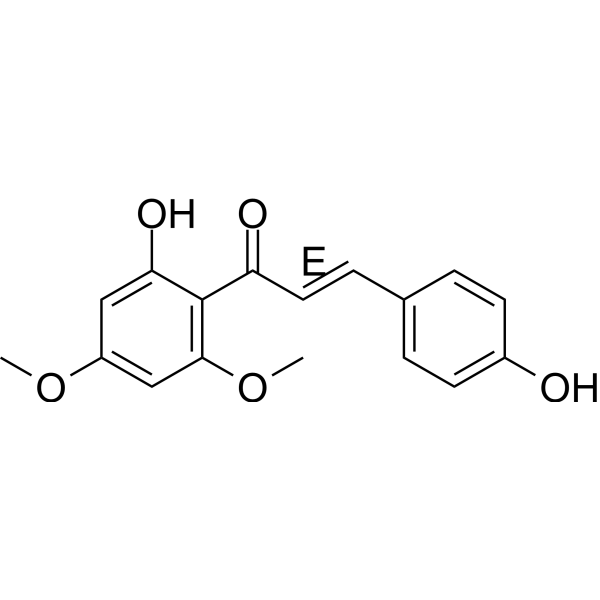
Flavokawain C is an orally active natural chalcone. Flavokawain C inhibits the proliferation of various cancer cells. Flavokawain C upregulates GADD153 in cancer cells, inhibits the phosphorylation of Akt and JNK, suppresses early ERK phosphorylation, activates late ERK phosphorylation, activates caspase related subtypes, induces PARP-1 cleavage, causes upregulation of p21 and p27, downregulation of mutant p53 and anti-apoptotic IAP proteins, elevates intracellular ROS levels, reduces SOD activity, and induces apoptosis. Flavokawain C downregulates FABP4, induces autophagy in cancer cells, and activates the AMPK/mTOR pathway . Flavokawain C decreases the expression of glycolysis-related proteins GLUT1 and HK2, and inhibits glycolysis in nasopharyngeal carcinoma cells. Flavokawain C inhibits the activation of the EGFR/PI3K/Akt/mTOR signaling pathway and reduces the expression of HSP90B1. Flavokawain C inhibits angiogenesis by decreasing the expression of angiogenic proteins Ang-1 and VEGF in human umbilical vein endothelial cells. Flavokawain C increases γ-H2AX levels in cells, inhibits the phosphorylation of FAK, PI3K and AKT in cells, and induces DNA damage in cells. Flavokawain C exerts anti-tumor activity in multiple tumor xenograft mouse models. Flavokawain C is applicable to research related to colorectal cancer, colon adenocarcinoma, nephroblastoma, nasopharyngeal carcinoma and liver cancer .
loading...
    loading...
3
3 Cited Publications
Art. -Nr.: HY-N7676
CAS. Nr.: 535-96-6
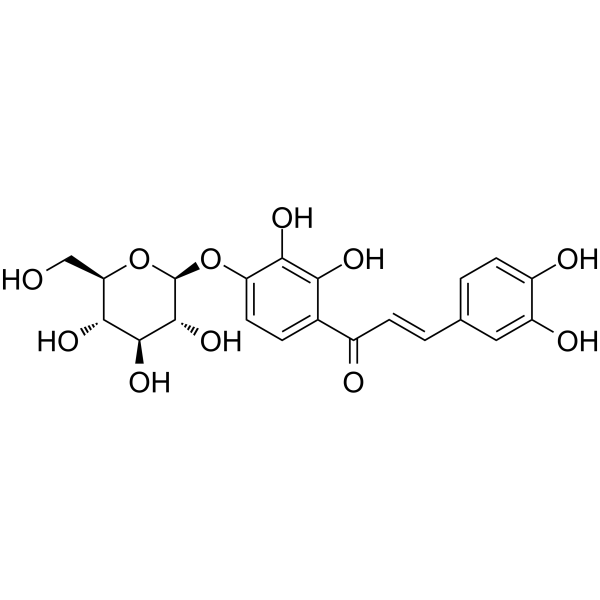
Marein has the neuroprotective effect due to a reduction of damage to mitochondria function and activation of the AMPK signal pathway. Marein improves insulin resistance induced by high glucose in HepG2 cells through CaMKK/AMPK/GLUT1 to promote glucose uptake, through IRS/Akt/GSK-3β to increase glycogen synthesis, and through Akt/FoxO1 to decrease gluconeogenesis. Marein is a HDAC inhibitor with an IC50 of 100 μM. Marein has beneficial antioxidative, antihypertensive, antihyperlipidemic and antidiabetic effects .
loading...
    loading...
3
3 Cited Publications
Art. -Nr.: HY-113236
CAS. Nr.: 614-35-7
Reinheit:  98.04%
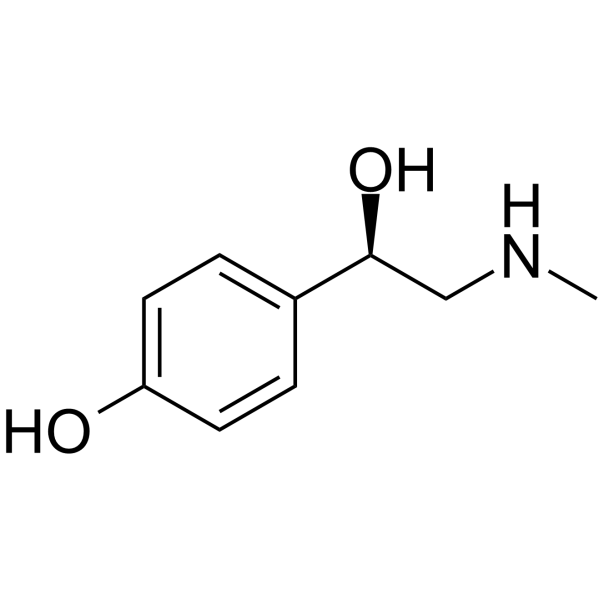
p-Synephrine is an orally active alkaloid dietary supplement without indirect sympathomimetic activity or cardiovascular stimulatory activity. p-Synephrine stimulates AMPK phosphorylation and mediates Glut4 translocation to increase glucose consumption and lactate production in skeletal muscle cells. p-Synephrine also downregulates the p38 MAPK and NF-κB signaling pathways to inhibit pro-inflammatory cytokine production and alter oxidative metabolism. p-Synephrine exhibits low subchronic toxicity in mice. p-Synephrine can be applied to research related to systemic inflammatory response syndrome, obesity, and type 2 diabetes .
loading...
    loading...
3
3 Cited Publications
Art. -Nr.: HY-N4185
CAS. Nr.: 61153-77-3
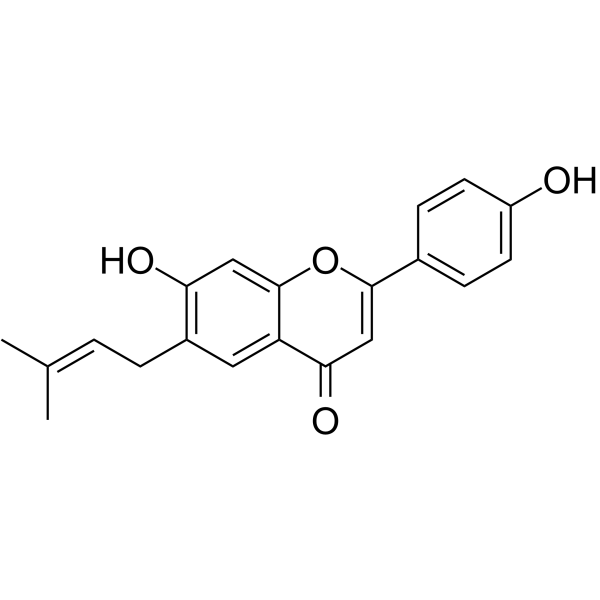
Licoflavone A is an orally active PTP1B/VEGFR-2 inhibitor, with an IC50 of 54.5 μM against PTP1B, an IC50 of 14.36 μM and a Kd of 142.38 nM against human VEGFR-2. Licoflavone A blocks the PI3K/AKT and MEK/ERK signaling pathways. Licoflavone A induces G1 phase cell cycle arrest, apoptosis via the intrinsic mitochondrial pathway (apoptosis), and inhibits migration, invasion and epithelial-mesenchymal transition (EMT) of gastric cancer cells. Licoflavone A inhibits the proliferation of gastric cancer cells in vitro and in xenograft models. Licoflavone A reduces the expression levels of HIF-1α, GLUT1, LDHA, PKM2 and HK2 in hypoxic gastric cancer cells, decreases glucose uptake and suppresses glycolysis. Licoflavone A can be used in research related to gastric cancer, type 2 diabetes and obesity .
loading...
    loading...
2
2 Cited Publications
Art. -Nr.: HY-N0668
CAS. Nr.: 64849-39-4
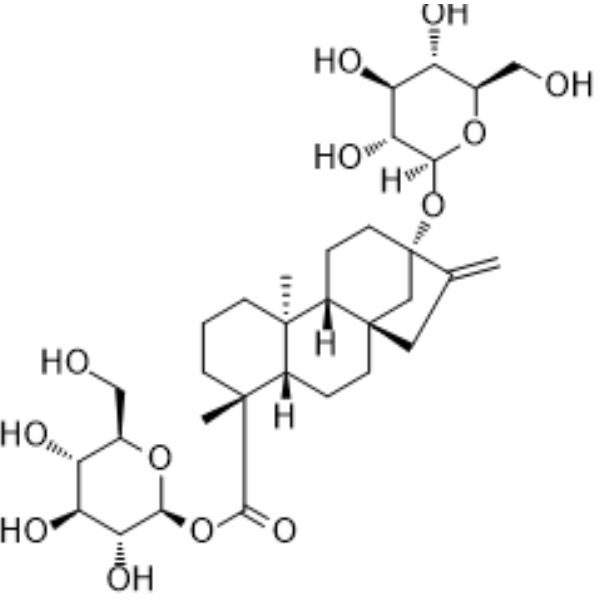
Rubusoside is a diterpene glycoside that is also a sweetener and solubilizer with anti-angiogenic, anti-cancer, anti-obesity, anti-allergic and anti-asthmatic effects. Rubusoside attenuates airway hyperresponsiveness and reduces inflammatory cells in bronchoalveolar lavage fluid (BALF), reducing OVA (HY-W250978)-induced airway inflammation. Rubusoside also prevents palmitic acid-induced lipotoxicity in pancreatic INS-1 cells, reduces the transport of human glucose transporters GLUT-1 and fructose GLUT-5, and inhibits NF-κB and α-amylase (α-amylase) .
loading...
    loading...
2
2 Cited Publications
Art. -Nr.: HY-139605
CAS. Nr.: 2421141-40-2
Reinheit:  99.03%
Target:  

GLUT

Forschungsgebiete:  

Inflammation/Immunology Cancer

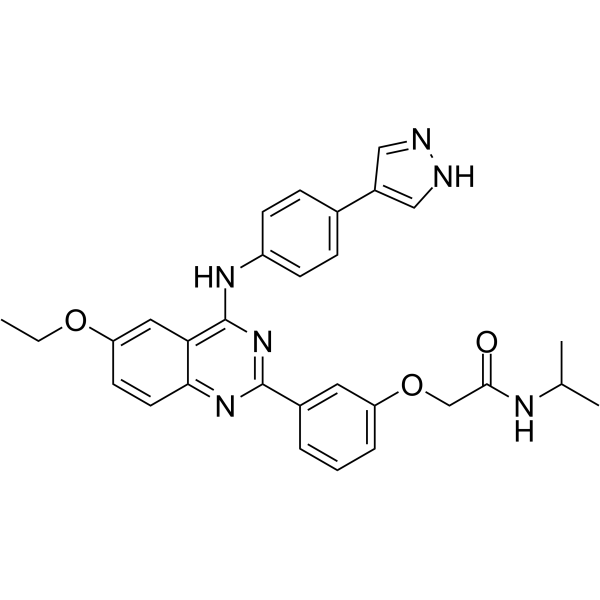
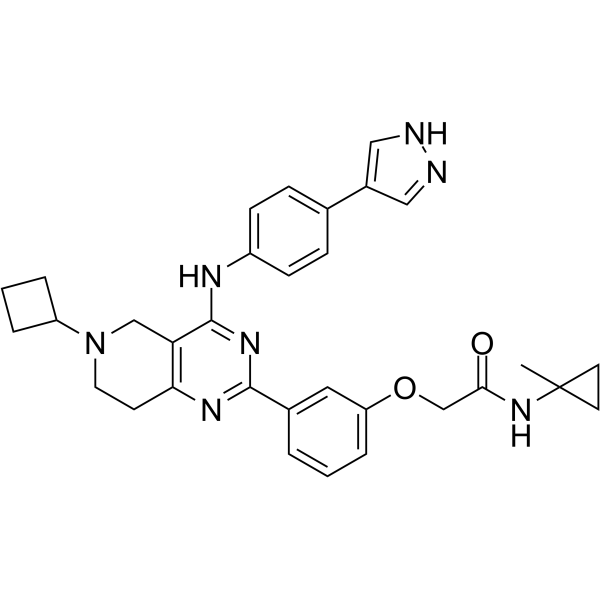
GLUT inhibitor-1 is a potent and orally active inhibitor of glucose transporters, targeting both GLUT1 and GLUT3, with IC50s of 242 nM and 179 nM, respectively. GLUT inhibitor-1 has the potential for the reaesrch of cancers and autoimmune diseases .
loading...
    loading...

