1. Search Result
Search Result
Results for "

LPS-stimulated

" in MedChemExpress (MCE) Product Catalog:

78

Inhibitors & Agonists

42

Natural
Products

5

Isotope-Labeled Compounds

Cat. No. Product Name Target Research Areas Chemical Structure
  • HY-13982
    JSH-23
    Maximum Cited Publications
    141 Publications Verification

    NF-κB Metabolic Disease Inflammation/Immunology Cancer
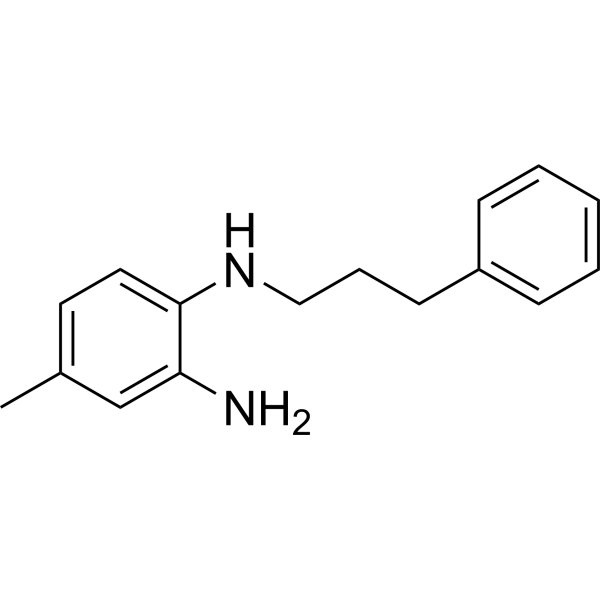
    JSH-23 is an NF-κB inhibitor which inhibits NF-κB transcriptional activity with an IC50 of 7.1 μM in lipopolysaccharide (LPS)-stimulated macrophages RAW 264.7. JSH-23 inhibits nuclear translocation of NF-κB p65 without affecting IκBα degradation .
    JSH-23
  • HY-N0256
    Hederagenin
    5+ Cited Publications

    COX NF-κB E1/E2/E3 Enzyme Neurological Disease Metabolic Disease Inflammation/Immunology Cancer
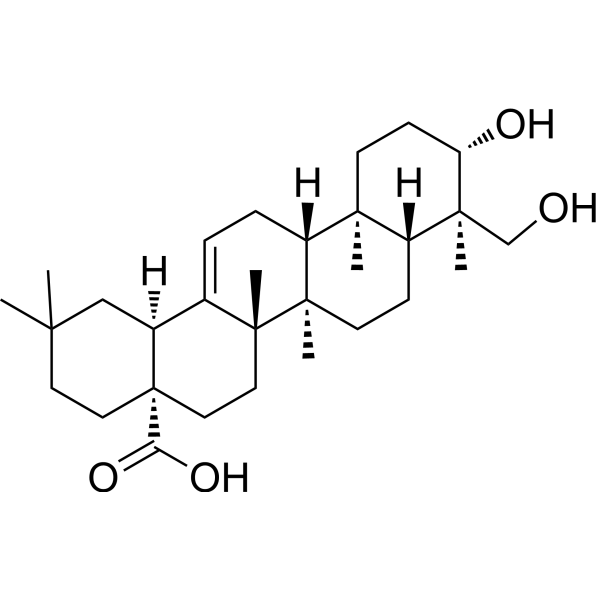
    Hederagenin is a triterpenoid saponin with orally active and antitumor activity. Hederagenin can inhibit the expression of iNOS, COX-2, and NF-κB in cells induced by LPS stimulation. Hederagenin also increases ROS production in cancer cells, disrupts mitochondrial membrane potential, and induces apoptosis. Hederagenin also sensitizes cancer cells to Cisplatin (HY-17394) and Paclitaxel (HY-B0015), enhancing induced apoptosis. Hederagenin can also bind to SKP2, with KD = 67.9 μM. Hederagenin also has preventive potential against alcoholic liver injury .
    Hederagenin
  • HY-N1380

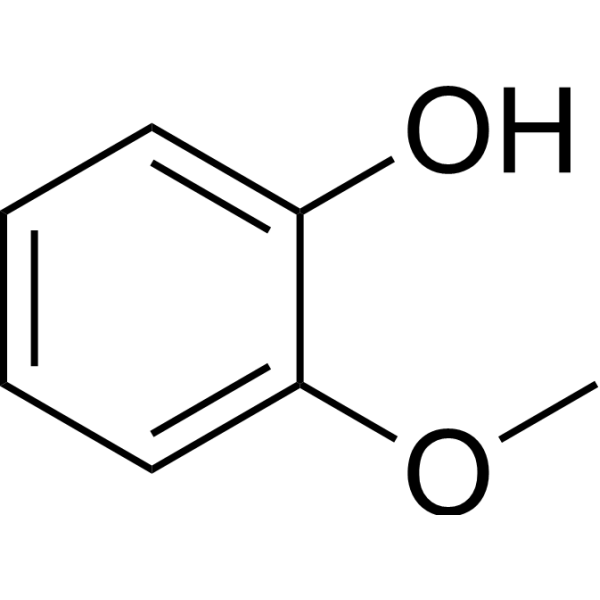
    2-Methoxyphenol

    Environmental Pollutants Endogenous Metabolite NF-κB COX Inflammation/Immunology
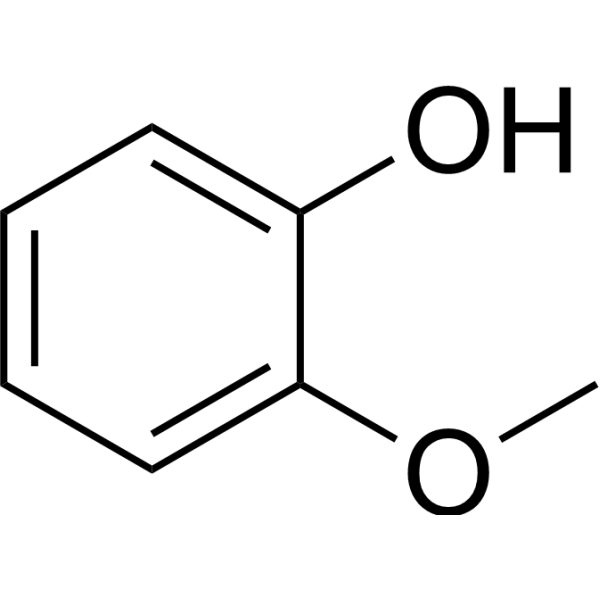
    Guaiacol, a phenolic compound, inhibits LPS-stimulated COX-2 expression and NF-κB activation . Anti-inflammatory activity .
    Guaiacol
  • HY-110133
    JTE-607
    5 Publications Verification

    Interleukin Related Inflammation/Immunology
    JTE-607, a highly selective inflammatory cytokine synthesis inhibitor, protects from endotoxin shock in mice. JTE-607 inhibits inflammatory cytokine production, including TNF-α, IL-1β, IL-6, IL-8 and IL-10, from LPS-stimulated human PBMCs, with IC50s of 11, 5.9, 8.8, 7.3 and 9.1 nM, respectively . Cleavage and Polyadenylation Specificity Factor 3 (CPSF3) is the target of JTE-607 .
    JTE-607
  • HY-N6636
    Valencene
    1 Publications Verification

    NF-κB Interleukin Related Inflammation/Immunology
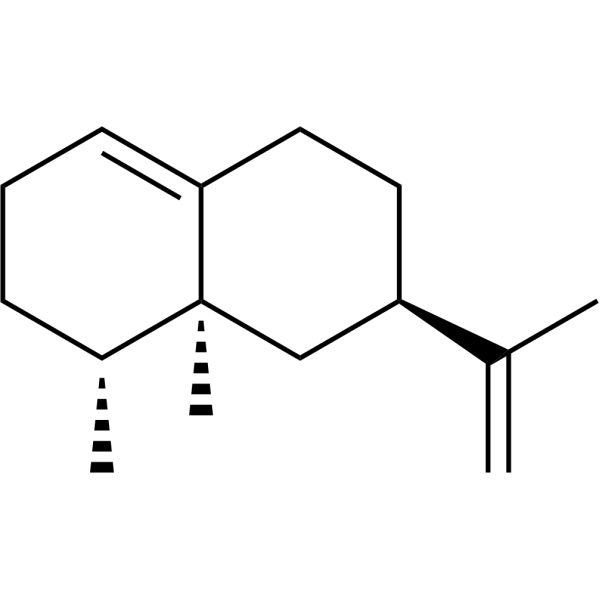
    Valencene is a sesquiterpene that can be isolated from Cyperus rotundus. Valencene possesses antiallergic, antimelanogenesis, anti-infammatory, and antioxidant activitivies. Valencene inhibits the exaggerated expression of Th2 chemokines and proinflammatory chemokines through blockade of the NF-κB pathway. Valencene inhibits the production and expression of proinflammatory cytokines IL-1β and IL-6 in LPS-stimulated RAW 264.7 cells. Valencene can reduce atopic dermatitis symptoms and recover decreased expression of filaggrin in DNCB-sensitized mouse model .
    Valencene
  • HY-N0577
    Apiin
    1 Publications Verification

    Apigenin 7-O-apiosylglucoside; Apigenin 7-(2-O-apiosylglucoside)

    NO Synthase Inflammation/Immunology
    Apiin is a flavonoid glycoside-based iNOS inhibitor. Apiin inhibits the expression of inducible nitric oxide synthase in activated macrophages. Apiin exhibits anti-inflammatory activity .
    Apiin
  • HY-108642

    p38 MAPK Casein Kinase Inflammation/Immunology
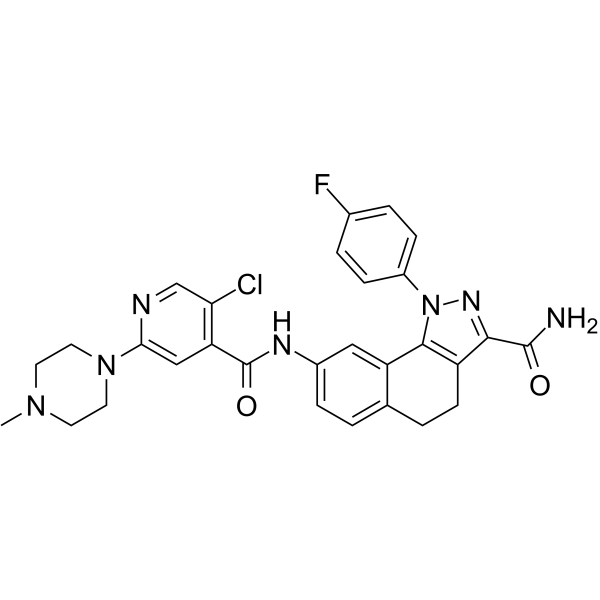
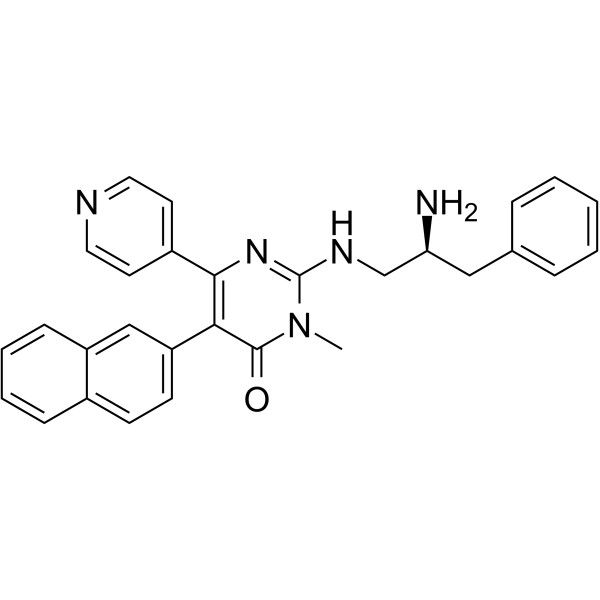
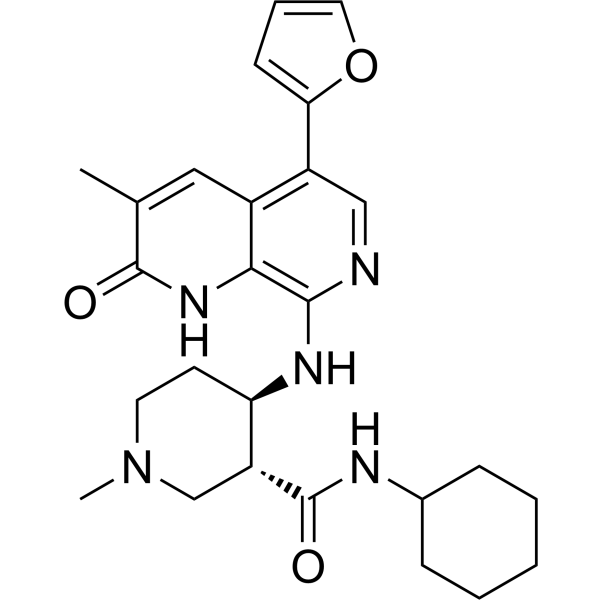
    AMG-548, an orally active and selective p38α inhibitor (Ki=0.5 nM), shows slightly selective over p38β (Ki=36 nM) and >1000 fold selective against p38γ and p38δ. AMG 548 is also extremely potent in the inhibition of whole blood LPS stimulated TNFα (IC50=3 nM) . AMG-548 inhibits Wnt signaling by directly inhibiting Casein kinase 1 isoforms δ and ε .
    AMG-548
  • HY-N7493
    N-acetyldopamine
    1 Publications Verification

    NADA

    Endogenous Metabolite TNF Receptor Reactive Oxygen Species (ROS) Others
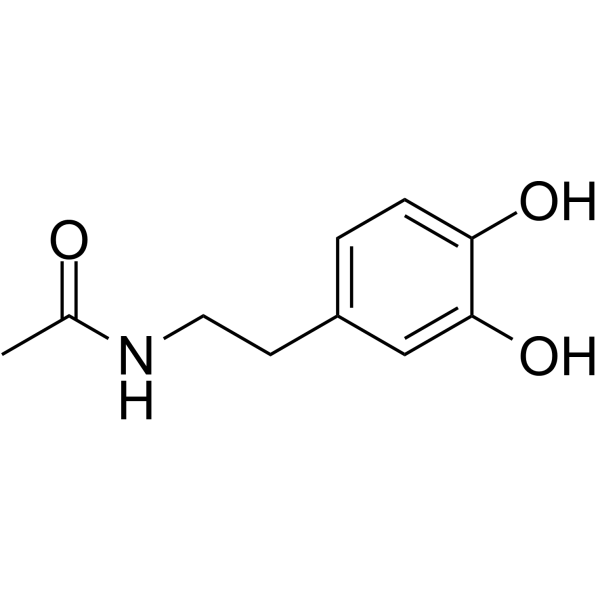
    N-acetyldopamine is a sepiapterin reductase inhibitor. N-acetyldopamine is a catecholamine that is used by insects as sclerotizing precursors to harden their cuticle. N-acetyldopamine can attenuate LPS-stimulated TNF-α production and superoxide production in THP-1 cells .
    N-acetyldopamine
  • HY-12511
    SKF-86002
    3 Publications Verification

    p38 MAPK Inflammation/Immunology
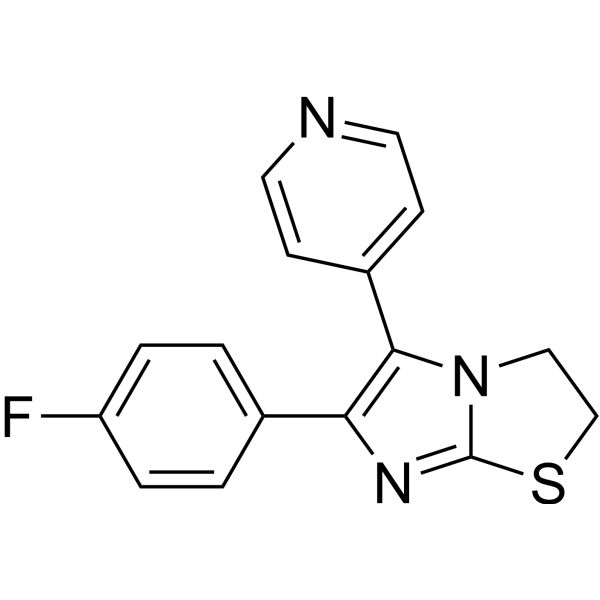
    SKF-86002 is an orally active p38 MAPK inhibitor, with anti-inflammatory, anti-arthritic and analgesic activities. SKF-86002 inhibits lipopolysaccharide (LPS)-stimulate human monocyte IL-1 and TNF-α production (IC50 = 1 μM). SKF-86002 inhibits lipoxygenase- and cyclooxygenase-mediated metabolism of arachidonic acid .
    SKF-86002
  • HY-N2259
    Curcumenol
    4 Publications Verification

    (+)-Curcumenol

    Cytochrome P450 Neurological Disease Inflammation/Immunology Cancer
    Curcumenol ((+)-Curcumenol) is a potent CYP3A4 inhibitor with an IC50 of 12.6 μM, which is one of constituents in the plants of medicinally important genus of Curcuma zedoaria, with neuroprotection, anti-inflammatory, anti-tumor and hepatoprotective activities. Curcumenol ((+)-Curcumenol) suppresses Akt-mediated NF-κB activation and p38 MAPK signaling pathway in LPS-stimulated BV-2 microglial cells .
    Curcumenol
  • HY-N2149A
    Tomatidine hydrochloride
    Maximum Cited Publications
    9 Publications Verification

    NF-κB JNK Autophagy Endogenous Metabolite Cardiovascular Disease Inflammation/Immunology
    Tomatidine hydrochloride acts as an anti-inflammatory agent by blocking NF-κB and JNK signaling . Tomatidine hydrochloride activates autophagy either in mammal cells or C elegans .
    Tomatidine hydrochloride
  • HY-108642B

    p38 MAPK Casein Kinase Inflammation/Immunology
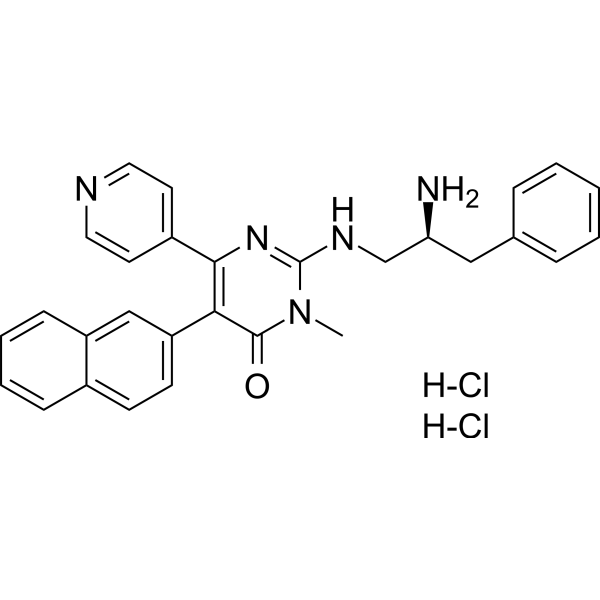
    AMG-548 dihydrochloride, an orally active and selective p38α inhibitor (Ki=0.5 nM), shows slightly selective over p38β (Ki=36 nM) and >1000 fold selective against p38γ and p38δ. AMG-548 dihydrochloride is also extremely potent in the inhibition of whole blood LPS stimulated TNFα (IC50=3 nM) . AMG-548 dihydrochloride inhibits Wnt signaling by directly inhibiting Casein kinase 1 isoforms δ and ε .
    AMG-548 dihydrochloride
  • HY-N1195

    (+)-Sugiol; 10-Deoxoxanthoperol

    p38 MAPK ERK JNK Interleukin Related TNF Receptor Inflammation/Immunology
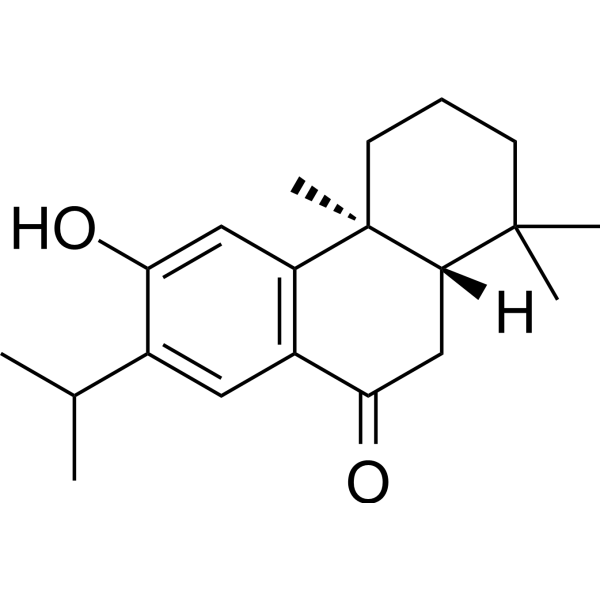
    Sugiol is an abietane diterpenoid, can be isolated from Calocedrus formosana bark. Sugiol has anti-inflammatory activity, could effectively reduce intracellular reactive oxygen species (ROS) production in lipopolysaccharide (LPS)-stimulated macrophages .
    Sugiol
  • HY-32018
    Cot inhibitor-2
    3 Publications Verification

    MAP3K Cancer
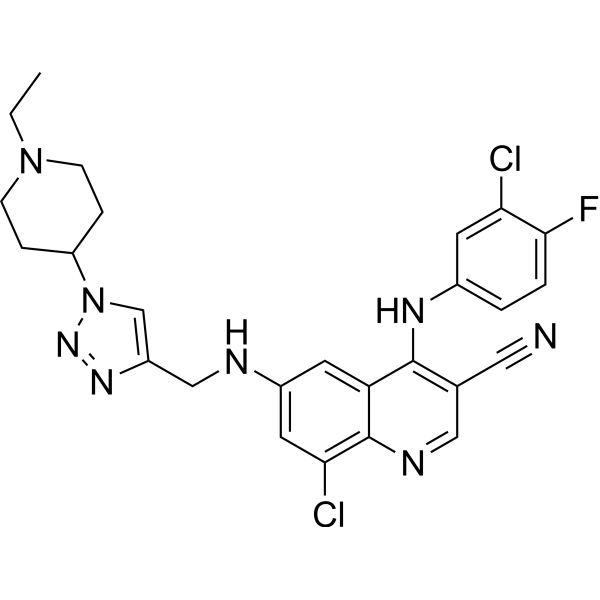
    Cot inhibitor-2 is a potent, selective and orally active cot (Tpl2/MAP3K8) inhibitor with an IC50 of 1.6 nM. Cot inhibitor-2 inhibts TNF-α production in LPS-stimulated human whole blood with an IC50 of 0.3 μM .
    Cot inhibitor-2
  • HY-122822

    PROTACs Histone Acetyltransferase Interleukin Related CXCR TNF Receptor CD28 Inflammation/Immunology Cancer
    GSK699 is a KAT2A/B/PCAF/GCN5 PROTAC degrader . GSK699 induces proteasome-dependent degradation of KAT2A, KAT2B, PCAF and GCN5, regulates the histone acetyltransferase activity of the SAGA complex, and reduces the level of histone H3K9ac. GSK699 inhibits the growth of neuroblastoma, acute myeloid leukemia and small cell lung cancer cells. GSK699 reduces the production of inflammatory cytokines and chemokines, and impairs LPS-stimulated immune cell responses. GSK699 is applicable to research related to acute myeloid leukemia, small cell lung cancer, neuroblastoma and inflammatory diseases .
    GSK699
  • HY-W001174

    ERK NF-κB Inflammation/Immunology
    2,5-Dihydroxyacetophenone, isolated from Rehmannia glutinosa, inhibits the production of inflammatory mediators in activated macrophages by blocking the ERK1/2 and NF-κB signaling pathways .
    2,5-Dihydroxyacetophenone
  • HY-N7697F

    Others Metabolic Disease
    Chitobiose is an orally active chitosan oligosaccharide (degree of polymerization 2). Chitobiose shows hepatoprotective activity and counteracts CCl4-induced elevation of plasma aspartate transaminase and alanine transaminase activities in rats. Chitobiose can be used for the research of carbon tetrachloride-induced acute hepatotoxicity .
    Chitobiose
  • HY-N2495

    Others Inflammation/Immunology
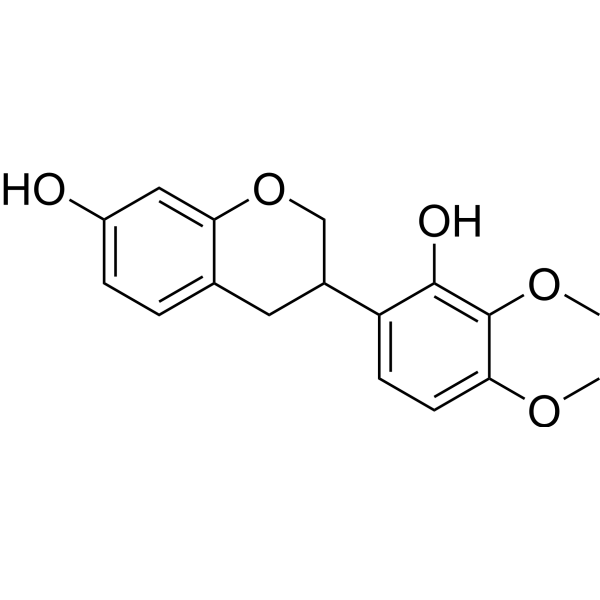
    Isomucronulatol is a flavonoid isolated from the roots of A. membranaceus. Isomucronulatol exhibits inhibitory effects on LPS-stimulated production IL-12 p40 in vitro and has potential anti-inflammatory effect .
    Isomucronulatol
  • HY-N1380S1

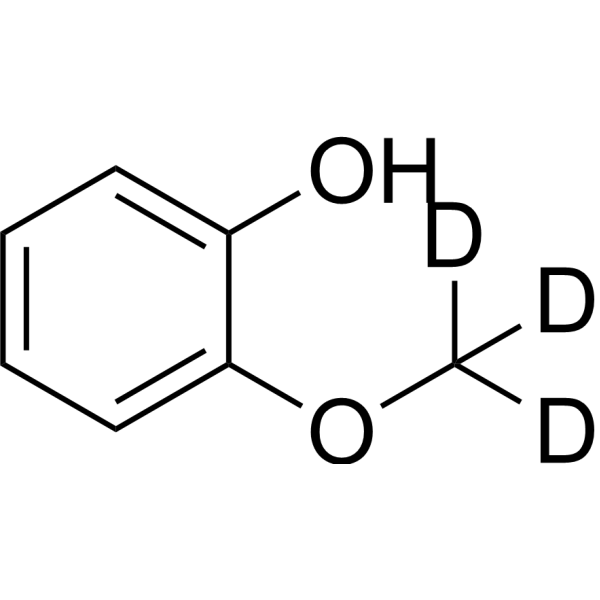
    2-Methoxyphenol-d3

    Isotope-Labeled Compounds COX NF-κB Inflammation/Immunology
    Guaiacol-d3 is the deuterium labeled Guaiacol. Guaiacol, a phenolic compound, inhibits LPS-stimulated COX-2 expression and NF-κB activation. Guaiacol has an anti-inflammatory activity .
    Guaiacol-d3
  • HY-N1380R

    2-Methoxyphenol (Standard)

    COX Endogenous Metabolite NF-κB Reference Standards Inflammation/Immunology
    Guaiacol (Standard) is the analytical standard of Guaiacol. This product is intended for research and analytical applications. Guaiacol, a phenolic compound, inhibits LPS-stimulated COX-2 expression and NF-κB activation . Anti-inflammatory activity .
    Guaiacol (Standard)
  • HY-W342604R

    NAP (Standard)

    Reference Standards Endogenous Metabolite Neurological Disease Cancer
    1,4-Dicaffeoylquinic acid (Standard) is the analytical standard of 1,4-Dicaffeoylquinic acid. This product is intended for research and analytical applications. 1,4-Dicaffeoylquinic acid (1,4-DCQA) is a phenylpropanoid from Xanthii fructus, inhibits LPS-stimulated TNF-α production .
    N-Acetylputrescine (Standard)
  • HY-138623

    Epigenetic Reader Domain TNF Receptor Interleukin Related Inflammation/Immunology Cancer
    GSK789 is a selective inhibitor of BET BD1. GSK789 inhibits the growth of leukemia cell lines. GSK789 inhibits LPS-stimulated production of MCP-1, TNFα and IL-6 in human whole blood. GSK789 exhibits antiproliferative, anti-inflammatory and immunomodulatory activities. GSK789 can be used in research related to cancers such as leukemia, as well as inflammatory and immune diseases .
    GSK789
  • HY-146005

    Microtubule/Tubulin Neurological Disease Inflammation/Immunology
    Tau-aggregation and neuroinflammation-IN-1 is a potent tau-aggregation and neuroinflammation inhibitor. Tau-aggregation and neuroinflammation-IN-1 exhibits remarkable inhibitory activities against AcPHF6 and full-length tau aggregation. Tau-aggregation and neuroinflammation-IN-1 has a low cytotoxicity and reduced NO release in LPS-stimulated BV2 cells. Tau-aggregation and neuroinflammation-IN-1 can reverse okadaic acid-induced memory impairment in rats .
    Tau-aggregation and neuroinflammation-IN-1
  • HY-N4233

    p38 MAPK Inflammation/Immunology
    Bisabolangelone, a sesquiterpene derivative, is isolated from the roots of Osterici Radix. Bisabolangelone possesses anti-inflammatory properties, which inhibits LPS-stimulated inflammation through the blocking of NF-kappaB and MAPK pathways in macrophages. Bisabolangelone has anti-ulcer activities .
    Bisabolangelone
  • HY-115770

    Bacterial Inflammation/Immunology
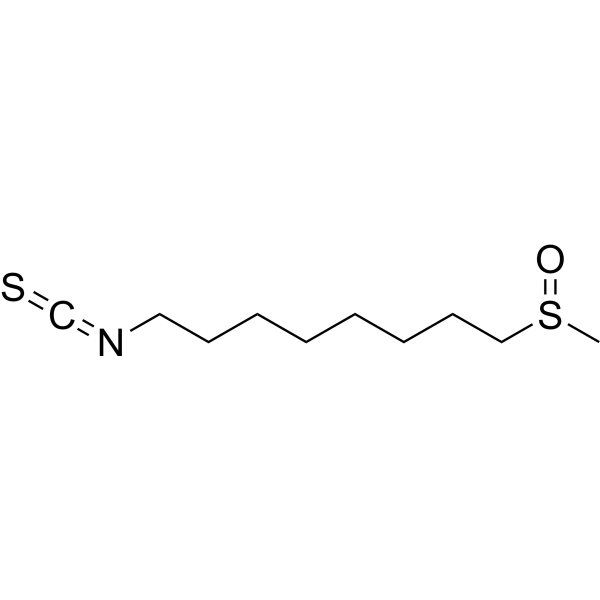
    8-Methylsulfinyloctyl isothiocyanate, an isothiocyanate, has antimicrobial activity and remarkable inhibitory activity against plant growth . 8-Methylsulfinyloctyl isothiocyanate impair COX-2 mediated inflammatory responses in LPS stimulated raw macrophages .
    8-Methylsulfinyloctyl isothiocyanate
  • HY-N0256R

    Reference Standards COX NF-κB Cancer
    Hederagenin (Standard) is the analytical standard of Hederagenin. This product is intended for research and analytical applications. Hederagenin is a triterpenoid saponin with orally active and antitumor activity. Hederagenin can inhibit the expression of iNOS, COX-2, and NF-κB in cells induced by LPS stimulation. Hederagenin also increases ROS production in cancer cells, disrupts mitochondrial membrane potential, and induces apoptosis. Hederagenin also sensitizes cancer cells to Cisplatin (HY-17394) and Paclitaxel (HY-B0015), enhancing induced apoptosis. Hederagenin also has preventive potential against alcoholic liver injury .
    Hederagenin (Standard)
  • HY-N13175

    NO Synthase Cancer
    Panaxcerol B is a monogalactosyl monoacylglyceride, with an IC50 of 59.4 μM for NO production in LPS-stimulated RAW264.7 cells .
    Panaxcerol B
  • HY-N2989

    NO Synthase Inflammation/Immunology
    3-O-Acetyl-16α-hydroxydehydrotrametenolic acid, an anti-inflammatory triterpenoid, inhibits NO production and iNOS expression in LPS-stimulated Raw264.7 cells .
    3-O-Acetyl-16α-hydroxydehydrotrametenolic acid
  • HY-N1912

    Others Cancer
    Andropanolide is a natural product that exerts cytotoxicity toward carcinoma cells and significantly inhibits the overproduction of nitric oxide (NO) in Lipopolysaccharides (HY-D1056) (LPS)-stimulated RAW264.7 macrophages .
    Andropanolide
  • HY-N16739

    NO Synthase Cholinesterase (ChE) Neurological Disease Inflammation/Immunology
    Circumdatin C is an alkaloid. Circumdatin C shows inhibitory effects against LPS-stimulated NO production. Circumdatin C inhibits AChE activity with an IC50 value of 13.9 μM. Circumdatin C can be used in the research of Alzheimer's disease .
    Circumdatin C
  • HY-N7422

    ent-Kauran-16β,17-diol

    Apoptosis Inflammation/Immunology Cancer
    Kauran-16,17-diol (ent-Kauran-16β,17-diol), a natural diterpene, posseses anti-tumor and inducing-apoptosis activity, with a IC50 of 17 μM on inhibiting NO production in LPS-stimulated RAW 264.7 macrophages .
    Kauran-16,17-diol
  • HY-N2259R

    (+)-Curcumenol (Standard)

    Reference Standards Cytochrome P450 Neurological Disease Inflammation/Immunology Cancer
    Curcumenol ((+)-Curcumenol) is a potent CYP3A4 inhibitor with an IC50 of 12.6 μM, which is one of constituents in the plants of medicinally important genus of Curcuma zedoaria, with neuroprotection, anti-inflammatory, anti-tumor and hepatoprotective activities. Curcumenol ((+)-Curcumenol) suppresses Akt-mediated NF-κB activation and p38 MAPK signaling pathway in LPS-stimulated BV-2 microglial cells .
    Curcumenol (Standard)
  • HY-13982R

    NF-κB Metabolic Disease Inflammation/Immunology Cancer
    JSH-23 (Standard) is the analytical standard of JSH-23. This product is intended for research and analytical applications. JSH-23 is an NF-κB inhibitor which inhibits NF-κB transcriptional activity with an IC50 of 7.1 μM in lipopolysaccharide (LPS)-stimulated macrophages RAW 264.7. JSH-23 inhibits nuclear translocation of NF-κB p65 without affecting IκBα degradation .
    JSH-23 (Standard)
  • HY-172977

    Cathepsin NO Synthase TNF Receptor Neurological Disease Inflammation/Immunology
    FGA139 is a cysteine proteases inhibitor with IC50 values of 4.98/3.14 μM for cathepsin B/L. FGA139 reduces LPS-induced NO production in RAW264.7 cells and tumor necrosis factor (TNFα) levels in microglia, and has anti-oxidative stress and anti-inflammatory activities. FGA139 promotes the secretion of neuroprotective metabolites purine and linoleic acid by LPS-stimulated microglia. FGA139 can be used in neuroinflammatory diseases research .
    FGA139
  • HY-N8132

    Reactive Oxygen Species (ROS) Inflammation/Immunology
    2,4,6-Trichlorol-3-methyl-5-methoxy-phenol 1-O-β-d-glucopyranosyl-(1 → 6)-β-d-glucopyranoside is a chlorophenyl glycoside found in the bulbs of Lilium brownie var. viridulum. 2,4,6-Trichlorol-3-methyl-5-methoxy-phenol 1-O-β-d-glucopyranosyl-(1 → 6)-β-d-glucopyranoside exhibits weak inhibition of NO production in LPS-stimulated RAW 264.7 cells .
    2,4,6-Trichlorol-3-methyl-5-methoxy-phenol 1-O-β-d-glucopyranosyl-(1 → 6)-β-d-glucopyranoside
  • HY-N6636R

    Reference Standards NF-κB Interleukin Related Inflammation/Immunology
    Valencene (Standard) is the analytical standard of Valencene. This product is intended for research and analytical applications. Valencene is a sesquiterpene that can be isolated from Cyperus rotundus. Valencene possesses antiallergic, antimelanogenesis, anti-infammatory, and antioxidant activitivies. Valencene inhibits the exaggerated expression of Th2 chemokines and proinflammatory chemokines through blockade of the NF-κB pathway. Valencene inhibits the production and expression of proinflammatory cytokines IL-1β and IL-6 in LPS-stimulated RAW 264.7 cells. Valencene can reduce atopic dermatitis symptoms and recover decreased expression of filaggrin in DNCB-sensitized mouse model .
    Valencene (Standard)
  • HY-171906A

    1-Arachidonoyl-sn-glycerol 3-phosphate sodium; 1-Arachidonoyl LPA sodium; LPA (20:4) sodium

    LPL Receptor Cancer
    1-Arachidonoyl-2-hydroxy-sn-glycero-3-PA (sodium) (1-Arachidonoyl-sn-glycerol 3-phosphate (sodium)) is a phospholipid with arachifonic acid at the sn-1 position. 1-Arachidonoyl-2-hydroxy-sn-glycero-3-PA (sodium) binds to the LPA2/EDG4 receptor (EC50 of 10 nM). 1-Arachidonoyl-2-hydroxy-sn-glycero-3-PA (sodium) can be found in rat brain as 37% of the arachidoinic acid-containing lysophosphatidic acid species. 1-Arachidonoyl-2-hydroxy-sn-glycero-3-PA (sodium) is the precursor to 1-arachidonoyl glycerol. 1-Arachidonoyl-2-hydroxy-sn-glycero-3-PA (sodium) can prevent TNF-α and IL-6 secretion in wild type LPS-stimulated dendritic cells. 1-Arachidonoyl-2-hydroxy-sn-glycero-3-PA (sodium) reduces differentiation of HT-29 colon carcinoma cells into goblet cells when sodium butyrate is present .
    1-Arachidonoyl-2-hydroxy-sn-glycero-3-PA sodium
  • HY-N10120

    Others Inflammation/Immunology
    Methylsyringin exhibits anti-inflammatory activity in the LPS-stimulated RAW264.7 cells.
    Methylsyringin
  • HY-N3473

    NO Synthase Neurological Disease
    Isomaculosidine is an alkaloid that can be isolated from D. dasycarpus. Isomaculosidine can inhibit nitric oxide (NO) production in lipopolysaccharide (LPS)-stimulated BV2 microglial cells .
    Isomaculosidine
  • HY-N9891

    12-DHGD

    NO Synthase Interleukin Related Inflammation/Immunology
    12-Dehydrogingerdione is an inhibitor of NO Synthase. 12-Dehydrogingerdione signi?cantly inhibits LPS-stimulated production of NO, IL-6 and PGE2 in Raw 264.7 cells .
    12-Dehydrogingerdione
  • HY-N1380S

    2-Methoxyphenol-d7

    COX NF-κB Endogenous Metabolite Inflammation/Immunology
    Guaiacol-d7 is the deuterium labeled Guaiacol . Guaiacol, a phenolic compound, inhibits LPS-stimulated COX-2 expression and NF-κB activation . Anti-inflammatory activity .
    Guaiacol-d7
  • HY-N1380S3

    2-Methoxyphenol-d4

    COX NF-κB Endogenous Metabolite Inflammation/Immunology
    Guaiacol-d4 is the deuterium labeled Guaiacol . Guaiacol, a phenolic compound, inhibits LPS-stimulated COX-2 expression and NF-κB activation . Anti-inflammatory activity .
    Guaiacol-d4
  • HY-N1380S4

    2-Methoxyphenol-d4-1

    COX NF-κB Endogenous Metabolite Inflammation/Immunology
    Guaiacol-d4-1 is the deuterium labeled Guaiacol . Guaiacol, a phenolic compound, inhibits LPS-stimulated COX-2 expression and NF-κB activation . Anti-inflammatory activity .
    Guaiacol-d4-1
  • HY-N1380S2

    2-Methoxyphenol-13C6

    COX NF-κB Endogenous Metabolite Inflammation/Immunology
    Guaiacol- 13C6 is the 13C labeled Guaiacol . Guaiacol, a phenolic compound, inhibits LPS-stimulated COX-2 expression and NF-κB activation . Anti-inflammatory activity .
    Guaiacol-13C6
  • HY-N7493R

    NADA (Standard)

    Endogenous Metabolite Reference Standards TNF Receptor Reactive Oxygen Species (ROS) Others
    N-acetyldopamine is a sepiapterin reductase inhibitor. N-acetyldopamine is a catecholamine that is used by insects as sclerotizing precursors to harden their cuticle. N-acetyldopamine can attenuate LPS-stimulated TNF-α production and superoxide production in THP-1 cells .
    N-acetyldopamine (Standard)
  • HY-N12494

    NO Synthase Inflammation/Immunology
    Diplacol is a geranylated flavanone that can be isolated from paulownia trees (Paulownia coreana UYEKI). Diplacol has anti-inflammatory activity. Diplacol inhibits NO production in LPS-stimulated Raw264.7 cells with an IC50 value of 4.53 μM .
    Diplacol
  • HY-N8719

    7-Hydroxy-4'-methoxyflavone

    NF-κB Inflammation/Immunology
    Pratol is a potent inhibitor of NF-κB. Pratol significantly reduces NO and prostaglandin PGE2 production without any cytotoxic in LPS-stimulated RAW 264.7 cells. Pratol reduces proinflammatory cytokines. Pratol can be used in study inflammatory diseases and cancer .
    Pratol
  • HY-W573700

    Others Others
    Methyl everninate is the major constituent of the deuterochloroform. Methyl everninate, rhodomollosides A and B are the derivatives of Methyl everninate, with cytotoxicity against RAW264.7 cells. Both of they shows inhibitory effects with a lipopolysaccharide (LPS)-stimulated murine macrophages RAW 264.7 cells model .
    Methyl everninate
  • HY-117921

    Interleukin Related Inflammation/Immunology
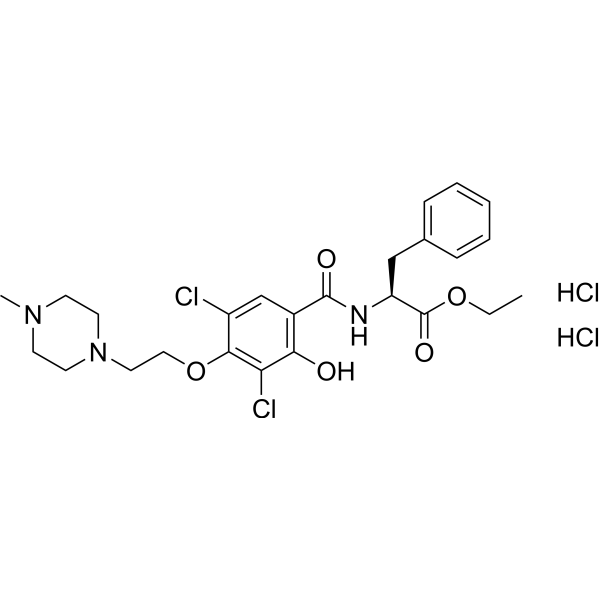
    DA-E 5090 is an orally effective inhibitor of IL-1 production that can be converted into a pharmacologically active deacetylated form (DA-E5090) in vivo. In this study, the effects of DA-E5090 on IL-1 production in vitro were examined by LPS-stimulated human monocytes. The results showed that DA-E5090 could dose-dependently inhibit the production of IL-1α and IL-1β (1-10 μM) by LPS-stimulated human monocytes, as determined by LAF assay and ELISA. Northern blotting analysis showed that DA-E5090 inhibited the transcription of IL-1α and IL-1β mRNA.
    DA-E 5090
  • HY-N4061

    Interleukin Related Inflammation/Immunology
    Hedycoronen A has inhibitory activity on the IL-6, IL-12 p40, and TNF-α production in LPS-Stimulated BMDCs, with IC50s of 9.1 μM, 5.6 μM, and 46.0 μM. Hedycoronen A can be isolated from Hedychium coronarium .
    Hedycoronen A

Inquiry Online

Your information is safe with us. * Required Fields.

Salutation


Country or Region *

Applicant Name *


Organization Name *

Department *


Email Address *


Product Name *

Cat. No.


Requested quantity *

Phone Number *


Remarks

Inquiry Online

Inquiry Information

Product Name:
Cat. No.:
Quantity:
MCE Japan Authorized Agent:

