

1. Search Result
Search Result
Results for "

NFKB1

" in MedChemExpress (MCE) Product Catalog:

25

Inhibitors & Agonists

1

Screening Libraries

1

Peptides

2

Inhibitory Antibodies

12

Natural
Products

1

Recombinant Proteins

5

Antibodies

4

Oligonucleotides

Cat. No. Product Name Target Research Areas Chemical Structure
  • HY-P9928
    Alirocumab
    1 Publications Verification

    REGN 727; SAR 236553

    PCSK9 NOD-like Receptor (NLR) Keap1-Nrf2 HMG Family NF-κB CX3CR1 Cardiovascular Disease Cancer
    Alirocumab is an anti-PCSK9 human monoclonal antibody. Alirocumab inhibits PCSK9. Alirocumab reduces NLRP3 inflammasome, regulates Nrf2/HO-1, HMGB1/NF-κB and Fractalkine/CX3CR1. Alirocumab increases the ability of the liver to bind LDL-cholesterol (LDL-C) and reduces levels of LDL-C in blood. Alirocumab improves atherosclerosis and inflammation [1] .
    Alirocumab
  • HY-N0535
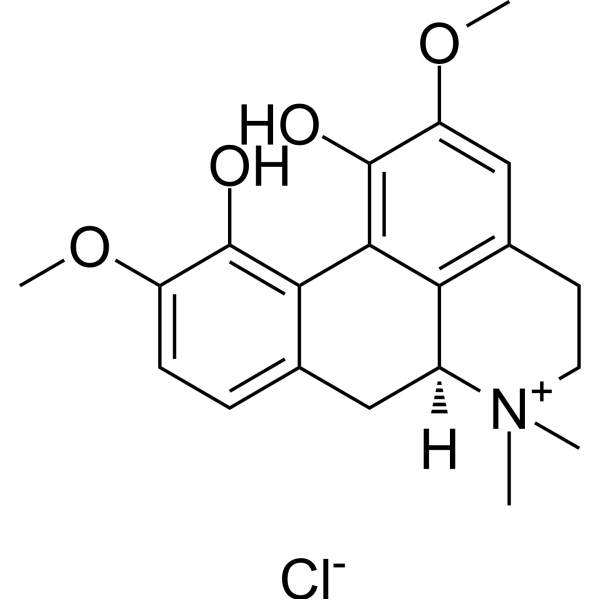
    (+)-Magnoflorine chloride
    1 Publications Verification

    Magnoflorine chloride; α-Magnoflorine chloride; Thalictrine chloride

    Fungal Autophagy Apoptosis PINK1/Parkin NOD-like Receptor (NLR) Caspase JNK NF-κB Sirtuin AMPK Reactive Oxygen Species (ROS) Infection Metabolic Disease
    (+)-Magnoflorine (α-Magnoflorine) chloride is an orally active aporphine alkaloid with multiple biological activities. (+)-Magnoflorine chloride promotes Parkin/PINK1-mediated mitochondrial autophagy, inhibits the activation of NLRP3/Caspase-1 pathway, regulates the intestinal microbiota, and exhibits significant anti-inflammatory and immunomodulatory activities. (+)-Magnoflorine chloride inhibits JNK and TLR4/NF-κB signaling pathways, activates Sirt1/AMPK pathway, alleviates neuronal oxidative stress and apoptosis. Magnoflorine chloride upregulates miR-410-3p, inhibits HMGB1/NF-κB pathway, and has anti-tumor activity. (+)-Magnoflorine chloride also has significant antifungal activity [1] .
    (+)-Magnoflorine chloride
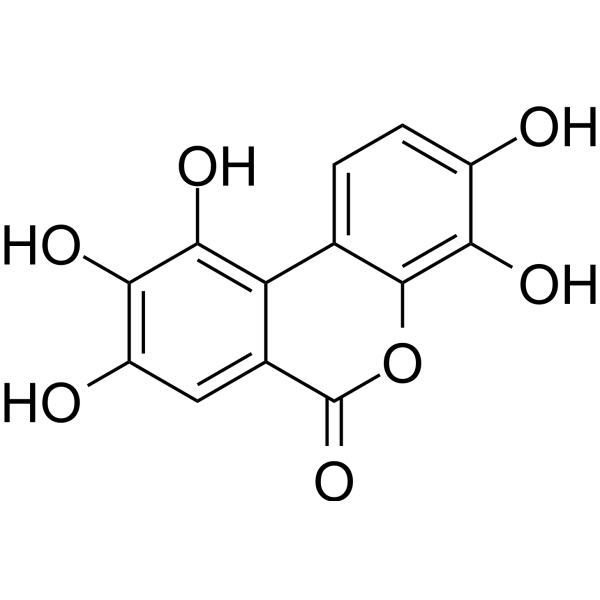
  • HY-N7922
    Urolithin M5
    1 Publications Verification

    Decarboxyellagic acid

    Influenza Virus p38 MAPK EGFR Akt Reactive Oxygen Species (ROS) Apoptosis Infection Neurological Disease
    Urolithin M5 (Decarboxyellagic acid) is an orally active influenza virus neuraminidase inhibitor and neuroprotective agent, with IC50 values of 174.8 μM (HK68), 191.5 μM (pdm09), 243.2 μM (WSN) and 257.1 μM (PR8) against four influenza virus neuraminidases, respectively. Urolithin M5 inhibits viral neuraminidase activity, thereby blocking influenza virus replication (including oseltamivir (HY-13317)-resistant strains), protecting infected mammals from death and improving pulmonary edema. Urolithin M5 forms a hydrogen-bond stabilized complex with IGF1R, and binds to MAPK14, AKT1, NFKB1 and EGFR. Urolithin M5 reduces reactive oxygen species production, inhibits neuronal apoptosis, restores mitochondrial transmembrane potential, and promotes neurite outgrowth of damaged neuronal cells. Urolithin M5 can be used in research related to influenza virus infection and Alzheimer's disease [1] .
    Urolithin M5
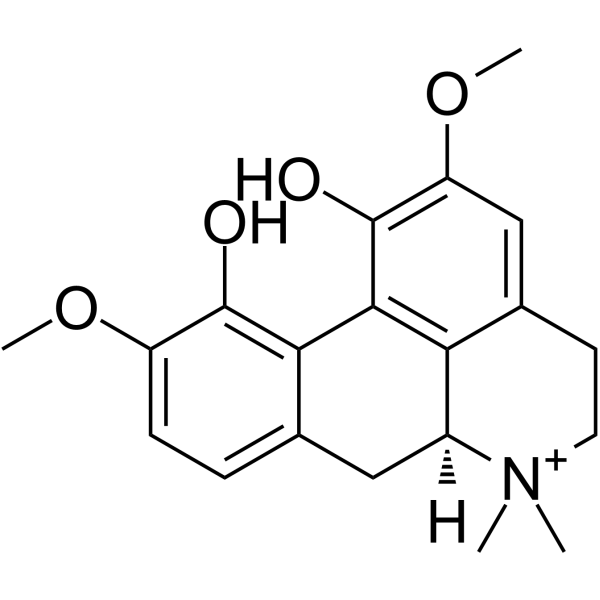
  • HY-N0334

    Magnoflorine; α-Magnoflorine; Thalictrine

    Fungal Autophagy Apoptosis PINK1/Parkin NOD-like Receptor (NLR) Caspase JNK NF-κB Sirtuin AMPK Reactive Oxygen Species (ROS) Cardiovascular Disease Infection Neurological Disease Metabolic Disease Inflammation/Immunology Cancer
    (+)-Magnoflorine (α-Magnoflorine) is an orally active aporphine alkaloid with multiple biological activities. (+)-Magnoflorine promotes Parkin/PINK1 -mediated mitochondrial autophagy, inhibits the activation of NLRP3/Caspase-1 pathway, regulates the intestinal microbiota, and exhibits significant anti-inflammatory and immunomodulatory activities. (+)-Magnoflorine inhibits JNK and TLR4/NF-κB signaling pathways, activates Sirt1/AMPK pathway, alleviates neuronal oxidative stress and apoptosis. Magnoflorine upregulates miR-410-3p, inhibits HMGB1/NF-κB pathway, and has anti-tumor activity. (+)-Magnoflorine also has significant antifungal activity [1] .
    (+)-Magnoflorine
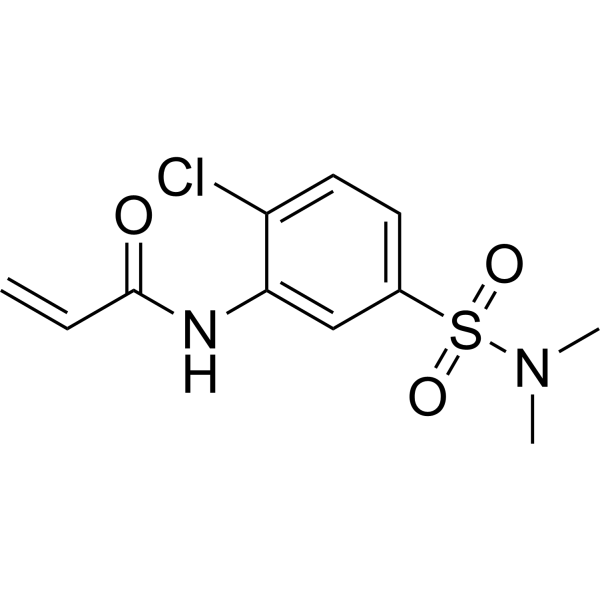
  • HY-49444

    NF-κB Molecular Glues E1/E2/E3 Enzyme Cancer
    EN450 is a cysteine-reactive covalent molecular glue degrader targeting NF-κB. EN450 interacts with allosteric C111 in the E2 ubiquitin ligase UBE2D. EN450 induces the ternary complex formation between UBE2D and NFKB1. EN450 exerts its anti-proliferative effects through a Cullin E3 ligase and proteasome-dependent mechanism [1].
    EN450
  • HY-19696B
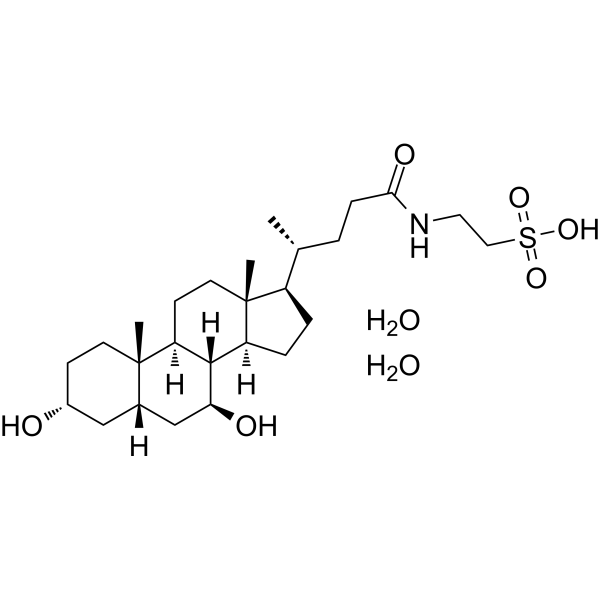
    Tauroursodeoxycholate dihydrate
    Maximum Cited Publications
    104 Publications Verification

    Tauroursodeoxycholic acid dihydrate; TUDCA dihydrate; UR 906 dihydrate

    Caspase Apoptosis Endogenous Metabolite IRE1 NF-κB JNK Reactive Oxygen Species (ROS) Akt Neurological Disease Metabolic Disease Inflammation/Immunology
    Tauroursodeoxycholate dehydrate is an orally active taurine conjugate of Ursodeoxycholic acid (HY-13771). Tauroursodeoxycholate dehydrate inhibits caspase-3/7, Apoptosis, IRE1α/TRAF2/NF-κB, prevents JNK phosphorylation, inhibits ROS generation, and activates Akt signaling. Tauroursodeoxycholate dehydrate prevents cataract formation, reduces renal tubular damage in type 2 diabetic mice, reduces I/R injury in liver, and inhibits intestinal inflammation and barrier disruption in nonalcoholic fatty liver disease [1] .
    Tauroursodeoxycholate dihydrate
  • HY-P9928A
    Alirocumab (anti-PCSK9)
    1 Publications Verification

    REGN 727(anti-PCSK9); SAR 236553(anti-PCSK9)

    PCSK9 NOD-like Receptor (NLR) Keap1-Nrf2 HMG Family NF-κB CX3CR1 Cardiovascular Disease Cancer
    Alirocumab (anti-PCSK9) is an anti-PCSK9 human monoclonal antibody. Alirocumab (anti-PCSK9) inhibits PCSK9. Alirocumab (anti-PCSK9) reduces NLRP3 inflammasome, regulates Nrf2/HO-1, HMGB1/NF-κB and Fractalkine/CX3CR1. Alirocumab (anti-PCSK9) increases the ability of the liver to bind LDL-cholesterol (LDL-C) and reduces levels of LDL-C in blood. Alirocumab (anti-PCSK9) improves atherosclerosis and inflammation [1] .
    Alirocumab (anti-PCSK9)
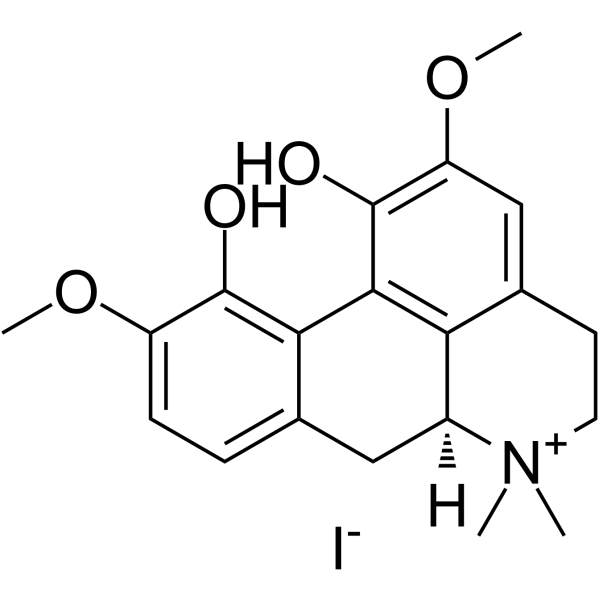
  • HY-N0334A
    (+)-Magnoflorine iodide
    1 Publications Verification

    Magnoflorine iodide; α-Magnoflorine iodide; Thalictrine iodide

    Fungal Autophagy Apoptosis PINK1/Parkin NOD-like Receptor (NLR) Caspase JNK NF-κB Sirtuin AMPK Reactive Oxygen Species (ROS) Cardiovascular Disease Infection Neurological Disease Metabolic Disease Inflammation/Immunology Cancer
    (+)-Magnoflorine (α-Magnoflorine) iodide is an orally active aporphine alkaloid with multiple biological activities. (+)-Magnoflorine iodide promotes Parkin/PINK1 -mediated mitochondrial autophagy, inhibits the activation of NLRP3/Caspase-1 pathway, regulates the intestinal microbiota, and exhibits significant anti-inflammatory and immunomodulatory activities. (+)-Magnoflorine iodide inhibits JNK and TLR4/NF-κB signaling pathways, activates Sirt1/AMPK pathway, alleviates neuronal oxidative stress and apoptosis. Magnoflorine upregulates miR-410-3p, inhibits HMGB1/NF-κB pathway, and has anti-tumor activity. (+)-Magnoflorine iodide also has significant antifungal activity [1] .
    (+)-Magnoflorine iodide
  • HY-N0772
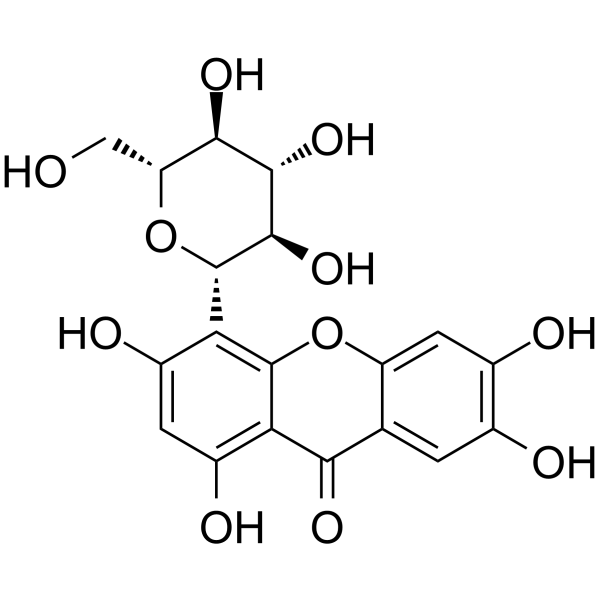
    Isomangiferin
    4 Publications Verification

    VEGFR NOD-like Receptor (NLR) NF-κB Bacterial AMPK Acetyl-CoA Carboxylase Apoptosis Reactive Oxygen Species (ROS) HSV Drug Derivative Infection Metabolic Disease Inflammation/Immunology Cancer
    Isomangiferin is an orally active xanthone C-glucoside, and its chemical structure is similar to Mangiferin (HY-N0290). Isomangiferin is an effective VEGFR-2 kinase inhibitor, which can induces cell apoptosis, inhibit the growth, metastasis and angiogenesis of breast cancer. Isomangiferin exerts anti-inflammatory effects by inhibiting the HMGB1/NLRP3/NF-κB signaling pathway, thereby improving the renal function indicators of diabetic mice. Isomangiferin exhibits inhibitory effects on various bacteria and herpes simplex virus type 1 (HSV-1). Isomangiferin promotes the migration and osteogenic differentiation of bone marrow mesenchymal stem cells (BMSCs) and reduces cell apoptosis and the production of ROS by activating the AMPK/ACC pathway, thereby facilitating fracture healing [1] .
    Isomangiferin
  • HY-RS09254

    Small Interfering RNA (siRNA) Others

    NFKB1 Human Pre-designed siRNA Set A contains three designed siRNAs for NFKB1 gene (Human), as well as a negative control, a positive control, and a FAM-labeled negative control.

    NFKB1 Human Pre-designed siRNA Set A
    NFKB1 Human Pre-designed siRNA Set A
  • HY-133987
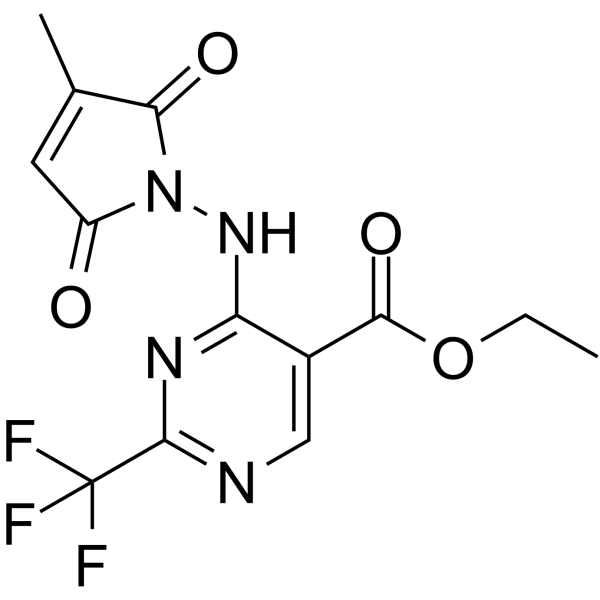
    AP-1/NF-κB activation inhibitor 1
    3 Publications Verification

    NF-κB Inflammation/Immunology
    AP-1/NF-κB activation inhibitor 1 is a potent AP-1 and NF-κB mediated transcriptional activation inhibitor (IC50=1 μM), without blocking basal transcription driven by the β-actin promoter. AP-1/NF-κB activation inhibitor 1 has a similar inhibitory effect on the production of IL-2 and IL-8 levels in stimulated cells [1].
    AP-1/NF-κB activation inhibitor 1
  • HY-N7627

    Estrogen Receptor/ERR Toll-like Receptor (TLR) Akt MMP HSP Inflammation/Immunology
    Regaloside C is an anti-inflammatory agent and antioxidant that scavenges ABTS and DPPH free radicals. Regaloside C targets multiple molecules including TNF-α, MMP-2, ERα, AKT1, TLR4 and HSP90-α. Regaloside C is applicable to research related to inflammatory diseases [1] .
    Regaloside C
  • HY-174138

    NF-κB Inflammation/Immunology
    NF-κB degrader 1 (Compound MD-1) is a NF-κB1 p105 subunit degrader. NF-κB degrader 1 shows anti-inflammatory activity (IC50 for inhibiting TNF-α is 2.02 μM, and for inhibiting NO is 5.40 μM). NF-κB degrader 1 induces p105 degradation dependent on the Cullin-RING ligase (CRL) SCFBTCP, suppressing NF-κB transcriptional activity. NF-κB degrader 1 is promising for research of inflammation-related diseases [1].
    NF-κB degrader 1
  • HY-152177
    JS6
    1 Publications Verification

    NF-κB Cancer
    JS6 is a Bcl3 inhibitor, and inhibits Bcl3-NF-kB1 binding. JS6 inhibits tumor cell growth in vitro and in vivo [1].
    JS6
  • HY-N1508

    MMP Apoptosis Autophagy NF-κB TNF Receptor COX Toll-like Receptor (TLR) SOD ASK1 JNK Cardiovascular Disease Inflammation/Immunology Endocrinology Cancer
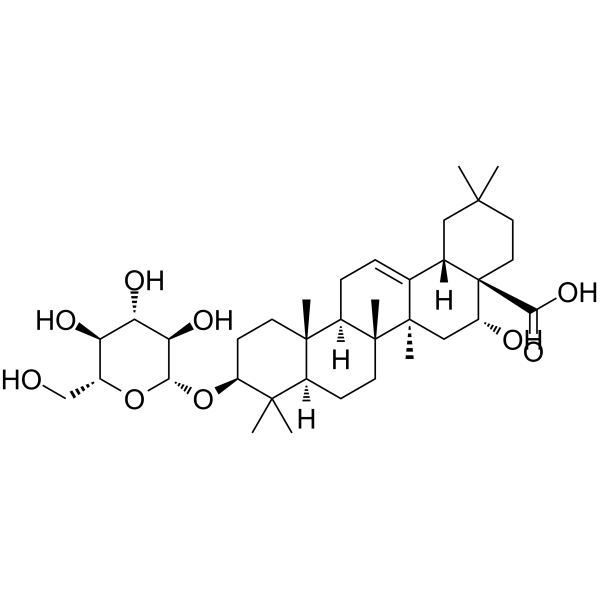
    Ecliptasaponin A is an orally active pentacyclic triterpenoid saponin. Ecliptasaponin A exerts anti-tumor activity by activating ASK1/JNK pathway, inducing apoptosis and autophagy in lung cancer cells. Ecliptasaponin A exerts anti-inflammatory/anti-fibrotic effects and protects the cardiovascular system by inhibiting the HMGB1/TLR4/NF-κB pathway, and the expression of COX-2 and MMP-9. Ecliptasaponin A can enhance SOD activity, reduce MDA levels, and alleviate oxidative stress damage. Ecliptasaponin A exerts chondroprotective effects by inhibiting the expression of MMP13 and regulating inflammatory factors. Ecliptasaponin A improves ovarian function and regulates sex hormones by upregulating the expression of ESR1 receptors [1] .
    Ecliptasaponin A
  • HY-174569

    mRNA Inflammation/Immunology
    Human NFKB1 mRNA encodes the human nuclear factor kappa B subunit 1 (NFKB1) protein, a transcription regulator that is activated by various intra- and extra-cellular stimuli such as cytokines, oxidant-free radicals, ultraviolet irradiation, and bacterial or viral products. Inappropriate activation of NFKB has been associated with a number of inflammatory diseases while persistent inhibition of NFKB leads to inappropriate immune cell development or delayed cell growth. NFKB is a critical regulator of the immediate-early response to viral infection.
    Human NFKB1 mRNA
  • HY-RS09255

    Small Interfering RNA (siRNA) NF-κB Others

    Nfkb1 Mouse Pre-designed siRNA Set A contains three designed siRNAs for Nfkb1 gene (Mouse), as well as a negative control, a positive control, and a FAM-labeled negative control.

    Nfkb1 Mouse Pre-designed siRNA Set A
    Nfkb1 Mouse Pre-designed siRNA Set A
  • HY-RS09256

    Small Interfering RNA (siRNA) NF-κB Others

    Nfkb1 Rat Pre-designed siRNA Set A contains three designed siRNAs for Nfkb1 gene (Rat), as well as a negative control, a positive control, and a FAM-labeled negative control.

    Nfkb1 Rat Pre-designed siRNA Set A
    Nfkb1 Rat Pre-designed siRNA Set A
  • HY-N3532

    Sirtuin Neurological Disease Inflammation/Immunology
    Cannabisin F is a SIRT1 modulator. Cannabisin F, as a hempseed lignanamide, can be used for the research of anti-inflammatory and anti-oxidative. Cannabisin F may be a potential agent of neurodegenerative diseases as modulators of SIRT1/NF-κB and Nrf2 [1].
    Cannabisin F
  • HY-W995241

    COX NF-κB Inflammation/Immunology
    BPD is a COX-2 and TAK1-NF-κB inhibitor, with an IC50 of 18.5 μM for COX-2. BPD inhibits the expression of iNOS, TNF-α, IL-6 and IL-1β at the transcriptional level. BPD has anti-inflammatory activity. BPD can inhibit Carrageenan-induced paw oedema and LPS-induced septic death [1].
    BPD
  • HY-N15315

    Apoptosis MAP3K NF-κB Others
    Triptriolide inhibits Puromycin aminonucleoside PAN (HY-15695)-induced apoptosis in mouse podocytes through regulation of Bcl-2 family proteins and inhibition of Caspase-3. Triptriolide promotes the cell survival, protects and restores the podocyte function through activation of TAK1-NF-κB signaling pathway and upregulation of podocin [1].
    Triptriolide
  • HY-N1508R

    Reference Standards MMP Apoptosis Autophagy NF-κB TNF Receptor COX Toll-like Receptor (TLR) SOD ASK1 JNK Cardiovascular Disease Inflammation/Immunology Endocrinology Cancer
    Ecliptasaponin A (Standard) is the analytical standard for Ecliptasaponin A (HY-N1508). Ecliptasaponin A is an orally active pentacyclic triterpenoid saponin. Ecliptasaponin A exerts anti-tumor activity by activating ASK1/JNK pathway, inducing apoptosis and autophagy in lung cancer cells. Ecliptasaponin A exerts anti-inflammatory/anti-fibrotic effects and protects the cardiovascular system by inhibiting the HMGB1/TLR4/NF-κB pathway, and the expression of COX-2 and MMP-9. Ecliptasaponin A can enhance SOD activity, reduce MDA levels, and alleviate oxidative stress damage. Ecliptasaponin A exerts chondroprotective effects by inhibiting the expression of MMP13 and regulating inflammatory factors. Ecliptasaponin A improves ovarian function and regulates sex hormones by upregulating the expression of ESR1 receptors.
    Ecliptasaponin A (Standard)
  • HY-N0772R

    Reference Standards VEGFR NF-κB NOD-like Receptor (NLR) AMPK Acetyl-CoA Carboxylase Apoptosis Reactive Oxygen Species (ROS) HSV Drug Derivative Infection Metabolic Disease Inflammation/Immunology Cancer
    Isomangiferin (Standard) is the analytical standard of Isomangiferin (HY-N0772). This product is intended for research and analytical applications. Isomangiferin is an orally active xanthone C-glucoside, and its chemical structure is similar to Mangiferin (HY-N0290). Isomangiferin is an effective VEGFR-2 kinase inhibitor, which can induces cell apoptosis, inhibit the growth, metastasis and angiogenesis of breast cancer. Isomangiferin exerts anti-inflammatory effects by inhibiting the HMGB1/NLRP3/NF-κB signaling pathway, thereby improving the renal function indicators of diabetic mice. Isomangiferin exhibits inhibitory effects on various bacteria and herpes simplex virus type 1 (HSV-1). Isomangiferin promotes the migration and osteogenic differentiation of bone marrow mesenchymal stem cells (BMSCs) and reduces cell apoptosis and the production of ROS by activating the AMPK/ACC pathway, thereby facilitating fracture healing.
    Isomangiferin (Standard)
  • HY-P5762A

    PNX-14 TFA

    Orphan GPCR Glutathione Peroxidase Ferroptosis ERK Toll-like Receptor (TLR) Sirtuin FOXO Akt PKA MyD88 Reactive Oxygen Species (ROS) Apoptosis NF-κB Cardiovascular Disease Neurological Disease Metabolic Disease Inflammation/Immunology
    Phoenixin-14 (PNX-14) TFA is an endogenous neuropeptide with multiple biological activities, and serves as the endogenous ligand of GPR173. Phoenixin-14 TFA reduces ROS production by inhibiting the HMGB1/TLR4/MyD88/NF-κB signaling axis, thereby exerting antioxidant and mitochondrial protective effects. Phoenixin-14 TFA inhibits FOXO3 phosphorylation by upregulating SIRT3 expression, suppresses apoptosis, and improves myocardial systolic/diastolic function. Phoenixin-14 TFA resists ferroptosis by activating the ATF4/SLC7A11/GPX4 axis; it activates ERK1/2 phosphorylation via GPR173. Phoenixin-14 TFA can be used in researches on neuroprotection, diabetes, cardiomyopathy, reproductive protection and so on [1] .
    Phoenixin-14 TFA
  • HY-180580

    Toll-like Receptor (TLR) MyD88 NF-κB TNF Receptor Interleukin Related Inflammation/Immunology
    SMU-C409 is a TLR1/2 agonist with an EC50 of 65 nM in HEK-Blue hTLR2 Cells. SMU-C409 activates the TLR1/2MyD88NF-κB pathway, inducing TNF-α/IL-1β secretion and robust immune cell activation for antitumor immunomodulation. SMU-C409 shows low toxicity in virto. SMU-C409 can be used for cancer immunotherapy research [1].
    SMU-C409

Inquiry Online

Your information is safe with us. * Required Fields.

Salutation


Country or Region *

Applicant Name *


Organization Name *

Department *


Email Address *


Product Name *

Cat. No.


Requested quantity *

Phone Number *


Remarks

Inquiry Online

Inquiry Information

Product Name:
Cat. No.:
Quantity:
MCE Japan Authorized Agent:

