
Search Result
Results for "
ONOO
" in MedChemExpress (MCE) Product Catalog:
2
Biochemical Assay Reagents
| Cat. No. |
Product Name |
Target |
Research Areas |
Chemical Structure |
-
- HY-P1956
-
|
HSA
|
NF-κB
NO Synthase
|
Cardiovascular Disease
Inflammation/Immunology
Cancer
|
Human serum albumin (HSA) is the most abundant protein in plasma and is a major determinant of plasma oncotic pressure. Human serum albumin exhibits antioxidant, anticoagulant, anti-inflammatory, anti-platelet aggregation activities as well as colloid osmotic action. Human serum albumin can block the inhibitory effect of GML on human T cells, providing protective function for T cells. Human serum albumin is also associated with cardiovascular diseases and can partially prevent the LPS (HY-D1056) induced oxidative stress, as well as the upregulation of NF-κB, NF-κB, and peroxynitrite (ONOO −) in the vascular wall, contributing to the reduction of blood pressure . This product is recombinant Human Serum Albumin expressed in a microbial expression system.
|
-
-
- HY-P1956A
-
|
HSA (Cell culture grade, Endotoxin<0.125 EU/mg)
|
NF-κB
NO Synthase
|
Cardiovascular Disease
Inflammation/Immunology
|
Human serum albumin (Cell culture grade, Endotoxin<0.125 EU/mg) (HSA) is the most abundant protein in plasma and is a major determinant of plasma oncotic pressure. Human serum albumin (Cell culture grade, Endotoxin<0.125 EU/mg) exhibits antioxidant, anticoagulant, anti-inflammatory, anti-platelet aggregation activities as well as colloid osmotic action. Human serum albumin (Cell culture grade, Endotoxin<0.125 EU/mg) can block the inhibitory effect of GML on human T cells, providing protective function for T cells. Human serum albumin (Cell culture grade, Endotoxin<0.125 EU/mg) is also associated with cardiovascular diseases and can partially prevent the LPS (HY-D1056) induced oxidative stress, as well as the upregulation of NF-κB, iNOS, and peroxynitrite (ONOO −) in the vascular wall, contributing to the reduction of blood pressure. Human serum albumin (Cell culture grade, Endotoxin<0.125 EU/mg) can be used for in vitro cell culture . This product is human serum albumin recombinantly expressed in an Escherichia coli expression system.
|
-
-
- HY-N0649
-
|
Narcissoside
|
EBV
|
Neurological Disease
Cancer
|
|
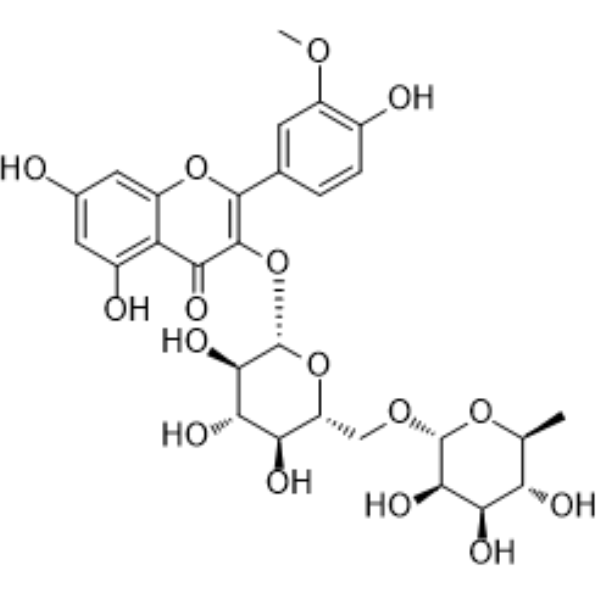
Narcissin (Narcissoside), a flavonol glycoside, exhibits evident scavenging activity against both authentic ONOO - and SIN-1-derived ONOO - with IC50s of 3.5 and 9.6 μM, respectively .
|
-
-
- HY-N0226A
-
|
|
Cholinesterase (ChE)
Beta-secretase
Reactive Oxygen Species (ROS)
|
Neurological Disease
Metabolic Disease
|
|
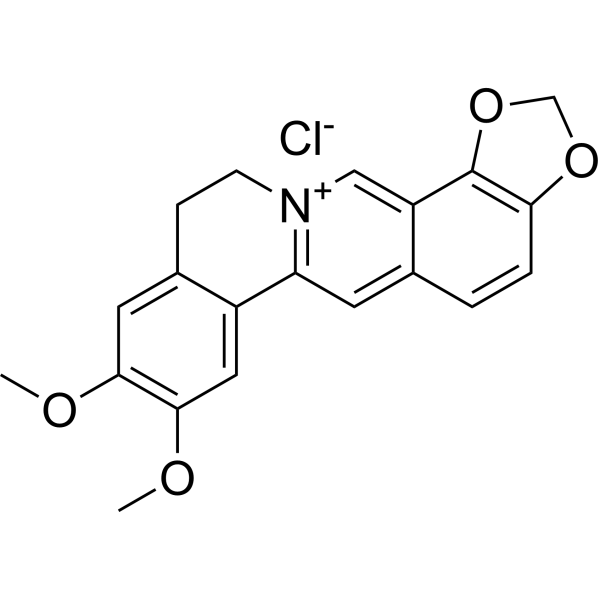
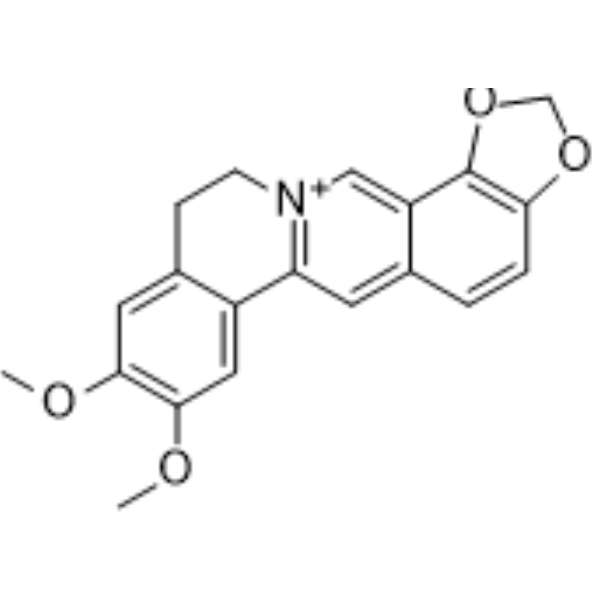
Epiberberine chloride is an alkaloid isolated from Coptis chinensis, acts as a potent AChE and BChE inhibitor, and a non-competitive BACE1 inhibitor, with IC50s of 1.07, 6.03 and 8.55 μM, respectively. Epiberberine chloride has antioxidant activity, with peroxynitrite ONOO - scavenging effect (IC50, 16.83 μM), and may protect against Alzheimer disease . Epiberberine chloride inhibits the early stage of differentiation of 3T3-L1 preadipocytes, downregulates the Raf/MEK1/2/ERK1/2 and AMPKα/Akt pathways . Epiberberine has the potential effect in the research of diabetic disease .
|
-
-
- HY-153006
-
|
DCFH2
|
Biochemical Assay Reagents
|
Others
|
|
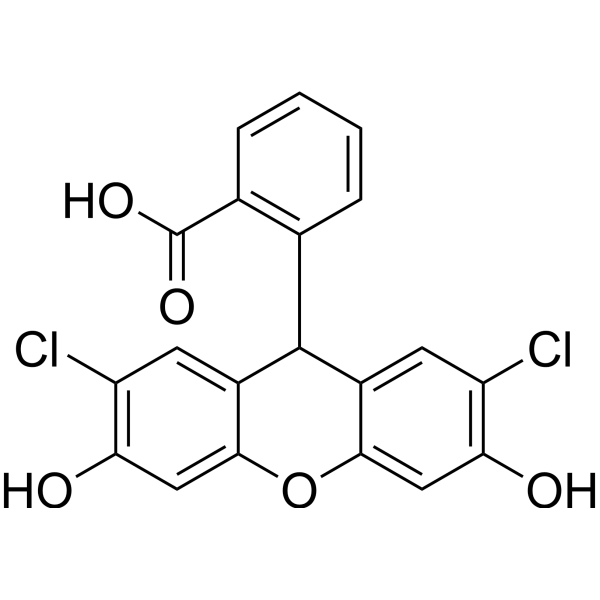
2,7-Dichlorodihydrofluorescein (DCFH2) is a non-fluorescent reactive oxygen species (ROS) probe with an excitation wavelength of 485-500 nm and an emission wavelength of 515-530 nm. 2,7-Dichlorodihydrofluorescein is first hydrolyzed by intracellular esterases and then oxidized by ROS to generate non-biomembrane-permeable, highly fluorescent 2,7-dichlorofluorescein (DCF). The fluorescence intensity of DCF is positively correlated with the ROS concentration. 2,7-Dichlorodihydrofluorescein can undergo oxidation reactions with a variety of ROS (such as ·OH, H2O2, ONOO -, etc.) and is used to quantitatively detect the level of oxidative stress inside and outside cells. It is suitable for oxidative stress analysis in in vitro cell models and in vivo targeted delivery (such as liver-targeted liposomes) .
|
-
-
- HY-112578
-
|
|
Others
|
Metabolic Disease
Inflammation/Immunology
|
|
Betanin has potent antioxidant and anti-inflammatory effect, that could inhibit peroxynitrite (ONOO -), with an IC50 of 19.2 μM. Betanin is a red glycoside obtained from beets that can be used as colorant.
|
-
-
- HY-N0226
-
|
|
Cholinesterase (ChE)
Beta-secretase
|
Neurological Disease
Metabolic Disease
|
|
Epiberberine is an alkaloid isolated from Coptis chinensis, acts as a potent AChE and BChE inhibitor, and a non-competitive BACE1 inhibitor, with IC50s of 1.07, 6.03 and 8.55 μM, respectively. Epiberberine has antioxidant activity, with peroxynitrite ONOO - scavenging effect (IC50, 16.83 μM), and can be used for the research of Alzheimer disease . Epiberberine inhibits the early stage of differentiation of 3T3-L1 preadipocytes, downregulates the Raf/MEK1/2/ERK1/2 and AMPKα/Akt pathways . Epiberberinecan be used for the research of diabetic disease .
|
-
-
- HY-D1148
-
|
|
Fluorescent Dye
|
Others
|
|
HKGreen-4I is a highly sensitive green fluorescent probe for the specific detection of ONOO - in living cells with a maximum excitation wavelength and emission wavelength of 520 nm and 543 nm, respectively .
|
-
-
- HY-141508
-
|
|
Xanthine Oxidase
NO Synthase
|
Neurological Disease
Metabolic Disease
Inflammation/Immunology
|
|
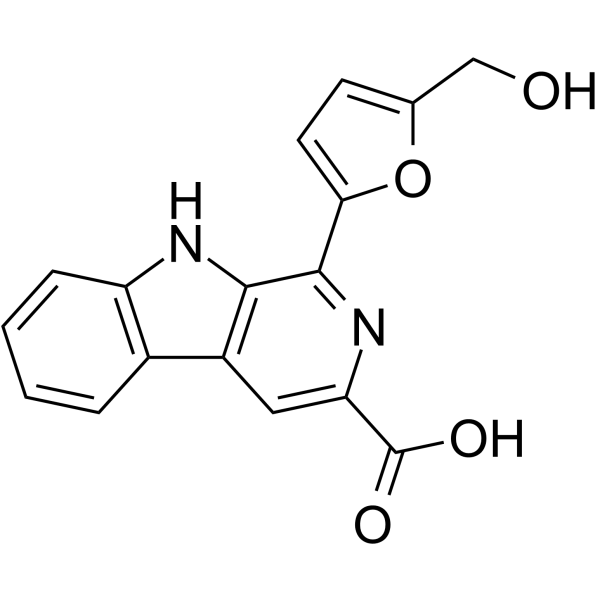
Flazin is a non-enzymatic protein glycation inhibitor, also inhibits peroxynitrite (ONOO -), with an IC50 value of 85.31 μM for bovine serum albumin (BSA) glycation and an EC50 value of 71.99 μM for ONOO -. Flazin can be used for researching diabetes and neuronal disorders. Flazin also can used as a lipid droplet (LD) regulator against lipid disorders, and a xanthine oxidase (XOD) inhibitor .
|
-
-
- HY-N1980
-
-
-
- HY-120314
-
|
|
Apoptosis
Caspase
Endogenous Metabolite
|
Inflammation/Immunology
|
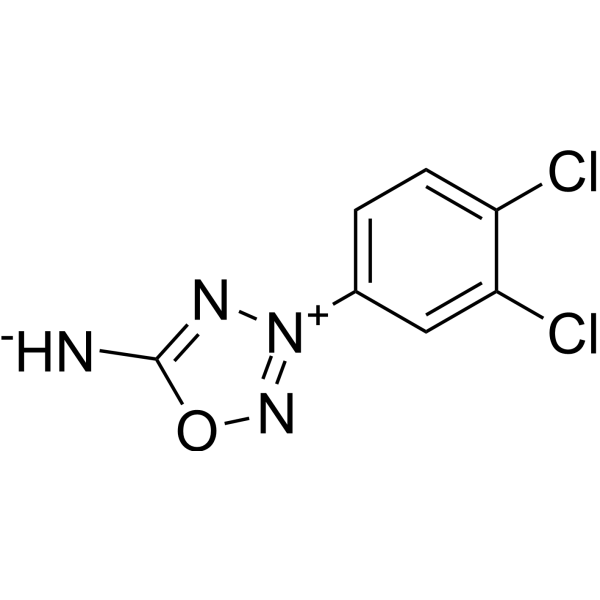
GEA 3162 is an orally active compound that acts as a NO/ONOO⁻ donor. GEA 3162 significantly inhibits the activation of human polymorphonuclear leukocytes (PMNs) through the cGMP pathway, inhibits the release of inflammatory mediators, and exerts anti-inflammatory and protective effects. GEA 3162 induces apoptosis of neutrophils and bone marrow cells by activating caspase-2/3/8/9 through the ONOO⁻ pathway. GEA 3162 has a bidirectional effect in the rat gastric ulcer model: at low doses, it significantly reduces gastric mucosal damage, while at high doses, it aggravates the ulcer area. GEA 3162 can be used for research on inflammatory conditions such as gastric ulcers .
|
-
-
- HY-D2479
-
|
|
Fluorescent Dye
|
Metabolic Disease
|
|
DMANI is an intramolecular charge transfer (ICT)-based mitochondria-targeted ratiometric fluorescent probe. DMANI can monitor mitochondrial peroxynitrite (ONOO −) in living cells .
|
-
-
- HY-130013
-
|
|
Fluorescent Dye
|
Others
|
|
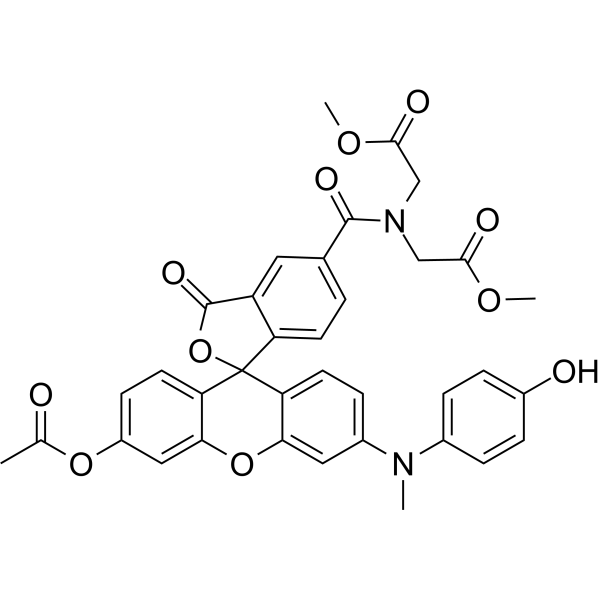
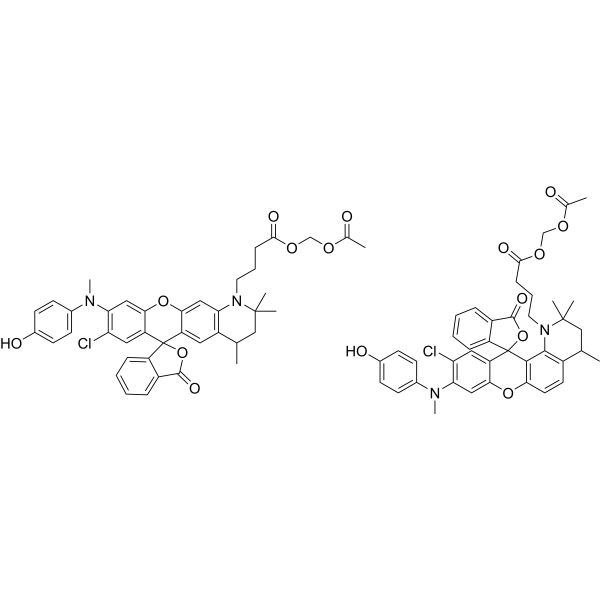
HKYellow-AM (6/12-mixture) is a yellow fluorescent probe that can detect ONOO- in living cells and tissues with high selectivity and sensitivity without cytotoxicity .
|
-
-
- HY-D0146
-
|
BzRes; 7-Benzyloxyresorufin; 7-Benzyloxyphenoxazone
|
Fluorescent Dye
|
Others
|
|
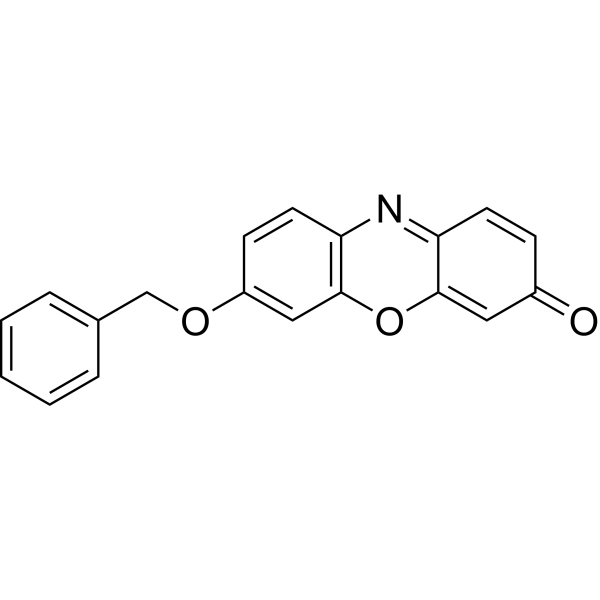
Resorufin benzyl ether (BzRes), a fluorogenic enzyme substrate, can be used to detect CYP3A4 enzyme activity. Resorufin benzyl ether modified with a recognizing moiety boronate, can be used for ONOO - detection via a self-immolation mechanism. Ex/Em=530-570 nm/590 nm .
|
-
-
- HY-N0649R
-
|
Narcissoside (Standard)
|
EBV
Reference Standards
|
Neurological Disease
Cancer
|
|
Narcissin (Standard) is the analytical standard of Narcissin. This product is intended for research and analytical applications. Narcissin (Narcissoside), a flavonol glycoside, exhibits evident scavenging activity against both authentic ONOO-?and SIN-1-derived ONOO- with IC50s?of 3.5 and 9.6 μM, respectively .
|
-
-
- HY-N1650
-
|
2α,3α,24-Trihydroxyurs-12-en-28-oic acid
|
Fungal
|
Infection
|
|
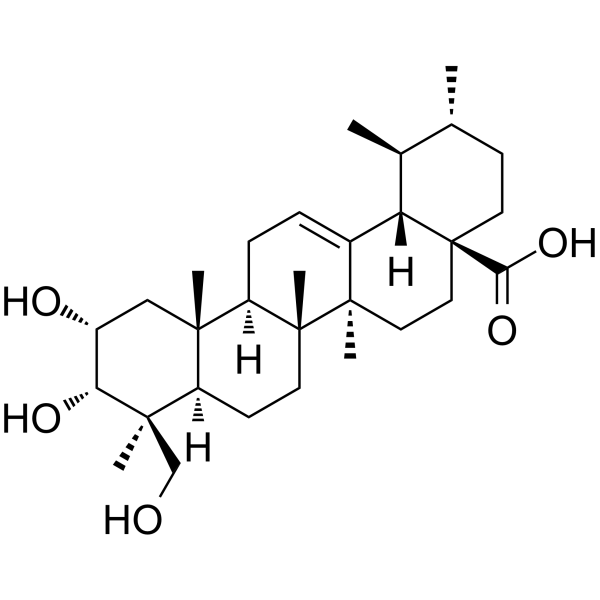
Pygenic acid B is a triterpenoid that can be isolated from the leaves of Glochidion obliquum. Pygenic acid B shows antifungal activity against C. musae. Pygenic acid B shows ONOO- scavenging activity .
|
-
-
- HY-N16598
-
|
|
Others
|
Inflammation/Immunology
|
|
4''-O-Methylcatalposide (compound 7) is a glycoside from the stem bark of Catalpa ovata. 4''-O-Methylcatalposide exhibits peroxynitrite (ONOO −)-scavenging activity with an IC50 of 36.4 μM. 4''-O-Methylcatalposide can be used for anti-inflammatory research .
|
-
-
- HY-D3002
-
|
|
Fluorescent Dye
|
Metabolic Disease
|
|
ONOO-/O2- tracker probe is a dual-responsive near-infrared fluorescent probe. ONOO-/O2- tracker probe will only emit a strong fluorescence signal when both peroxynitrite (ONOO⁻) and superoxide anion (O₂•⁻), the two key reactive oxygen/nitrogen species, are present simultaneously. ONOO-/O2- tracker probe can be used as a biomarker detection tool for drug-induced liver injury (DILI) .
|
-
-
- HY-D2968
-
|
|
Fluorescent Dye
|
Neurological Disease
|
|
DCM-ONOO is a near-infrared two-photon fluorescence probe specifically designed for real-time monitoring of the dynamic fluctuations of peroxynitrite (ONOO⁻) in epilepsy models. DCM-ONOO exhibits excellent optical properties, with a single photon excitation (Ex) of 520 nm; a single photon emission (Em) of 685 nm; a two-photon excitation of 820 nm; and a Stokes shift of 165 nm. When DCM-ONOO is combined with ONOO⁻, it shifts from 460 nm to 512 nm, and only generates a significant fluorescence response to ONOO⁻. DCM-ONOO has been successfully applied to rat epilepsy models .
|
-
-
- HY-D2286
-
|
|
Fluorescent Dye
|
Others
|
|
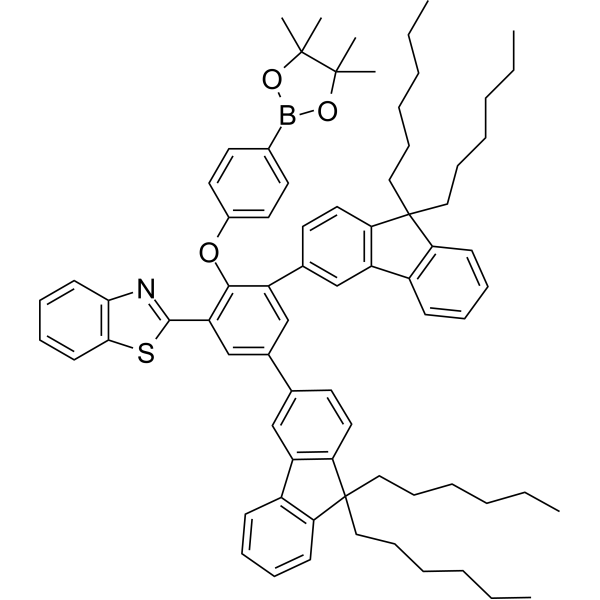
HBT-Fl-BnB is a fluorescent probe for the ratiometric detection of ONOO - in vitro and in vivo. HBT-Fl-BnB consists of an HBT core with Fl groups at the ortho and para positions responding to the zwitterionic excited-state intramolecular proton-transfer (zwitterionic ESIPT) process and a boronic acid pinacol ester with dual roles that block the zwitterionic ESIPT and recognize ONOO - .
|
-
-
- HY-152103
-
|
|
Fluorescent Dye
|
Others
|
|
CB2-H is a dual-channel fluorescent probe for the simultaneous detection of HOCl and ONOO -. CB2-H enables the concurrent detection of HOCl and ONOO - at two independent channels without spectral cross-interference and can be applied for dual-channel fluorescence imaging of endogenously produced HOCl and ONOO - in living cells and zebrafish under different stimulants .
|
-
-
- HY-D2998
-
|
|
Fluorescent Dye
|
Others
|
|
ONOO-LysopH is a new Rhodamine-based near-infrared fluorescent probe. ONOO-LysopH is acid-sensitive, exhibiting rapid near-infrared fluorescence enhancement around 686 nm under acidic pH conditions. ONOO-LysopH also displays a rapid NIR turn-on fluorescence around 678 nm for ONOO− at physiological pH. ONOO-LysopH can target lysosomes to track lysosomal pH changes and image endogenous/exogenous ONOO− in live cells. ONOO-LysopH is applicable for cell imaging ONOO− and tracking lysosomal pH changes .
|
-
-
- HY-161502
-
|
|
Fluorescent Dye
|
Others
|
|
DHX-SP is a fluorescent probe, which visualizes superoxide anion (O2 ·–) and peroxynitrite (ONOO –) during ferroptosis of PC12 cells and in the Parkinson’s disease model .
|
-
-
- HY-149203
-
|
|
Fluorescent Dye
|
Others
|
|
MQA-P is a multifunctional near-infrared (NIR) fluorescent probe for simultaneously detecting ONOO -, viscosity, and polarity within mitochondria. MQA-P exhibits a remarkable turn-on response to ONOO - (λem=645 nm) and is highly sensitive to viscosity/polarity in the NIR channel with λem>704 nm. MQA-P exhibits excited-state intramolecular charge transfer (ESICT) feature that is highly polarity-sensitive by engineering N,N-dimethylamino as the electron donor and a quinoline cationic unit as the electron acceptor. MQA-P is used for ferroptosis or cancer diagnosis in vitro and in vivo via dual-channel images .
|
-
-
- HY-149203A
-
|
|
Fluorescent Dye
|
Others
|
|
MQA-P is a multifunctional near-infrared (NIR) fluorescent probe that simultaneously detects ONOO -, viscosity, and polarity within mitochondria. MQA-P exhibits significant response to ONOO -, λem=645 nm; and NIR channel at λem>704 nm Medium is highly sensitive to viscosity/polarity. MQA-P possesses excited-state intramolecular charge transfer (ESICT) properties that are highly sensitive to polarity by designing the N,N-dimethylamino group as the electron donor and the quinoline cation unit as the electron acceptor. MQA-P is used for ferroptosis or cancer diagnosis in vitro and in vivo via dual-channel images .
|
-
-
- HY-120314A
-
|
|
Apoptosis
Caspase
Endogenous Metabolite
|
Inflammation/Immunology
|
GEA 3162 hydrochloride is an orally active compound that acts as a NO/ONOO⁻ donor. GEA 3162 hydrochloride significantly inhibits the activation of human polymorphonuclear leukocytes (PMNs) through the cGMP pathway, inhibits the release of inflammatory mediators, and exerts anti-inflammatory and protective effects. GEA 3162 hydrochloride induces apoptosis of neutrophils and bone marrow cells by activating caspase-2/3/8/9 through the ONOO⁻ pathway. GEA 3162 hydrochloride has a bidirectional effect in the rat gastric ulcer model: at low doses, it significantly reduces gastric mucosal damage, while at high doses, it aggravates the ulcer area. GEA 3162 hydrochloride can be used for research on inflammatory conditions such as gastric ulcers .
|
-
-
- HY-N1980R
-
|
|
Reference Standards
Reactive Oxygen Species (ROS)
|
Inflammation/Immunology
|
|
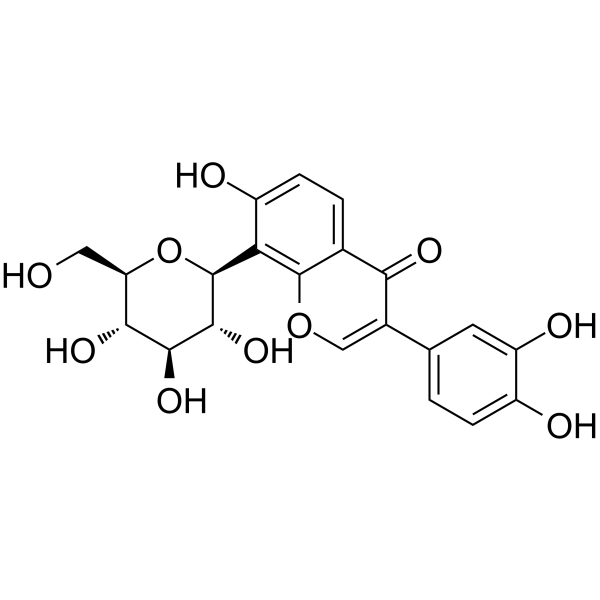
3'-Hydroxypuerarin (Standard) is the analytical standard of 3'-Hydroxypuerarin. This product is intended for research and analytical applications. 3'-Hydroxypuerarin is an isoflavone isolated from the roots of Pueraria lobata (Willd.) Ohwi. 3'-Hydroxypuerarin is a antioxidant, which shows marked ONOO(-), NO?, total ROS scavenging activities .
|
-
-
- HY-106987
-
|
|
NO Synthase
|
Cardiovascular Disease
Inflammation/Immunology
|
|
SP/W-5186 is a nitric oxide (NO) donor agent containing a cysteine structure. SP/W-5186 can improve cardiac function, reduce myocardial damage, protect vascular endothelial function and inhibit inflammation and oxidative stress. SP/W-5186 has the ability to inhibit oxidative damage induced by peroxynitrite (ONOO⁻). SP/W-5186 can be used in the research of myocardial ischemia-reperfusion injury .
|
-
-
- HY-D3222
-
|
|
Fluorescent Dye
|
Neurological Disease
|
|
NIR-PN1 is a blood-brain barrier-permeable near-infrared fluorescent indicator targeting peroxynitrite anion (ONOO −) (Ex/Em = 510 nm/670 nm). NIR-PN1 reacts with ONOO − to trigger a strong near-infrared fluorescence enhancement, enabling the detection of ONOO − flux. NIR-PN1 allows the imaging of ONOO − flux in various Parkinson's disease models. NIR-PN1 is applicable to Parkinson's disease-related research .
|
-
| Cat. No. |
Product Name |
Type |
-
- HY-D1148
-
|
|
Fluorescent Dye
|
|
HKGreen-4I is a highly sensitive green fluorescent probe for the specific detection of ONOO - in living cells with a maximum excitation wavelength and emission wavelength of 520 nm and 543 nm, respectively .
|
-
- HY-D2479
-
|
|
Fluorescent Dye
|
|
DMANI is an intramolecular charge transfer (ICT)-based mitochondria-targeted ratiometric fluorescent probe. DMANI can monitor mitochondrial peroxynitrite (ONOO −) in living cells .
|
-
- HY-130013
-
|
|
Fluorescent Dye
|
|
HKYellow-AM (6/12-mixture) is a yellow fluorescent probe that can detect ONOO- in living cells and tissues with high selectivity and sensitivity without cytotoxicity .
|
-
- HY-D0146
-
|
BzRes; 7-Benzyloxyresorufin; 7-Benzyloxyphenoxazone
|
Fluorescent Dye
|
|
Resorufin benzyl ether (BzRes), a fluorogenic enzyme substrate, can be used to detect CYP3A4 enzyme activity. Resorufin benzyl ether modified with a recognizing moiety boronate, can be used for ONOO - detection via a self-immolation mechanism. Ex/Em=530-570 nm/590 nm .
|
-
- HY-D3002
-
|
|
Fluorescent Dye
|
|
ONOO-/O2- tracker probe is a dual-responsive near-infrared fluorescent probe. ONOO-/O2- tracker probe will only emit a strong fluorescence signal when both peroxynitrite (ONOO⁻) and superoxide anion (O₂•⁻), the two key reactive oxygen/nitrogen species, are present simultaneously. ONOO-/O2- tracker probe can be used as a biomarker detection tool for drug-induced liver injury (DILI) .
|
-
- HY-D2968
-
|
|
Fluorescent Dye
|
|
DCM-ONOO is a near-infrared two-photon fluorescence probe specifically designed for real-time monitoring of the dynamic fluctuations of peroxynitrite (ONOO⁻) in epilepsy models. DCM-ONOO exhibits excellent optical properties, with a single photon excitation (Ex) of 520 nm; a single photon emission (Em) of 685 nm; a two-photon excitation of 820 nm; and a Stokes shift of 165 nm. When DCM-ONOO is combined with ONOO⁻, it shifts from 460 nm to 512 nm, and only generates a significant fluorescence response to ONOO⁻. DCM-ONOO has been successfully applied to rat epilepsy models .
|
-
- HY-D2286
-
|
|
Fluorescent Dye
|
|
HBT-Fl-BnB is a fluorescent probe for the ratiometric detection of ONOO - in vitro and in vivo. HBT-Fl-BnB consists of an HBT core with Fl groups at the ortho and para positions responding to the zwitterionic excited-state intramolecular proton-transfer (zwitterionic ESIPT) process and a boronic acid pinacol ester with dual roles that block the zwitterionic ESIPT and recognize ONOO - .
|
-
- HY-D2998
-
|
|
Fluorescent Dye
|
|
ONOO-LysopH is a new Rhodamine-based near-infrared fluorescent probe. ONOO-LysopH is acid-sensitive, exhibiting rapid near-infrared fluorescence enhancement around 686 nm under acidic pH conditions. ONOO-LysopH also displays a rapid NIR turn-on fluorescence around 678 nm for ONOO− at physiological pH. ONOO-LysopH can target lysosomes to track lysosomal pH changes and image endogenous/exogenous ONOO− in live cells. ONOO-LysopH is applicable for cell imaging ONOO− and tracking lysosomal pH changes .
|
-
- HY-149203
-
|
|
Fluorescent Dye
|
|
MQA-P is a multifunctional near-infrared (NIR) fluorescent probe for simultaneously detecting ONOO -, viscosity, and polarity within mitochondria. MQA-P exhibits a remarkable turn-on response to ONOO - (λem=645 nm) and is highly sensitive to viscosity/polarity in the NIR channel with λem>704 nm. MQA-P exhibits excited-state intramolecular charge transfer (ESICT) feature that is highly polarity-sensitive by engineering N,N-dimethylamino as the electron donor and a quinoline cationic unit as the electron acceptor. MQA-P is used for ferroptosis or cancer diagnosis in vitro and in vivo via dual-channel images .
|
-
- HY-D3222
-
|
|
Fluorescent Dye
|
|
NIR-PN1 is a blood-brain barrier-permeable near-infrared fluorescent indicator targeting peroxynitrite anion (ONOO −) (Ex/Em = 510 nm/670 nm). NIR-PN1 reacts with ONOO − to trigger a strong near-infrared fluorescence enhancement, enabling the detection of ONOO − flux. NIR-PN1 allows the imaging of ONOO − flux in various Parkinson's disease models. NIR-PN1 is applicable to Parkinson's disease-related research .
|
| Cat. No. |
Product Name |
Type |
-
- HY-P1956
-
|
HSA
|
Biochemical Assay Reagents
|
Human serum albumin (HSA) is the most abundant protein in plasma and is a major determinant of plasma oncotic pressure. Human serum albumin exhibits antioxidant, anticoagulant, anti-inflammatory, anti-platelet aggregation activities as well as colloid osmotic action. Human serum albumin can block the inhibitory effect of GML on human T cells, providing protective function for T cells. Human serum albumin is also associated with cardiovascular diseases and can partially prevent the LPS (HY-D1056) induced oxidative stress, as well as the upregulation of NF-κB, NF-κB, and peroxynitrite (ONOO −) in the vascular wall, contributing to the reduction of blood pressure . This product is recombinant Human Serum Albumin expressed in a microbial expression system.
|
-
- HY-P1956A
-
|
HSA (Cell culture grade, Endotoxin<0.125 EU/mg)
|
Biochemical Assay Reagents
|
Human serum albumin (Cell culture grade, Endotoxin<0.125 EU/mg) (HSA) is the most abundant protein in plasma and is a major determinant of plasma oncotic pressure. Human serum albumin (Cell culture grade, Endotoxin<0.125 EU/mg) exhibits antioxidant, anticoagulant, anti-inflammatory, anti-platelet aggregation activities as well as colloid osmotic action. Human serum albumin (Cell culture grade, Endotoxin<0.125 EU/mg) can block the inhibitory effect of GML on human T cells, providing protective function for T cells. Human serum albumin (Cell culture grade, Endotoxin<0.125 EU/mg) is also associated with cardiovascular diseases and can partially prevent the LPS (HY-D1056) induced oxidative stress, as well as the upregulation of NF-κB, iNOS, and peroxynitrite (ONOO −) in the vascular wall, contributing to the reduction of blood pressure. Human serum albumin (Cell culture grade, Endotoxin<0.125 EU/mg) can be used for in vitro cell culture . This product is human serum albumin recombinantly expressed in an Escherichia coli expression system.
|
| Cat. No. |
Product Name |
Category |
Target |
Chemical Structure |
Your information is safe with us. * Required Fields.
Inquiry Information
- Product Name:
- Cat. No.:
- Quantity:
- MCE Japan Authorized Agent:

