

552 Results for "

PI3K pathway

" in MedChemExpress (MCE) Product Catalog:
Products (552)

552 Results for "PI3K pathway" in MCE Product Catalog:

307
307 Publications Verification
Cat. No.: HY-10201
CAS No.: 284461-73-0
Purity:  99.92%
Synonyms: Bay 43-9006
Sorafenib (Bay 43-9006) is a potent oral active multikinase inhibitor. Sorafenib blocks autophosphorylation and activity of receptor tyrosine kinases (VEGFR-2, VEGFR-3) and RAF family kinases, thereby suppressing the RAF/MEK/ERK and PI3K/Akt pathways, inhibiting STAT3 phosphorylation, and selectively inhibiting the MAPK pathway in cancer cells. Sorafenib induces cell cycle arrest, autophagy, apoptosis, and PARP cleavage, reduces Bcl-2, Bcl-XL, cyclin D1 levels, and activates Bak and Bax. Sorafenib inhibits tumor growth and metastasis in mouse and rat models. Sorafenib can be used for cancer research, such as colon, breast, non-small-cell lung cancer (NSCLC), ovarian, pancreatic, melanoma, colorectal and hepatocellular carcinoma .
loading...
    loading...
307
307 Publications Verification
Cat. No.: HY-10201A
CAS No.: 475207-59-1
Purity:  99.75%
Synonyms: Bay 43-9006 tosylate
Sorafenib (Bay 43-9006) tosylate is a potent oral active multikinase inhibitor. Sorafenib blocks autophosphorylation and activity of receptor tyrosine kinases (VEGFR-2, VEGFR-3) and RAF family kinases, thereby suppressing the RAF/MEK/ERK and PI3K/Akt pathways, inhibiting STAT3 phosphorylation, and selectively inhibiting the MAPK pathway in cancer cells. Sorafenib tosylate induces cell cycle arrest, autophagy, apoptosis, and PARP cleavage, reduces Bcl-2, Bcl-XL, cyclin D1 levels, and activates Bak and Bax. Sorafenib tosylate inhibits tumor growth and metastasis in mouse and rat models. Sorafenib tosylate can be used for cancer research, such as colon, breast, non-small-cell lung cancer (NSCLC), ovarian, pancreatic, melanoma, colorectal and hepatocellular carcinoma .
loading...
    loading...
192
192 Cited Publications
Cat. No.: HY-W008923
CAS No.: 17086-28-1
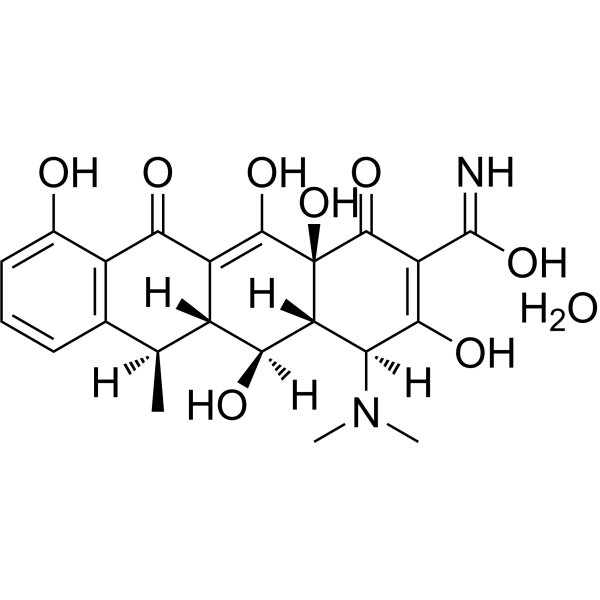
Doxycycline monohydrate is an orally active highly lipophilic, tissue-permeable MMP inhibitor with broad-spectrum antibacterial activity. Doxycycline monohydrate is also a semi-synthetic antibiotic with chelating properties, which blocks bacterial protein synthesis and inhibits extracellular matrix degradation through interactions with zinc and calcium atoms. Doxycycline monohydrate also inhibits mitochondrial biogenesis, translation, and the expression of respiratory chain proteins. Doxycycline monohydrate induces apoptosis, inhibits autophagy and EMT, downregulates stem cell markers, and activates the PI3K-AKT pathway, thereby effectively inhibiting the viability and proliferation of cancer cells such as breast cancer cells. Doxycycline monohydrate also promotes the survival and self-renewal of embryonic stem cells and neural stem cells, and reduces the frequency of medium changes in culture. Doxycycline monohydrate has been applied in studies related to breast cancer, prostate cancer, bladder cancer, and other cancers .
loading...
    loading...
132
132 Cited Publications
Cat. No.: HY-15244
CAS No.: 1217486-61-7
Purity:  99.88%
Synonyms: BYL-719
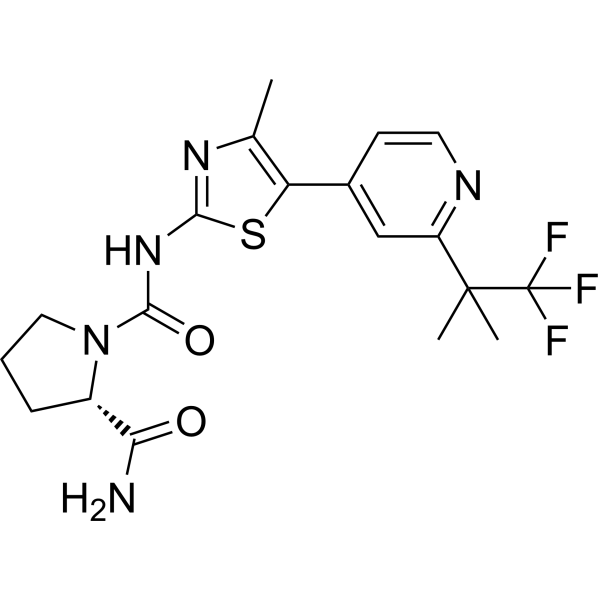
Alpelisib (BYL-719) is an orally active PI3Kα-selective inhibitor that blocks the conversion of PIP2 to PIP3, thereby inhibiting pathways including PI3K/AKT/mTOR, MAPK/ERK, Notch and JAK-STAT. Alpelisib also induces apoptosis, G0/G1 phase arrest and senescence; it significantly inhibits the proliferation, self-renewal, stemness and epithelial-mesenchymal transition (EMT) of tumor cells, reduces cancer stem cell populations and decreases the expression of stem cell markers. Alpelisib not only enhances the sensitivity to Eribulin (HY-13442) and exerts a synergistic effect with Paclitaxel (HY-B0015), but may also induce drug resistance by upregulating the SGK3/GSK3β/β-catenin signaling pathway. Alpelisib can be applied to research related to breast cancer, gastric cancer and lipomas associated with PTEN hamartoma tumor syndrome .
loading...
    loading...
132
132 Cited Publications
Cat. No.: HY-15244A
CAS No.: 1584128-91-5
Synonyms: BYL-719 hydrochloride
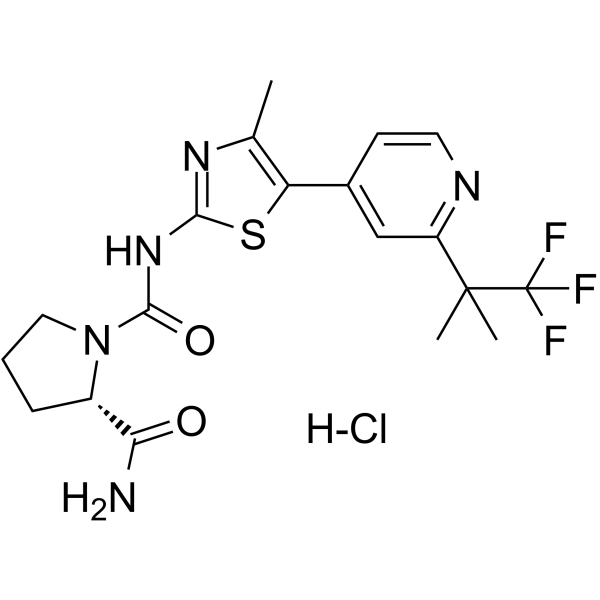
Alpelisib (BYL-719) hydrochloride is an orally active PI3Kα-selective inhibitor that blocks the conversion of PIP2 to PIP3, thereby inhibiting pathways including PI3K/AKT/mTOR, MAPK/ERK, Notch and JAK-STAT. Alpelisib hydrochloride also induces apoptosis, G0/G1 phase arrest and senescence; it significantly inhibits the proliferation, self-renewal, stemness and epithelial-mesenchymal transition (EMT) of tumor cells, reduces cancer stem cell populations and decreases the expression of stem cell markers. Alpelisib hydrochloride not only enhances the sensitivity to Eribulin (HY-13442) and exerts a synergistic effect with Paclitaxel (HY-B0015), but may also induce drug resistance by upregulating the SGK3/GSK3β/β-catenin signaling pathway. Alpelisib hydrochloride can be applied to research related to breast cancer, gastric cancer and lipomas associated with PTEN hamartoma tumor syndrome .
loading...
    loading...
44
44 Cited Publications
Cat. No.: HY-11006
CAS No.: 503468-95-9
Purity:  99.95%
Synonyms: NU7441
Target:  

DNA-PK

Research Areas:  

Cancer

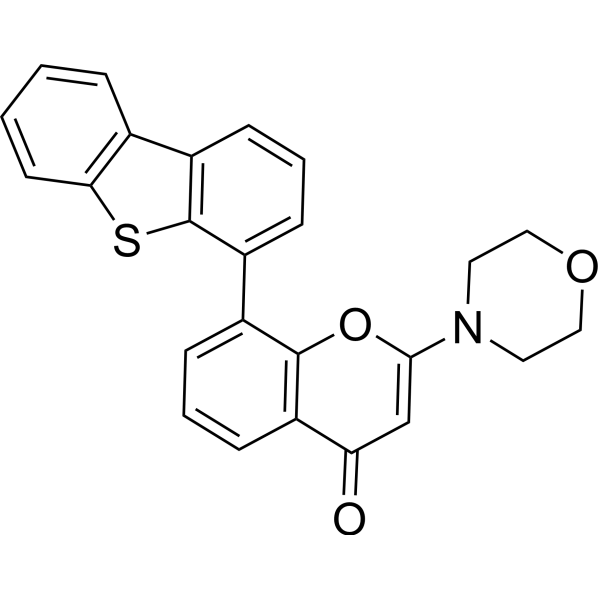
KU-57788 (NU7441) is a highly potent and selective DNA-PK inhibitor with an IC50 of 14 nM. KU-57788 is an NHEJ pathway inhibitor. KU-57788 also inhibits PI3K and mTOR with IC50s of 5.0 and 1.7 μM, respectively .
loading...
    loading...
23
23 Cited Publications
Cat. No.: HY-17508
CAS No.: 81103-11-9
Research Areas:  

Infection Cancer

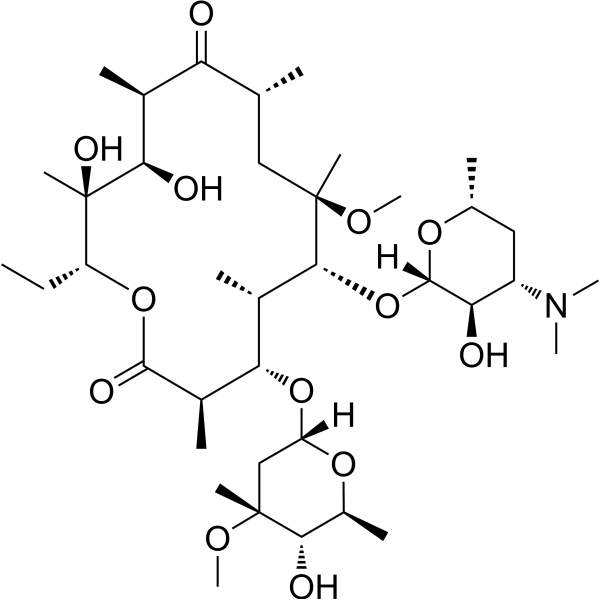
Clarithromycin has a broad spectrum of antimicrobial activity. Clarithromycin inhibits the CYP3A4-catalyzed triazolam alpha-hydroxylation with the IC50 (Ki) value of 56 (43) μM . Clarithromycin significantly inhibits the HERG potassium current .Clarithromycin affects the autophagic flux by impairing the signaling pathway linking hERG1 and PI3K .
loading...
    loading...
21
21 Cited Publications
Cat. No.: HY-N0484
CAS No.: 2586-96-1
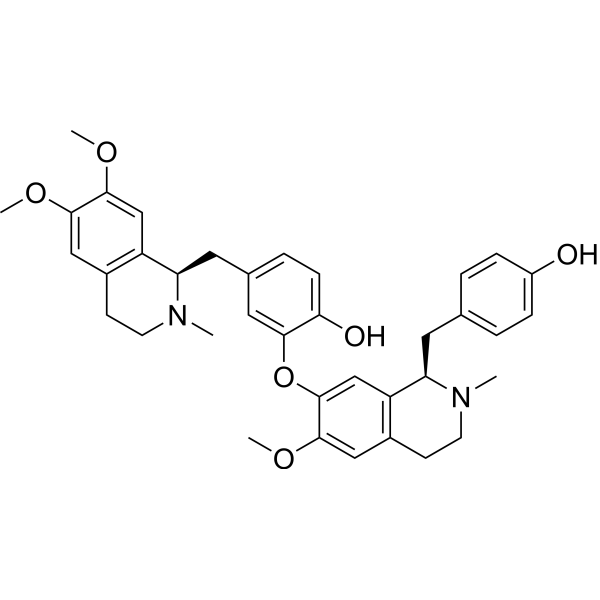
Liensinine is a bisbenzylisoquinoline alkaloid. By inhibiting the PI3K/AKT and JNK/p38-MAPK signaling pathways, Liensinine suppresses autophagy and apoptosis, clears , and exerts anti-inflammatory, antioxidant and neuroprotective effects. Liensinine activates AMPK and inhibits the expression of HIF-1α and VEGF, thereby suppressing angiogenesis. Liensinine exerts anti-tumor effects through ROS-mediated inhibition of the JAK2/STAT3 signaling pathway. Liensinine can be used for the research of diseases such as Alzheimer's disease, hepatocellular carcinoma, osteosarcoma, sepsis-induced organ injury and stroke .
loading...
    loading...
21
21 Cited Publications
Cat. No.: HY-N5014
CAS No.: 2385-63-9
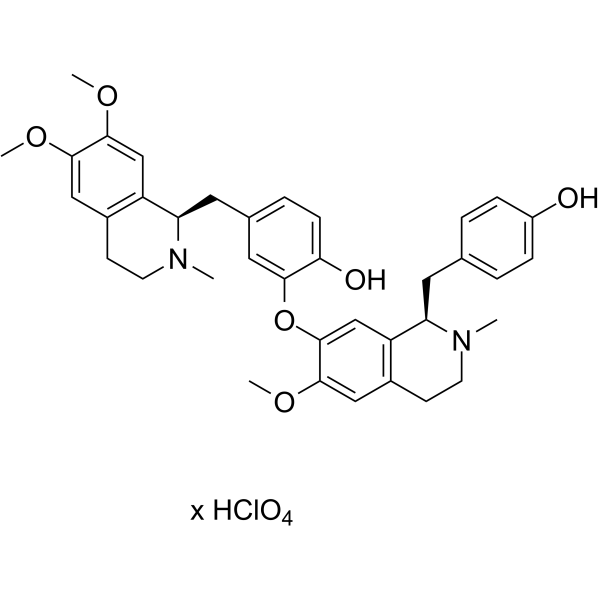
Liensinine perchlorate is a bisbenzylisoquinoline alkaloid. By inhibiting the PI3K/AKT and JNK/p38-MAPK signaling pathways, Liensinine perchlorate suppresses autophagy and apoptosis, clears , and exerts anti-inflammatory, antioxidant and neuroprotective effects. Liensinine perchlorate activates AMPK and inhibits the expression of HIF-1α and VEGF, thereby suppressing angiogenesis. Liensinine perchlorate exerts anti-tumor effects through ROS-mediated inhibition of the JAK2/STAT3 signaling pathway. Liensinine perchlorate can be used for the research of diseases such as Alzheimer's disease, hepatocellular carcinoma, osteosarcoma, sepsis-induced organ injury and stroke .
loading...
    loading...
17
17 Cited Publications
Cat. No.: HY-N0143
CAS No.: 60-81-1
Synonyms: Floridzin
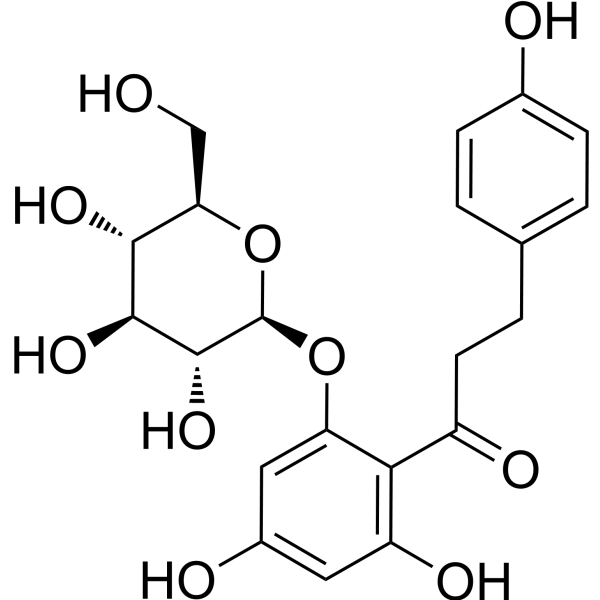
Phlorizin (Floridzin) is an orally active non-selective sodium-glucose cotransporter (SGLT) inhibitor, with an IC50 of 0.04 μM and a Ki of 39 nM against hSGLT2, and an IC50 of 0.17 μM and a Ki of 0.31 μM against hSGLT1. Phlorizin promotes GLUT4 translocation, inhibits gluconeogenesis and promotes glycogen synthesis by activating the PI3K/Akt/mTOR pathway. Phlorizin reduces DNA damage and apoptosis (apoptosis) by inhibiting the NF-κB inflammatory pathway. Phlorizin induces apoptosis via activating the Caspase pathway by antagonizing the JAK/STAT3 and PCK pathways. Phlorizin also exhibits antibacterial, anti-inflammatory and neuroprotective activities .
loading...
    loading...
17
17 Cited Publications
Cat. No.: HY-N0143A
CAS No.: 7061-54-3
Synonyms: Floridzin dihydrate
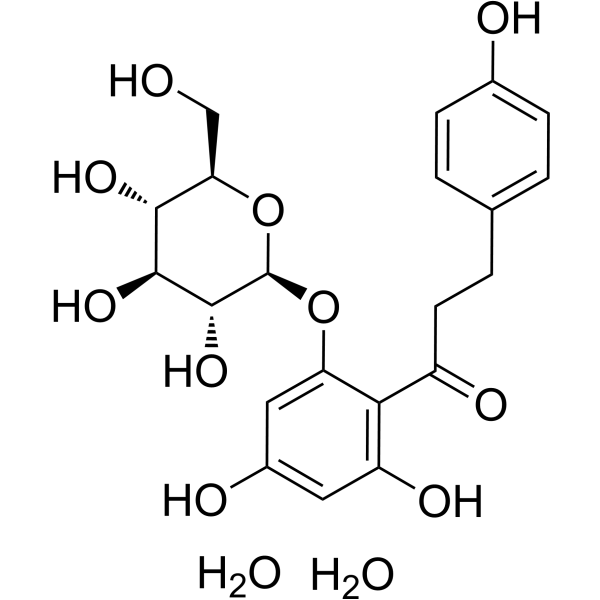
Phlorizin (Floridzin) dihydrate is an orally active non-selective sodium-glucose cotransporter (SGLT) inhibitor, with an IC50 of 0.04 μM and a Ki of 39 nM against hSGLT2, and an IC50 of 0.17 μM and a Ki of 0.31 μM against hSGLT1. Phlorizin dihydrate promotes GLUT4 translocation, inhibits gluconeogenesis and promotes glycogen synthesis by activating the PI3K/Akt/mTOR pathway. Phlorizin dihydrate reduces DNA damage and apoptosis (apoptosis) by inhibiting the NF-κB inflammatory pathway. Phlorizin dihydrate induces apoptosis via activating the Caspase pathway by antagonizing the JAK/STAT3 and PCK pathways. Phlorizin dihydrate also exhibits antibacterial, anti-inflammatory and neuroprotective activities .
loading...
    loading...
15
15 Cited Publications
Cat. No.: HY-13425
CAS No.: 522-17-8
Purity:  99.20%
Synonyms: (-)-Deguelin; (-)-cis-Deguelin
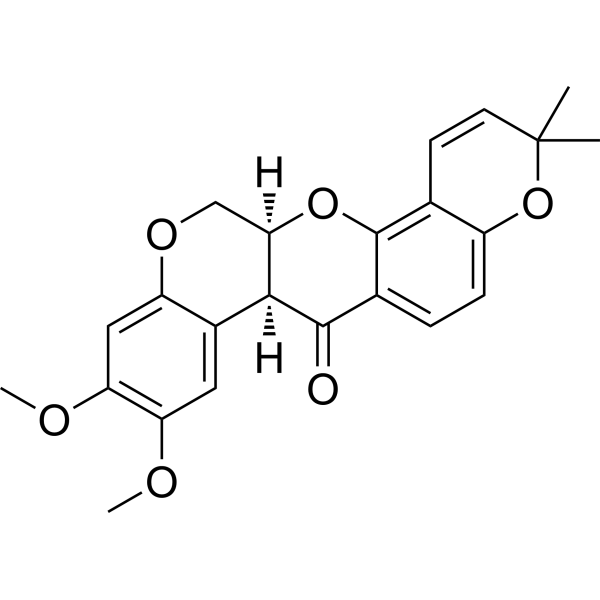
Deguelin, a naturally occurring rotenoid, acts as a chemopreventive agent by blocking multiple pathways like PI3K-Akt, IKK-NF-κB, and MAPK-mTOR-survivin-mediated apoptosis. Deguelin binding to Hsp90 leads to a decreased expression of numerous oncogenic proteins, including MEK1/2, Akt, HIF1α, COX-2, and NF-κB.
loading...
    loading...
15
15 Cited Publications
Cat. No.: HY-D0803
CAS No.: 490-91-5
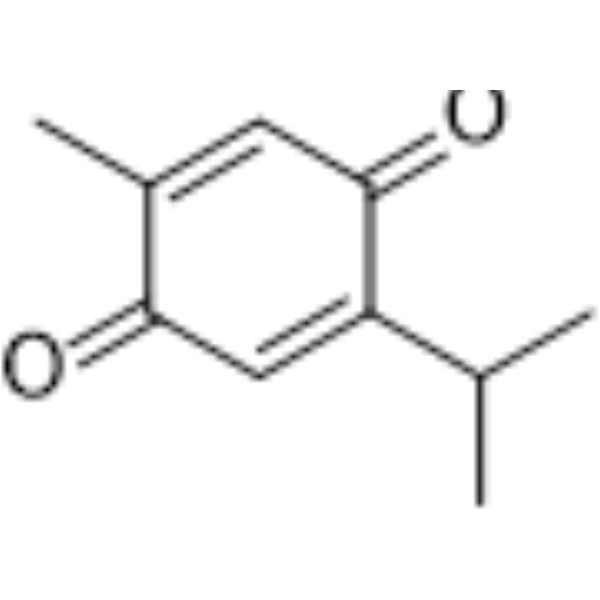
Thymoquinone is an orally active natural product isolated from N. sativa Thymoquinone down-regulates the VEGFR2-PI3K-Akt pathway. Thymoquinone has antioxidant, anti-inflammatory, anticancer, antiviral, anticonvulsant, antifungal, antiviral, antiangiogenic activity and hepatoprotective effects. Thymoquinone can be used to study Alzheimer's disease, cancer, cardiovascular disease, infectious disease and inflammation .
loading...
    loading...
12
12 Cited Publications
Cat. No.: HY-12068
CAS No.: 1349796-36-6
Purity:  99.46%
Synonyms: XL-147 derivative 1
Target:  

PI3K

Research Areas:  

Cancer

PI3K-IN-1 (XL-147 derivative 1) is a potent inhibitor of PI3K. PI3K-IN-1 (25 μM) blocks PI3K/Akt signaling pathways .
loading...
    loading...
12
12 Cited Publications
Cat. No.: HY-N0103
CAS No.: 6483-15-4
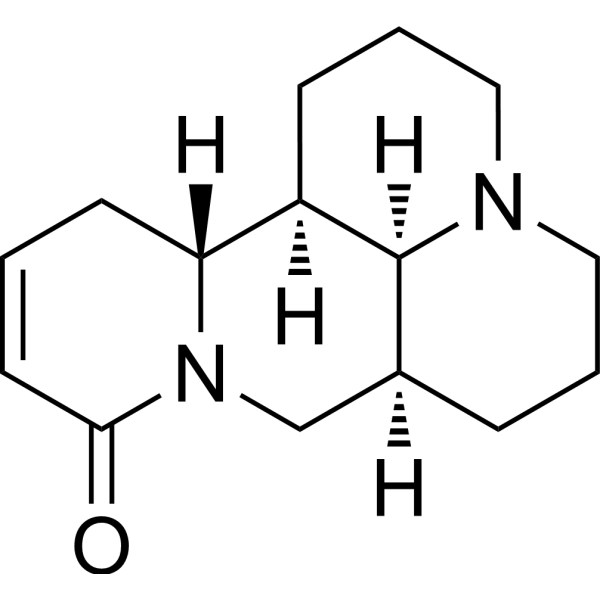
Sophocarpine is a PTEN activator and an inhibitor of PI3K/Akt, MEK/ERK, and NF-κB signaling pathways. Sophocarpine upregulates PTEN expression and inhibits PI3K/Akt phosphorylation, arrests tumor cell cycle and induces apoptosis. Sophocarpine inhibits MEK/ERK phosphorylation and VEGF secretion, reducing tumor cell migration. Sophocarpine can also inhibit NF-κB activation and p38 and JNK phosphorylation, reduce the expression of inflammatory factors such as iNOS and COX-2, and activate the Nrf2/HO-1 pathway to reduce oxidative stress. Sophocarpine has anti-tumor, anti-inflammatory, antioxidant and anti-apoptotic effects, and can be used in the research of cancers such as glioblastoma and colorectal cancer, inflammation-related diseases, and Doxorubicin (HY-15142A)-induced cardiac damage .
loading...
    loading...
12
12 Cited Publications
Cat. No.: HY-N0103A
CAS No.: 145572-44-7
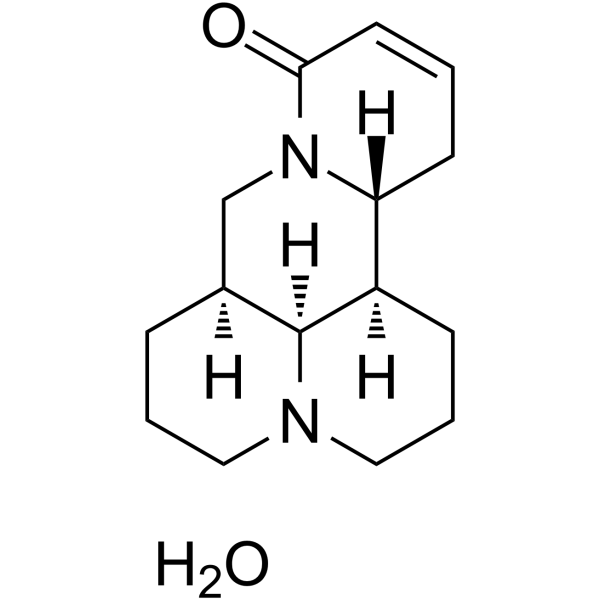
Sophocarpine monohydrate is a PTEN activator and an inhibitor of PI3K/Akt, MEK/ERK, and NF-κB signaling pathways. Sophocarpine monohydrate upregulates PTEN expression and inhibits PI3K/Akt phosphorylation, arrests tumor cell cycle and induces apoptosis. Sophocarpine monohydrate inhibits MEK/ERK phosphorylation and VEGF secretion, reducing tumor cell migration. Sophocarpine monohydrate can also inhibit NF-κB activation and p38 and JNK phosphorylation, reduce the expression of inflammatory factors such as iNOS and COX-2, and activate the Nrf2/HO-1 pathway to reduce oxidative stress. Sophocarpine monohydrate has anti-tumor, anti-inflammatory, antioxidant and anti-apoptotic effects, and can be used in the research of cancers such as glioblastoma and colorectal cancer, inflammation-related diseases, and Doxorubicin (HY-15142A)-induced cardiac damage .
loading...
    loading...
11
11 Cited Publications
Cat. No.: HY-N0270
CAS No.: 486-62-4
Synonyms: Ononoside; Formononetin 7-O-β-D-glucopyranoside
Ononin is an orally active isoflavone. Ononin inhibits the ERK/JNK/p38 and PI3K/Akt/mTOR pathways. Ononin regulates Apoptosis. Ononin has anti-tumor effects on laryngeal cancer and lung cancer. Ononin has neuroprotective effects. Ononin alleviates endoplasmic reticulum stress and diabetic nephropathy .
loading...
    loading...
11
11 Cited Publications
Cat. No.: HY-B0648
CAS No.: 520-85-4
Synonyms: 17α-Hydroxy-6α-methylprogesterone; U8840
Target:  

Progesterone Receptor

Research Areas:  

Endocrinology Cancer

Medroxyprogesterone (17α-Hydroxy-6α-methylprogesterone) is a synthetic human variant of progesterone that is a progesterone receptor agonist with oral activity. Medroxyprogesterone can induce cell proliferation through the PI3K/Akt signaling pathway. Medroxyprogesterone has an inhibitory effect on atherosclerosis in mice. The progesterone agonist activity of Medroxyprogesterone is less effective than Medroxyprogesterone acetate (HY-B0469) .
loading...
    loading...
11
11 Cited Publications
Cat. No.: HY-N2515
CAS No.: 494753-69-4
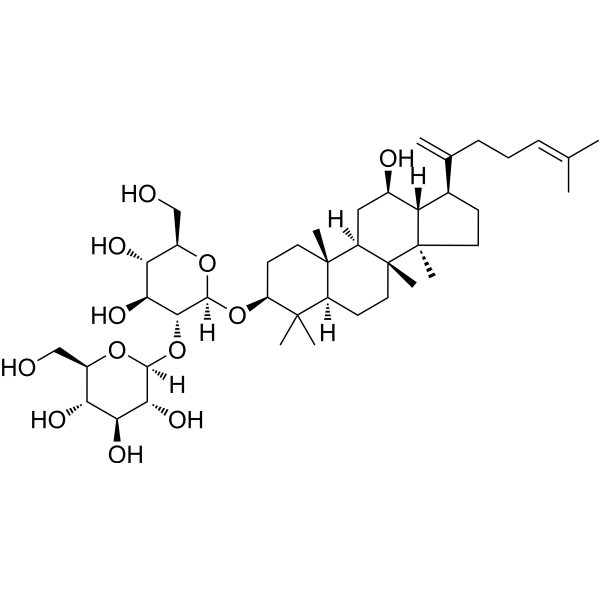
Ginsenoside Rk1 is a unique component created by processing the ginseng plant (mainly Sung Ginseng, SG) at high temperatures . Ginsenoside Rk1 has anti-inflammatory effect, suppresses the activation of Jak2/Stat3 signaling pathway and NF-κB . Ginsenoside Rk1 has anti-tumor effect, antiplatelet aggregation activities, anti-insulin resistance, nephroprotective effect, antimicrobial effect, cognitive function enhancement, lipid accumulation reduction and prevents osteoporosis . Ginsenoside Rk1 induces cell apoptosis by triggering intracellular reactive oxygen species (ROS) generation and blocking PI3K/Akt pathway .
loading...
    loading...
10
10 Cited Publications
Cat. No.: HY-N2037A
CAS No.: 11041-94-4
Synonyms: Norcoclaurine hydrochloride
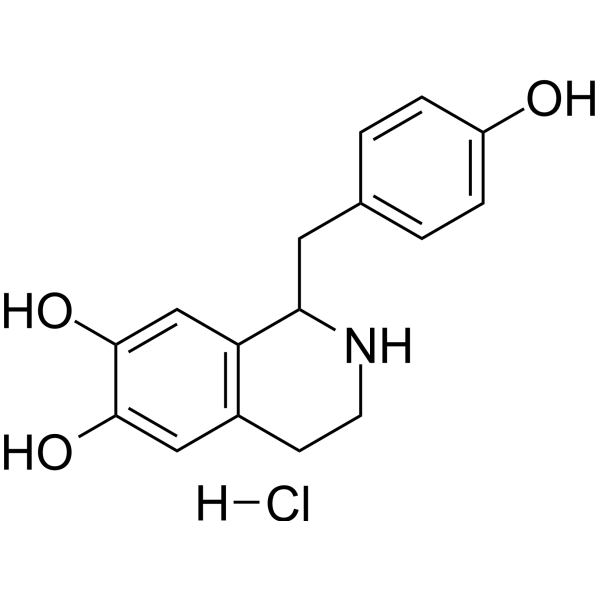
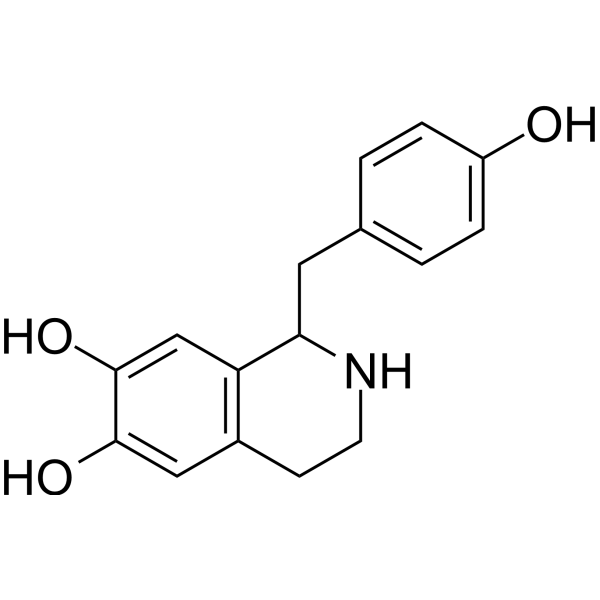
Higenamine hydrochloride is a selective LSD1 inhibitor (IC50=1.47 μM) that can be isolated from aconite. Higenamine hydrochloride has anti-inflammatory and antibacterial activity. Higenamine (Norcoclaurine) can attenuate IL-1β-induced Apoptosis through ROS-mediated PI3K/Akt signaling pathway. Higenamine hydrochloride protects brain cells from oxygen deprivation. Higenamine can promote bone formation in osteoporosis through the SMAD2/3 pathway. Higenamine hydrochloride can be used to study cancer, inflammation, cardiorenal syndrome and other diseases .
loading...
    loading...

