

533 Results for "

Pseudomonas chlororaphis O6

" in MedChemExpress (MCE) Product Catalog:
Products (533)

533 Results for "Pseudomonas chlororaphis O6" in MCE Product Catalog:

31
31 Cited Publications
Cat. No.: HY-113678
CAS No.: 1066-17-7
Synonyms: Polymyxin E
Target:  

Antibiotic Bacterial

Research Areas:  

Infection

Colistin is an orally active polypeptide antibiotic. Colistin has excellent activity against various Gram-negative rod-shaped bacteria, including multidrug-resistant Pseudomonas aeruginosa, Acinetobacter baumannii and Klebsiella pneumoniae. Colistin is associated with nephrotoxicity. Colistin can be used for the research of infections caused by Gram-negative bacilli .
loading...
    loading...
19
19 Cited Publications
Cat. No.: HY-B0441
CAS No.: 32986-56-4
Synonyms: Nebramycin Factor 6; Deoxykanamycin B
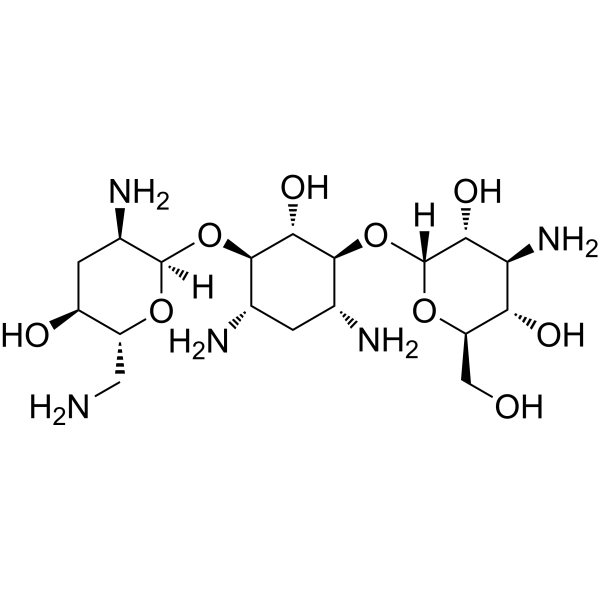
Tobramycin (Nebramycin Factor 6) is a parenterally administered, broad spectrum aminoglycoside antibiotic that is widely used in the treatment of moderate to severe bacterial infections due to sensitive organisms .Tobramycin can be used to pneumonia research caused by Pseudomonas aeruginosa .
loading...
    loading...
19
19 Cited Publications
Cat. No.: HY-B0441A
CAS No.: 49842-07-1
Synonyms: Nebramycin Factor 6 sulfate; Deoxykanamycin B sulfate
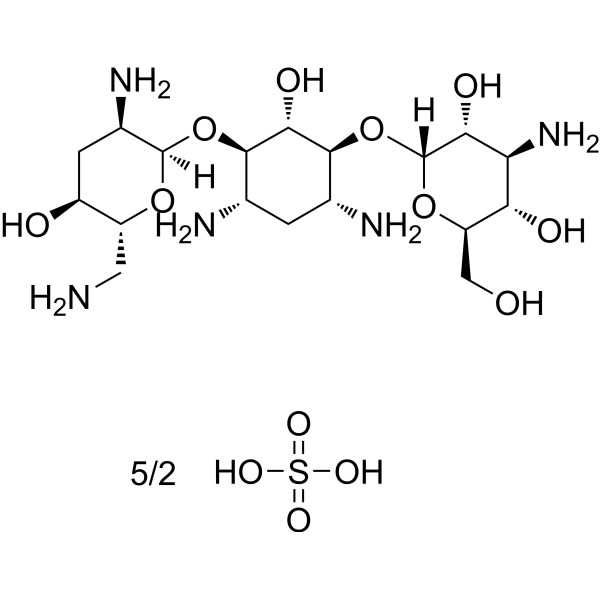
Tobramycin (Nebramycin Factor 6) sulfate is a parenterally administered, broad spectrum aminoglycoside antibiotic that is widely used in the treatment of moderate to severe bacterial infections due to sensitive organisms. Tobramycin sulfate can be used to pneumonia research caused by Pseudomonas aeruginosa .
loading...
    loading...
12
12 Cited Publications
Cat. No.: HY-B1232
CAS No.: 54-36-4
Synonyms: Su-4885
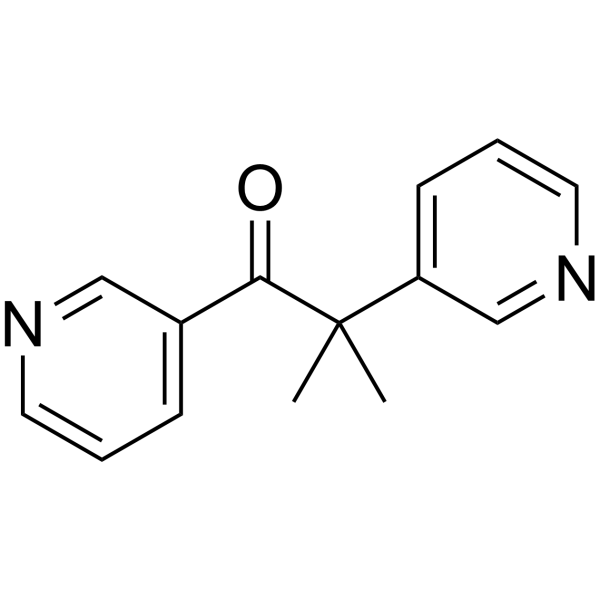
Metyrapone (Su-4885) is a potent and orally active 11β-hydroxylase inhibitor and an autophagy activator, also inhibits the production of aldosterone. Metyrapone inhibits synthesis of endogenous adrenal corticosteroid, decreases glucocorticoid levels, and also affects behavior and emotion. In addition, Metyrapone increases the efficiency of autophagic process via downregulation of mTOR pathway, and interacts with Pseudomonas putida cytochrome P-450. Metyrapone can be used for researching Cushing's syndrome and depression .
loading...
    loading...
7
7 Cited Publications
Cat. No.: HY-A0076
CAS No.: 161715-21-5
Synonyms: LJC 11036
Target:  

Bacterial Antibiotic

Research Areas:  

Infection

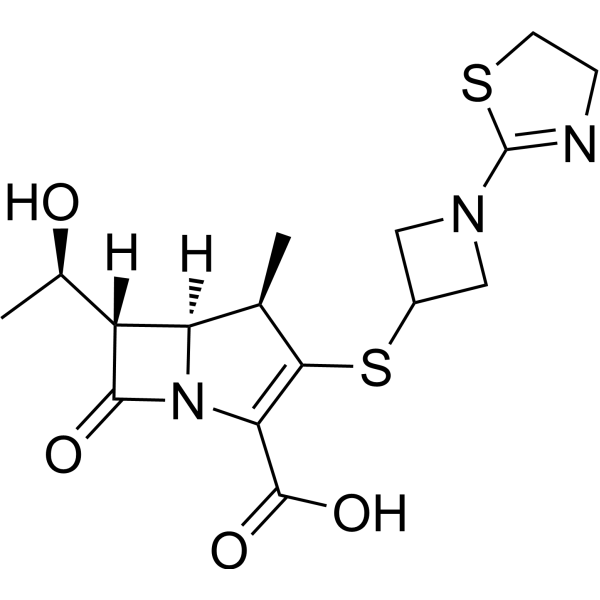
Tebipenem is an orally available carbapenem antibiotic, shows broad-spectrum activity against Gram-positive and -negative bacteria, except for Pseudomonas aeruginosa.
loading...
    loading...
7
7 Cited Publications
Cat. No.: HY-100577
CAS No.: 29457-07-6
Purity:  98.42%
Target:  

Bacterial Antibiotic

Research Areas:  

Infection

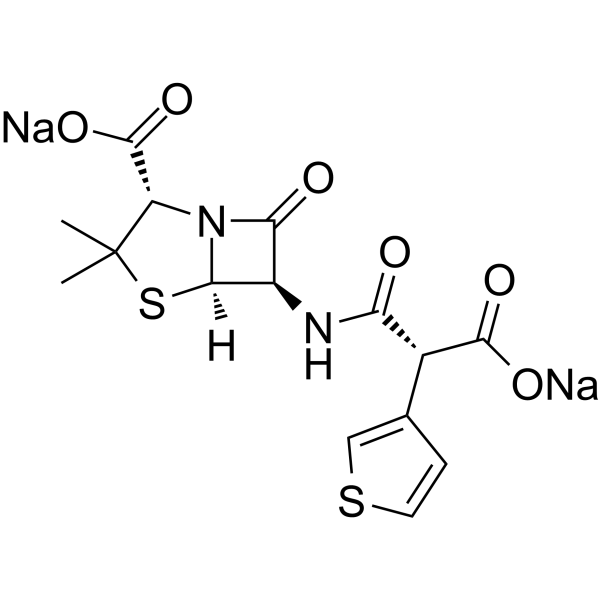
Ticarcillin sodium is an injectable antibiotic for the treatment of Gram-negative bacteria, particularly Pseudomonas aeruginosa. It is also one of the few antibiotics capable of treating Stenotrophomonas maltophilia infections .
loading...
    loading...
7
7 Cited Publications
Cat. No.: HY-P1028
CAS No.: 673202-67-0
Synonyms: Furin Inhibitor II
Target:  

Bacterial

Research Areas:  

Infection

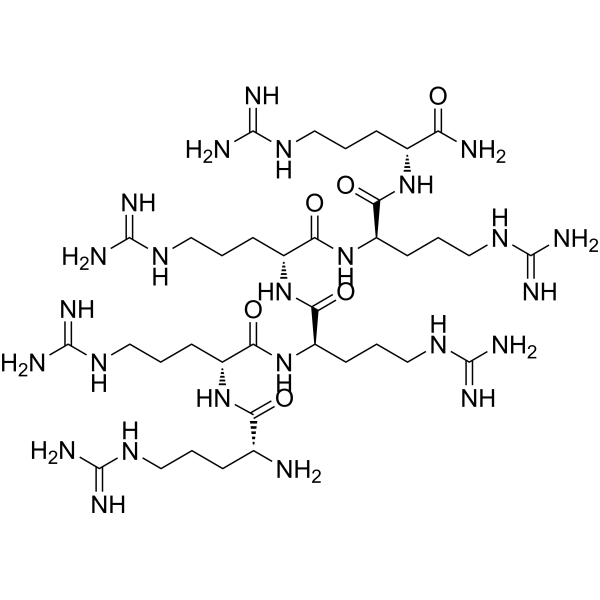
Hexa-D-arginine (Furin Inhibitor II) is a stable furin inhibitor with Ki values 106 nM, 580 nM and 13.2 μM for furin, PACE4 and prohormone convertase-1 (PC1), respectively. Hexa-D-arginine blocks Pseudomonas exotoxin A and anthrax toxins toxicity in vitro and in vivo .
loading...
    loading...
7
7 Cited Publications
Cat. No.: HY-P1028A
CAS No.: 958204-56-3
Synonyms: Furin Inhibitor II TFA
Target:  

Bacterial

Research Areas:  

Infection

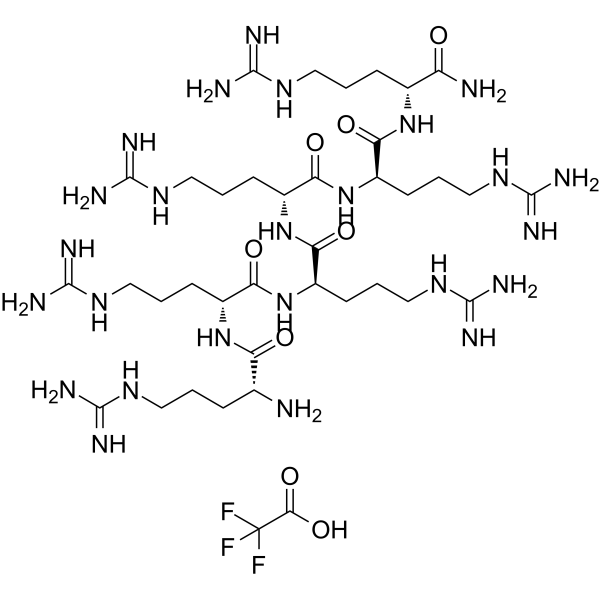
Hexa-D-arginine TFA (Furin Inhibitor II TFA) is a stable furin inhibitor with Ki values 106 nM, 580 nM and 13.2 μM for furin, PACE4 and prohormone convertase-1 (PC1), respectively. Hexa-D-arginine TFA blocks Pseudomonas exotoxin A and anthrax toxins toxicity in vitro and in vivo .
loading...
    loading...
5
5 Cited Publications
Cat. No.: HY-139056
CAS No.: 2210228-45-6
Purity:  99.96%
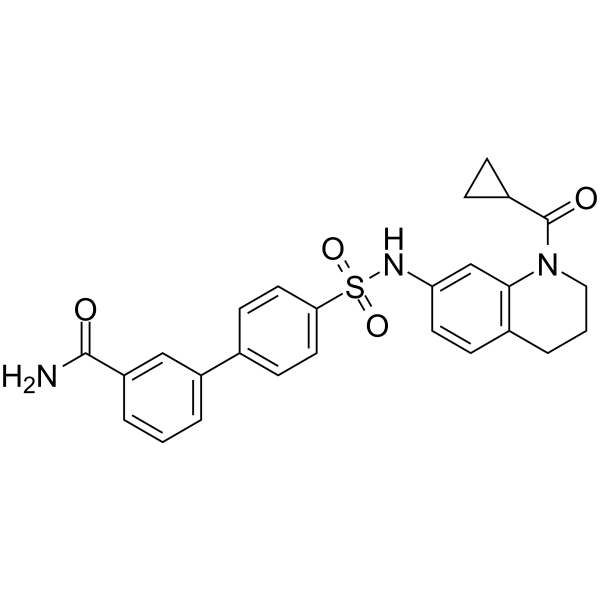
SU0268 is a potent and specific inhibitor of 8-Oxoguanine DNA glycosylase 1 (OGG1). SU0268 regulates inflammatory responses during Pseudomonas aeruginosa infection .
loading...
    loading...
4
4 Cited Publications
Cat. No.: HY-B1159
CAS No.: 4008-48-4
Synonyms: 8-Hydroxy-5-nitroquinoline; 5-Nitro-8-quinolinol
Research Areas:  

Infection Cancer

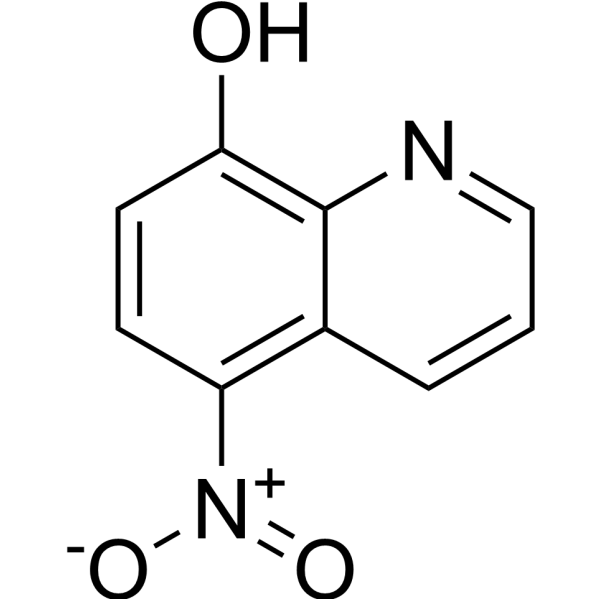
Nitroxoline (8-Hydroxy-5-nitroquinoline), an antibiotic, is an orally active antibiofilm agent. Nitroxoline reduces the formation and induces the dispersal of Pseudomonas aeruginosa biofilms by chelation of iron and zinc. Nitroxoline can be used for the urinary tract infections and cancer research .
loading...
    loading...
3
3 Cited Publications
Cat. No.: HY-111278
CAS No.: 85-66-5
Purity:  99.23%
Synonyms: Pyocyanine; Sanazin; Sanasin
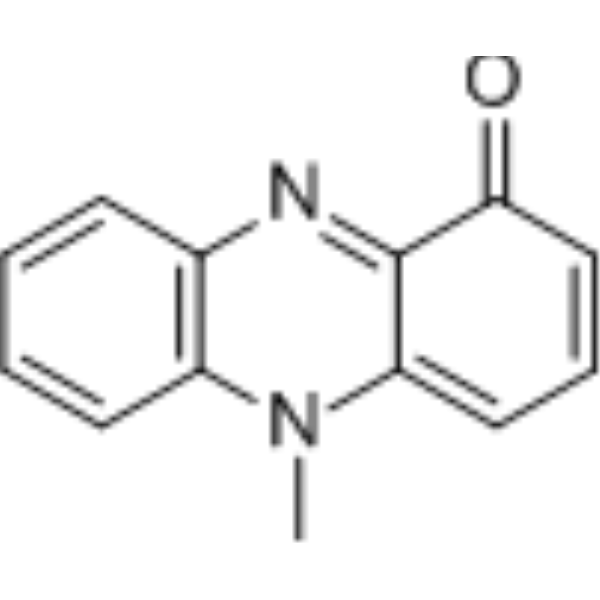
Pyocyanin (Pyocyanine) is a toxic, quorum sensing (QS) controlled metabolite produced by Pseudomonas aeruginosa. Pyocyanin is a REDOX active compound that promotes the production of reactive oxygen species (ROS). Pyocyanin has antibacterial and anti-inflammatory activity .
loading...
    loading...
3
3 Cited Publications
Cat. No.: HY-114816
CAS No.: 67605-85-0
Purity:  98.77%
Synonyms: C4-HSL; N-Butyryl-L-homoserine lactone
Target:  

ADC Linkers Bacterial

Research Areas:  

Infection Inflammation/Immunology

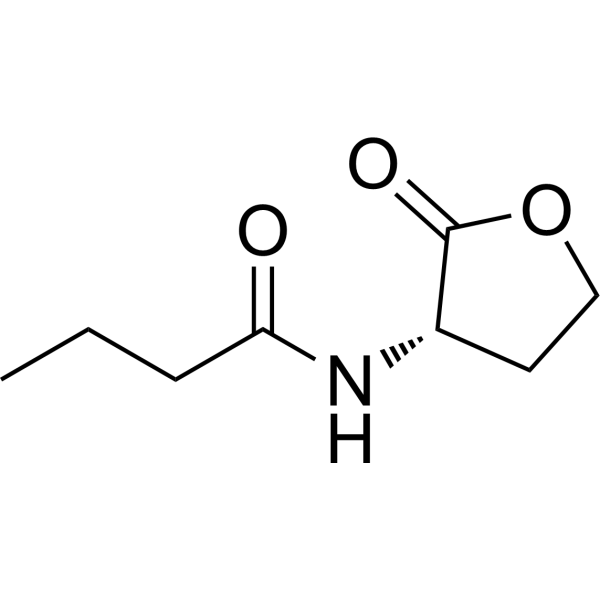
N-Butanoyl-L-homoserine lactone (C4-HSL) is a cleavable ADC linker used in the synthesis of antibody-drug conjugates (ADCs). N-Butanoyl-L-homoserine lactone has antibacterial activity and is used in antibacterial biofilm . N-Butanoyl-L-homoserine lactone aptamers blocks qurom sensing and inhibits biofilm formation in Pseudomonas aeruginosa .
loading...
    loading...
3
3 Cited Publications
Cat. No.: HY-B0147
CAS No.: 70458-92-3
Synonyms: Pefloxacinium
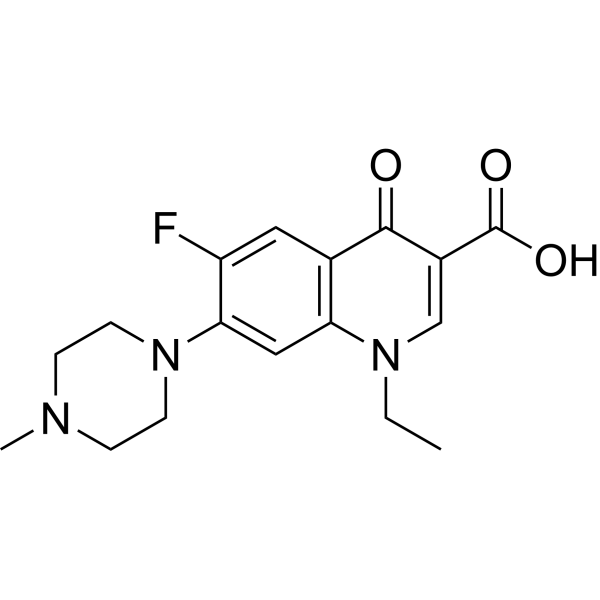
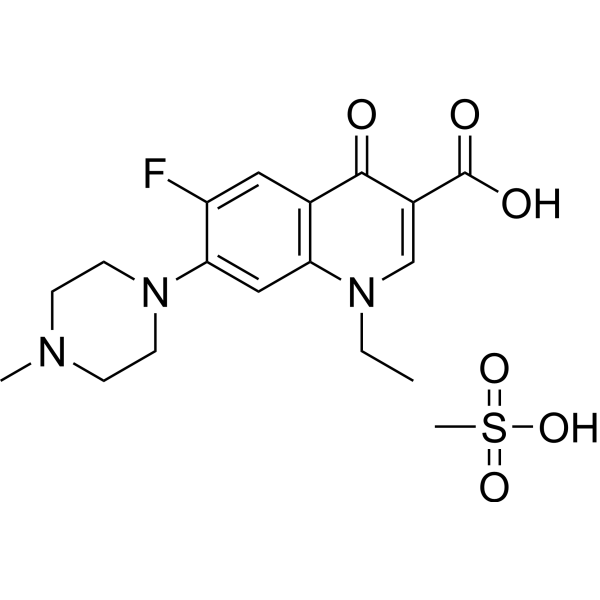
Pefloxacin (Pefloxacinium) is a broad spectrum antibiotic. Pefloxacin blocks DNA replication by inhibiting DNA gyrase. Pefloxacin inhibits DNA relaxation catalyzed by topoisomerase I with an IC50 of 45 μg/mL. Pefloxacin exhibits antibacterial activity against Escherichia coli, Pseudomonas aeruginosa, and Bacteroides fragilis with MIC90s of 0.12, 4, and 16 mg/L, respectively. Pefloxacin has anti-Plasmodium yoelii infection activity. Pefloxacin increase UVA-induced edema and immunesuppression. Pefloxacin can be used for infection studies .
loading...
    loading...
3
3 Cited Publications
Cat. No.: HY-B0147A
CAS No.: 70458-95-6
Synonyms: Pefloxacinium mesylate
Pefloxacin (Pefloxacinium) mesylate is a broad spectrum antibiotic. Pefloxacin blocks DNA replication by inhibiting DNA gyrase. Pefloxacin mesylate inhibits DNA relaxation catalyzed by topoisomerase I with an IC50 of 45 μg/mL. Pefloxacin mesylate exhibits antibacterial activity against Escherichia coli, Pseudomonas aeruginosa, and Bacteroides fragilis with MIC90s of 0.12, 4, and 16 mg/L, respectively. Pefloxacin mesylate has anti-Plasmodium yoelii infection activity. Pefloxacin mesylate increase UVA-induced edema and immunesuppression. Pefloxacin mesylate can be used for infection studies .
loading...
    loading...
3
3 Cited Publications
Cat. No.: HY-B0147B
CAS No.: 149676-40-4
Synonyms: Pefloxacinium mesylate dihydrate
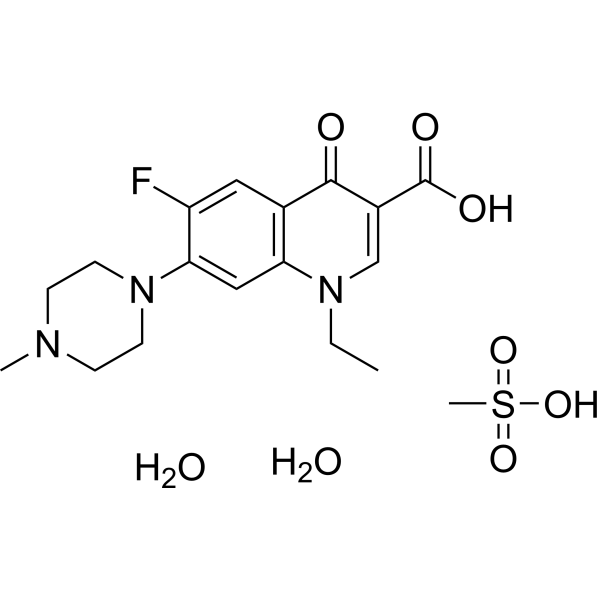
Pefloxacin (Pefloxacinium) mesylate dihydrate is a broad spectrum antibiotic. Pefloxacin mesylate dihydrate blocks DNA replication by inhibiting DNA gyrase. Pefloxacin mesylate dihydrate inhibits DNA relaxation catalyzed by topoisomerase I with an IC50 of 45 μg/mL. Pefloxacin mesylate dihydrate exhibits antibacterial activity against Escherichia coli, Pseudomonas aeruginosa, and Bacteroides fragilis with MIC90s of 0.12, 4, and 16 mg/L, respectively. Pefloxacin mesylate dihydrate has anti-Plasmodium yoelii infection activity. Pefloxacin mesylate dihydrate increase UVA-induced edema and immunesuppression. Pefloxacin mesylate dihydrate can be used for infection studies .
loading...
    loading...
2
2 Cited Publications
Cat. No.: HY-128200
CAS No.: 108985-27-9
Purity:  99.84%
Synonyms: PQS
Target:  

Bacterial

Research Areas:  

Infection Inflammation/Immunology

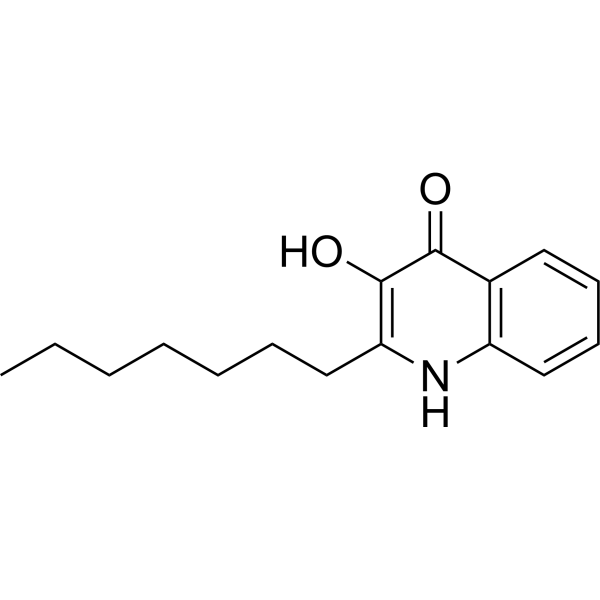
Pseudomonas quinolone signal (PQS) is a quorum-sensing signaling molecule produced by Pseudomonas aeruginosa. The synthesis of Pseudomonas quinolone signal relies on the las quorum-sensing system, and its biological activity is associated with the rhl system. Pseudomonas quinolone signal regulates the expression of the virulence gene lasB. Additionally, Pseudomonas quinolone signal plays roles in iron acquisition, cytotoxicity, outer-membrane vesicle biogenesis, and host immune modulation .
loading...
    loading...
2
2 Cited Publications
Cat. No.: HY-B0343
CAS No.: 98105-99-8
Synonyms: A-56620
Target:  

Bacterial

Research Areas:  

Infection Inflammation/Immunology

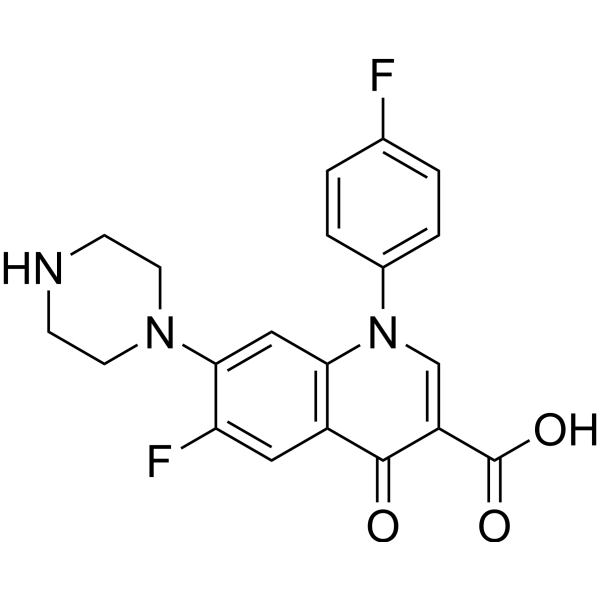
Sarafloxacin (A-56620) is a fluoroquinolone Antibacterial agent. Sarafloxacin inhibits the growth of Staphylococcus aureus, Enterobacteriaceae, and both aminoglycoside-sensitive and aminoglycoside-resistant strains of Pseudomonas aeruginosa .
loading...
    loading...
2
2 Cited Publications
Cat. No.: HY-B0343A
CAS No.: 91296-87-6
Synonyms: A-56620 hydrochloride
Target:  

Bacterial

Research Areas:  

Infection Inflammation/Immunology

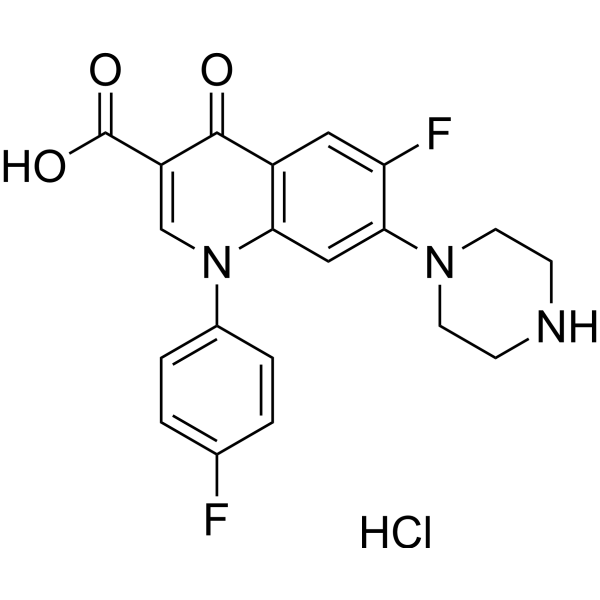
Sarafloxacin hydrochloride (A-56620 hydrochloride) is a fluoroquinolone Antibacterial agent. Sarafloxacin inhibits the growth of Staphylococcus aureus, Enterobacteriaceae, and both aminoglycoside-sensitive and aminoglycoside-resistant strains of Pseudomonas aeruginosa .
loading...
    loading...
2
2 Cited Publications
Cat. No.: HY-105284
CAS No.: 120788-07-0
Purity:  99.70%
Synonyms: CP-70429
Research Areas:  

Infection

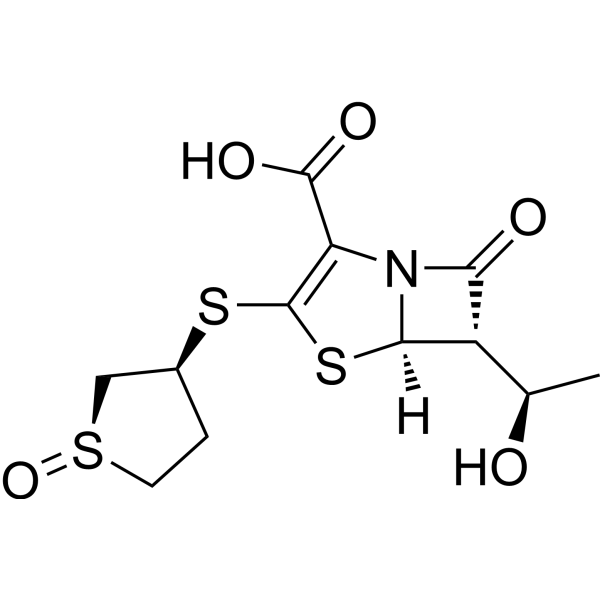
Sulopenem (CP-70429) is an orally active, parenteral penem antibiotic with broad-spectrum activities against Gram-positive and Gram-negative bacteria. Sulopenem has the potential for urinary tract infections and intra-abdominal infections treatment. Sulopenem is inactive against Pseudomonas aeruginosa and Xanthomonas maltophilia .
loading...
    loading...
2
2 Cited Publications
Cat. No.: HY-P2838
CAS No.: 9025-13-2
Synonyms: Creatinine amidohydrolase; CAH
Research Areas:  

Metabolic Disease

Creatininase, Microorganism (Creatinine amidohydrolase; CAH), namely creatinine amidohydrolase, from Pseudomonas putida, is a homohexameric enzyme commonly used in biochemical research. Creatininase acts on carbon-nitrogen bonds other than peptide bonds, and can catalyze the hydrolysis of creatinine to creatine, which can then be metabolized by creatinase to urea and sarcosine .
loading...
    loading...

