1. Search Result
Search Result
Results for "

Radiation

" in MedChemExpress (MCE) Product Catalog:

186

Inhibitors & Agonists

5

Screening Libraries

1

Fluorescent Dye

4

Biochemical Assay Reagents

20

Peptides

4

Inhibitory Antibodies

36

Natural
Products

8

Isotope-Labeled Compounds

1

Antibodies

5

Oligonucleotides

Cat. No. Product Name Target Research Areas Chemical Structure
  • HY-113485
    Melanin
    1 Publications Verification

    Endogenous Metabolite Others
    Melanin is a unique pigment with myriad functions. It is multifunctional, providing defense against environmental stresses such as ultraviolet (UV) light, oxidizing agents and ionizing radiation.
    Melanin
  • HY-164388
    Z-VAD
    15+ Cited Publications

    Caspase Apoptosis Autophagy Necroptosis Cardiovascular Disease Cancer
    Z-VAD is an irreversible, broad-spectrum pan-caspase inhibitor that can inhibit a variety of caspases including caspase-3, -6, -7, -8, -9, etc. (with a weaker inhibitory effect on caspase-2). Z-VAD can block apoptosis signaling pathways, induce autophagy and necrosis in tumor cells, and has anti-angiogenic activity. Z-VAD can enhance the sensitivity of breast cancer and lung cancer cells to radiotherapy in vitro and in vivo, and prolong the growth delay of tumor xenograft models. Z-VAD is well tolerated and is mainly used in research related to cancer radiosensitization and cell death pathway regulation .
    Z-VAD
  • HY-150218
    Agatolimod sodium
    1 Publications Verification

    ODN 2006 sodium; ODN 7909 sodium; PF-3512676 sodium; CpG 7909 sodium

    Toll-like Receptor (TLR) Cancer
    Agatolimod sodium (ODN 2006) is a class B CpG ODN and is a TLR9 agonist. Agatolimod sodium can be used as vaccine adjuvant. Agatolimod sodium can be used for the research of cancer. Sequence: 5’-TCGTCGTTTTGTCGTTTTGTCGTT-3’ .
    Agatolimod sodium
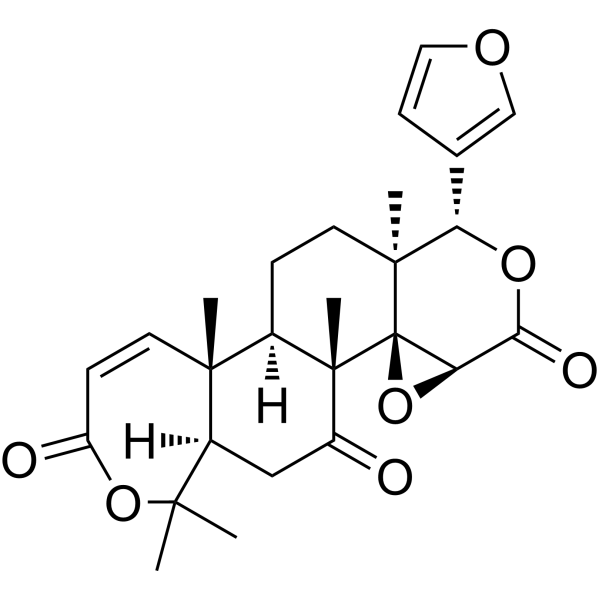
  • HY-N0428
    Obacunone
    4 Publications Verification

    Apoptosis Cancer
    Obacunone is a highly oxidized triterpenoid limonoid isolated from citrus plants. Obacunone exerts its anticancer effects by inducing apoptosis. Obacunone also protects retinal pigment epithelial (RPE) cells from ultraviolet (UV) radiation (UVR)-induced oxidative damage .
    Obacunone
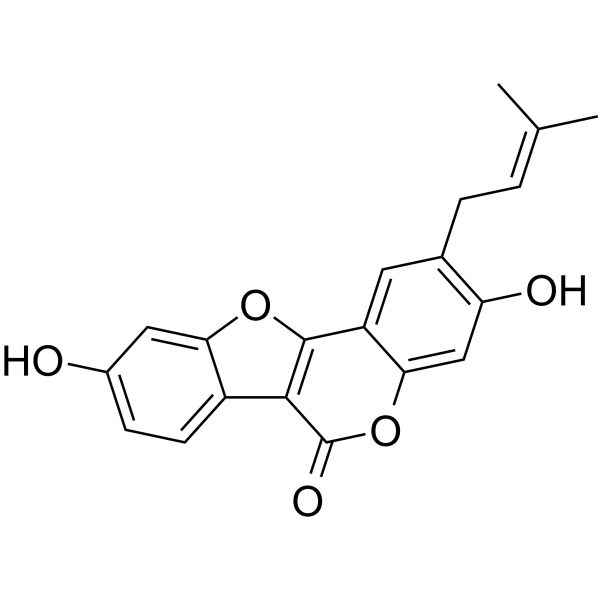
  • HY-N0232
    Psoralidin
    5 Publications Verification

    COX Lipoxygenase Notch Reactive Oxygen Species (ROS) Bacterial Cancer
    Psoralidin is a dual inhibitor of COX-2 and 5-LOX, regulates ionizing radiation (IR)-induced pulmonary inflammation.Anti-cancer, anti-bacterial, and anti-inflammatory properties . Psoralidin significantly downregulates NOTCH1 signaling. Psoralidin also greatly induces ROS generation .
    Psoralidin
  • HY-129064

    SOD

    SOD Inflammation/Immunology Cancer
    Superoxide dismutase, Porcine erythrocytes (SOD) is the only antioxidant enzyme that scavenges the superoxide anion by converting this free radical to oxygen and hydrogen peroxide, thus preventing peroxynitrite production and further damage. Superoxide dismutase, Porcine erythrocytes is extensively researched and used in anti-inflammatory, antitumor, radiation protection, and antisenility applications .
    Superoxide dismutase, Porcine erythrocytes
  • HY-B0002A

    GR 38032 hydrochloride dihydrate; SN 307 hydrochloride dihydrate

    5-HT Receptor Neurological Disease
    Ondansetron (GR 38032; SN 307) hydrochloride dehydrate is a highly selective 5-HT3 receptor antagonist with an IC50 value of 103 pM. Ondansetron hydrochloride dehydrate exerts its antiemetic effect by antagonizing 5-HT receptors located in localized neurons in the peripheral and central nervous systems. Ondansetron hydrochloride dehydrate can inhibit nausea and vomiting induced by chemotherapy and radiotherapy .
    Ondansetron hydrochloride dihydrate
  • HY-12456

    Antibiotic ADC Payload DNA Alkylator/Crosslinker Necroptosis Apoptosis Cancer
    Duocarmycin SA is an orally active antitumor antibiotic with an IC50 of 10 pM . Duocarmycin SA is an extremely potent cytotoxic agent capable of inducing a sequence-selective alkylation of duplex DNA. Duocarmycin SA demonstrates synergistic cytotoxicity against glioblastoma multiforme (GBM) cells treated with proton radiation in vitro .
    Duocarmycin SA
  • HY-171006
    IRF1-IN-1
    1 Publications Verification

    Caspase PARP Pyroptosis Interleukin Related IFNAR Infection Inflammation/Immunology
    IRF1-IN-1 (Compound I-2) is an IRF1 inhibitor. IRF1-IN-1 decreases the recruitment of IRF1 to the promoter of CASP1. IRF1-IN-1 inhibits cell death signaling pathway (i.e., cleavage of Caspase 1, GSDMD, IL-1 and PARP1). IRF1-IN-1 has a protective effect on ionizing radiation-induced inflammatory skin injury .
    IRF1-IN-1
  • HY-P990685

    Cyclin G-associated Kinase (GAK) Cardiovascular Disease
    Romiplostim is an Fc-peptide fusion protein mimetic of TPO (thrombopoietin protein) and also a c-Mpl agonist. Romiplostim binds to c-Mpl, stimulates megakaryocyte-mediated thrombopoiesis, and activates the same downstream signaling pathways as endogenous TPO. Romiplostim is applicable to research related to hematopoietic acute radiation syndrome and chronic immune thrombocytopenia .
    Romiplostim
  • HY-113008
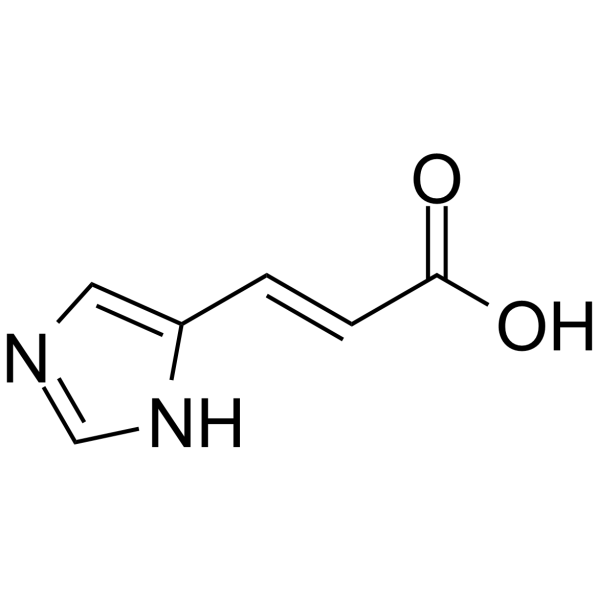
    Urocanic acid
    2 Publications Verification

    Endogenous Metabolite Cancer
    Urocanic acid, produced in the upper layers of mammalian skin, is a major absorber of ultraviolet radiation (UVR).
    Urocanic acid
  • HY-13619
    Efaproxiral
    1 Publications Verification

    RSR13

    Hemoglobin Infection Cancer
    Efaproxiral (RSR13) is a haemoglobin (Hb) synthetic allosteric modifier. Efaproxiral decreases Hb-oxygen (O2) binding affinity and enhances oxygenation of hypoxic tumours during radiation therapy .
    Efaproxiral
  • HY-N2099
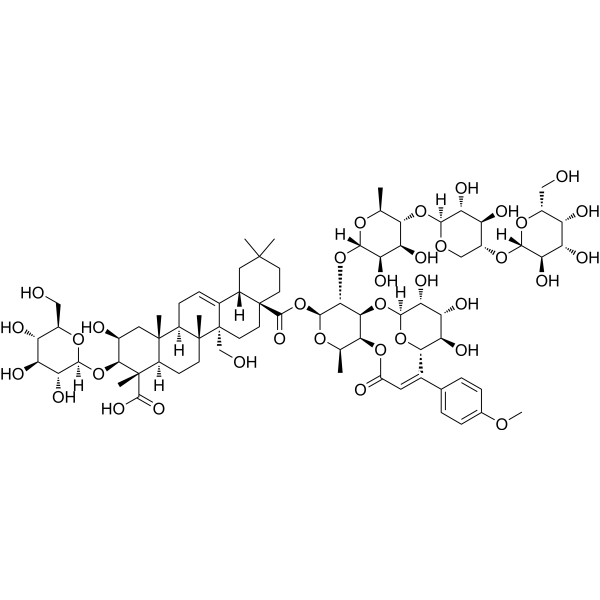
    Onjisaponin B
    2 Publications Verification

    Senegin III

    Autophagy Amyloid-β Caspase NF-κB Apoptosis Neurological Disease Metabolic Disease Inflammation/Immunology
    Onjisaponin B is an orally active natural product derived from Polygala tenuifolia. Onjisaponin B inhibits NF-κB p65. Onjisaponin B enhances autophagy and accelerates the degradation of mutant α-synuclein and huntingtin. Onjisaponin B reduces β-amyloid (Aβ) production. Onjisaponin B reduces radiation-induced cell apoptosis. Onjisaponin B has anti-oxidant and anti-inflammatory activities. Onjisaponin B can be used for neurological disease and radiation injury study, and its metabolite tenuifolin (TF) can enter the brain through the BBB .
    Onjisaponin B
  • HY-N7079

    D-Isoascorbic acid; D-Araboascorbic acid

    Environmental Pollutants Biochemical Assay Reagents Bacterial Cardiovascular Disease Metabolic Disease
    Erythorbic acid is an orally active compound. Erythorbic acid improves the radiation resistance of Listeria monocytogenes. Erythorbic acid can react with free radicals and reduce oxidative damage. Erythorbic acid has weak antiscorbic activity. Erythorbic acid can prevent oxidative discoloration in meat products .
    Erythorbic acid
  • HY-111940

    Raf p38 MAPK ERK Inflammation/Immunology
    LUT014 is a topical inhibitor targeting BRAF that cannot pass through the blood-brain barrier. LUT014 inhibits BRAF kinase and abnormally activates the MAPK/ERK signaling pathway, promoting the proliferation of epidermal keratinocytes, repairing skin barrier damage caused by radiation damage, and alleviating inflammatory responses. LUT014 is independent of RAS signaling and accelerates the repair and regeneration of damaged skin cells. LUT014 can be used to study radiation dermatitis, especially skin damage caused by breast cancer radiotherapy .
    LUT014
  • HY-N7079A

    D-Isoascorbic acid sodium; D-Araboascorbic acid sodium

    Environmental Pollutants Biochemical Assay Reagents Bacterial Cardiovascular Disease Metabolic Disease
    Sodium erythorbate is an orally active sodium salt form of isoascorbic acid. Sodium erythorbate improves the radiation resistance of Listeria monocytogenes. Sodium erythorbate can react with free radicals and reduce oxidative damage. Sodium erythorbate has weak antiscorbic activity. Sodium erythorbate can prevent oxidative discoloration in meat products .
    Sodium erythorbate
  • HY-171007
    IRF1-IN-2
    1 Publications Verification

    Caspase PARP Pyroptosis Interleukin Related Glutathione Peroxidase IFNAR Infection Inflammation/Immunology
    IRF1-IN-2 (Compound I-19) is an IRF1 inhibitor. IRF1-IN-2 decreases the recruitment of IRF1 to the promoter of CASP1. IRF1-IN-2 inhibits cell death signaling pathway (i.e., cleavage of Caspase 1, GSDMD, IL-1 and PARP1; inhibits the Pho of TKB1, upregulates GPX4 and downregulates FACL4). IRF1-IN-2 has a protective effect on ionizing radiation-induced inflammatory skin injury .
    IRF1-IN-2
  • HY-147389
    Enpp-1-IN-14
    1 Publications Verification

    Phosphodiesterase (PDE) Cancer
    Enpp-1-IN-14 (Compound 015) is a potent Ectonucleotide Pyrophosphatase/Phosphodiesterase-1 (ENPP1) inhibitor with an IC50 value of 32.38 nM for recombinant human ENPP-1. Enpp-1-IN-14 has anti-tumor activity .
    Enpp-1-IN-14
  • HY-N0307

    Bcl-2 Family NF-κB DNA/RNA Synthesis Apoptosis Cardiovascular Disease Neurological Disease
    Ciwujianoside B is an orally active, blood-brain barrier penetrable radioprotective agent and memory enhancer. Ciwujianoside B reduces radiation-induced DNA damage, cell cycle arrest and apoptosis, downregulates NF-κB and the Bax/Bcl-2 ratio, and enhances the proliferative capacity of bone marrow cells. Ciwujianoside B enhances object recognition memory in normal mice and induces dendritic extension in primary cultured cortical neurons. Ciwujianoside B can be used in studies related to hematopoietic system radiation injury and memory enhancement .
    Ciwujianoside B
  • HY-15044

    PARP Neurological Disease Cancer
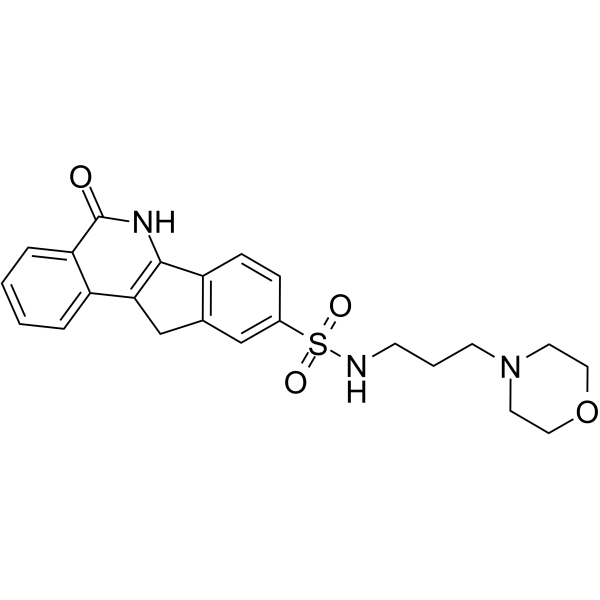
    NU1025 is a potent PARP inhibitor with an IC50 of 400 nM and a Ki of 48 nM. NU1025 potentiates the cytotoxicity of ionizing radiation and anticancer agents. NU1025 has anti-cancer and neuroprotective activity .
    NU1025
  • HY-16182
    Ecamsule
    1 Publications Verification

    Biochemical Assay Reagents Others
    Ecamsule is a broad-spectrum UVA filter that can be used in sunscreen product. Ecamsule reduces biological damage caused by solar radiation such as pyrimidine dimer formation, p53 protein accumula-tion, or collagenase 2 expression. Ecamsule has the potential for the research of polymorphous light eruption (PMLE) .
    Ecamsule
  • HY-126359

    SLPC; 18:0-18:2 PC

    Endogenous Metabolite Cardiovascular Disease Metabolic Disease
    1-Stearoyl-2-linoleoyl-sn-glycero-3-phosphocholine (SLPC; 18:0-18:2 PC) is an endogenous phospholipid marker molecule in the glycerophospholipid metabolic pathway. 1-Stearoyl-2-linoleoyl-sn-glycero-3-phosphocholine is a core component of the phospholipid bilayer of biological membranes and a key responsive lipid for radiation injury and cardiometabolic diseases. 1-Stearoyl-2-linoleoyl-sn-glycero-3-phosphocholine constitutes the phospholipid bilayers of cell membranes and high-density lipoprotein (HDL), and regulates the core activity of lipoprotein functional homeostasis. The content of 1-Stearoyl-2-linoleoyl-sn-glycero-3-phosphocholine in mouse serum shows a significant dose-dependent decrease with increasing ionizing radiation dose, and its level in human HDL also decreases significantly in metabolic syndrome. 1-Stearoyl-2-linoleoyl-sn-glycero-3-phosphocholine can serve as a biological dosimeter marker for ionizing radiation injury, and is used for rapid and accurate assessment of radiation absorbed dose in exposed individuals. 1-Stearoyl-2-linoleoyl-sn-glycero-3-phosphocholine can also act as a lipidomics research target for cardiometabolic diseases such as lipid metabolic syndrome and early-onset coronary heart disease .
    1-Stearoyl-2-linoleoyl-sn-glycero-3-phosphocholine
  • HY-130574

    BMX-010 chloride

    Reactive Oxygen Species (ROS) Cancer
    MnTE-2-PyP (BMX-010) chloride is a ROS scavenger and potent radioprotector. MnTE-2-PyP also is a manganese porphyrin, protects normal prostate tissue from radiation damage. MnTE-2-PyP can be used for the research of diabetic prostate cancer .
    MnTE-2-PyP chloride
  • HY-15620
    Methylproamine
    1 Publications Verification

    DNA/RNA Synthesis Others
    Methylproamine is a DNA-binding radioprotector, acts by repair of transient radiation-induced oxidative species on DNA. Methylproamine also protects against ionizing radiation by preventing DNA double-strand breaks .
    Methylproamine
  • HY-114289
    6-HEX
    1 Publications Verification

    Fluorescent Dye Others
    6-HEX is one kind of light base group, the wave length is 532 nm, the wave length is 556 nm. 6-HEX can be used to record nucleic acid sequences and design optical materials. 6-HEX can be used to record nucleic acids at 543 nm radiation, and at 550 nm and 650 nm radiation (5 nm radiation), it can be used to directly locate the base of the cell group .
    6-HEX
  • HY-15045
    INO-1001
    2 Publications Verification

    PARP Cancer
    INO-1001 is a potent and selective poly (ADP-ribose) polymerase (PARP) inhibitor. INO-1001 is a potent enhancer of radiation sensitivity and enhances radiation-induced cell killing by interfering with DNA repair mechanisms, resulting in necrotic cell death . INO-1001 has anti-tumor effects .
    INO-1001
  • HY-13619A
    Efaproxiral sodium
    1 Publications Verification

    RSR13 sodium

    Hemoglobin Infection Cancer
    Efaproxiral (RSR13) sodium is a haemoglobin (Hb) synthetic allosteric modifier. Efaproxiral sodium decreases Hb-oxygen (O2) binding affinity and enhances oxygenation of hypoxic tumours during radiation therapy .
    Efaproxiral sodium
  • HY-16349
    Nimorazole
    1 Publications Verification

    K-1900

    Parasite Antibiotic Infection Cancer
    Nimorazole (K-1900), a 2-nitroimidazole, is a hypoxic cell-radiation sensitizer. Nimorazole has anti-infective and anti-protozoal against trichomoniasis. Nimorazole has the potential for head and neck cancer .
    Nimorazole
  • HY-16182A
    Ecamsule disodium
    1 Publications Verification

    Biochemical Assay Reagents Others
    Ecamsule disodium is a broad-spectrum UVA filter that can be used in sunscreen product. Ecamsule reduces biological damage caused by solar radiation such as pyrimidine dimer formation, p53 protein accumula-tion, or collagenase 2 expression .
    Ecamsule disodium
  • HY-117779
    DBIBB
    2 Publications Verification

    Apoptosis Endocrinology
    DBIBB is a specific nonlipid agonist of the type 2 G protein coupled receptor for lysophosphatidic acid (LPA2). DBIBB mitigates the gastrointestinal radiation syndrome, increases intestinal crypt survival and enterocyte proliferation, and reduces apoptosis. DBIBB represents a agent candidate capable of mitigating acute radiation syndrome caused by high-dose γ-radiation to the hematopoietic and gastrointestinal system .
    DBIBB
  • HY-113266
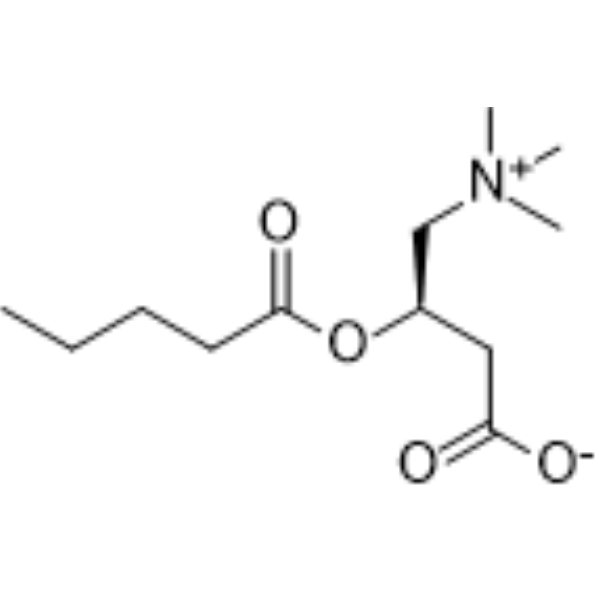
    Valerylcarnitine
    2 Publications Verification

    Endogenous Metabolite Metabolic Disease
    Valerylcarnitine is an endogenous metabolite, belonging to the short-chain acylcarnitines. Valerylcarnitine acts as a metabolomic biomarker for ionizing radiation exposure in nonhuman primates. Valerylcarnitine can be used for the research of type 1 diabetes .
    Valerylcarnitine
  • HY-154844

    Biochemical Assay Reagents Cancer
    FAP Ligand 1 (FL), a high-affinity FAP small-molecule ligand, is used to target attached drugs to FAP-expressing fibroblasts and can be used in radiation imaging studies of targeted cancers .
    FAP Ligand 1
  • HY-114340

    Histone Methyltransferase Apoptosis Cancer
    LEM-14 is a potent and selective NSD2 inhibitor with an IC50 of 132 µM. LEM-14 has very weak activitv against NSD1 and has no activity against NSD3. LEM-14 inhibits fibrotic gene expression in ND but not DIO BMDMs. LEM-14 combined with ionizing radiation (IR) enhances the apoptosis rate and reduces the colony-formation ability of CRC cells. LEM-14 exhibits enhanced anti-tumor efficacy in Balb/c nude mice bearing LoVo cell xenografts when combined with ionizing radiation. LEM-14 has the potential for the research of multiple myeloma and colorectal cancer .
    LEM-14
  • HY-139381

    MitoPeroxidase 2

    Apoptosis Metabolic Disease
    MitoEbselen-2 chloride (MitoPeroxidase 2), a mitochondria-targeted mimic of glutathione peroxidase, is a radiation mitigator. MitoEbselen-2 chloride is effective in reducing lipid hydroperoxides, preventing apoptotic cell death .
    MitoEbselen-2 chloride
  • HY-10080

    GMX1777; EB-1627

    NAMPT Cancer
    Teglarinad chloride (GMX1777) is a proagent of GMX1778 (a nicotinamide phosphoribosyl transferase inhibitor). Teglarinad chloride exhibits antitumor activity in mice can be attributed to inhibition of NAMPT. Teglarinad chloride also enhances radiation efficacy, mediated by interference with DNA repair and antiangiogenesis .
    Teglarinad chloride
  • HY-164279

    DNA/RNA Synthesis Cancer
    YTR107 is a radiation sensitizer. YTR107 binds to nucleophosmin1 (NPM1) and inhibits pentamer formation. YTR107 inhibits recruitment of nucleophosmin to sites of DNA damage, suppresses repair of DNA double strand breaks, and enhances radiosensitization .
    YTR107
  • HY-13562

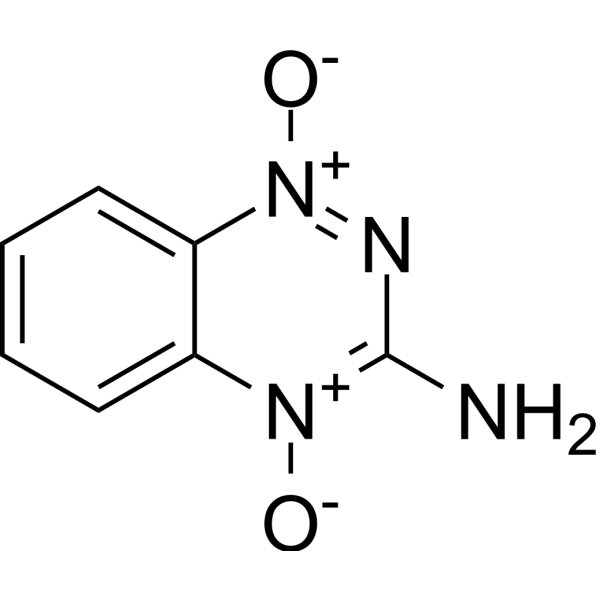
    AQ4N

    NO Synthase Cancer
    Banoxantrone (AQ4N), as a prototype hypoxia selective cytotoxin, can be reduced to AQ4, a potent topoisomerase II inhibitor. Banoxantrone selectively kills hypoxic cells via an iNOS-dependent mechanism. Banoxantrone shows a potent cytotoxicity and hypoxia-selective effect enhanced by radiation .
    Banoxantrone
  • HY-175673

    Carnitine Palmitoyltransferase (CPT) Apoptosis Oxidative Phosphorylation Mitochondrial Metabolism Reactive Oxygen Species (ROS) Cancer
    LCB-2151 (Compound 2), a nucleoside analogue, is an anticancer agent. LCB-2151 disrupts the two primary sources of ATP production (glycolysis and mitochondrial oxidative phosphorylation), reducing the bioenergetic capacity of KRAS-mutated pancreatic cancer cells and inducing ROS formation. LCB-2151 effectively inhibits key enzymes (such as CACT and CPT2) in glycolysis, the TCA cycle and fatty acid β-oxidation. LCB-2151 has significant cytotoxicity and induces cells apoptosis. LCB-2151 can be used for radiation therapy of cancers research .
    LCB-2151
  • HY-B1702

    Fungal Infection
    Nifuroxime is an anti-infective agent. Nifuroxime can be used in the research of fungal infections .
    Nifuroxime
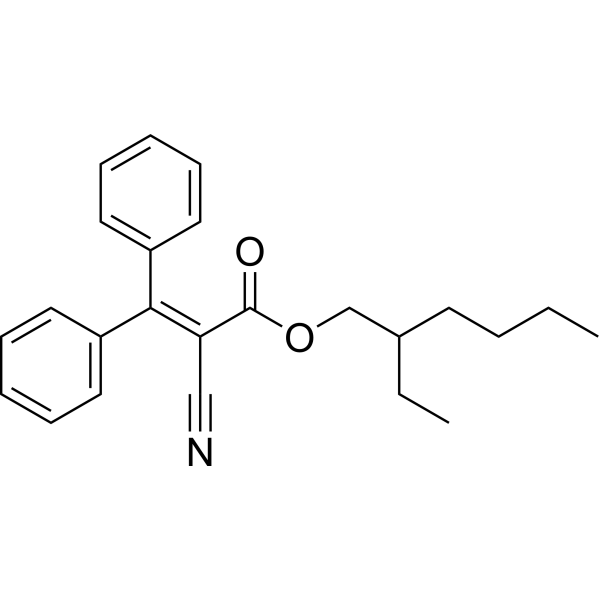
  • HY-A0087R

    Biochemical Assay Reagents Reference Standards PPAR Estrogen Receptor/ERR Cytochrome P450 Others
    Octocrylene (Standard) is the analytical standard of Octocrylene. This product is intended for research and analytical applications. Octocrylene is an organic ultraviolet (UV) filter which absorbs mainly UVB radiation and short UVA wavelengths. Octocrylene has the potential for using in various cosmetic products to either provide an appropriate sun protection factor in sunscreen products or to protect cosmetic formulations from UV radiation .
    Octocrylene (Standard)
  • HY-14743B

    SCV 07 hydrochloride; Gamma-D-glutamyl-L-tryptophan hydrochloride

    Bacterial STAT Infection Inflammation/Immunology Cancer
    Golotimod hydrochloride (SCV 07 hydrochloride), an immunomodulating peptide with antimicrobial activity, significantly increases the efficacy of antituberculosis therapy, stimulates thymic and splenic cell proliferation, and improves macrophage function. Golotimod hydrochloride (SCV 07 hydrochloride) inhibits STAT3 signaling and modulates the duration and severity of oral mucositis in animal models that received radiation or a combination of radiation and Cisplatin. Golotimod hydrochloride (SCV 07 hydrochloride) is also a potential therapeutic for recurrent genital herpes simplex virus type 2 (HSV-2) .
    Golotimod hydrochloride
  • HY-W110166

    Biochemical Assay Reagents Others
    Hexyl acrylate is a photoinitiator. Hexyl acrylate undergoes self-polymerization via piCVD under 254 nm UV radiation. Hexyl acrylate can be polymerized by atom transfer radical polymerization technology .
    Hexyl acrylate
  • HY-155801

    Toll-like Receptor (TLR) NF-κB TNF Receptor MyD88 Apoptosis DNA/RNA Synthesis Cardiovascular Disease Infection Neurological Disease Inflammation/Immunology Cancer
    CRX 527 is a TLR4 agonist. CRX 527 activates the MyD88-dependent, TRIF-dependent, and TRAF6/NF-κB signaling pathways downstream of TLR4, mimics lipid A, and regulates antigen processing and presentation by dendritic cells. CRX 527 stimulates innate immune responses and enhances vaccine efficacy. CRX 527 maintains the structural integrity of hematopoietic tissues, spleen and intestine, alleviates radiation-induced damage, preserves intestinal homeostasis, and inhibits apoptosis, inflammatory responses, oxidative stress and DNA damage. CRX 527 can be used in the research of acute radiation syndrome, melanoma, HPV-related tumors and intracerebral hemorrhage .
    CRX 527
  • HY-N7147

    Others Cancer
    Irisquinone, a natural product, is an anticancer agent. Irisquinone is also a radiation sensitizer for cancer. Irisquinone reduces GSH level and inhibits the repair of DNA singular strand breaks .
    Irisquinone
  • HY-161622

    Checkpoint Kinase (Chk) Cancer
    K1586 is an amidine derivative that efficiently targets Chk1. K1586 enhances the degradation of Chk1 that sensitizes colorectal cancer cells to ionizing radiation. K1586 shows anticancer effects .
    K1586
  • HY-19382

    SOD ERK Reactive Oxygen Species (ROS) Neurological Disease
    EUK-189 is a synthetic superoxide dismutase (SOD) and catalase mimetic. EUK-189 can block oxygen/glucose deprivation (OGD)-induced ERK1/2 dephosphorylation, ATP depletion and eliminate ROS production. EUK-189 exhibits neuroprotective effect and can inhibit delayed radiation injury. EUK-189 can be used for the research of neurological disease, such as ischemic stroke .
    EUK-189
  • HY-139289S

    DNA/RNA Synthesis Cancer
    ART899 is a highly specific allosteric inhibitor of the Polθ DNA polymerase domain. ART899 can effectively enhance the radiosensitivity of tumor cells, shows good tolerance when combined with fractionated radiation, and significantly reduces tumor growth compared to radiation alone .
    ART899
  • HY-15276

    PARP Cancer
    4-Aminonaphthalimide is a potent PARP inhibitor and potentiates the cytotoxicity of γ-radiation in cancer cells .
    4-Aminonaphthalimide
  • HY-113008S1

    Endogenous Metabolite Cancer
    Urocanic acid- 13C3 is the 13C labeled Urocanic acid . Urocanic acid, produced in the upper layers of mammalian skin, is a major absorber of ultraviolet radiation (UVR) .
    Urocanic acid-13C3
  • HY-14743

    SCV 07; Gamma-D-glutamyl-L-tryptophan

    Bacterial STAT Infection Inflammation/Immunology Cancer
    Golotimod (SCV-07), an immunomodulating peptide with antimicrobial activity, significantly increases the efficacy of antituberculosis therapy, stimulates thymic and splenic cell proliferation, and improves macrophage function. Golotimod (SCV-07) inhibits STAT3 signaling and modulates the duration and severity of oral mucositis in animal models that received radiation or a combination of radiation and Cisplatin. Golotimod (SCV-07) is also a potential therapeutic for recurrent genital herpes simplex virus type 2 (HSV-2) .
    Golotimod

Inquiry Online

Your information is safe with us. * Required Fields.

Salutation


Country or Region *

Applicant Name *


Organization Name *

Department *


Email Address *


Product Name *

Cat. No.


Requested quantity *

Phone Number *


Remarks

Inquiry Online

Inquiry Information

Product Name:
Cat. No.:
Quantity:
MCE Japan Authorized Agent:

