1099 Results for "

ability

" in MedChemExpress (MCE) Product Catalog:
Products (1099)

1099 Results for "ability" in MCE Product Catalog:

154
154 Publications Verification
Referencia número: HY-W090090
No. CAS: 121207-31-6
Synonyms: Pyrromethene 546
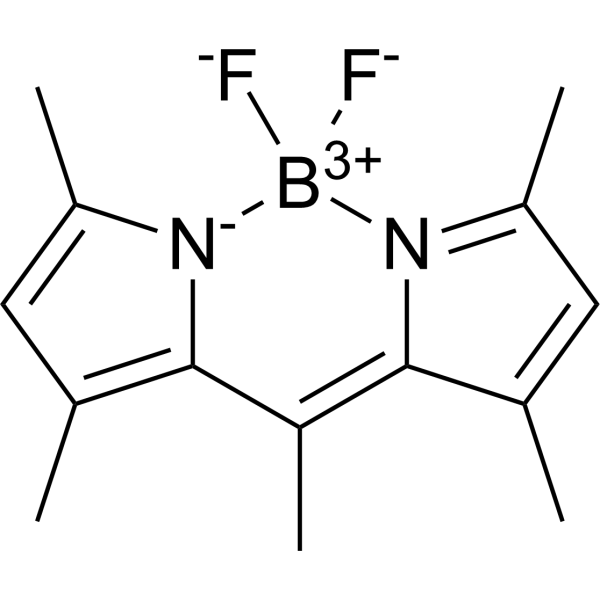
BODIPY493/503 is a BODIPY dye. BODIPY dye is a small molecule dye with strong ultraviolet absorption ability, its fluorescence peak is relatively sharp, and the quantum yield is high. They are relatively insensitive to the polarity and pH of the environment and are relatively stable under different physiological conditions. Due to its structural asymmetry, BODIPY derives a variety of structural products. BODIPY lipid droplet dyes can well pass through the cell membrane into the cell, and localize the neutral lipids in the cell to specifically stain the lipid droplets, which can be used for labeling of live cells and fixed cells . Maximum excitation/emission wavelength: 493/503 nm .
loading...
    loading...
81
81 Cited Publications
Referencia número: HY-B0589
No. CAS: 134523-00-5
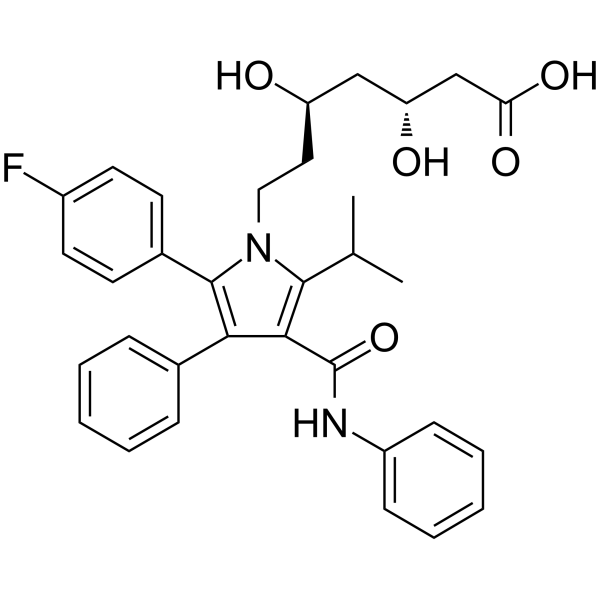
Atorvastatin is an orally active HMG-CoA reductase inhibitor, has the ability to effectively decrease blood lipids. Atorvastatin inhibits human SV-SMC proliferation and invasion with IC50s of 0.39 μM and 2.39 μM, respectively .
loading...
    loading...
81
81 Cited Publications
Referencia número: HY-17379
No. CAS: 134523-03-8
Synonyms: CI-981; Atorvastatin hemicalcium
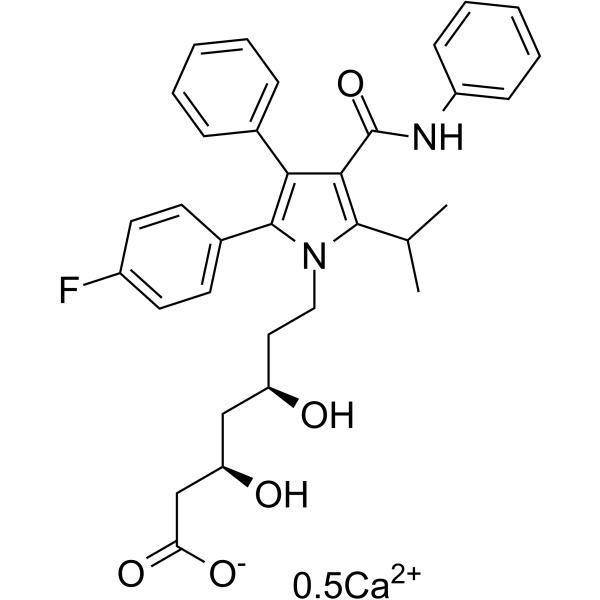
Atorvastatin hemicalcium salt (CI-981) is an orally active 3-hydroxy-3-methylglutaryl coenzyme A (HMG-CoA) reductase inhibitor, with blood-brain barrier permeability. Atorvastatin hemicalcium salt has the ability to effectively decrease blood lipids. Atorvastatin hemicalcium salt inhibits human SV-SMC proliferation and invasion with IC50s of 0.39 μM and 2.39 μM, respectively .
loading...
    loading...
79
79 Cited Publications
Referencia número: HY-108257
No. CAS: 134523-01-6
Pureza:  99.76%
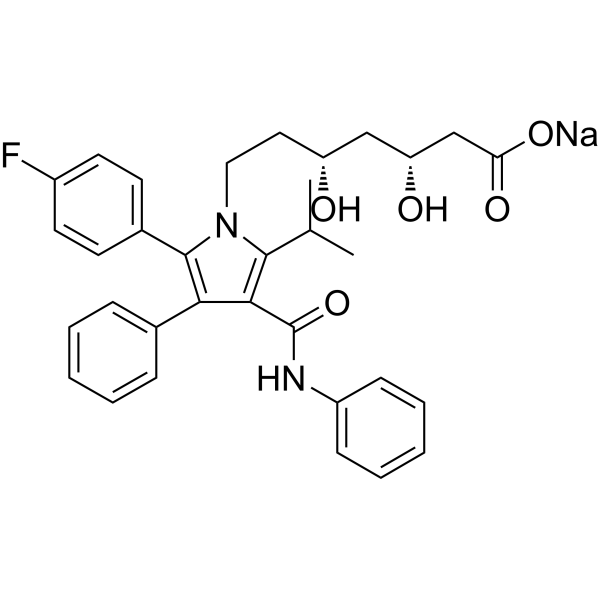
Atorvastatin sodium is an orally active HMG-CoA reductase inhibitor, has the ability to effectively decrease blood lipids. Atorvastatin sodium inhibits human SV-SMC proliferation and invasion with IC50s of 0.39 μM and 2.39 μM, respectively .
loading...
    loading...
79
79 Cited Publications
Referencia número: HY-B0589E
No. CAS: 344920-08-7
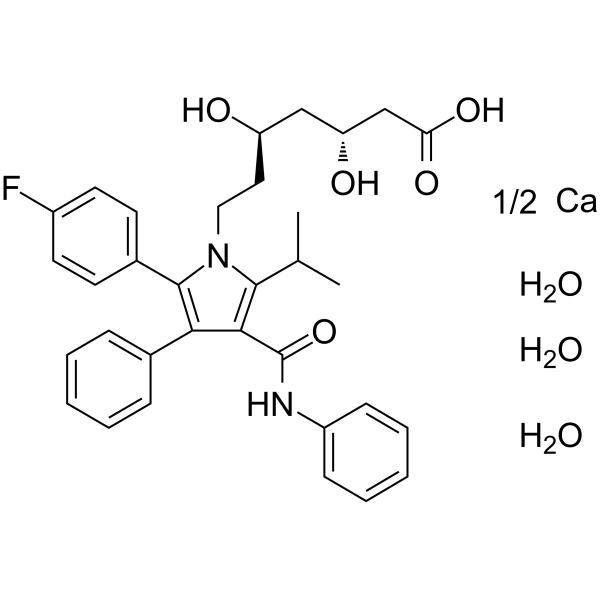
Atorvastatin hemicalcium trihydrate is an orally active HMG-CoA reductase inhibitor, has the ability to effectively decrease blood lipids. Atorvastatin hemicalcium trihydrate inhibits human SV-SMC proliferation and invasion with IC50s of 0.39 μM and 2.39 μM, respectively .
loading...
    loading...
78
78 Cited Publications
Referencia número: HY-13318
No. CAS: 187227-45-8
Pureza:  99.50%
Synonyms: GS 4071; Ro 64-0802; Oseltamivir carboxylate
Áreas de investigación:  

Infection Neurological Disease

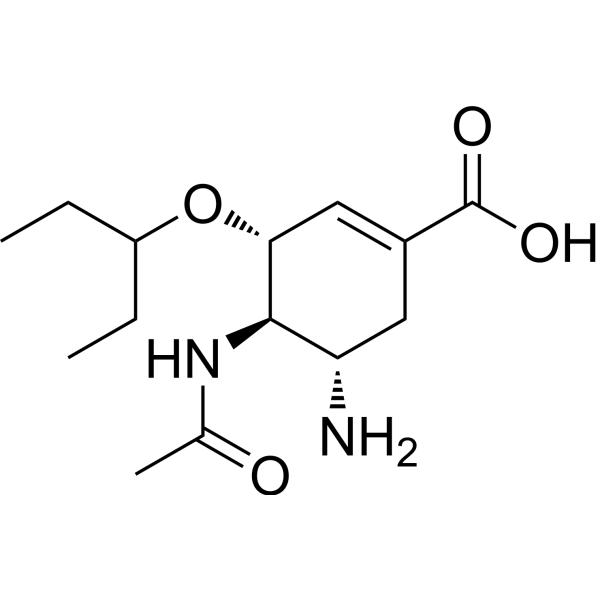
Oseltamivir acid (GS 4071), the active metabolite of Oseltamivir phosphate, is an orally bioavailable, potent and selective inhibitor of influenza virus neuraminidase (IC50=2 nM) with activity against both influenza A and B viruses. Oseltamivir acid has an extremely weak ability to penetrate the BBB under normal physiological conditions, but its blood-brain barrier penetration is significantly enhanced under inflammatory conditions .
loading...
    loading...
73
73 Cited Publications
Referencia número: HY-Y0320C
No. CAS: 67-68-5
Synonyms: DMSO
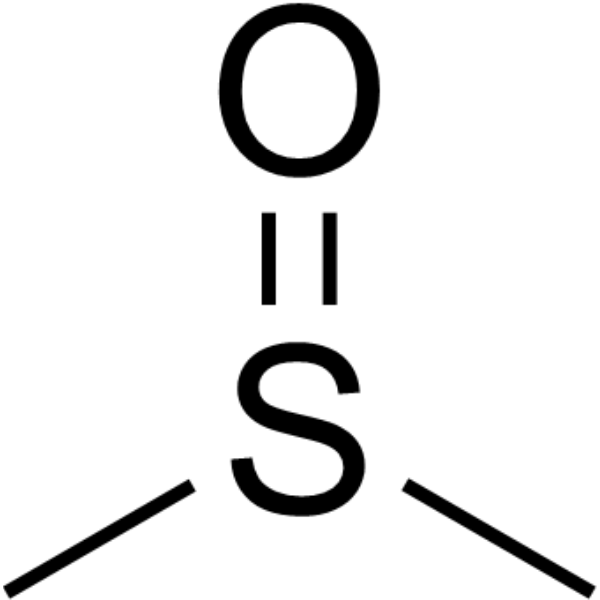
Dimethyl sulfoxide (DMSO) is an aprotic solvent that can dissolve water-insoluble therapeutic and toxic agents. Dimethyl sulfoxide (DMSO) has a strong affinity for water and has the ability to rapidly penetrate or enhance the penetration of other substances through biological membranes. Dimethyl sulfoxide also has potential free radical scavenging and anticholinesterase effects and may affect coagulation activity. Dimethyl sulfoxide also induces histamine release from mast cells but is thought to have low systemic toxicity .
Low endotoxin, can be used in various biochemical experiments such as drug dissolution.
loading...
    loading...
36
36 Cited Publications
Referencia número: HY-W018746
No. CAS: 139-33-3
Synonyms: Ethylenediaminetetraacetic acid disodium
EDTA disodium salt, also known as ethylenediaminetetraacetic acid disodium, belongs to the chelating agent category, which is formed by chelating a central metal ion with four carboxylate groups and two amine groups. This compound, with its ability to bind and chelate metal ions such as calcium, magnesium and iron, is commonly used in a variety of applications, including industrial, medical and research settings. It is used as a preservative in food and beverage, as a stabilizer in medicine, as a chelating agent in water treatment, and as a reagent in biochemical and biomedical research. In addition, EDTA disodium salt has been studied for potential research effects such as improving heavy metal poisoning and cardiovascular disease.
loading...
    loading...
30
30 Cited Publications
Referencia número: HY-D1614
No. CAS: 216434-81-0
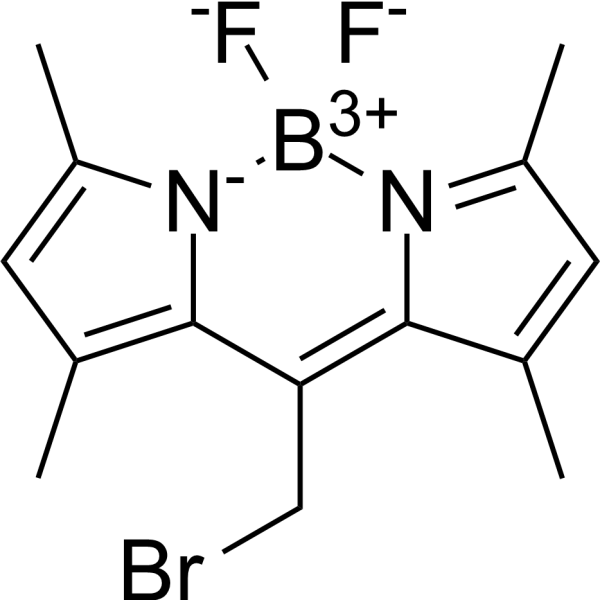
BODIPY493/503 methyl bromide is a BODIPY dye. BODIPY dye is a small molecule dye with strong ultraviolet absorption ability, its fluorescence peak is relatively sharp, and the quantum yield is high. They are relatively insensitive to the polarity and pH of the environment and are relatively stable under different physiological conditions. Due to its structural asymmetry, BODIPY derives a variety of structural products. BODIPY lipid droplet dyes can well pass through the cell membrane into the cell, and localize the neutral lipids in the cell to specifically stain the lipid droplets, which can be used for labeling of live cells and fixed cells . Maximum excitation/emission wavelength: 493/503 nm .
loading...
    loading...
25
25 Cited Publications
Referencia número: HY-16659
No. CAS: 754240-09-0
Target:  

Ras

Áreas de investigación:  

Neurological Disease Cancer

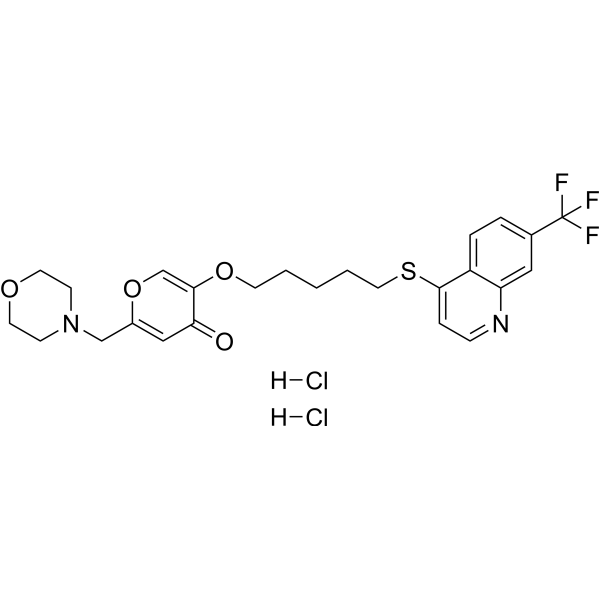
EHT 1864 is an inhibitor of Rac family small GTPases. EHT 1864 directly binds and impairs the ability of this small GTPase to engage critical downstream effectors required for growth transformation. The Kd values are 40, 50, 60, and 230 nM for Rac1, Rac1b, Rac2 and Rac3, respectively. EHT 1864 also potently inhibits other Rac-dependent transformation processes, Tiam1- and Ras-mediated growth transformation. EHT 1864 prevents Aβ 40 and Aβ 42 production in vivo. EHT 1864 dependently suppresses the release of migrasomes from podocytes induced by LPS, PAN, or HG .
loading...
    loading...
23
23 Cited Publications
Referencia número: HY-B0351
No. CAS: 107-35-7
Synonyms: 2-Aminoethanesulfonic acid
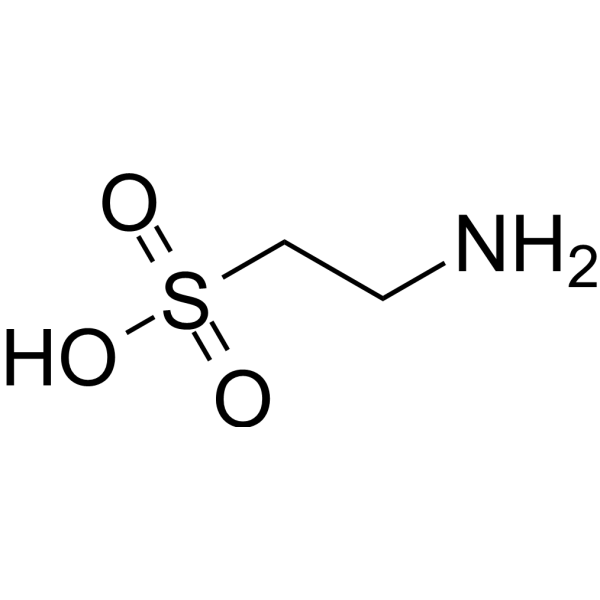
Taurine, a sulphur-containing amino acid and an organic osmolyte involved in cell volume regulation, provides a substrate for the formation of bile salts, and plays a role in the modulation of intracellular free calcium concentration. Taurine has the ability to activate autophagy in adipocytes .
loading...
    loading...
22
22 Cited Publications
Referencia número: HY-122022
No. CAS: 2411853-34-2
Pureza:  98.15%
Target:  

mTOR

Áreas de investigación:  

Cancer

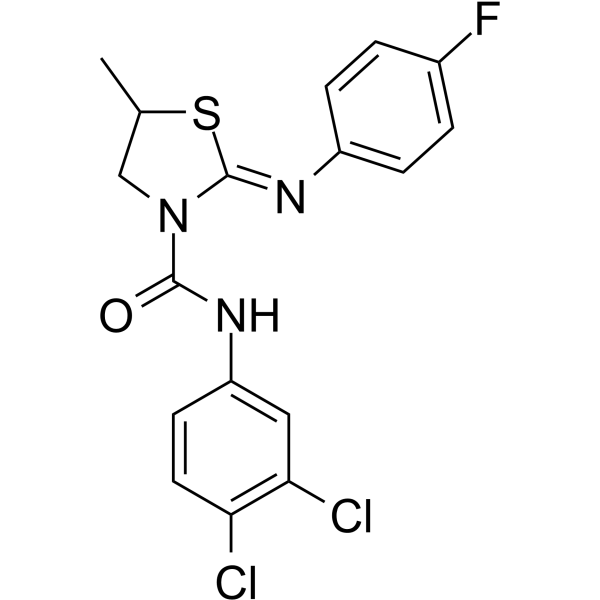
JR-AB2-011 is a selective mTORC2 inhibitor with an IC50 value of 0.36 μM. JR-AB2-011 inhibits mTORC2 activity by blocking Rictor-mTOR association (Ki: 0.19 μM) .JR-AB2-011 decreases the phosphorylation level of Akt, decreases MMP2 activity, thereby reducing the ability of tumor cells to migrate and invade. JR-AB2-011 also induces non-apoptotic cell death .
loading...
    loading...
21
21 Cited Publications
Referencia número: HY-100474
No. CAS: 934826-68-3
Pureza:  98.99%
Áreas de investigación:  

Inflammation/Immunology Cancer

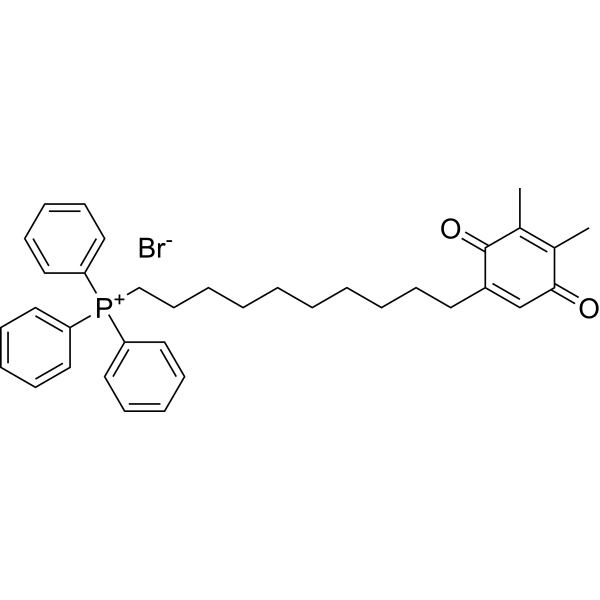
SKQ1 is a mitochondrial-targeted antioxidant with the high mitochondrion membrane penetrating ability and potent antioxidant capability .
loading...
    loading...
21
21 Cited Publications
Referencia número: HY-N0623
No. CAS: 73-22-3
Synonyms: Tryptophan; Tryptophane
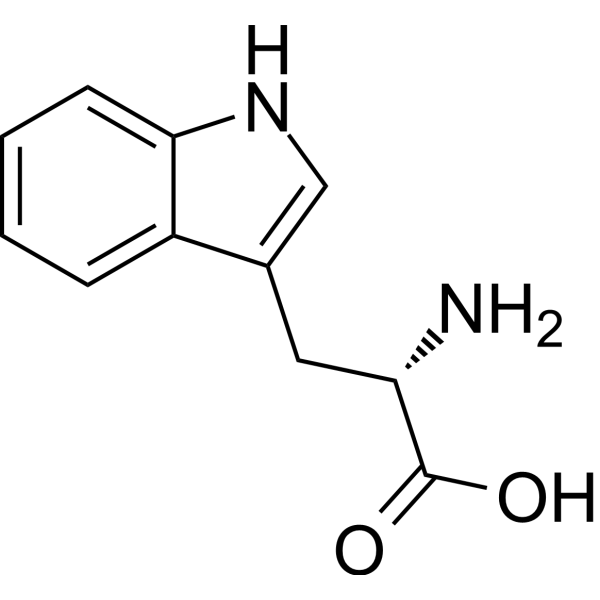
L-Tryptophan (Tryptophan) is an orally active and essential amino acid that is the precursor of serotonin, melatonin, and vitamin B3. L-Tryptophan can promote an increase in stemness and osteogenic ability of BMSCs in vitro and in vivo. L-Tryptophan inhibits cell proliferation and induced cell cycle arrest with high levels .
loading...
    loading...
16
16 Cited Publications
Referencia número: HY-N7118
No. CAS: 58207-19-5
Target:  

Bacterial Antibiotic

Áreas de investigación:  

Infection Cancer

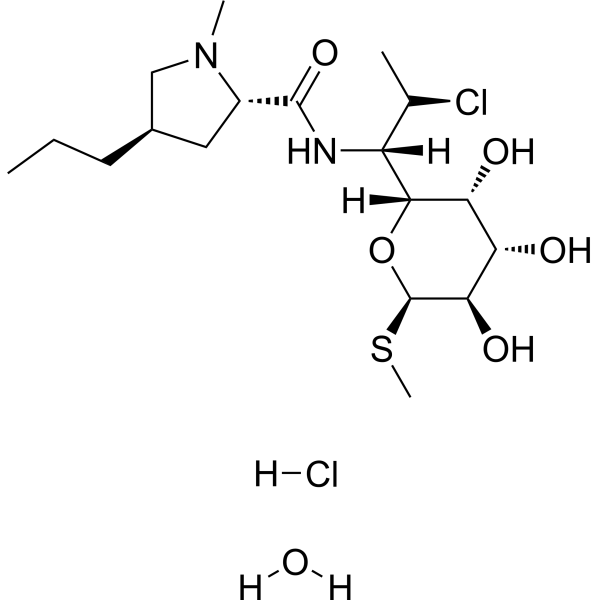
Clindamycin hydrochloride monohydrate is an oral protein synthesis inhibitory agent that has the ability to suppress the expression of virulence factors in Staphylococcus aureus at sub-inhibitory concentrations (sub-MICs). Clindamycin hydrochloride monohydrate resistance results from enzymatic methylation of the antibiotic binding site in the 50S ribosomal subunit (23S rRNA). Clindamycin hydrochloride monohydrate decreases the production of Panton-Valentine leucocidin (PVL), toxic-shock-staphylococcal toxin (TSST-1) or alpha-haemolysin (Hla) .
loading...
    loading...
16
16 Cited Publications
Referencia número: HY-B1455
No. CAS: 18323-44-9
Áreas de investigación:  

Infection Cancer

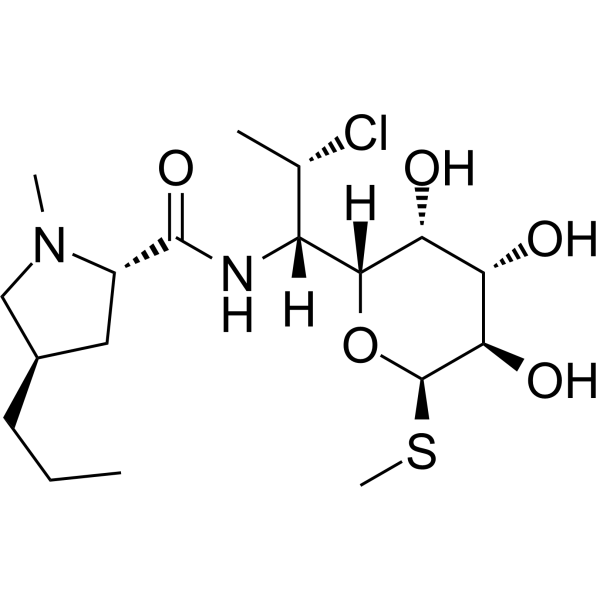
Clindamycin is an orally active and broad-spectrum bacteriostatic lincosamide antibiotic. Clindamycin can inhibit bacterial protein synthesis, possessing the ability to suppress the expression of virulence factors in Staphylococcus aureus at sub-inhibitory concentrations (sub-MICs). Clindamycin resistance results from enzymatic methylation of the antibiotic binding site in the 50S ribosomal subunit (23S rRNA). Clindamycin decreases the production of Panton-Valentine leucocidin (PVL), toxic-shock-staphylococcal toxin (TSST-1) or alpha-haemolysin (Hla). Clindamycin also can be used for researching malaria .
loading...
    loading...
13
13 Cited Publications
Referencia número: HY-W013523
No. CAS: 65182-56-1
Target:  

STAT JAK HSV

Áreas de investigación:  

Infection Cancer

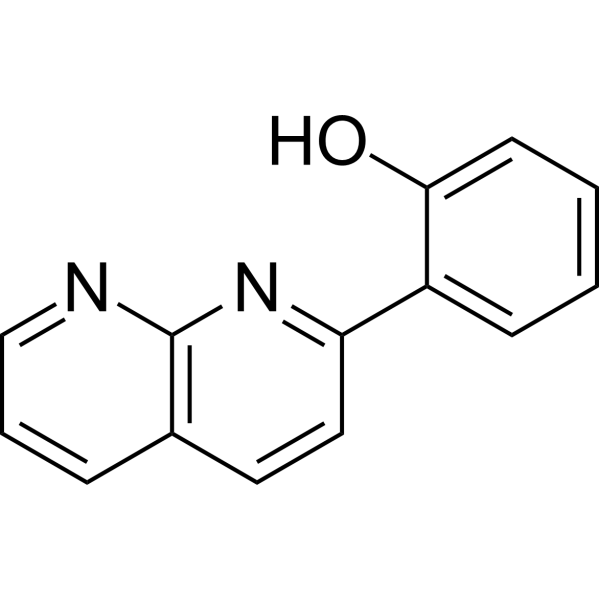
2-NP is a selective enhancer of STAT1 transcription. 2-NP can enhance the ability of IFN-γ to inhibit the proliferation of human breast cancer and fibrosarcoma cells .
loading...
    loading...
11
11 Cited Publications
Referencia número: HY-19313
No. CAS: 1793053-37-8
Áreas de investigación:  

Cancer

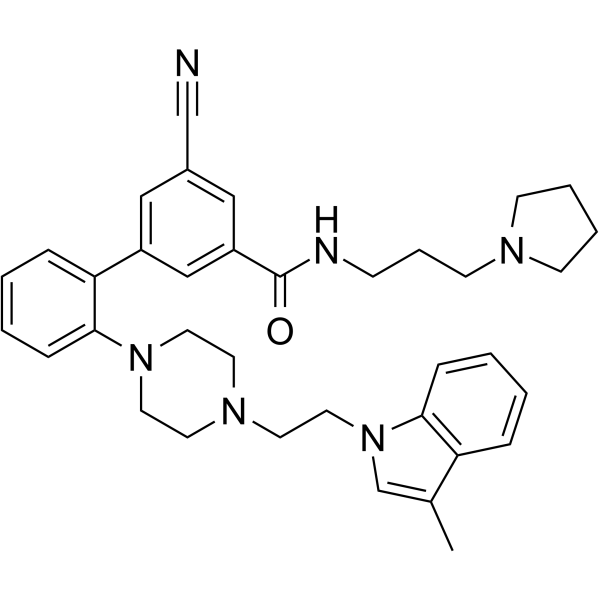
LLY-507 is a potent and selective inhibitor of protein-lysine methyltransferase SMYD2. LLY-507 potently inhibits the ability of SMYD2 to methylate p53 peptide with an IC50 <15 nM. LLY-507 serves as a valuable chemical probe to aid in the dissection of SMYD2 function in cancer and other biological processes .
loading...
    loading...
10
10 Cited Publications
Referencia número: HY-108685
No. CAS: 129318-43-0
Pureza:  ≥98.0%
Synonyms: Alendronic acid sodium; MK 217 sodium; G-704650 Adronat sodium
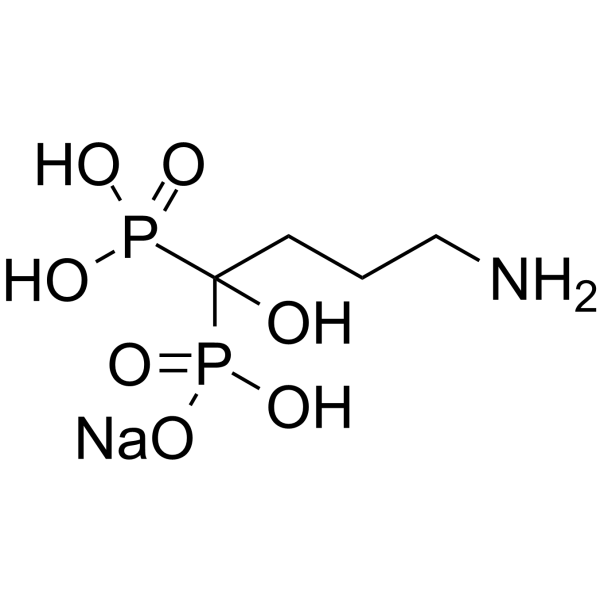
Alendronate sodium (Alendronic acid sodium; MK 217 sodium; G-704650 Adronat sodium) is an orally active bisphosphonate with bone resorption inhibitory activity. Alendronate sodium binds to bone via Ca 2+, enters osteoclasts, inhibits mevalonate isoprenylation, induces osteoclast apoptosis, and inhibits their formation. Alendronate sodium inhibits NF-κB activation and cytokine production, reduces macrophage viability, phagocytosis, and migration ability, and induces macrophage apoptosis. Alendronate sodium increases bone mineral density and trabecular/cortical bone parameters and reduces CTX-I levels in ovariectomized mice. Alendronate sodium inhibits T cell proliferation, iNOS, microglial/macrophage activation, and spinal cord inflammatory infiltration, thereby alleviating experimental autoimmune encephalomyelitis. Alendronate sodium can be used for research on diseases such as post-traumatic osteoarthritis, emphysema, osteoporosis, liver fibrosis, and autoimmune encephalomyelitis .
loading...
    loading...
10
10 Cited Publications
Referencia número: HY-11101
No. CAS: 121268-17-5
Pureza:  99.6%
Synonyms: Alendronic acid sodium hydrate; MK 217; G-704650 Adronat
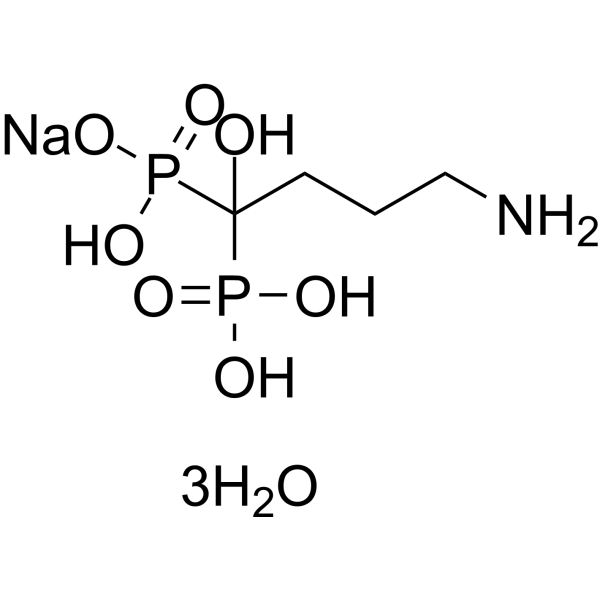
Alendronate sodium hydrate (Alendronic acid sodium hydrate; MK 217 sodium hydrate; G-704650 Adronat sodium hydrate) is an orally active bisphosphonate with bone resorption inhibitory activity. Alendronate sodium hydrate binds to bone via Ca 2+, enters osteoclasts, inhibits mevalonate isoprenylation, induces osteoclast apoptosis, and inhibits their formation. Alendronate sodium hydrate inhibits NF-κB activation and cytokine production, reduces macrophage viability, phagocytosis, and migration ability, and induces macrophage apoptosis. Alendronate sodium hydrate increases bone mineral density and trabecular/cortical bone parameters and reduces CTX-I levels in ovariectomized mice. Alendronate sodium hydrate inhibits T cell proliferation, iNOS, microglial/macrophage activation, and spinal cord inflammatory infiltration, thereby alleviating experimental autoimmune encephalomyelitis. Alendronate sodium hydrate can be used for research on diseases such as post-traumatic osteoarthritis, emphysema, osteoporosis, liver fibrosis, and autoimmune encephalomyelitis .
loading...
    loading...

