

1. Search Result
Search Result
Results for "

allergy

" in MedChemExpress (MCE) Product Catalog:

119

Inhibitors & Agonists

1

Screening Libraries

4

Fluorescent Dye

3

Biochemical Assay Reagents

4

Peptides

3

Inhibitory Antibodies

32

Natural
Products

3

Recombinant Proteins

4

Isotope-Labeled Compounds

1

Click Chemistry

3

Oligonucleotides

Cat. No. Product Name Target Research Areas Chemical Structure
  • HY-145191
    MrgprX2 antagonist-1
    5 Publications Verification

    Mas-related G-protein-coupled Receptor (MRGPR) Inflammation/Immunology
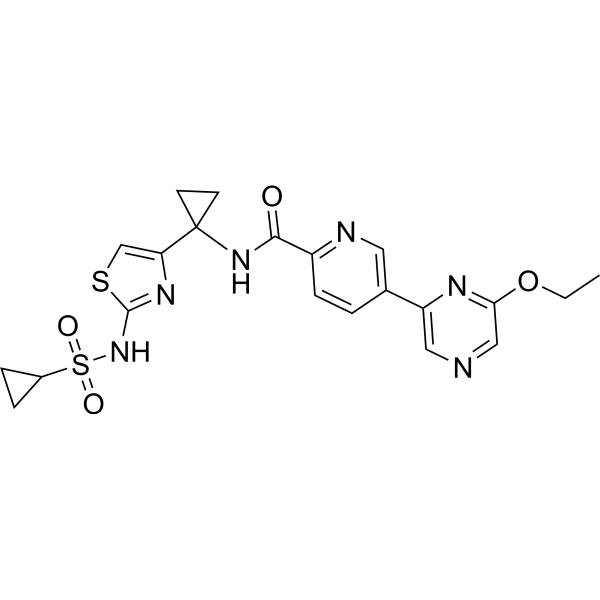
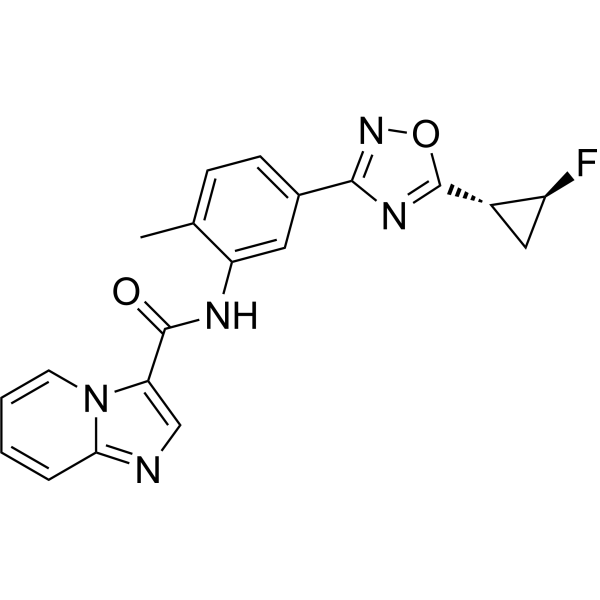
    MrgprX2 antagonist-1 is an MrgprX2 antagonist extracted from patent WO2021092264A1, example E23. MrgprX2 antagonist-1 can be used for the research of inflammatory disorders of the skin .
    MrgprX2 antagonist-1
  • HY-D0914

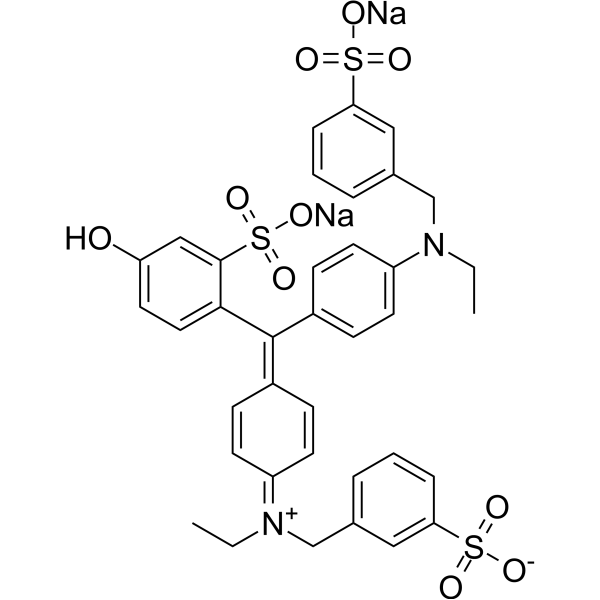
    FD&C Green No. 3; Food green 3; C.I. 42053

    Environmental Pollutants α-synuclein Neurological Disease
    Fast Green FCF is a sea green triarylmethane food dye, with absorption maximum ranging from 622 to 626 nm. Fast Green FCF inhibits α-synuclein aggregation, as well as and P2X4 receptor, and TLR4/Myd88/NF-κB. Fast Green FCF is widely used as a staining agent like quantitative stain for histones at alkaline pH after acid extraction of DNA, and as a protein stain in electrophoresis. Fast Green FCF improves cognitive impairment, depression, relieves pain allergies, and promotes reproductive function .
    Fast Green FCF
  • HY-145192

    Mas-related G-protein-coupled Receptor (MRGPR) Inflammation/Immunology
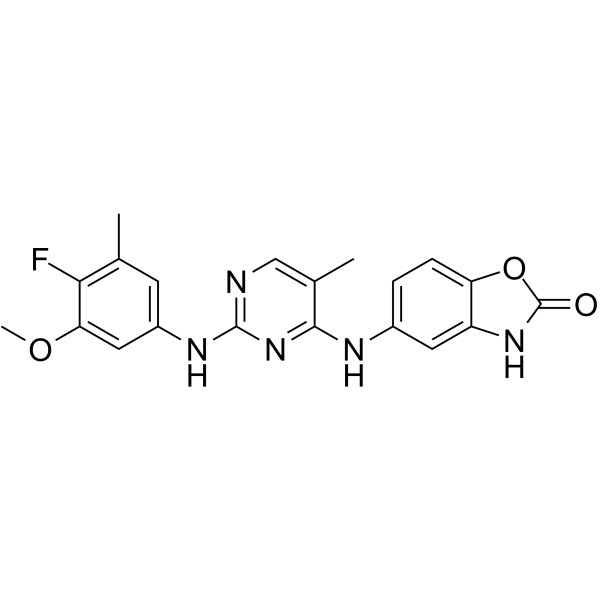
    MrgprX2 antagonist-2 is an MrgprX2 antagonist extracted from patent WO2021092262A1, example E163. MrgprX2 antagonist-2 can be used for the research of inflammatory disorders of the skin .
    MrgprX2 antagonist-2
  • HY-145193

    Mas-related G-protein-coupled Receptor (MRGPR) Inflammation/Immunology
    MrgprX2 antagonist-3 is an MrgprX2 antagonist extracted from patent WO2021092240A1, example E117. MrgprX2 antagonist-3 can be used for the research of inflammatory disorders of the skin .
    MrgprX2 antagonist-3
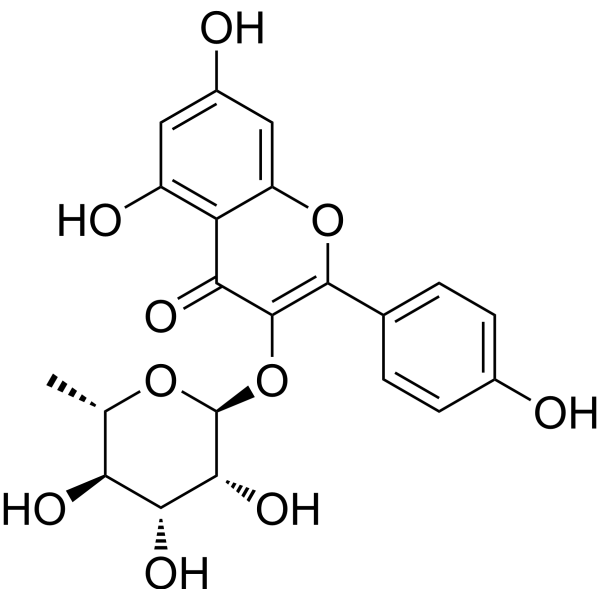
  • HY-N1441
    Afzelin
    Maximum Cited Publications
    8 Publications Verification

    Kaempferol-3-O-rhamnoside

    Mitochondrial Metabolism PTEN Autophagy Bacterial Infection Cardiovascular Disease Neurological Disease Inflammation/Immunology
    Afzelin (Kaempferol-3-O-rhamnoside)It is a flavonol glycoside that has anti-inflammatory, anti-oxidative stress response, anti-apoptotic, and anti-cardiac cytotoxic effects. AfzelinIt can reduce mitochondrial damage, enhance mitochondrial biosynthesis, and reduce mitochondria-related proteins. Parkinand PTENinduced putative kinase 1 (putative kinase 1)s level. AfzelinCan be improved D-galactosamine(GalN)/LPSSurvival rate of mice treated with doxorubicin prophylaxis (HY-15142A)Induced cardiotoxicity and scopolamine (HY-N0296)-induced neurological injury. AfzelinAlso inhibits asthma and allergies caused by ovalbumin .
    Afzelin
  • HY-148983
    Hydroxylamine (50% w/w in water)
    1 Publications Verification

    Monoamine Oxidase Bacterial GLUT Infection Metabolic Disease Inflammation/Immunology
    Hydroxylamine (50% w/w in water) is an inorganic highly reactive compound and antibacterial agent. Hydroxylamine (50% w/w in water) acutely activates the transport activity of GLUT1, inhibits Monoamine oxidase activity. Hydroxylamine (50% w/w in water) inhibits nitrite oxidizing bacteria. Hydroxylamine (50% w/w in water) activates glucose uptake. Hydroxylamine (50% w/w in water) can be used in the research of inflammatory diseases and allergies[1][2][3][4] .
    Hydroxylamine (50% w/w in water)
  • HY-W010520

    Environmental Pollutants MMP Bacterial Fungal Apoptosis Infection Inflammation/Immunology
    Methylothiazolinone is a bacterial and fungal inhibitor and preservative, as well as a sensitizer. Methylisothiazolinone can activate matrix metalloproteinases (MMPs) in human bronchial epithelial cells to induce apoptosis and inflammatory response. Methylisothiazolinone can promote the development of atopic dermatitis in mice by disrupting Th2/Th17 related immune responses. Methylisothiazolinone can cause mitochondrial damage in the endothelium of rat cerebral blood vessels .
    Methylisothiazolinone
  • HY-N0594

    SOD Interleukin Related TNF Receptor Inflammation/Immunology
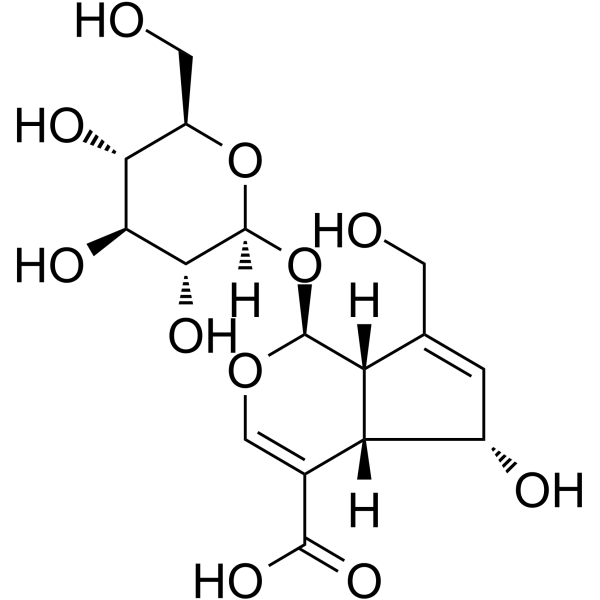
    Deacetylasperulosidic Acid is an orally active antioxidant. Deacetylasperulosidic Acid exerts a definite in vivo antioxidant effect and alleviates oxidative stress injury by enhancing SOD activity. In atopic dermatitis models, Deacetylasperulosidic Acid corrects Th2-skewed immune imbalance and reduces allergy-related factors; in immunosuppression models, it activates cellular immunity, enhances NK cell activity and IL-2 production. Deacetylasperulosidic Acid can be used in the research of atopic dermatitis .
    Deacetylasperulosidic Acid
  • HY-156619

    EVT-8565072; THB335

    c-Kit PDGFR Metabolic Disease Inflammation/Immunology
    Labuxtinib (EVT-8565072; THB335) is a potent dual inhibitor of c-Kit and PDGFR. Labuxtinib exhibits potent inhibitory activity against wild-type c-Kit (IC50 = 0.005 μM). Labuxtinib inhibits SCF-dependent and PDGF-dependent cell proliferation, and blocks the proliferation of cells dependent on c-Kit or PDGFR signaling pathways. In animal models of skin allergy, Labuxtinib depletes skin mast cells and significantly alleviates anaphylactic shock responses. Labuxtinib can be used in research on mast cell-related diseases, respiratory diseases, inflammatory diseases, fibrotic diseases, metabolic diseases, and other related conditions .
    Labuxtinib
  • HY-B1146
    Denatonium benzoate
    1 Publications Verification

    THS-839

    Environmental Pollutants Insecticide Inflammation/Immunology Endocrinology
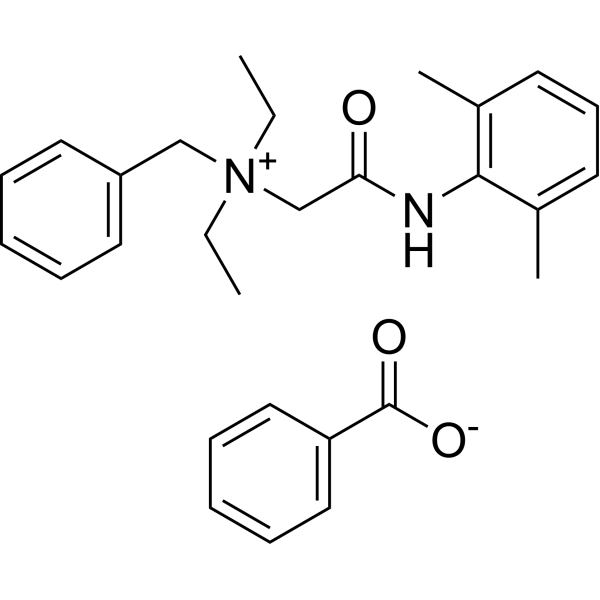
    Denatonium benzoate (THS-839) is known as the most bitter compound and is commonly used as a deterrent (bittering agent) to activate different types of bitter taste receptors (TAS2Rs) with oral activity. Denatonium benzoate can enhance insulin secretion, has anti-inflammatory effects, and promotes allergy susceptibility .
    Denatonium benzoate
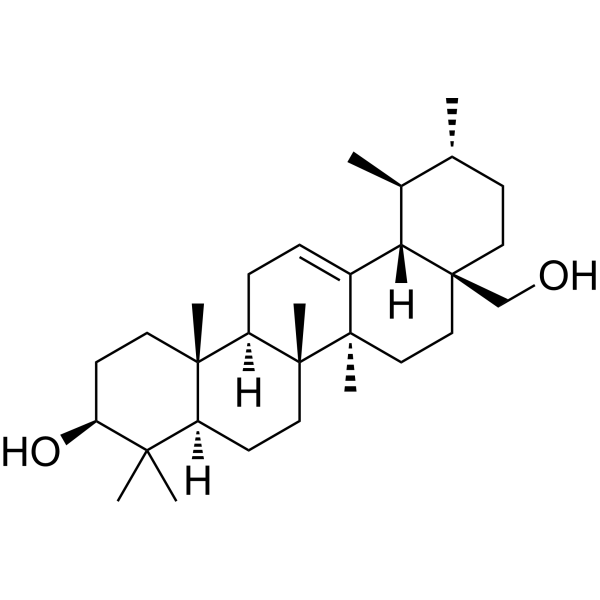
  • HY-N1109
    Uvaol
    1 Publications Verification

    Apoptosis Inflammation/Immunology Cancer
    Uvaol, a triterpene present in olives and virgin olive oil, possesses anti-inflammatory properties and antioxidant effects. Uvaol is an orally active inducer of apoptosis in astroglioma cells. Uvaol also has anti-cancer activities. Uvaol attenuates pleuritis and eosinophilic inflammation in ovalbumin-induced allergy in mice .
    Uvaol
  • HY-P3715
    OVA peptide
    2 Publications Verification

    MHC Inflammation/Immunology
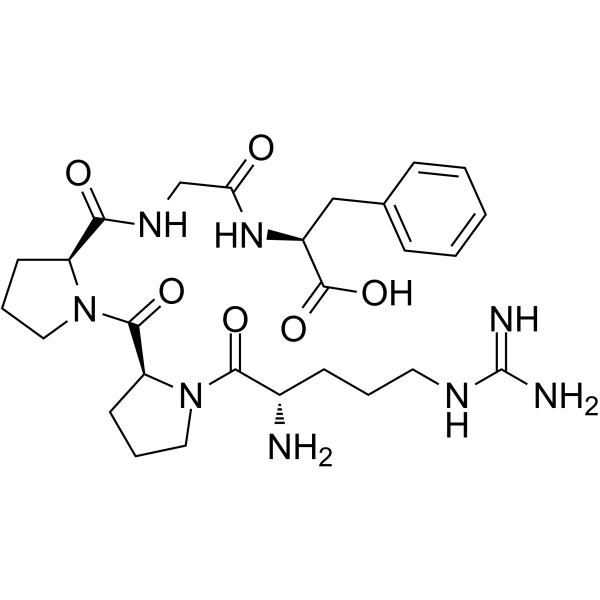
    OVA peptide mainly exists in egg white, it is a class I (Kb)-restricted peptide epitope of ovalbumin presented by the class I MHC (major histocompatibility complex) molecule, H-2Kb (class I genes of the mouse MHC). OVA peptide has been widely studied in allergy research .
    OVA peptide
  • HY-113446

    Endogenous Metabolite Cardiovascular Disease Inflammation/Immunology
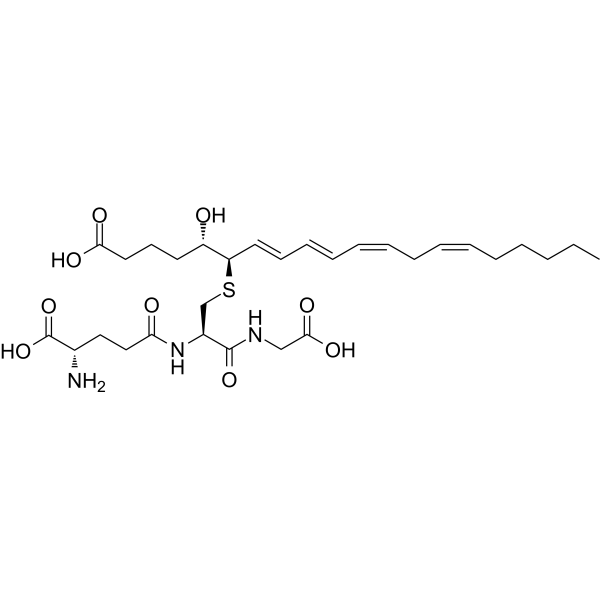
    Leukotriene C4 is a eicosanoid lipid mediator and produced by immune cells during type 2 inflammation. Leukotriene C4 can mediate inflammation,allergy, bronchoconstriction, and vascular leakage .
    Leukotriene C4
  • HY-145195

    Mas-related G-protein-coupled Receptor (MRGPR) Inflammation/Immunology
    MrgprX2 antagonist-5 is an MrgprX2 antagonist extracted from patent WO2020223255A1, example 16. MrgprX2 antagonist-5 can be used for the research of inflammatory disorders of the skin .
    MrgprX2 antagonist-5
  • HY-B1158

    Environmental Pollutants Mas-related G-protein-coupled Receptor (MRGPR) Interleukin Related Bacterial Infection
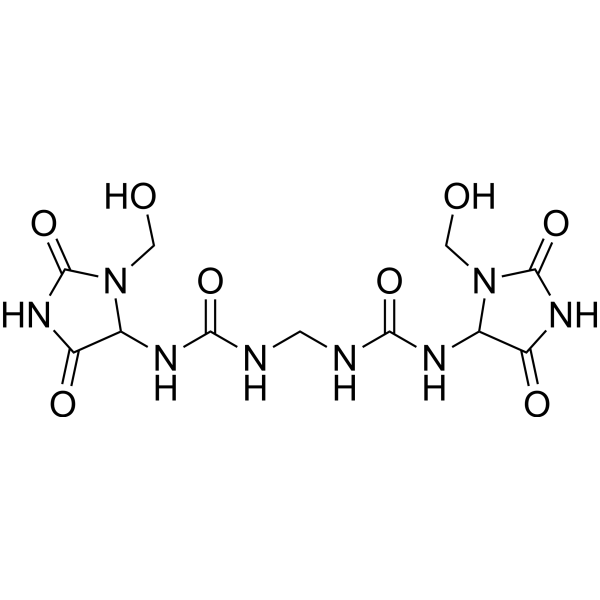
    Imidazolidinyl urea is a commonly used antibacterial preservative in cosmetics and pharmaceuticals that releases formaldehyde through decomposition. Imidazolidinyl urea can also be used in the preparation of multifunctional hydrogels for the care of infectious wounds. Imidazolidinyl urea has broad-spectrum antibacterial activity, which mainly inhibits the reproduction of gram-negative bacteria and gram-positive bacteria, and restricts the growth of yeast and mold to a certain extent. Imidazolidinyl urea can induce non-histaminergic allergy by MRGPRX2 activation of mast cells .
    Imidazolidinyl urea
  • HY-D0154

    Tetramethylrhodamine-6-isothiocyanate

    Fluorescent Dye Others
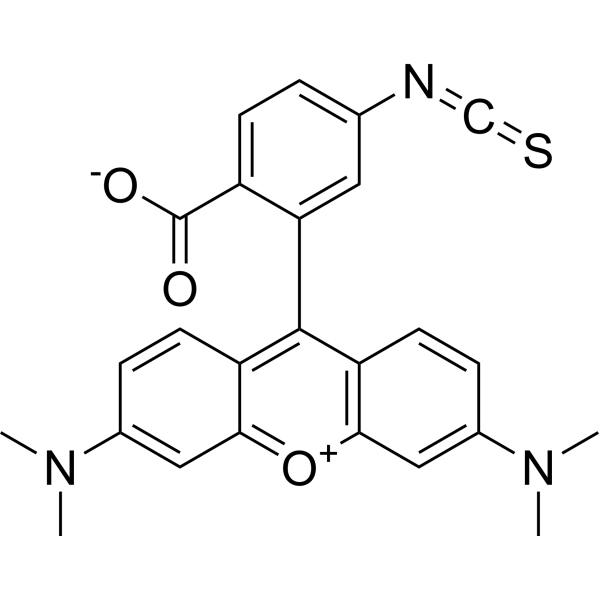
    6-TRITC (Tetramethylrhodamine-6-isothiocyanate) is a potent fluorescent tracer. 6-TRITC can be used as an probe for haptenated proteins/peptides for the research of contact allergy. 6-TRITC can be used as a tracer for the confocal imaging in living cells .
    6-TRITC
  • HY-145194

    Mas-related G-protein-coupled Receptor (MRGPR) Inflammation/Immunology
    MrgprX2 antagonist-4 is an MrgprX2 antagonist extracted from patent US20210128561A1, compound B-51 E117. MrgprX2 antagonist-4 can be used for the research of inflammatory disorders of the skin .
    MrgprX2 antagonist-4
  • HY-14839
    Evatanepag
    2 Publications Verification

    CP-533536 free acid

    Prostaglandin Receptor Cardiovascular Disease Inflammation/Immunology Endocrinology
    Evatanepag (CP-533536) is a non-prostanoid, potent and selective EP2 receptor agonist. Evatanepag can induce local bone formation in vivo. Evatanepag can be used in the research of fractures, bone defects, asthma .
    Evatanepag
  • HY-P1111

    Src Interleukin Related Inflammation/Immunology
    Lyn peptide inhibitor (YGYRLRRKWEEKIPNP-NH2) is a potent, cell-permeable Lyn kinase inhibitor that inhibits Lyn-coupled signaling pathways associated with the IL-5 receptor while preserving the integrity of other signals. Lyn peptide inhibitor blocks the activation of Lyn and inhibits the binding of Lyn tyrosine kinase to the βc subunit of the IL-3/GM-CSF/IL-5 receptor. Lyn peptide inhibitor can be used in the research of eosinophilic diseases such as asthma and allergy .
    Lyn peptide inhibitor
  • HY-A0069

    Histamine Receptor Cytochrome P450 Neurological Disease Metabolic Disease
    Doxylamine succinate is a first-generation antihistamine and acts as a histamine H1 receptor antagonist. Doxylamine succinate is orally active, possessing analgesic and hypnotic activities. Doxylamine succinate enhances the activities of CYP2B, CYP2A, CYP3A and thyroxine-glucuronosyltransferase via promoting substrate hydroxylation and thyroxine metabolic pathways. Doxylamine succinate decreases serum thyroxine (T4) level and elevates serum thyroid-stimulating hormone (TSH) level. Doxylamine succinate induces liver enlargement and increases the activities of hepatic microsomal cytochrome P450, cytochrome b5 and NADPH-cytochrome c reductase. Doxylamine succinate can be used for the research of nausea, allergy, insomnia .
    Doxylamine succinate
  • HY-17570
    Desoximetasone
    1 Publications Verification

    Glucocorticoid Receptor Interleukin Related Cytochrome P450 Inflammation/Immunology
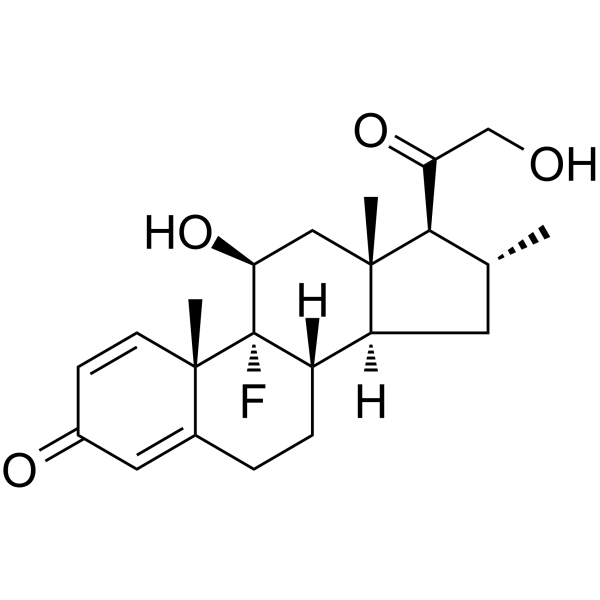
    Desoximetasone is a corticosteroid and a substrate of cytochrome P450 3A4. Desoximetasone has anti-inflammatory, anti-allergic, and immunosuppressive effects. Desoximetasone can be used in the research of various skin diseases, such as skin allergies, atopic dermatitis, and psoriasis .
    Desoximetasone
  • HY-W010243

    Bacterial MMP Apoptosis Fungal Infection Inflammation/Immunology
    Methylisothiazolinone hydrochloride is a bacterial and fungal inhibitor and preservative, as well as a sensitizer. Methylisothiazolinone hydrochloride can activate matrix metalloproteinases (MMPs) in human bronchial epithelial cells to induce apoptosis and inflammatory response. Methylisothiazolinone hydrochloride can promote the development of atopic dermatitis in mice by disrupting Th2/Th17 related immune responses. Methylisothiazolinone hydrochloride can cause mitochondrial damage in the endothelium of rat cerebral blood vessels .
    Methylisothiazolinone hydrochloride
  • HY-N7619

    Purpuroxanthin

    HIV Infection Inflammation/Immunology Cancer
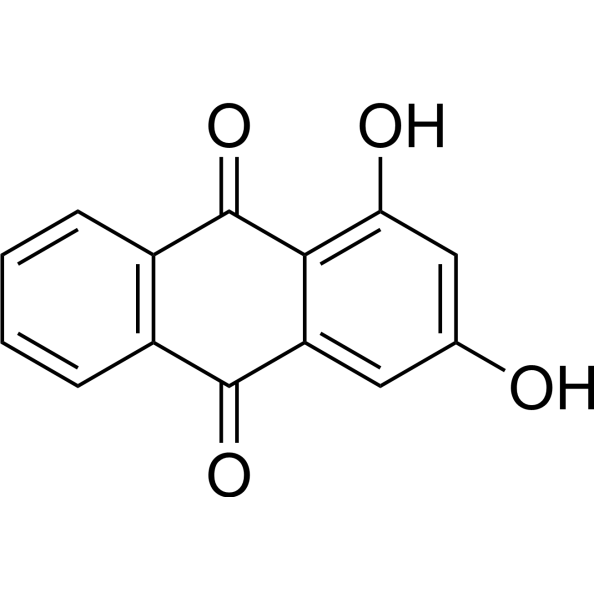
    Xanthopurpurin is an orally active anthraquinone glycoside. Xanthopurpurin can be isolated from the rhizome of Rubia akane. Xanthopurpurin has antiviral effects against rotavirus and HIV. Xanthopurpurin has a strong inhibitory effect on collagen-induced platelet aggregation. Xanthopurpurin prevents peanut allergy .
    Xanthopurpurin
  • HY-116474

    ERK JNK MMP p38 MAPK STAT Fungal Bacterial NO Synthase PGE synthase NF-κB Wnt β-catenin Infection Metabolic Disease Inflammation/Immunology
    Viridicatol is a quinolone alkaloid with anti-inflammatory, antibacterial, antifungal, osteogenic and chondrogenic activities. Viridicatol reduces the phosphorylation levels of ERK, JNK, p38 and STAT6; inhibits MMP-2, MMP-9, NF-κB signaling pathway and PTP1B; downregulates genes related to mast cell activation; and binds to SHN3 to activate the Wnt/SHN3 signaling pathway. Viridicatol inhibits the expression of pro-inflammatory mediators and cytokines, and promotes osteogenic/chondrogenic differentiation. Viridicatol can be used in studies related to fibrosarcoma, allergy, bacterial infection, fungal infection and osteoporosis .
    Viridicatol
  • HY-127167

    Histamine Receptor Inflammation/Immunology
    3',4'-Dihydroxyflavone is a flavonoid. 3',4'-Dihydroxyflavone has antiallergic activity with an IC50 value of 30 μM. 3',4'-Dihydroxyflavone can be used for the research of type I allergy .
    3',4'-Dihydroxyflavone
  • HY-W130442

    SOD Inflammation/Immunology
    N-Isopropyl-N'-phenyl-p-phenylenediamine is an antioxidant used in rubber manufacturing to reduce the detrimental effect of oxygen. N-Isopropyl-N'-phenyl-p-phenylenediamine can cause contact allergy .
    N-Isopropyl-N'-phenyl-p-phenylenediamine
  • HY-109178
    Ifidancitinib
    1 Publications Verification

    ATI-50002; ATI-502

    JAK Others Inflammation/Immunology
    Ifidancitinib (ATI-50002) is an orally available, potent and selective inhibitor of JAK kinase 1/3 that disrupts γc cytokine signaling. Ifidancitinib is used in the research of allergy, asthma, and autoimmune diseases .
    Ifidancitinib
  • HY-157746
    CTPS1-IN-1
    1 Publications Verification

    DNA/RNA Synthesis Inflammation/Immunology Cancer
    CTPS1-IN-1 (compound R80) is a CTPS1 inhibitor. CTPS1-IN-1 has the potential to research cancer (such as promoting vascular injury or surgical recovery) and immune system diseases (such as rejection of transplanted cells and tissues, transplant-related diseases or disorders, allergies, and autoimmune diseases) .
    CTPS1-IN-1
  • HY-105014

    Norastemizole

    Histamine Receptor Inflammation/Immunology
    Tecastemizole (Norastemizole), a major metabolite of Astemizole, is a potent and selective H1 receptor antagonist. Tecastemizole shows anti-inflammatory activities .
    Tecastemizole
  • HY-W181102

    Calcineurin Cardiovascular Disease Neurological Disease Inflammation/Immunology
    NFAT Inhibitor-2 is a potent inhibitor of calcineurin NFAT signalling. Calcineurin is a serine/threonine protein phosphatase regulated by Ca2+ and calmodulin. NFAT Inhibitor-2 has the potential for the research of inflammatory disease, an autoimmune disorder, a cardiovascular disease, a neurodegenerative disease, a disease occurring with uncontrolled cell proliferation and/or differentiation, an angiogenesis-related disease, an allergy, anaphylaxis and alopecia (extracted from patent WO2016207212A1, compound 17) .
    NFAT Inhibitor-2
  • HY-159059

    c-Myc Bcl-2 Family Eukaryotic Initiation Factor (eIF) Survivin β-catenin MMP Interleukin Related Cardiovascular Disease Neurological Disease Inflammation/Immunology Cancer
    Ganoderma Lucidum/Reishi Extract is a Ganoderma lucidum extract. Ganoderma Lucidum/Reishi Extract reduces the expression of c-Myc, BCL-2, BCL-XL, TERT, PDGFB, eIF4G, Survivin, β-catenin, and eIF4E. Ganoderma Lucidum/Reishi Extract downregulates the gene expression of MMP-9. Ganoderma Lucidum/Reishi Extract upregulates the expression of IL8. Ganoderma Lucidum/Reishi Extract is applicable to the research of inflammatory breast cancer. Ganoderma Lucidum is used in the research of various diseases, such as allergy, arthritis, hypertension, neurasthenia, inflammation, and cancer .
    Ganoderma Lucidum/Reishi Extract
  • HY-175650

    STAT Interleukin Related Inflammation/Immunology
    STAT6-IN-9 is a potent STAT6 inhibitor with an EC50 value of 4 nM. STAT6-IN-9 effectively blocks STAT6 activation mediated by the IL-13-IL-13 receptor/IL-4 receptor pathway. STAT6-IN-9 inhibits CCL17 secretion with an IC50 value of 4.6 nM. STAT6-IN-9 can be used to investigate various chronic inflammatory diseases mediated by STAT6, such as allergy, asthma, and chronic obstructive pulmonary disease .
    STAT6-IN-9
  • HY-18706

    trans-MK-341; trans-SB 252218

    Angiotensin Receptor Drug Isomer Cardiovascular Disease Metabolic Disease Inflammation/Immunology Cancer
    trans-Tranilast (trans-MK-341) is an isomer of Tranilast (HY-B0195), and an anti-allergy agent used in studies of bronchial asthma, allergic rhinitis, and atopic dermatitis .
    trans-Tranilast
  • HY-171366

    JAK Inflammation/Immunology
    lirucitinib is a JAK inhibitor, and has antiinflammatory activity. lirucitinib inhibits various itch- and inflammation-inducing cytokines that depend on JAK1 enzyme activity, as well as allergy-related cytokines. lirucitinib can be used for the study of pruritic skin diseases
    lirucitinib
  • HY-109547

    Diclofenac hydroxyethylpyrrolidine

    COX Inflammation/Immunology Cancer
    Flector Patch (Diclofenac epolamine) is a non-steroidal anti-inflammatory drug (NSAID) . Flector Patch is used for relieving arthritis Pain, acute Pain, osteoarthritis, and actinic Keratosis. Flector Patch has good skin absorption characteristics without local adverse reactions and allergies .
    Diclofenac epolamine
  • HY-W587780

    SMX-NO

    Biochemical Assay Reagents Inflammation/Immunology
    Sulfamethoxazole-NO (SMX-NO) is the major immunogen in sulfonamide allergy, producing modest ascorbic acid depletion and hemoglobin adduct formation. Sulfamethoxazole-NO haptens tissue proteins and is immunogenic in rodents .
    Sulfamethoxazole-NO
  • HY-133907

    PI3K Inflammation/Immunology Cancer
    NVS-PI3-4 is a specific PI3Kγ inhibitor. NVS-PI3-4 can be used for the research of allergies, inflammatory and cancer diseases .
    NVS-PI3-4
  • HY-N8228

    Bacterial Infection Inflammation/Immunology Cancer
    17-Hydroxyneomatrine, extracted from Sophora flavescens, can well inhibit the growth of human cervical carcinoma Hela cells, has the wide-range antibacterial, anti-allergy, anti-tumor, anti-arrhythmia, swelling-subsiding diuresis, immunizing, and biological regulation functions .
    17-Hydroxyneomatrine
  • HY-P1076A

    Calmodulin Inflammation/Immunology
    CALP2 TFA is a calmodulin (CaM) antagonist (Kd of 7.9 µM) with high affinity for binding to the CaM EF-hand/Ca 2+-binding site. CALP2 TFA inhibits CaM-dependent phosphodiesterase activity and increases intracellular Ca 2+ concentrations. CALP2 TFA potently inhibits of adhesion and degranulation. CALP2 TFA is also a strong activator of alveolar macrophages .
    CALP2 TFA
  • HY-175876

    MMP Interleukin Related Inflammation/Immunology
    ADAM17-IN-1 is a selective inhibitor of ADAM17. ADAM17-IN-1 inhibits ADAM17 activity to reduce metabolic activity of dendritic cells (DCs), impair DC antigen-presenting function, suppress allergen-specific Th2 cell polarization, and reduce Th2 cytokine (IL-4, IL-5, IL-13) secretion. ADAM17-IN-1 demonstrates protective efficacy against house dust mite (HDM)-induced type 2/eosinophilic airway inflammation in mice. ADAM17-IN-1 can be used for the study of type 2-high allergic asthma .
    ADAM17-IN-1
  • HY-117501

    Histamine Receptor Inflammation/Immunology Cancer
    Dexchlorpheniramine is an potent and blood-brain barrier (BBB) penetrant histamine 1 (H1) receptor antagonist with anticholinergic properties. Dexchlorpheniramine can be used for researching allergies .
    Dexchlorpheniramine
  • HY-B1568A

    Ambodryl hydrochloride

    Histamine Receptor Bacterial Infection Inflammation/Immunology
    Bromodiphenhydramine hydrochloride is a potent antihistamine with antimicrobial property. Bromodiphenhydramine hydrochloride inhibits a large number of Gram negative and Gram positive bacteria. Bromodiphenhydramine hydrochloride can be used for cutaneous allergies research .
    Bromodiphenhydramine hydrochloride
  • HY-W409806

    Liposome Inflammation/Immunology
    Cholesterylamine is a cationic lipid. Cholesterylamine can be added to the PLGA to prepare PLGA particle having surface charge. Cholesterylamine can be used for drug delivery. Cholesterylamine can be used for autoimmune diseases and allergy research .
    Cholesterylamine
  • HY-107798

    Bacterial Infection
    Potassium guaiacolsulfonate hemihydrate is an orally active expectorant used for acute respiratory tract infections. Potassium guaiacolsulfonate hemihydrate helps loosen mucus and used for a cough caused by the common cold, infections or allergies in combination with other agents .
    Potassium guaiacolsulfonate hemihydrate
  • HY-P991717

    AZD-8630

    Interleukin Related Inflammation/Immunology Cancer
    Sunakiment is a humanized IgG1λ monoclonal antibody inhibitor targeting Thymic stromal lymphopoietin (TSLP). Sunakiment can be used for inflammatory and immune system disorders like ulcerative colitis, rheumatoid arthritis and allergy and cancers research .
    Sunakiment
  • HY-165155

    Leukotriene Receptor Inflammation/Immunology
    CysLT1 receptor antagonist-1 (Compound 4) is an antagonist for cysteinyl leukotriene receptor 1 (CysLT1R) with an IC50 of 3.9 μM. CysLT1 receptor antagonist-1 exhibits weak agonist activity against G-protein-coupled bile acid receptor 1 (GPBAR1) with an efficact of 23% at 10 μM. CysLT1 receptor antagonist-1 can be used for asthma and allergic diseases researchs .
    CysLT1 receptor antagonist-1
  • HY-D1177

    Fluorescent Dye
    Solvent orange 60 is a cyclic ketone dye commonly used in plastic materials such as eyeglass frames and has been shown to cause contact allergies.
    Solvent orange 60
  • HY-P2919

    Endogenous Metabolite Inflammation/Immunology
    Rennet is is a mixture of the proteolytic enzymes pepsin and chymosin (rennin), which is found in the fourth stomach of young ruminants. Rennet is promising for research of allergies (e.g., asthma, rhinitis) .
    Rennet
  • HY-B1568

    Ambodryl

    Histamine Receptor Bacterial Infection Inflammation/Immunology
    Bromodiphenhydramine (Ambodryl) is a potent antihistamine with antimicrobial property. Bromodiphenhydramine inhibits a large number of Gram negative and Gram positive bacteria. Bromodiphenhydramine can be used for cutaneous allergies research .
    Bromodiphenhydramine
  • HY-NP179B

    Biochemical Assay Reagents Inflammation/Immunology
    Pollen extract,ragweed is an allergen extracted from ragweed samples and can be used as an allergen in allergy research .
    Pollen extract,ragweed

Inquiry Online

Your information is safe with us. * Required Fields.

Salutation


Country or Region *

Applicant Name *


Organization Name *

Department *


Email Address *


Product Name *

Cat. No.


Requested quantity *

Phone Number *


Remarks

Inquiry Online

Inquiry Information

Product Name:
Cat. No.:
Quantity:
MCE Japan Authorized Agent:

