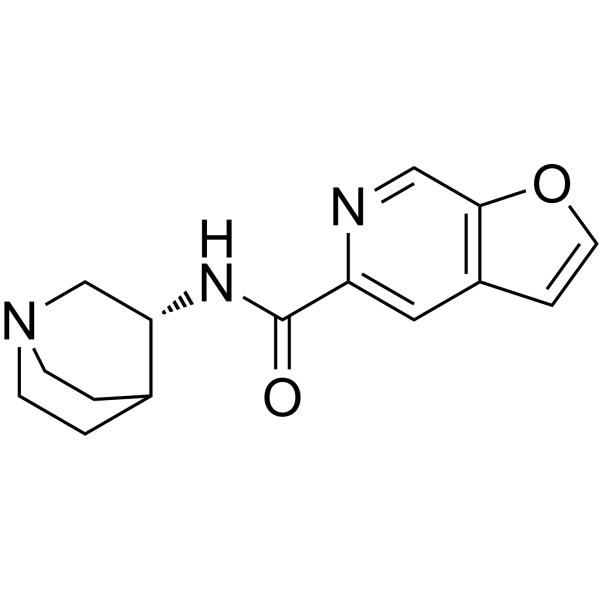
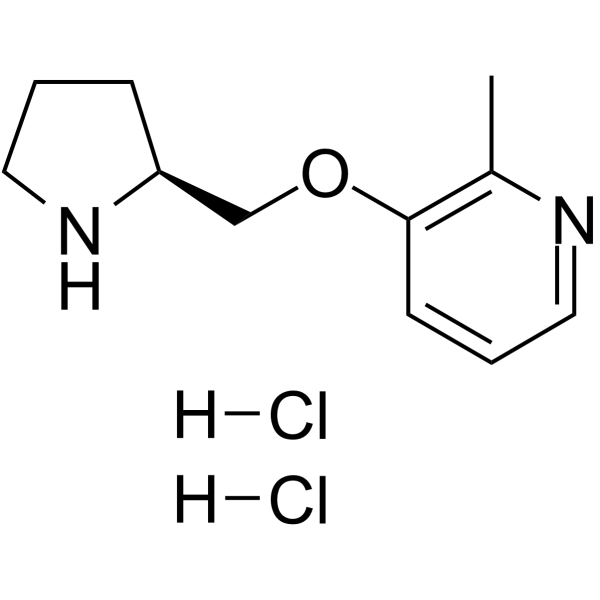
1. Search Result
Search Result
Results for "

alpha4beta2

" in MedChemExpress (MCE) Product Catalog:

104

Inhibitors & Agonists

1

Peptides

10

Natural
Products

10

Isotope-Labeled Compounds

1

Click Chemistry

Cat. No. Product Name Target Research Areas Chemical Structure
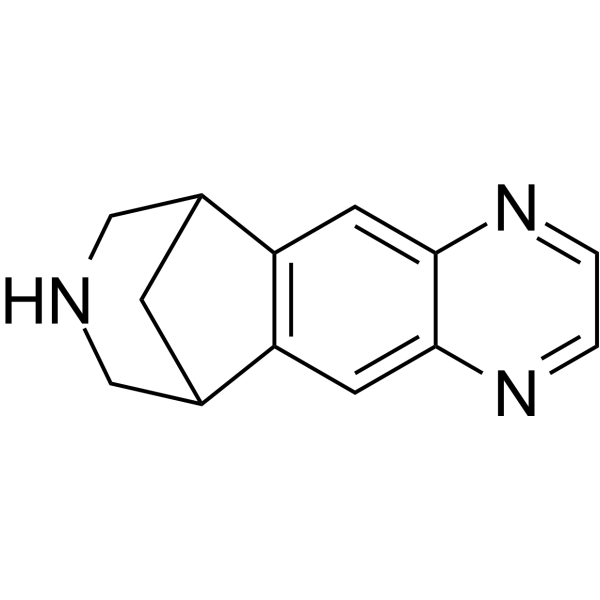
  • HY-10019
    Varenicline
    1 Publications Verification

    CP 526555

    nAChR Neurological Disease Inflammation/Immunology Cancer
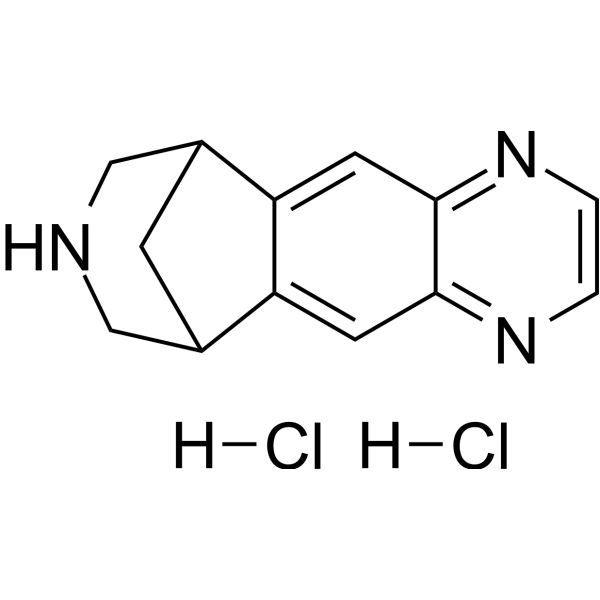
    Varenicline (CP 526555) is an orally active partial agonist of α4β2 nicotinic acetylcholine receptor (α4β2 nAChR, IC50 = 250 nM), which is the principal mediator of nicotine dependence. Varenicline is also a partial agonist of α6β2 nAChR and a full agonist of α7β2 nAChR. Varenicline blocks the direct agonist effects of nicotine on nAChR while stimulates nAChR in a more moderate way, being widely used as an aid of smoking cessation .
    Varenicline
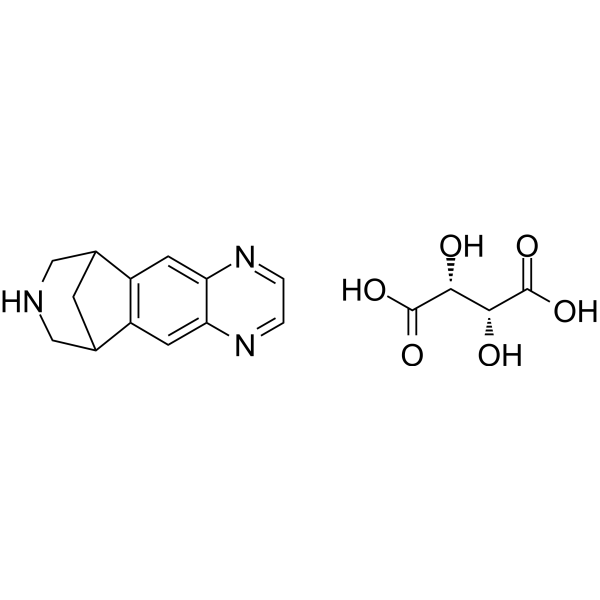
  • HY-10021
    Varenicline Tartrate
    1 Publications Verification

    CP 526555-18

    nAChR ERK p38 MAPK Others Neurological Disease Cancer
    Varenicline (CP 526555) is an orally active partial agonist of α4β2 nicotinic acetylcholine receptor (α4β2 nAChR, IC50 = 250 nM), which is the principal mediator of nicotine dependence. Varenicline is also a partial agonist of α6β2 nAChR and a full agonist of α6β2 nAChR. Varenicline blocks the direct agonist effects of nicotine on nAChR while stimulates nAChR in a more moderate way, being widely used as an aid of smoking cessation .
    Varenicline Tartrate
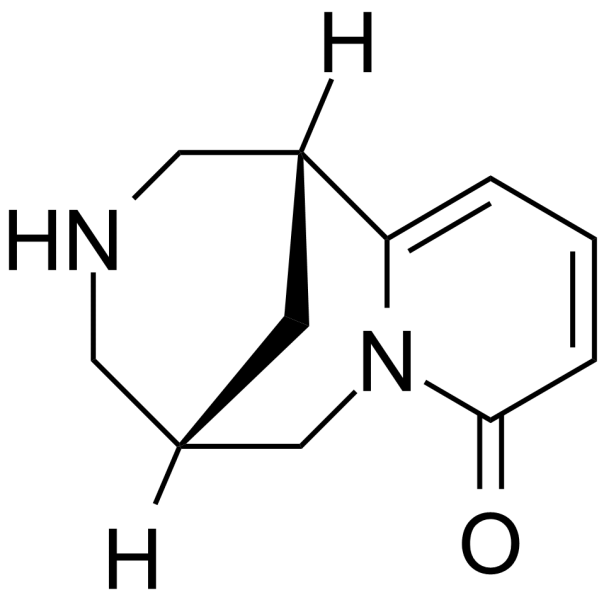
  • HY-N0175
    Cytisinicline
    1 Publications Verification

    Cytisine; Sophorine; Baptitoxine

    nAChR Metabolic Disease Cancer
    Cytisinicline (Cytisine) is an alkaloid. Cytisinicline (Cytisine) is a partial agonist of α4β2 nAChRs , and partial to full agonist at β4 containing receptors and α7 receptors . Has been used medically to help with smoking cessation .
    Cytisinicline
  • HY-14564A
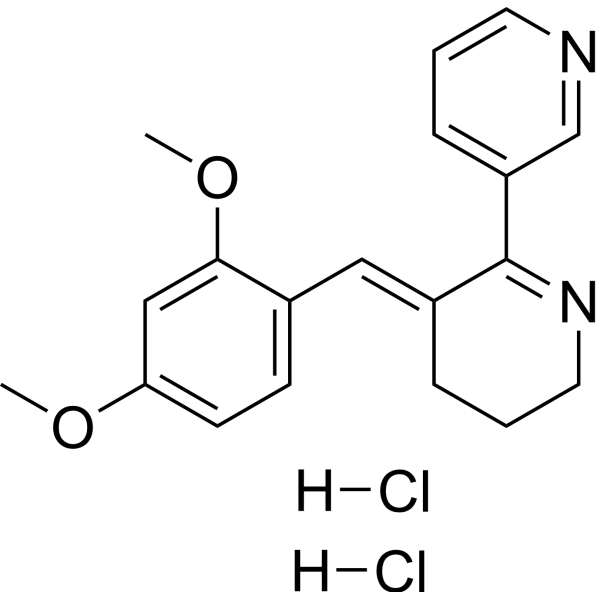
    GTS-21 dihydrochloride
    10+ Cited Publications

    DMXB-A; DMBX-anabaseine

    nAChR 5-HT Receptor Inflammation/Immunology
    GTS-21 dihydrochloride is a selective alpha7 nicotinic acetylcholine receptor (α7-nAChR) agonist with anti inflammatory and cognition enhancing activities. GTS-21 dihydrochloride is also a α4β2 (Ki=20 nM for humanα4β2) and 5-HT3A receptor (IC50=3.1 μM) antagonist .
    GTS-21 dihydrochloride
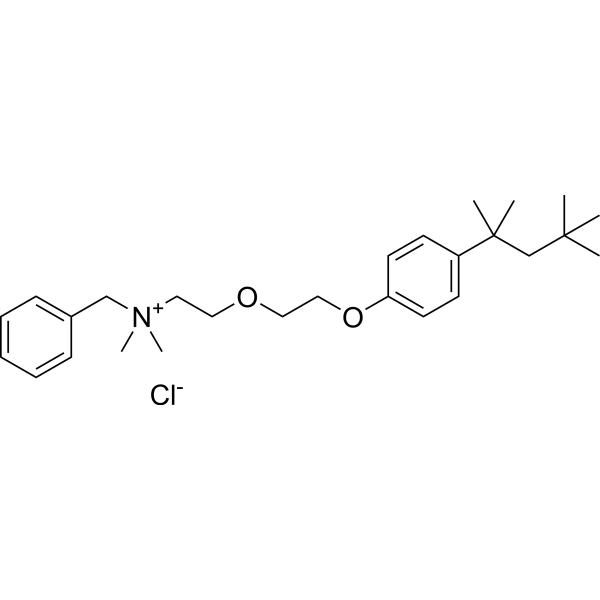
  • HY-B0942
    Benzethonium chloride
    1 Publications Verification

    Environmental Pollutants nAChR Bacterial Apoptosis Caspase Infection Neurological Disease Cancer
    Benzethonium chloride inhibits nicotinic acetylcholine receptors in human recombinant α7 and α4β2 neurons in Xenopus laevis oocytes, which has antibacterial, anticancer, antisepsis and disinfection activity. Benzethonium chloride induced Apoptosis and activated caspases in cancer cell lines. Benzethonium chloride ablates the tumor-forming ability of FaDu cells, delays the growth of xenograft tumors in vivo .
    Benzethonium chloride
  • HY-107670
    Dihydro-β-erythroidine hydrobromide
    1 Publications Verification

    DHβE hydrobromide

    nAChR Neurological Disease
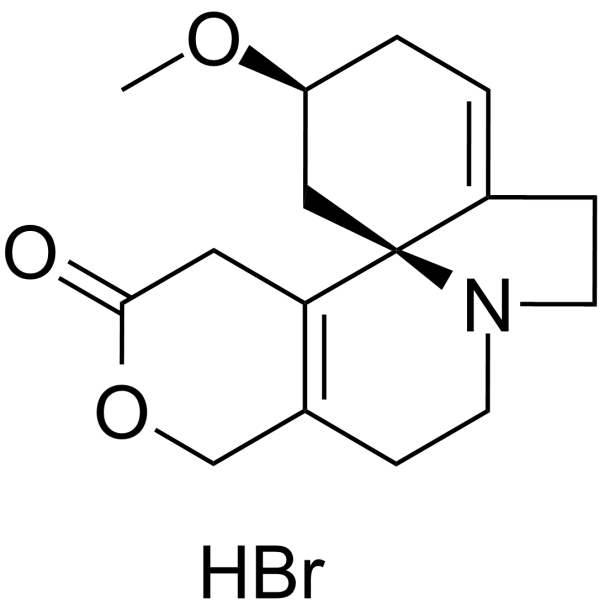
    Dihydro-β-erythroidine (DHβE) hydrobromide is a potent, orally active, and competitive antagonist of neuronal nAChRs. Dihydro-β-erythroidine hydrobromide shows selectivity for α4β4 and α4β2 nAChRs, with IC50s of 0.19 and 0.37 μM, respectively. Antidepressant-like activities .
    Dihydro-β-erythroidine hydrobromide
  • HY-12152
    PNU-120596
    1 Publications Verification

    NSC 216666

    nAChR Neurological Disease Inflammation/Immunology
    PNU-120596 (NSC 216666) is a potent and selective α7 nAChR positive allosteric modulator (PMA) that can cross the blood-brain barrier, with an EC50 of 216 nM. PNU-120596 is inactive against α4β2, α3β4, and α9α10 nAChRs. PNU-120596 has the potential for psychiatric and neurological disorders research .
    PNU-120596
  • HY-A0009
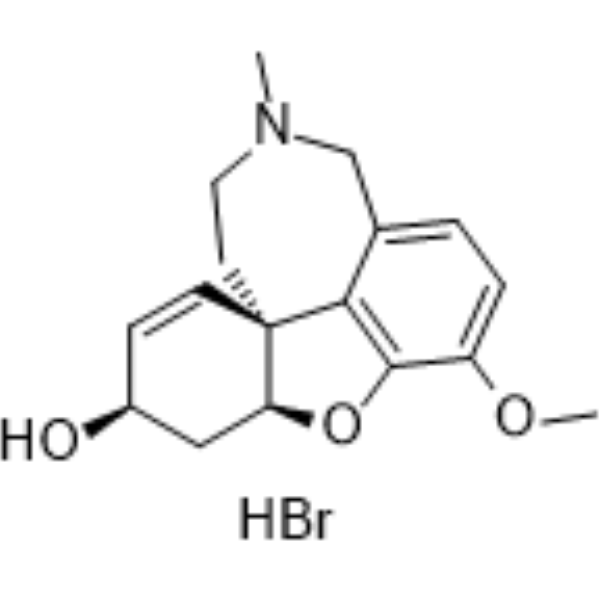
    Galanthamine hydrobromide
    Maximum Cited Publications
    15 Publications Verification

    Galantamine hydrobromide

    Cholinesterase (ChE) nAChR Neurological Disease
    Galanthamine hydrobromide (Galantamine hydrobromide) is a selective, reversible, competitive, alkaloid AChE inhibitor, with an IC50 of 0.35 µM. Galanthamine hydrobromide is a potent allosteric potentiating ligand (APL) of human α3β4, α4β2, α6β4 nicotinic receptors ( nAChRs). Galanthamine hydrobromide is developed for the research of Alzheimer's disease (AD) .
    Galanthamine hydrobromide
  • HY-B0379A
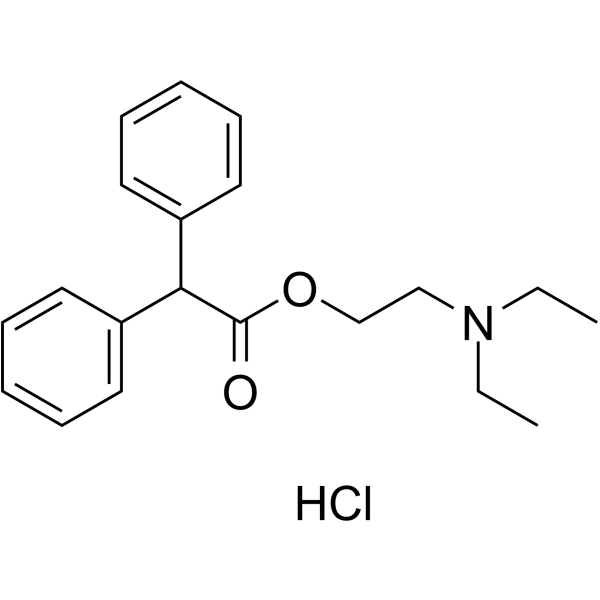
    Adiphenine hydrochloride
    3 Publications Verification

    nAChR Neurological Disease
    Adiphenine hydrochloride is a non-competitive inhibitor of nicotinic acetylcholine receptor (nAChR), with an IC50s of 1.9, 1.8, 3.7, and 6.3 μM for α1, α3β4, α4β2, and α4β4, respectively. Adiphenine hydrochloride has anticonvulsant effects .
    Adiphenine hydrochloride
  • HY-14316A

    Ebanicline dihydrochloride; ABT-594 dihydrochloride

    nAChR Neurological Disease
    Tebanicline dihydrochloride (Ebanicline dihydrochloride) is a nAChR modulator with potent, orally effective analgesic activity. It inhibits the binding of cytisine to α4β2 neuronal nAChRs with a Ki of 37 pM .
    Tebanicline dihydrochloride
  • HY-10020

    CP 526555 hydrochloride

    nAChR Neurological Disease Inflammation/Immunology Cancer
    Varenicline (CP 526555) is an orally active partial agonist of α4β2 nicotinic acetylcholine receptor (α4β2 nAChR, IC50 = 250 nM), which is the principal mediator of nicotine dependence. Varenicline is also a partial agonist of α6β2 nAChR and a full agonist of α6β2 nAChR. Varenicline blocks the direct agonist effects of nicotine on nAChR while stimulates nAChR in a more moderate way, being widely used as an aid of smoking cessation .
    Varenicline Hydrochloride
  • HY-B1671

    GABA Receptor Sodium Channel Calcium Channel Neurological Disease Metabolic Disease
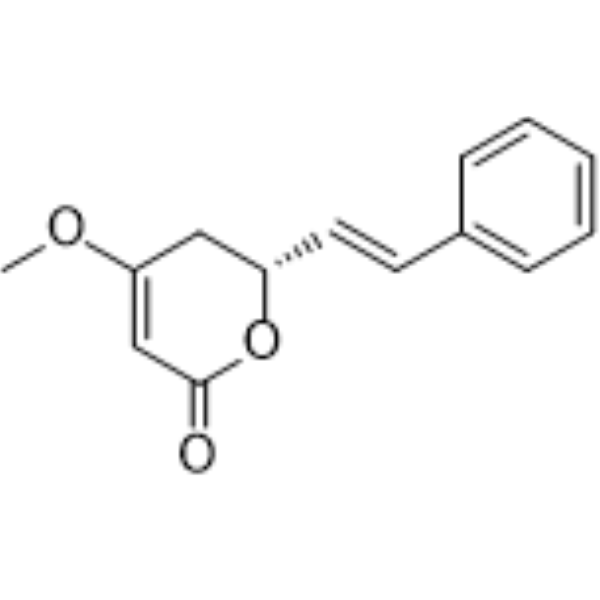
    (+)-Kavain, a main kavalactone that can be extracted from Piper methysticum, has anticonvulsive properties, attenuating vascular smooth muscle contraction through interactions with voltage-dependent Na + and Ca 2+ channels . (+)-Kavain is shown to bind at the α4β2δ GABAA receptor and potentiate GABA efficacy . (+)-Kavain is used as a treatment for inflammatory diseases, its anti-inflammatory action has been widely studied .
    (+)-Kavain
  • HY-105670

    nAChR Neurological Disease
    PHA-543613 is a potent, orally active, brain-penetrant and selective α7 nAChR agonist with a Ki of 8.8 nM. PHA-543613 displays selectivity for α7-nAChR over α3β4, α1β1γδ, α4β2 and 5-HT3 receptors . PHA-543613 can be used for the cognitive deficits of Alzheimer's disease and schizophrenia research .
    PHA-543613
  • HY-110160

    ABT-089 dihydrochloride

    nAChR Neurological Disease
    Pozanicline dihydrochloride (ABT-089 dihydrochloride) is an orally bioavailable nicotinic acetylcholine receptor (nAChR) agonist with a Ki of 16.7 nM for binding to [ 3H]cytisine sites . Pozanicline is an α4β2-selective nAChR agonist, which binds to rat brain α4β2 nAChR with a Ki of 17 nM while binding to α7 nAChR is insignificant .
    Pozanicline dihydrochloride
  • HY-107675

    Deformylflustrabromine hydrochloride; dFBr hydrochloride

    nAChR Neurological Disease
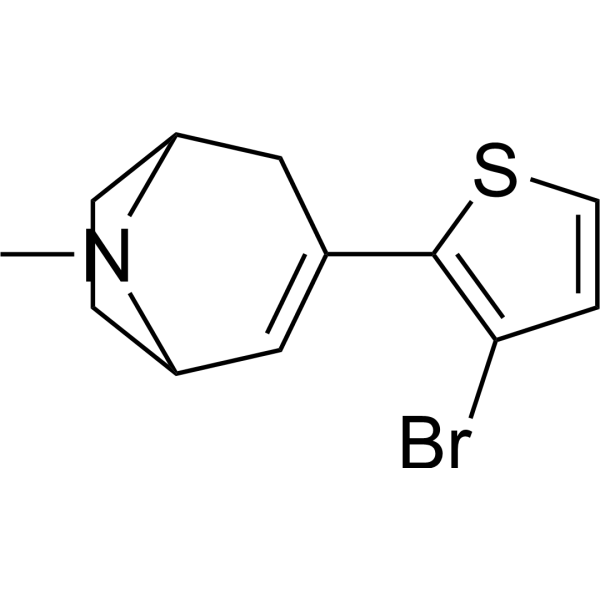
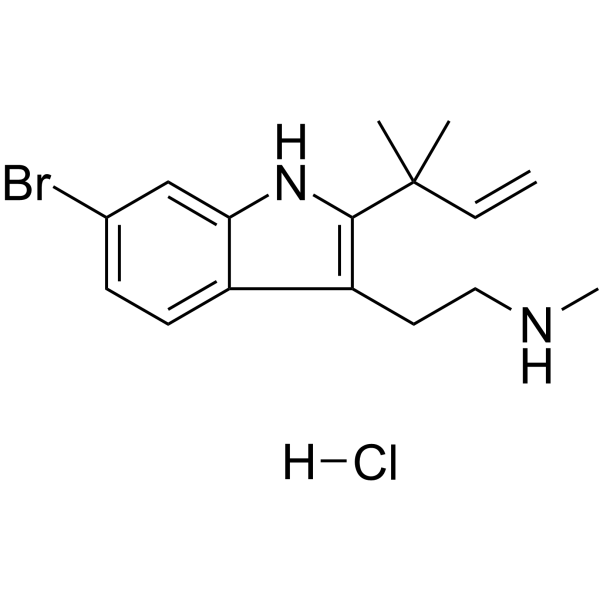
    Desformylflustrabromine hydrochloride is a selective agonist of α4β2 neuronal nicotinic acetylcholine receptor (nAChR) with a pEC50 of 6.48.
    Desformylflustrabromine hydrochloride
  • HY-10019A

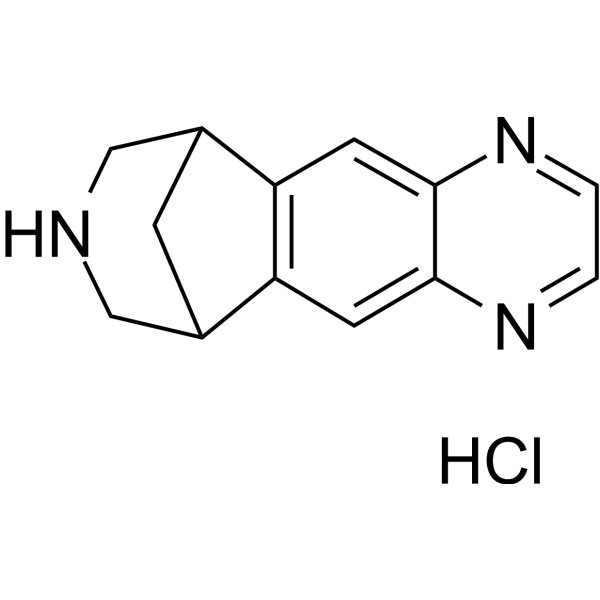
    CP 526555 dihydrochloride

    nAChR Neurological Disease Inflammation/Immunology Cancer
    Varenicline (CP 526555-18) is an orally active partial agonist of α4β2 nicotinic acetylcholine receptor (α4β2 nAChR, IC50 = 250 nM), which is the principal mediator of nicotine dependence. Varenicline is also a partial agonist of α6β2 nAChR and a full agonist of α7β2 nAChR. Varenicline blocks the direct agonist effects of nicotine on nAChR while stimulates nAChR in a more moderate way, being widely used as an aid of smoking cessation .
    Varenicline dihydrochloride
  • HY-136146

    nAChR Neurological Disease
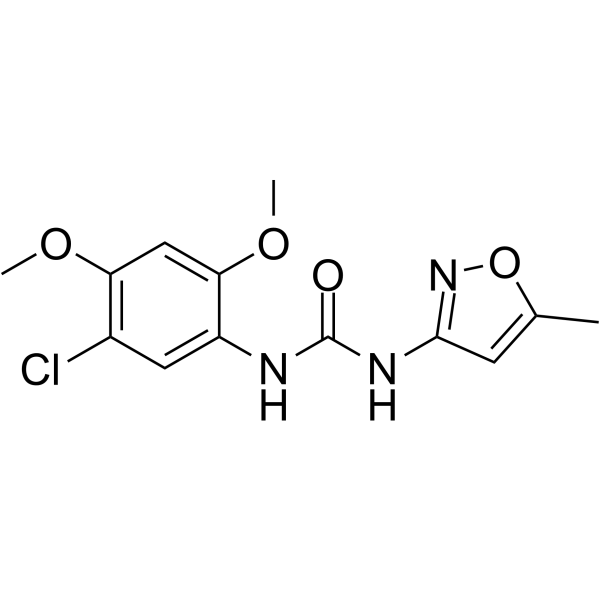
    SUVN-911 is a potent, selective, brain penetrated and orally bioavailable neuronal nicotinic acetylcholine α4β2 receptor antagonist, with a Ki of 1.5 nM. SUVN-911 has antidepressant activity .
    SUVN-911
  • HY-P5189A

    Endogenous Metabolite Cholinesterase (ChE) Others
    His-D-beta-Nal-Ala-Trp-D-Phe-Lys-NH2 TFA, is a growth hormone releasing peptide, as well as a metabolite of GHRP-1. GHRP-1, or Ala-His-D-beta Nal-Ala-Trp-D-Phe-Lys-NH2, has the effect of promoting the release of growth hormone (GH). GHRP-1 increases GH release and increases [Ca2+]i levels in static monolayer cells of rat pituitary gland, but does not affect cAMP levels .
    His-D-beta-Nal-Ala-Trp-D-Phe-Lys-NH2 TFA
  • HY-12766S

    Isotope-Labeled Compounds nAChR Dopamine Transporter Neurological Disease
    Bupropion morpholinol-d6 is the deuterated form of Bupropion morpholinol. Bupropion morpholinol is a major metabolite of Bupropion. Bupropion morpholinol inhibits Dopamine, Norepinephrine transporters and the α4β2 nicotinic receptor in vitro. Bupropion morpholinol contributes to antidepressant and smoking cessation activities .
    Bupropion morpholinol-d6
  • HY-110121A
    NS3861
    1 Publications Verification

    nAChR Neurological Disease
    NS3861 is an agonist of nicotinic acetylcholine receptors (nAChRs) and binds with high affinity to heteromeric α3β4 nAChR. The binding Ki values of 0.62, 25, 7.8, 55 nM for α3β4, α3β2, α4β4, α4β2, respectively .
    NS3861
  • HY-13225B
    Rivanicline hemioxalate
    1 Publications Verification

    RJR-2403 hemioxalate; (E)-Metanicotine hemioxalate

    nAChR Neurological Disease
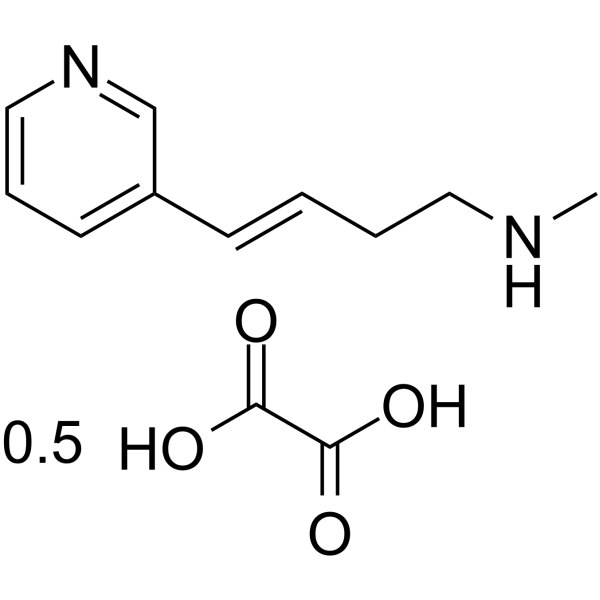
    Rivanicline (RJR-2403) hemioxalate is a neuronal nicotinic receptor agonist. Rivanicline hemioxalate is highly selective for the rat brain cortex nAChRs (Ki = 26 nM, EC50 of 732 nM) and α4β2 subtype (Ki = 26 nM, EC50 = 16 μM). Rivanicline hemioxalate can significantly restore the learning impairment and cognitive dysfunction. Rivanicline hemioxalate can be used for the study of neurodegenerative diseases (such as schizophrenia or Alzheimer's disease) .
    Rivanicline hemioxalate
  • HY-10063

    TC-1734; ACD3480

    nAChR Neurological Disease
    Ispronicline (TC-1734), an orally active, brain-selective α4β2 nicotine acetylcholine receptor (nAChR) partial agonist, has shown memory-enhancing properties in rodents and a good tolerability profile. Ispronicline binds to the α4β2 nAChR with high affinity (Ki=11 nM) and is highly selective to other nAChRs such as α7 nAChR and α3β4 nAChR .
    Ispronicline
  • HY-136207

    nAChR Neurological Disease
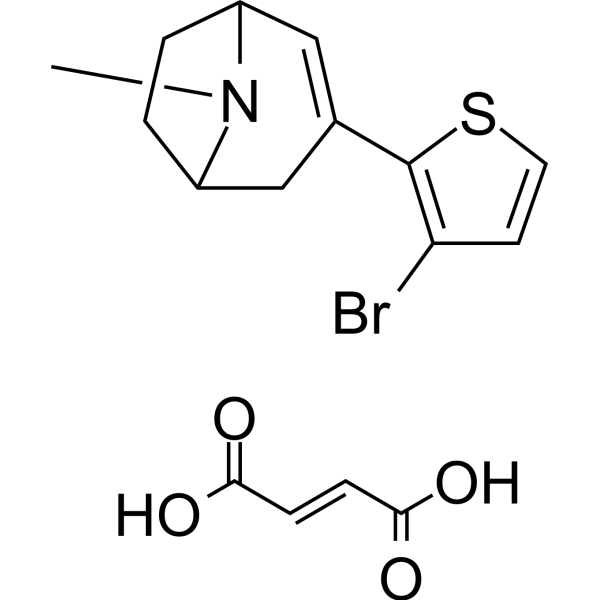
    TC-2559 idifumarate is a CNS-selective, orally active α4β2 subtype of nicotinic acetylcholine receptor (nAChR) partial agonist (EC50=0.18 μM). TC-2559 difumarate shows selectivity for α4β2 over α2β4, α4β4 and α3β4 receptors, with EC50s in the range of 10-30 µM. Antinociceptive effect .
    TC-2559 difumarate
  • HY-110131

    nAChR Neurological Disease
    A 85380 hydrochloride is a novel, high affinity neuronal nicotinic acetylcholine receptor (nAChR) agonist. A 85380 hydrochloride exhibits selectivity for the α4β2 nAChR subtypes. A 85380 hydrochloride has a broad-spectrum analgesic profile .
    A 85380 hydrochloride
  • HY-107686

    5-I A-85380 dihydrochloride

    nAChR Neurological Disease
    5-Iodo-A-85380 dihydrochloride is a selective ligand of nAChR. 5-Iodo-A-85380 dihydrochloride binds to α4β2 nAChRs in rat and human brain with Kds of 12 and 14 pM,respectively .
    5-Iodo-A-85380 dihydrochloride
  • HY-B0942R

    Reference Standards nAChR Bacterial Neurological Disease
    Benzethonium (chloride) (Standard) is the analytical standard of Benzethonium (chloride). This product is intended for research and analytical applications. Benzethonium chloride inhibits nicotinic acetylcholine receptors in human recombinant α7 and α4β2 neurons in Xenopus laevis oocytes.
    Benzethonium chloride (Standard)
  • HY-N0175R

    Cytisine (Standard); Sophorine (Standard); Baptitoxine (Standard)

    Reference Standards nAChR Metabolic Disease Cancer
    Cytisinicline (Standard) is the analytical standard of Cytisinicline. This product is intended for research and analytical applications. Cytisinicline (Cytisine) is an alkaloid. Cytisinicline (Cytisine) is a partial agonist of α4β2 nAChRs , and partial to full agonist at β4 containing receptors and α7 receptors . Has been used medically to help with smoking cessation .
    Cytisinicline (Standard)
  • HY-108069

    Potassium Channel nAChR Neurological Disease
    Iptakalim hydrochloride, a lipophilic para-amino compound, is a novel ATP-sensitive potassium channel (KATP) opener, as well as an α4β2-containing nicotinic acetylcholine receptor (nAChR) antagonist .
    Iptakalim hydrochloride
  • HY-107684

    3-Br-cytisine

    nAChR Neurological Disease
    3-Bromocytisine (3-Br-cytisine) is a potent nACh receptors agonist, with IC50s are 0.28, 0.30 and 31.6 nM for hα4β4, hα4β2, and hα7-nACh, respectively. 3-Bromocytisine (3-Br-cytisine) shows different effects on high (HS) and low (LS) ACh sensitivity α4β2 nAChRs with EC50s are 8 and 50 nM, respectively .
    3-Bromocytisine
  • HY-12766

    Dopamine Transporter nAChR Neurological Disease
    Bupropion morpholinol (Hydroxy Bupropion) is a major metabolite of Bupropion. Bupropion morpholinol inhibits Dopamine, Norepinephrine transporters and the α4β2 nicotinic receptor in vitro. Bupropion morpholinol contributes to antidepressant and smoking cessation activities .
    Bupropion morpholinol
  • HY-115766

    nAChR Neurological Disease
    Anabaseine, a brain-penetrant occurring alkaloid toxin, is potent agonist of multiple nicotinic acetylcholine receptors (AChRs). Anabaseine stimulates the neuromuscular α12β1γδ or α12β1γɛ and α7 AChRs. Anabaseine is also a weak partial agonist at α4β2 nAChRs .
    Anabaseine
  • HY-135483A

    nAChR Neurological Disease
    AR-R17779 hydrochloride is a potent and selective full agonist of nAChR, with Kis of 92 and 16000 nM for α7 and α4β2 subtype, respectively. AR-R17779 hydrochloride can improve learning and memory in rats. AR-R17779 hydrochloride also has anxiolytic activity. AR-R17779 hydrochloride can reduce inflammation by activating antiinflammatory cholinergic (vagal) pathways .
    AR-R17779 hydrochloride
  • HY-N2326

    nAChR Neurological Disease Metabolic Disease
    (±)-Anatoxin A fumarate is a natural alkaloid isolated from freshwater cyanobacterium.(±)-Anatoxin A fumarate is a potent nicotinic receptor agonist and exhibits Ki values of 1.25 nM and 1.84 μM for binding to α4β2- and α7-type nicotinic receptors in rat brain membranes, respectively. (±)-Anatoxin A fumarate stimulates [ 3H]-dopamine release from rat striatal synaptosomes (EC50=134 nM). (±)-Anatoxin A fumarate has toxic effect on fish .
    (±)-Anatoxin A fumarate
  • HY-115764

    nAChR Neurological Disease
    nAChR agonist 2 (compound 8) is a selective alpha4beta2 (α4β2) nAChR agonist (Kd=26 nM) .
    nAChR agonist 2
  • HY-139581

    SUVN-911 free base

    nAChR Neurological Disease
    Ropanicant (SUVN-911 free base) is a novel, potent, selective, and orally active neuronal nicotinic acetylcholine α4β2 receptor antagonist for the research of depression .
    Ropanicant
  • HY-110241

    nAChR Neurological Disease
    Dianicline dihydrochloride is a α4β2 nicotinic acetylcholine receptor partial agonist, a class of agents that includes varenicline and cytisine for smoking cessation. Dianicline dihydrochloride increases cessation rates in a dose-dependent manner .
    Dianicline dihydrochloride
  • HY-138879A

    nAChR Neurological Disease
    (Rac)-CP-601927 hydrochloride is the racemate of CP-601927. CP-601927 is a nAChR agonist with Ki values 1.2 nM and 102 nM for α4β2 and α3β4 nAChR, respectively .
    (Rac)-CP-601927 hydrochloride
  • HY-138953

    nAChR Neurological Disease
    Epiboxidine is a potent and selective neural nAChR agonist with Kis of 0.46 nM and 1.2 nM for rat and human α4β2 nAChRs, respectively. Epiboxidine is a methylisoxazole analog of the alkaloid Epibatidine, and is also an analog of another nAChR agonist, ABT 418 .
    Epiboxidine
  • HY-110121
    NS3861 fumarate
    1 Publications Verification

    nAChR Neurological Disease
    NS3861 fumarate is an agonist of nicotinic acetylcholine receptors (nAChRs) and binds with high affinity to heteromeric α3β4 nAChR. The binding Ki values of 0.62, 25, 7.8, 55 nM for α3β4, α3β2, α4β4, α4β2, respectively .
    NS3861 fumarate
  • HY-137231B

    nAChR Neurological Disease
    (S)-UFR2709 (hydrochloride) is a competitive nAChR antagonist?and displays higher affinity for α4β2 nAChRs than for α7 nAChRs. (S)-UFR2709 (hydrochloride) decreases anxiety and reduces ethanol consumption and ethanol preference in alcohol-preferring rats. (S)-UFR2709 (hydrochloride) acts as an anxiolytic agent and can be used for the study of nicotine addiction .
    (S)-UFR2709 hydrochloride
  • HY-13225A

    RJR-2403; (E)-Metanicotine

    nAChR Neurological Disease
    Rivanicline (RJR-2403) is a neuronal nicotinic receptor agonist. Rivanicline is highly selective for the rat brain cortex nAChRs (Ki = 26 nM, EC50 of 732 nM) and α4β2 subtype (Ki = 26 nM, EC50 = 16 μM). Rivanicline can significantly restore the learning impairment and cognitive dysfunction. Rivanicline can be used for the study of neurodegenerative diseases (such as schizophrenia or Alzheimer's disease) .
    Rivanicline
  • HY-105670B

    nAChR Neurological Disease
    PHA-543613 dihydrochloride is a potent, orally active, brain-penetrant and selective α7 nAChR agonist with a Ki value of 8.8 nM. PHA-543613 dihydrochloride displays selectivity for α7-nAChR over α3β4, α1β1γδ, α4β2 and 5-HT3 receptors . PHA-543613 dihydrochloride can be used for the cognitive deficits of Alzheimer's disease and schizophrenia research .
    PHA-543613 dihydrochloride
  • HY-N1064

    nAChR Neurological Disease
    Xanthoplanine, isolated from theroot of Xylopia parviflora, fully inhibits the EC50 ACh responses of both alpha7 and alpha4beta2 nACh receptors with estimated IC50 values of 9 μM (alpha7) and 5 μM (alpha4beta2) .
    Xanthoplanine
  • HY-169870

    (+)-Mecamylamine; TC-5214

    nAChR Neurological Disease
    Dexmecamylamine ((+)-Mecamylamine) is the antagonist for nicotinic acetylcholine receptor (nAChR), that antagonises the α3β4/α4β2/α7/α1β1γδ receptor with IC50 of micromolare levels. Dexmecamylamine exhibits anxiolytic and antidepressant-like activities .
    Dexmecamylamine
  • HY-14564

    nAChR 5-HT Receptor Inflammation/Immunology
    GTS-21 dihydrochloride is a selective alpha7 nicotinic acetylcholine receptor (α7-nAChR) agonist with anti inflammatory and cognition enhancing activities. GTS-21 dihydrochloride is also a α4β2 (Ki=20 nM for humanα4β2) and 5-HT3A receptor (IC50=3.1 μM) antagonist. GTS-21 can be used in age-associated memory impairment (AAMI) and Alzheimer's disease research .
    GTS-21
  • HY-10021R

    CP 526555-18 (Standard)

    Reference Standards nAChR ERK p38 MAPK Others Neurological Disease
    Varenicline (Tartrate) (Standard) is the analytical standard of Varenicline (Tartrate). This product is intended for research and analytical applications. Varenicline (CP 526555) is an orally active partial agonist of α4β2 nicotinic acetylcholine receptor (α4β2 nAChR, IC50 = 250 nM), which is the principal mediator of nicotine dependence. Varenicline is also a partial agonist of α6β2 nAChR and a full agonist of α6β2 nAChR. Varenicline blocks the direct agonist effects of nicotine on nAChR while stimulates nAChR in a more moderate way, being widely used as an aid of smoking cessation .
    Varenicline Tartrate (Standard)
  • HY-115766S

    Isotope-Labeled Compounds nAChR Neurological Disease
    Anabaseine-d4 is the deuterium labeled Anabaseine (HY-115766). Anabaseine is a non-selective nicotinic agonist. Anabaseine stimulates all AChRs, preferentially stimulates skeletal muscle and brain α7 subtypes . Anabaseine is also a weak partial agonist at α4β2 nAChRs .
    Anabaseine-d4
  • HY-14319B

    nAChR Neurological Disease
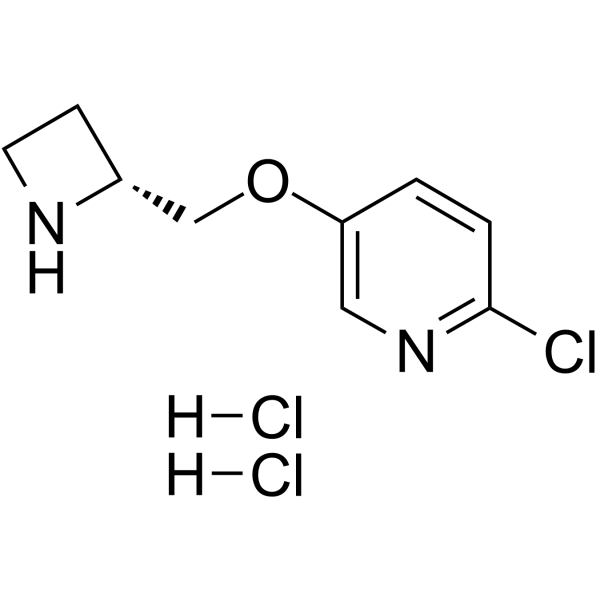
    Sazetidine A dihydrochloride is a potent ligand for the α4β2 nAChR, with high binding affinity and selectivity for this subtype. Sazetidine A dihydrochloride exhibits favorable pharmacological properties and may contribute to research targeting nicotinic receptor-related diseases. Sazetidine A dihydrochloride has been mentioned in studies investigating the binding affinity of various analogs, highlighting its importance in understanding the nAChR ligand subtype selectivity .
    Sazetidine A dihydrochloride
  • HY-19918A
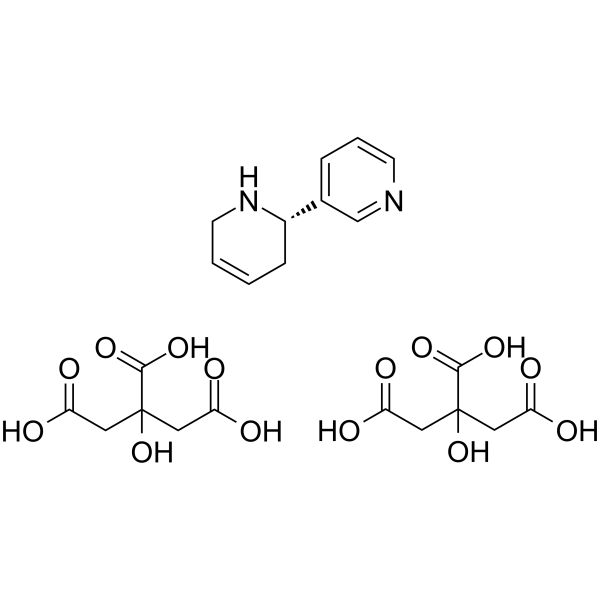
    Anatabine dicitrate
    1 Publications Verification

    NF-κB Amyloid-β nAChR Neurological Disease Inflammation/Immunology
    Anatabine dicitrate is a tobacco alkaloid that can cross the blood-brain barrier. Anatabine dicitrate is a potent α4β2 nAChR agonist. Anatabine dicitrate inhibits NF-κB activation lower amyloid-β (Aβ) production by preventing the β-cleavage of amyloid precursor protein (APP). Anatabine dicitrate has anti-inflammatory effects and has the potential for neurodegenerative disorders treatment .
    Anatabine dicitrate
  • HY-13225

    RJR-2403 oxalate; (E)-Metanicotine oxalate

    nAChR Neurological Disease
    Rivanicline (RJR-2403) oxalate is a neuronal nicotinic receptor agonist. Rivanicline oxalate is highly selective for the rat brain cortex nAChRs (Ki = 26 nM, EC50 of 732 nM) and α4β2 subtype (Ki = 26 nM, EC50 = 16 μM). Rivanicline oxalate can significantly restore the learning impairment and cognitive dysfunction. Rivanicline oxalate can be used for the study of neurodegenerative diseases (such as schizophrenia or Alzheimer's disease) .
    Rivanicline oxalate

Inquiry Online

Your information is safe with us. * Required Fields.

Salutation


Country or Region *

Applicant Name *


Organization Name *

Department *


Email Address *


Product Name *

Cat. No.


Requested quantity *

Phone Number *


Remarks

Inquiry Online

Inquiry Information

Product Name:
Cat. No.:
Quantity:
MCE Japan Authorized Agent:

