2017 Results for "

average urinary flow rate

" in MedChemExpress (MCE) Product Catalog:
Products (2017)

2017 Results for "average urinary flow rate" in MCE Product Catalog:

168
168 Publications Verification
Cat. No.: HY-D0815
CAS No.: 25535-16-4
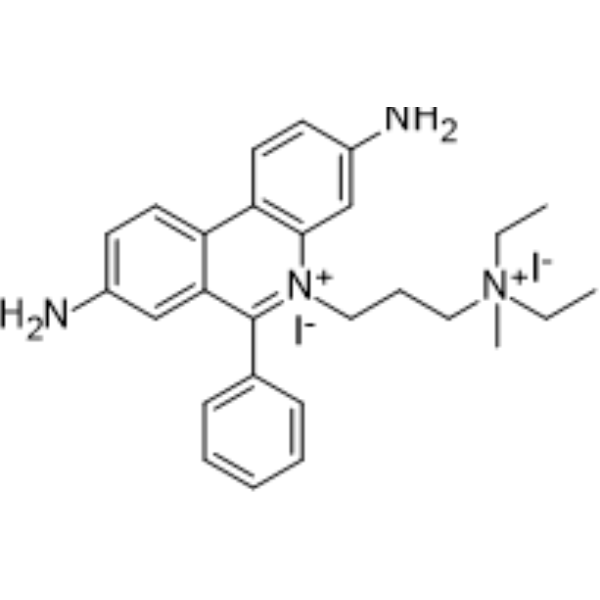
Propidium Iodide (PI) is a nuclear staining agent that stains DNA. Propidium Iodide is an analogue of ethidine bromide that emits red fluorescence upon embedding in double-stranded DNA. Propidium Iodide cannot pass through living cell membranes, but it can pass through damaged cell membranes to stain the nucleus. Propidium Iodide has a fluorescence wavelength of 493/617 nm and a wavelength of 536/635 nm after Mosaic with DNA. Propidium Iodide is commonly used in the detection of apoptosis (apoptosis) or necrosis (necrosis), and is often used in flow cytometry analysis.
loading...
    loading...
134
134 Cited Publications
Cat. No.: HY-D0718
CAS No.: 7385-67-3
Synonyms: Nile Blue A oxazone; Phenoxazone 9
Target:  

Fluorescent Dye

Research Areas:  

Others

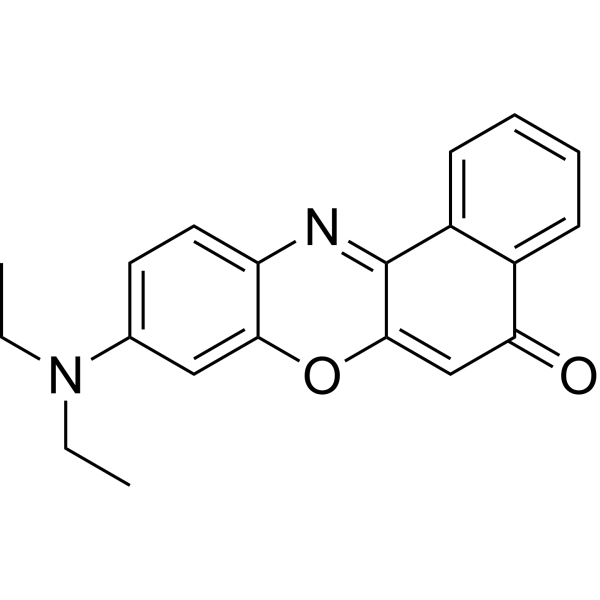
Nile red (Nile blue oxazone) is a lipophilic stain. Nile red has environment-sensitive fluorescence. Nile red is intensely fluorescent in a lipid-rich environment while it has minimal fluorescence in aqueous media. Nile red is an excellent vital stain for the detection of intracellular lipid droplets by fluorescence microscopy and flow cytof uorometry. Nile red stains intracellular lipid droplets red. The fluorescence wavelength is 543/598 nm .
loading...
    loading...
126
126 Cited Publications
Cat. No.: HY-D0938
CAS No.: 150347-59-4
Synonyms: CFSE; 5(6)-Carboxyfluorescein diacetate succinimidyl ester; 5(6)-CFDA N-succinmidyl ester
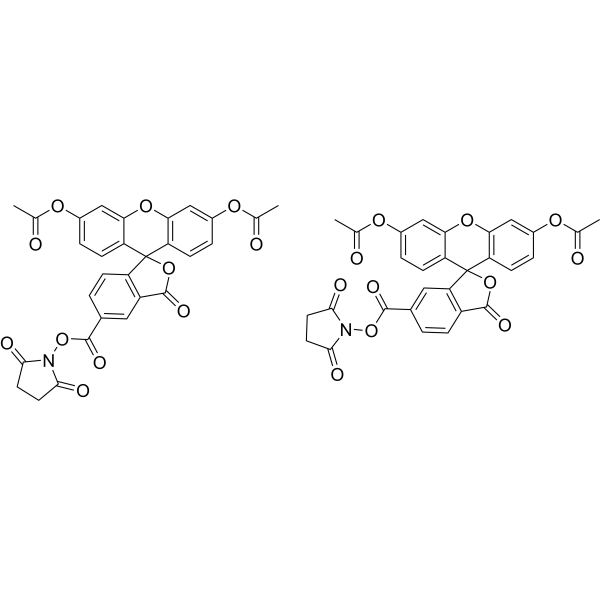
CFDA-SE is a fluorescent dye that can penetrate the cell membrane. It can react with the free amine group in the cytoskeleton protein inside the cell, and finally form a protein complex with fluorescence. After entering the cell, CFDA-SE locates in the cell membrane, cytoplasm and nucleus, and the fluorescence staining is strongest in the nucleus . CFDA-SE dye can be uniformly inherited by the cells with cell division and proliferation, and its attenuation is proportional to the number of cell divisions. This phenomenon can be detected and analyzed by flow cytometry under the excitation light of 488 nm, and can be used to detect the proliferation of cells .
loading...
    loading...
104
104 Cited Publications
Cat. No.: HY-N6682
CAS No.: 22144-77-0
Synonyms: Zygosporin A; NSC 209835
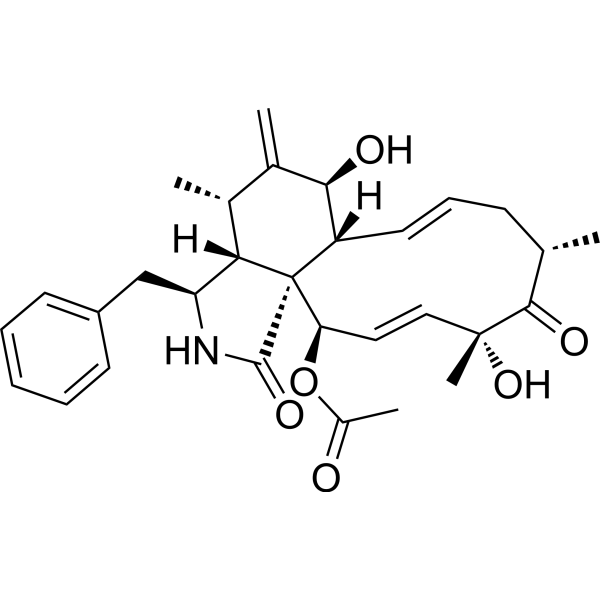
Cytochalasin D (Zygosporin A) is a potent actin polymerization inhibitor, could be derived from fungus. Cytochalasin D has cell-permeable activity. Cytochalasin D inhibits the G-actin–cofilin interaction by binding to G-actin. Cytochalasin D also inhibits the binding of cofilin to F-actin and decreases the rate of both actin polymerization and depolymerization in living cells. Cytochalasin D can reduce exosome release, in turn reducing the amount of survivin present in the tumour environment. Cytochalasin D induces phosphorylation and cytoplasmic retention of Yap .
loading...
    loading...
84
84 Cited Publications
Cat. No.: HY-116215
CAS No.: 186689-07-6
Purity:  99.74%
Target:  

Fluorescent Dye

Research Areas:  

Others

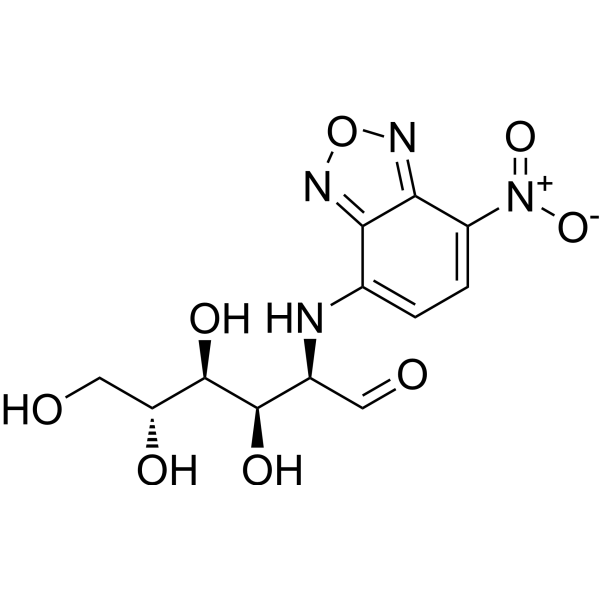
2-NBDG is a fluorescently-labeled deoxyglucose analog that is used primarily to directly monitor glucose uptake by living cells and tissues. It is also used as a topical contrast reagent for the detection of neoplasia. 2-NBDG can be used in real-time confocal, high-resolution, or wide-field fluorescence microscopy as well as in flow cytometry. The probe can be excited by the Argon laser at 488 nm to give the environment-sensitive fluorescence. It has lower photostability than the rhodamine-based fluorescent probes.
loading...
    loading...
80
80 Cited Publications
Cat. No.: HY-N0488A
CAS No.: 57-22-7
Synonyms: Leurocristine; NSC-67574; 22-Oxovincaleukoblastine
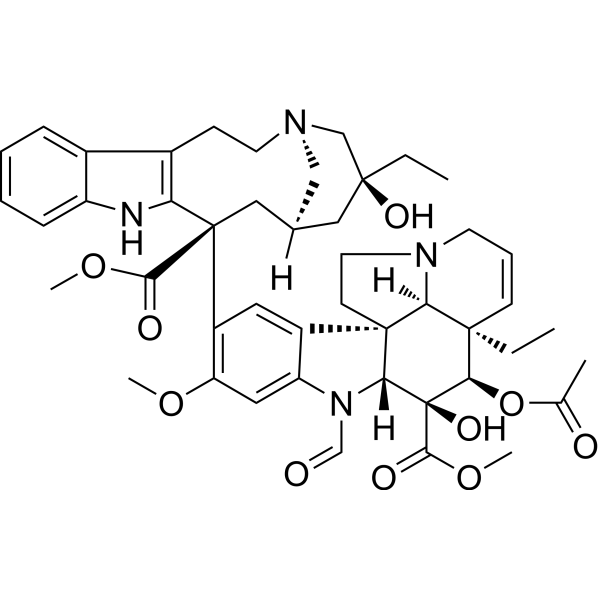
Vincristine (Leurocristine; NSC-67574; 22-Oxovincaleukoblastine) is a microtubule inhibitor that disrupts microtubule polymerization by binding to β-tubulin (with a Ki of 85 nM in bovine), arrests the cell cycle and induces apoptosis. Vincristine inhibits cell replication, tumor blood flow and the proliferation of various cancer cells, while triggering effects such as oxidative stress, inflammation, calcium overload, epithelial-mesenchymal transition and peripheral neuropathic pain. Vincristine upregulates the expression of various transporters and nuclear receptors, and enriches gastric cancer stem-like cells. Vincristine is used in research related to various tumors including acute lymphoblastic leukemia, lymphoma, melanoma, gastric cancer, solid tumors and sarcomas .
loading...
    loading...
80
80 Cited Publications
Cat. No.: HY-N0488
CAS No.: 2068-78-2
Synonyms: Leurocristine sulfate; NSC-67574 sulfate; 22-Oxovincaleukoblastine sulfate
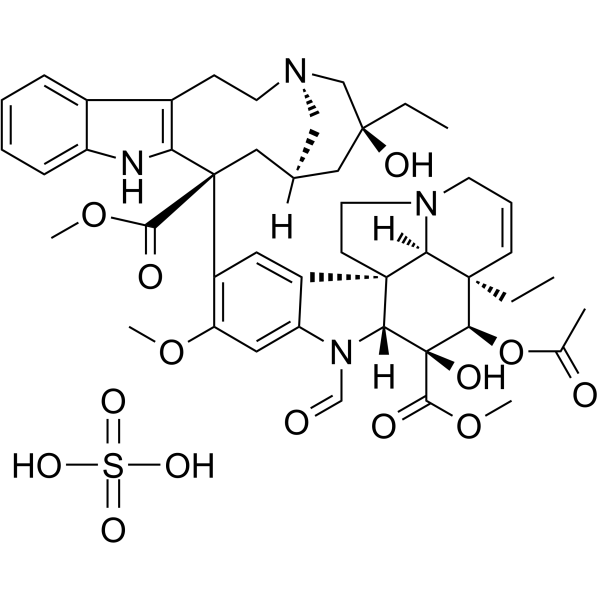
Vincristine (Leurocristine; NSC-67574; 22-Oxovincaleukoblastine) sulfate is a microtubule inhibitor that disrupts microtubule polymerization by binding to β-tubulin (with a Ki of 85 nM in bovine), arrests the cell cycle and induces apoptosis. Vincristine sulfate inhibits cell replication, tumor blood flow and the proliferation of various cancer cells, while triggering effects such as oxidative stress, inflammation, calcium overload, epithelial-mesenchymal transition and peripheral neuropathic pain. Vincristine sulfate upregulates the expression of various transporters and nuclear receptors, and enriches gastric cancer stem-like cells. Vincristine sulfate is used in research related to various tumors including acute lymphoblastic leukemia, lymphoma, melanoma, gastric cancer, solid tumors and sarcomas .
loading...
    loading...
62
62 Cited Publications
Cat. No.: HY-17567A
CAS No.: 9041-08-1
Synonyms: Sodium heparin; Sodium heparinate
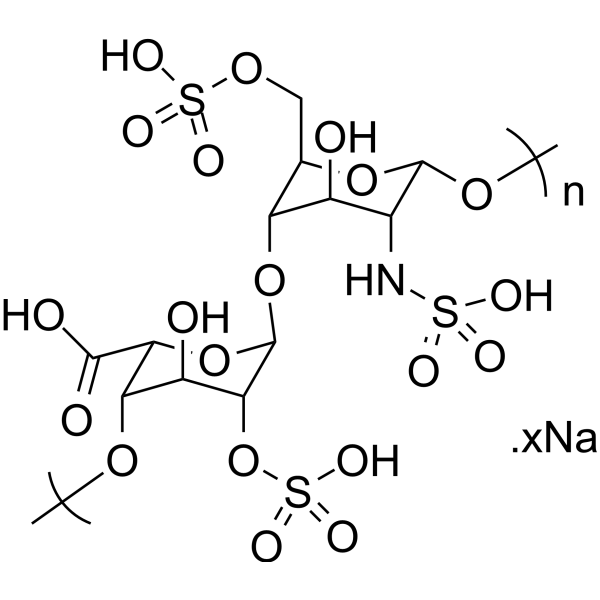
Heparin sodium salt (Sodium heparin) is an anticoagulant which binds reversibly to antithrombin III (ATIII) and greatly accelerates the rate at which ATIII inactivates coagulation enzymes thrombin factor IIa and factor Xa. Heparin sodium salt significantly inhibits exosome-cell interactions.
loading...
    loading...
49
49 Cited Publications
Cat. No.: HY-D0711
CAS No.: 3599-32-4
Synonyms: Foxgreen; IC Green; Cardiogreen
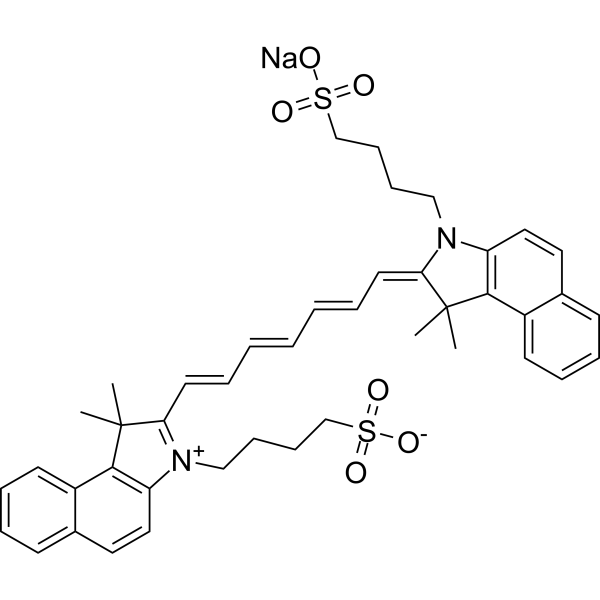
Indocyanine green (Foxgreen) is a low toxicic fluorescent agent that has been widely used in medical diagnostics, such as determining cardiac output, hepatic function, and liver blood flow, and for ophthalmic angiography (Ex/Em = 785/813 nm) .
loading...
    loading...
33
33 Cited Publications
Cat. No.: HY-14865
CAS No.: 389139-89-3
Purity:  99.85%
Synonyms: PTK 0796; Amadacycline
Target:  

Bacterial Antibiotic

Research Areas:  

Infection

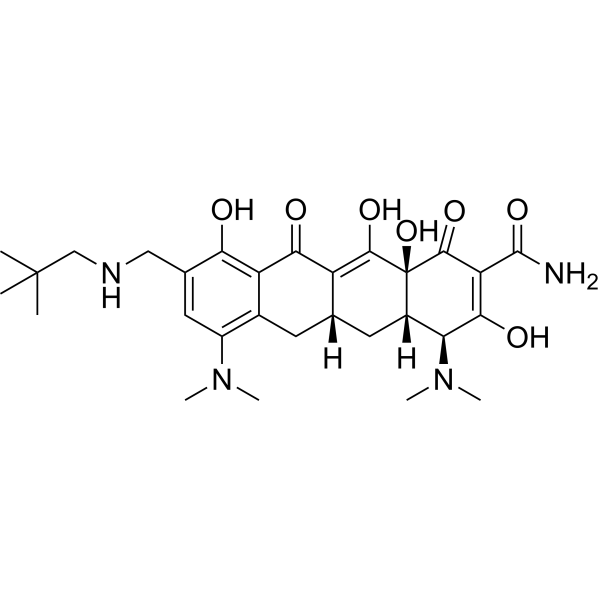
Omadacycline (PTK 0796), a first-in-class orally active aminomethylcycline antibacterial, is a member of the tetracycline class of antibiotics. Omadacycline acts through the inhibition of bacterial protein synthesis by binding to the 30S ribosomal subunit. Omadacycline possesses broad-spectrum antibacterial activity against aerobic and anaerobic Gram-positive and Gram-negative bacteria, as well as atypical bacteria. Omadacycline can be used for the research of acute bacterial skin and skin-structure infections, community-acquired pneumonia, and urinary tract infections .
loading...
    loading...
33
33 Cited Publications
Cat. No.: HY-14865B
CAS No.: 1075240-43-5
Purity:  99.37%
Synonyms: PTK 0796 tosylate; Amadacycline tosylate
Target:  

Bacterial Antibiotic

Research Areas:  

Infection

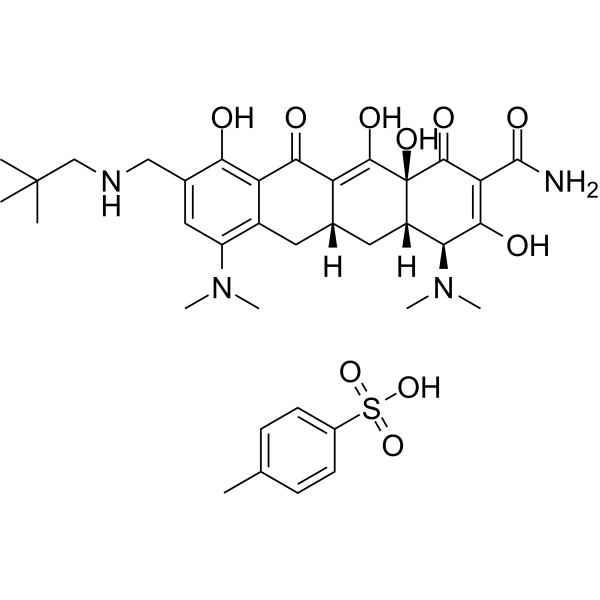
Omadacycline (PTK 0796) tosylate, a first-in-class orally active aminomethylcycline antibacterial, is a member of the tetracycline class of antibiotics. Omadacycline tosylate acts through the inhibition of bacterial protein synthesis by binding to the 30S ribosomal subunit. Omadacycline tosylate possesses broad-spectrum antibacterial activity against aerobic and anaerobic Gram-positive and Gram-negative bacteria, as well as atypical bacteria. Omadacycline tosylate can be used for the research of acute bacterial skin and skin-structure infections, community-acquired pneumonia, and urinary tract infections .
loading...
    loading...
33
33 Cited Publications
Cat. No.: HY-14865C
CAS No.: 1196800-39-1
Purity:  99.47%
Synonyms: PTK0796 hydrochloride; Amadacycline hydrochloride
Target:  

Bacterial Antibiotic

Research Areas:  

Infection

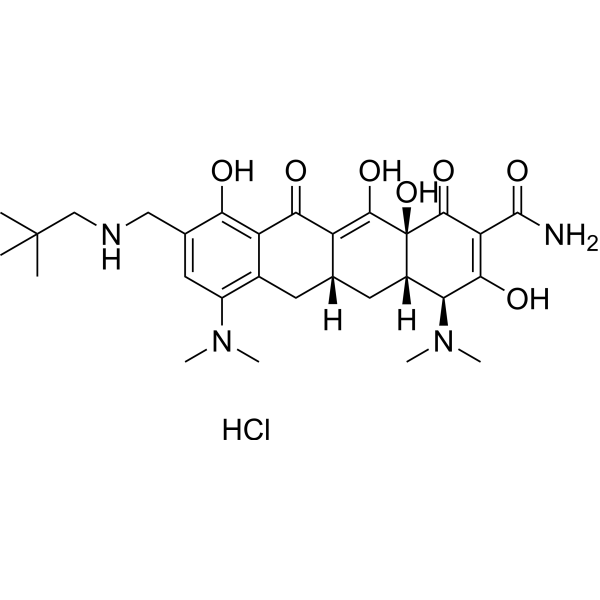
Omadacycline (PTK 0796) hydrochloride, a first-in-class orally active aminomethylcycline antibacterial, is a member of the tetracycline class of antibiotics. Omadacycline hydrochloride acts through the inhibition of bacterial protein synthesis by binding to the 30S ribosomal subunit. Omadacycline hydrochloride possesses broad-spectrum antibacterial activity against aerobic and anaerobic Gram-positive and Gram-negative bacteria, as well as atypical bacteria. Omadacycline hydrochloride can be used for the research of acute bacterial skin and skin-structure infections, community-acquired pneumonia, and urinary tract infections .
loading...
    loading...
30
30 Cited Publications
Cat. No.: HY-16637D
CAS No.: 29704-76-5
Synonyms: Vitamin B9 disodium; Vitamin M disodium
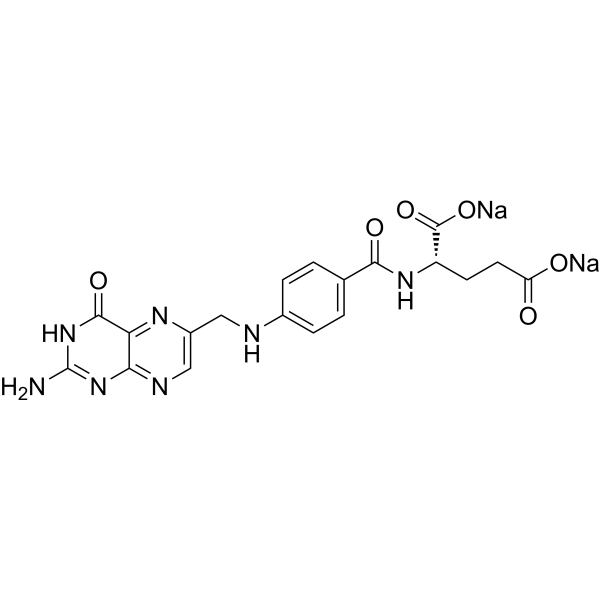
Folic acid disodium (Vitamin B9 disodium; Vitamin M disodium) is an orally active disodium salt form of Folic acid (HY-16637) with an intrinsic dissolution rate (IDR) of 4.96·10 5 g/s . Folic acid disodium serves as cofactor in single-carbon transfer reactions and exhibits protective effects against neural tube defects, ischemic events, and cancer. Folate acid disodium overload leads to impaired brain development in embryogenesis and promotes growth of precancerous altered cells. Folic acid deficiency leads to megaloblastic anemia .
loading...
    loading...
28
28 Cited Publications
Cat. No.: HY-116771A
CAS No.: 138908-40-4
Purity:  99.98%
Target:  

Adrenergic Receptor

Research Areas:  

Metabolic Disease

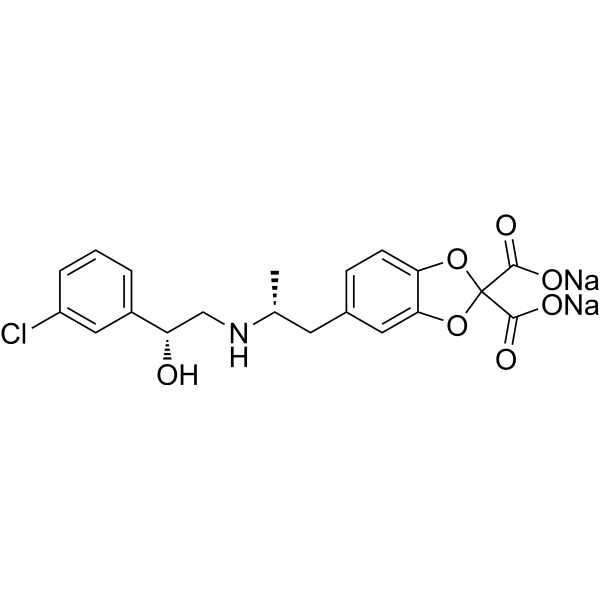
CL316243 is a highly potent selective β3-adrenoceptor agonist with a EC50 of 3 nM, but is an extremely poor to β1/2- receptors .CL316243 is a effective stimulant of adipocyte lipolysis and increases brown adipose tissue thermogenesis and metabolic rate . CL316243 has the potential for the treatment obesity, diabetes and urge urinary incontinence .
loading...
    loading...
28
28 Cited Publications
Cat. No.: HY-116771
CAS No.: 183720-02-7
Purity:  99.37%
Target:  

Adrenergic Receptor

Research Areas:  

Metabolic Disease

CL316243 free acid is a highly potent selective β3-adrenoceptor agonist with a EC50 of 3 nM, but is an extremely poor to β1/2- receptors. CL316243 free acid is a effective stimulant of adipocyte lipolysis and increases brown adipose tissue thermogenesis and metabolic rate. CL316243 free acid has the potential for the treatment obesity, diabetes and urge urinary incontinence .
loading...
    loading...
27
27 Cited Publications
Cat. No.: HY-B1368
CAS No.: 7424-00-2
Synonyms: 4-Chloro-DL-phenylalanine; PCPA; CP-10188
Research Areas:  

Neurological Disease Cancer

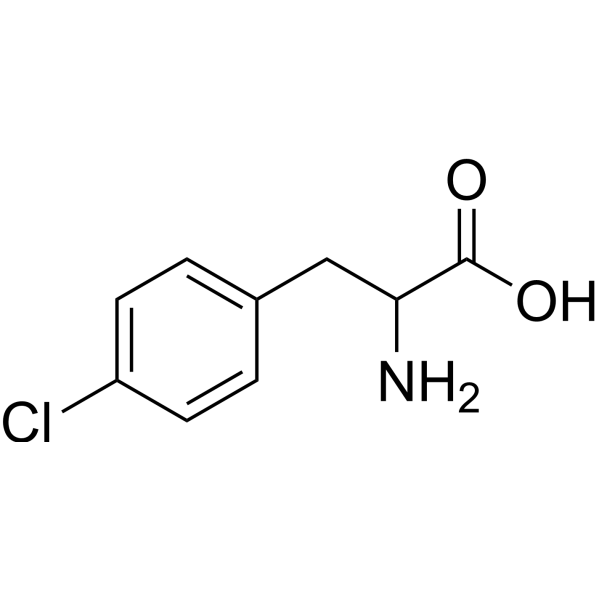
Fenclonine is a selective and irreversible tryptophan hydroxylase inhibitor, which is a rate-limiting enzyme in the biosynthesis of serotonin. Fenclonine can be used in carcinoid syndrome research .
loading...
    loading...
27
27 Cited Publications
Cat. No.: HY-W772850
CAS No.: 23633-07-0
Synonyms: 4-Chloro-DL-phenylalanine hydrochloride; PCPA hydrochloride; CP-10188 hydrochloride
Research Areas:  

Neurological Disease Cancer

Fenclonine hydrochloride is a selective and irreversible tryptophan hydroxylase inhibitor, which is a rate-limiting enzyme in the biosynthesis of serotonin. Fenclonine hydrochloride can be used in carcinoid syndrome research .
loading...
    loading...
26
26 Cited Publications
Cat. No.: HY-B0322
CAS No.: 723-46-6
Synonyms: Ro 4-2130
Target:  

Antibiotic Bacterial

Research Areas:  

Infection Cancer

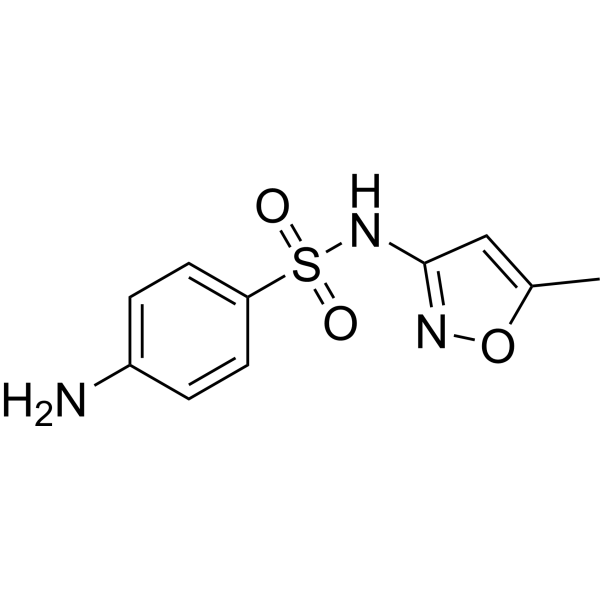
Sulfamethoxazole (Ro 4-2130) is a sulfonamide antibiotic with a widespread antibacterial activity. Sulfamethoxazole inhibits bacterial folate metabolism by competing with 4-Aminobenzoic acid (HY-B1008) (PABA) to act on dihydropteroate synthetase and dihydropteroate reductase. Sulfamethoxazole can be used for the study of urinary tract infections (UTIs), prostatitis, and bronchitis .
loading...
    loading...
26
26 Cited Publications
Cat. No.: HY-B0322A
CAS No.: 4563-84-2
Synonyms: Ro 4-2130 sodium
Target:  

Antibiotic Bacterial

Research Areas:  

Infection

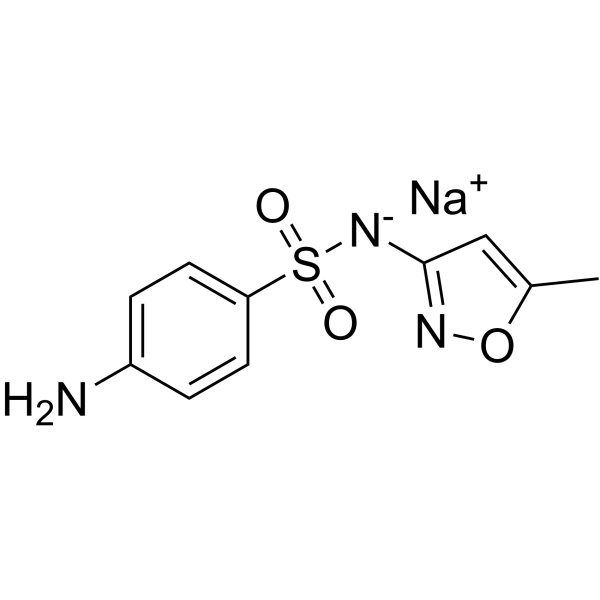
Sulfamethoxazole (Ro 4-2130) sodium is a sulfonamide antibiotic with a widespread antibacterial activity. Sulfamethoxazole sodium inhibits bacterial folate metabolism by competing with 4-Aminobenzoic acid (HY-B1008) (PABA) to act on dihydropteroate synthetase and dihydropteroate reductase. Sulfamethoxazole sodium can be used for the study of urinary tract infections (UTIs), prostatitis, and bronchitis .
loading...
    loading...
25
25 Cited Publications
Cat. No.: HY-B1302
CAS No.: 6151-40-2
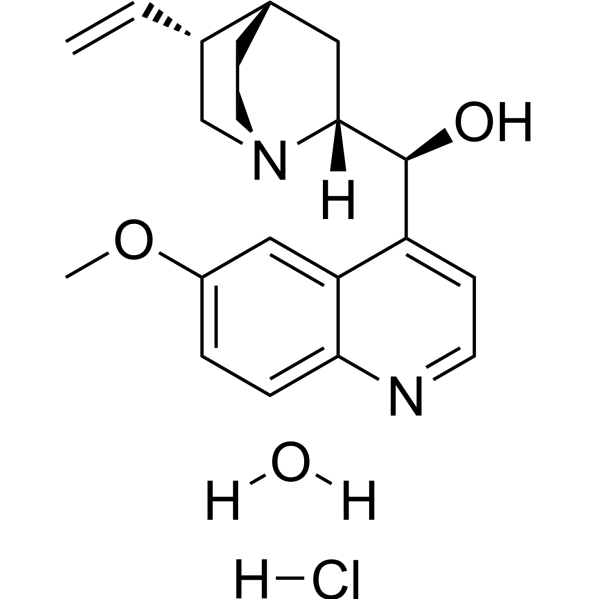
Quinidine hydrochloride monohydrate is an orally active antiarrhythmic agent. Quinidine hydrochloride monohydrate reduces the expression level of P-gp, inhibits P-gp-mediated efflux, increases the intracellular accumulation of P-gp substrates, induces PARP cleavage and Caspase-3 activation, and elevates the proportion of Apoptotic cells at the sub-G1 phase. Quinidine hydrochloride monohydrate exerts sustained block and open-channel block effects on IK(f). Quinidine hydrochloride monohydrate alters the urinary metabolic ratio of Amphetamine, modulates the Pentylenetetrazol-induced seizure threshold, and regulates the anticonvulsant effect of Dextromethorphan. Quinidine hydrochloride monohydrate can be used in studies related to uterine sarcoma and seizures .
loading...
    loading...

