1055 Results for "

biosynthesis

" in MedChemExpress (MCE) Product Catalog:
Products (1055)

1055 Results for "biosynthesis" in MCE Product Catalog:

248
248 Publications Verification
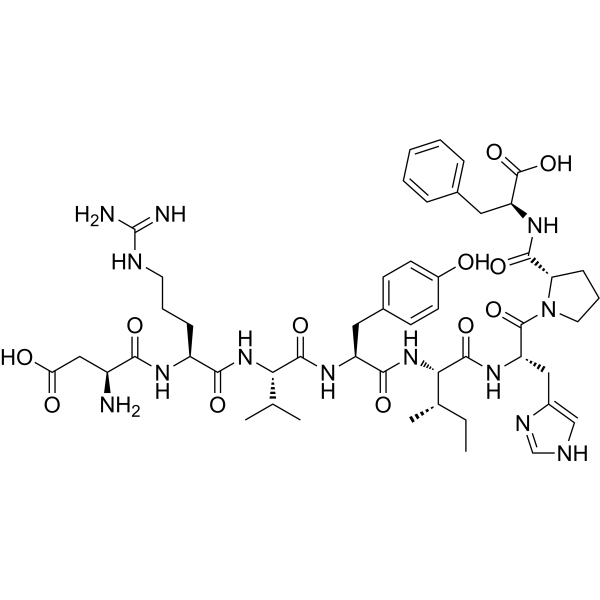
Cat. No.: HY-13948
CAS No.: 4474-91-3
Purity:  99.98%
Synonyms: Angiotensin II; Ang II; DRVYIHPF
Angiotensin II (Angiotensin II) is a vasoconstrictor and a major bioactive peptide of the renin/angiotensin system. Angiotensin II human plays a central role in regulating human blood pressure, which is mainly mediated by interactions between Angiotensin II and the G-protein-coupled receptors (GPCRs) Angiotensin II type 1 receptor (AT1R) and Angiotensin II type 2 receptor (AT2R). Angiotensin II human stimulates sympathetic nervous stimulation, increases aldosterone biosynthesis and renal actions. Angiotensin II human induces growth of vascular smooth muscle cells, increases collagen type I and III synthesis in fibroblasts, leading to thickening of the vascular wall and myocardium, and fibrosis. Angiotensin II human also induces apoptosis. Angiotensin II induces capillary formation from endothelial cells via the LOX-1 dependent redox-sensitive pathway .
loading...
    loading...
248
248 Publications Verification
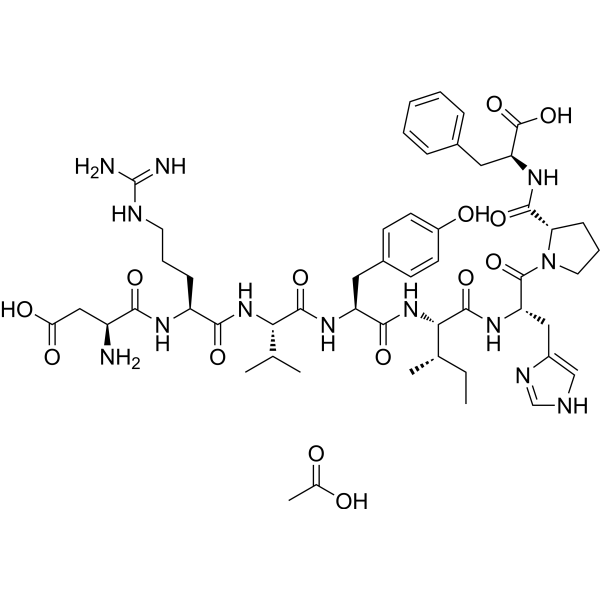
Cat. No.: HY-13948A
CAS No.: 68521-88-0
Purity:  99.62%
Synonyms: Angiotensin II acetate; Ang II acetate; DRVYIHPF acetate
Angiotensin II human (Angiotensin II) acetate is a vasoconstrictor and a major bioactive peptide of the renin/angiotensin system. Angiotensin II human acetate plays a central role in regulating human blood pressure, which is mainly mediated by interactions between Angiotensin II and the G-protein-coupled receptors (GPCRs) Angiotensin II type 1 receptor (AT1R) and Angiotensin II type 2 receptor (AT2R). Angiotensin II human acetate stimulates sympathetic nervous stimulation, increases aldosterone biosynthesis and renal actions. Angiotensin II human acetate induces growth of vascular smooth muscle cells, increases collagen type I and III synthesis in fibroblasts, leading to thickening of the vascular wall and myocardium, and fibrosis. Angiotensin II human acetate also induces apoptosis. Angiotensin II human acetate induces capillary formation from endothelial cells via the LOX-1 dependent redox-sensitive pathway .
loading...
    loading...
248
248 Publications Verification
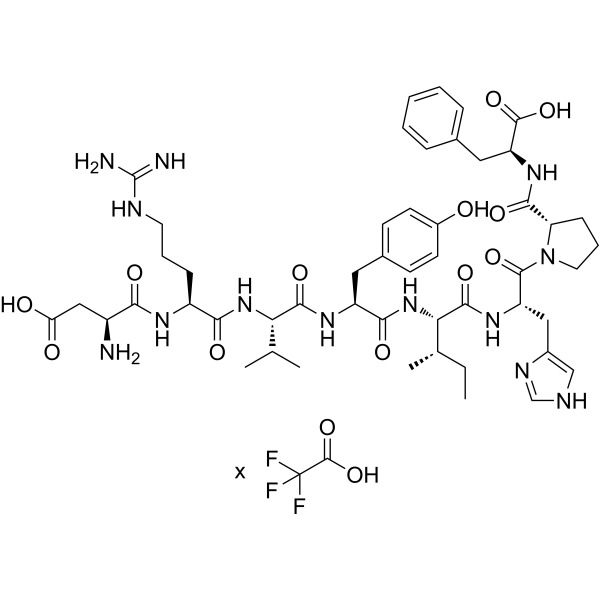
Cat. No.: HY-13948B
CAS No.: 2761969-44-0
Purity:  98.84%
Synonyms: Angiotensin II TFA; Ang II TFA; DRVYIHPF TFA
Angiotensin II human (Angiotensin II) TFA is a vasoconstrictor and a major bioactive peptide of the renin/angiotensin system. Angiotensin II human TFA plays a central role in regulating human blood pressure, which is mainly mediated by interactions between Angiotensin II and the G-protein-coupled receptors (GPCRs) Angiotensin II type 1 receptor (AT1R) and Angiotensin II type 2 receptor (AT2R). Angiotensin II human TFA stimulates sympathetic nervous stimulation, increases aldosterone biosynthesis and renal actions. Angiotensin II human TFA induces growth of vascular smooth muscle cells, increases collagen type I and III synthesis in fibroblasts, leading to thickening of the vascular wall and myocardium, and fibrosis. Angiotensin II human TFA also induces apoptosis. Angiotensin II human TFA induces capillary formation from endothelial cells via the LOX-1 dependent redox-sensitive pathway .
loading...
    loading...
130
130 Cited Publications
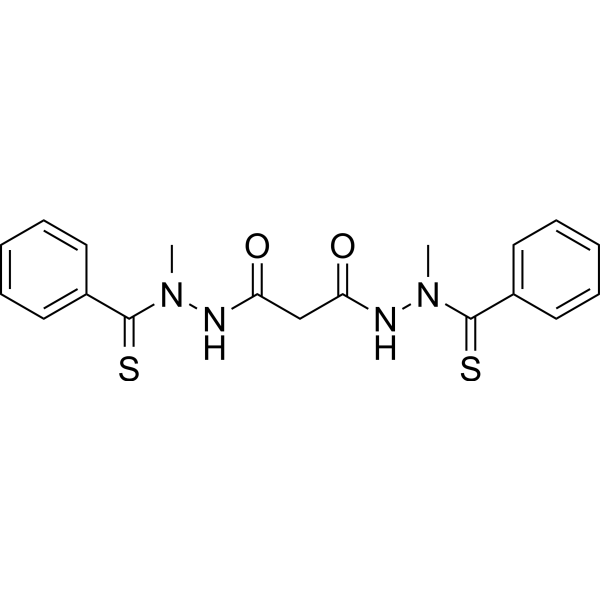
Cat. No.: HY-12040
CAS No.: 488832-69-5
Purity:  99.80%
Synonyms: STA-4783
Research Areas:  

Cancer

Elesclomol (STA-4783) is a potent copper ionophore and promotes copper-dependent cell death (cuproptosis). Elesclomol specifically binds ferredoxin 1 (FDX1) α2/α3 helices and β5 strand. Elesclomol inhibits FDX1-mediated Fe-S cluster biosynthesis. Elesclomol is an oxidative stress inducer that induces cancer cell apoptosis. Elesclomol is a reactive oxygen species (ROS) inducer. Elesclomol can be used for Menkes and associated disorders of hereditary copper deficiency research .
loading...
    loading...
37
37 Cited Publications
Cat. No.: HY-106376
CAS No.: 5072-26-4
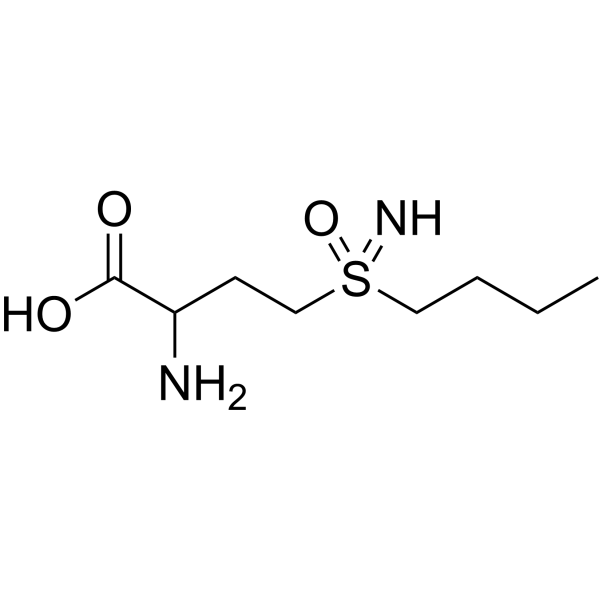
Purity:  99.67%
Synonyms: Buthionine sulfoximine; BSO
Target:  

Ferroptosis

Research Areas:  

Cancer

DL-Buthionine-(S,R)-sulfoximine is a potent inhibitor of glutamylcysteine synthetase biosynthesis.
loading...
    loading...
37
37 Cited Publications
Cat. No.: HY-106376B
Purity:  99.09%
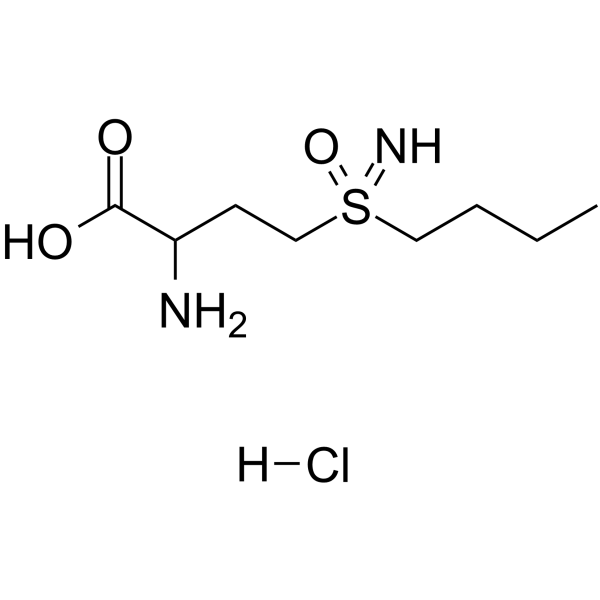
Synonyms: Buthionine sulfoximine hydrochloride; BSO hydrochloride
Target:  

Ferroptosis

Research Areas:  

Cancer

DL-Buthionine-(S,R)-sulfoximine hydrochloride (Buthionine sulfoximine hydrochloride) is a potent inhibitor of glutamylcysteine synthetase biosynthesis.
loading...
    loading...
27
27 Cited Publications
Cat. No.: HY-B1368
CAS No.: 7424-00-2
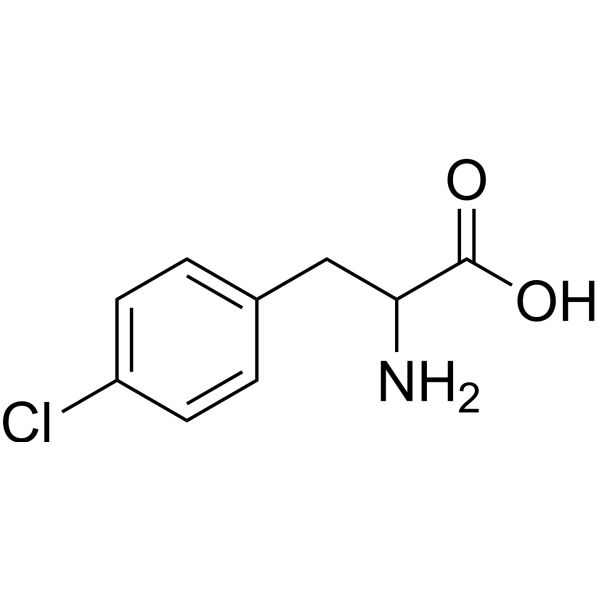
Synonyms: 4-Chloro-DL-phenylalanine; PCPA; CP-10188
Research Areas:  

Neurological Disease Cancer

Fenclonine is a selective and irreversible tryptophan hydroxylase inhibitor, which is a rate-limiting enzyme in the biosynthesis of serotonin. Fenclonine can be used in carcinoid syndrome research .
loading...
    loading...
27
27 Cited Publications
Cat. No.: HY-W772850
CAS No.: 23633-07-0
Synonyms: 4-Chloro-DL-phenylalanine hydrochloride; PCPA hydrochloride; CP-10188 hydrochloride
Research Areas:  

Neurological Disease Cancer

Fenclonine hydrochloride is a selective and irreversible tryptophan hydroxylase inhibitor, which is a rate-limiting enzyme in the biosynthesis of serotonin. Fenclonine hydrochloride can be used in carcinoid syndrome research .
loading...
    loading...
23
23 Cited Publications
Cat. No.: HY-B0467
CAS No.: 34642-77-8
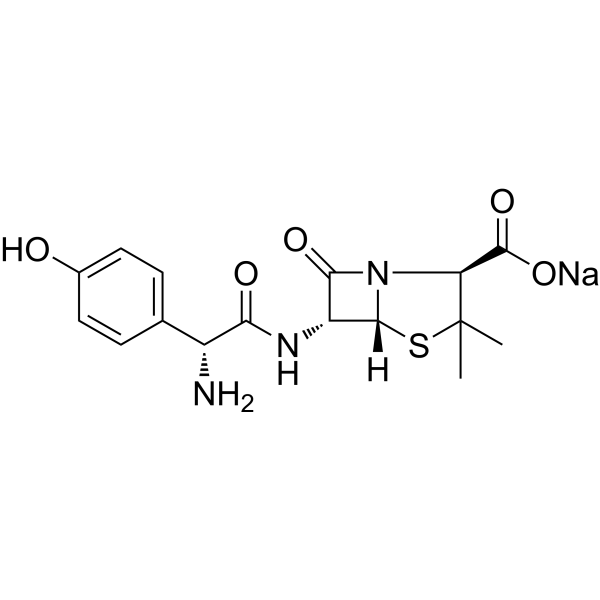
Synonyms: Amoxycillin sodium
Target:  

Bacterial Antibiotic

Research Areas:  

Infection Cancer

Amoxicillin (Amoxycillin) sodium is an antibiotic with good oral absorption and broad spectrum antimicrobial activity. Amoxicillin sodium inhibits the biosynthesis of polypeptides in the cell wall, thereby inhibiting cell growth .
loading...
    loading...
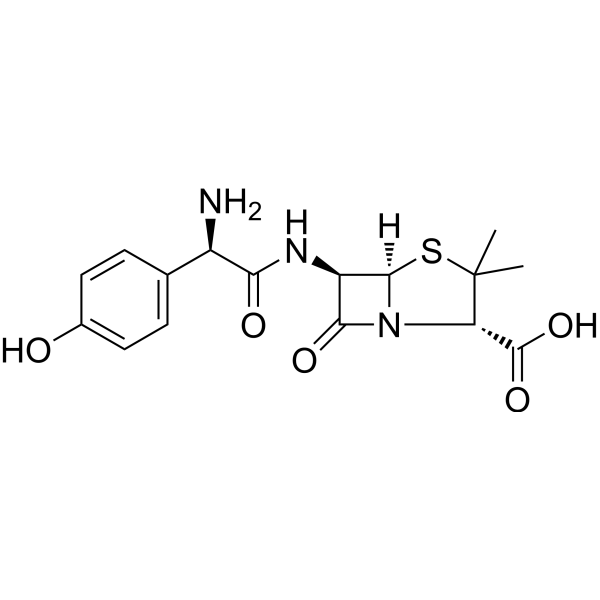
23
23 Cited Publications
Cat. No.: HY-B0467A
CAS No.: 26787-78-0
Synonyms: Amoxycillin
Target:  

Bacterial Antibiotic

Research Areas:  

Infection Cancer

Amoxicillin (Amoxycillin) is an antibiotic with good oral absorption and broad spectrum antimicrobial activity. Amoxicillin inhibits the biosynthesis of polypeptides in the cell wall, thereby inhibiting cell growth .
loading...
    loading...
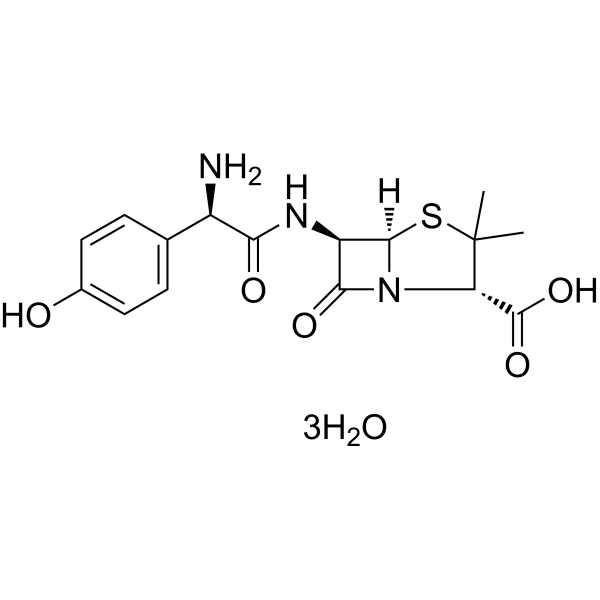
23
23 Cited Publications
Cat. No.: HY-B0467B
CAS No.: 61336-70-7
Synonyms: Amoxycillin trihydrate
Target:  

Bacterial Antibiotic

Research Areas:  

Infection Cancer

Amoxicillin (Amoxycillin) trihydrateis an antibiotic with good oral absorption and broad spectrum antimicrobial activity. Amoxicillin trihydrateis inhibits the biosynthesis of polypeptides in the cell wall, thereby inhibiting cell growth .
loading...
    loading...
23
23 Cited Publications
Cat. No.: HY-131165
Target:  

Antibiotic Bacterial

Research Areas:  

Infection Cancer

Amoxicillin (trihydrate) mixture with potassium clavulanate (4:1) an antibiotic with good oral absorption and broad spectrum antimicrobial activity. Amoxicillin (trihydrate) mixture with potassium clavulanate (4:1) inhibits the biosynthesis of polypeptides in the cell wall, thereby inhibiting cell growth .
loading...
    loading...
21
21 Cited Publications
Cat. No.: HY-14248
CAS No.: 112809-51-5
Purity:  99.95%
Synonyms: CGS 20267
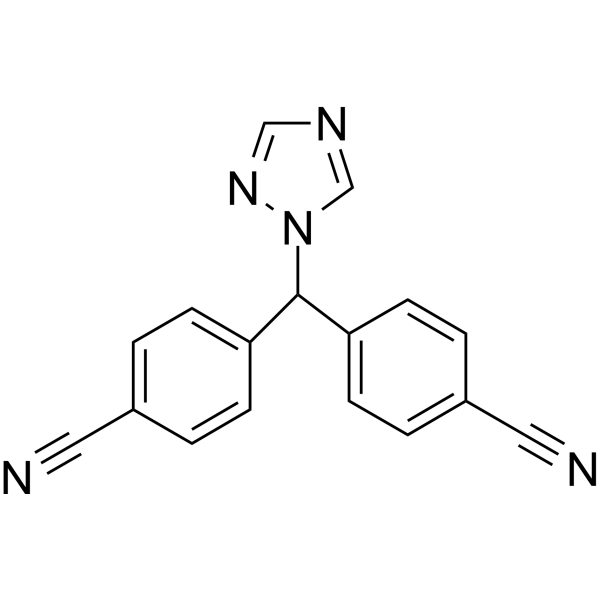
Letrozole (CGS 20267) is a potent, selective, reversible and orally active non-steroidal inhibitor of aromatase, with an IC50 of 11.5 nM. Letrozole selective inhibits estrogen biosynthesis, and can be used for the research of breast cancer .
loading...
    loading...
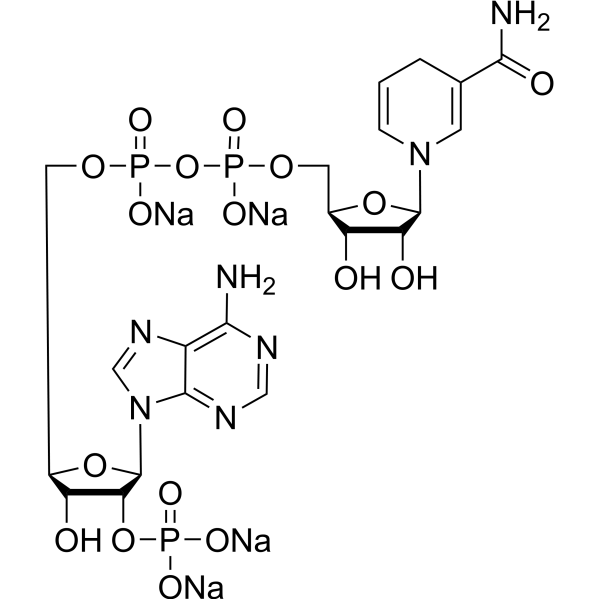
20
20 Cited Publications
Cat. No.: HY-F0003
CAS No.: 2646-71-1
Research Areas:  

Metabolic Disease Cancer

NADPH tetrasodium salt functions as an important cofactor in a variety of metabolic and biosynthetic pathways. NADPH tetrasodium salt is an endogenous inhibitor of ferroptosis. NADPH tetrasodium salt plays a vital role in the biosynthesis of agents, chiral alcohols, fatty acids and biopolymers, while also being required for lipid biosynthesis, biomass formation, and cell replication .
loading...
    loading...
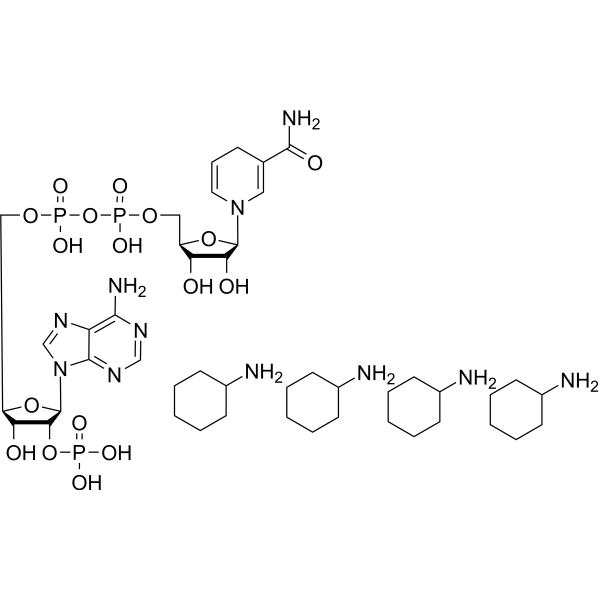
20
20 Cited Publications
Cat. No.: HY-F0003A
CAS No.: 100929-71-3
Research Areas:  

Metabolic Disease Cancer

NADPH tetracyclohexanamine functions as an important cofactor in a variety of metabolic and biosynthetic pathways. NADPH tetracyclohexanamine is an endogenous inhibitor of ferroptosis. NADPH tetracyclohexanamine plays a vital role in the biosynthesis of agents, chiral alcohols, fatty acids and biopolymers, while also being required for lipid biosynthesis, biomass formation, and cell replication .
loading...
    loading...
20
20 Cited Publications
Cat. No.: HY-113324
CAS No.: 53-57-6
Purity:  99.49%
NADPH is a coenzyme of glutathione reductase (GR), thioredoxin reductase (TrxR) and NADPH oxidase (NOX), and participates in redox reactions as a hydrogen donor. NADPH has the characteristic of selectively participating in the regulation of cellular redox homeostasis. NADPH exerts antioxidant activity and resists reactive oxygen species (ROS) damage by providing reducing equivalents for the regeneration of glutathione (GSH) and thioredoxin (Trx); at the same time, it acts as a substrate of NOX to generate superoxide anions, mediating oxidative stress and immune response. NADPH participates in maintaining the intracellular reducing environment, biosynthesis and regulating gene expression (such as the Nrf2 pathway), and is mainly used in the study of oxidative stress-related diseases (such as cardiovascular diseases, neurodegenerative diseases, cancer) and immune regulation mechanisms .
loading...
    loading...
18
18 Cited Publications
Cat. No.: HY-D1300
CAS No.: 231946-72-8
Synonyms: LysoTracker Red DND-99
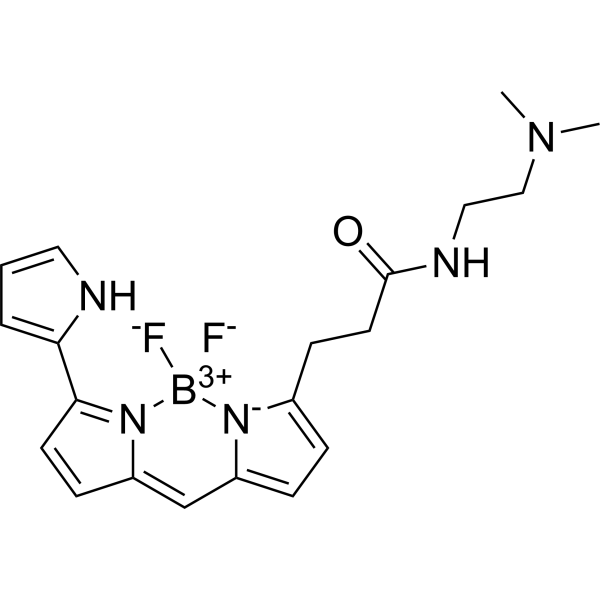
LysoTracker Red is a Red fluorescently labeled lysosomal probe with a maximum excitation/emission wavelength of 577/590 nm. The structure is composed of a fluorescein group and linked weak bases, which can freely cross the cell membrane and gather on spherical organelles. It is suitable for observing the internal biosynthesis and related pathogenesis of lysosomes .
loading...
    loading...
16
16 Cited Publications
Cat. No.: HY-16343
CAS No.: 131060-14-5
Target:  

COX

Research Areas:  

Metabolic Disease

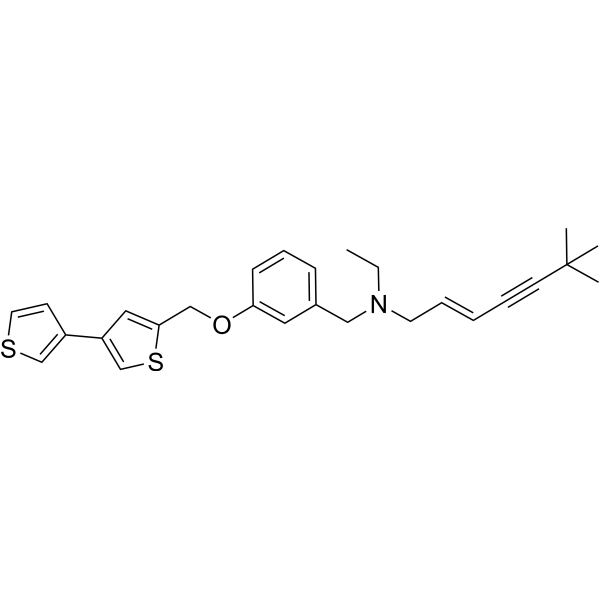
NB-598 is a potent and competitive inhibitor of squalene epoxidase (SE), and suppresses triglyceride biosynthesis through the farnesol pathway. NB-598 is a click chemistry reagent, it contains an Alkyne group and can undergo copper-catalyzed azide-alkyne cycloaddition (CuAAc) with molecules containing Azide groups.
loading...
    loading...
16
16 Cited Publications
Cat. No.: HY-16343C
CAS No.: 155294-62-5
Target:  

COX

Research Areas:  

Metabolic Disease

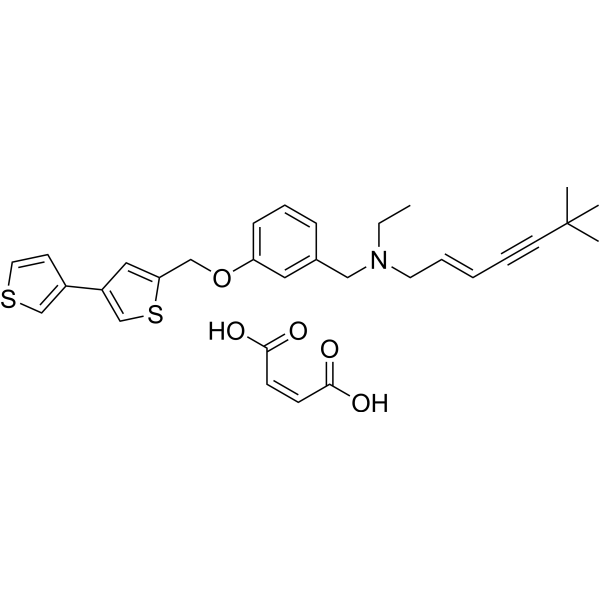
NB-598 Maleate is a potent and competitive inhibitor of squalene epoxidase (SE), and suppresses triglyceride biosynthesis through the farnesol pathway. NB-598 (Maleate) is a click chemistry reagent, it contains an Alkyne group and can undergo copper-catalyzed azide-alkyne cycloaddition (CuAAc) with molecules containing Azide groups.
loading...
    loading...
14
14 Cited Publications
Cat. No.: HY-14166
CAS No.: 118414-82-7
Purity:  99.87%
Synonyms: L 663536
Research Areas:  

Cancer

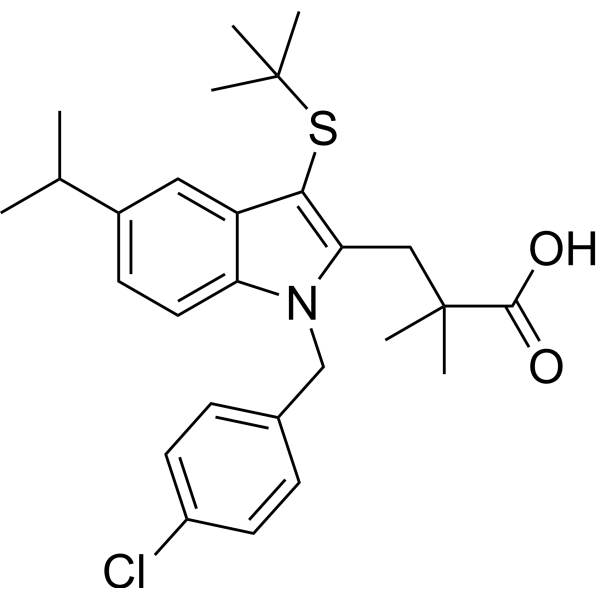
MK-886 (L 663536) is a potent, cell-permeable and orally active FLAP (IC50 of 30 nM) and leukotriene biosynthesis (IC50s of 3 nM and 1.1 μM in intact leukocytes and human whole blood, respectively) inhibitor. MK-886 is also a non-competitive PPARα antagonist and can induce apoptosis .
loading...
    loading...

