381 Results for "

cancers and inflammatory diseases

" in MedChemExpress (MCE) Product Catalog:
Products (381)

381 Results for "cancers and inflammatory diseases" in MCE Product Catalog:

50
50 Cited Publications
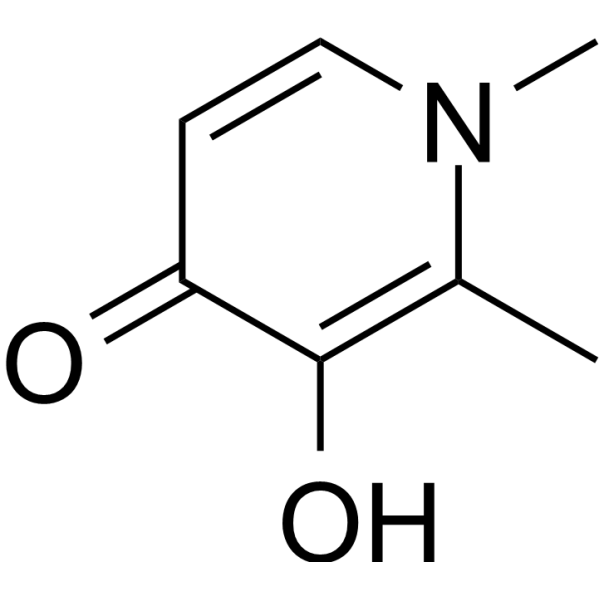
Cat. No.: HY-B0568
CAS No.: 30652-11-0
Deferiprone is a potent, orally active, brain-penetrant, cell-penetrant, skin-permeable, free iron chelating agent. Deferiprone inhibits the proliferation and migration, and stimulates apoptosis in tumor cell. Deferiprone can inhibit KDM. Deferiprone has antianemic, neuroprotective, anti-inflammatory, antioxidant, and antidotal activity. Deferiprone can be used in cancer, cardiovascular disease, infection, inflammation, and neurological disease study .
loading...
    loading...
46
46 Cited Publications
Cat. No.: HY-108882
CAS No.: 9003-98-9
Synonyms: DNase
Target:  

Others

Research Areas:  

Inflammation/Immunology Cancer

DNase I (EC 3.1.21.1) is an enzyme that degrade DNA, it plays a key role in the cleavage of extracellular DNA is crucial for limiting the inflammatory response and maintaining homeostasis. Exogenous deoxyribonuclease shows beneficial effects in inflammatory diseases and cancer .
loading...
    loading...
33
33 Cited Publications
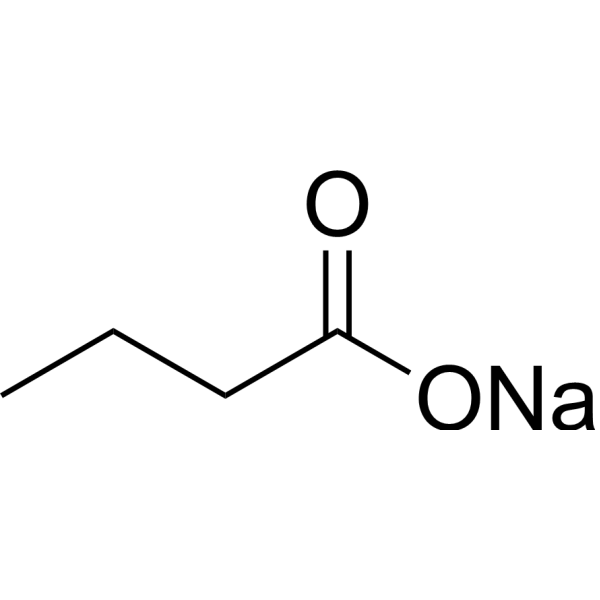
Cat. No.: HY-B0350A
CAS No.: 156-54-7
Synonyms: Butanoic acid sodium; Butyric acid sodium
Target:  

HDAC

Sodium butyrate ((Butanoic acid; Butyric acid) sodium) is an orally active HDAC inhibitor. Sodium butyrate induces hyperacetylation of core histones and affects phosphorylation of H1/H2A, thereby altering chromatin structure and regulating gene expression. Sodium butyrate can be used in research related to various cancers, inflammatory bowel disease, and sickle cell anemia .
loading...
    loading...
29
29 Cited Publications
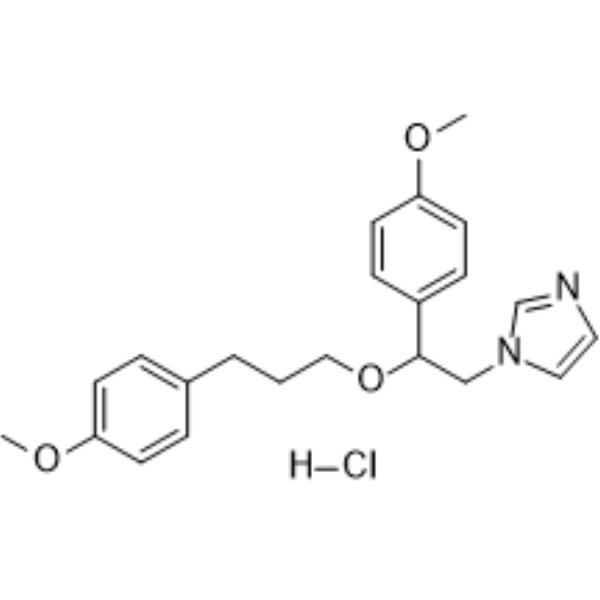
Cat. No.: HY-100001
CAS No.: 130495-35-1
Purity:  ≥99.01%
SKF-96365 hydrochloride is a TRPC channel antagonist and store-operated calcium entry (SOCE) inhibitor. SKF-96365 hydrochloride reduces calcium ion influx by inhibiting the activity and expression of TRPC6, STIM1 and Orai1. SKF-96365 hydrochloride inhibits voltage-gated sodium current (cardiac INa/NaV1.5) and slows myocardial conduction. SKF-96365 hydrochloride inhibits phosphorylation/activation of CaMKIIγ and suppresses the downstream AKT signaling pathway. SKF-96365 hydrochloride induces G2/M phase cell cycle arrest, apoptosis and cytoprotective autophagy in colorectal cancer cells. SKF-96365 hydrochloride alleviates allergic rhinitis symptoms by reducing inflammatory cytokine levels. SKF-96365 hydrochloride reduces intracellular calcium overload, inhibits Homer1 expression, prevents nuclear damage and suppresses apoptosis. SKF-96365 hydrochloride inhibits the growth of colorectal cancer xenografts in nude mice . SKF-96365 hydrochloride is applicable to research related to allergic rhinitis, colorectal cancer, Parkinson's disease, persistent spontaneous nociception and hyperalgesia .
loading...
    loading...
29
29 Cited Publications
Cat. No.: HY-125942
CAS No.: 162849-90-3
SKF-96365 is a TRPC channel antagonist and store-operated calcium entry (SOCE) inhibitor. SKF-96365 reduces calcium ion influx by inhibiting the activity and expression of TRPC6, STIM1 and Orai1. SKF-96365 inhibits voltage-gated sodium current (cardiac INa/NaV1.5) and slows myocardial conduction. SKF-96365 inhibits phosphorylation/activation of CaMKIIγ and suppresses the downstream AKT signaling pathway. SKF-96365 induces G2/M phase cell cycle arrest, apoptosis and cytoprotective autophagy in colorectal cancer cells. SKF-96365 alleviates allergic rhinitis symptoms by reducing inflammatory cytokine levels. SKF-96365 reduces intracellular calcium overload, inhibits Homer1 expression, prevents nuclear damage and suppresses apoptosis. SKF-96365 inhibits the growth of colorectal cancer xenografts in nude mice . SKF-96365 is applicable to research related to allergic rhinitis, colorectal cancer, Parkinson's disease, persistent spontaneous nociception and hyperalgesia .
loading...
    loading...
20
20 Cited Publications
Cat. No.: HY-B2163
CAS No.: 472-61-7
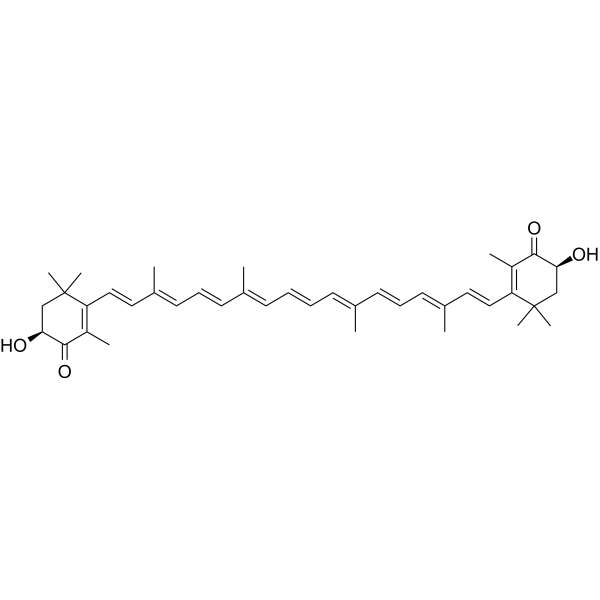
Astaxanthin, the red dietary carotenoid, is an orally effective and potent antioxidant. Astaxanthin inhibits NF-κB and down-regulates VEGF in blood glucose. Astaxanthin exerts anti-cancer cell proliferation, increases apoptosis, impairs migration and invasion by activating PPARγ and reducing the expression of STAT3. Astaxanthin also has neuroprotective and anti-inflammatory activity and can be used in studies of cancer, diabetic retinopathy, cardiovascular disease, and in the coloring of animal feed .
loading...
    loading...
18
18 Cited Publications
Cat. No.: HY-B1272
CAS No.: 58-28-6
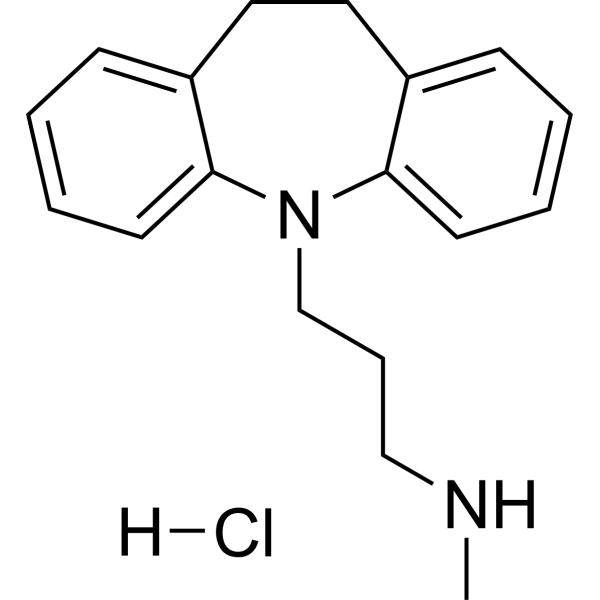
Desipramine hydrochloride is a first-generation tricyclic antidepressant. Desipramine hydrochloride selectively binds to norepinephrine transporter and blocks neuronal norepinephrine reuptake. Desipramine hydrochloride activates MAPK signaling via ERK1/2, JNK, and p38, represses NF-κB and AP-1 activity, and induces apoptosis via ROS elevation, mitochondrial membrane potential reduction, and intracellular calcium increase. Desipramine hydrochloride also shows anyi-inflammatory activity, inhibiting TNF-α production. Desipramine hydrochloride can be used for the research of hepatocellular cancer, inflammation, and neurological diseases .
loading...
    loading...
16
16 Cited Publications
Cat. No.: HY-N0451
CAS No.: 480-44-4
Synonyms: 5,7-Dihydroxy-4'-methoxyflavone
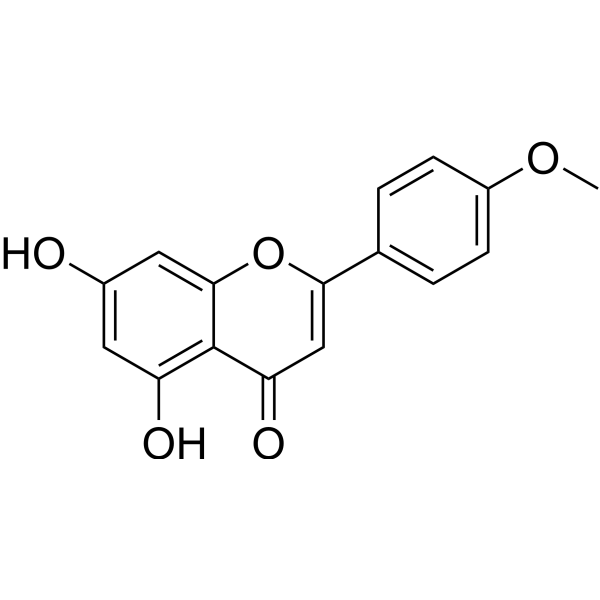
Acacetin (5,7-Dihydroxy-4'-methoxyflavone) is an orally active flavonoid derived from Dendranthema morifolium. Acacetin docks in the ATP binding pocket of PI3Kγ. Acacetin causes cell cycle arrest and induces apoptosis and autophagy in cancer cells. Acacetin has potent anti-cancer and anti-inflammatory activity and has the potential for pain-related diseases research .
loading...
    loading...
15
15 Cited Publications
Cat. No.: HY-D0803
CAS No.: 490-91-5
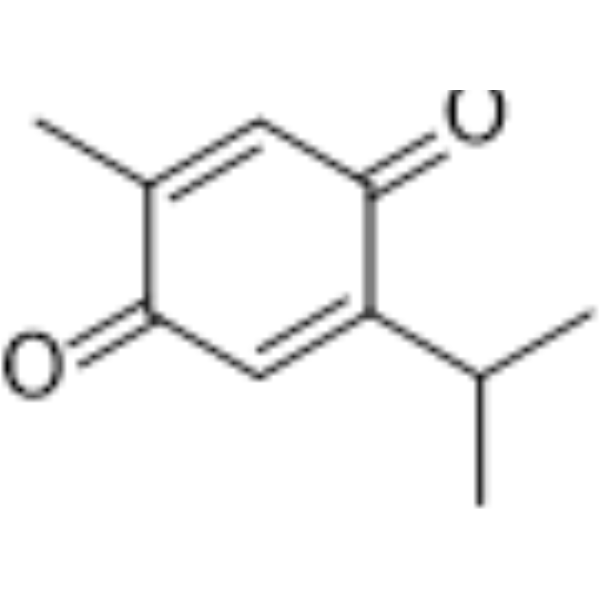
Thymoquinone is an orally active natural product isolated from N. sativa Thymoquinone down-regulates the VEGFR2-PI3K-Akt pathway. Thymoquinone has antioxidant, anti-inflammatory, anticancer, antiviral, anticonvulsant, antifungal, antiviral, antiangiogenic activity and hepatoprotective effects. Thymoquinone can be used to study Alzheimer's disease, cancer, cardiovascular disease, infectious disease and inflammation .
loading...
    loading...
12
12 Cited Publications
Cat. No.: HY-N0103
CAS No.: 6483-15-4
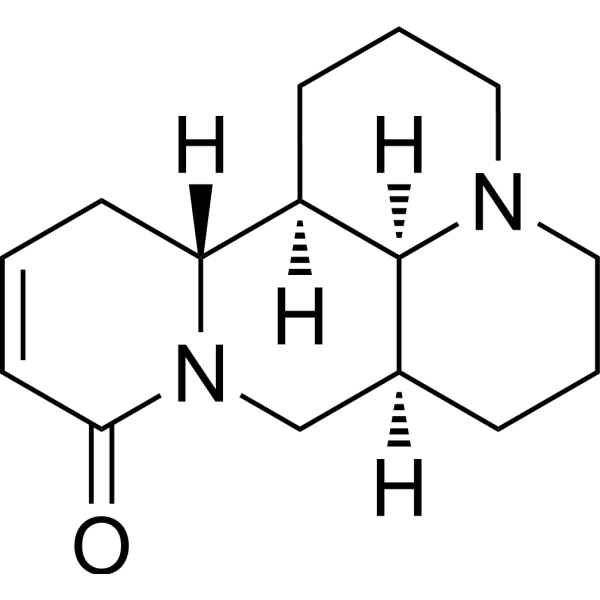
Sophocarpine is a PTEN activator and an inhibitor of PI3K/Akt, MEK/ERK, and NF-κB signaling pathways. Sophocarpine upregulates PTEN expression and inhibits PI3K/Akt phosphorylation, arrests tumor cell cycle and induces apoptosis. Sophocarpine inhibits MEK/ERK phosphorylation and VEGF secretion, reducing tumor cell migration. Sophocarpine can also inhibit NF-κB activation and p38 and JNK phosphorylation, reduce the expression of inflammatory factors such as iNOS and COX-2, and activate the Nrf2/HO-1 pathway to reduce oxidative stress. Sophocarpine has anti-tumor, anti-inflammatory, antioxidant and anti-apoptotic effects, and can be used in the research of cancers such as glioblastoma and colorectal cancer, inflammation-related diseases, and Doxorubicin (HY-15142A)-induced cardiac damage .
loading...
    loading...
12
12 Cited Publications
Cat. No.: HY-N0103A
CAS No.: 145572-44-7
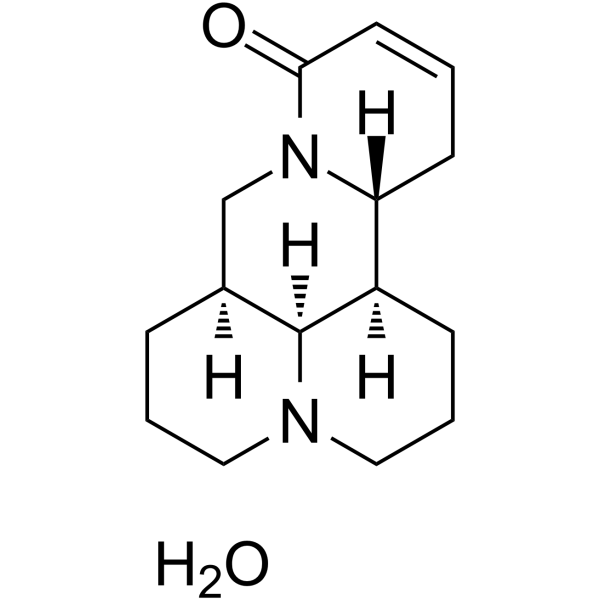
Sophocarpine monohydrate is a PTEN activator and an inhibitor of PI3K/Akt, MEK/ERK, and NF-κB signaling pathways. Sophocarpine monohydrate upregulates PTEN expression and inhibits PI3K/Akt phosphorylation, arrests tumor cell cycle and induces apoptosis. Sophocarpine monohydrate inhibits MEK/ERK phosphorylation and VEGF secretion, reducing tumor cell migration. Sophocarpine monohydrate can also inhibit NF-κB activation and p38 and JNK phosphorylation, reduce the expression of inflammatory factors such as iNOS and COX-2, and activate the Nrf2/HO-1 pathway to reduce oxidative stress. Sophocarpine monohydrate has anti-tumor, anti-inflammatory, antioxidant and anti-apoptotic effects, and can be used in the research of cancers such as glioblastoma and colorectal cancer, inflammation-related diseases, and Doxorubicin (HY-15142A)-induced cardiac damage .
loading...
    loading...
12
12 Cited Publications
Cat. No.: HY-N2037A
CAS No.: 11041-94-4
Synonyms: Norcoclaurine hydrochloride
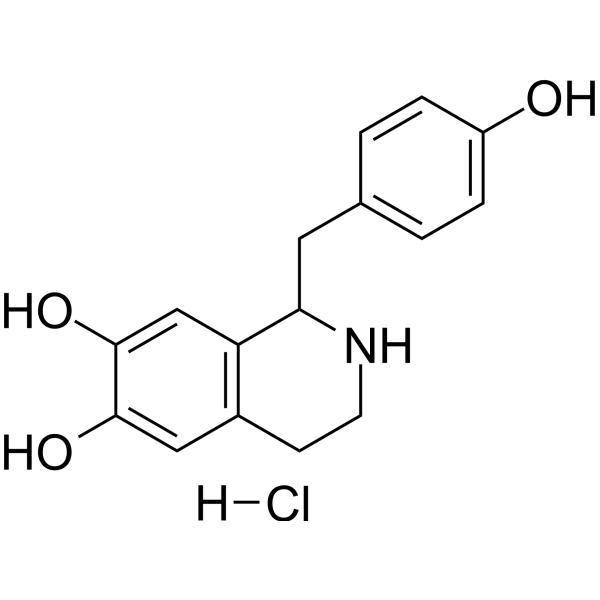
Higenamine hydrochloride is a selective LSD1 inhibitor (IC50=1.47 μM) that can be isolated from aconite. Higenamine hydrochloride has anti-inflammatory and antibacterial activity. Higenamine (Norcoclaurine) can attenuate IL-1β-induced Apoptosis through ROS-mediated PI3K/Akt signaling pathway. Higenamine hydrochloride protects brain cells from oxygen deprivation. Higenamine can promote bone formation in osteoporosis through the SMAD2/3 pathway. Higenamine hydrochloride can be used to study cancer, inflammation, cardiorenal syndrome and other diseases .
loading...
    loading...
12
12 Cited Publications
Cat. No.: HY-N2037
CAS No.: 5843-65-2
Synonyms: Norcoclaurine; Demethyl-Coclaurine
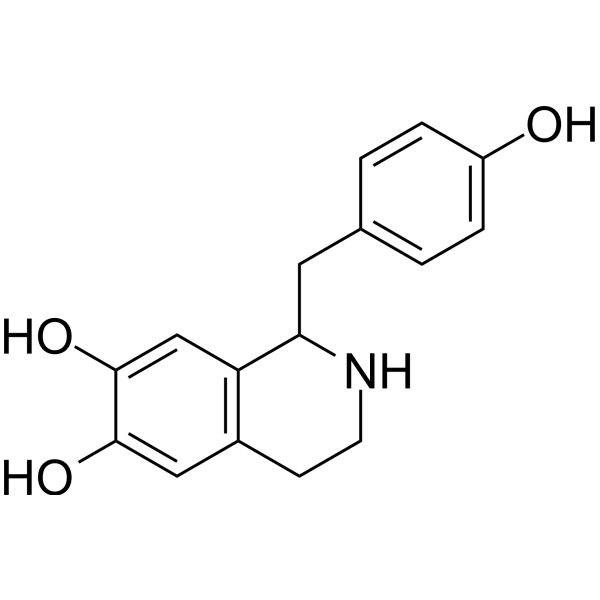
Higenamine (Norcoclaurine), a β2-AR agonist with antioxidant capability, is a key component of the Chinese herb aconite root that prescribes for treating symptoms of heart failure in the oriental Asian countries. Higenamine is also a α1-adrenergic receptor antagonist with hypotensive effect. is a selective LSD1 inhibitor (IC50=1.47 μM) that can be isolated from aconite. Higenamine hydrochloride has anti-inflammatory and antibacterial activity. Higenamine protects myocyte Apoptosis and ischemia/reperfusion (I/R) injury through selective activation of beta2-adrenergic receptor (β2-AR). Higenamine also reduces I/R-induced myocardial infarction in mice. Higenamine can attenuate IL-1β-induced Apoptosis through ROS-mediated PI3K/Akt signaling pathway. Higenamine protects brain cells from oxygen deprivation. Higenamine can promote bone formation in osteoporosis through the SMAD2/3 pathway. Higenamine can be used to study cancer, inflammation, cardiorenal syndrome and other diseases .
loading...
    loading...
10
10 Cited Publications
Cat. No.: HY-13591
CAS No.: 152918-18-8
Purity:  99.01%
Synonyms: IB-MECA; CF-101
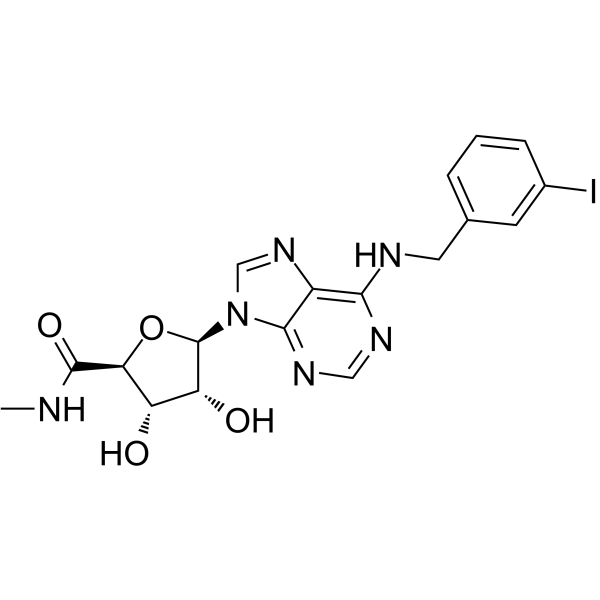
Piclidenoson (IB-MECA) is a first-in-class, orally active and selective A3 adenosine receptor (A3AR) agonist. Piclidenoson exhibits antiproliferative effect and induces apoptosis in different cancer cell types like melanoma, leukemia. Piclidenoson can be used for the research of autoimmune inflammatory diseases and COVID-19 .
loading...
    loading...
10
10 Cited Publications
Cat. No.: HY-N0847
CAS No.: 68370-47-8
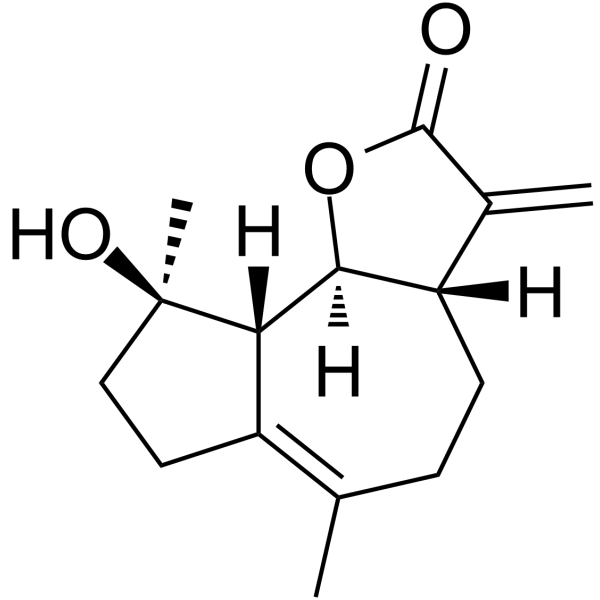
Micheliolide is a sesquiterpene lactone with anti-cancer and anti-inflammatory effects, which is derived from Michelia compressa and Michelia champaca. Micheliolide can attenuate high glucose-stimulated NF-κB activation, IκBα degradation, and the expression of MCP-1, TGF-β1, and FN in mouse mesangial cells. Micheliolide inhibits LPS (HY-D1056)-induced activation of NF-κB and PI3K/Akt/p70S6K pathways to play an anti-inflammatory role. Micheliolide inhibits dextran sodium sulphate (DSS) (HY-116282)-induced inflammatory intestinal disease, colitis-associated cancer and rheumatic arthritis .
loading...
    loading...
8
8 Cited Publications
Cat. No.: HY-N7140
CAS No.: 506-26-3
Synonyms: γ-Linolenic acid
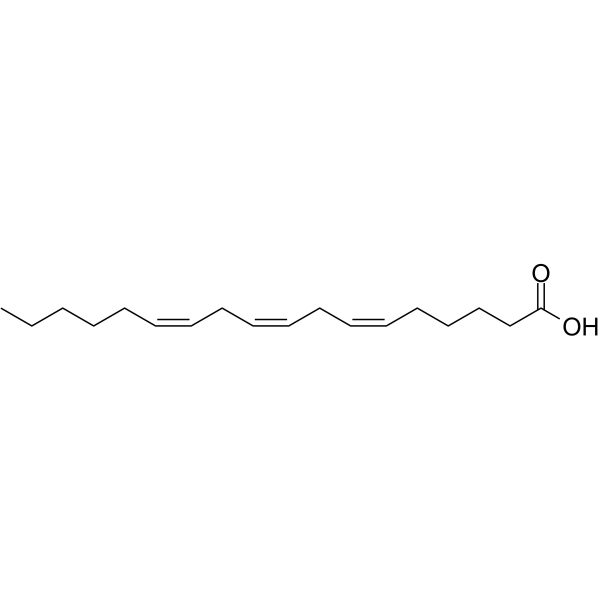
Gamma-linolenic acid (γ-Linolenic acid) is an orally active unsaturated fatty acid. Gamma-linolenic acid exerts anti-inflammatory effects by inhibiting the NF-κB pathway and the phosphorylation of ERK1/2 and JNK. At the same time, it exerts anticancer effects by inducing apoptosis (Apoptosis) in cancer cells. Additionally, Gamma-linolenic acid also has antioxidant and memory-improving effects. It holds promise for research in the fields of inflammation, neurology, and cancer diseases .
loading...
    loading...
7
7 Cited Publications
Cat. No.: HY-108749
CAS No.: 8001-25-0
Synonyms: Cropure OL
Olive oil (Cropure OL) is an oleaginous compound found in the fruit of the Olea europaea tree . Olive oil contains many phenolic components and exerts antioxidant activity. Olive oil exhibits hydroxyl radical scavenging, platelet aggregation inhibition and xanthine oxidase inhibitory activity. Olive oil can promote wound healing and relieve inflammation. Olive oil can be used for the research of inflammation, cancer, metabolic and cardiovascular disease, such as diabetic foot ulcers and inflammatory bowel disease .
loading...
    loading...
6
6 Cited Publications
Cat. No.: HY-N0006
CAS No.: 22608-11-3
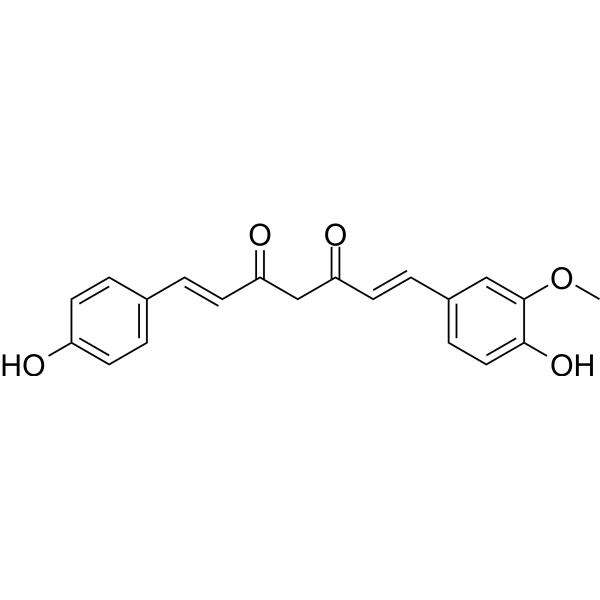
Synonyms: Curcumin II; Desmethoxycurcumin; Monodemethoxycurcumin
Demethoxycurcumin is one of the main active ingredients of curcumin, which has anti-inflammatory, antioxidant, antibacterial, anti-cancer and neuroprotective effects. Demethoxycurcumin is orally active. Demethoxycurcumin can be used in inflammation, cancer and Alzheimer's disease research .
loading...
    loading...
6
6 Cited Publications
Cat. No.: HY-B1018A
CAS No.: 156-51-4
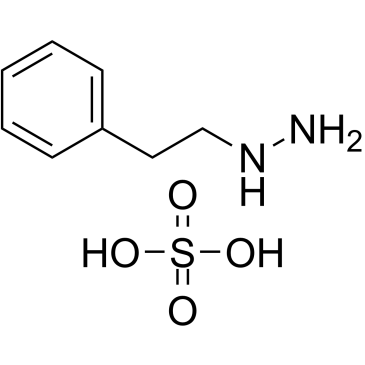
Phenelzine sulfate, an antidepressant agent, is an irreversible and orally active monoamine oxidase (MAO-A and MAO-B) inhibitor. Phenelzine sulfate inhibits GABA transaminase and primary amine oxidase (PrAO), and sequester reactive aldehydes. Phenelzine sulfate also inhibits LSD1 (Ki: 5.6 μM) and suppresses oxidative stress and lipogenesis. Phenelzine sulfate elevates neurotransmitters (serotonin, norepinephrine, dopamine). Phenelzine sulfate is studied in neurological, metabolic and cancer diseases for depression and anxiety disorders, stroke, spinal cord injury, traumatic brain injury, multiple sclerosis, Parkinson’s disease, Alzheimer’s disease, inflammatory pain, obesity and prostate cancer .
loading...
    loading...
6
6 Cited Publications
Cat. No.: HY-N1363
CAS No.: 14113-05-4
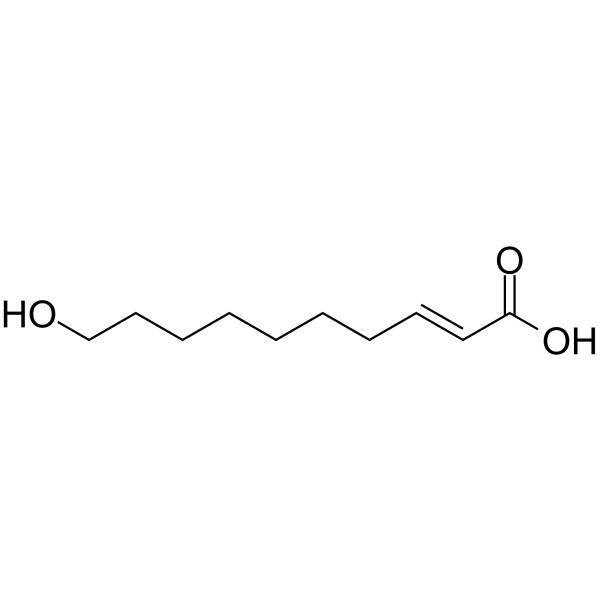
Synonyms: (E)-Queen Bee Acid; (E)-10-Hydroxy-2-decenoic acid
Royal Jelly Acid ((E)-Queen Bee Acid) is a major fatty acid found in royal jelly with oral bioavailability, exhibiting anti-inflammatory, anticancer, antimalarial, antiprotozoal, and neuroregulatory activities. Royal Jelly Acid can be used for research in various fields, including cancer, infections, immune inflammation, and neurological diseases .
loading...
    loading...

